
REVIEW · ARUBA
Half-Day Aruba Intro Diving Course for Beginners
Aruba’s underwater world starts close to shore. This four-hour course gives you a clear first step into scuba, with classroom instruction, pool practice, and a supervised open-water session at a shallow reef or shipwreck. I especially like the patient instructors, including Carlos, Carl, Manny, Ernie, and Lennart, and the chance to see turtles, rays, octopus, lobster, and schools of tropical fish on a first underwater outing.
The $104 price is fair for a lesson, equipment, pool training, boat trip, and one-tank sea session. The main caution is that the experience can lose time to check-in delays or boat scheduling, and the pool group may not always feel as personal as a private lesson. You also need to be in suitable health and plan carefully around your flight.
Key things to know before booking
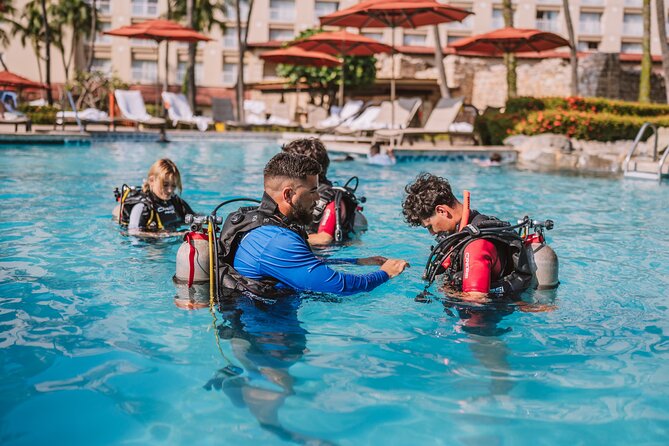
- The course begins in a pool: You learn basic breathing, equipment use, pressure control, and underwater communication before entering the sea.
- The open-water session reaches about 20 to 30 feet: This is a shallow introduction, well suited to first-time scuba participants.
- Shipwrecks are a real possibility: Depending on conditions, the boat may visit a shallow wreck such as the Pedernales, or a nearby reef.
- The instructor stays with you underwater: This matters if you feel nervous, have trouble clearing your ears, or need help with your mask.
- The advertised group size is small: The maximum is four participants, although one account described a larger pool-instruction ratio.
- You must avoid flying on the same day: Plan the activity with your arrival and departure flights in mind.
Why this is a sensible first step into scuba
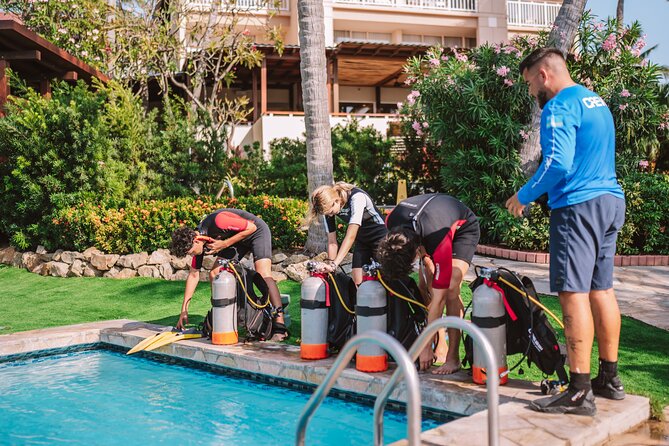
Scuba can feel like a lot to take in at once. You must breathe through a regulator, manage your buoyancy, clear your ears, read hand signals, and stay calm in an unfamiliar setting. This course breaks those tasks into manageable pieces instead of dropping you straight from the beach onto a reef.
The schedule includes about two hours of instruction in the pool. That is a useful amount of time for a first attempt. You can get used to the mask, fins, tank, and regulator before facing waves or open water. The instructor can also check how you respond to breathing underwater and whether your equipment fits correctly.
I like that the course does not treat the pool session as a formality. Several participants had trouble at first with nerves, masks, or the feel of the equipment. Patient instructors helped them settle in before moving to the sea. That is exactly what you want from an introductory lesson.
The experience is not a certification course. It is a supervised introduction, with one open-water outing rather than the several training sessions required for a full scuba qualification. If you enjoy it, the course may help you decide if you want to pursue an open-water certificate later.
More Dive Courses in Aruba:
- Aruba PADI Scuba Diving Program Non Certified Divers
★ 5.0 · 99 reviews - Guided Padi Discover Scuba Diving for Non-Certified Divers
★ 5.0 · 33 reviews - Barcelona: PADI Discover Scuba Diving
★ 4.7 · 1,016 reviews
The meeting point at Piet’s Pier Bar
You meet at Piet’s Pier Bar, at J.E. Irausquin Boulevard 85 in Noord. The activity returns to this same point after the boat trip.
The location is near public transportation, which is helpful if you are staying in the Palm Beach or Noord area. Still, allow extra time. The check-in process has not always been quick, and some participants waited before staff arrived or before paperwork was handled. If your day includes a tight dinner reservation, airport transfer, or another tour, leave a cushion.
You will receive confirmation at booking. Complete any required online preparation before arrival if instructed. One participant said the preliminary course took about ten minutes, so this should not be a major burden, but it is best not to leave it until the last minute.
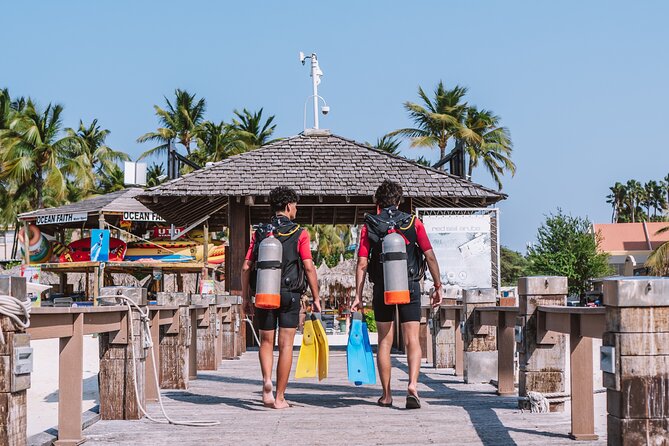
The boat has twin drop-down ladders for access to the water, a restroom, fresh-water showers, and a two-tier photo table for cameras and video equipment. Those are practical touches. The ladders should make entering and leaving the water easier, while the showers let you rinse off salt after the session.
Two hours in the pool: the part that matters most
The theory session covers the basic rules of scuba. You learn how pressure affects the body, how to breathe from the tank, and how to use the equipment. You also practice communication and buoyancy control.
For many first-timers, the pool is the most valuable part of the day. The sea may look inviting, but clear water does not remove the need to stay calm and follow instructions. Pool practice gives you a chance to pause, ask questions, adjust your mask, and learn how to respond if water enters it.
The strongest praise for this course goes to the instructors’ calm manner. Carl was described as patient and attentive with a first-time participant. Ernie helped a nervous student feel comfortable. Carlos was praised for explaining the basics clearly, while Manny received strong marks for his careful instruction. Lennart was noted for emphasizing calmness from the very first meeting.
That personal support can make or break the experience. If you are anxious, tell the instructor early. Do not feel pressured to move on simply because another person is ready. The supplied information says the instructor accompanies you throughout the open-water session, but the degree of individual attention during the pool portion may depend on the group.
The listed maximum is four participants. That suggests a fairly small outing, but one account described a pool ratio of one instructor to eight students and preferred a private instructor. I would ask about the group size when booking if close support is especially important to you.
The boat ride and the choice of site
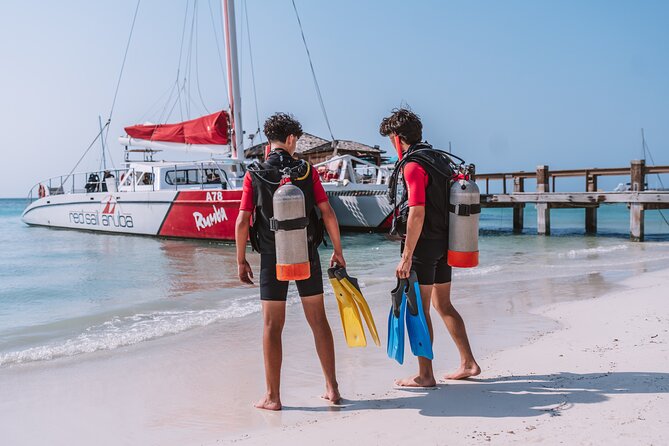
After the pool work, you take about a 1.5-hour boat outing. The actual travel time to the site can be short. One account described reaching a wreck in only a few minutes, while the overall boat period still included preparation and return time.
The site may be a shallow reef or a shipwreck. Aruba has several accessible underwater locations, and the choice depends on conditions and the day’s operation. A wreck can add a strong sense of place to a first scuba experience. The Pedernales was named by one participant, and others described seeing a shipwreck in water around 20 to 25 feet deep.
A reef offers a different kind of appeal. You may spend more time looking at fish and coral rather than following the shape of a large wreck. The course description promises an introduction to Aruba’s marine life, but the exact animals are never guaranteed. Still, sightings reported from this experience include sea turtles, rays, octopus, lobster, shrimp, moray eel, and many tropical fish.
The boat has a photo table, so you can bring underwater camera equipment if appropriate. Keep your attention on the instructor and your surroundings first. A first underwater session is not the time to become so focused on filming that you forget buoyancy or communication.
More Beginner Dives in Aruba:
- Small-Group Aruba Scuba Diving for Non-Certified Divers
★ 5.0 · 194 reviews - Private First-Time Dive on Aruba’s Reef and Wreck Site
★ 5.0 · 192 reviews - First-Time Scuba Diving in Honolulu + Free Videos
★ 5.0 · 3,123 reviews - Beginner Scuba Diving with Turtles and Videos, San Juan
★ 5.0 · 1,743 reviews
What the 30 to 40-minute sea session feels like
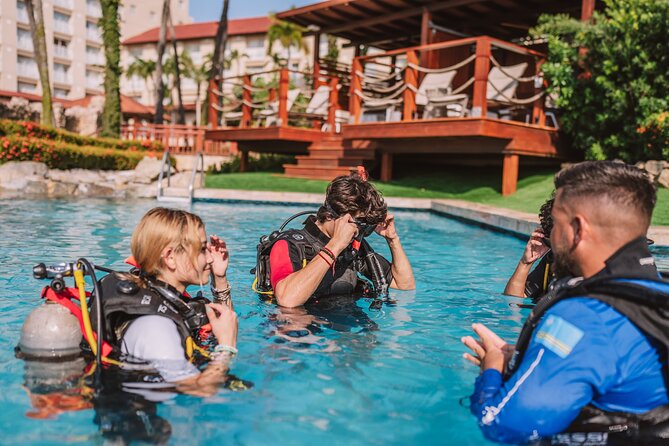
The open-water portion lasts about 30 to 40 minutes. Depths are listed in the 20 to 30-foot range, or roughly 6 to 9 meters. That is shallow by scuba standards, but it is plenty for a first experience.
You will practice the skills from the pool while moving through the Caribbean Sea. The instructor remains with you underwater, helping you maintain position and communicate. The goal is not speed or distance. It is to become comfortable breathing, looking around, and controlling your body in the water.
Clear water has been a major part of the appeal. One participant described super-clear, warm water with fish and two sea turtles. Another saw a wreck at about 25 feet and found the conditions easy. These reports give a good sense of the experience, but conditions can change. Wind, waves, and current may affect the site and your comfort.
One account described a rougher day with strong wind, larger waves, and current. That person felt the conditions were poor for snorkeling and thought the underwater site was better suited to scuba than surface swimming. Keep this in mind if you are hoping for a calm, effortless boat outing. The sea makes the final decision.
The short bottom time is another point to understand. Thirty to 40 minutes can feel brief once you become absorbed in the fish and wreck. It is long enough to sample scuba, but not a full day of exploration. Certified divers looking for a more substantial underwater program should choose a different product.
The marine life and the shipwreck appeal
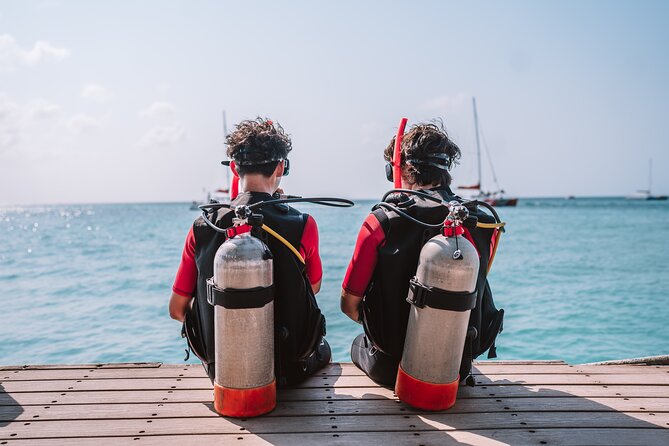
Aruba’s shallow sites make this a strong choice for people who want an introduction without committing to a deep or technical outing. The reported sightings are impressive for a first session. Turtles are especially memorable, and several accounts described schools of fish close enough to watch at arm’s length.
You might also see rays, octopus, lobster, shrimp, or a moray eel. The wording matters here: these are possible sightings, not promises. Marine life moves on its own schedule, and visibility or currents may change what you see.
The wreck adds another layer to the trip. A shipwreck gives you something to navigate around and look at, while fish often gather near its structure. For a beginner, it can make the experience feel more like an exploration than a basic skills exercise.
I would not book this solely on the promise of a specific wreck or animal. Book it because the course offers a supervised way to experience Aruba underwater. If the wreck appears and turtles join you, that is a fine bonus.
The boat facilities and practical comfort
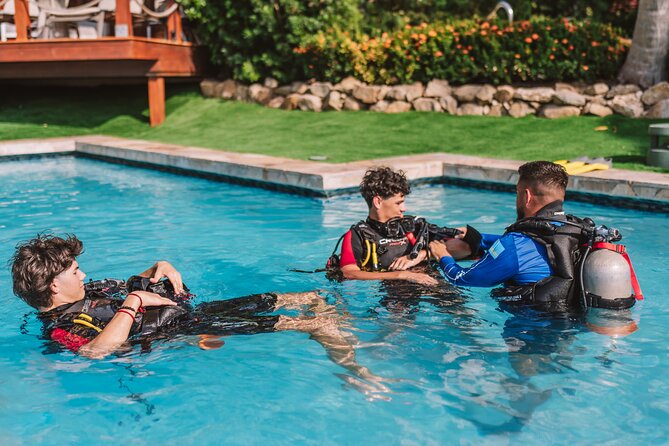
The boat is set up for recreational scuba rather than rough expedition work. Twin ladders make water access easier, especially when you are wearing equipment. A restroom is available, and fresh-water showers help with rinsing.
Water is included. The provided details do not promise snacks or fruit, and one participant specifically felt disappointed that no fruit was offered. Bring any food you need before the session, but follow the operator’s instructions about eating and drinking around the activity.
Wear a swimsuit you do not mind exposing to standard rental equipment. One participant reported rubber marks on a swimsuit. That may not happen to you, but an older suit is a sensible precaution.
The boat trip can also include waiting. Some accounts described delays before check-in and another wait while the boat returned from a prior outing. Once underway, the captain and instructor were praised for their professionalism, but the operation may not run with clockwork precision. I would avoid booking this on a day packed with fixed plans.
Safety rules you should take seriously
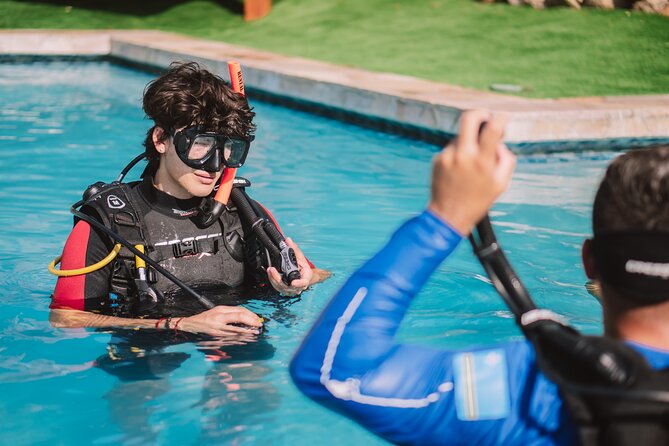
You need moderate physical fitness and must be in suitable health for scuba. The operator may ask you to complete a medical questionnaire or obtain medical clearance.
The stated restrictions include heart problems, colds or congestion, epilepsy, asthma, and being under the influence of alcohol or drugs. You should also speak with a doctor if you are pregnant, may be pregnant, or take medication.
These rules are not mere paperwork. One participant was unable to continue after coughing during the pool session. The instructor explained that scuba with a cold was not safe or comfortable, and the session was postponed. That decision was disappointing for the participant, but it shows why the pool check matters.
You must not scuba or snorkel on the same day that you fly. Schedule the course well before your departure flight, and do not assume that a late-night flight automatically makes the same day acceptable. If you are unsure about your health or medication, ask your doctor before booking.
Children aged 10 and under are not recommended for this activity. The information provided does not set a firm maximum age, but all participants must meet the physical requirements.
Is $104 good value?
At $104 per person, the price covers instruction, equipment, the pool session, an open-water outing, and water. You also receive the supervision of a scuba instructor and use of the boat facilities.
That is a reasonable package for someone who wants to test scuba without buying equipment or enrolling in a full certification program. The value is strongest if you are curious but unsure you want to commit to several days of training.
The price is less attractive if your main goal is a long underwater session. The sea portion lasts about 30 to 40 minutes, and the full four-hour schedule includes instruction, preparation, boat travel, and possible waiting. Certified scuba participants may want more time underwater.
One participant said booking directly with Red Sail Sports Aruba could save about $10 per person. Prices can change, so compare the final total and cancellation terms before paying. The advertised experience is operated by Red Sail Sports Aruba.
Free cancellation is available if you cancel at least 24 hours before the start time. Cancellations made inside that window are not refunded, and late changes are not accepted. Poor weather can lead to a different date or a full refund.
Who should book this Aruba course?
I would recommend it to:
- First-time scuba participants who want a gentle introduction
- Nervous beginners who value patient instruction
- Families with children older than 10 who meet the health requirements
- Snorkelers curious about seeing more of the underwater world
- People interested in deciding if full scuba certification is worthwhile
- Visitors staying near Noord or Palm Beach who can reach the pier easily
I would think twice if you need a private instructor, dislike waiting, have a tight schedule, or want a long sea session. You should also skip it until medically cleared if you have congestion, a respiratory condition, or another concern listed by the operator.
Should you book the Half-Day Aruba Intro Scuba Course?
Yes, if you want a carefully supervised first taste of scuba and accept that the day may include waiting. The pool training, shallow depth, and instructor support make this more approachable than being sent straight onto a deeper reef.
The best reason to book is the teaching. Instructors such as Carl, Manny, Ernie, Carlos, and Lennart were praised for patience, clear explanations, and calm support. The possible reward is excellent: a wreck, warm clear water, turtles, rays, and schools of fish.
Book with realistic expectations. This is not a certification course, not a private lesson by default, and not a guaranteed turtle encounter. Confirm your health eligibility, allow extra time, protect your swimsuit, and schedule it away from flights. If those conditions suit you, $104 is a fair price for a memorable first look below Aruba’s surface.
FAQ
Do I need previous scuba experience?
No. The course is designed for beginners, and no previous scuba experience is required.
How long does the experience last?
The activity lasts about four hours in total.
What does the course include?
It includes the instruction session, all necessary scuba equipment, the open-water session, and water.
How deep will I go?
The open-water session is generally in the 20 to 30-foot range.
How long is the underwater session?
The one-tank open-water session lasts approximately 30 to 40 minutes.
Will I visit a shipwreck?
The boat goes to either a shallow reef or a wreck, depending on the day and conditions. Shipwreck sites, including the Pedernales, have been used for this experience.
What marine life might I see?
Possible sightings include tropical fish, sea turtles, rays, octopus, lobster, shrimp, moray eel, and coral. Wildlife sightings are not guaranteed.
Can children participate?
Children aged 10 and under are not recommended for this activity. Participants must also meet the stated health and fitness requirements.
Can I fly on the same day as the course?
No. The safety information states that you should not scuba or snorkel on the same day that you fly.
More Half-Day Trips in Aruba
- Half-Day Scuba Diving Tour – Discover Scuba Diving!
★ 5.0 · 669 reviews - Half-Day White Shark Cage Diving from Gansbaai
★ 4.5 · 310 reviews - From Dubai: Fujairah Half-Day Scuba Dive and Snorkeling
★ 4.7 · 186 reviews - Paphos: Discover Scuba Diving Half-Day Tour
★ 4.9 · 137 reviews
New dives around Aruba
- Private Dive at Shipwreck + Beautiful Reef Spot(Certified divers)★ 3.0 · 2 reviews
- Private Dive + videographer/Photographer (Certified divers only)★ 5.0 · 11 reviews
- Shore Dive Aruba for Certified Divers★ 4.5 · 33 reviews
- Night Shore Diving Mangel Halto Aruba for Certified Divers★ 5.0 · 6 reviews
- Aruba Flyboarding & Jetovator Experience: Fly Like a Bird & Dive Like a Dolphin★ 4.5 · 64 reviews
- Guided Padi Discover Scuba Diving for Non-Certified Divers★ 5.0 · 33 reviews
- Boat Dive Shipwreck/ Airplanes/ Reef /2 tanks★ 4.0 · 13 reviews
- Aruba PADI Scuba Diving Program Non Certified Divers★ 5.0 · 99 reviews
PADI Courses & Certification, compared.
Tossa de Mar: PADI Discovery Scuba Diving in Costa Brava
Read our review →
Full-Day Beginner Scuba Course with Private Tuition, Racha Yai
Read our review →
Beginner Scuba Diving Lesson with PADI Instructor
Read our review →
Discover Scuba Diving with No Certification in St Thomas
Read our review →
Try Dive – PADI Discover Scuba Diving in Tenerife
Read our review →
Browse the lists this tour appears in