
REVIEW · ARUBA
Small-Group Aruba Scuba Diving for Non-Certified Divers
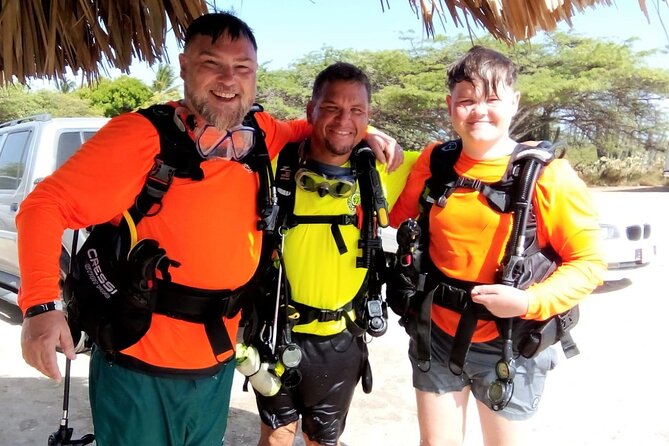
The sea is easier to face with a calm guide. This Aruba scuba experience gives you a gentle first look beneath the surface, with about 30 minutes of classroom instruction followed by shallow-water practice and a guided underwater session. I like the maximum four-person group and the one-instructor-for-two-participant ratio, which gives nervous beginners real attention instead of sending them into the water in a crowd.
I also like the simple shore access at Tres Trapi or Mangel Halto. You avoid a boat ride, and the calm entry makes this a sensible first attempt. The main consideration is that this is an introductory session, not a full certification course. You may also be asked to stop before booking if your medical questionnaire raises a concern, so check that document first.
What makes this Aruba experience different
- A genuine first-time scuba lesson: You learn basic theory, breathing, mask clearing, ear equalizing, and other core skills before heading to deeper water.
- One instructor for every two non-certified participants: The small ratio is especially helpful if you feel uneasy, have trouble clearing your mask, or need to remain shallow.
- Shore-based access at Tres Trapi or Mangel Halto: There is no boat transfer, and the shallow entry helps you settle in at your own pace.
- About 45 minutes underwater for many beginners: Your time depends on air use, comfort, and conditions, but the total activity lasts about two hours.
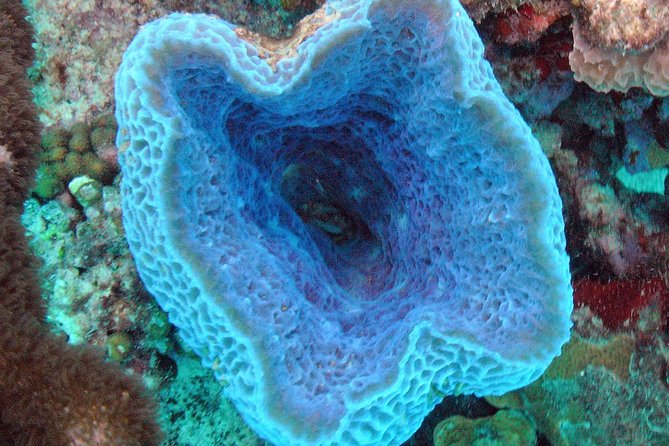
- A strong chance to see Aruba’s sea life: Participants have encountered turtles, eels, pufferfish, octopuses, angel fish, schools of silver fish, and coral formations.
- A useful stepping-stone to certification: If the session clicks, Pure Diving Aruba offers PADI and SDI certification options later.
The 2 pm start at Tres Trapi
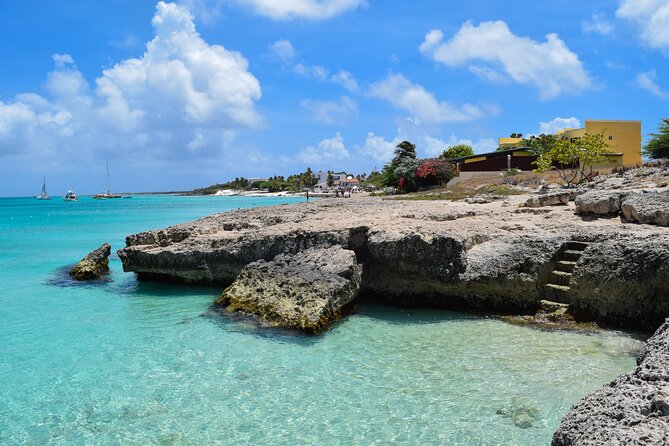
The meeting point is Tres Trapi Beach on L. G. Smith Boulevard 105 in Noord. The activity begins at 2 pm and ends back at the meeting point, making it easy to fit around a relaxed morning, lunch, or another early-day plan.
Pickup is available from Palm and Eagle resorts, Harbor House, Renaissance resorts, and the cruise terminal. If you arrive by ship, the stated meeting point is opposite the terminal exit at the Citgo petrol station. Confirm your pickup details when booking, since the beach meeting point and pickup location are not the same thing.
There is also a $7 BBO fee per person that is not included in the advertised $114 price. That puts the practical cost at $121 per person before any optional gratuity. At first glance, that is not the cheapest beach activity in Aruba, but the price includes instruction, scuba equipment, tanks, and a closely supervised underwater experience. For someone who wants to try scuba without committing to a full course, I consider the cost reasonable.
The advertised session lasts about two hours. That includes the briefing, fitting equipment, shallow-water practice, and the underwater portion. Do not read the two-hour figure as two hours beneath the surface. Your actual underwater time depends on breathing, comfort, and how much air remains in your tank.
More Beginner Dives in Aruba:
- Private First-Time Dive on Aruba’s Reef and Wreck Site
★ 5.0 · 192 reviews - Aruba PADI Scuba Diving Program Non Certified Divers
★ 5.0 · 99 reviews - Half-Day Aruba Intro Diving Course for Beginners
★ 4.5 · 97 reviews
Thirty minutes of theory before the water
The first part is a clear explanation of how the equipment works and what you will do underwater. This is not busywork. For a first-time participant, understanding the regulator, buoyancy control device, mask, fins, weights, and tank makes the water feel much less mysterious.
You receive a BCD, regulator, weights, tank, mask, and fins. You can bring and use your own mask and fins if you prefer. That option is useful if you already own equipment that fits well, though you will still use the operator’s tank and breathing system.
The instructors use a visual teaching approach, including a storyboard-style explanation, which can help if technical terms go by quickly. Pay close attention to the parts about breathing continuously, clearing your mask, and equalizing your ears. These are simple skills, but they take concentration when you are wearing unfamiliar equipment.
I would also use this time to tell the instructor exactly how you feel. If you are excited but nervous, say so. If you have tried snorkeling but never used a regulator, mention that too. The small group makes this kind of conversation practical, and the instructors are used to adjusting the pace.
Shallow water practice before going farther
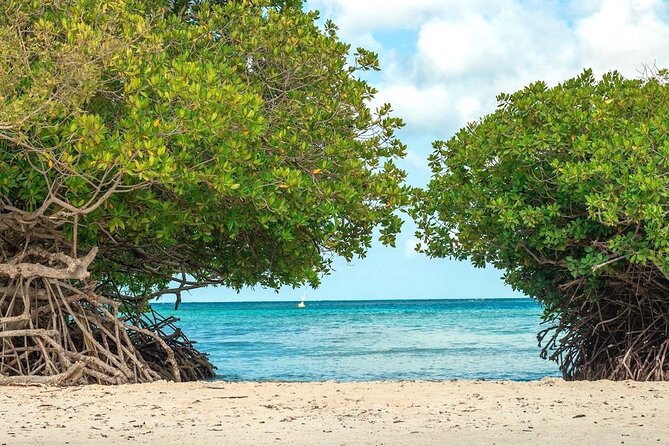
After the briefing, you put on the equipment and enter shallow water to practice. This is one of the best features of the session because you are not expected to handle every new sensation at once.
You can get used to breathing through the regulator, keeping your mask in place, clearing water from it, and managing your ears. The instructors watch closely and help you correct small problems before you move toward deeper water.
This stage also gives you a useful choice. If you are comfortable, the group can continue farther out. If you are not, you can stay shallow or stop. One participant’s companion did not reach the deeper part and snorkeled above while the other continued. Another participant had trouble clearing a mask, and the instructor worked through the issue rather than rushing the session.
That flexibility matters. A first underwater experience is not a test of courage. You do not need to reach a certain depth to make the outing worthwhile. The purpose is to learn how your body and mind respond to scuba equipment in the water.
Tres Trapi and the underwater scenery
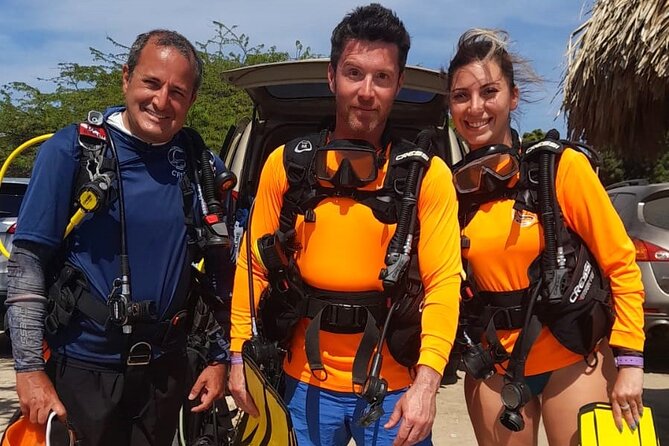
Tres Trapi is used often because its calm, shallow conditions are suitable for beginners. The setting gives you a manageable introduction without requiring a boat departure or a long trip away from shore.
The sea life can be impressive even at a beginner-friendly site. You might see schools of tropical fish, pufferfish, eels, angel fish, octopuses, coral, and turtles. One particularly memorable experience involved hawksbill turtles feeding on seaweed close to the participant. Another included following a turtle, seeing an eel, and watching fish move through the coral.
These sightings are never guaranteed, and the water can be affected by weather. One session had murkier conditions, which limited visibility. Still, calm water and easy access are valuable trade-offs for a first attempt. You are learning to manage your breathing and equipment, not trying to complete a demanding expedition.
The experience may also take place at Mangel Halto. The exact site depends on conditions and the operator’s plan for the day. If your priority is a particular animal or a more dramatic reef setting, ask about the location before you go. If your priority is comfort and a controlled introduction, either shore site can work well.
More Dives for Certified Divers in Aruba:
- Aruba 2-Tank Dive Excursion for Certified Divers
★ 4.5 · 230 reviews - Aruba Certified Scuba Diving
★ 5.0 · 182 reviews - Aruba 2-Tank Guided Dive for Certified Divers / rental equipment
★ 4.5 · 70 reviews - Shore Dive Aruba for Certified Divers
★ 4.5 · 33 reviews
What the underwater portion feels like
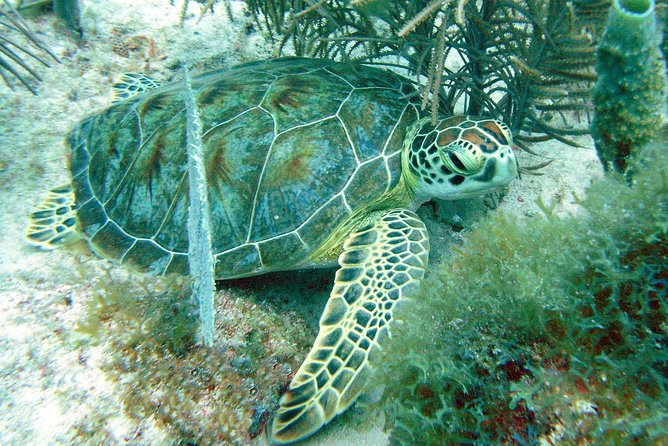
Once you are ready, the instructor leads you from the practice area toward the deeper section. The pace is controlled, and the instructor stays close. With a maximum of two non-certified participants per instructor, you are not simply following a large group and hoping someone notices if you need help.
The most common challenge is breathing calmly. New participants often focus so hard on each breath that they forget to look around. Give yourself time. Let the instructor handle the route and concentrate on steady breathing, relaxed movements, and equalizing your ears.
Many participants spend around 45 minutes underwater, though that varies. Your air supply does not run completely empty, and people who breathe quickly may use their tank sooner. That is normal. The session is not shortened because you failed. Air consumption is part of learning how scuba works.
The underwater time can feel both long and short. You have enough time to see the site and settle into the experience, but you should not expect a boat-style excursion to several separate locations. This is a focused introduction from shore.
Why the small group matters
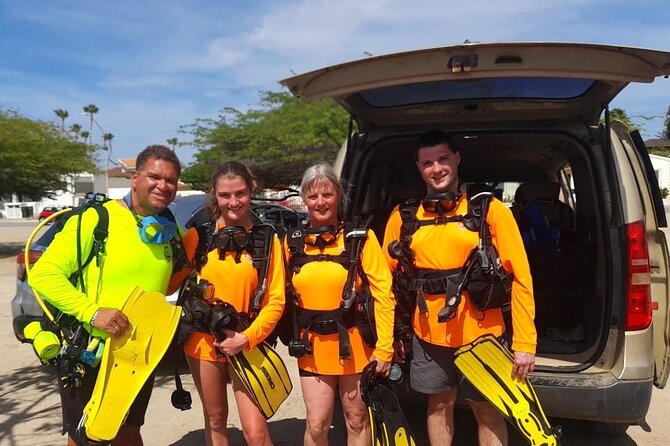
The strongest feature here is not the equipment or even the fish. It is the supervision. A group of no more than four people, with no more than two non-certified participants per instructor, gives the staff room to pay attention.
That matters if you feel anxious, need repeated explanations, or have a problem with your mask or ears. Several participants specifically appreciated instructors who stayed beside a nervous companion rather than pushing that person onward. Patience is not a minor courtesy in this setting. It is part of good safety practice.
Instructors named in the feedback include Alonso, Alvaro, Jay, Michel, and Steve. Alonso was praised for patient explanations and frequent checks underwater. Jay was singled out for helping a nervous beginner feel comfortable. Steve received similar praise from someone returning to scuba after a 16-year break.
The staff’s tone seems friendly and professional, but you should still take responsibility for speaking up. Tell the instructor if you want to stop, remain shallow, or try a skill again. You are not locked into the deepest part of the route.
The medical form is not a box to ignore
Before booking, search for the PADI Discover Scuba Diving or SDI Discovery Dive medical questionnaire. The operator specifically advises you to review it in advance.
A yes answer does not automatically mean you cannot participate, but it may mean you need written permission from a doctor. If you take medication, have a heart condition, or have concerns about your respiratory or circulatory health, consult your doctor before booking and bring written clearance if needed.
The session is physically demanding under some conditions. You should be in reasonably good health and not extremely overweight or out of condition. You cannot participate while under the influence of alcohol or drugs.
This is also not an activity for children younger than 10. Most people can take part, but most does not mean everyone. Reading the medical form before paying is the simplest way to avoid a disappointing arrival.
Who will get the most from this session?
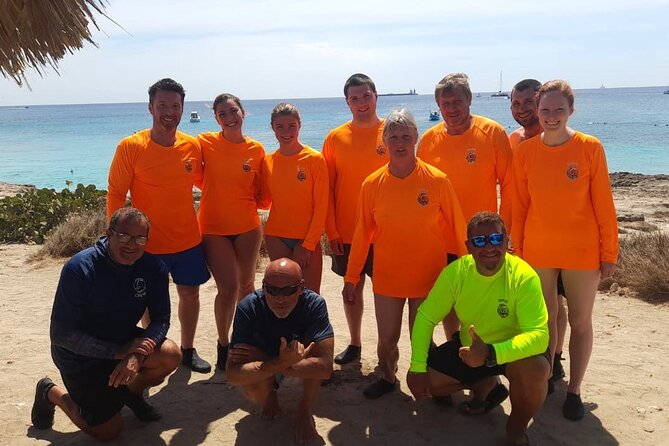
This experience suits you if you have always wondered what scuba feels like but do not want to spend several days completing a certification course. It is also a good choice for couples or families with mixed confidence levels, since the instructor can give extra attention to the person who needs it.
It worked well for teenagers as young as 12 and 17, with the stated minimum age of 10. Families should still consider each child’s comfort in the water. Being old enough to participate does not guarantee that a child will enjoy the mask, regulator, or sensation of breathing underwater.
It can also suit an already-certified person who wants a relaxed shore session with a beginner companion. One participant with prior boat experience expected less from a shore entry and ended up being pleasantly surprised by the marine life at Tres Trapi.
You may want something else if you are seeking a deep reef, several sites, or a full-day boat outing. One participant wished for greater depth and a more dramatic location. That is a fair criticism, but it also reflects the purpose of this session: safe, simple access for newcomers.
Practical timing, transport, and aftercare
The activity begins at 2 pm and takes roughly two hours. Because this is an afternoon session, plan your day so you are not rushing from another activity. Pickup is offered from selected resorts and the cruise terminal, but the activity itself returns to the meeting point.
Bring your booking confirmation on your phone, since this is a mobile-ticket experience. You may use your own mask and fins, but the operator supplies the rest of the required scuba equipment.
Do not plan to fly for at least 18 hours after the session. This rule matters if you are taking a late flight from Aruba on the same day or the next morning. Build the underwater activity into the earlier part of your vacation, not the final hours before departure.
The experience requires good weather. If conditions force a cancellation, you can receive a different date or a full refund. You can also cancel for a full refund if you do so at least 24 hours before the 2 pm start. Cancellations or changes inside that window are not refunded or accepted.
Is $114 a fair price?
At $114 per person, plus the $7 BBO fee, this is not a bargain beach swim. But the value is better if you compare it with what you are actually receiving: a theory session, equipment, shallow-water practice, close instruction, and guided time underwater.
The one-to-two instructor ratio is the key. A cheaper large-group session might work for a confident swimmer, but it can be poor value if you spend the whole time trying to get an instructor’s attention. Here, the staff can slow down for you, repeat a skill, or keep you in shallow water without holding up a large crowd.
The price also includes a chance to decide if you want a full certification later. If you enjoy the experience, Pure Diving Aruba can help you continue through PADI or SDI. The operator says the certification process uses online learning followed by three more mornings locally. That makes this session a useful trial before you commit to the larger cost and time requirement.
Should you book this Aruba scuba experience?
I would book it if you are curious, medically cleared, and want a carefully supervised first underwater experience rather than a big boat excursion. The calm shore entry, patient staff, and small group are the main reasons to choose it.
I would skip it if you want a deep, wide-ranging reef trip or if your flight leaves within 18 hours. Also check the medical questionnaire before paying, since one participant arrived unable to take part for that reason.
For most first-timers, this is a sensible way to test scuba in Aruba. You may see turtles, eels, coral, and schools of fish, but the real success is simpler: you learn whether breathing underwater feels exciting or uncomfortable, with an instructor close enough to help either way.
FAQ
Where does the scuba experience take place?
The activity is a shore-based session at Tres Trapi or Mangel Halto. The listed meeting point is Tres Trapi Beach at L. G. Smith Boulevard 105 in Noord, Aruba.
What time does the experience begin?
The start time is 2 pm. The activity lasts approximately two hours, including instruction, equipment preparation, shallow-water practice, and the underwater session.
How many people are in the group?
The total group is limited to four participants. For non-certified participants, the stated ratio is no more than two people per instructor.
Is scuba certification required?
No. The experience is designed for people without certification and includes basic theory, equipment instruction, shallow-water skills, and a guided underwater session.
What is the minimum age?
The minimum age is 10 years.
Can I fly after the activity?
No. You are not allowed to fly for at least 18 hours after the scuba experience. Plan your departure accordingly.
New dives around Aruba
- Private Dive at Shipwreck + Beautiful Reef Spot(Certified divers)★ 3.0 · 2 reviews
- Private Dive + videographer/Photographer (Certified divers only)★ 5.0 · 11 reviews
- Shore Dive Aruba for Certified Divers★ 4.5 · 33 reviews
- Night Shore Diving Mangel Halto Aruba for Certified Divers★ 5.0 · 6 reviews
- Half-Day Aruba Intro Diving Course for Beginners★ 4.5 · 97 reviews
- Aruba Flyboarding & Jetovator Experience: Fly Like a Bird & Dive Like a Dolphin★ 4.5 · 64 reviews
- Guided Padi Discover Scuba Diving for Non-Certified Divers★ 5.0 · 33 reviews
- Boat Dive Shipwreck/ Airplanes/ Reef /2 tanks★ 4.0 · 13 reviews
Scuba Diving for Beginners, compared.
First-Time Scuba Diving in Honolulu + Free Videos
Read our review →
Beginner Scuba Diving with Turtles and Videos, San Juan
Read our review →
Intro Diving 2 Stops For Beginners with Pick-up and Lunch – Hurghada
Read our review →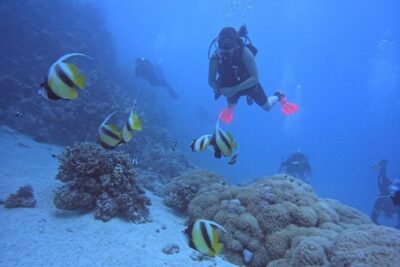
Intro Diving Beginner and Discover Red Sea Underwater
Read our review →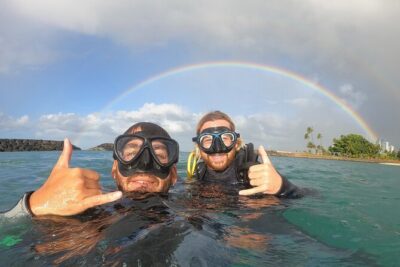
Beginner Scuba Diving Experience with Video Package in Honolulu
Read our review →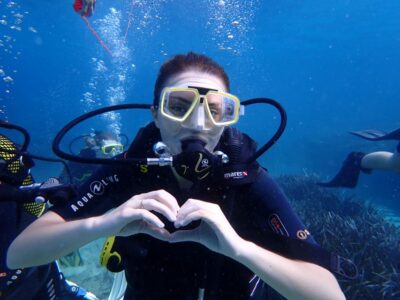
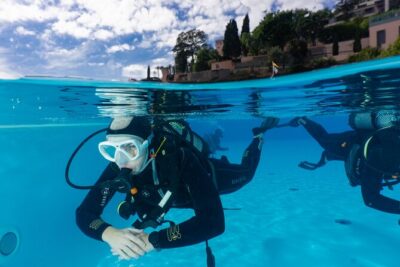
Tenerife: Beginner’s Dive at a Spot with Turtle Sightings
Read our review →Browse the lists this tour appears in