
REVIEW · ARUBA
Private First-Time Dive on Aruba’s Reef and Wreck Site
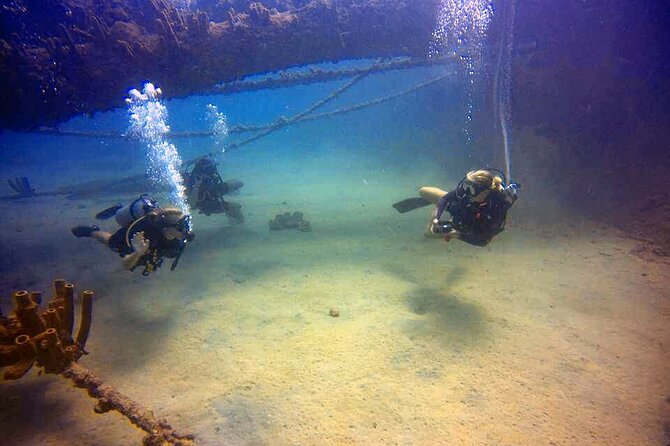
Underwater Aruba feels like another world. This private scuba experience gives first-timers a calm introduction to the sea, with a patient instructor, shallow-water practice, and a guided outing to a reef and shipwreck at depths of up to 40 feet. The small setup is the main attraction: no crowded boat, no rushing, and no fixed underwater timetable.
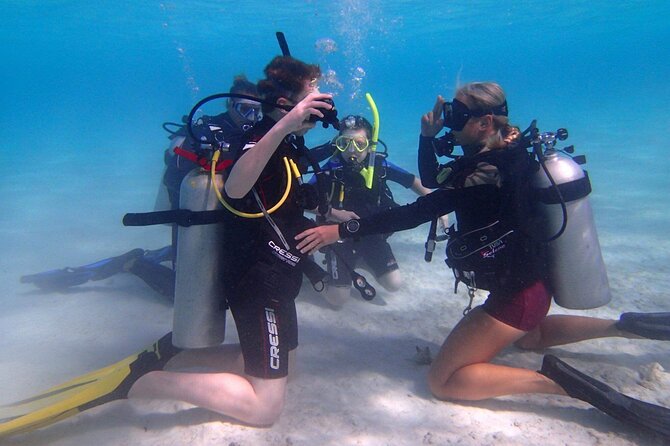
I like the private group format, limited to four participants, and the way instructors such as Alan, Ray, Pauline, and Megan adjust the pace to each person. I also like the clear three-part plan: a 20-minute safety briefing, shallow-water exercises, then the main underwater session. The main consideration is that you need basic swimming skills, and some people may have trouble equalizing pressure in their ears or find the fins uncomfortable without booties.
Key points at a glance
- A genuinely private outing: Only your group participates, with no more than four people in the program.
- A patient first step: The instructor can slow down for nervous beginners or spend more time refreshing skills for certified people who have not been underwater recently.
- Reef life and a shipwreck: The usual site includes coral, fish, and a wreck, with a maximum depth of 40 feet.
- Pickup may be available: Hotel pickup and drop-off have been provided for some groups, but confirm this when you book.
- Three hours is an estimate: The schedule is flexible, with no strict underwater time limit stated.
- Allow time before flying: You must leave at least 18 hours between the session and a flight.
Why the private format matters in Aruba
At $120 per person, this is not the cheapest water activity on Aruba. But you are paying for personal attention, not simply equipment and a place on a large group outing.
The maximum group size is four. That matters most during the first few minutes in the water, when you are learning to breathe through the regulator, clear your mask, and manage the basic equipment. If one person feels uneasy, the instructor can focus on that person instead of pushing the whole group ahead.
This setup also works well for mixed-experience groups. One person may be completely new, while another may hold a certification but have not used it for years. Alan and Ray have helped groups in exactly that situation, refreshing rusty skills while giving a newly certified or first-time participant extra support.
The private arrangement is especially helpful for couples and families. You are not trying to match the pace of strangers, and you can ask questions without feeling as if you are holding up a boatload of people. The experience is also suitable for someone who is curious about scuba but not yet ready to commit to a certification course.
The provider describes the instructor as having more than 10 years of experience. The strongest pattern in the feedback is not fancy equipment or a flashy sales pitch. It is patience. Alan is repeatedly praised for explaining things clearly, using humor to settle nerves, and waiting until people feel ready.
More Wreck Dives in Aruba:
- Boat Dive Shipwreck/ Airplanes/ Reef /2 tanks
★ 4.0 · 13 reviews - Aruba Guided Night Dive Adventure: Shallow Reefs or Shipwrecks
★ 5.0 · 12 reviews - Private Dive at Shipwreck + Beautiful Reef Spot(Certified divers)
★ 3.0 · 2 reviews
Starting at Mangal Hato Pos Chiquito Beach Park
The meeting point is Mangal Hato Pos Chiquito Beach Park on Spaans Lagoenweg in Savaneta. The listed location is F28H+5W9, which is useful to have ready in your phone before setting out.
Pickup is offered, and several groups have received hotel transportation from guides such as Pauline and Alan. Because the information says pickup is offered rather than promising it for every reservation, I would confirm the pickup area and timing before the day of your session. If you meet at the park, plan to arrive prepared and give yourself enough time to locate the exact meeting spot.
The outing ends back at the same meeting point. That makes planning easier, especially if you are arranging another activity later in the day. Still, the three-hour duration is approximate, and a relaxed private session can take longer if someone needs additional practice.
Bring the completed medical questionnaire supplied through the booking messages. This is not a form to leave until the last minute. Read it carefully, answer it honestly, and bring it with you. Medical conditions can affect your ability to participate, and the instructor needs the information before entering the water.
The 20-minute safety briefing
The first formal step is a full 20-minute instruction session on land. This is where you learn the dive plan, how the equipment works, basic safety procedures, and what to expect from the marine environment.
For a first-timer, this briefing is more important than it may sound. Breathing underwater can feel strange, and a clear explanation reduces the number of surprises once you are in the water. You should expect to ask practical questions about the mask, regulator, fins, and how to communicate underwater.
The instructors have earned strong praise for making this part easy to follow. Alan, in particular, is described as calm, patient, and good at explaining the equipment without making beginners feel foolish. That tone matters. People often need a few minutes to admit that they are nervous, and a private setting gives you room to do that.
You should listen closely to the details about equalizing pressure in your ears. One participant had trouble regulating ear pressure and remained in shallower water. The session was still worthwhile, with coral and fish visible, but this is a useful reminder not to force your way deeper. If your ears hurt, tell the instructor immediately.
Shallow water practice before the main session
After the land briefing, you move into shallow water to get comfortable with the equipment. The instructor guides you through exercises before anyone heads to the deeper site.
This is the part I consider most valuable for a first-time participant. You can learn how the equipment feels while standing or remaining in a manageable area, rather than trying to solve every problem once you are surrounded by open water. The instructor can check that you are breathing properly, using the equipment correctly, and completing the basic pre-session tasks.
The pace is not meant to be a race. If you need more time, say so. Several people who began with strong nerves eventually felt ready because Alan or another instructor waited patiently rather than pushing them forward.
You need basic swimming skills to participate. That does not mean you should arrive expecting a competitive swimming test, but you should be comfortable enough in the water to follow instructions and manage yourself with scuba equipment. If you are uneasy in water, explain that before the session begins.
One small comfort issue deserves attention. The provided fins are tropical-water fins designed to be worn barefoot. Booties are not provided, and one participant developed blisters on the toes. If your feet are sensitive, ask in advance what footwear is permitted, and consider protecting your feet where possible without interfering with the equipment.
More Reef Dives in Aruba:
- Great Barrier Reef Snorkeling and Diving Cruise from Cairns
★ 4.5 · 3,714 reviews - Ocean Freedom Great Barrier Reef Luxury Snorkel and Dive Cruise
★ 5.0 · 1,895 reviews - Cairns: Premium Snorkelling and Diving Reef Day Trip
★ 4.7 · 1,528 reviews - Cairns: Outer and Coral Cay Snorkel and Dive Cruise
★ 4.8 · 1,467 reviews
The reef, fish, coral, and shipwreck
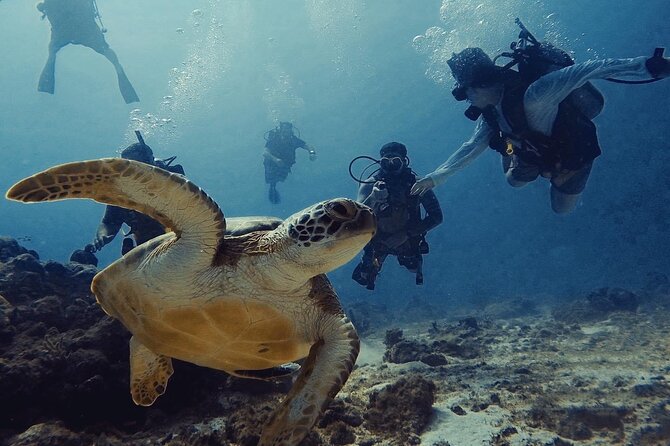
Once everyone in the group is comfortable, the instructor leads the main underwater outing. The usual maximum depth is 40 feet, a modest depth that suits a first experience while still giving you access to more than the shallow practice area.
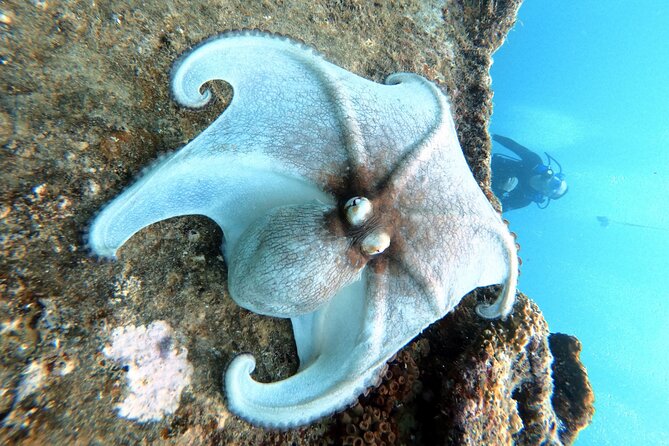
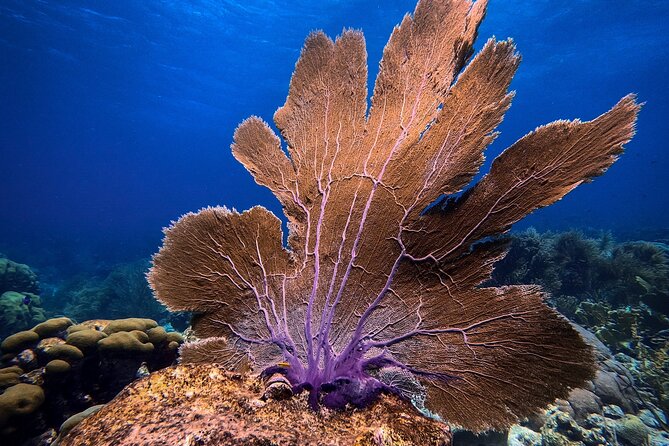
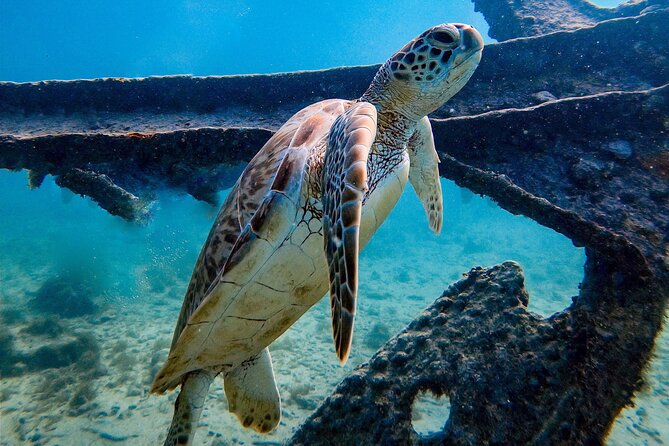
The appeal is the variety. You are not only practicing skills over a featureless bottom. The site typically includes coral, fish, and a shipwreck. The wreck gives the session a clear point of interest, while the reef brings smaller marine life and color into the picture.
You may find the underwater world surprising in its quietness. One first-time participant described it as feeling like another planet, which is a fair way to explain the sensation of moving slowly, breathing through equipment, and watching fish pass without the noise of the shore.
The instructor stays attentive to the group and manages the route. You are not expected to navigate independently or remember every procedure at once. That lets you focus on breathing, looking around, and enjoying the surroundings.
Do not expect the wreck to turn this into a technical wreck program. This is a Discover Scuba Diving experience for people who are not certified, not an advanced certification session. The wreck is part of the sightseeing route, and the maximum depth is 40 feet.
Reef conditions can vary. One experienced participant noticed some damage to the reef, while still enjoying the fish and coral. It is worth keeping expectations realistic. Aruba offers memorable marine life, but no reef is frozen in perfect condition. Follow the instructor’s guidance, avoid touching coral, and treat the site with care.
What the instructors do well
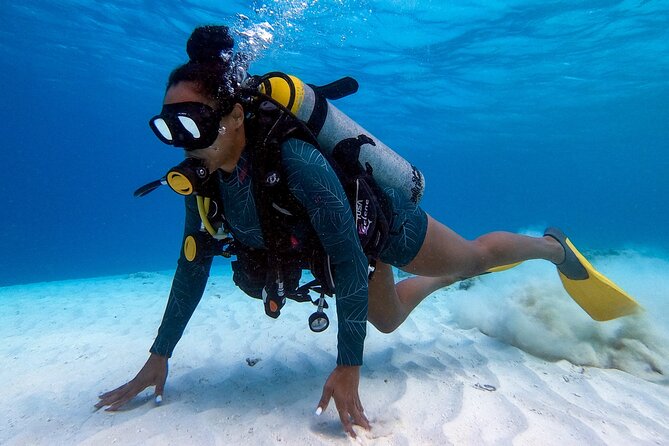
The people leading the session are a major part of its value. Alan receives the most praise for patience, clear explanations, humor, and a calm manner. Those traits are useful when someone is nervous about breathing underwater or needs several attempts to feel comfortable.
Ray is also described as supportive and attentive, particularly with mixed groups containing both new and experienced participants. Pauline has led first-time sessions for families, including a mother and daughter who later hoped to return for certification. Megan has also been praised as part of a friendly, personalized team.
That does not mean every participant will have exactly the same instructor. If you have a specific request, ask when booking, but do not assume it can be guaranteed.
The instructor’s role is more than showing you fish. The best part of the service is the continuous check-in: are you comfortable, are you using the equipment properly, and are you ready to continue? For a nervous beginner, that attention can make the difference between an unpleasant attempt and a memorable first experience.
Some guides have also taken photos and videos during the underwater session. This has been a welcome extra for people who wanted a record of their first time below the surface. I would confirm whether this is available for your particular outing and whether there is an additional charge.
Is $120 per person a fair price?
At $120 per person, the price makes the most sense when you value privacy and personal instruction. You are not simply buying access to the water. The fee covers a land briefing, equipment practice, instructor supervision, and a guided session at a reef and wreck site.
For a couple, family, or small group, the private format can be worth the extra cost. You receive more direct attention than you would in a large class, and the instructor can adapt the pace instead of following a rigid timetable.
The value is less clear if you are already a confident certified diver seeking a long, advanced underwater outing. This program is built around beginners and returning participants who need a refresher. Its maximum depth of 40 feet and roughly three-hour schedule are appropriate for an introduction, not a full day of exploration.
Group discounts are available, so ask about them if several people are booking together. Pickup can also add value, especially if hotel transportation is included for your location. Confirm the details before assuming it is part of your price.
Who should book this experience?
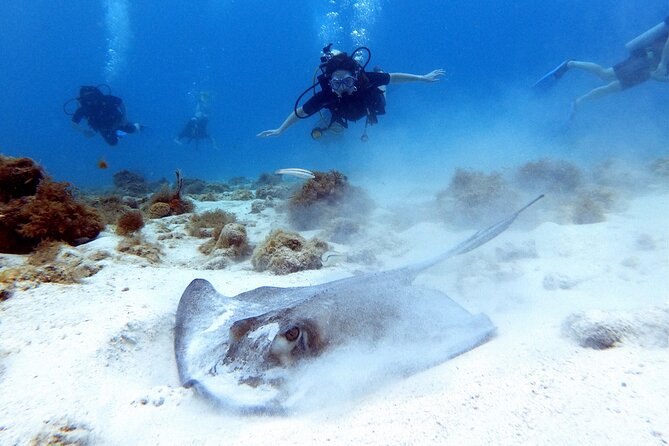
This session suits you if you have always wanted to try scuba but feel unsure about committing to certification. It is also a good match for a nervous first-timer who wants an instructor to stay close and adjust the pace.
Families and couples should find the private setting comfortable, provided every participant has basic swimming skills. It also works for someone who has a certified partner but wants to try scuba for the first time without joining a large mixed group.
You may also benefit if you were certified years ago and have not been underwater for a long time. The instructors have helped rusty certified participants refresh their skills and regain confidence.
I would think twice if you dislike wearing fins barefoot, have difficulty swimming, or know that you cannot equalize ear pressure. The experience may still be possible in shallower water, but you should discuss concerns before booking rather than discovering them at the site.
Plan the timing carefully around your flight. Keep at least 18 hours between the session and flying. Poor weather can also force a change of date or a full refund. You can cancel for a full refund if you do so at least 24 hours before the scheduled start time. Cancellations or changes inside that window are not refunded or accepted.
Should you book it?
I would book this private Aruba scuba session if you want a gentle, well-supervised first step, especially as a couple or small family group. The reef, fish, and shipwreck give you something memorable to see, but the real strength is the instructor’s patience and the freedom to move at your own pace.
The price is fair for private attention, though less compelling for experienced divers seeking a demanding or lengthy outing. Confirm pickup, ask about photos and suitable footwear, complete the medical questionnaire, and leave 18 hours before your flight. If you can swim, remain open to careful instruction, and want to test the underwater world without pressure, this is a strong choice.
FAQ
How long does the scuba experience last?
The experience lasts approximately three hours, including the land briefing, shallow-water practice, and the main underwater session.
How deep will the session go?
The usual maximum depth is 40 feet. If you have trouble equalizing your ears or need to remain shallower, the instructor can adjust the session.
How many people can participate?
The private program allows a maximum of four participants. Only your group takes part in the activity.
Do I need to be scuba certified?
No. The Discover Scuba Diving program is designed for first-time participants and people who are not certified. It can also suit certified people who have not been underwater for some time and need a refresher.
Do I need to know how to swim?
Yes. Basic swimming skills are required to participate.
Where does the activity start and finish?
It starts at Mangal Hato Pos Chiquito Beach Park, F28H+5W9, Spaans Lagoenweg, Savaneta, Aruba. The activity ends back at the same meeting point.
How long should I wait before flying?
Keep at least 18 hours between the scuba session and your flight.
More Private Dive Charters in Aruba
- Private Dive + videographer/Photographer (Certified divers only)
★ 5.0 · 11 reviews - Private Discovery Dive + Photos & Videos
★ 5.0 · 577 reviews - Private Diving at Zenobia Wreck in Larnaka
★ 5.0 · 369 reviews - Full-Day Beginner Scuba Course with Private Tuition, Racha Yai
★ 5.0 · 368 reviews
More Beginner Dives in Aruba
- Small-Group Aruba Scuba Diving for Non-Certified Divers
★ 5.0 · 194 reviews - Aruba PADI Scuba Diving Program Non Certified Divers
★ 5.0 · 99 reviews - Half-Day Aruba Intro Diving Course for Beginners
★ 4.5 · 97 reviews - Guided Padi Discover Scuba Diving for Non-Certified Divers
★ 5.0 · 33 reviews
New dives around Aruba
- Private Dive at Shipwreck + Beautiful Reef Spot(Certified divers)★ 3.0 · 2 reviews
- Private Dive + videographer/Photographer (Certified divers only)★ 5.0 · 11 reviews
- Shore Dive Aruba for Certified Divers★ 4.5 · 33 reviews
- Night Shore Diving Mangel Halto Aruba for Certified Divers★ 5.0 · 6 reviews
- Half-Day Aruba Intro Diving Course for Beginners★ 4.5 · 97 reviews
- Guided Padi Discover Scuba Diving for Non-Certified Divers★ 5.0 · 33 reviews
- Boat Dive Shipwreck/ Airplanes/ Reef /2 tanks★ 4.0 · 13 reviews
- Aruba Flyboarding & Jetovator Experience: Fly Like a Bird & Dive Like a Dolphin★ 4.5 · 64 reviews
Wreck Diving, compared.
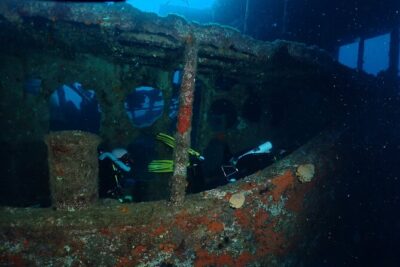
Wreck and Bridge Span Dive for Certified Divers
Read our review →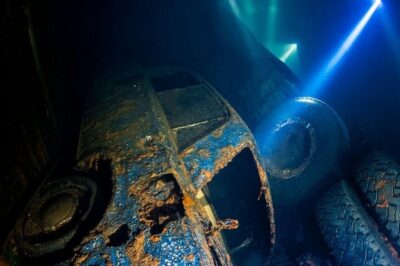
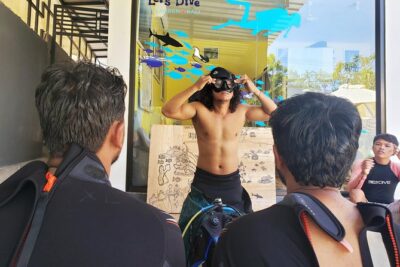
Bali Diving for Beginners: Tulamben Liberty Wreck
Read our review →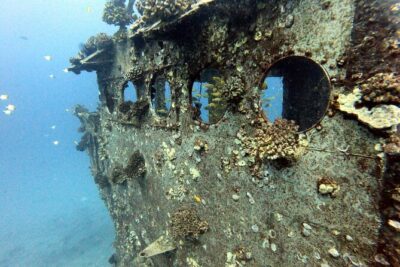
Certified Diver: 2-Tank Deep Wreck and Shallow Reef Dive Off Oahu
Read our review →
Waikiki 2 Tank World Class Wreck SCUBA Diving – Certified Only
Read our review →Tulamben Diving USS Liberty Shipwreck Scuba Dive
Read our review →
Bali Diving Day Trip-Manta Point/Tulamben Shipwreck-Fun Dive
Read our review →
USS Liberty Shipwreck Scuba Diving at Tulamben Bali
Read our review →Browse the lists this tour appears in