
REVIEW · THE USA
Scuba Certification
The Gulf gets much bigger below the surface. This three-day course in Panama City Beach combines pool practice, shore training, and boat work so you can earn an SDI open-water certification while learning in several real settings. I like the lifetime certification and the small maximum group of six. I also like that all equipment is included, which keeps the $567.75 price from growing as quickly as it might with separate gear costs.
The course is especially appealing if you want more than a quick introductory swim. Instructor Damon Carter gets repeated praise for patience, clear safety instruction, and helping nervous beginners handle tricky skills such as clearing a flooded mask. The main consideration is time: three full days beginning at 8:00 a.m. requires commitment, and you must complete a medical questionnaire that could require a doctor’s approval.
Key points to know before booking
- Three different training settings: You practice in a pool, from shore, and from a boat, giving the course a useful step-by-step rhythm.
- Certification to 60 feet: The entry-level qualification teaches you to operate safely with a buddy to a maximum depth of 60 feet.
- Small classes: The maximum group size is six, allowing more individual attention during skills practice.
- Equipment included: Tanks and standard course equipment are part of the experience, according to the tour details.
- Patient instruction: Damon Carter is praised for steady coaching, especially when students feel anxious or struggle with mask-clearing skills.
- A real final test: The course can finish with boat-based underwater work near St. Andrews, including a reported visit to the Red Sea shipwreck.
What you are really buying for $567.75
At $567.75 per person, this is not a cheap beach activity. It is a three-day professional training package that leads to a certification recognized by dive shops around the world and valid for life. That changes the value calculation. You are not paying only for time in the water. You are paying for instruction, equipment use, skills practice, and supervised underwater experience.
The included equipment matters. New divers often underestimate the cost of assembling masks, fins, buoyancy gear, tanks, and other basic items. Since the course includes the equipment, you can decide later what personal gear you want to buy after learning what actually fits you.
The small group limit also adds value. A class of no more than six gives the instructor room to watch individual technique. That matters when you are learning to control your breathing, clear your mask, manage your equipment, and stay calm underwater. Those skills are not best learned by rushing through a crowded class.
You should still compare the price with your schedule and goals. If you only want to try breathing underwater once, a shorter introductory session may make more sense. If you want to use the certification on future trips, this package has a stronger case. The qualification lets you seek guided underwater outings through dive shops worldwide, subject to their own rules and requirements.
More Dive Courses in the USA:
- Open Water Shark Dive
★ 5.0 · 185 reviews - Oahu Open Water Shark Diving Experience
★ 5.0 · 128 reviews - Open Water Scuba Certification
★ 5.0 · 81 reviews
Day one: pool work and the first hard skills
The course starts at 8:00 a.m. at 106 Thomas Drive in Panama City Beach. Your first day is likely to focus on getting familiar with the equipment and learning basic procedures in a controlled pool setting. The supplied information describes a typical class as including pool, shore, and offshore boat training, though the exact order can depend on the class and conditions.
The pool is where you can make mistakes without the added challenge of waves, current, or open water. You may practice assembling and using your equipment, breathing through the regulator, managing buoyancy, and responding to common problems. The goal is not simply to show you how to stay underwater. It is to give you repeatable habits you can use with a buddy.
Mask clearing is a good example of why patient instruction matters. One student found water entering the nose especially frustrating and struggled to clear the mask correctly. Damon Carter practiced the skill several times until it could be completed successfully. That kind of coaching is useful because a small confidence problem can quickly become a major distraction underwater.
You may also receive help choosing a mask that fits your face. That is a practical detail with real value. A poor fit can lead to leaks, discomfort, and constant fiddling. One student purchased a better-fitting mask after the course and also learned alternative ways to prevent fogging without relying only on commercial defog solution.
Expect the first day to feel more technical than scenic. That is a good thing. You want the awkward equipment work and basic safety drills handled before you are floating in the Gulf. The drawback is that the class may feel demanding if you arrive expecting a relaxed holiday activity.
St. Andrews State Park: a sensible place to build confidence
St. Andrews State Park is the listed stop, and the course uses the area for shore-based practice and underwater exploration. The park provides a useful transition between the controlled pool and offshore boat work.
One particularly helpful training area is described as a shallow kiddie pool near the jetty. That setting lets you review important skills before moving outside the jetty. If you have not been underwater in years, this gradual approach can make a major difference. You can check your equipment, settle your breathing, and rebuild comfort before dealing with greater depth.
Outside the jetty, you can practice in a more natural setting and explore the area with your buddy. The instruction remains focused on safe procedures, but the surroundings make the training feel less like a class and more like an actual underwater outing.
St. Andrews is also useful for students with mixed experience. A complete beginner may need time to get comfortable, while someone returning to the sport after many years may need a careful refresher. Damon Carter is praised for adjusting the pace and reviewing skills when needed rather than assuming everyone starts at the same level.
You should bring a moderate level of fitness. The course information does not set a specific swimming standard, but it does say that participants should have moderate physical fitness. You will be handling equipment and spending time in the water across several days, so this is not a passive activity.
Boat training and the reported 60-foot experience
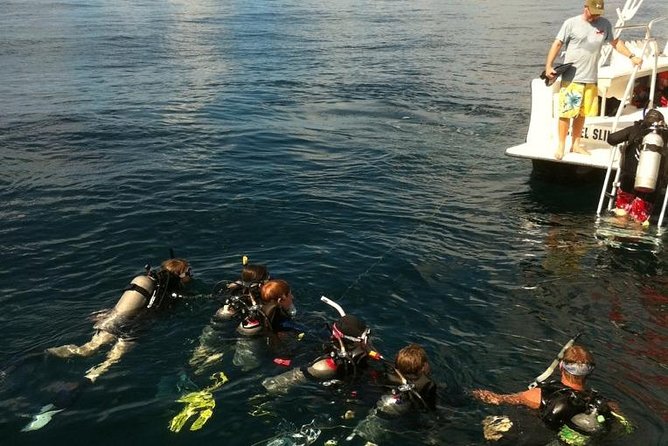
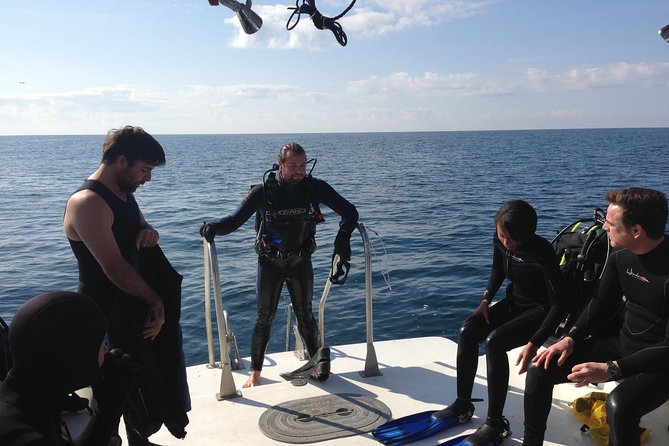
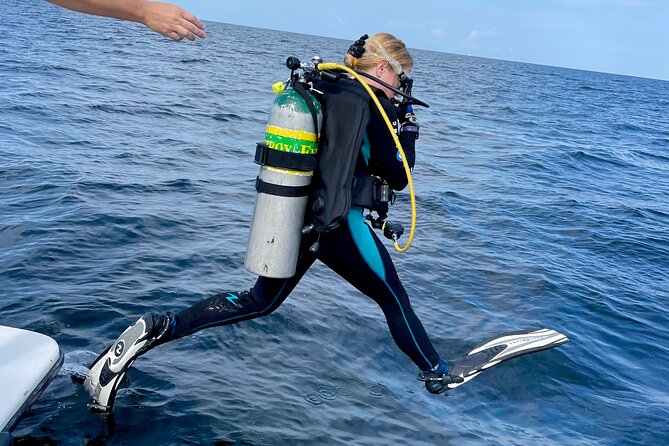
The offshore portion is where the course begins to feel like a genuine certification rather than a pool lesson. You learn to work from a boat and apply your procedures in the Gulf. Boat operations also bring extra moving parts, so listen closely to the instructor, captain, and dive master.
The supplied experiences identify Captain Mayday and Dive Master John as friendly and professional members of the boat team. Their role is important. The instructor teaches your course skills, while the captain and dive master help keep the boat operation organized and safe.
The course teaches entry-level certified divers to operate with a buddy to a maximum depth of 60 feet. That does not mean every student will spend the same amount of time at that depth. Your actual underwater time depends on comfort, conditions, air supply, training progress, and the instructor’s judgment.
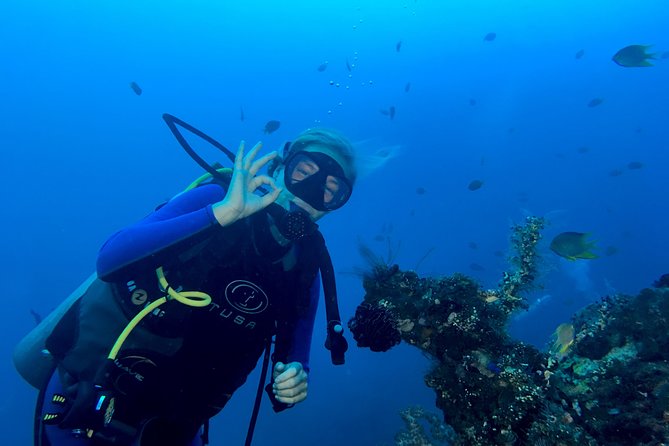
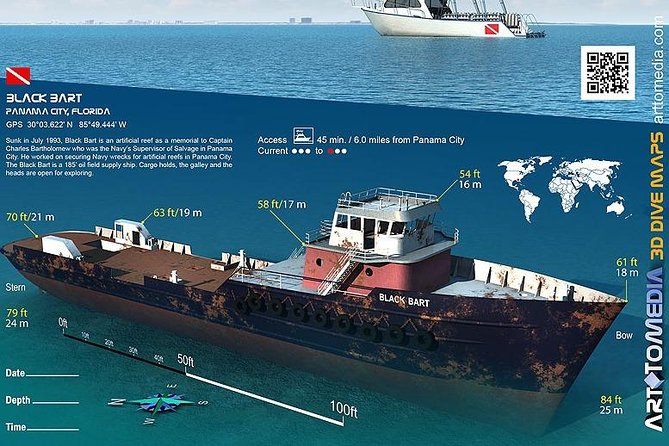
One student described finishing with two boat-based underwater sessions at the Red Sea shipwreck off St. Andrews Bay. The experience included reaching the sandy bottom at roughly 60 feet, a dramatic moment for someone who had never previously gone more than eight feet underwater.
That story also points to an important reality: the Gulf can feel intimidating when you first move beyond the shallows. Another student became frightened during an underwater session and needed help regaining composure. Damon Carter reportedly stayed calm, offered reassurance, and helped the student return to the activity.
That is one of the strongest reasons to value an instructor-led course. You are not left to solve a stressful moment alone. The aim is to build sound habits and confidence, not simply to get you through a checklist.
A few more dives around the USA worth comparing
- First-Time Scuba Diving in Honolulu + Free Videos
★ 5.0 · 3,123 reviews - Oahu Shark Dive
★ 5.0 · 2,903 reviews - Oahu: Shark Cage Dive on the North Shore
★ 4.8 · 1,485 reviews - Shark Cage Diving on Oahu’s North Shore
★ 5.0 · 1,391 reviews
The teaching style: serious about safety, relaxed in manner
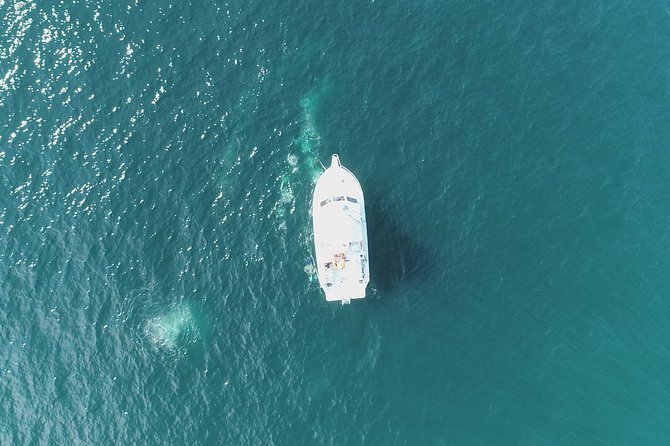
The strongest praise centers on instruction. Damon Carter is described as easygoing but professional, patient without being careless, and serious about proper procedures. That combination suits scuba training well. You need an instructor who can make you feel comfortable while still insisting that safety rules matter.
The teaching appears to be practical rather than rushed. Carter is praised for answering questions clearly, explaining equipment in detail, and helping students work through difficult skills. He also shares local information and points out aspects of marine life, giving the course a sense of place beyond basic certification tasks.
You should not expect the class to treat safety as a minor formality. The course teaches buddy procedures and safe operation to 60 feet. That means you will need to pay attention, repeat skills correctly, and communicate when you are uncomfortable.
The friendly atmosphere can help first-time students. One participant arrived anxious and even slightly late on the first morning, but felt welcomed by the shop staff and instructor. That does not excuse arriving late, of course. It does suggest that the operation understands beginners may be nervous.
You should also feel free to speak up. If your mask leaks, a skill does not make sense, or you feel uneasy at depth, tell the instructor. Clear communication is part of safe underwater practice. The best outcome is not merely a certificate. It is knowing what you can do comfortably and where you still need practice.
What certification means after the course
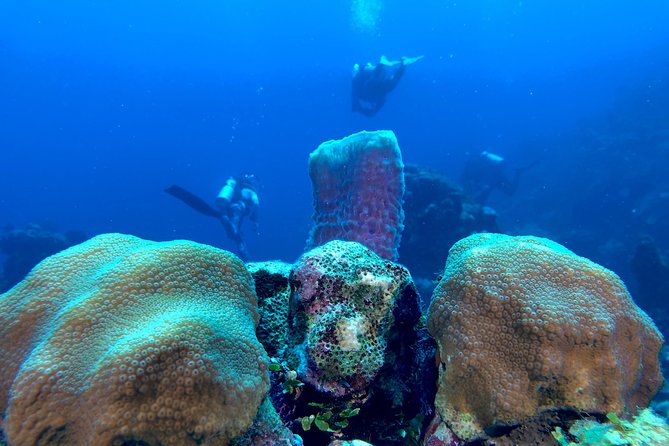
The certification is described as valid for life and recognized by dive shops worldwide. That is the central long-term benefit. Once certified, you can use the qualification as a starting point for future guided underwater activities, subject to each operator’s rules.
The course teaches you to operate with a buddy rather than alone. That distinction matters. Certification does not mean you should head into unfamiliar conditions without support. You will still need to choose suitable sites, understand local conditions, check equipment, and follow the standards of the shop or boat operator you use later.
The qualification also does not make you an expert in every type of underwater activity. The course is entry level, with training to 60 feet. More advanced skills, deeper limits, wreck specialties, and limited-penetration work require additional education. The supplied experiences include people interested in advanced training later, which is a sensible next step after gaining some practice.
For you, the practical value is freedom. You can travel with a recognized qualification instead of starting from zero each time. You also leave with a better idea of whether underwater recreation is something you want to pursue seriously.
Scheduling, group size, and physical demands
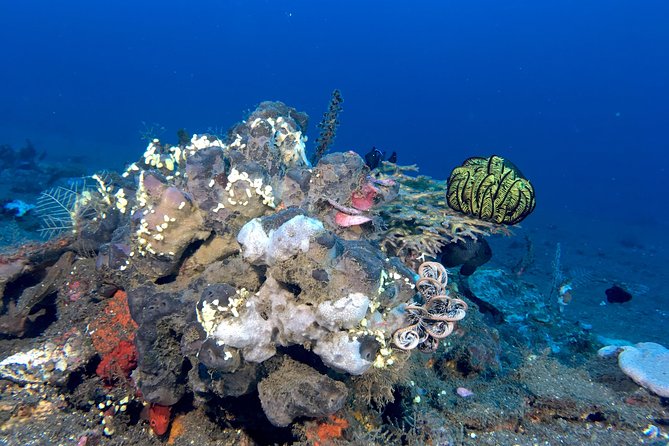
Plan on three days, beginning at 8:00 a.m. The activity ends back at the meeting point at 106 Thomas Drive. The exact daily schedule is not provided, so you should confirm the timing and sequence with Panama City Diving before booking.
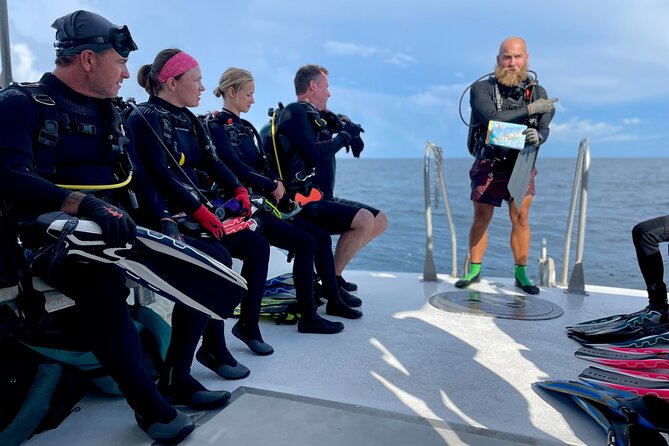
A maximum of six participants is a strong feature. Small classes are especially useful for mask work, buoyancy practice, and any situation where the instructor needs to watch each person closely. If you prefer quiet, individual attention, this format should suit you better than a large resort-style class.
You need moderate physical fitness. The course combines classroom-style instruction, equipment handling, pool work, shore work, and boat-based sessions. The information does not list specific fitness tests, so ask the provider about any personal concerns before paying.
You must also complete a medical questionnaire. Depending on your answers, a doctor’s approval may be required before you can take part. Do not leave this until the morning of the course. Complete the paperwork early and check with Panama City Diving if anything in your medical history may affect participation.
Weather can also change the plan. If poor weather causes a cancellation, you are offered another date or a full refund. That is useful in a coastal setting, where conditions can affect the boat portion.
Who will get the most from this course?
This course is a good fit for a first-time student who wants a serious qualification rather than a brief introduction. It also suits someone who tried scuba before but never completed certification and wants structured support.
Families can use it as a shared project if every participant meets the health and fitness requirements. A parent and daughter completed the three-day course together, with the instruction adjusted to keep everyone moving at a comfortable pace.
It is also suitable for a returning diver who needs a refresher. The St. Andrews jetty area provides space to review essential skills before moving farther offshore.
I would be more cautious about booking if your holiday schedule is tight. Three days is a substantial commitment, and the early start means you will need to organize other beach plans around the course. You should also think twice if you dislike equipment-heavy activities, feel unable to meet the medical requirements, or want only a casual water activity.
Booking, cancellation, and practical planning
You receive confirmation when booking, and the ticket is mobile. The activity is offered in English. The meeting point is 106 Thomas Drive, Panama City Beach, Florida 32408, and the outing returns there.
Free cancellation is available up to 24 hours before the start time for a full refund. Within 24 hours, cancellations and changes are not accepted for a refund. Since weather can affect the boat work, the provider offers a new date or full refund if conditions force cancellation.
Because the class is often booked about 75 days ahead, plan early if your dates are fixed. That advance demand may also reflect the small group limit. Confirm the start time, medical paperwork, equipment details, and daily schedule before your trip.
Should you book Panama City Diving?
Book it if you want a real entry-level certification and are willing to give the course three focused days. The strongest reasons are the small class size, equipment included, varied training settings, and patient instruction from Damon Carter.
I would choose this course over a casual introductory session if I wanted a certification I could use on future trips. The reported move from pool work to St. Andrews shore practice and then to boat-based sessions gives you a sensible progression.
Skip it if you only want a quick swim, have limited time, or are not ready to complete the medical requirements. For everyone else, $567.75 is a reasonable investment in a lifetime qualification, provided you value careful instruction more than a cheap one-hour thrill.
FAQ
How long is the scuba certification experience?
The course lasts approximately three days.
What time does the course begin?
The stated start time is 8:00 a.m.
Where does the course meet?
The meeting point is 106 Thomas Drive, Panama City Beach, Florida 32408.
Where does the activity end?
The experience ends back at the meeting point.
What is the maximum group size?
The class has a maximum of six participants.
Is equipment included?
Yes. The experience includes all equipment.
How deep does the certification allow me to go?
The entry-level certification teaches you to operate safely with a buddy to a maximum depth of 60 feet.
Is the certification valid worldwide?
The certification is valid for life and recognized by dive shops around the world.
Do I need medical approval?
You must complete a medical questionnaire, and your answers may require approval from a doctor before the course.
What happens if bad weather cancels the course?
If poor weather causes cancellation, you are offered a different date or a full refund.
New dives around the USA
- Private Scuba Diving Expert-Led Excursion Training with Tour★ 4.5 · 9 reviews
- Santa Fe Deep Dive History Walking Tour★ 4.5 · 14 reviews
- No Experience Required to Discover Scuba in Florida★ 5.0 · 51 reviews
- Small Group Guided Shore Dives in St. Andrews State Park, Florida★ 5.0 · 52 reviews
- Two Tank Wreck and Drift Dive in Oahu★ 4.5 · 7 reviews
- Small Group Shallow Reef Dive in Oahu★ 5.0 · 9 reviews
- SCUBA Dive at Electric Beach with Photos -No Certification Needed★ 5.0 · 28 reviews
- 2 Tank Private SCUBA Party Diving Charter from Waikiki Hawaii★ 4.5 · 34 reviews
PADI Courses & Certification, compared.
Tossa de Mar: PADI Discovery Scuba Diving in Costa Brava
Read our review →
Full-Day Beginner Scuba Course with Private Tuition, Racha Yai
Read our review →
Beginner Scuba Diving Lesson with PADI Instructor
Read our review →
Discover Scuba Diving with No Certification in St Thomas
Read our review →
Try Dive – PADI Discover Scuba Diving in Tenerife
Read our review →
Browse the lists this tour appears in