
REVIEW · OAHU
Open Water Scuba Certification
Breathing underwater changes your view of Hawaii. This four-day SSI course gives you a real scuba qualification, not just a quick tourist outing, and I like that the training is spread across two consecutive weekends. I also like the small class size, capped at eight people, which gives instructors room to help nervous beginners.
The main drawback is the schedule. You must complete digital study before the first class, attend four early sessions beginning at 7:00 am, and arrange your own transportation. Equipment is mostly included, but mask, snorkel, fins, and boots are not, and buying or renting those items can add to the $495 price.
Key points to know before booking
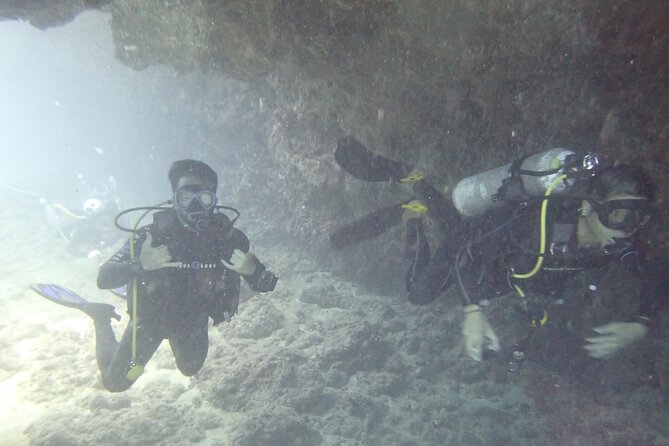
- Four training days across two weekends: You complete classroom review, confined-water practice, and four ocean training sessions.
- SSI certification included: Finish the required work and you earn an Open Water Scuba Certification from Scuba Schools International.
- Small groups help beginners: The maximum group size is eight, with instructors such as Hunter, Anna, Chandler, Ed, Jess, and Lenny praised for calm, careful teaching.
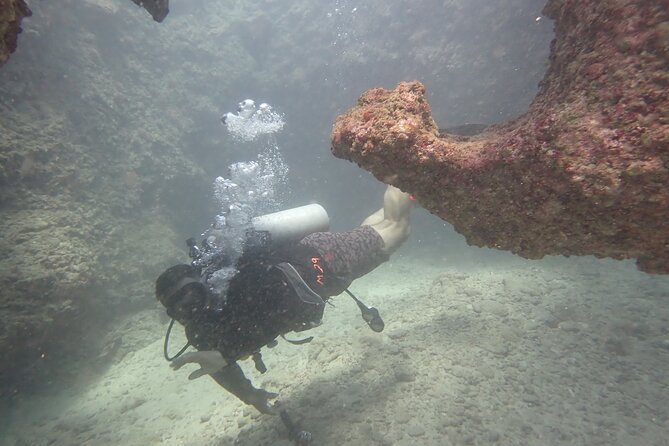
- Marine life is part of the reward: Hawaii’s reefs may bring you close to sea turtles, octopuses, and tropical fish.
- Bring your own basic personal gear: Mask, snorkel, fins, and boots are excluded from the package.
- Plan around flights and health rules: You should not scuba within 48 hours of flying, and every participant must complete a health questionnaire.
What the $495 course really gives you
At $495 per person, this is not the cheapest way to spend one morning in Honolulu. It is also not a one-off introduction that ends when you climb back onto the beach.
You are paying for a four-part certification course, professional instruction, scuba equipment, digital learning, confined-water training, and four logged local scuba sessions. The course ends with an SSI Open Water Scuba Certification, which gives the experience lasting value beyond your Hawaii trip.
That difference matters. A short introductory session can show you what breathing through a regulator feels like, but this course is meant to teach the basic skills you need for future recreational scuba. You learn equipment use, underwater communication, and standard safety techniques before testing those skills in the ocean.
The package has one important catch. The listing says scuba equipment is included, but your personal mask, snorkel, fins, and boots are not. You may bring your own gear, or prices start at $175 for those items. Ask for the exact current rental or purchase arrangement before you commit, since that extra cost changes the final value.
For someone already planning several future scuba trips, the certification can be a smart use of vacation time. For someone who only wants to see fish once, a shorter introductory activity may make more sense.
More Dive Courses in Oahu:
- Open Water Shark Dive
★ 5.0 · 185 reviews - Oahu Open Water Shark Diving Experience
★ 5.0 · 128 reviews - PADI Open Water Certification Course Shared Experience
★ 5.0 · 65 reviews
Before the first 7:00 am class
The course begins at Honolulu Scuba Company, 670 Auahi Street, Suite A-1, Honolulu. You need your own transportation, since private transportation is not part of the package.
The digital learning portion must be completed before the first in-person session. Access comes directly from the operator, so arrange that early rather than waiting until the night before class. The first day includes a review of the final exam, which means you should arrive having worked through the online material carefully.
This setup makes the first morning more useful. Instead of spending the entire session on basic theory, you can ask about points you found confusing and then move into practical training. Scuba has plenty of small procedures to remember, and a little preparation makes the hands-on work less hurried.
You should also be ready to complete a health questionnaire before entering the water. Some medical conditions, including asthma and heart problems, may prevent you from taking part. If you have any concern, consult your doctor before booking rather than assuming you can sort it out at check-in.
A moderate level of physical fitness is required. That does not mean you need to be an athlete, but you should be comfortable handling scuba equipment and taking part in repeated water sessions.
Day one: beach-based confined-water training
The first in-person day combines exam review with confined-water scuba training from the beach. This is where the course changes from an online lesson into a physical skill.
You get familiar with the equipment, learn how the system works, and practice the basic techniques required for safe underwater movement. The beach setting gives you a controlled place to learn before heading farther into the ocean.
For first-time scuba students, this is often the most important session. Breathing underwater can feel strange at first, and even simple tasks require practice when you are wearing a mask, regulator, tank, and other equipment. A good instructor lets you repeat the skill until it feels manageable rather than rushing you along.
That calm approach is a recurring strength of the instruction. Lenny is praised for patience, while Chandler is described as careful and encouraging with students who were nervous about getting into the water. Hunter is also singled out for building confidence and explaining each step clearly.
You should expect a working class, not a resort-style photo stop. There is learning to do, equipment to check, and skills to repeat. That may sound less glamorous than immediately heading for a coral reef, but it is the part that helps you enjoy the later ocean sessions with more confidence.
Day two: your first two ocean sessions
The second day moves into the ocean for two scuba sessions. This is your first real test of the skills learned from the beach.
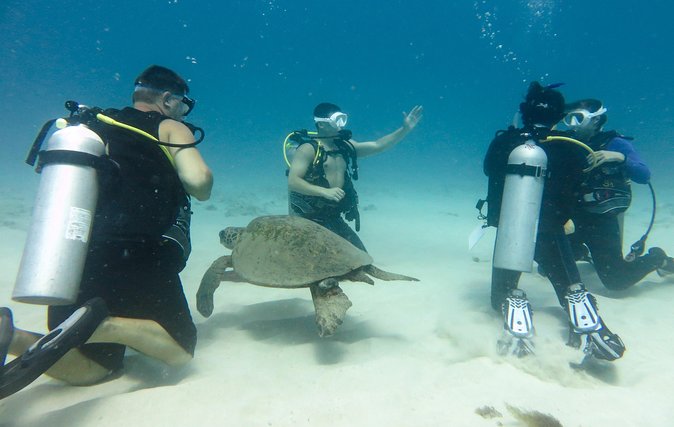
Hawaii gives the training a memorable setting. You may see sea turtles, octopuses, and tropical fish while exploring local coral reefs, though marine life sightings are never guaranteed. The main purpose remains training, so you should not expect every minute to feel like a wildlife tour.
The ocean adds conditions that a beach practice area cannot fully reproduce. You must manage your equipment in open water, communicate with your instructor and classmates, and stay focused while the surroundings compete for your attention. This is where the value of a small group becomes clear.
The maximum of eight participants is reasonable for a beginner course. It is not a private lesson, but it allows the instructor to keep track of a manageable number of students. Group ability levels can still vary, so patience is useful if another student needs more time with a skill.
The staff’s teaching style receives especially strong praise. Ed is described as approachable and experienced, and one student specifically remembered seeing many turtles during the final session. Anna is praised for combining careful instruction with a relaxed atmosphere, while Jess receives high marks for leadership and a good sense of humor.
Those personal touches matter underwater. You cannot solve a problem with a long conversation once your face is in the water. Clear signals, repeated practice, and an instructor who notices when you are uncomfortable are more valuable than flashy sales talk.
A few more dives around Oahu worth comparing
- Oahu Shark Dive
★ 5.0 · 2,903 reviews - Oahu: Shark Cage Dive on the North Shore
★ 4.8 · 1,485 reviews - Shark Cage Diving on Oahu’s North Shore
★ 5.0 · 1,391 reviews - Beginner Scuba Diving Experience with Video Package in Honolulu
★ 5.0 · 877 reviews
Day three: finishing the confined-water work
The next weekend begins with the remaining confined-water training. This two-weekend structure has both strengths and drawbacks.
The biggest advantage is time. You get several days between the first weekend and the second to think about what you learned, review the digital material, and return with a clearer idea of what needs work. Scuba skills can feel like a lot to absorb in one stretch, so the break may help information settle.
The drawback is that you need to protect both weekends. This is not a flexible activity you can squeeze into spare vacation hours. If you are visiting Honolulu for only a few days, the schedule will not fit. The course is designed with local students in mind, although anyone who can attend the required sessions is welcome.
Day three lets you complete the confined-water skills before the final ocean work. If you felt uncertain on the first weekend, this is the point to speak up. The instructors are repeatedly praised for not pushing students past their comfort level, and that is exactly the attitude you want in a certification class.
You should also keep your equipment organized between sessions and confirm what personal items you still need. Since the basic mask, snorkel, fins, and boots are not included, arriving without them could create unnecessary stress.
Day four: the final two check-out sessions
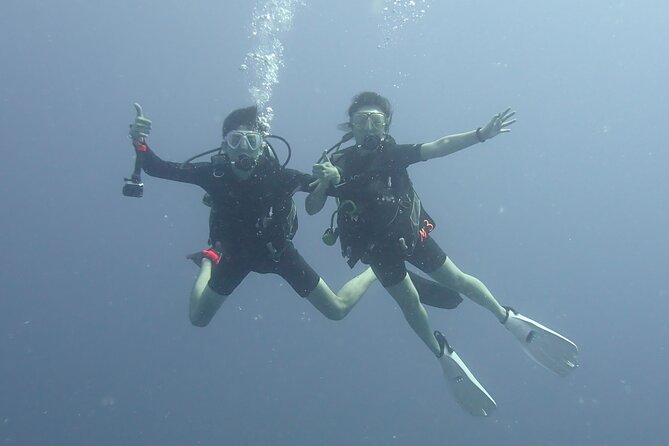
The last day includes two final ocean check-out sessions. These are the practical finish to the certification process.
You will use the skills developed across the first three days while working under instructor supervision. The point is not to perform for an audience. It is to show that you can handle the required basics in open water and complete the course safely.
By the end, you will have logged four local scuba sessions and earned your SSI Open Water Scuba Certification. That combination is the strongest reason to choose this program over a brief introductory experience.
The final ocean sessions may also be your best chance to enjoy Hawaii’s underwater life with less mental clutter. Once you have practiced the equipment and procedures, you can pay more attention to the coral, fish, turtles, and other marine life around you.
Still, remember that this remains a training course. Conditions, class pace, and personal comfort all affect how much sightseeing time you get. If you are hoping for a long, leisurely reef tour, book a separate recreational scuba outing after certification rather than expecting the check-out sessions to function as a pure sightseeing trip.
The instructors make the biggest difference
The strongest part of this course is the teaching staff. Several instructors receive specific praise for patience, clear explanations, safety, and confidence-building.
Hunter is repeatedly described as professional, enthusiastic, and thorough. He takes time to make sure students understand each skill and feel ready before moving on. Ed is praised for his scuba experience and approachable manner, with one student especially enjoying the turtle sightings on the last session.
Chandler is a good fit for nervous students. His calm approach helps people who are afraid of breathing underwater, and he is praised for meeting students at their own comfort level. Anna is also highlighted for making the course both useful and enjoyable.
Lenny receives praise for patience, while Jess is appreciated for leadership and humor. These comments point to a consistent quality: the instruction appears to focus on helping beginners feel safe rather than treating fear as an inconvenience.
There are a few less favorable details to keep in mind. One account raises concerns about a torn wetsuit, a very small practice pool, and an unpleasant interaction with a boat captain. Another mentions poor health precautions at the time of that experience. These issues may not reflect current conditions, but they are useful reminders to inspect your gear, ask questions, and speak up if something feels wrong.
Group size, equipment, and comfort
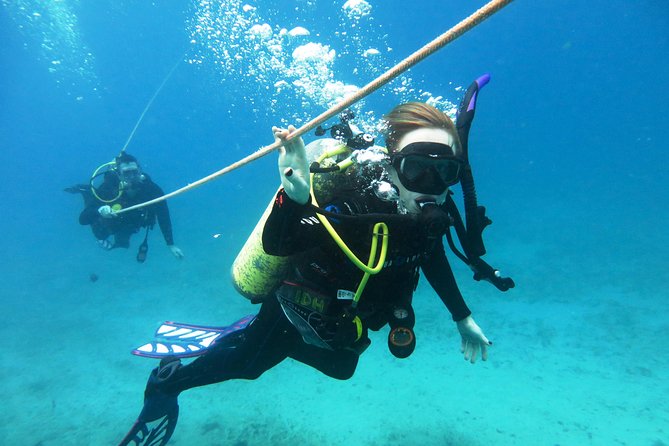
A maximum of eight participants gives this course a more personal feel than a large resort class. You still share the instructor’s attention, but the group is small enough for questions and individual coaching.
Equipment is supplied except for mask, snorkel, fins, and boots. Check the fit before entering the water. A poorly fitting mask or uncomfortable fins can distract you from the skills you are trying to learn.
The supplied information does not specify every piece of equipment or the exact wetsuit arrangement. Because one student raised a concern about worn wetsuit equipment, it is sensible to ask what is available and check the condition before your first session.
You also need your own transportation to the meeting point and between any required locations. Private transportation is not included, so do not assume a hotel pickup or shuttle will be provided.
The mobile ticket is convenient for keeping the booking information on your phone, but it does not remove the need to plan the practical details. Save the meeting address, allow time to arrive before 7:00 am, and confirm digital-learning access in advance.
Flying, health, and the four-day schedule
Do not plan to scuba within 48 hours of flying. This is especially important if you are building the course into a short Hawaii vacation.
A four-day program spread across two weekends works best for someone living on Oahu, staying for an extended visit, or planning a trip around the certification. It is a poor match for a short weekend holiday or an itinerary packed with inter-island flights.
The course also has a strict cancellation policy. It is non-refundable and cannot be changed for any reason, so check your health, travel dates, and availability before paying.
The COVID illness situation described in one account also shows why you should ask about current illness and rescheduling rules before booking. The stated policy offers no refund or amendment, making that question particularly important.
Who will get the most from this course?
I would choose this course if you want a real scuba qualification and plan to keep scuba as part of your travels. The four local sessions give you practice that a single introductory outing cannot match.
It also suits people who prefer patient instruction and a small class. If you are nervous about breathing underwater, instructors such as Chandler, Hunter, Anna, and Lenny appear to offer the steady coaching beginners need.
It is less suitable if you have limited time, dislike fixed schedules, or want a completely relaxed sightseeing activity. You must study before class, attend four early sessions, handle your own transportation, and purchase or supply several personal gear items.
Families should also check the operator’s age requirements before booking, since no age information is provided here. Anyone with a medical concern should consult a doctor first.
Should you book it?
Book this Honolulu course if you can commit to both weekends and want certification rather than a quick underwater preview. The $495 price is fair for four training days, four logged local sessions, instruction, digital learning, and an SSI qualification, though the excluded personal gear can raise the total.
I especially like the small class limit and the staff’s patient teaching style. Just plan carefully: complete the online study early, arrange transportation, bring or budget for your mask, snorkel, fins, and boots, and leave at least 48 hours between your final scuba session and any flight.
If those conditions fit your trip, this is a practical way to begin a lasting relationship with the ocean while learning in one of Hawaii’s most memorable settings.
FAQ
How long does the certification course take?
The course takes approximately four days and is held over two consecutive weekends.
What time does the course begin?
The stated start time is 7:00 am.
Where does the course meet?
It starts at Honolulu Scuba Company, 670 Auahi Street, Suite A-1, Honolulu, Hawaii 96813. The activity ends back at the meeting point.
Is scuba equipment included?
Scuba equipment is included, but mask, snorkel, fins, and boots are not. You may bring your own, or prices start at $175 for those items.
Do I need to complete study before the first class?
Yes. Digital learning is included and must be completed before the first day. You need to contact the operator for access.
Can I fly soon after completing the course?
Scuba within 48 hours of flying is not recommended. Plan your flight schedule around that safety guidance.
New dives around Oahu
- Two Tank Wreck and Drift Dive in Oahu★ 4.5 · 7 reviews
- 2 Tank Private SCUBA Party Diving Charter from Waikiki Hawaii★ 4.5 · 34 reviews
- Small Group Shallow Reef Dive in Oahu★ 5.0 · 9 reviews
- SCUBA Dive at Electric Beach with Photos -No Certification Needed★ 5.0 · 28 reviews
- Shark Dive Private Charter No Cage★ 5.0 · 3 reviews
- Discover Scuba Diving in Hawaii – Non certified divers!★ 5.0 · 3 reviews
- Private Shark Dive, Oahu, Hawaii (6 Guest)★ 5.0 · 21 reviews
- Waikiki Two Tank Guided Scuba Diving Adventure: Certified Diver★ 5.0 · 5 reviews
PADI Courses & Certification, compared.
Tossa de Mar: PADI Discovery Scuba Diving in Costa Brava
Read our review →
Full-Day Beginner Scuba Course with Private Tuition, Racha Yai
Read our review →
Beginner Scuba Diving Lesson with PADI Instructor
Read our review →
Discover Scuba Diving with No Certification in St Thomas
Read our review →
Try Dive – PADI Discover Scuba Diving in Tenerife
Read our review →
Browse the lists this tour appears in