
REVIEW · MAUI
Maui Scuba Diving Introductory Lesson from Lahaina
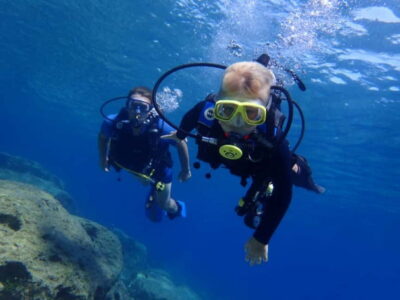
Breathe underwater, then meet Maui’s reef. This two-hour-15-minute shore lesson from Lahaina gives first-timers a careful introduction to scuba, with about 45 minutes of instruction before you enter the ocean. I like the small maximum of four people and the chance to learn at your own pace. I also like that the experience can count toward future PADI certification if you decide to continue.
The main concern is that comfort levels can vary by instructor and by participant. Most of the feedback praises patient guides such as Bruce, Chris, Gu, Emma, Maya, and Philip, but one serious account describes an instructor moving too quickly during descent. You should speak up at once if you need to equalize, clear your mask, or return to the surface.
Key Points Before You Book
- Small groups of four: The limited group size allows close attention from a certified instructor and less pressure while you learn.
- A real ocean lesson: You practice on shore, then wade from a beach into water no deeper than 35 feet.
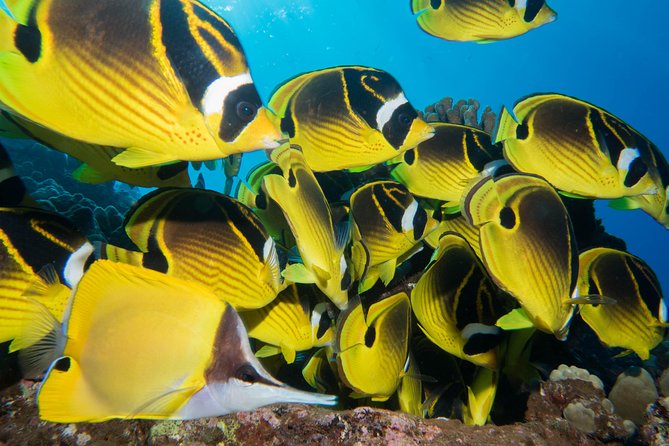
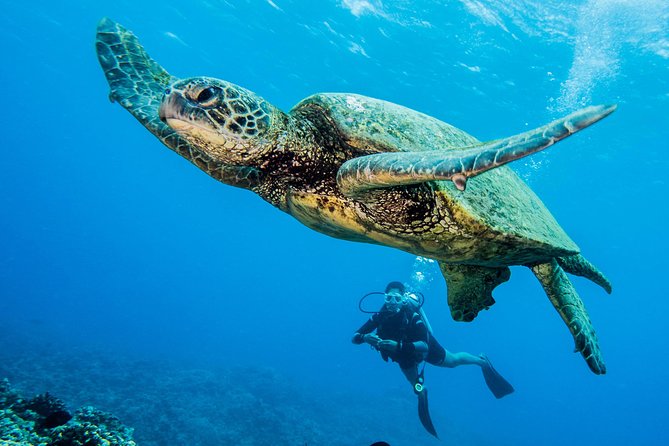
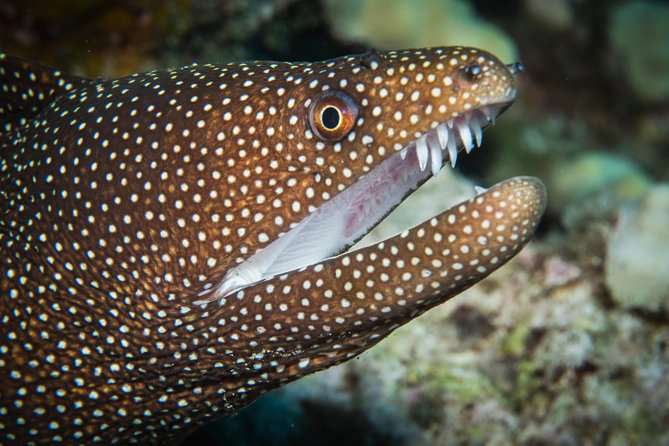
- Turtles are possible: Maui’s reef may bring you close to green sea turtles, eels, reef fish, nurse sharks, and coral.
- Good for beginners and refreshers: Basic swimming skills and moderate fitness are required, but prior scuba certification is not.
- Plan around your flight: You must wait 18 hours after the session before flying, taking a helicopter ride, or visiting Haleakala.
- The medical form matters: You need to submit the online waiver before arrival and answer no to all health questions unless you have a doctor’s clearance.
What This Maui Scuba Experience Really Is
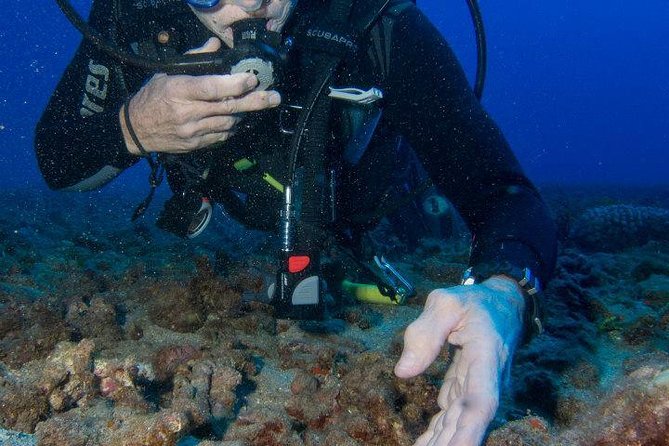
This is not a boat-based expedition or a full certification course. It is a controlled introduction from shore, designed to help you decide if scuba feels right before committing to a longer training program.
You begin at Extended Horizons Scuba, 94 Kupuohi Street in Lahaina, at 7:30 am. The session includes equipment, water, and a professional guide. Hotel pickup is not included, so you need to arrange your own way to the meeting point.
The format makes sense for a first attempt. You learn the basic equipment and safety skills before facing the ocean. Then you move to a nearby beach, enter the water gradually, and work through the first awkward minutes of breathing through a regulator. That sequence matters. The hardest part for many beginners is not seeing fish. It is staying calm while breathing underwater.
The group limit of four is one of the strongest features. A large class can leave a nervous beginner trying to copy someone else while also keeping track of unfamiliar equipment. Here, the instructor can watch your breathing, buoyancy, mask, and hand signals more closely. Several instructors have been praised for slowing down, explaining skills again, and helping nervous participants settle in.
Still, do not assume every moment will feel effortless. Scuba asks you to learn several tasks at once. You must breathe steadily, control your position, clear water from your mask, equalize your ears, and follow instructions. If you need more time, say so clearly.
More Discover Scuba Diving in the USA
- Discover Scuba Diving Class from Lahaina
★ 5.0 · 185 reviews - South Maui Discover Scuba Dive
★ 5.0 · 46 reviews - Maui: Beginner Discovery Scuba Dive Excursion from Lahaina
★ 4.7 · 46 reviews
The 45-Minute Class at Extended Horizons
The shore session begins with about 45 minutes of instruction. You learn how to put on your mask, breathe through the regulator, swim underwater, and manage buoyancy.
The buoyancy lesson is especially useful. Beginners often expect to swim like they do at the surface, but underwater movement is different. Small changes in breathing and body position affect how high or low you sit in the water. A good instructor will let you practice rather than simply talk at you.
The equipment should feel unfamiliar at first. You use the required scuba gear supplied by the operator, and you need to provide your shoe size in a men’s size before the activity. That small request helps the operator prepare suitable footwear.
The online requirements add another layer. You must complete a medical clearance form before the session. If you answer yes to any of its questions, you may need a doctor’s note. You also receive a 15-minute online lesson link after the waiver is submitted, so do not leave the paperwork until the last morning.
You need basic swimming ability and moderate physical fitness. This is not an observer’s activity. You will wade into the ocean, manage scuba equipment, and swim with your instructor. The minimum age is 12.
Entering the Ocean at a Maui Beach
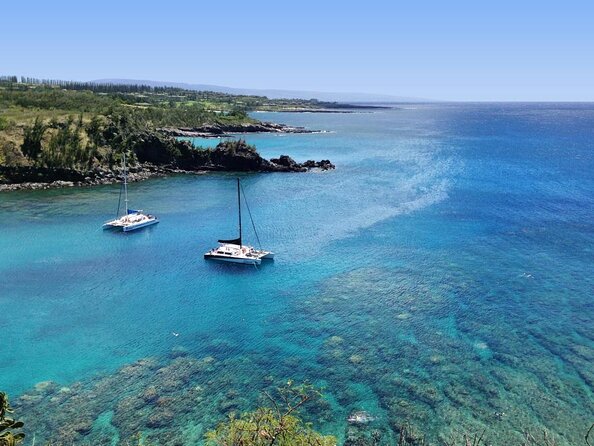
After the class, you head to a nearby beach. The precise site can change with ocean conditions, which is sensible in Maui. The named possibilities include Black Rock, Canoe Beach, Kapalua Bay, and Kahekili State Park.
You begin by wading in rather than stepping off a boat into open water. That gives you a chance to adjust to the temperature, mask, fins, and regulator before going farther. Your instructor stays close and talks you through each step.
The maximum depth is 35 feet, or 10.7 meters. That is shallow by scuba standards, but it can feel substantial when you are new. Your goal is not to reach the bottom quickly. Your goal is to become calm, breathe normally, and manage the basic skills with help nearby.
Equalizing your ears deserves special attention. You need to equalize as you descend, and you should never allow anyone to pull you lower while you are experiencing pain. Stop, signal, and ascend slightly if needed. The serious negative account associated ear pain with a descent that moved too fast, while many other accounts praised patient instruction. That contrast gives you a clear practical rule: your comfort and safety come before keeping up with the group.
Once you are comfortable, you follow the guide along the reef at a pace suited to your ability. You can stop to practice a skill or ask for help. That flexibility is more valuable than covering a large area.
What You Might See on the Reef
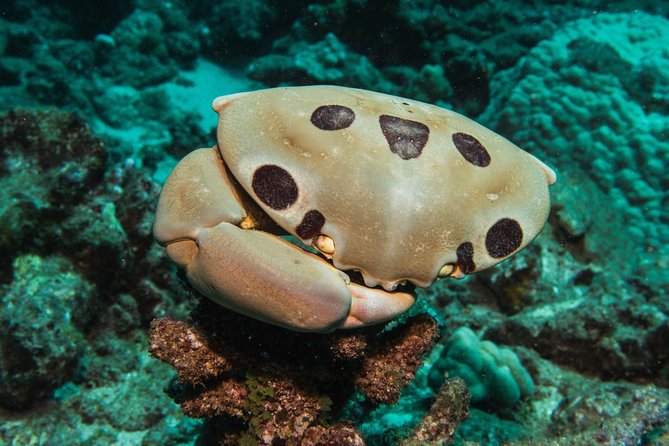
Maui’s underwater appeal is the wildlife. The most frequently praised sighting is the green sea turtle. You might also see reef fish, coral, eels, and possibly nurse sharks. The actual animals depend on the site, visibility, weather, and luck, so no creature should be treated as guaranteed.
Several people describe seeing turtles at close range. Others enjoyed learning fish names and small facts from guides such as Chris. That naturalist side of the experience adds value. You are not only being shown how to breathe underwater. You are also learning to notice the reef.
The water can be clear, with colorful fish and coral visible even on a short first session. You may hear whale sounds underwater during the appropriate season, as one family experience described, but that is not presented as a standard feature or promise.
The reef tour is intentionally limited. You are not setting out for a long offshore route with several separate sites. Instead, you get a compact introduction in one shallow area, with time for instruction. For a beginner, that is often the right tradeoff.
More First-Time Dives in Maui:
- Discover Scuba Diving
★ 5.0 · 1,676 reviews - Barcelona: PADI Discover Scuba Diving
★ 4.7 · 1,016 reviews - Discover Diving in Curacao
★ 5.0 · 886 reviews - Mallorca: Discover Scuba Diving for Beginners
★ 4.7 · 805 reviews
The Five Places Listed With the Experience
The itinerary names five locations: Honolua Bay, The Spa at Black Rock, Extended Horizons, Kapalua Beach, and Baby Beach in North Lahaina.
Extended Horizons is the starting point for the class and gear preparation. It is the practical base, not an underwater sightseeing stop. The shop setting lets you receive safety instruction before reaching the shore.
Black Rock and Kapalua Beach are among the possible beach areas associated with the lesson. Black Rock is known here as a site for beginner water access and reef viewing, while Kapalua offers another possible setting when conditions favor it. You should not assume both will be visited during your two-hour-15-minute session.
Honolua Bay and Baby Beach in North Lahaina appear in the itinerary information, but the actual water location can change. Ocean conditions guide the decision. This is good operational practice, though it means you should book for the lesson and the reef experience rather than for one guaranteed beach.
The trip ends back at the Lahaina meeting point. No hotel transfer is included, and the operator may message you the day before with the final meetup details. Keep your phone active, or provide hotel information if you will not have a working mobile number.
The Instructors Make the Difference
The strongest pattern in the feedback is instructor care. Bruce is repeatedly praised for patience, clear explanations, and helping both adults and children feel secure. Chris receives high marks for calm support and for identifying reef species. Gu is praised for helping anxious beginners manage buoyancy and nerves.
Emma, Maya, Maia, Philip, Brad, and Shelby are also singled out for patient teaching. One participant who had never used scuba equipment described Emma as especially good at explaining the process without making the learner feel foolish. Another person used the session as a refresher after time away from scuba and found the instructors professional and friendly.
This matters because the equipment is only half the experience. A calm instructor can turn a frightening first breath into a manageable skill. A rushed instructor can make the same moment stressful.
You have a right to pause. Ask for another explanation. Signal if water enters your mask. Do not descend until your ears feel comfortable. If breathing feels difficult, tell the instructor immediately. These are not signs that you are failing. They are normal parts of learning a new activity.
Is $227.50 a Fair Price?
At $227.50 per person, this is not a cheap beach activity. The price is easier to justify if you value close instruction, included equipment, and a small group. You are paying for the class, professional supervision, gear, water, and a guided reef experience, rather than simply renting equipment and swimming out alone.
The group cap of four improves the value. Private instruction would usually cost more, while a much larger group could mean less personal attention. The chance to apply the session toward PADI certification also gives it added value if you plan to continue.
It is less attractive if you are already a confident certified scuba participant looking for several long reef sessions. The experience is short and introductory. A certified diver may find it most useful as a refresher, especially if they have not been underwater for a long time.
The booking pattern suggests people often reserve around three weeks ahead, with an average of 23 days. That is a useful planning clue for a Maui vacation. The operator confirms bookings within 48 hours, subject to availability, so do not treat a pending reservation as final until you receive confirmation.
Timing, Health Rules, and the Flight Problem
The 7:30 am start takes planning, but morning conditions can be helpful for a shore activity. You need enough time to reach 94 Kupuohi Street, complete the required form, and be ready for the class.
The biggest scheduling rule is the no-flying period. You must wait 18 hours after the scuba session before taking an airplane or helicopter, and the restriction also applies to a visit to Haleakala. The practical choice is to schedule this experience early in your holiday, not on the day you fly home or plan a helicopter ride.
The experience also requires good physical health and moderate fitness. The online waiver is not a formality to ignore. Read every question carefully and submit it before arrival. If you need medical clearance, arrange it in advance.
Free cancellation is available up to 24 hours before the start time. Changes or cancellations inside that window are not refundable. Poor weather can lead to a new date or a full refund.
Who Should Book This Lesson?
I would choose this for a first-time participant who wants a real ocean session without signing up immediately for full certification. It also suits a certified diver who wants a gentle refresher in a small group.
Families can consider it for children aged 12 and up, provided they meet the swimming and health requirements. The feedback includes positive family experiences, including children who became comfortable with patient instruction.
I would be more cautious if you are uneasy in the ocean, unable to swim, or uncomfortable speaking up when a skill feels rushed. The activity asks you to manage equipment and follow underwater instructions. Confidence can grow, but you still need to communicate clearly.
My Take: Should You Book It?
Book it if you want a structured first taste of scuba, close supervision, and a reasonable chance to see turtles and reef life. The small group, patient instructors, and shallow shore format make this a stronger choice than a crowded introduction.
Before booking, complete the medical form, confirm your shoe size, keep your phone active, and protect an 18-hour window after the session. At the water’s edge, remember the most important rule: go at your own pace. If the instructor respects that, this can be a memorable first step toward certification.
FAQ
Where does the Maui scuba lesson begin?
It begins at Extended Horizons Scuba, 94 Kupuohi Street, Lahaina, Hawaii. The activity ends back at the meeting point.
What time does the experience start?
The stated start time is 7:30 am.
How deep will the scuba session go?
The maximum depth is 35 feet, or 10.7 meters.
Do I need prior scuba experience?
No. The lesson is designed for first-timers and can also work as a refresher for certified participants who have not been underwater for some time.
What are the age and swimming requirements?
The minimum age is 12. You need basic swimming skills, moderate physical fitness, and good physical health.
Can I fly after the activity?
You must wait 18 hours after the session before taking an airplane or helicopter or visiting Haleakala. It is not suitable for anyone planning to fly later the same day.
New dives around Maui
- Underwater Scooter Dive (Certified Divers Only) Makena Wailea★ 5.0 · 10 reviews
- South Maui Discover Scuba Dive★ 5.0 · 46 reviews
- 3-Tank Dive Featuring the Molokini Crater★ 5.0 · 5 reviews
- Private and Personalized Scuba Diving Adventures for All Experience Levels★ 5.0 · 62 reviews
- Scuba Diving in Maui with No Experience Needed★ 5.0 · 56 reviews
- PADI Scuba Lesson and Shore Dive in Maui★ 5.0 · 46 reviews
- Guided Scuba Dive in Lahaina: Certified★ 5.0 · 67 reviews
- Turtle & Shark Scuba Dive in Lahaina: Certified★ 5.0 · 60 reviews
Discover Scuba Diving, compared.
Cyprus: Introductory Scuba Lesson and Dive with Transfer
Read our review →
Half-Day Scuba Diving Tour – Discover Scuba Diving!
Read our review →Browse the lists this tour appears in