
REVIEW · CURACAO
Discover Diving in Curacao
Curacao puts the reef within reach. This four-hour Discover Scuba course combines a short lesson, shallow-water practice, and an open-water visit to the famous Tugboat site. I like the small groups of no more than four and the calm, step-by-step teaching from instructors such as Hans, Daan, Dan, Gwen, and Barbara.
I also like that the equipment and local guide are included, with pickup available in some cases. The main thing to consider is that this is an introductory course, not a full certification. You will reach about 40 feet, or 12 meters, but the schedule depends on your comfort in the water and on the weather.
Key points to know before booking
- The group limit is four people, which gives the instructor room to help nervous or first-time participants.
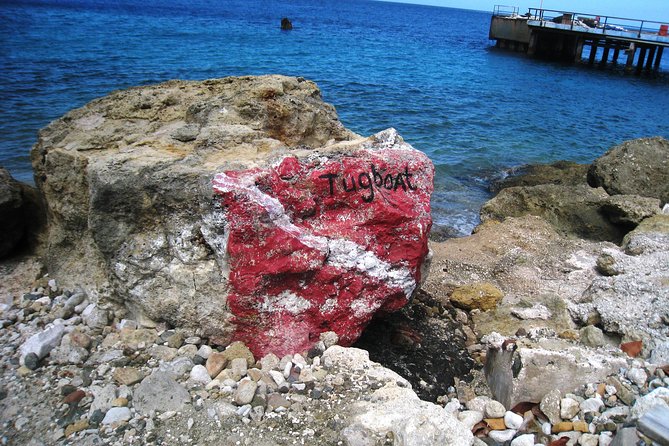
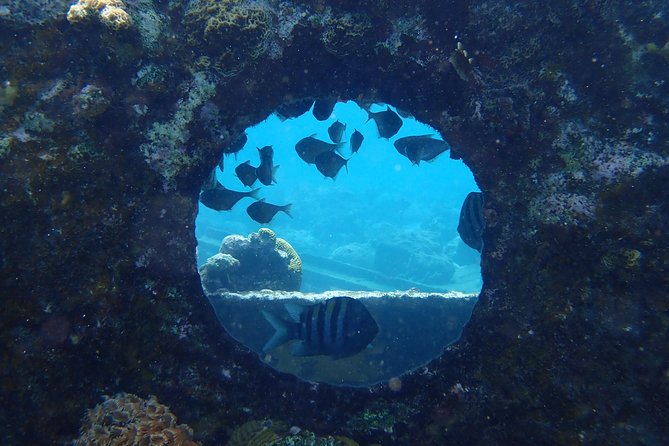
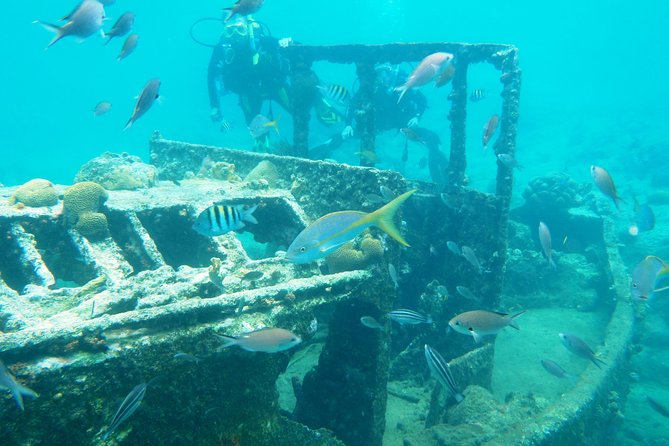
- The Tugboat is the main underwater attraction, surrounded by clear water, reef life, and plenty of fish.
- The lesson comes first, covering equipment, safety, breathing, and hand signals before you enter deeper water.
- All basic equipment is provided, so you do not need to bring your own tank or gear.
- Pickup may be available, including hotel and cruise-port transfers, but confirm your exact meeting point.
- The price is $125 per person, a fair rate for a half-day course with instruction, equipment, and two water sessions.
What the four-hour Curacao course actually includes
This is not a quick boat ride followed by a hurried swim. The session begins with an introduction to scuba equipment and basic safety. You learn how the mask, tank, regulator, buoyancy gear, and other pieces work before you are expected to use them in the water.
You also learn the hand signals used underwater. That matters because you cannot simply call out if your ears hurt, your mask leaks, or you need to slow down. Clear communication helps you stay calm and lets the guide respond quickly.
The theory portion is followed by exercises in confined, shallow water. This is the useful part for a beginner. You can get used to breathing through the regulator, wearing the equipment, and controlling yourself in the water before moving toward the open-water portion.
The instructors place a clear emphasis on comfort. Hans, in particular, is repeatedly praised for taking time with nervous participants, children, people with limited mobility, and those who had not used scuba equipment before. That patient approach is more important than flashy instruction. A rushed lesson can spoil the whole morning.
Once the instructor is satisfied that you can manage the basic exercises, the group moves to the open-water site. The final underwater session reaches a maximum depth of 12 meters, or 40 feet. Some participants describe spending roughly 45 to 60 minutes underwater, though the exact length will depend on your air supply, comfort, and conditions.
More First-Time Dives in Curacao:
- Discover Scuba Diving in Curacao
★ 5.0 · 179 reviews - Discover Scuba Dive in Curacao
★ 5.0 · 148 reviews - Personalized Discover Scuba Dive Experience in Curaçao
★ 5.0 · 76 reviews
The Tugboat site is the star attraction
The Tugboat site gives this introductory course a clear purpose. You are not only practicing in a featureless patch of water. You have a recognizable underwater object to visit, along with reef life around it.
The sunken tugboat is one of Curacao’s best-known beginner-friendly sights. The water is described as clear, making it easier to see fish and to keep track of the instructor. You may also pass along a wall, near boat tie-ups, or across the house reef, depending on the day’s plan.
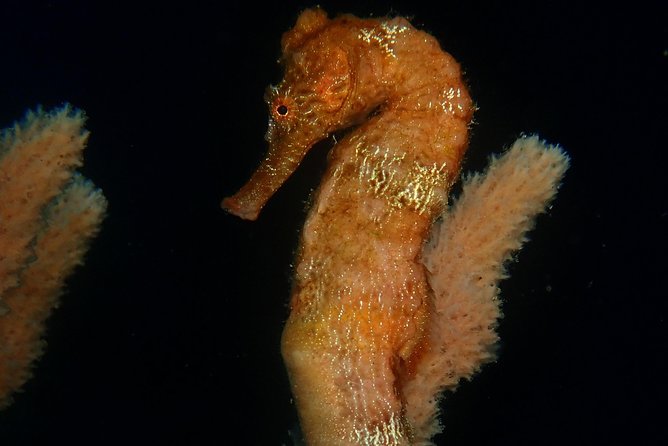
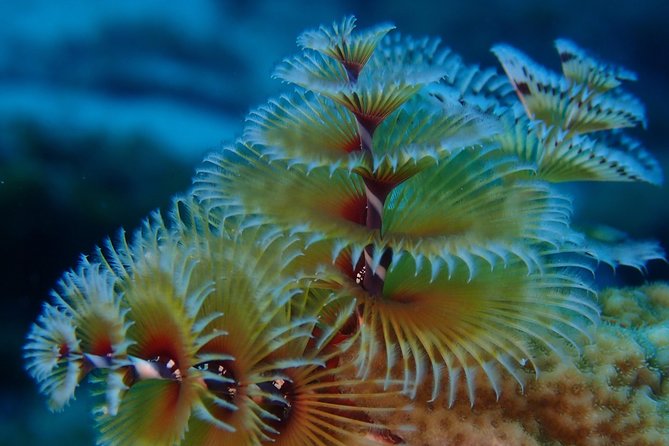
Marine life is a major reason to choose this course. Sightings reported during the sessions include turtles, lionfish, eels, cowfish, stingrays, and large schools of smaller reef fish. Turtles are often seen around the house reef, but no wildlife sighting can be guaranteed. That is worth remembering before you book with one particular animal in mind.
The site can feel surprisingly busy in your imagination before you enter the water. In practice, the shallow exercises help you settle in first. If you are relaxed and breathing normally, you can give more attention to the tugboat, coral, and fish instead of thinking about every piece of equipment.
Why the small group matters
The maximum group size is four. That is a strong feature for a first underwater experience because the instructor has fewer people to watch and more time to adjust the pace.
A small group is especially useful if one person is nervous. Several participants needed extra reassurance before moving from shallow water to the open-water session. The instruction described by guests is patient rather than forceful, with the guide checking comfort before continuing.
Families can also benefit from this setup. The experience has been used by parents with children, including boys aged eight and nine, and by a 12-year-old. The information provided does not state a minimum age, so families should confirm age requirements before booking. Children still need to manage the equipment and follow instructions carefully.
The small group does not mean private service in every case. You may share the morning with other participants, but four people is a manageable number. It also reduces the chance that you spend most of the session waiting for someone else to finish an exercise.
The instructors make the biggest difference
The teaching team receives the strongest praise. Hans is often named for his patience, clear explanations, and careful attention to safety. Daan and Dan are also mentioned as effective instructors for first-time participants. Gwen has guided open-water sessions and taken underwater photographs, while Barbara is part of the wider team praised for making beginners feel comfortable.
That range of names matters because your experience will depend partly on who leads your group. The common thread is a slow introduction and close supervision. You are taught the basic actions, practice them in shallow water, and only then continue toward the main site.
The course also appears suitable for people who need a more thoughtful approach. One account describes an instructor working with a claustrophobic participant, a teenager with plenty of energy, and someone with an arthritic leg. Another notes the operator’s work with people with disabilities, including stroke survivors and veterans with physical challenges.
Do not read that as a promise that every medical condition is automatically suitable. Scuba has health requirements, and you should disclose any concern before booking. The useful point is that the staff appear willing to adapt their teaching and pace rather than treating every beginner the same way.
A few more dives around Curacao worth comparing
- Curacao Helmet Diving-Walk the Ocean Floor, No Swimming Required
★ 5.0 · 761 reviews - Guided Shore Dive for Certified Divers with Scubaçao (2 tank)
★ 5.0 · 128 reviews - Introduction Shore Dive with Scubaçao (1 dive)
★ 5.0 · 108 reviews - 2 tank guided dive House Reef (Pierbaai Reef and Car Pile)
★ 5.0 · 99 reviews
What equipment and support you receive
The $125 price includes the local guide and dive equipment. That should cover the basic gear required for this introductory session, so you do not need to arrive with your own tank or full setup.
The equipment is sized when you arrive. One useful detail from the experience reports is that the staff were able to accommodate a larger participant without difficulty. If you have unusual sizing needs, it is still sensible to mention them in advance.
Underwater photographs may also be taken and sent to you at no extra charge. This is not listed as a formal inclusion in the basic description, so treat it as a possible bonus rather than something to demand. Several participants received photos from Hans or Gwen, including family and group pictures.
Food and drinks are not included. Bring anything you need for the morning, especially if you are prone to getting hungry after physical activity. The supplied information does not specify refreshments, so do not assume that snacks will be provided.
Meeting point, pickup, and cruise-day planning
The listed meeting point is Papitas Caracasbaai, Willemstad, Curaçao, with the activity ending back there. The scheduled start is 8:00 a.m.
Pickup is offered, and several participants describe transfers from hotels or the cruise port. One cruise passenger appreciated that the operator accounted for the local time difference and met the group outside the port security gate. Another account describes transportation arriving on time and returning the group safely to the ship.
That said, cruise passengers should confirm the exact pickup instructions directly. The official meeting point and the pickup service are not always the same thing. Give the operator your ship name, arrival time, and preferred meeting location when arranging the booking.
An early start is useful in Curacao because it leaves part of the day free afterward. It also gives you a better chance of finishing the activity without compressing your shore visit. Still, do not schedule a tight flight or other fixed activity immediately afterward. The course lasts about four hours, and weather or a slower beginner group can affect the timing.
The activity operates near public transportation, and service animals are allowed. Most people can participate, but scuba still requires you to follow instructions and manage basic water exercises.
Is $125 a good value?
At $125 per person, this is a reasonable price for a four-hour beginner course. You receive instruction, a confined-water practice period, an open-water session, equipment, and the chance to visit a well-known Curacao site.
The value is strongest if you have never used scuba equipment. Booking a simple swim without instruction would not give you the same structure or safety briefing. Here, the instructor spends time explaining the equipment and underwater signals before asking you to move farther from shore.
The value is also good for cruise passengers. Shore excursions booked through a ship can be convenient, but they often cost more and may place you in a larger group. This experience offers a smaller group and direct contact with the local operator, though you take on more responsibility for confirming pickup and return timing.
The price does not include food or drinks. It also does not turn you into a certified diver. If the course excites you, the next step would be a formal certification program, which is separate from this introductory session.
The perfect score and 100 percent recommendation shown for the experience are unusually strong, with 886 ratings listed. That does not remove the need to consider your own comfort, health, and schedule. It does suggest that the operator has delivered this format many times with consistent approval.
Who will enjoy this most?
This course suits you if you have always wanted to try scuba but do not want to commit to a full certification course before knowing how it feels.
It is also a good choice for:
- First-time adults who want patient instruction.
- Families with children who meet the operator’s age requirements.
- Cruise passengers with a full morning available in Curacao.
- Certified people who need a refresher, based on the reports of returning or rusty participants.
- People who value small groups and direct supervision.
- Visitors interested in reef restoration and local marine life.
You should think carefully before booking if you dislike wearing a mask and regulator, feel uncomfortable in confined equipment, or need a highly flexible schedule. The course is designed to build confidence, but nobody should be pushed into continuing if the water does not feel right.
The operator has also been praised for explaining risks before entering the water. That is a good sign. Scuba is enjoyable, but it is not a casual swim. Listen closely, be honest about your health, and let the instructor set the pace.
What makes Curacao a good place for a first attempt
Curacao offers a practical setting for a beginner because the session can combine shallow-water exercises with a nearby reef and wreck site. You do not need to spend the whole morning traveling to reach the main attraction.
Clear water helps, too. Beginners often have enough to think about without fighting poor visibility. Seeing the instructor, hand signals, reef, and fish more easily can reduce stress and make the experience more rewarding.
The underwater setting also gives you a reason to keep practicing. The goal is not simply to complete a list of exercises. Once you are comfortable, you can look around and notice turtles, lionfish, eels, coral, and the structure of the tugboat.
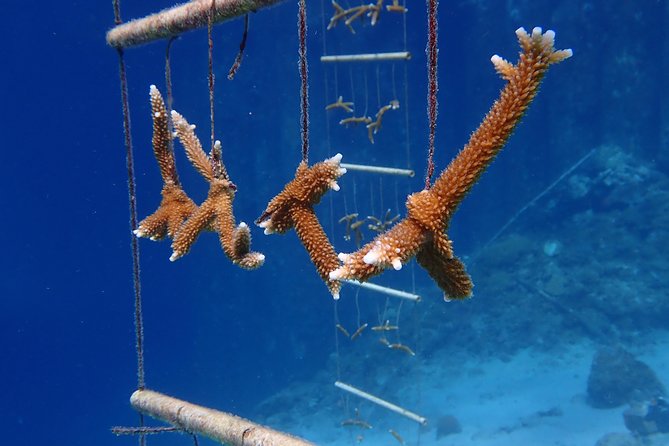
Some participants also saw the operator’s coral restoration work, including underwater trees used to grow coral. This adds a conservation element to the outing, though the main purpose remains beginner instruction and an open-water visit.
Cancellation and weather considerations
This booking is non-refundable and cannot be changed for any reason if you cancel or request an amendment. That is a strict policy, so check your schedule carefully before paying.
Weather is the important exception. If poor weather forces the operator to cancel, you will be offered another date or a full refund. Because the course depends on safe water conditions, this rule is understandable, but it makes flexible planning important.
My recommendation: book it if you want a guided first try
I would choose this course if I wanted to try scuba in Curacao without signing up for a full certification course. The small group, patient teaching, included equipment, and Tugboat site give the morning a clear purpose and good value.
I would be especially comfortable recommending it to a nervous beginner who is willing to speak up. Hans and the wider team are repeatedly praised for explaining the equipment, checking comfort, and adjusting the pace.
Book it with three practical checks in mind: confirm pickup if you need it, disclose health or mobility concerns, and leave enough time after the four-hour session. If you want a low-pressure first look at Curacao’s underwater world, this is a sensible choice. If you already hold certification and want a challenging or highly advanced site, it may feel too basic.
FAQ
Where does the activity start?
The listed start point is Papitas Caracasbaai, 34GP+JGR, Willemstad, Curaçao.
What time does the course begin?
The scheduled start time is 8:00 a.m.
How long does the experience last?
The activity lasts approximately four hours.
How deep will I go?
The open-water session reaches a maximum depth of 12 meters, or 40 feet.
Is equipment included?
Yes. Dive equipment and a local guide are included in the price.
Is food included?
No. Food and drinks are not included.
How many people can join the activity?
The activity has a maximum of four participants.
What happens if bad weather cancels the course?
If poor weather causes the operator to cancel, you will be offered another date or a full refund.
New dives around Curacao
- PADI Discover Scuba Dive at Coral Divers Curacao★ 5.0 · 33 reviews
- Curacao Sea Trek Snuba Combo Walk Tour and Dive the Ocean★ 5.0 · 4 reviews
- SNUBA Adventure in Curacao – Guided Shallow Dive★ 5.0 · 15 reviews
- Personalized Discover Scuba Dive Experience in Curaçao★ 5.0 · 76 reviews
- Snorkel Shore Trip with Scubaçao “East Point”★ 5.0 · 53 reviews
- Refresher Dive★ 5.0 · 21 reviews
- Open Water Diver Course at Blue Bay Dive in Curacao★ 5.0 · 64 reviews
- PADI Discover Scuba Dive at 5 Star Dive Center Blue Bay Dive, Curacao★ 5.0 · 62 reviews
Discover Scuba Diving, compared.
Cyprus: Introductory Scuba Lesson and Dive with Transfer
Read our review →
Half-Day Scuba Diving Tour – Discover Scuba Diving!
Read our review →
2 Days Discover Scuba Diving in Nusa Lembongan – Scuba Initiation
Read our review →Browse the lists this tour appears in