
REVIEW · THE USA
Kauai: 2 Tank Afternoon Dive
Kauai looks different below the surface. This four-and-a-half-hour afternoon charter with Seasport Divers offers shallower 40 to 60 foot sites and a slower pace, making it a friendly choice for certified participants and newcomers alike. I like the calm structure, with separate guides for certified and non-certified groups, and I like that tanks, weights, gear, snacks, water, and harbor transport are included. The main drawback is the price: at $259 per person, it is a serious vacation expense, especially if certified participants need to add $45 for a BCD and regulator.
I also appreciate the practical safety rules. You need to pass the PADI medical questionnaire if you are not certified, and you cannot fly, take a helicopter, or visit elevations above 1,000 feet within 18 hours afterward. That timing rule can shape your Kauai schedule, so check it before booking rather than discovering it the hard way.
Key points to know before you book
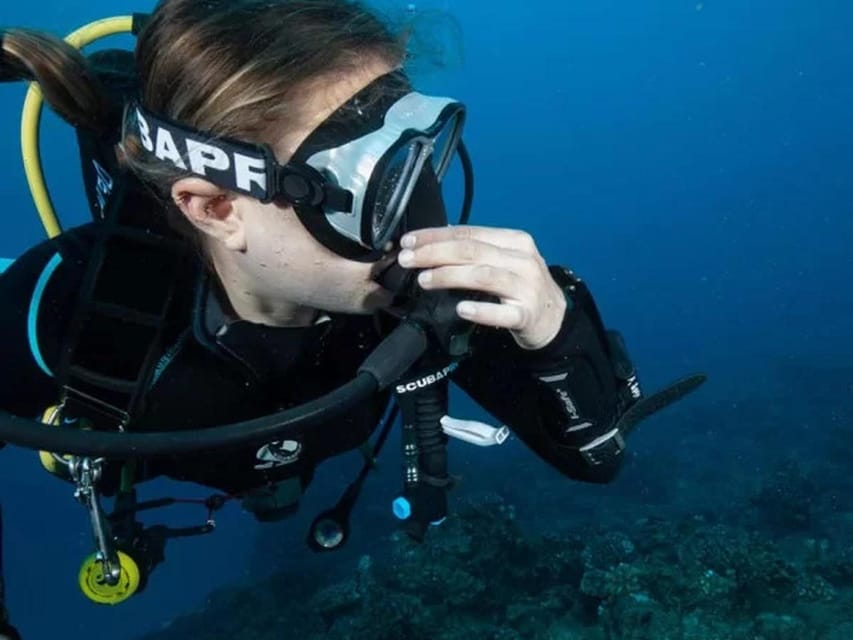
- Two underwater sessions at 40 to 60 feet: The shallower sites support a relaxed pace and give you plenty of time to get comfortable.
- Separate groups and guides: Certified and non-certified participants are organized apart, allowing instruction and supervision to match your experience.
- About 270 minutes total: The half-day outing includes the boat activity, briefing, equipment handling, and transportation from the shop to the harbor.
- Useful gear is included: Tanks, weights, mask, fins, wetsuit, safety equipment, snacks, and water are provided.
- Certified participants may pay extra for equipment: A BCD and regulator cost an additional $45 for certified participants.
- Strict post-trip flight rule: You must wait at least 18 hours before flying or traveling above 1,000 feet.
Why the afternoon schedule works on Kauai
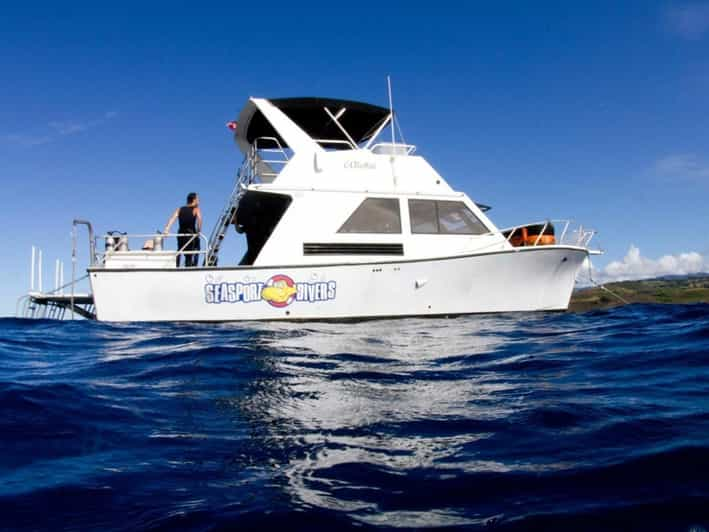
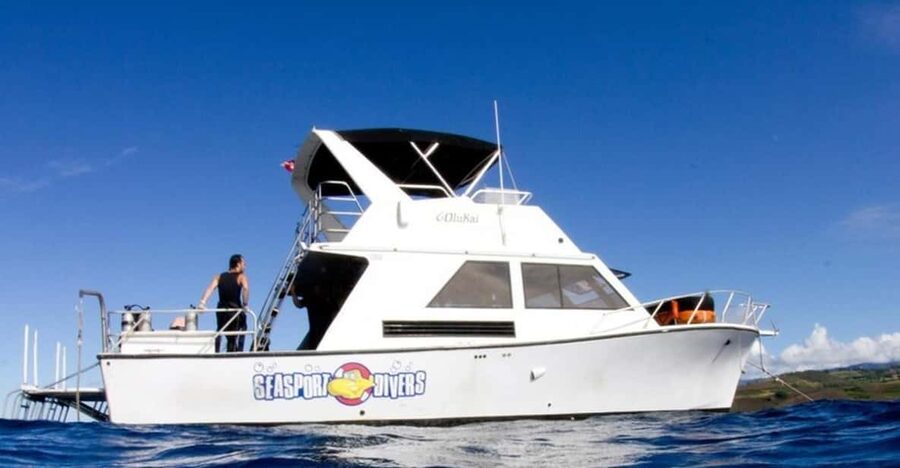
This outing lasts about 270 minutes, or four and a half hours. That makes it long enough for two underwater sessions without taking over your entire day.
An afternoon departure can be useful if you want a slower morning. You can eat breakfast, organize your swimwear and towel, and reach the shop without rushing through your first cup of coffee. It also leaves room for another activity on a different part of the island earlier in your trip.
The tradeoff is that you need to plan around the return time and the 18-hour no-flight rule. If you are flying off Kauai the next morning, this activity may not fit your schedule. The same applies if you have planned a helicopter flight, mountain excursion, or any other trip above 1,000 feet soon afterward.
I would treat the underwater outing as a fixed point in your itinerary. Put it on a day when you can remain at sea level afterward, and keep the following morning flexible.
More Two-Tank Boat Dives in the USA
- 2 Tank Lanai Cathedral Scuba Dive Via Boat for Certified Divers
★ 5.0 · 548 reviews - Certified Diver: 2-Tank Deep Wreck and Shallow Reef Dive Off Oahu
★ 5.0 · 331 reviews - Certified Diver: 2-Tank Shallow Reef Dives off Oahu
★ 5.0 · 278 reviews
Starting with a briefing and a careful pace
The experience begins with a briefing from the professional guides. This is not just a quick safety speech to get everyone moving. For less experienced participants, it is the moment to ask questions, understand the plan, and settle any nerves before entering the water.
The slower pace is one of the strongest reasons to choose this charter. The sites reach 40 to 60 feet, which offers enough depth to see reef life while avoiding the more demanding feel of a deeper trip. If you are rusty, the extra breathing room matters. You can focus on your equipment, your breathing, and your surroundings instead of trying to keep up.
Certified and non-certified participants are placed in separate groups, each with a guide. That arrangement is valuable because the two groups have different needs. A certified participant may want to concentrate on marine life and buoyancy, while a newcomer may need more reminders and direct support.
The supplied information does not promise a particular group size, so I would not assume this is a private charter. Still, the separate guide structure should make the instruction more personal than putting every participant into one large mixed group.
The first underwater session: getting comfortable
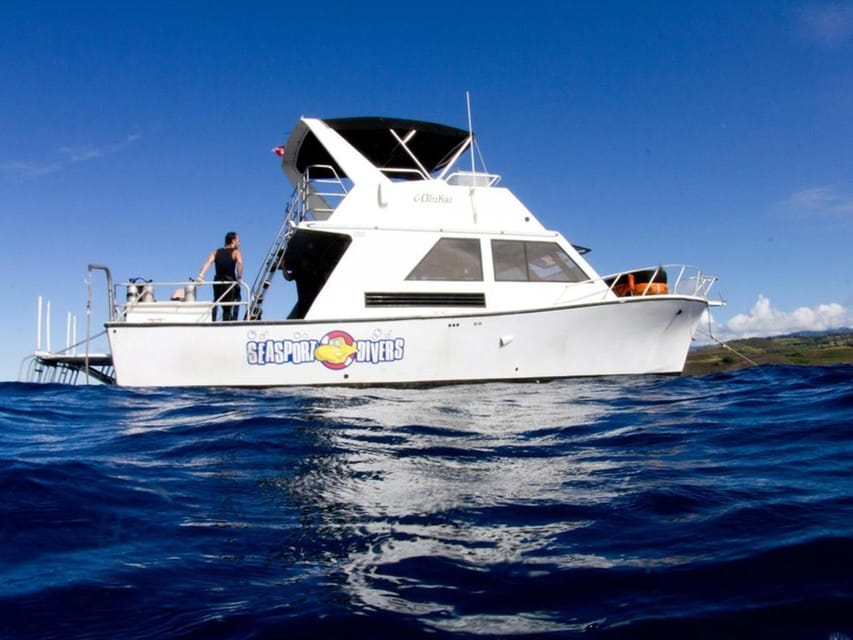
The first of the two sessions is where you can settle into the setting. You will have a chance to adjust to the equipment, the water, and the pace of moving underwater.
If you are not certified, this part may feel less like sightseeing and more like a practical introduction. That is a good thing. The value of a slower charter is that you can concentrate on basic skills while still seeing Kauai’s reef environment.
Certified participants can use the first session to regain a comfortable rhythm if it has been some time since their last outing. The shallower depth helps keep the experience approachable, though you still need to follow the guide and handle your equipment responsibly.
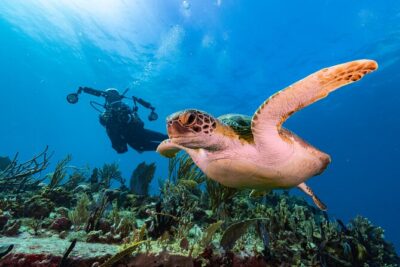
The expected scenery includes coral reefs and a variety of sea creatures. Exact sites and animals are not specified, so I would avoid booking this with a checklist of particular species in mind. Think of it as a chance to observe Kauai’s underwater setting, with marine life appearing according to conditions and location.
You are asked not to touch marine life. That rule protects the animals and keeps the encounter respectful. It also makes sense practically, since contact can damage delicate coral or disturb creatures that are simply going about their business.
The second session: more time to observe
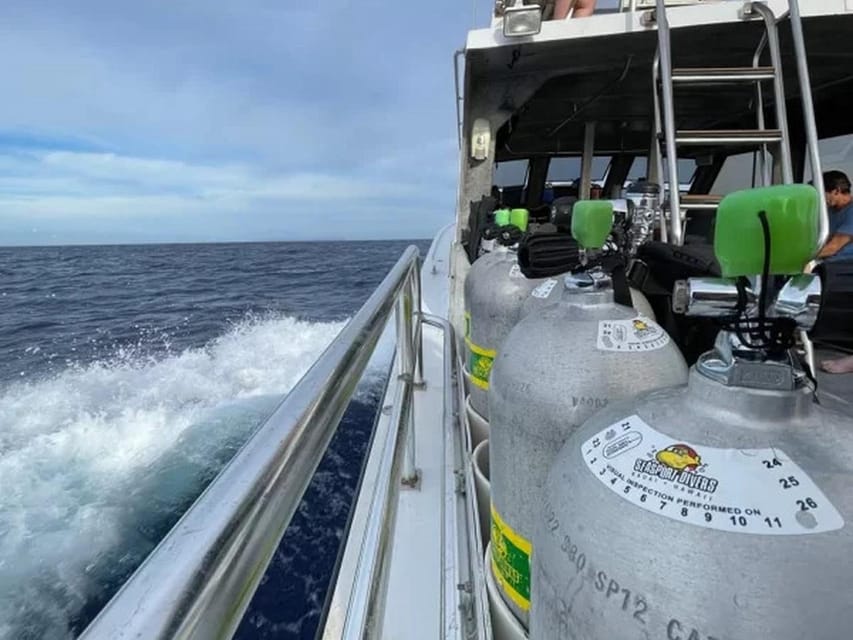
The second tank session gives the outing its real value. After the first session, you should have a better sense of your mask, fins, wetsuit, and breathing equipment. That leaves more attention for the reef and the creatures around it.
For a newcomer, the second session can be the point where the activity begins to feel less intimidating. You already know the basic rhythm, and you can enjoy the water without treating every moment as a test.
For a certified participant, two sessions provide more underwater time than a single introductory outing. The sites remain relatively shallow, so the focus is on relaxed observation rather than extreme depth or technical challenge.
I would bring modest expectations about variety. The activity promises colorful coral reefs and diverse marine life, but conditions can affect visibility and animal sightings. The strongest reason to book is the guided access and relaxed format, not a guarantee of one famous creature or one exact reef.
Between sessions, snacks and water are included. Meals are not, so eat sensibly before the trip and do not assume the provided snacks will replace lunch. You should also bring swimwear, a towel, and biodegradable sunscreen.
Same coastline, a very different dive:
- First-Time Scuba Diving in Honolulu + Free Videos
★ 5.0 · 3,123 reviews - Oahu Shark Dive
★ 5.0 · 2,903 reviews - Oahu: Shark Cage Dive on the North Shore
★ 4.8 · 1,485 reviews - Shark Cage Diving on Oahu’s North Shore
★ 5.0 · 1,391 reviews
Equipment, transport, and what the $259 covers
The $259 price includes a useful collection of essentials:
- Tanks and weights
- Mask, fins, and wetsuit
- BCD and regulators for non-certified participants
- Safety equipment
- Snacks and water
- A USCG-certified captain
- Transport from the dive shop to the harbor
- A professional guide
That is a fair amount of support for a four-and-a-half-hour activity. You are not simply paying for boat time. You are paying for equipment, instruction, safety oversight, harbor transport, and two sessions in the water.
The equipment difference between groups is important. Non-certified participants receive a BCD and regulators as part of the package. Certified participants must pay an additional $45 if they need those items. Ask yourself what you already own or plan to bring before comparing the headline price with other Kauai activities.
Meals are not included. That is a small point, but it matters on an afternoon schedule. Bring a proper meal beforehand if you need one, and pack only what the operator permits. Alcoholic drinks are not allowed in the vehicle, and smoking in the vehicle is prohibited.
The USCG-certified captain is another practical reassurance. It does not remove the normal risks of ocean activity, but it confirms that the boat operation includes qualified oversight.
Who will get the most from this trip
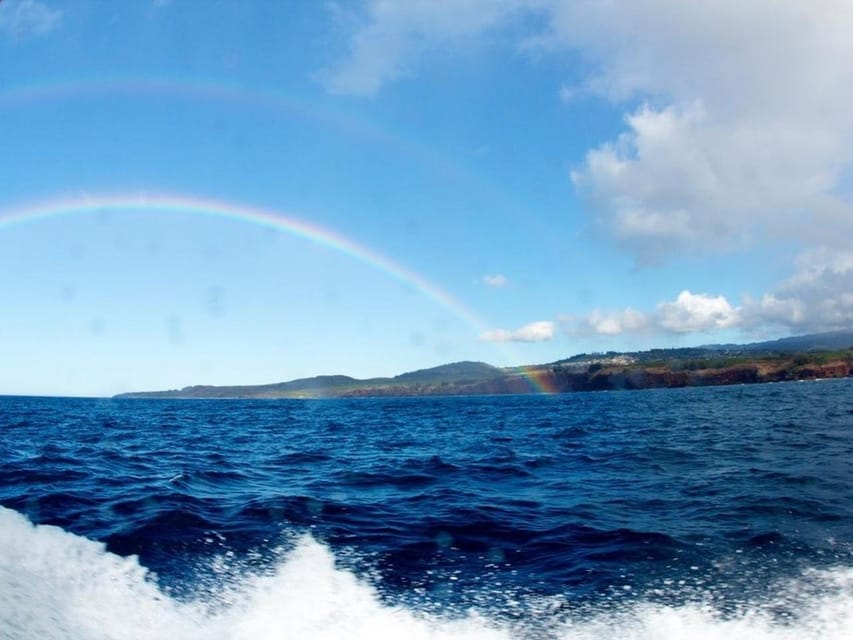
I think this charter suits four types of participants particularly well.
Newcomers who meet the medical requirements may appreciate the slower pace, shallow sites, equipment support, and dedicated guide. You do not need certification, but you do need to be comfortable in the water and complete the required medical questionnaire successfully.
Certified participants returning to the sport should find the format appealing if they want a gentler outing. The 40 to 60 foot range is less demanding than a trip built around greater depths, and the guide can help keep the pace manageable.
Mixed-experience pairs or families with older children may benefit from the separate group arrangement. One person can join the certified group while another receives beginner-level supervision, provided everyone meets the age and health rules.
Marine-life enthusiasts seeking a relaxed view may enjoy the coral reefs and chance to see a range of sea creatures. I would book it for time in the water and a guided experience, not for a guaranteed species list.
It is not suitable for children under 10, pregnant women, or non-swimmers. Those limits are firm enough that I would confirm everyone’s eligibility before paying.
The important health and flight restrictions
Non-certified participants must complete the PADI Diver Medical Questionnaire and indicate that they are fit for scuba activity. You can find the form online or obtain it by calling Seasport Divers.
Do this before booking. If the questionnaire raises a concern, you may not be allowed to participate, and finding that out at the shop would be a poor start to your afternoon. The requirement is especially important for anyone with a medical condition or uncertainty about fitness for underwater activity.
The flight rule is just as important. You must not travel to an elevation above 1,000 feet within 18 hours after the activity. That includes airplanes, helicopters, and mountain hikes.
For many Kauai visitors, the airplane restriction is the key planning issue. Do not schedule this on the final day before your flight home. Also check your plans for helicopter sightseeing or high-elevation roads and trails after the charter.
What to bring and what to leave behind
Bring swimwear, a towel, and biodegradable sunscreen. These are simple items, but forgetting a towel after a water-based outing is the sort of mistake that makes the ride home less pleasant.
Biodegradable sunscreen is the responsible choice around coral reefs. Apply it before departure so you are not rushing just before entering the water.
Leave alcohol and drugs behind. Intoxication is not allowed, and alcoholic drinks cannot be taken in the vehicle. Smoking in the vehicle is also prohibited.
You should also arrive ready to respect the marine setting. Do not touch coral or sea creatures. The best underwater encounters are the ones where you observe without interfering.
Service, confidence, and the one available rating
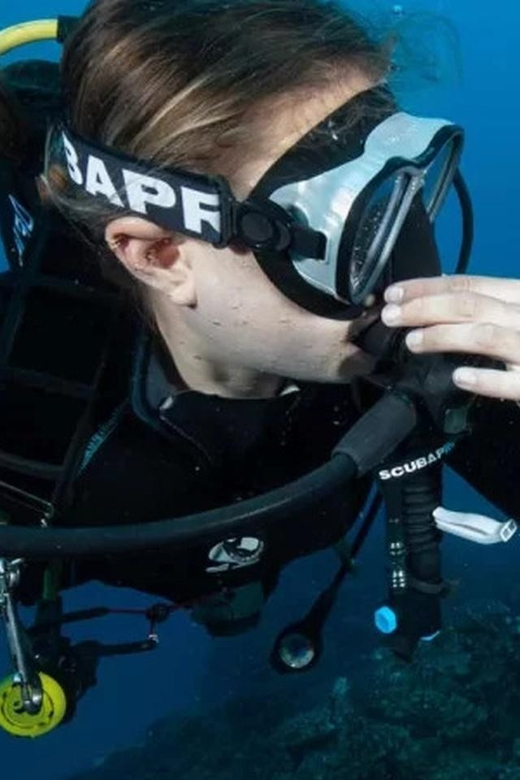
The provider is Seasport Divers, and the tour is conducted in English. The guides handle the briefing, group organization, and underwater support, while the captain manages the boat operation.
The available rating is 4.5 out of 5 from three reviews. One verified booking from November 2024 gave the experience five out of five, with Thomas describing it as awesome. That is a small sample, so I would not treat the score as a guarantee. Still, it supports the impression that the basic experience delivers what it promises: a well-supported, enjoyable underwater outing.
The strongest praise belongs to the overall enjoyment of the trip rather than to a named guide, particular reef, or individual animal sighting. No guide names are provided, so I would not expect to request a specific person when booking.
Is the two-tank afternoon charter worth $259?
The value depends on what you want from Kauai. If you want two guided underwater sessions, supplied equipment, safety support, snacks, water, and transportation to the harbor, $259 can make sense. You receive more than a short introductory swim, and the separate group structure adds practical value.
The price is harder to justify if you are already fully equipped and only want a brief look below the surface. Certified participants may need to add $45 for a BCD and regulator, and meals are not included. Those costs should be part of your real budget.
I especially like this option for a newcomer who wants instruction without a rushed atmosphere. I also like it for a certified participant who has not been underwater recently and would rather rebuild confidence at 40 to 60 feet than sign up for a demanding trip.
Should you book this Kauai underwater tour?
Book it if you want a carefully guided, half-day ocean activity with two tank sessions, shallow sites, and support for different experience levels. It is a sensible pick for beginners who pass the medical questionnaire, rusty certified participants, and anyone who values a calm pace over a high-adrenaline challenge.
Skip it if you are a non-swimmer, under 10, pregnant, unable to meet the health requirements, or scheduled to fly or visit high elevations within 18 hours. Also think twice if $259 plus possible equipment charges feels too steep for your budget.
For the right person, the best feature is simple: you get time to look around. Kauai’s underwater world is the main attraction, and the slower format gives you a better chance to appreciate it without turning the afternoon into a race.
FAQ
How long does the Kauai 2 Tank Afternoon Dive last?
The activity lasts approximately 270 minutes, or four and a half hours.
How deep are the underwater sites?
The sites range from 40 to 60 feet deep.
Can non-certified participants join?
Yes. Non-certified participants can join if they successfully complete the PADI Diver Medical Questionnaire and are considered fit for scuba activity.
Are certified and non-certified participants in the same group?
No. Certified and non-certified participants are grouped separately, with a guide assigned to each group.
What equipment is included?
Tanks, weights, a mask, fins, a wetsuit, and safety equipment are included. Non-certified participants also receive a BCD and regulators.
Do certified participants receive a BCD and regulator?
Certified participants can use a BCD and regulator for an additional $45.
What should I bring?
Bring swimwear, a towel, and biodegradable sunscreen.
Can I fly after the activity?
You must not travel to an elevation above 1,000 feet within 18 hours after the activity. This includes airplane and helicopter flights.
Is the activity suitable for children and non-swimmers?
Children under 10, pregnant women, and non-swimmers should not participate.
New dives around the USA
- Oahu: Waikiki Discovery Scuba Diving for Beginners★ 4.8 · 99 reviews
- West Palm Beach: Beginner Scuba Diving Adventure with Videos★ 4.8 · 99 reviews
- Private Scuba Diving Expert-Led Excursion Training with Tour★ 4.5 · 9 reviews
- Santa Fe Deep Dive History Walking Tour★ 4.5 · 14 reviews
- No Experience Required to Discover Scuba in Florida★ 5.0 · 51 reviews
- Scuba Certification★ 5.0 · 77 reviews
- Small Group Guided Shore Dives in St. Andrews State Park, Florida★ 5.0 · 52 reviews
- Two Tank Wreck and Drift Dive in Oahu★ 4.5 · 7 reviews
Two-Tank Boat Dives, compared.
Two-Tank Morning Dive Trip for Certified Divers
Read our review →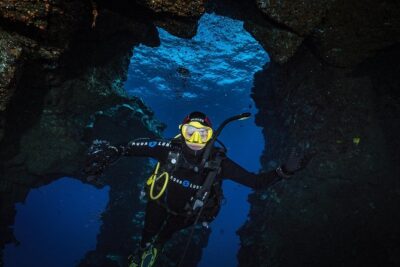
2 Tank Lanai Cathedral Scuba Dive Via Boat for Certified Divers
Read our review →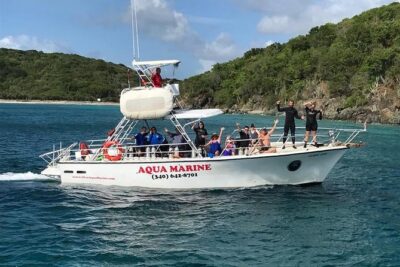
Two-Tank Dive for Certified Diving in St Thomas
Read our review →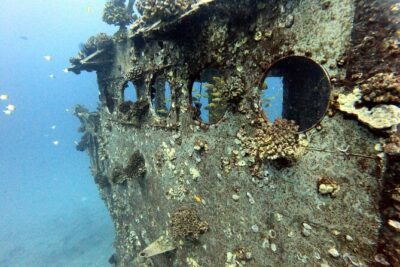
Certified Diver: 2-Tank Deep Wreck and Shallow Reef Dive Off Oahu
Read our review →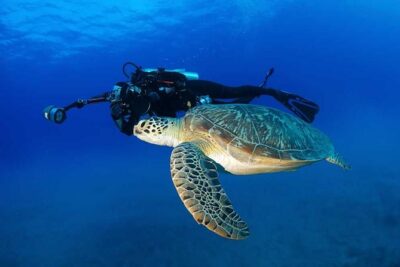
Certified Diver: 2-Tank Shallow Reef Dives off Oahu
Read our review →
Two Tanks Scuba Diving for Beginners in Cancun
Read our review →
Aruba 2-Tank Dive Excursion for Certified Divers
Read our review →
Waikiki 2 Tank World Class Wreck SCUBA Diving – Certified Only
Read our review →Browse the lists this tour appears in