
REVIEW · HAWAII
Oahu: Waikiki Discovery Scuba Diving for Beginners
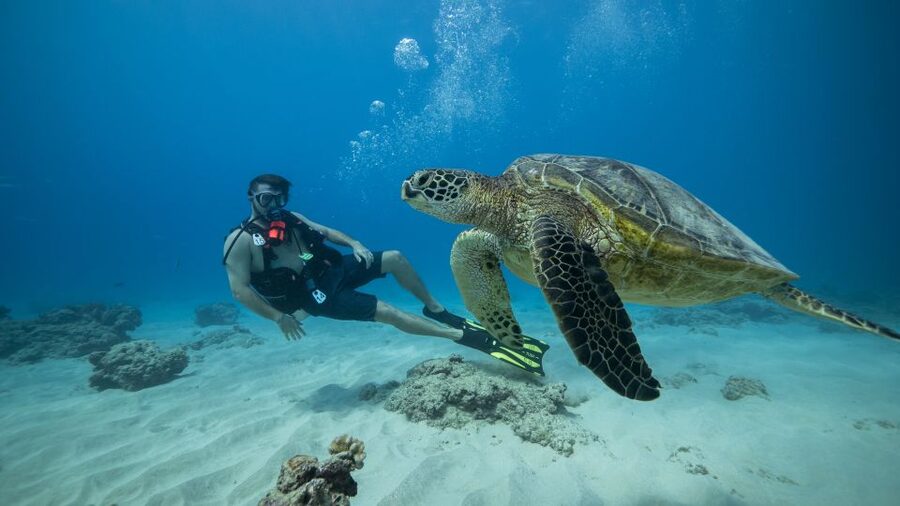
The reef begins where your nerves usually end. This three-hour Waikiki outing gives you two guided reef sessions, quality equipment, and patient PADI instructors who stay close while you learn. I like the calm, step-by-step training, and I like that the boat has shade, snacks, refreshments, and a restroom. The main consideration is the $270 price, which is a serious spend for a first underwater outing, especially if visibility or sea life is limited that day.
You need to swim, be reasonably fit, and complete a medical questionnaire before going. Children under 10 cannot join, and children aged 10 or 11 need a private instructor at a higher ticket price. If you feel nervous in the water, that is not unusual here, but you should be ready to speak up and move at a pace that feels safe.
Key points to know before booking
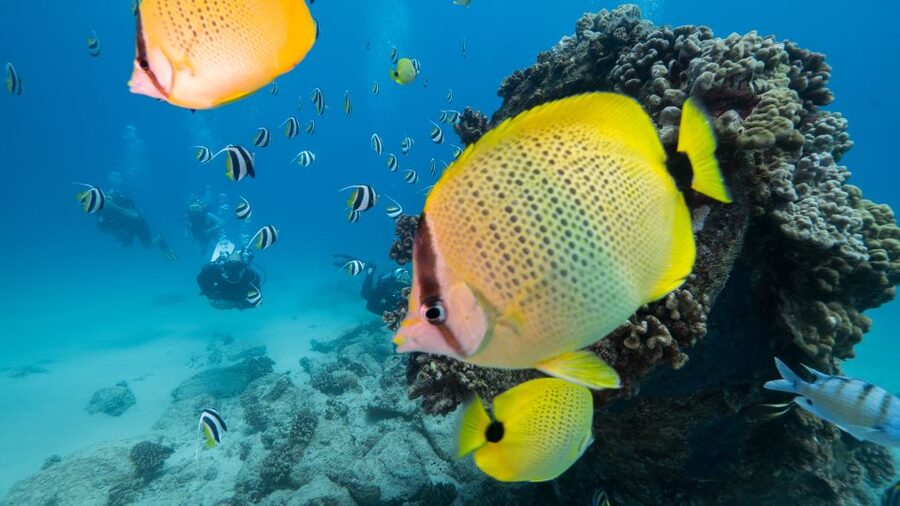
- Two reef locations: You visit two of Honolulu’s favorite reef areas, with each stop offering different underwater scenery and marine life.
- Patient beginner instruction: Your PADI certified instructor reviews basic skills, tests your equipment, and stays within arm’s reach as you gain confidence.
- Possible wildlife sightings: Turtles, eels, rays, octopus, starfish, crabs, reef fish, dolphins, and even sharks may appear, but no sighting is guaranteed.
- Comfortable boat setup: The charter includes sun and shaded decks, room to move, onboard snacks and drinks, and a restroom.
- Early harbor arrival: Meet at Front Row, Slip F8, at least 30 minutes before departure for forms and gear fitting.
- Bring the basics: Pack swimwear, a towel, sunscreen, and your medical statement if one is required.
What this Waikiki scuba outing is really like
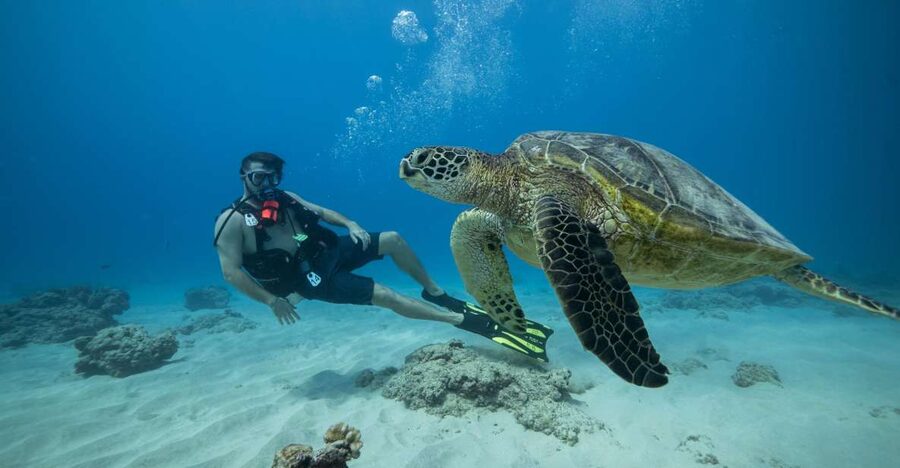
This is an introductory scuba experience, not a certification course. You are not expected to know how to use a tank or regulator before you arrive. The point is to learn the basics, get comfortable breathing underwater, and explore a reef with close support from a trained instructor.
The three-hour schedule includes the harbor check-in, boat ride, equipment fitting, skills practice, two reef sessions, a surface break, and the ride back. That sounds like a lot to fit into one morning or afternoon, but the time is used well. You get a proper introduction rather than being rushed from the dock straight into open water.
I would think of this as an active ocean lesson with sightseeing attached. The fish and turtles are the reward, but the real value is having an instructor help you manage the awkward first minutes of scuba.
More Discover Scuba Diving in the USA
- DISCOVER Scuba Diving Experience in Honolulu
★ 5.0 · 202 reviews - First Time Introductory Scuba Dive
★ 5.0 · 17 reviews - Discover Scuba Diving in Hawaii – Non certified divers!
★ 5.0 · 3 reviews
Starting at Front Row, Slip F8
Plan to arrive at the harbor 30 minutes before departure. This is not a suggestion to ignore. You need time for waivers, the medical questionnaire, equipment fitting, and the group’s safety briefing.
The meeting point is Front Row, Slip F8. Parking is not included. Kewalo Basin has parking for $1 per hour, while Ala Moana Beach Park offers free parking. The free option can be useful for a budget-minded visitor, but allow time to walk from the car to the harbor and find the correct slip.
Check your confirmation email carefully after booking. It contains the medical questionnaire, and the operator asks you to contact them right away if you answer yes to any question. Depending on the answer, you may need a physician’s medical release. This matters because you should not wait until the morning of the trip to discover that you cannot participate.
The boat ride sets the tone
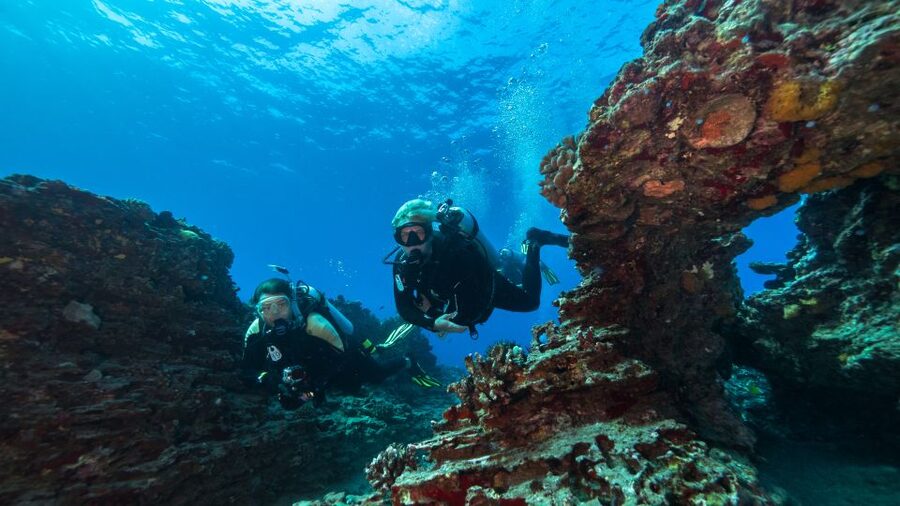
The charter is designed for a comfortable few hours at sea. You have a sun deck, a shaded area, room to move around, snacks, refreshments, and a restroom. Those are practical comforts, especially for anyone who is new to boats or unsure how they will feel offshore.
During the ride, the English-speaking instructor explains the reef locations, the day’s water conditions, and the kinds of marine life you might see. The captain and crew also help you understand what comes next, which can take some of the mystery out of the equipment and the open-water setting.
The ride itself can add to the outing. One group was able to watch dolphins and whales from the boat, and the captain pointed them out. That is a bonus rather than part of the promise, but it shows how the above-water portion can offer its own wildlife moments.
I would bring a light cover-up if you tend to get cool after leaving the water, though the required list is simple: swimwear, towel, and sunscreen. You can spend time in the sun between sessions, so use sunscreen before boarding and reapply as needed.
Learning the equipment before going underwater
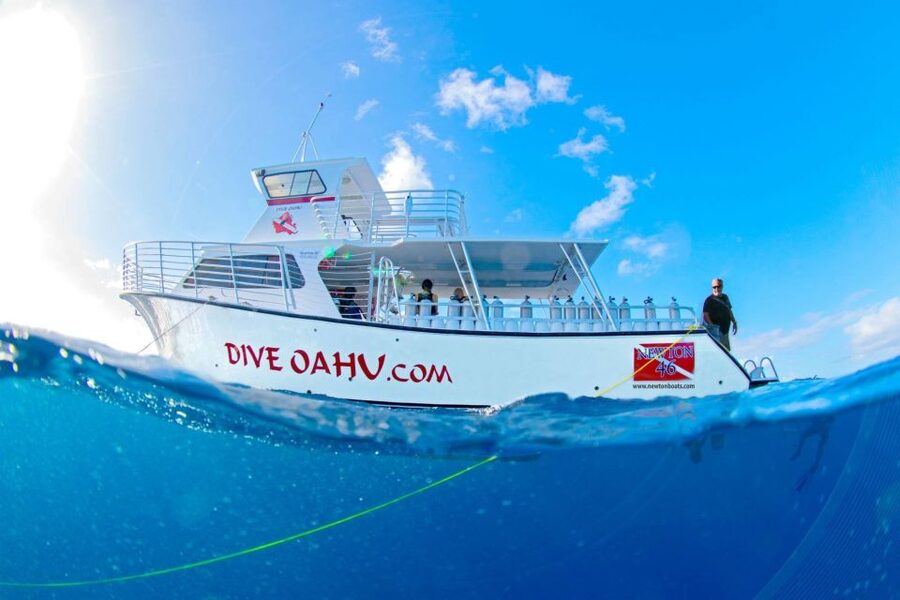
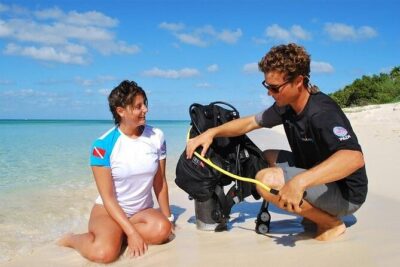
The crew fits you with premier scuba gear and then goes through the basic skills. This is where the activity either becomes comfortable or feels like too much, so pay attention and ask for help early.
The first skills practice is often the most demanding part for a beginner. You are learning to breathe through a regulator, manage your body position, clear your mask, and respond calmly while wearing equipment that feels unfamiliar. Several people needed extra guidance at this stage, and the instructors adjusted their pace rather than pushing them through.
The strongest part of the teaching is the personal attention. Instructors such as Justin, Shabd, Alex, Dan, and Jarod have been praised for being calm and patient with first-time participants. Crew members including Aimee, Nacho, Heather, Jared, Jeff, and Miranda have also been singled out for creating a friendly, reassuring atmosphere.
You should not feel embarrassed if you need more time. One useful pattern is that the instructor first demonstrates a skill, lets you try it with help, and then gives you a little more independence while staying close. That gradual approach is much better than being expected to look confident before you feel confident.
More Scuba Diving for Beginners in the USA
- Beginner Scuba Diving Experience with Video Package in Honolulu
★ 5.0 · 877 reviews - Waikiki: Honolulu Beginner Scuba Diving with Videos
★ 4.7 · 94 reviews - Hawaii DISCOVER Beginner + Certified 2 Tank Shallow Scuba Diving
★ 4.5 · 42 reviews - First-Time Scuba Diving in Honolulu + Free Videos
★ 5.0 · 3,123 reviews
The first reef session: learning to relax
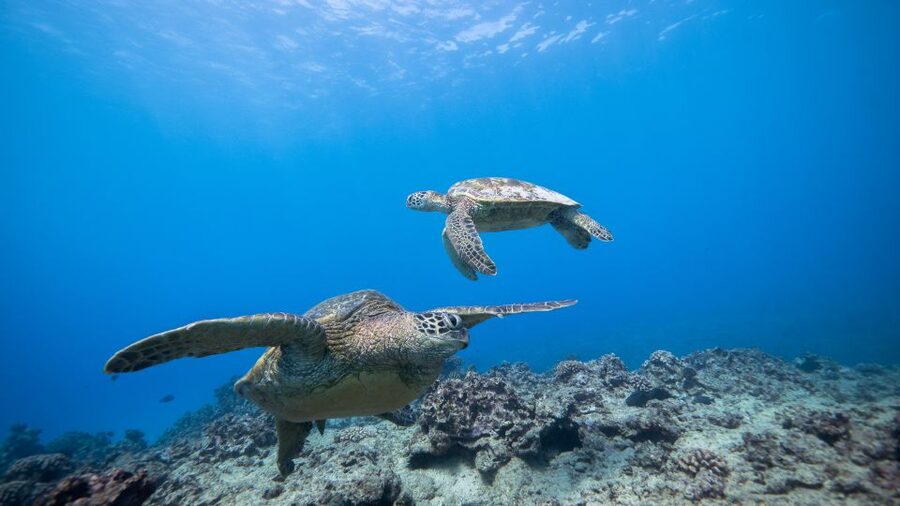
Once you are ready, your instructor leads you into clear blue water near one of Oahu’s reefs. The first session is less about covering a large area and more about finding a steady rhythm.
You may need a few minutes to adjust to the sensation of breathing underwater. Keep your movements slow, listen to your instructor’s signals, and tell the crew if you feel uneasy. Several beginners found that their nerves eased once they had practiced the skills and reached the reef.
This is not a solo activity. Your PADI instructor remains nearby and helps with the pace, depth, and direction. That close support is particularly valuable for people who are capable swimmers but have never used scuba equipment.
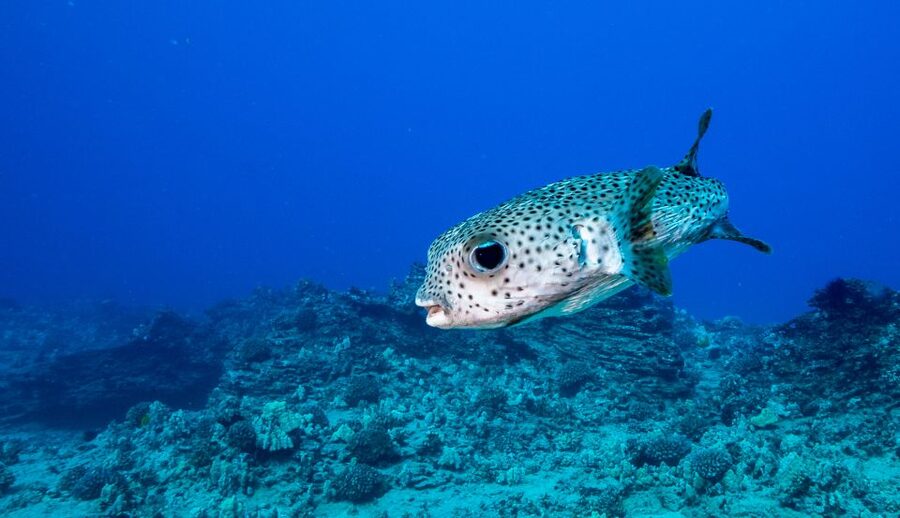
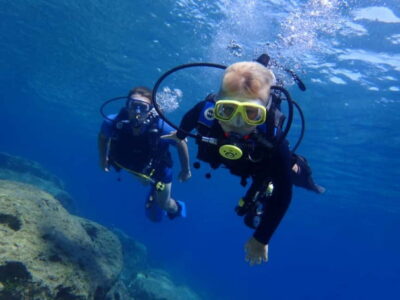
The reef can include colorful coral, tropical fish, sea urchins, eels, and other small creatures. A trained guide can point out things you might swim past on your own, including animals tucked into reef openings or resting on the bottom.
The first session may feel short if you are excited, but beginners use air faster than experienced scuba participants. The goal is not to stay underwater as long as possible. It is to finish feeling in control and ready to try again.
The surface break and second reef session
After returning to the boat, you have time to rest, drink something, eat a snack, and enjoy the view. This pause is useful for more than comfort. It gives you a chance to talk with your instructor about what went well and what you want to improve before the second session.
The second reef visit often feels easier because the equipment is familiar. You can spend less attention on basic breathing and more on the underwater world around you. The guide may point out turtles, rays, eels, reef fish, octopus, crabs, starfish, or Hawaiian endemic fish.
Wildlife sightings are never guaranteed. One outing may produce several turtles, a large bat ray, an eel, and plenty of tropical fish. Another may show only a few snails and fish, with less color or visibility than expected. The ocean sets the schedule, not the brochure.
There is also a chance of seeing sharks or dolphins, but these are possibilities rather than promises. Dolphins and whales may appear from the boat, too. I would book this for the chance to see marine life, not for a fixed checklist.
How good is the reef scenery?
The water is described as clear and well suited to beginners, and many people found the reef beautiful, especially when they saw turtles and large rays at close range. The combination of calm instruction and tropical fish gives the outing a strong sense of place. This is not a swimming pool lesson with a few decorations on the bottom.
Still, expectations need some balance. Visibility changes with water conditions, and one participant found the underwater scene less vivid than expected, with few animals. If you have snorkeled in exceptionally clear water or visited famous coral reefs elsewhere, the scenery may not feel dramatic every day.
The two reef locations help by giving you more than one setting. Each site has its own seascape and possible wildlife, so the second stop can make up for a quieter first session. But the crew cannot control visibility, current, animal movement, or the color of the reef on your particular departure.
The human side of the experience
For a beginner, the instructor matters more than the brand of fins or the size of the boat. The crew’s patience is the feature I would value most here.
People who felt nervous were given time to settle down. Jarod reportedly held a participant’s hand when she became frightened. Justin helped first-time scuba participants test the equipment before entering the water. Shabd tailored the session to a pair of beginners, while Dan kept checking that a refresher participant remained comfortable.
That kind of care is important because fear can make simple tasks feel difficult. A good instructor does not treat anxiety as an inconvenience. The staff’s job is to help you understand the equipment, communicate underwater, and decide when you are ready to continue.
The crew also adds humor and warmth to the boat ride. Nacho has been praised both as captain and as someone who helped passengers enjoy wildlife seen from the boat. That friendly atmosphere can make the outing feel less formal without taking safety lightly.
Is $270 a fair price?
At $270 per person, this is not a bargain activity. You are paying for a three-hour boat outing, premier gear rental, a certified instructor, two reef locations, snacks, refreshments, and close supervision while learning a new skill.
The price makes more sense if you value personal instruction and want a guided first experience rather than simply renting snorkel gear from the beach. It also includes equipment that you would otherwise need to arrange yourself, plus the boat, crew, and support between sessions.
The value is weaker if your main goal is simply to see fish in shallow water. Snorkeling costs less and requires less training. You may also find the underwater scenery modest on a day with poor visibility, which makes the price harder to justify.
For a first scuba attempt, though, the cost buys reassurance as much as equipment. If you have always wanted to try scuba but do not want to commit to a full certification course, this is a practical way to find out how you feel underwater.
Who should book this experience?
This suits adults and children aged 10 or older who can swim, are in good shape, and are curious about scuba. It is especially useful for couples, families with older teenagers, or anyone who wants a gentle introduction before considering certification.
It can work well for a nervous beginner, provided you are honest about your concerns and ready to follow instructions. The teaching style appears patient, and the instructor remains close. You should not book if you expect to be left alone to explore at your own pace.
It is not suitable for pregnant women, people with a low level of fitness, children under 10, or anyone unable to meet the medical requirements. Children aged 10 and 11 must have a private instructor, which affects the ticket price.
I would also avoid scheduling this immediately before a demanding activity if you know you tire easily. Three hours on a boat, in the sun, and in scuba gear takes more energy than the clock suggests.
Practical ways to enjoy the day more
Arrive early, wear swimwear under your clothes, and keep your towel easy to reach. Apply sunscreen before boarding, then use the shaded deck when you have had enough sun.
Treat the skills practice as the main event, not an obstacle between you and the reef. The more calmly you learn the basic tasks, the more attention you can give to fish, coral, turtles, and rays later.
Tell your instructor if your mask feels wrong, if you are breathing too quickly, or if you need another explanation. You are paying for guided instruction, so use it.
Keep your wildlife expectations flexible. A turtle or ray can make the day memorable, but an outing with smaller fish and limited visibility can still teach you whether scuba feels right for you.
Cancellation is free up to 24 hours before the scheduled start, and you can reserve now and pay later. Those terms help if your Oahu plans are still shifting, but your medical information should be handled well before the departure date.
Should you book this Waikiki scuba experience?
Book it if you want a carefully supported first scuba session, value a certified instructor, and are willing to pay for a boat-based experience with two reef locations. The patient teaching, close supervision, comfortable charter, and chance of seeing turtles or rays make it a strong choice for beginners.
Think twice if $270 feels high for an activity with uncertain visibility and wildlife. Snorkeling may offer better value for a casual look at the reef.
My practical call: book this for the instruction and the chance to discover whether scuba is for you. Go in expecting a lesson first and a wildlife outing second. That mindset gives you the best chance of enjoying the reef, even if the ocean delivers fewer animals than you hoped.
FAQ
How long does the Oahu beginner scuba experience last?
The activity lasts three hours, including the harbor check-in, boat ride, instruction, equipment fitting, two reef sessions, a surface break, and the return to the harbor.
Where is the meeting point?
Meet at Front Row, Slip F8, at the harbor. You should arrive at least 30 minutes before the scheduled departure.
Is parking included?
No. Parking is available at Kewalo Basin for $1 per hour, or you can use free parking at Ala Moana Beach Park.
What is included in the price?
The price includes premier scuba gear rental, a guided experience with a PADI certified instructor, snacks, and refreshments.
What should I bring?
Bring swimwear, a towel, sunscreen, and your medical statement if one is required.
Do I need previous scuba experience?
No. This is designed for beginners, and the instructor reviews basic scuba skills before you enter the reef area.
What animals might I see?
Possible sightings include turtles, eels, rays, octopus, starfish, crabs, Hawaiian endemic fish, dolphins, sharks, and other tropical marine life. Sightings are not guaranteed.
Can children participate?
Children under 10 cannot participate. Children aged 10 and 11 must be accompanied by a private instructor, which is reflected in their ticket price.
What happens if I answer yes on the medical questionnaire?
You must contact the local partner immediately. You may need a medical release from a physician, depending on your answer, and failing to report a concern can affect your ability to participate.
More Beginner Dives in Oahu
- Beginner Scuba Diving with Turtles and Videos, San Juan
★ 5.0 · 1,743 reviews - Intro Diving 2 Stops For Beginners with Pick-up and Lunch – Hurghada
★ 5.0 · 1,146 reviews - Intro Diving Beginner and Discover Red Sea Underwater
★ 4.9 · 1,092 reviews - Funchal: Scuba Diving Experience for Beginners
★ 4.9 · 715 reviews
More First-Time Dives in Oahu
- Discover Scuba Diving
★ 5.0 · 1,676 reviews - Barcelona: PADI Discover Scuba Diving
★ 4.7 · 1,016 reviews - Discover Diving in Curacao
★ 5.0 · 886 reviews - Mallorca: Discover Scuba Diving for Beginners
★ 4.7 · 805 reviews
New dives around Oahu
- Two Tank Wreck and Drift Dive in Oahu★ 4.5 · 7 reviews
- 2 Tank Private SCUBA Party Diving Charter from Waikiki Hawaii★ 4.5 · 34 reviews
- Small Group Shallow Reef Dive in Oahu★ 5.0 · 9 reviews
- SCUBA Dive at Electric Beach with Photos -No Certification Needed★ 5.0 · 28 reviews
- Shark Dive Private Charter No Cage★ 5.0 · 3 reviews
- Discover Scuba Diving in Hawaii – Non certified divers!★ 5.0 · 3 reviews
- Private Shark Dive, Oahu, Hawaii (6 Guest)★ 5.0 · 21 reviews
- Waikiki Two Tank Guided Scuba Diving Adventure: Certified Diver★ 5.0 · 5 reviews
Discover Scuba Diving, compared.
Cyprus: Introductory Scuba Lesson and Dive with Transfer
Read our review →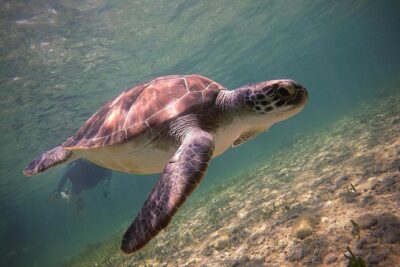
Half-Day Scuba Diving Tour – Discover Scuba Diving!
Read our review →Browse the lists this tour appears in