
REVIEW · AUSTRALIA
Gold Coast: 3-Day PADI Open Water Course
Start your underwater adventure here. This Gold Coast course combines classroom learning, confined-water practice, and open-water training, giving you a proper route into scuba rather than a quick introductory swim. I like the lifetime PADI certification, which lets you use your qualification around the world, and I like the calm, patient teaching praised in particular by Ryan, Rhan, and Josh.
The course costs $315 AUD per person, but you also need to add $99 AUD for the PADI e-book, certification eCard, and registration. That extra charge is the main cost consideration, and the listed timing needs attention too: the experience is described as a 3-day course, while the activity details list a 6-hour duration. Confirm the schedule before booking.
Key points to know before booking
- Three stages of training: You study basic safety principles, practise in confined water, then show your skills in open water.
- Certification to 18 metres: Successful completion gives you a PADI Open Water qualification for scuba trips worldwide.
- Calm instruction matters: Ryan is praised for helping beginners feel at ease, while Rhan and Josh are noted for clear explanations and patience.
- Boat transport and equipment included: You do not need to arrange the boat or bring your own scuba gear.
- Extra $99 AUD cost: The course price does not include the PADI e-book, eCard, or registration.
- Meet in Surfers Paradise: You must make your own way to the dive store at 19 Karloo Street.
What the Gold Coast course actually teaches
This is a real entry-level scuba course, not simply a short underwater sightseeing session. Over the three days, you learn the basic rules and skills needed to use scuba equipment safely, manage yourself underwater, and respond properly in a typical open-water setting.
That structure is important. A quick first-time scuba activity can give you a taste of breathing underwater, but it does not usually provide a full qualification. Here, the aim is to build enough skill for you to receive a PADI Open Water Certification card after successful completion.
You will work through academic training first. This covers the basic principles of safe and enjoyable scuba use. You then move into confined-water training, where you can practise key skills in a more controlled setting before using them in open water.
The final stage asks you to demonstrate those new skills in a normal underwater environment. That progression should suit you if you want a qualification rather than a one-off holiday activity. It also means you need to take the learning seriously. The course is not just about looking at sea life.
More PADI Courses in Australia
- Cairns: 4-Day PADI Open Water Course
★ 4.8 · 44 reviews - Quicksilver Dive 4 Day PADI Learn to Dive Course
★ 5.0 · 35 reviews - 4-Day PADI Open Water Dive Course – Learn to Dive on the Great Barrier Reef
★ 5.0 · 27 reviews
Day one: building the basics before entering open water
The early part of the course is focused on academic work. You learn how scuba works, what safe underwater behaviour involves, and how to prepare for later training sessions.
The material is useful because scuba has rules that are not obvious from the surface. You need to understand how to use the equipment, how to behave underwater, and why careful procedures matter. The course is designed to give you that foundation before expecting you to perform skills in open water.
Your PADI e-book is part of this academic stage, but it is not included in the advertised $315 price. You pay an additional $99 AUD for the e-book, PADI certification eCard, and registration. I would include that amount in your real budget from the beginning, because it is not an optional sightseeing add-on. It is connected to the qualification itself.
The instruction languages are English, Japanese, and Spanish. That choice can make a real difference when technical safety information is being explained. If you have concerns about language, request your preferred option when checking availability.
Day two: confined-water practice for first-time scuba users
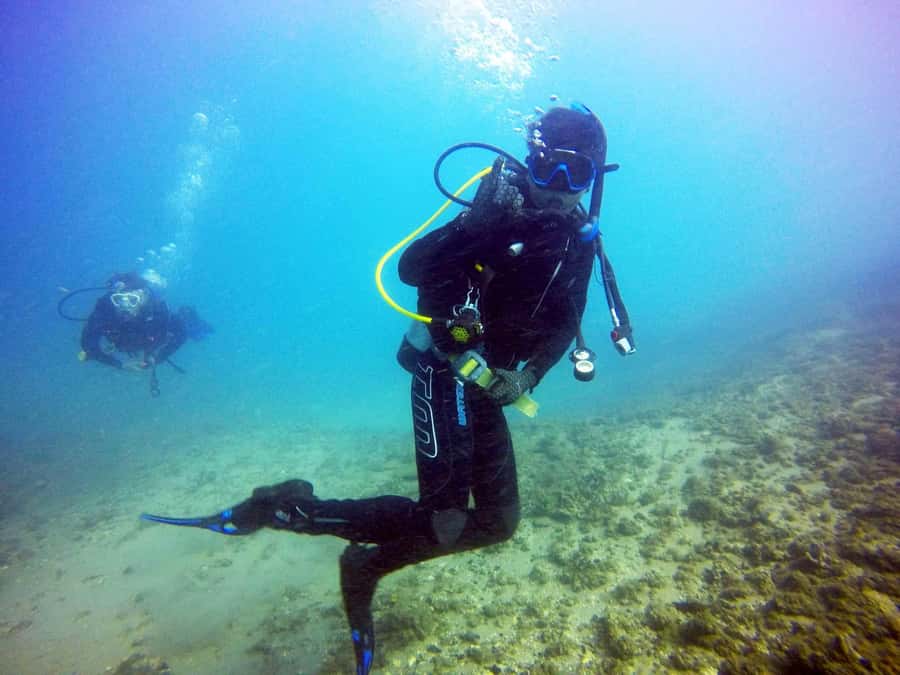
Confined-water training gives you a chance to get used to scuba before heading into a typical open-water environment. You practise the basic skills introduced during the academic work, with an instructor present to guide you.
For a beginner, this is likely the most reassuring part of the course. Breathing through scuba equipment can feel unfamiliar at first, and learning in a controlled setting gives you time to settle into the equipment and the process. The goal is not speed. It is to build steady habits.
The strongest personal praise in the available feedback focuses on this teaching style. Ryan is described as calm with beginners, while Rhan and Josh are praised for being approachable, patient, and clear. Those qualities matter more than flashy presentation when you are learning a technical activity for the first time.
You should still expect to concentrate. Confined-water work is practice, not a casual swim. You need to listen carefully and repeat the required skills before moving on. If you prefer activities with little instruction, this course may feel demanding. If you want to know what you are doing underwater, that effort is part of the value.
Day three: showing your skills in open water
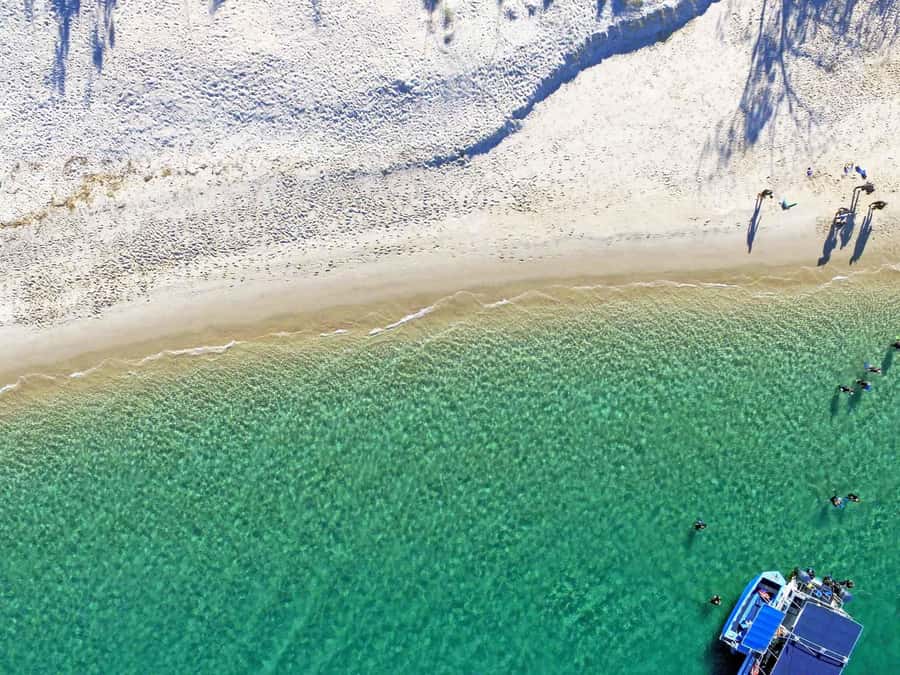
The open-water portion puts your new skills into a typical underwater setting. This is where the separate parts of the course come together: equipment use, safety procedures, body control, and calm decision-making.
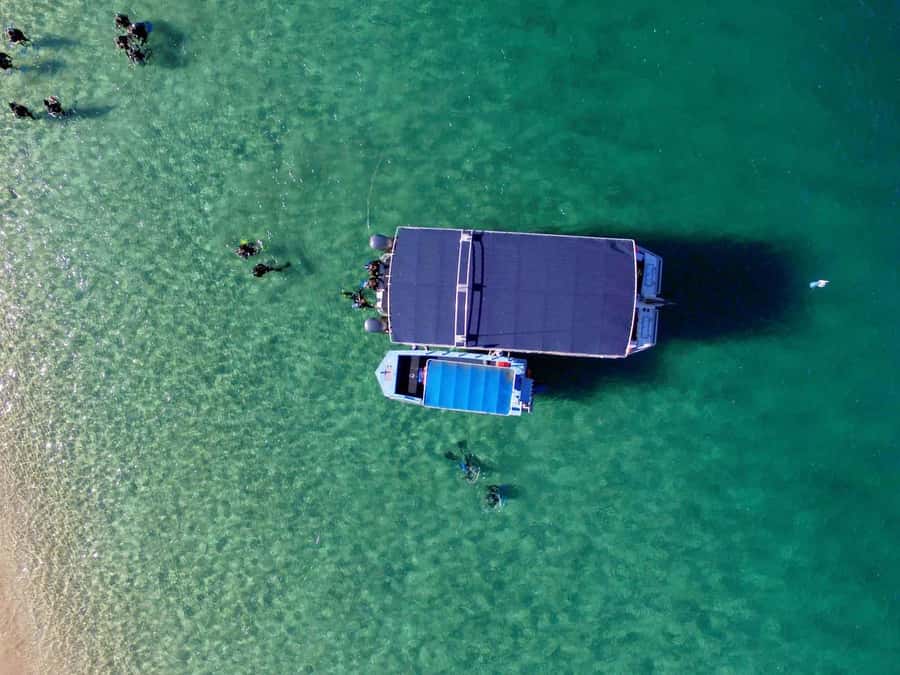
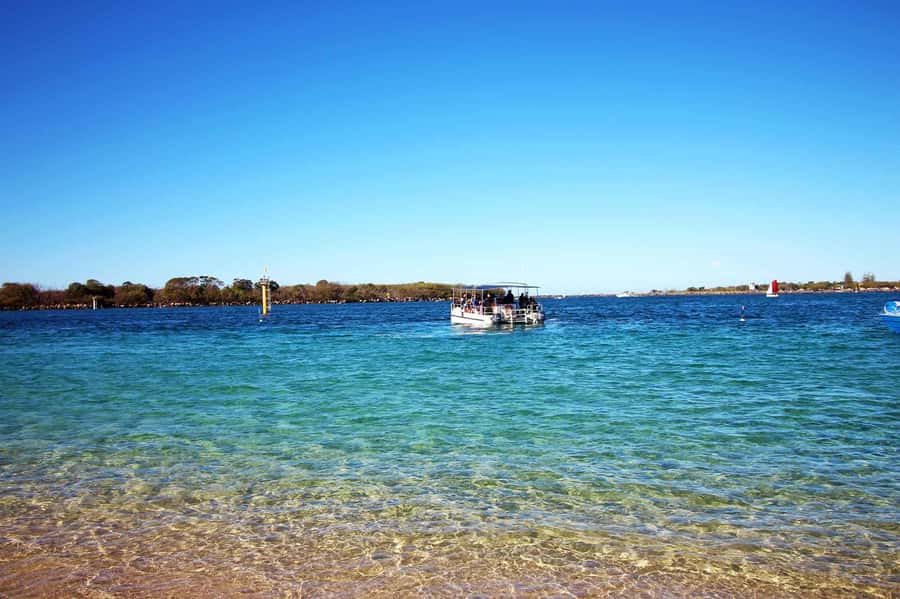
Boat transportation is included, so the operator handles that part of the outing. You make your own way to the dive store first, at 19 Karloo Street, Surfers Paradise 4217. That means your transport to the meeting point is not included, and you should allow enough time to arrive ready for the course.
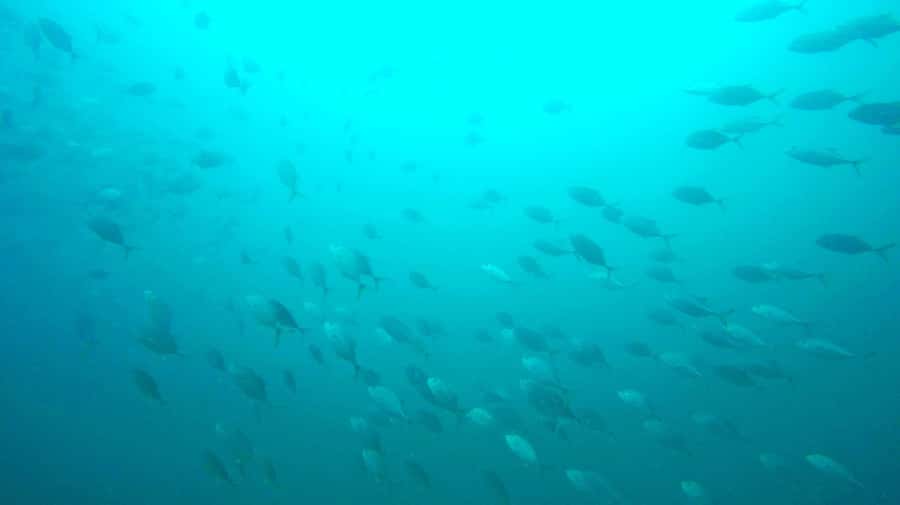
The underwater setting is also where the experience becomes more than a classroom qualification. You may see sea life passing by, and one of the listed activities involves getting on a boogie board to watch marine life swim past. That detail adds a relaxed surface-level moment to a course that otherwise asks you to focus closely on technique.
Do not book this expecting a dedicated wildlife tour. The main purpose is training and certification. Sea life is a pleasant part of the setting, but the course outcome depends on demonstrating your skills safely.
More Dive Courses in Australia:
- Great Keppel Island PADI Discover Scuba Dive with Keppel Dive
★ 5.0 · 25 reviews - PADI Open Water Course
★ 4.5 · 11 reviews - Gold Coast Learn to Dive – Open Water Certification Course
★ 5.0 · 5 reviews - Cairns: Pro Dive 5 Day Learn to Dive Great Barrier Reef
★ 5.0 · 5 reviews
What the PADI qualification lets you do
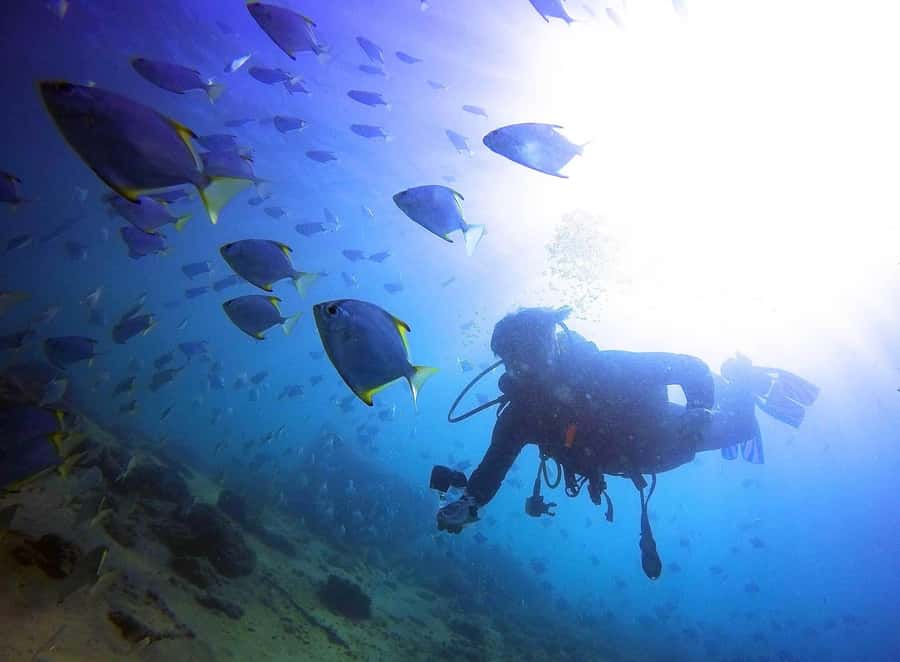
After successful completion, you receive a PADI Open Water Certification card. The qualification allows you to scuba anywhere in the world to a maximum depth of 18 metres, subject to the rules and conditions of the operator you choose later.
The eCard is valid for life. That gives this course lasting value for someone who expects to scuba again on future trips. You can also use the certification to hire equipment from dive stores, which is useful if you do not want to buy a full set of gear.
Still, a lifetime card does not mean the course is something to rush through. You need to complete the required academic, confined-water, and open-water work successfully. If you feel unsure about a skill, tell the instructor and ask for more explanation before continuing.
This qualification is best viewed as a starting point. It gives you a recognised foundation, but you should continue to follow safe procedures and respect any conditions attached to future scuba activities.
The instructors: calm teaching is a major plus
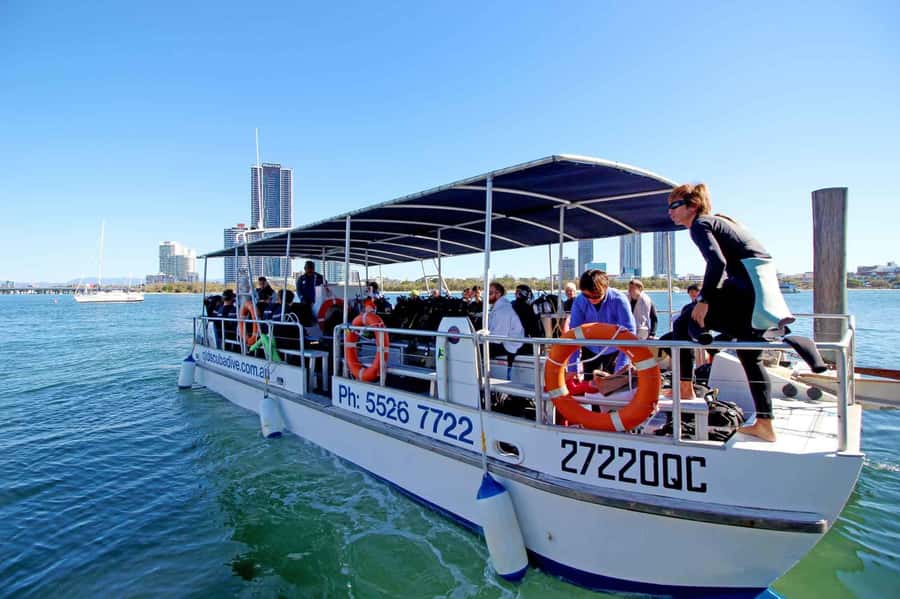
The available rating is 4.8 from 28 reviews, and the clearest positive theme is the teaching. Ryan is specifically praised for being calm with beginners. Rhan and Josh are described as approachable, patient, and clear in their explanations.
That is exactly what you want in an entry-level scuba course. A relaxed instructor can help you deal with the strange feeling of breathing underwater, while clear explanations reduce confusion when you are learning equipment and safety skills.
The language choices also add practical flexibility. Instruction is available in English, Japanese, and Spanish. The information does not promise that every language will be available at every session, so check your preferred language when selecting a date.
I would give more weight to instructor quality here than to the sightseeing element. You can find many ways to see the Gold Coast coastline, but the quality of instruction affects whether you leave with confidence and a usable qualification.
What is included, and what you still need to pay
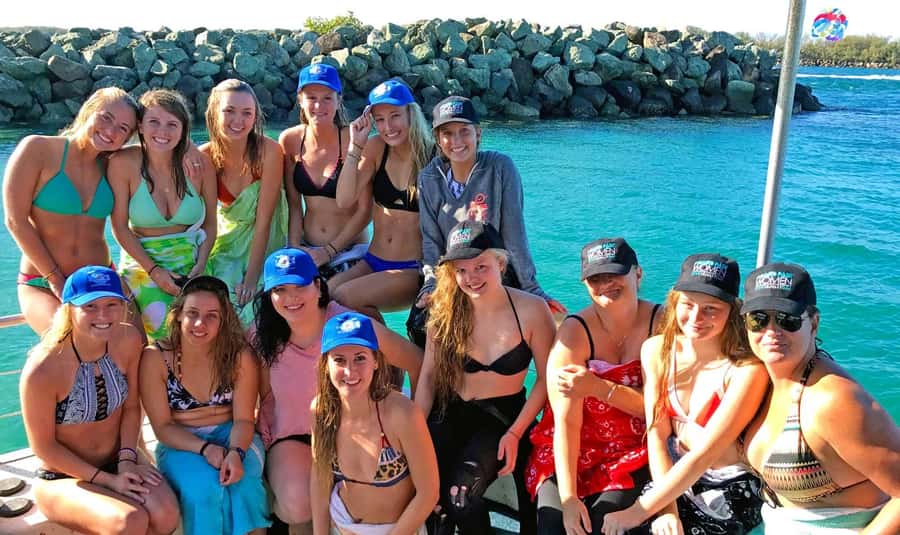
The $315 AUD price includes an instructor, boat transportation, and diving gear. That is a useful package for a first-time participant because you do not need to own or arrange scuba equipment.
The extra $99 AUD covers the PADI e-book, PADI certification eCard, and registration. Your total planned cost is therefore $414 AUD per person before considering your own transport to the store, meals, or other personal expenses.
At that combined price, the course is not the cheapest way to spend a few hours by the water. Its value comes from the qualification. If you only want a quick introduction to breathing underwater, a shorter introductory activity may suit you better. If you want the ability to scuba on future trips, the lifetime certification gives this course a stronger case.
The advertised price is per person, so budget separately for everyone taking part. The course is also limited to people aged 10 and older, and the information specifically excludes pregnant women, people with respiratory issues, and people prone to seasickness.
Practical preparation for the Surfers Paradise meeting point
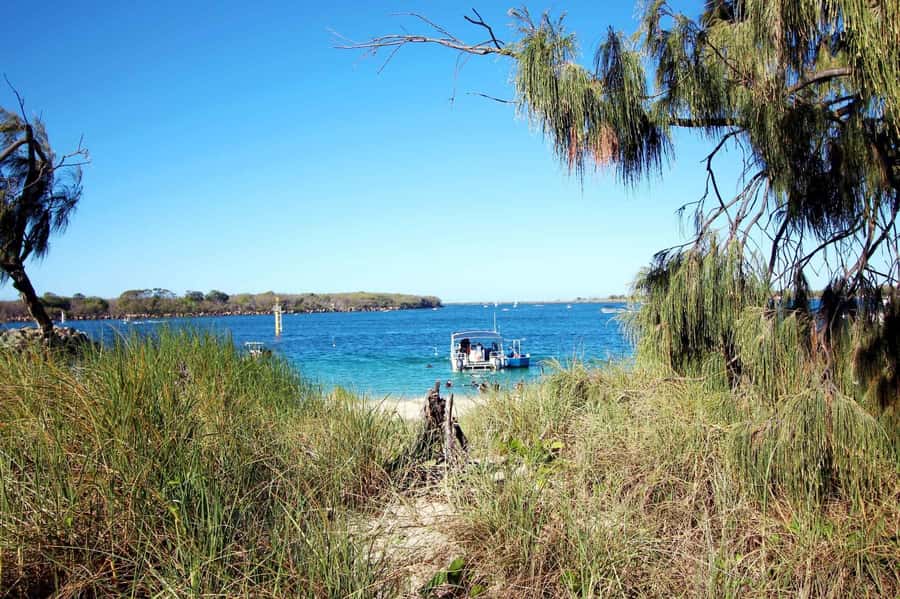
You need to make your own way to the dive store at 19 Karloo Street, Surfers Paradise 4217. Boat transportation begins as part of the course, but getting to the store does not.
Bring swimwear and a towel. These are simple items, but you will want them ready for the water-based training and any time spent around the boat or shore.
People prone to seasickness should think carefully before booking. The course includes transportation by boat, so motion on the water may affect your comfort. The information also rules out participation for people with respiratory issues, and pregnant women should not take part.
Children under 10 cannot join. For older children, the information does not provide more detail about age-specific instruction, so check the requirements for your child before paying.
You can cancel up to 24 hours in advance for a full refund. The reserve-now, pay-later option also helps if your Gold Coast plans are not fully settled, though you still need to confirm the actual course timing.
The timing needs clarification
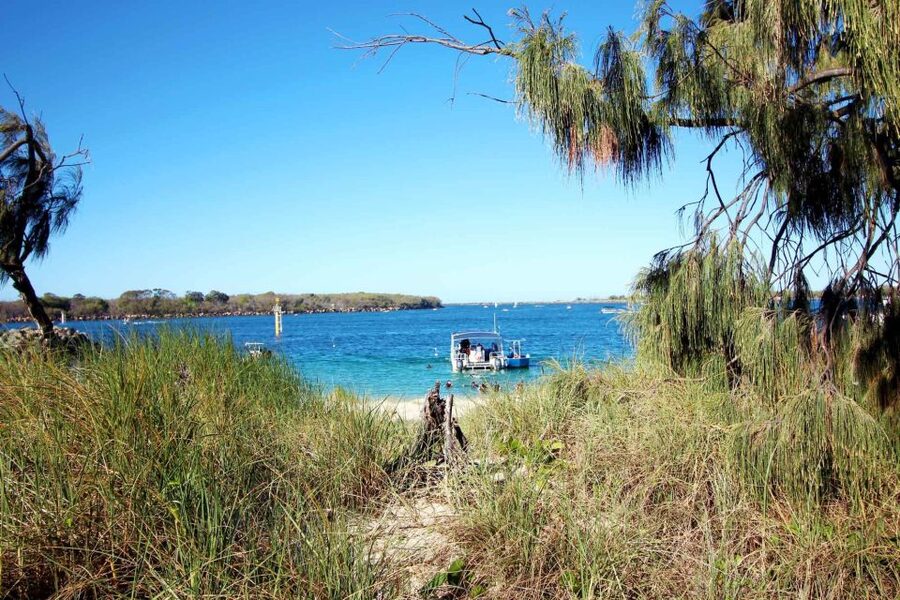
The experience is presented as a 3-day PADI Open Water Course, with academic study, confined-water practice, and open-water training spread across those stages. At the same time, the activity information lists a duration of 6 hours and asks you to check availability for starting times.
That difference is too important to ignore. A three-day course and a single six-hour activity create very different plans for accommodation, meals, and other Gold Coast activities. I would ask the operator exactly how the six hours are distributed, whether the three days involve separate sessions, and when each session begins.
Do this before booking flights, day trips, or a hotel checkout. The course may fit easily into your stay, but the schedule should be confirmed rather than assumed.
Who should book this Gold Coast course?
I would recommend it to an adult or older child who wants a proper introduction to scuba and expects to use the qualification again. It is particularly suitable if you value patient instruction, want equipment and boat transport included, and like the idea of a certification valid worldwide.
It also suits a beginner who feels nervous about the first session. The praise for Ryan’s calm manner and the positive comments about Rhan and Josh suggest that the teaching approach is friendly rather than intimidating.
You should think twice if you only have one free afternoon, dislike boat travel, or want a wildlife-focused outing with little formal instruction. The course asks for time, attention, and successful completion of skills. The sea life and boogie board viewing are welcome extras, not the central purpose.
Should you book it?
Book this course if you want a lasting qualification and are ready to spend three stages learning the right way to use scuba equipment. The lifetime PADI card, 18-metre limit, equipment, instructor, and boat transport give the $315 price a solid base, even after adding the $99 AUD certification cost.
Before paying, confirm the confusing 3-day and 6-hour timing, check the language you need, and make sure you can reach 19 Karloo Street in Surfers Paradise. If those details work for your schedule, this looks like a friendly, practical way to begin scuba on the Gold Coast, with patient instruction as its strongest feature.
FAQ
How long is the Gold Coast PADI course?
It is described as a 3-day PADI Open Water Course, while the activity details list a duration of 6 hours. Check availability and confirm how the time is arranged before booking.
How much does the course cost?
The listed price is $315 AUD per person. An additional $99 AUD is required for the PADI e-book, certification eCard, and registration.
What is included in the price?
The price includes an instructor, transportation by boat, and diving gear.
Is the PADI certification valid worldwide?
Yes. The PADI Open Water Certification card can be used to scuba around the world to a maximum depth of 18 metres.
How long is the certification valid?
The PADI eCard is valid for life.
Where do I meet for the course?
You must make your own way to the dive store at 19 Karloo Street, Surfers Paradise 4217.
What should I bring?
Bring swimwear and a towel.
What languages are available?
Instruction is available in English, Japanese, and Spanish.
Who cannot take part?
The course is not suitable for children under 10, pregnant women, people with respiratory issues, or people prone to seasickness.
More 3-Day Experiences in Australia
- Cairns: Pro Dive Great Barrier Reef 3 Day/2 Night Dive Trip
★ 4.5 · 12 reviews - 3-Day PADI Open Water Diving Course in Dubai
★ 5.0 · 173 reviews - Padi open water diver course, become a diver in 3 days
★ 5.0 · 113 reviews - Become certified diver in 3 days – PADI Open Water Diver course on Koh Tao
★ 5.0 · 104 reviews
New dives around Australia
- Scuba Dive the S.S. Yongala Wreck on the Great Barrier Reef.★ 4.0 · 35 reviews
- Scuba Dive With Grey Nurse Sharks in Bushrangers Bay★ 5.0 · 7 reviews
- Half-Day Private Discover Dive at Australia’s Iconic Beach★ 5.0 · 4 reviews
- Wave Break Island Scuba Diving on the Gold Coast★ 4.5 · 81 reviews
- Great Keppel Island PADI Discover Scuba Dive with Keppel Dive★ 5.0 · 25 reviews
- Premium Guided Dive Trip – Outer Great Barrier Reef★ 5.0 · 63 reviews
- Poseidon Outer Great Barrier Reef Snorkeling and Diving Cruise from Port Douglas★ 4.5 · 101 reviews
- Try Scuba Diving at Cook Island – Guided Ocean Dive with Turtles★ 4.5 · 6 reviews
PADI Courses & Certification, compared.
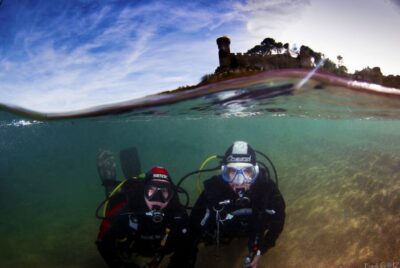
Tossa de Mar: PADI Discovery Scuba Diving in Costa Brava
Read our review →
Full-Day Beginner Scuba Course with Private Tuition, Racha Yai
Read our review →
Beginner Scuba Diving Lesson with PADI Instructor
Read our review →
Discover Scuba Diving with No Certification in St Thomas
Read our review →
Try Dive – PADI Discover Scuba Diving in Tenerife
Read our review →
Browse the lists this tour appears in