REVIEW · TAMARINDO
Discover Scuba Diving
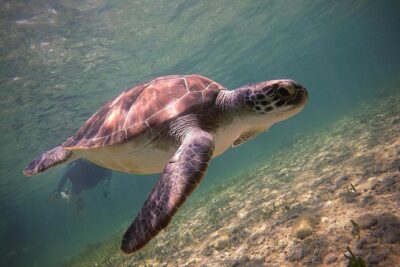
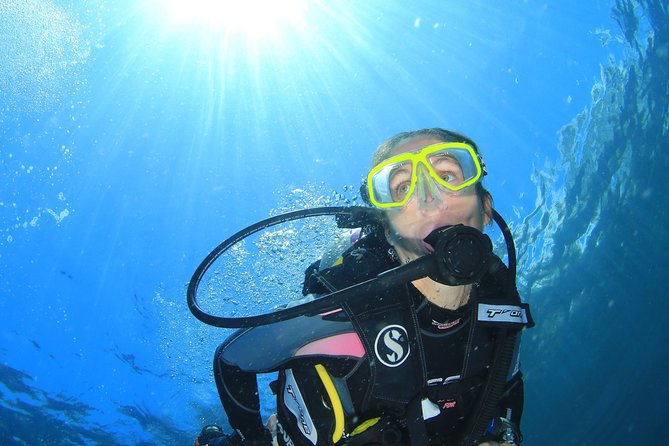
Try breathing underwater in one morning. Tamarindo Diving’s Discover Scuba Diving experience gives you a real introduction to scuba without requiring certification, including equipment, instruction, hotel pickup, and two underwater sessions near the Catalina Archipelago. I like the careful attention instructors give first-timers, especially children, and the strong chance of seeing turtles, rays, sharks, and colorful fish.
The main tradeoff is the long ride to the site. You may take a small boat to a larger boat, then spend about 45 minutes traveling to the islands. Windy conditions can make the water rough, and seasickness has affected some participants. Bring motion-sickness medicine approved by your doctor, and do not plan this activity within 18 hours of a flight.
Key points to know before booking
- Two underwater sessions of about 40 minutes each give you time to settle down and enjoy the second session more.
- The Catalina Archipelago offers sightings of puffer fish, turtles, stingrays, eels, dolphins, and white-tip reef sharks.
- First-timers stay closely supervised, with instructors helping with breathing, equipment, buoyancy, and safety skills.
- The full outing lasts about five hours, beginning at 6:40 a.m. and ending back at the Tamarindo Diving Center.
- Hotel pickup and equipment are included, but lunch is not.
- No certification is provided, so this is a trial experience rather than a substitute for an Open Water course.
What this Tamarindo scuba experience really offers
This is a good way to find out if scuba suits you before spending the time and money on certification. You learn the basic use of the regulator, mask, fins, buoyancy equipment, and other gear, then practice enough skills to enter the sea with an instructor.
That distinction matters. You are not completing a certification course, and you cannot use this experience as a license to scuba independently later. Instead, you receive a supervised introduction designed to help you decide if formal training is worth pursuing.
The outing costs $195 per person. That is not a small fee, but it covers equipment, hotel transportation, snacks, instruction, and two underwater sessions. For a first attempt, the value comes from having an instructor manage the technical side while you concentrate on calm breathing and looking around.
The experience has a maximum of 10 participants. That is small enough to feel more personal than a large boat operation, though your group may still include certified scuba participants and people who are snorkeling only.
The overall rating is 4.7 out of 5 from 34 ratings, with 91 percent recommending it. That points to a consistently positive experience, but it does not erase the practical concerns about sea conditions, transport, and communication. Read this as an adventure on the Pacific, not a perfectly polished resort activity.
More First-Time Dives in the world:
- Discover Scuba Diving
★ 5.0 · 1,676 reviews - Barcelona: PADI Discover Scuba Diving
★ 4.7 · 1,016 reviews - Discover Diving in Curacao
★ 5.0 · 886 reviews
The early start in Tamarindo
Your day begins at 6:40 a.m. at Tamarindo Diving Center, located about 200 meters east of El Chiringuito on Calle Cruz. Hotel pickup and drop-off are included, so you do not need to arrange a taxi to the meeting point if your accommodation is within the pickup area.
An early start makes sense here. You have a full morning on the water, and the schedule leaves room for the boat ride, instruction, two sessions below the surface, and the return trip. I would eat something light before pickup, since lunch is not included and heavy food may not sit well on a moving boat.
At the center, you check in and get fitted for a wetsuit, mask, fins, and scuba equipment. This is also when you complete the required health questionnaire. Asthma, heart conditions, and other medical issues may prevent you from participating, so speak with a doctor before booking if you have any concerns.
You should also arrive ready for a moderate physical outing. The operator does not describe this as a strenuous athletic activity, but you will handle equipment, board boats, move around on deck, and spend time in open water.
Two boats and a ride toward the islands
The transport is part of the experience, but it is also the least comfortable section for some people. The route may begin in a smaller boat, which takes you to a larger boat for the trip toward the Catalina Archipelago.
The longer boat ride takes about 45 minutes, depending on wind and tides. One account describes the ride as lasting about an hour, so allow for some variation. Rough water can make the journey tiring before you even reach the site.
If you are prone to motion sickness, take the issue seriously. One participant became sick after the first session despite using a prescribed scopolamine patch. The operator cannot provide medication, so you need to arrange your own remedy with a medical professional.
I would also pack water-resistant clothing, a hat, sunscreen, and a spare shirt, though the provided information specifically confirms snacks and water rather than a full meal. Keep lunch plans flexible for after your return, since the tour ends back at the Tamarindo Diving Center.
The boat ride does offer a useful transition. You leave Tamarindo behind, get used to the equipment around you, and have time to watch the sea. Dolphins were seen from the boat during one family outing, even before the underwater sessions began.
Learning the basics without certification
The instruction is aimed at people who have never used scuba gear. You learn how to breathe through the regulator, manage your mask, use the equipment, and respond to basic problems. The first session also includes skill practice and an assessment.
This can feel like a lot at once. One first-time participant described the briefing as fast and somewhat overwhelming, but also found it reassuring that the instructors kept close track of the group. That is an important point: you are not expected to master everything alone.
The instructors monitor your air supply, buoyancy equipment, position, and comfort. On the first underwater session, an instructor may hold onto you and guide you through the area. If you show that you are comfortable, the second session can offer more freedom to move alongside the instructor or your group.
Calm breathing is the central skill. Your mask covers your nose, so you must breathe through your mouth and resist the instinct to lift your head when you feel nervous. If you tend to panic in unfamiliar situations, consider the two-day option, which provides more time for theory and confined-water practice before heading into open water.
That option is also available for people with earlier experience who feel ready for the theory and confined-water work on the same day as the boat outing. The one-day format is convenient, but it gives you less time to adjust than a slower course.
Communication deserves attention. One participant felt the instructor did not explain things clearly in English. The positive experiences describe caring and attentive instructors, including Mario, who helped a first-time participant understand what was needed. If you are unsure about a hand signal or procedure, ask for it to be repeated before entering the water.
A few more dives around the world worth comparing
- Great Barrier Reef Snorkeling and Diving Cruise from Cairns
★ 4.5 · 3,714 reviews - First-Time Scuba Diving in Honolulu + Free Videos
★ 5.0 · 3,123 reviews - Oahu Shark Dive
★ 5.0 · 2,903 reviews - Silfra: Diving Between Tectonic Plates – Meet on Location
★ 5.0 · 2,139 reviews
What the first underwater session feels like
The first session lasts about 40 minutes. It is less about covering distance and more about getting your body used to breathing underwater, moving with fins, and controlling your position.
You may begin with basic skills while the instructor checks how comfortably you handle the gear. This is where the close supervision matters most. A nervous beginner can use air quickly, and one person on the boat could not complete the second session after anxiety caused them to use too much oxygen.
The instructors’ attitude can make or break the morning. The strongest accounts describe staff who stayed upbeat, patient, and attentive, especially with children. The goal is not to push you past your limits. If you are uncomfortable, tell the instructor immediately.
Once you settle, the experience becomes much more natural. You may see puffer fish, schools of smaller fish, rays, and other Pacific marine life. The underwater setting is not a guaranteed wildlife show, but the reported sightings are impressive for a beginner outing.
The first session often feels like practice with scenery. That is not a criticism. You need those first minutes to learn how your body responds before you can spend much attention on animals and rock formations.
The second session near the Catalina Archipelago
The second 40-minute session is usually the easier one. Your breathing technique has had time to settle, and the equipment no longer feels quite so strange. For many beginners, this is when the outing changes from a lesson into an enjoyable underwater tour.
The Catalina Archipelago is the main reason to accept the boat ride. Sightings reported from the area include turtles, stingrays, eels, puffer fish, dolphins, white-tip reef sharks, and large numbers of fish. One account described the underwater scene as being filled with familiar tropical fish and animals from every direction.
A white-tip reef shark can sound alarming to a first-timer, but the important point here is that the sightings occur under instructor supervision. You should still follow every instruction and keep your movements controlled. Wildlife is never guaranteed, and conditions change with season, visibility, wind, and tides.
The second session may allow you to move more independently while remaining beside the instructor. That extra freedom is valuable because you can look around rather than focus only on your breathing and equipment.
January can bring windy conditions. Rough water may affect both the boat ride and visibility, and one participant felt the operation was less organized in those conditions. If your dates are flexible, ask about expected sea conditions before committing. The operator specifically noted that January is windy season.
Snacks, equipment, and what you need to bring
The price includes scuba equipment, wetsuits, fins, masks, and the gear needed for the supervised session. Snacks are included as well. Hotel pickup and drop-off are part of the package, which helps justify the $195 price if you are staying in Tamarindo and would otherwise need to arrange transport.
Lunch is not included. Since the outing lasts about five hours, plan to eat before pickup and have a proper meal afterward. If you have dietary needs, do not assume the included snacks will meet them, because the available details do not specify what they contain.
You should also bring practical sea-day items:
- Motion-sickness medicine arranged through your doctor
- Sun protection
- A swimsuit and dry clothing
- Water, if you prefer to carry your own
- Any required medical information
The operator requires a health questionnaire before participation. Diving within 18 hours of flying is not recommended, so build that safety margin into your Costa Rica itinerary. Do not schedule this activity on the same day as an outbound flight.
Who will enjoy this most
I would recommend this for a reasonably fit adult or older child who wants to try scuba before taking a certification course. It works especially well for families when the children are comfortable listening carefully and following instructions.
The strongest family experience involved children who received patient help with the equipment and basic procedures. That does not mean every child will be ready. Anxiety, poor swimming confidence, or discomfort with masks can make the morning difficult.
It also suits a certified scuba partner traveling with beginners. Certified participants may be assigned to a deeper session while first-timers remain with instructors, allowing people with different experience levels to share the same boat day.
I would be more cautious if you suffer from motion sickness, dislike long boat rides, or become anxious when you cannot breathe through your nose. None of these automatically rules out the experience, but you should prepare carefully and consider the two-day format if available.
Is $195 a fair price?
The price is fair for a guided first-time experience if you value convenience and instruction. Transportation, equipment, snacks, and two underwater sessions are included, and the group size is capped at 10.
The value is less convincing if you mainly want a short snorkeling trip. You are paying for scuba gear, instruction, supervision, and the chance to spend meaningful time below the surface. If you do not want a long boat ride or formal safety briefing, a simpler water activity may suit you better.
For someone considering certification, this can be useful research. You will learn how your body responds to the regulator, mask, open water, and underwater movement without committing to a full course. Just remember that the session does not certify you.
Free cancellation is available up to 24 hours before the 6:40 a.m. start time. Changes or cancellations made later are not accepted for a refund, so check your health, flight schedule, and sea conditions before the deadline.
Should you book this Tamarindo experience?
Book it if you want a serious first taste of scuba, are comfortable with an early start and a long boat ride, and can accept changing Pacific conditions. The best reasons to go are the patient supervision, two substantial underwater sessions, and the chance to see turtles, rays, sharks, eels, and dolphins around the Catalina Archipelago.
Think twice if you are highly prone to seasickness, have a medical condition that may affect participation, or are flying within 18 hours. If anxiety is your main concern, choose the slower two-day path if it is available.
For prepared beginners, this is a memorable introduction rather than a quick amusement. Bring patience, protect your stomach from rough water, and let the instructors handle the technical work while you focus on breathing and watching the fish.
FAQ
Does this experience require scuba certification?
No. It is designed for people without certification, but it does not provide a certification. You can try scuba under supervision before deciding if you want to take a formal course.
How long does the experience last?
The outing lasts approximately five hours. It begins at 6:40 a.m. and ends back at the Tamarindo Diving Center.
How many underwater sessions are included?
Two underwater sessions are included, and each lasts about 40 minutes.
Is hotel pickup included?
Yes. Hotel pickup and drop-off are included, and the activity ends back at the meeting point.
Is lunch included?
No. Snacks are included, but lunch is not.
How far in advance should I avoid flying?
Scuba within 18 hours of flying is not recommended. Plan your flights with that safety window in mind.
What health requirements apply?
All participants must complete a health questionnaire before entering the water. Conditions such as asthma or heart problems may prevent participation, so consult a doctor if you have a relevant medical concern.
What is the maximum group size?
The activity accepts a maximum of 10 participants.
New dives around the world
- Zanzibar: 1 Day Blue Trip with 2 Stunning Scuba Dives★ 4.9 · 4 reviews
- Zanzibar : 3-Day PADI Open Water Scuba Diving Adventure★ 4.9 · 6 reviews
- Zanzibar 1 Day Scuba Diving Course for Beginners with Lunch★ 5.0 · 9 reviews
- Zakynthos: Scuba Diving Experience with Underwater Photos★ 4.5 · 31 reviews
- Your first introductory dive in Lanzarote with FREE photos.★ 4.7 · 16 reviews
- Oahu: Waikiki Discovery Scuba Diving for Beginners★ 4.8 · 99 reviews
- West Palm Beach: Beginner Scuba Diving Adventure with Videos★ 4.8 · 99 reviews
- Visit Cham Islands & Snorkelling & Scuba Diving★ 3.8 · 17 reviews
Discover Scuba Diving, compared.
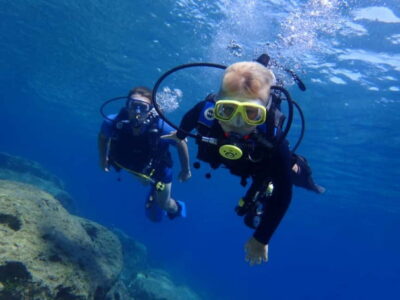
Cyprus: Introductory Scuba Lesson and Dive with Transfer
Read our review →