
REVIEW · JAPAN
From Naha Scuba Diving Trip in Kerama(for certified divers)
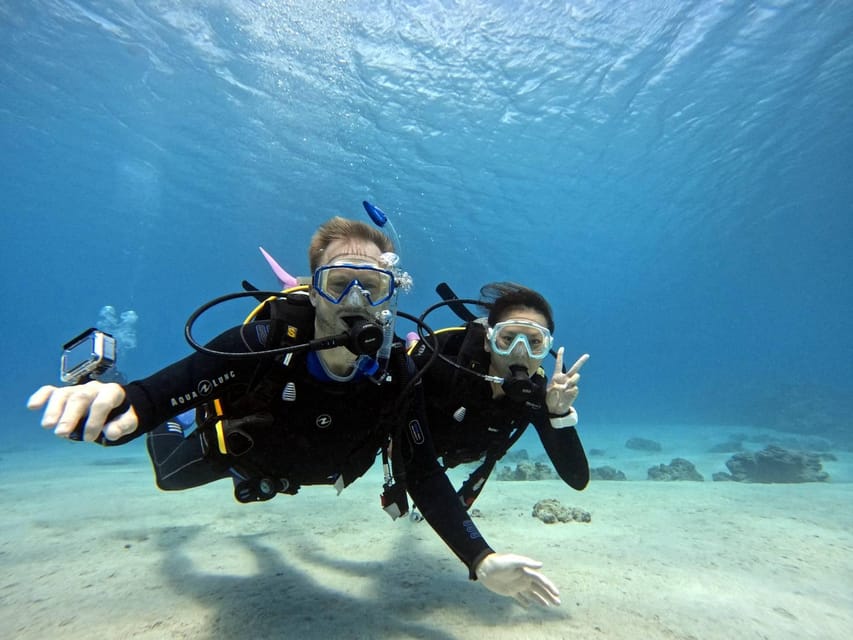
Clear water rewards early risers. This eight-hour trip from Naha takes certified scuba divers by speedboat to the Kerama Islands, where small groups, English-speaking instructors, and two boat descents make the day easy to manage. I especially like the limited four-person group and the included underwater photos. The main consideration is that lunch, drinks, towels, and the optional third descent cost extra or must be brought along.
The trip costs about $206 per person, which is a fair package price for hotel transport, boat travel, equipment, insurance, two descents, and a guide. You should also know that the boat and reef can feel busy at popular sites, and the early pickup means this is not a lazy holiday morning.
Key points before you book
- Two Kerama National Park descents are included, with a third available for 5,500 yen in cash.
- Groups are limited to four participants, useful if you want close attention from the instructor.
- English and Japanese guidance covers the boat briefing, equipment setup, and underwater plan.
- Hotel pickup and return are available in selected parts of Naha, Urasoe, and Ginowan.
- Underwater photos are included, and guides may also send edited short videos afterward.
- You must hold a recognized scuba certificate, and you should bring lunch, drinks, a towel, and a change of clothes.
Why the Kerama Islands are worth the boat ride
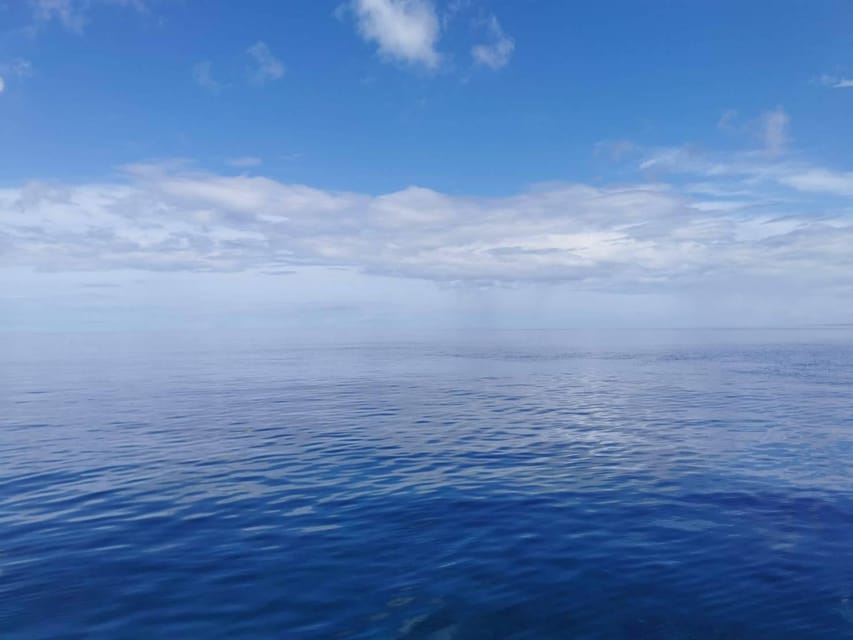
The Kerama Islands are reached from Okinawa’s main island by boat, but the scenery changes quickly once you leave the port. The trip takes about an hour by speedboat, followed by two scheduled underwater sessions inside Kerama National Park.
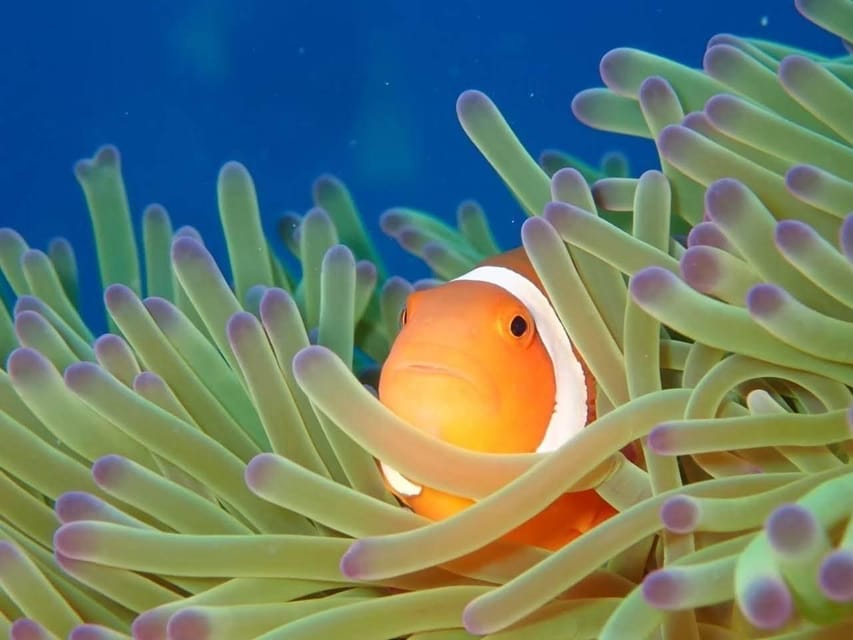
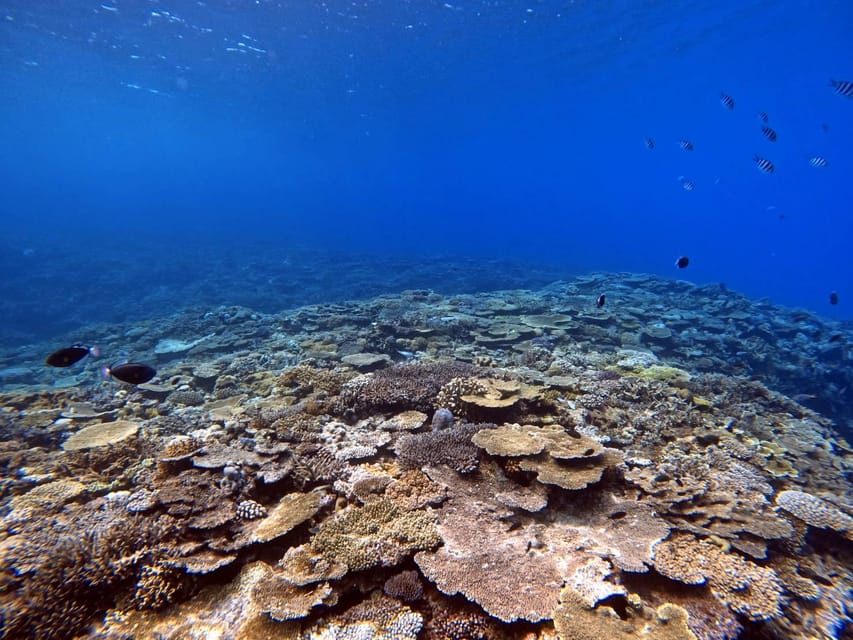
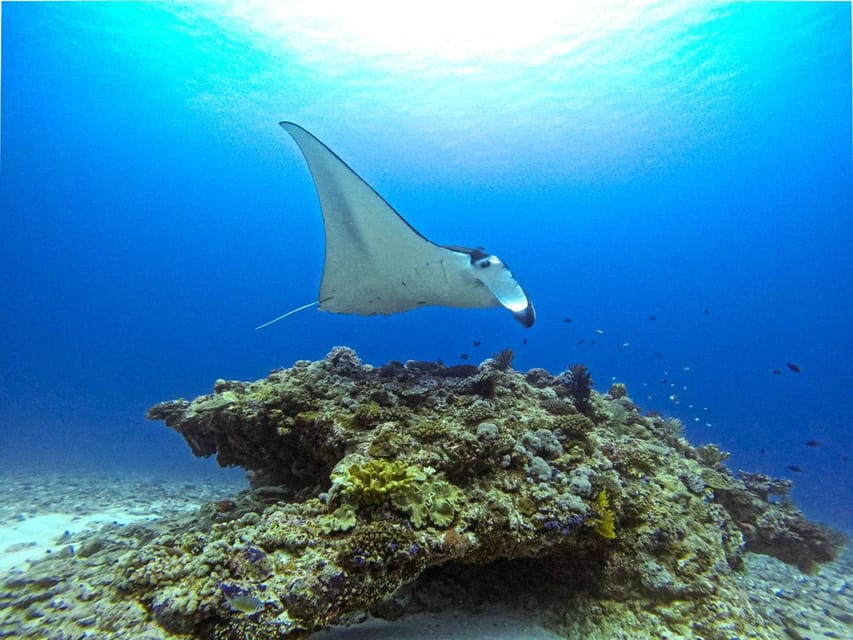
The appeal is simple: clear water, coral formations, and a good chance to see turtles and tropical fish. The strongest accounts describe visibility so clear and blue that the journey feels justified before the first descent begins. One guest reported seeing turtles, fluorescent fish, and a reef shark. Another saw a large trevally moving through a school of smaller fish.
Marine life is never guaranteed, of course. Conditions, site choice, and the season all matter. Still, the combination of protected waters and several possible sites gives this outing a strong chance of being the most memorable part of an Okinawa visit.
You are not signing up for a casual swim from the beach. This is a full boat day, with equipment, schedules, briefings, and time on the water. That makes it a better choice for certified scuba divers who want access to sites that would be difficult to reach independently.
More Dives for Certified Divers in Japan:
- Okinawa Scuba Diving For Certified Divers (3 boat dives + Lunch)
★ 5.0 · 10 reviews - Two-Tank Morning Dive Trip for Certified Divers
★ 5.0 · 602 reviews - 2 Tank Lanai Cathedral Scuba Dive Via Boat for Certified Divers
★ 5.0 · 548 reviews
The 6:45 AM pickup from Naha
The day begins early. Pickup is scheduled from about 6:45 AM, with return to your accommodation around 3:30 PM, though timing can change with sea conditions and boat operations.
Transfers are included from selected parts of Naha, Urasoe, and Ginowan. In Naha, Akamine and the Shuri area are excluded. In Ginowan, pickup is limited to Laguna Garden Hotel, Okinawa Prince Hotel, and Moon Ocean Ginowan Hotel and Residence.
This service is valuable because you do not need to arrange a taxi to the port before sunrise. It also removes one common worry: finding the correct departure point while carrying equipment. You must wait outside your accommodation and be ready at the agreed time. Arriving late can mean being treated as a no-show, so this is not the morning to linger over breakfast.
Airbnb guests should give a precise location on the registration form sent after booking. The pickup notes need to be clear, since the driver must know exactly where to stop.
A useful 45-minute briefing before departure
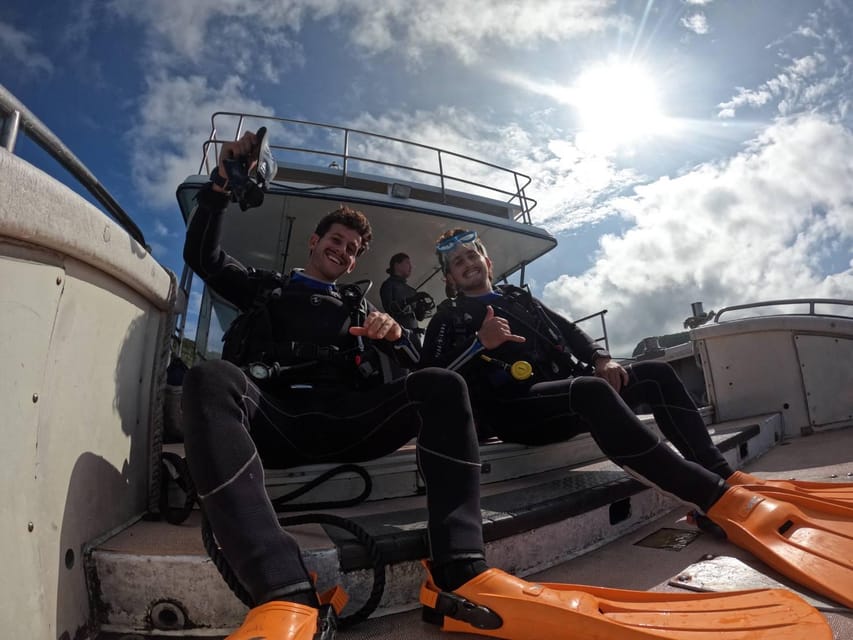
At about 7:00 AM, you receive a boat briefing and assemble your scuba equipment. The schedule allows roughly 45 minutes before the boat leaves at 7:45 AM.
This part matters more than it may sound. You learn how the boat day will work, check your equipment, and get familiar with the instructor before reaching the islands. English-speaking staff are available, along with Japanese guidance, so international visitors should be able to follow the safety information and the plan for each site.
The small group is a real benefit here. With no more than four participants, the instructor can spend more time checking equipment and answering questions than on a large commercial boat. Previous guests particularly praised guides including Ryuta, Yun, and Utah, noting their calm manner, clear instructions, and attention to safety.
One practical clothing note: wetsuits do not fit every body shape equally well. If you need a larger or more generous fit, ask for the correct size before boarding. A guest found a rented suit too tight across the bust, although the warm water made it manageable. It is better to address fit during setup rather than after the boat leaves.
The speedboat ride to Kerama National Park
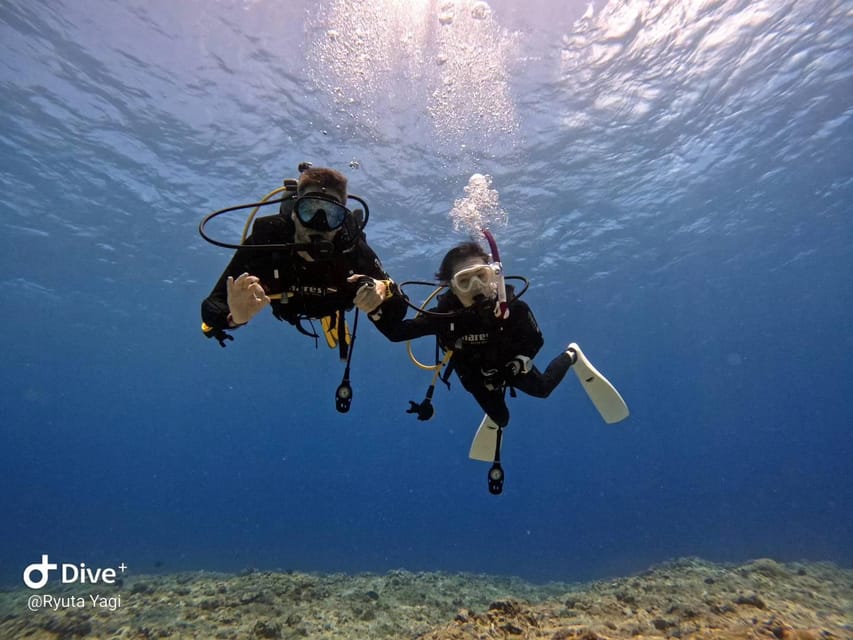
The speedboat crossing takes about an hour. It is a useful stretch of time to settle in, but anyone prone to seasickness should think carefully before booking.
The itinerary does not promise a particular boat model or exact sea conditions. A speedboat gets you to the islands efficiently, but the ride can feel lively when the water is rough. Bring only what you need. Oversize luggage and large bags are not allowed, and you should keep your belongings compact.
The boat is also your base for the day. You return to it between descents and eat lunch there. Bring a towel, dry clothes, flip-flops, food, and drinks. Lunch is not included, so you need to pack it yourself.
A few more dives around Japan worth comparing
- Naha, Okinawa: Kerama Islands Full-Day Intro-Diving Trip
★ 4.6 · 203 reviews - Blue Cave Area Experience Diving!Free feeding & photo images Chinese guide available!1 group with a dedicated instructor
★ 4.5 · 89 reviews - EDOCCO Tea House–A Quick Dive into Japanese Traditional Culture
★ 5.0 · 34 reviews - Blue Cave Introductory Dive–Private Guide, Boat Tour&Free Photos
★ 5.0 · 34 reviews
First and second underwater sessions
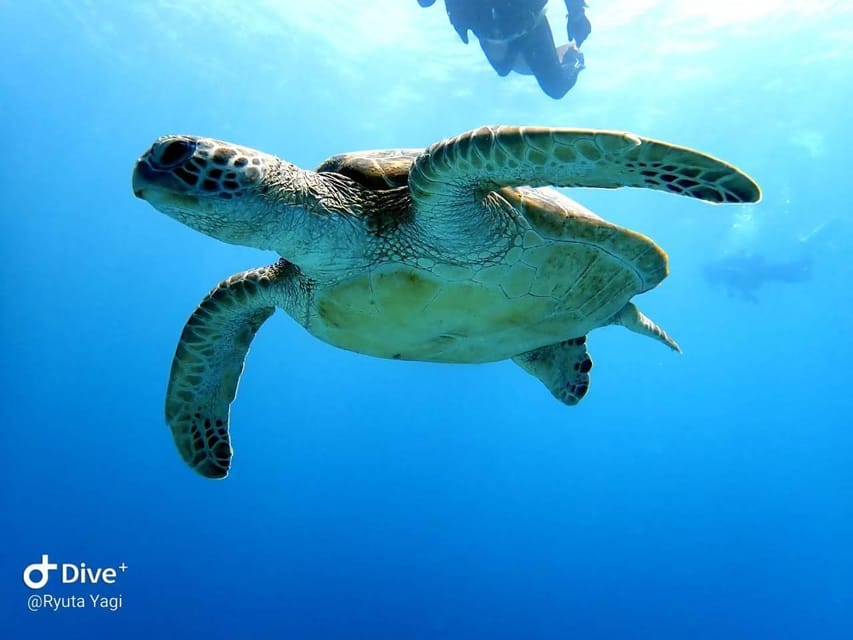
The first descent is scheduled for about 9:00 AM, followed by the second around 10:30 AM. Together, the two included sessions take roughly two hours, though the exact length and site selection can change with weather, currents, and the group’s pace.
The sites are inside Kerama National Park, where coral, small caves, turtles, and schooling fish may form the main attractions. The exact sites are not fixed in advance. One particularly successful day visited Nosaki, Doma, and Kameku, giving the group three different settings for its three sessions.
That variety is a strong point. You are not simply repeating the same route. One site may offer coral and fish, another may have a cave or different reef shape, and another may bring a chance to spot turtles or larger fish. The guide decides what makes sense for the conditions.
The water clarity is one of the trip’s most praised features. Several people described excellent visibility and intensely blue water. For a certified diver, that means you can spend less time worrying about navigation and more time noticing the reef and marine life around you.
There is one tradeoff. Popular Kerama sites can attract several boats, and the reef may feel more crowded than a quiet local site. If you are used to nearly empty water, manage your expectations. The small group limits your own party, but it does not guarantee an uncrowded national park.
Lunch on the boat and the optional third descent
After the first two sessions, the boat pauses for lunch at about 11:30 AM. Food and drinks are your responsibility, so pack something practical that you can eat on a boat. A towel and a change of clothes are also useful after spending the morning in the water.
At around 12:30 PM, you can pay 5,500 yen in cash for a third descent. This is the choice that most strongly affects the day’s value.
If you have the energy and the conditions are good, the extra session gives you another site and more time in the Keramas. Several people chose it and described three different locations, turtle sightings, reef fish, and even small caves. For an experienced certified diver who has traveled this far, the add-on can be worthwhile.
If you are tired, seasick, or more interested in a relaxed boat ride home, two included sessions are enough. The third session is not part of the $206 base price, and you should carry cash for the 5,500 yen charge. The schedule is active, with an early start and a boat crossing on both sides, so do not feel pressured to add it.
A dive computer is another optional extra at 1,500 yen in cash. The supplied information also says it may be provided free in exchange for a positive review. I would treat that as a booking detail to clarify directly, rather than assume it will be available.
Underwater photos add real value
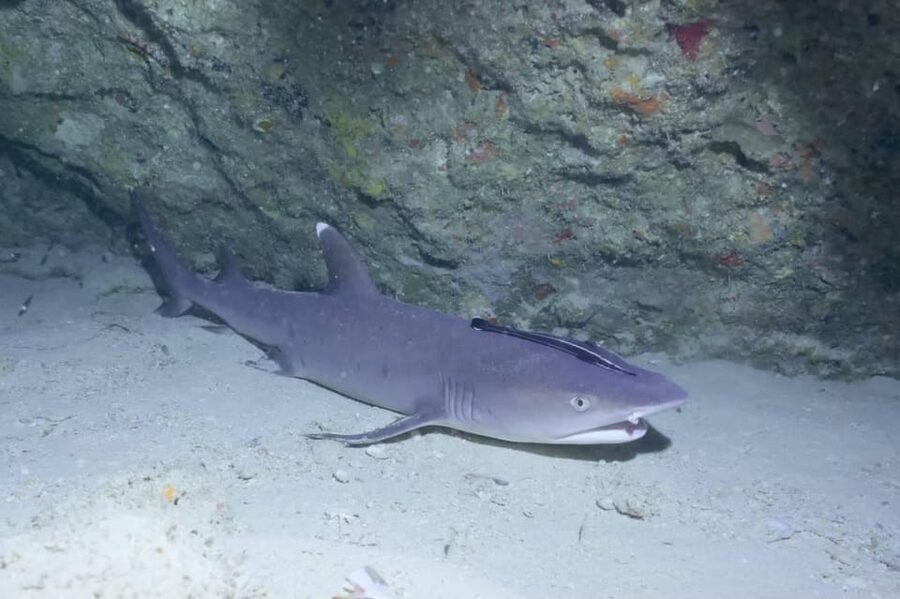
Underwater photography is included, which is a useful extra for a trip like this. You can enjoy the session without trying to manage a camera, and the images give you a record of the coral, fish, and any turtles you encounter.
Guides have also provided edited short videos after the outing. This is especially helpful if you are visiting Okinawa briefly and do not carry your own underwater camera.
Photos cannot guarantee a perfect shot. Visibility, marine life, and group movement all affect the result. Still, included images make the package feel more complete, particularly when many comparable boat outings charge separately for media.
Equipment, insurance, and the price
At $206 per person, the cost is not a bargain-basement outing, but the inclusions are solid. You receive:
- Hotel pickup and return in designated areas
- Round-trip boat transport
- Two boat-based scuba sessions
- Full equipment rental
- An English and Japanese instructor
- Dive insurance
- Underwater photos
You still need to pay for lunch, drinks, a towel if you do not bring one, a dive computer if required, and the optional third session.
For a certified diver arriving without equipment, the price is easier to justify because gear rental and transport are already handled. You are paying for convenience as much as for access to the Keramas. If you already have a boat, gear, and local contacts, the value calculation changes.
The award-winning SSI center is another positive sign, but the practical value comes from the staff and structure: small groups, equipment support, clear briefings, and guides who have worked in the international scuba industry. The perfect 5.0 rating from 46 ratings is encouraging, while the occasional comments about crowding and wetsuit fit give you useful balance.
Safety, fitness, and who should skip it
You need a valid certification from a recognized scuba organization. This is not an introductory session for a non-certified swimmer, and the crew cannot turn it into one on the day.
The activity is not suitable for children under 12, pregnant women, wheelchair users, non-swimmers, people with heart problems, epilepsy, diabetes, kidney problems, high blood pressure, recent surgery, or low fitness. The restrictions also list people over 60 and those prone to seasickness.
These rules are broad, so if a medical condition applies to you, ask the operator before booking. The boat schedule, sea crossing, equipment, and repeated descents require a reasonable level of fitness.
You must also follow the marine-life rule: do not touch animals or coral. That keeps the experience safer for you and less harmful to the protected environment.
Weather changes and cancellation flexibility
The ocean controls the schedule. If bad weather or a boat cancellation makes the planned sites unavailable, the operator may arrange another site at no extra charge. If no suitable alternative exists, you receive a full refund.
You can cancel up to 24 hours in advance for a full refund, and reserve now while paying later. Those terms are useful if your Okinawa plans are still shifting.
Do not confuse flexible cancellation with guaranteed conditions. The Keramas can offer excellent visibility, but no boat operator can promise a particular site, animal, or water state on a specific day.
Is this trip right for you?
I would choose this outing if you are already certified, want a full day on the water from Naha, and prefer having transport and equipment organized for you. The four-person limit is particularly appealing if you value personal attention or feel rusty after time away from scuba.
It also suits photographers who want included underwater images, and people hoping to add a third session for a reasonable cash fee. The guides receive strong praise for being friendly, careful, and clear, with Ryuta receiving repeated positive attention for patient instruction and thoughtful support.
I would hesitate if you dislike early mornings, get seasick, want a quiet uncrowded reef, or need a guaranteed meal included. You should also think twice if you want to carry large luggage, need a very specific wetsuit fit, or are not comfortable with a full boat day.
FAQ
Is certification required for this activity?
Yes. Every participant must have a valid scuba certification from a recognized organization.
How many underwater sessions are included?
Two boat-based sessions in Kerama National Park are included in the base price.
Can I add a third session?
Yes. An optional third session costs 5,500 yen in cash.
Is equipment rental included?
Yes. Full scuba equipment rental is included.
Is a dive computer included?
No. A dive computer costs 1,500 yen in cash. The supplied terms also mention a possible free option in exchange for a positive review, so confirm the current arrangement when booking.
Is lunch provided?
No. You need to bring a packed lunch and drinks. A towel, change of clothes, and flip-flops are also recommended.
Where is pickup available?
Pickup is available in selected areas of Naha, Urasoe, and Ginowan. Akamine and Shuri in Naha are excluded, and Ginowan pickup is limited to three named hotels.
What happens if the weather cancels the boat?
The operator may arrange another site at no extra cost. If no suitable alternative is available, a full refund is issued.
Should you book the SEAKERS Kerama trip?
Book it if you are a certified scuba diver who wants clear Kerama water without arranging a boat, equipment, transfers, and a guide separately. The small group, strong safety focus, included photos, and consistently praised staff give this outing real value.
Before paying, confirm your pickup address, wetsuit size, lunch plan, and whether you want to carry cash for the optional third session. If you do that and accept the early start and possible crowding, this is a well-organized way to reach one of Okinawa’s best-known underwater areas from Naha.
New dives around Japan
- Dive into Tsukiji Fish Market Walking Friendly Food Tour★ 5.0 · 3 reviews
- Shared Scuba Diving Trip in Kushimoto★ 5.0 · 2 reviews
- Tokyo Ikebukuro Morning Tour Dive into Japanese Culture★ 5.0 · 5 reviews
- EDOCCO Tea House–A Quick Dive into Japanese Traditional Culture★ 5.0 · 34 reviews
- Tokyo Ikebukuro Evening Tour Dive into Japanese culture★ 5.0 · 15 reviews
- Deep Dive into the World of Daruma Dolls★ 5.0 · 4 reviews
- Deep Dive: Osaka Food Markets from Local to Luxurious!★ 5.0 · 31 reviews
- Boat entry diving at the Blue Cave in Onna Village, Okinawa!★ 5.0 · 4 reviews
Dives for Certified Divers, compared.
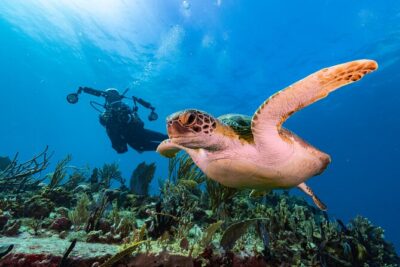
Two-Tank Morning Dive Trip for Certified Divers
Read our review →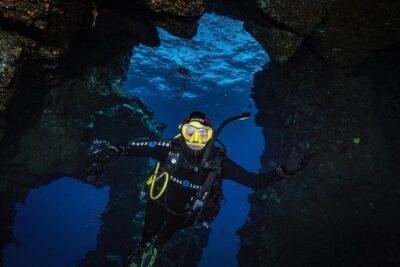
2 Tank Lanai Cathedral Scuba Dive Via Boat for Certified Divers
Read our review →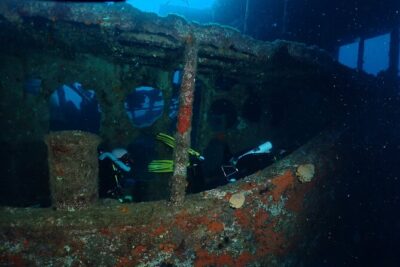
Wreck and Bridge Span Dive for Certified Divers
Read our review →
Two-Tank Dive for Certified Diving in St Thomas
Read our review →
Diving for Certified Divers, 2 Tanks Sosúa Bay
Read our review →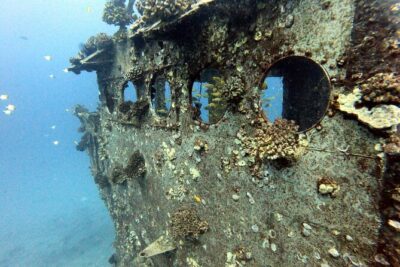
Certified Diver: 2-Tank Deep Wreck and Shallow Reef Dive Off Oahu
Read our review →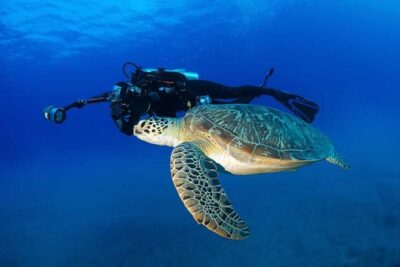
Certified Diver: 2-Tank Shallow Reef Dives off Oahu
Read our review →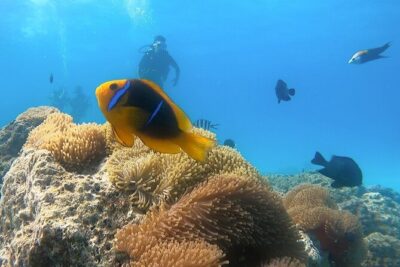
2 Dives in the morning for certified divers in Bora Bora
Read our review →Browse the lists this tour appears in