
REVIEW · ST THOMAS
Discover Scuba Diving
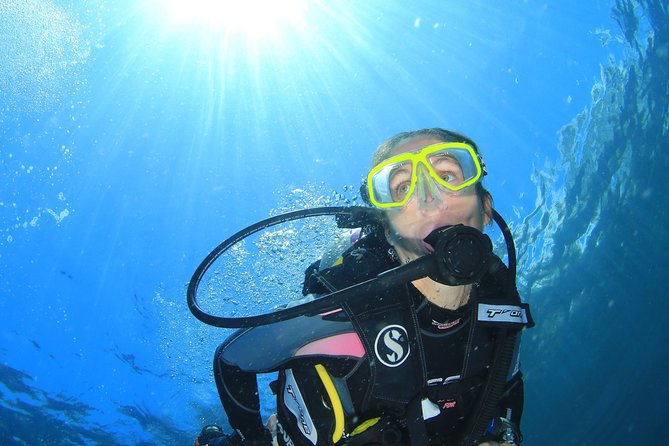
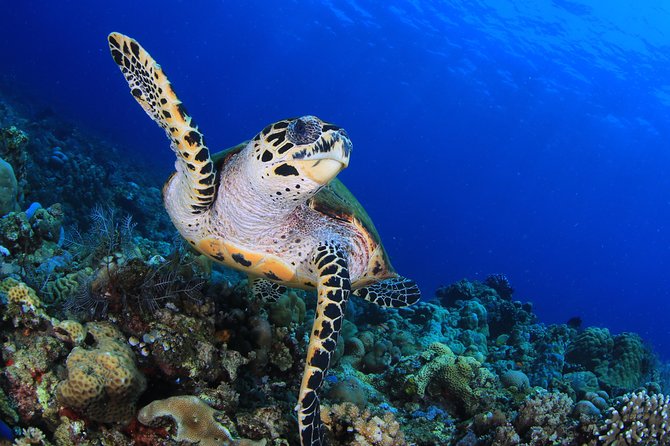
Try breathing underwater in St. Thomas. This half-day scuba course gives beginners a careful introduction without requiring certification. I like the patient, close supervision and the chance to see fish, coral, sea anemones, and possibly a stingray on your first underwater outing. I also like that you get all required equipment, a take-home booklet, and a qualified instructor at your side.
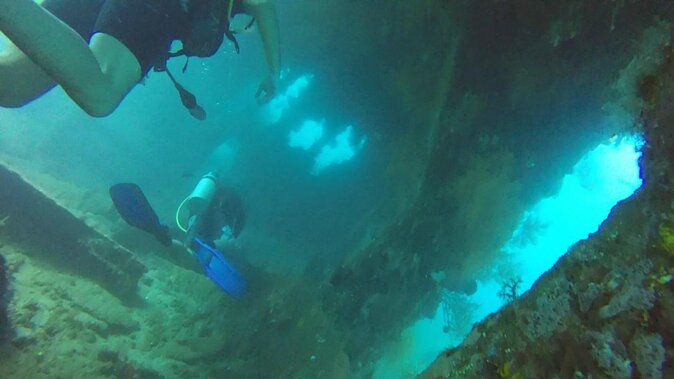
The main point to understand is that the experience can vary. You may practice from the beach in shallow water, sometimes reaching only about 15 feet, or you may head by boat to two sites with reefs and wrecks. That makes this a good first taste of scuba, but not every booking promises a dramatic offshore experience.
Key Points to Know Before Booking
- This is a first-time scuba lesson, not a certification course: You learn basic equipment use and underwater procedures under direct supervision.
- The setting can range from a shallow bay to boat-accessed sites: Ask which format is planned if reaching deeper water matters to you.
- Instructors stay close throughout the session: Jack, Stephanie, Juan, and Danny are among the instructors praised for calm, clear teaching.
- The full equipment package is included: You receive a mask, fins, snorkel, wetsuit, BCD, regulator, tanks, and weights.
- The session lasts about three and a half hours: That includes classroom instruction, shallow-water practice, and a fuller underwater outing.
- Flight timing and health matter: Avoid scuba within 24 hours of flying, and complete the required health questionnaire before entering the water.
What This St. Thomas Scuba Course Is Really Like
This experience is designed for people who want to try scuba without committing to a certification program. You do not arrive as a certified scuba diver. Instead, you learn the basics, practice them in shallow water, and then use them during a supervised underwater session.
That format is useful because scuba equipment can feel strange at first. The regulator lets you breathe underwater, the BCD controls your buoyancy, and the mask changes how you see and breathe. You need time to get comfortable with each piece before heading farther from shore.
The total session takes about three hours and 30 minutes. That is long enough to provide real instruction, but short enough to fit into a vacation day. I would still avoid scheduling anything important immediately afterward. Your pace may be affected by gear fitting, questions, comfort in the water, or the number of people in your group.
A maximum of 12 people keeps the group from becoming unwieldy, though the amount of personal attention can still depend on the final group size. The instructor is meant to remain with you throughout the course, which is especially important if you feel nervous about breathing underwater.
More First-Time Dives in the world:
- Discover Scuba Diving
★ 5.0 · 1,676 reviews - Barcelona: PADI Discover Scuba Diving
★ 4.7 · 1,016 reviews - Discover Diving in Curacao
★ 5.0 · 886 reviews
The Classroom Start Gives You Time to Get Comfortable
The course begins with an instructor-led classroom session. You receive a Discover Scuba booklet to take home, and the teaching covers the basic procedures needed for the water portion.
This first stage is more important than it may sound. A beginner needs to understand how the regulator works, how to communicate underwater, how the BCD affects movement, and what to do if something feels wrong. Clear preparation can make the difference between an exciting first session and an uncomfortable one.
The teaching style appears to be one of the strongest parts of the experience. Instructors such as Jack, Stephanie, Juan, and Danny have been praised for explaining steps clearly, staying patient, and checking that each person felt comfortable. That matters more here than flashy equipment or a dramatic site.
If your gear does not feel right, speak up early. One participant had trouble with equipment at first, and the instructor changed the problem item rather than rushing ahead. That is exactly the response you want from a beginner course. You should not have to tolerate a leaking mask, awkward regulator, or poorly fitting equipment just to keep up.
Shallow Water Practice Builds Confidence
After the classroom portion, you move into shallow water to try the equipment and procedures. This is where you begin turning instructions into physical habits.
You may need a little time to adjust to breathing through a regulator. The water can feel different from a swimming pool, and the weight of the equipment may make you feel less graceful than usual. That is normal. The instructor’s job is to keep the process controlled and to help you solve small problems before they become major ones.
I like this gradual approach for first-time participants. You are not simply handed equipment and sent out into the bay. You get a chance to learn how the mask, fins, BCD, and regulator work while you are still close to shore and under close supervision.
The drawback is that this portion may feel basic if you are already a strong snorkeler or a confident swimmer. The course is built around learning scuba procedure, not maximizing underwater distance. If your main goal is a long exploration of St. Thomas reefs, a certified scuba excursion would be a better fit.
The Final Underwater Session Depends on the Day
The last part is a fuller underwater outing. The course may remain in a shallow bay, or it may use a boat to reach two sites in the Caribbean Sea. Those options create two very different experiences.
A shore-based session can still offer plenty to see. Fish, coral, sea anemones, and stingrays may be close to the beach. One particularly memorable sight was a large stingray resting on the bottom. A shallow setting also has a practical benefit: you can concentrate on breathing, movement, and communication instead of worrying about depth.
Still, you should know what shallow means. One session reached only about 15 feet, and the underwater sights were close enough to shore that an experienced snorkeler might have seen much of the same marine life. That is not a flaw if your goal is to learn scuba. It is a limitation if you are expecting a serious reef expedition.
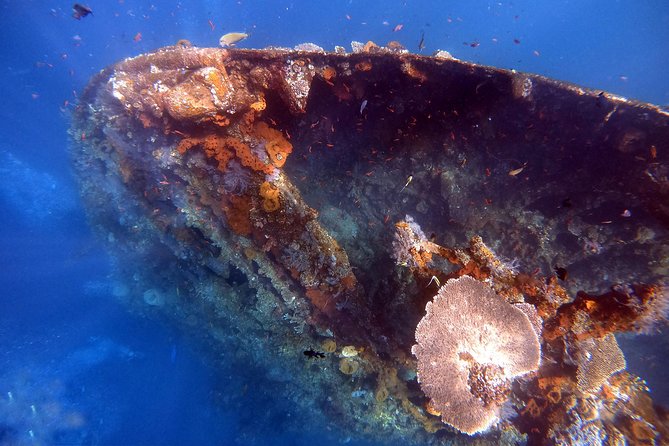
The boat option offers the possibility of reefs and wrecks away from shore. The information provided does not promise a particular wreck, reef, depth, or marine animal, so I would treat the boat outing as a possible format rather than a guaranteed feature. Weather, conditions, and operational plans can affect the final location.
When booking, ask whether your scheduled session is expected to be shore-based or boat-based. That one question can help you set the right expectations and decide if the experience fits your St. Thomas plans.
A few more dives around the world worth comparing
- Great Barrier Reef Snorkeling and Diving Cruise from Cairns
★ 4.5 · 3,714 reviews - First-Time Scuba Diving in Honolulu + Free Videos
★ 5.0 · 3,123 reviews - Oahu Shark Dive
★ 5.0 · 2,903 reviews - Silfra: Diving Between Tectonic Plates – Meet on Location
★ 5.0 · 2,139 reviews
The Instructors Make the Biggest Difference
For a beginner, an instructor’s manner matters as much as the underwater location. The strongest pattern here is patient, reassuring instruction.
Stephanie has been singled out for being attentive on land and in the water. Jack was praised for clear explanations and for staying nearby to help. Juan and Danny were described as patient and helpful at every step. Those details point to the sort of support you need when your first breath underwater feels unfamiliar.
The course also seems suitable for a mixed group. Some people may arrive excited, while others may be nervous. A good instructor can help both types without making the cautious person feel rushed or holding back the confident person too much.
I would tell you to mention any worries before the water session begins. If you are uncomfortable, need equipment adjusted, or do not understand a hand signal, say so. This is a learning experience, not a test. The instructors are there to help you gain control, not to see how quickly you can manage the equipment.
Equipment and What Your $175 Covers
The cost is $175 per person. That includes the Discover Scuba booklet, all scuba equipment, tanks, weights, BCD, regulator, wetsuit, fins, mask, snorkel, and the instructor.
That is a fair value for someone who wants a supported introduction. Buying or renting each item separately would be impractical for a first attempt, and the instructional time is a key part of the price. You are paying for equipment, supervision, preparation, and access to an underwater experience without first taking a full certification course.
The value is strongest if you are curious but unsure about committing to certification. This session lets you find out how you respond to the equipment and the sensation of breathing underwater. If you love it, you may have a clearer reason to continue with an Open Water certification later.
The value is weaker if you want a long, independent underwater outing. You are paying for an instructional session, not a full certified diver’s excursion. A shore-based outing may also feel modest if you already snorkel often.
Gratuities are not included. A tip of 15 to 20 percent of the tour cost is recommended, which would be about $26 to $35 per person based on the listed price. Consider the level of personal help you receive, especially if an instructor spends extra time adjusting equipment or helping you settle in.
Who Will Enjoy This Most
This course suits adults and older children who want to try scuba in a controlled setting and who have a moderate level of physical fitness. It is also a good choice for couples, families, and small groups who want to share a new activity without enrolling in a multi-day certification course.
You should be comfortable entering the ocean and managing basic physical activity in the water. You do not need prior scuba experience, but you should take the health requirements seriously. Every participant completes a health questionnaire before the session, and conditions such as asthma or heart problems may prevent participation. If you have a relevant medical condition, consult your doctor before booking.
This is less suitable for someone who wants a guaranteed wreck visit, a particular depth, or a full day on a boat. It is also a poor match for a tight schedule before flying. Scuba within 24 hours of a flight is not recommended, so leave a proper gap before your departure.
Timing, Transport, and Practical Planning
The meeting point is in St. Thomas, and the activity ends back at that same meeting point. The location is near public transportation, which helps if you are not driving.
The experience is often booked about 46 days in advance. That does not mean you must reserve that far ahead, but it suggests you should not leave it until the last day of a busy vacation. A group limit of 12 also makes early planning sensible if you are traveling with several people.
Use the session as a half-day anchor rather than trying to squeeze it between several fixed appointments. The classroom, equipment preparation, shallow-water work, and final underwater outing all take time. You will have a better experience if you arrive without feeling rushed.
The activity requires good weather. If poor conditions cancel it, you are offered another date or a full refund. A minimum number of participants is also required, and a cancellation for that reason brings the same choice of another date, another experience, or a refund.
You can cancel for a full refund up to 24 hours before the local start time. Changes or cancellations inside that 24-hour window are not accepted for a refund.
How This Compares With Snorkeling
Snorkeling may show you similar marine life in a shallow bay, especially if the session stays near shore. That is the main reason one participant found the experience less substantial than expected.
Scuba offers a different benefit: you learn to breathe underwater while carrying equipment and following underwater communication procedures. The real value is not only the fish and coral. It is the chance to discover if scuba feels comfortable and enjoyable before spending more money on certification.
If you already snorkel confidently and only want to see marine life, a dedicated snorkeling trip may suit you better. If you have always wondered what scuba feels like, this course gives you a supervised way to answer that question.
Should You Book Discover Scuba in St. Thomas?
Book it if you want a carefully supervised first experience, value patient instruction, and like the idea of testing scuba before pursuing certification. The included equipment and three-and-a-half-hour format make the $175 price reasonable for a beginner-focused session.
Go in with realistic expectations. Your outing may take place in shallow water, and you may see marine life close to shore rather than visiting a dramatic offshore wreck. Ask about the planned location, leave 24 hours before flying, and allow enough time in your schedule to enjoy the lesson without rushing.
For a first step, this is a sensible choice. For an advanced underwater adventure, choose a certified excursion instead.
FAQ
Do I need scuba certification to join?
No. This is an introductory scuba course for beginners, and certification is not required.
How long does the experience last?
The activity lasts approximately three hours and 30 minutes.
What equipment is included?
The price includes tanks, weights, a BCD, regulator, wetsuit, fins, mask, and snorkel, along with the required scuba equipment.
Is an instructor with me during the session?
Yes. A qualified instructor remains with you throughout the experience.
Will the session take place from the beach or on a boat?
It may use shallow water in a bay, or it may travel by boat to two Caribbean Sea sites. Ask about the planned format when booking if the location is important to you.
How deep will I go?
The exact depth is not guaranteed. At least one shore-based session reached about 15 feet, while the boat option may provide access to deeper reefs and wrecks.
Can I fly soon after the course?
Scuba within 24 hours of flying is not recommended. Plan your course with that restriction in mind.
What happens if I need to cancel?
You can receive a full refund if you cancel at least 24 hours before the local start time. Poor weather or failure to meet the minimum group size may also result in a new date, another experience, or a full refund.
New dives around the world
- Zanzibar: 1 Day Blue Trip with 2 Stunning Scuba Dives★ 4.9 · 4 reviews
- Zanzibar : 3-Day PADI Open Water Scuba Diving Adventure★ 4.9 · 6 reviews
- Zanzibar 1 Day Scuba Diving Course for Beginners with Lunch★ 5.0 · 9 reviews
- Zakynthos: Scuba Diving Experience with Underwater Photos★ 4.5 · 31 reviews
- Your first introductory dive in Lanzarote with FREE photos.★ 4.7 · 16 reviews
- Oahu: Waikiki Discovery Scuba Diving for Beginners★ 4.8 · 99 reviews
- West Palm Beach: Beginner Scuba Diving Adventure with Videos★ 4.8 · 99 reviews
- Visit Cham Islands & Snorkelling & Scuba Diving★ 3.8 · 17 reviews
Discover Scuba Diving, compared.
Cyprus: Introductory Scuba Lesson and Dive with Transfer
Read our review →
Half-Day Scuba Diving Tour – Discover Scuba Diving!
Read our review →Browse the lists this tour appears in