
REVIEW · THE USA
Introductory Beach Scuba Dive
The ocean classroom begins on land. This Hilo experience gives you a careful introduction to scuba in a heated pool before taking you into open water, making it a sensible first step for anyone without certification. I especially like the small maximum group of four and the patient instruction reported from Mark, his team, and instructor Akara.
The pool-first format is a major strength, particularly if you feel uneasy in the sea. The main drawback is that you must handle a full 50 pounds of equipment, swim without help in the open ocean, complete the medical form on time, and pass both the classroom and pool portions before reaching the reef.
Key points to know before booking
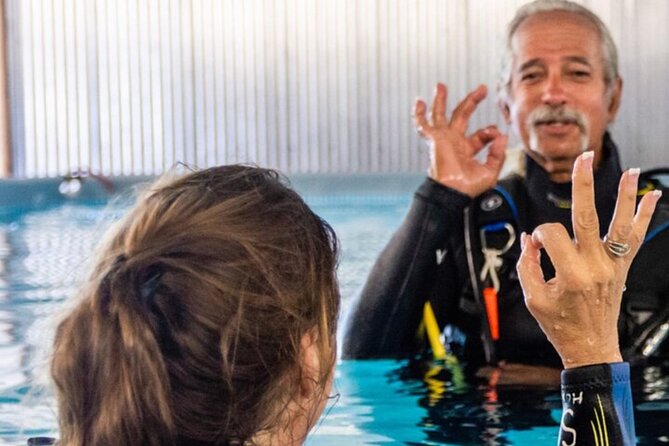
- A pool session comes first: You spend about 45 minutes practicing with scuba equipment in a heated indoor pool before entering the sea.
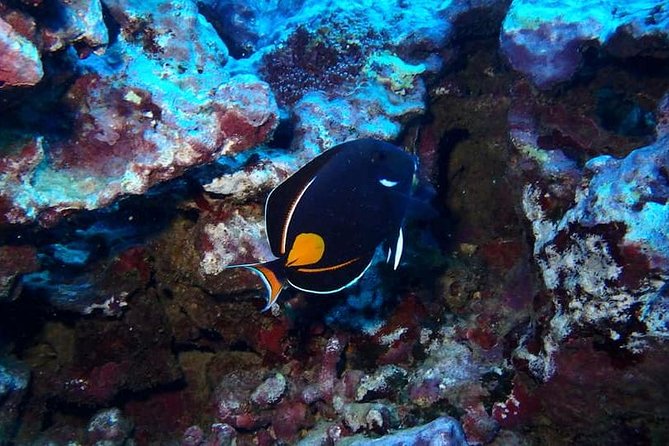
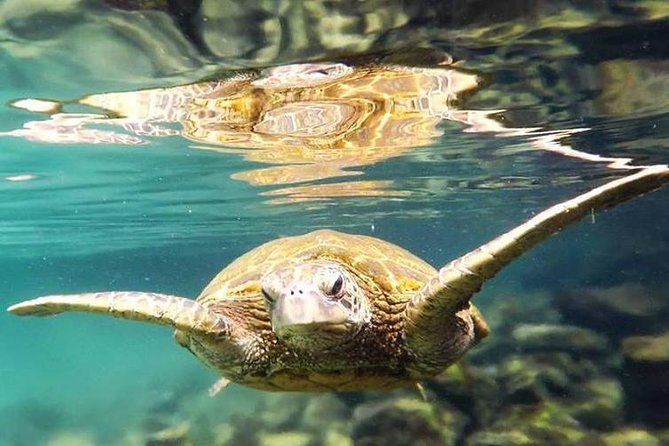
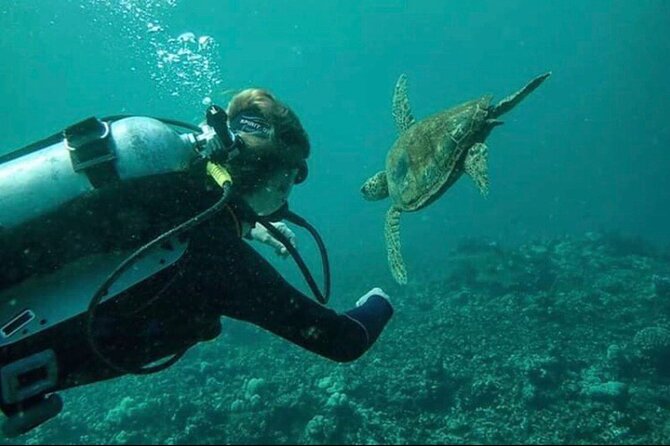
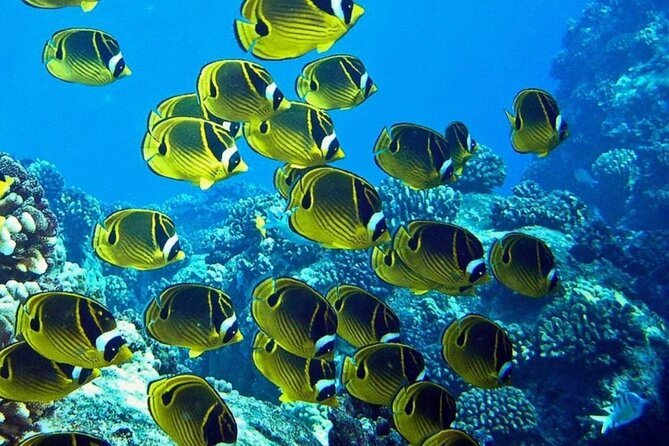
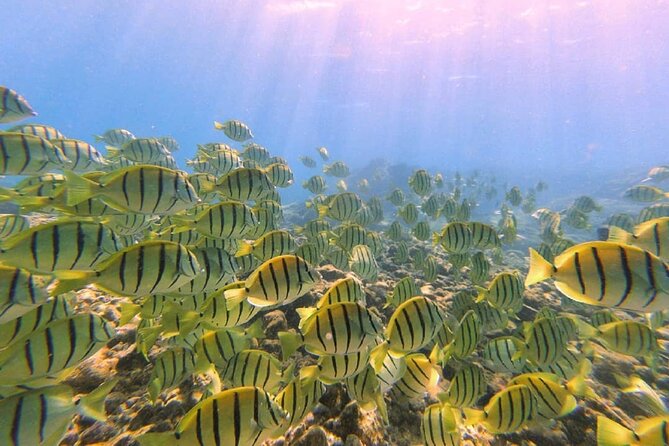
- The ocean session lasts 30 to 50 minutes: Expect a guided visit to open water near Hilo Bay, with possible views of tropical fish, coral, and Hawaiian green sea turtles.
- You meet at 9:00 a.m. in Hilo: The starting point is Hilo Ocean Adventures at 1717 Kamehameha Ave.
- The group is capped at four people: This creates a much more personal setting than a large boat operation.
- You need real physical ability: You must swim unassisted, carry 50 pounds of gear, understand detailed English instructions, and complete a required medical questionnaire.
- Plan around the post-scuba rule: You must avoid traveling to altitudes of 2,500 feet or higher for 18 hours afterward.
A gentle first step into Hilo’s underwater world
This is not a certification course. It is a fully guided introduction for people age 15 and older who want to try scuba without committing to a longer training program.
I see the format as a useful bridge between snorkeling and certified scuba. You learn the basic equipment and breathing skills, practice them in controlled water, then make a supervised visit to the ocean. That progression matters. The equipment can feel strange at first, and the pool gives you time to get comfortable before waves, salt water, and a larger setting enter the picture.
The experience lasts about four hours, beginning at 9:00 a.m. at Hilo Ocean Adventures. You check in at the shop, meet the instructors, and complete the land-based instruction before moving to the pool and then the ocean site.
The supplied schedule describes the classroom portion as about 30 to 45 minutes. You can expect instruction on underwater breathing, equipment use, and emergency safety procedures. This is not a lecture to endure before the fun begins. It is the part that lets you understand what to do when the mask, regulator, and tank all feel unfamiliar.
More Discover Scuba Diving in the USA
- DISCOVER Scuba Diving Experience in Honolulu
★ 5.0 · 202 reviews - Kauai’s Ultimate Discover Scuba Dive – OCEAN EXPERIENCE (1 Tank Dive)
★ 5.0 · 186 reviews - Discover Scuba Diving Class from Lahaina
★ 5.0 · 185 reviews
Why the heated pool matters
The heated indoor pool is one of the best features here. You can practice breathing through the regulator, adjust to the equipment, and work through basic scuba skills without the distractions of open water.
That controlled setting is especially valuable if you are nervous or have little experience in the sea. One participant described a spouse who was not a swimmer and was normally afraid of the water, yet became comfortable enough to continue after receiving help with the equipment in the pool. That is a useful clue about the teaching style, although you still need to meet the stated requirement to swim independently in the open ocean.
The pool also acts as a safety check. You must successfully complete the classroom and confined-water portions before moving on. If the instructors decide you are not ready, the ocean portion will not go ahead. That may disappoint you, but it is the right order for a first-time scuba session.
The pool portion takes roughly 45 minutes according to the schedule. Come prepared to listen closely and repeat skills rather than rushing toward the reef. Your comfort here will shape the rest of the morning.
From the shop to Hilo’s open water
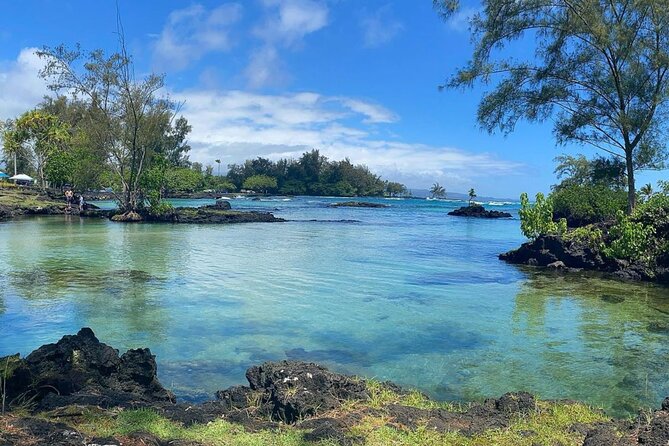
After the instruction and pool work, transportation takes you from the check-in location to the dive and snorkeling area near Hilo. The exact site is described generally as open water near one of the reefs along the Big Island coast, rather than as one fixed named reef.
That lack of a guaranteed site name is worth noting. Conditions, safety, and local judgment can affect where the group goes. You should expect a Hilo coastal setting, not a promised landmark or a particular animal encounter.
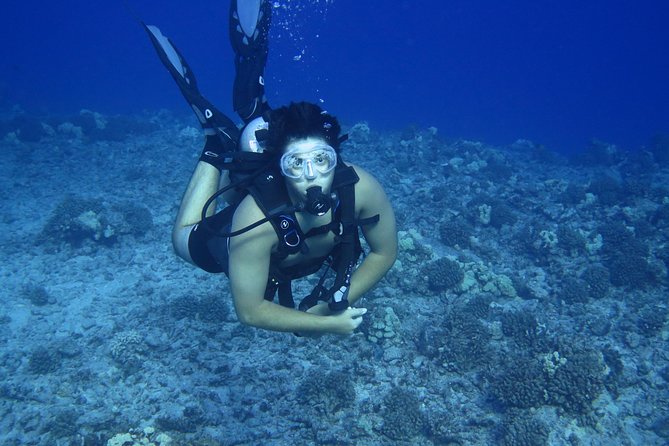
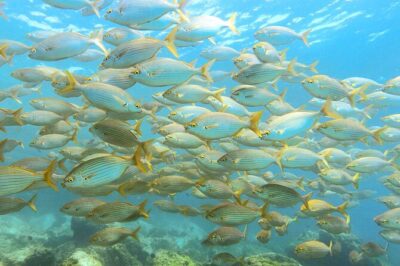
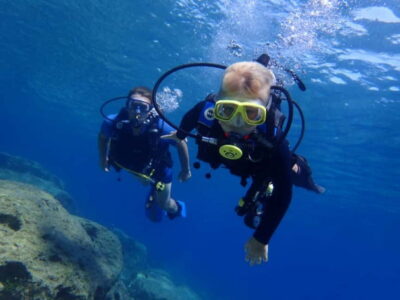
The open-water portion lasts about 30 to 50 minutes. Under the supervision of a PADI-certified instructor, you use the skills from the pool in the sea. The advertised marine life includes tropical fish, coral, and Hawaiian green sea turtles. Sightings are never assured, but the area’s reef environment gives the outing a clear purpose beyond simply practicing with a tank.
Hawaii contains about 60 percent of the reef ecosystems in the United States. That statistic helps explain why even a short coastal session can feel worthwhile. You are not just completing a mechanical lesson. You are getting an introduction to a major part of Hawaii’s natural setting, at a pace designed for beginners.
One account described the underwater setting as calm and serene, with plenty of fish and coral. That is the kind of payoff this trip can provide when conditions cooperate. You should still keep expectations sensible. Visibility, sea conditions, and wildlife sightings can change.
The instructors make or break the morning
For a first scuba outing, the instructor matters as much as the reef. You need someone who notices discomfort early, explains equipment clearly, and does not treat nervousness as a nuisance.
Akara receives specific praise for checking that people felt comfortable at all times. Mark and his team are also credited with providing ample coaching for a safe, smooth session. Those details are more useful than a generic promise of professional instruction because they point to the practical side of the experience: steady reassurance, close attention, and time to adjust.
The group limit of four should help. A small group gives the instructor fewer people to watch and more room to respond to individual concerns. It also means the experience may feel less like a mass activity and more like a private lesson, even if you are sharing it with others.
You will need to understand detailed instructions in English. This is not simply a language preference. The class covers safety procedures, and clear communication is essential before entering open water.
More First-Time Dives in the USA:
- Maui Scuba Diving Introductory Lesson from Lahaina
★ 5.0 · 179 reviews - Try Scuba Diving with Professional Scuba Instructor
★ 4.5 · 170 reviews - Maui: Beginner Discovery Scuba Dive Excursion from Lahaina
★ 4.7 · 46 reviews - 1 Tank Discover Scuba at Koloa Landing with No Experience needed
★ 5.0 · 31 reviews
A shore-based format, not a boat trip
The session begins from land and reaches the water by transport to a coastal site. If you prefer a boat departure, this may not be your ideal choice. One participant specifically preferred starting from a boat but still gave Akara high marks for keeping the session comfortable.
A shore-based format has one practical advantage: it lets you build confidence without the added motion and logistics of a boat. You begin at the shop, use the pool, and then go to the coast. For many beginners, that simpler sequence is easier to follow.
The tradeoff is that you will not get a boat ride or a boat-based entry into the sea. The ocean portion is tied to the selected shore location and local conditions. If your picture of scuba includes boarding a vessel and heading offshore, adjust that picture before booking.
Transportation is provided between the check-in point and the site. Hotel or cruise-port pickup and drop-off are not included, despite the broader tour description referring to transportation from Hilo accommodations or the port. The practical instruction is clear: arrange your own way to 1717 Kamehameha Ave. and back after the activity. The original directions even suggest taking a cab from the port to the shop.
Physical requirements are serious
This is not a passive sightseeing trip. You must be able to swim unassisted in the open ocean and carry 50 pounds of equipment on your back without help.
You also need a strong level of physical fitness. The requirements may rule out people who can snorkel comfortably but are not ready to manage heavy equipment or swim in open water. Read them honestly before booking, especially if you have concerns about stamina, balance, or carrying weight.
The activity is not suitable for pregnant women or people with heart, neck, or back problems. Every participant must complete and submit the required PADI or NAUI medical questionnaire at least 72 hours before the excursion.
That deadline matters. A late form can prevent you from taking part, and refunds are not provided for someone who submits the medical questionnaire late or cannot complete the full activity. Do not treat the form as routine paperwork to handle at the last minute.
The age minimum is 15. Anyone younger than 18 must be accompanied by an adult. The supplied information does not list a maximum age, but the swimming, equipment, medical, and fitness requirements apply to every participant.
What the morning feels like in practical terms
Your morning follows a clear sequence:
- Arrive at Hilo Ocean Adventures by 9:00 a.m.
- Complete the land-based scuba lesson.
- Practice with the equipment in the heated indoor pool.
- Travel to the selected open-water location near Hilo.
- Take part in the supervised ocean session.
- Return to the original meeting point.
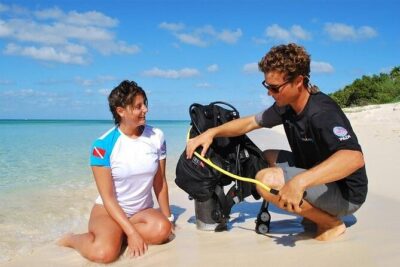
The experience includes the scuba equipment, instruction, transportation from the check-in location to the site, local juice, and snacks. Those inclusions add value because you do not need to arrange rental gear or food during the four-hour outing.
The activity ends back at the meeting point. Since pickup and drop-off from your hotel or ship are not included, leave room in your schedule for the trip to and from the shop. If you are visiting Hilo from a cruise ship, allow extra time for getting to the starting point and returning to the port.
The timing also affects the rest of your day. You should not travel to an altitude of 2,500 feet or higher within 18 hours after the session. Do not pair this activity with a high-elevation excursion immediately afterward. Check your full island plans before committing.
Is the small group worth the cost?
No price is provided here, so I cannot judge the exact monetary value. I can still assess what you receive for the fee: instruction, equipment, a heated pool session, a guided open-water outing, small-group attention, transportation to the site, and snacks.
That package offers solid value for a first-time scuba attempt if you would otherwise need to arrange each part separately. The heated pool and maximum group size are the features I would weigh most heavily. They reduce the risk of paying for a rushed ocean encounter before you understand the gear.
You are paying for access and instruction, not a guaranteed turtle sighting or a fixed reef. If wildlife viewing is your only goal, snorkeling may be a simpler choice. If you want to learn the basics of scuba in a structured setting, the teaching and practice time give the fee a stronger purpose.
The experience also asks for more commitment than a casual water activity. You must complete a medical form, meet the physical requirements, pass the initial training, and protect the 18-hour period after the session. That makes the value best for someone who genuinely wants to try scuba, not someone looking for a quick add-on between port activities.
Who should book this Hilo scuba session?
I would recommend it to a healthy beginner who wants close instruction and appreciates a gradual start. It is particularly suited to you if:
- You have never used scuba equipment.
- You feel more comfortable practicing in a heated pool first.
- You prefer a small group with a maximum of four.
- You want a guided ocean session rather than independent snorkeling.
- You can swim in open water and carry heavy equipment.
- You can dedicate the required post-session time to staying below 2,500 feet.
I would hesitate if you want a boat departure, dislike structured instruction, have limited swimming ability, or have a tightly packed Hilo schedule. I would also avoid booking it before a high-altitude activity, since the 18-hour restriction could affect your plans.
Cancellation and weather planning
You can receive a full refund if you cancel at least 24 hours before the 9:00 a.m. start time. Cancellations or changes made within 24 hours are not refunded or accepted.
The activity requires suitable weather. If poor conditions cause cancellation, you can choose another date or receive a full refund. Confirmation is sent within 48 hours of booking, subject to availability, so do not assume the reservation is final until you receive it.
Should you book this experience?
Book it if you want a careful introduction to scuba and value coaching more than a boat ride. The heated pool, small group, PADI-certified supervision, and reports of patient help from Akara, Mark, and the team give this experience a strong beginner-friendly shape.
Skip it if you cannot meet the swimming and equipment requirements, have a relevant medical concern, or want a simple sightseeing activity with no formal training. For the right person, this is a well-structured way to move from land-based instruction to Hilo’s reefs, with enough support to make the first attempt feel manageable rather than rushed.
FAQ
Where does the activity begin?
You meet at Hilo Ocean Adventures, 1717 Kamehameha Ave, Hilo, Hawaii 96720, at 9:00 a.m.
How long does the experience last?
The full activity lasts approximately four hours. The classroom and pool portions come before an open-water session lasting about 30 to 50 minutes.
Do I need scuba certification?
No. This is a fully guided introductory scuba activity, and no certification is required.
Is transportation from my hotel or cruise port included?
No. Hotel and port pickup and drop-off are not included. Transportation is provided from the check-in location to the open-water site, and the activity ends back at the meeting point.
What are the age and medical requirements?
The minimum age is 15. Anyone under 18 must have an accompanying adult. The activity is not suitable for pregnant women or people with heart, neck, or back problems, and every participant must submit a PADI or NAUI medical questionnaire at least 72 hours before the excursion.
Can I go to a high elevation after the activity?
No. You must not travel to an altitude of 2,500 feet or higher for 18 hours after the scuba session.
New dives around the USA
- One Tank Scuba Diving in Kauai South Shore Certified Diver Only★ 4.5 · 14 reviews
- Try Scuba Diving in Kauai From a Boat: No Experience Necessary★ 5.0 · 24 reviews
- Shore Dive with Sea Turtles @ Koloa Landing for Certified Divers★ 5.0 · 10 reviews
- 1 Tank Discover Scuba at Koloa Landing with No Experience needed★ 5.0 · 31 reviews
- Try Scuba Diving on Kaua’i with Sea Turtles★ 5.0 · 3 reviews
- Two Tank Morning Reef Dive and Snorkel★ 5.0 · 54 reviews
- Two Tank Morning Scuba Dive★ 5.0 · 3 reviews
- 2 Tank Shore Dive at Sea Turtle Cove★ 4.5 · 19 reviews
Discover Scuba Diving, compared.
Cyprus: Introductory Scuba Lesson and Dive with Transfer
Read our review →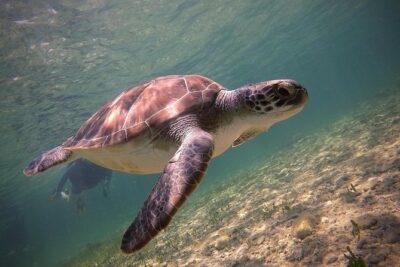
Half-Day Scuba Diving Tour – Discover Scuba Diving!
Read our review →Browse the lists this tour appears in