
REVIEW · CYPRUS
Scuba Diver Course
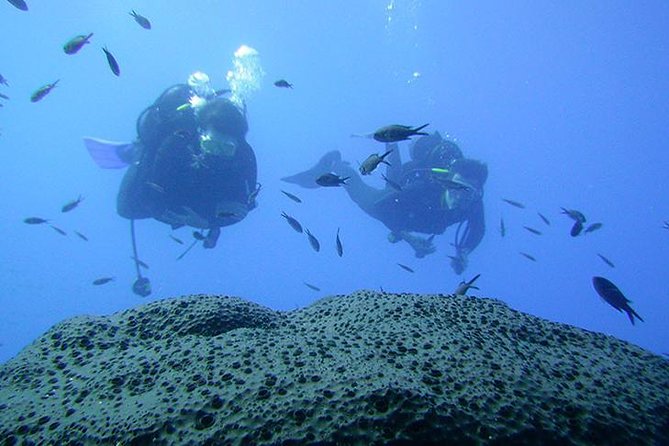
Cyprus gets you underwater fast. This two-day PADI Scuba Diver Course in Latchi is a practical first step, with confined-water training on day one and two open-water descents near the Akamas Peninsula on day two. I like the short format and the small maximum group of six, which should give beginners room to learn without feeling lost.
I also like that equipment and the PADI certification fee are included in the $492.12 price. The main consideration is the qualification’s limit: you can descend to 12 metres, or 40 feet, only under the supervision of a PADI professional. It is an entry-level credential, not the same as full open-water certification.
Key points to know before booking
- Two days, starting at 9:00 am: You complete the course at Latchi Dive Centre, with the activity ending back at the same place.
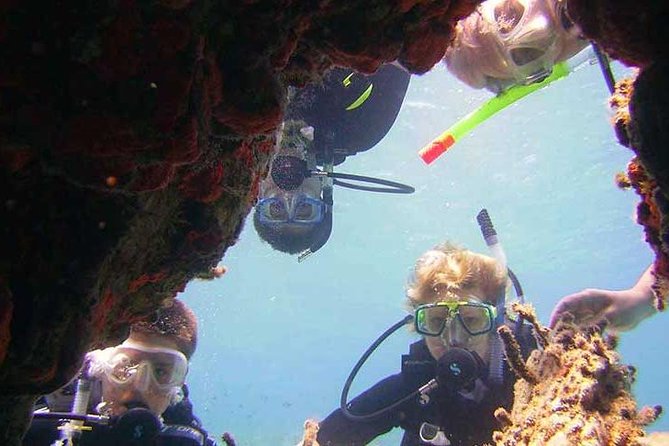
- Day one builds basic skills: Paperwork and online learning lead into practice in a pool or shallow, clear bay.
- Day two includes two open-water descents: You use your new skills in the clear waters near the Akamas Peninsula.
- The depth limit is 12 metres: You may SCUBA worldwide at that depth when accompanied by a PADI professional.
- Small groups matter: The maximum is six people, useful when you are learning breathing, buoyancy, and safety routines.
- The price includes useful essentials: Equipment and the PADI certification fee are covered, which makes the cost easier to judge.
What this two-day SCUBA course really gives you
This course is designed for someone who wants a proper introduction to SCUBA without spending the longer period required for a full open-water certification. It cuts down classroom time and gets you into the water quickly, but the shorter route also comes with tighter limits.
Once certified, you can take part in SCUBA activities worldwide to a maximum depth of 12 metres, provided a PADI professional supervises you. That makes this a useful option for a holiday experience, a cautious first step, or a way to find out if underwater exploration suits you before committing to a longer course.
You should not confuse it with the standard PADI Open Water qualification. The course gives you a recognized starting credential, but it does not offer the same independence or depth allowance as full open-water certification. If your goal is to plan independent recreational SCUBA trips, you may eventually want to continue your training.
I see the limitation as a fair trade for the shorter schedule. Two days is easier to fit into a Cyprus holiday, especially if you have other plans around Paphos, Polis, or Latchi. You get real training and two open-water sessions, not just a brief introductory swim.
More Dive Courses in Cyprus:
- Musan Underwater Park with private Guide- no certification needed
★ 5.0 · 13 reviews - Protaras: Bubblemaker Diving Course & 2-Meter Dive
★ 5.0 · 10 reviews - Protaras: 3-4 Day PADI Open Water Diver in Protaras
★ 5.0 · 2 reviews
Day one: paperwork, online study, and confined-water skills
Before arriving, you receive online learning to complete at home. This matters because it moves some of the theory out of your holiday schedule. You can work through the material in your own surroundings, then arrive ready to focus on practical instruction.
The first day begins with paperwork at Latchi Dive Centre. After that, your instructor introduces a range of basic SCUBA skills in confined water. This may be a swimming pool or a shallow, clear bay, depending on the arrangements and conditions.
That setting is useful for first-time participants. You are not immediately asked to manage new equipment in deeper water. Instead, you can practice the basic routines in a controlled place, where the instructor can watch your technique and help you become comfortable.
The supplied details do not list every skill by name, so you should ask the centre what your session will cover. In general terms, this is the stage where you learn how the equipment works, how to breathe through the regulator, and how to respond to common situations. The exact pace depends on your comfort and ability.
You should arrive with patience. SCUBA can feel strange at first, especially when you are adjusting to breathing underwater and moving with equipment. The course is short, but short does not mean rushed. You still need to understand the skills before moving into open water.
The centre asks for a moderate level of physical fitness. You do not need to be an elite swimmer based on the information provided, but you should be comfortable taking part in water-based activity. If you have doubts about fitness, medical suitability, or confidence in the water, contact the provider before booking.
Day two: two open-water sessions near Akamas
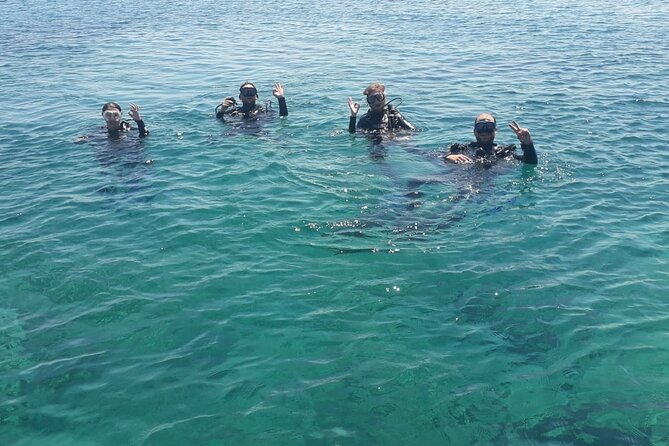
The second day is the payoff. You complete two open-water descents in the clear waters around the centre, exploring a site and looking for marine life. The maximum depth is 12 metres, keeping the session within the limits of the Scuba Diver qualification.
The Akamas Peninsula gives the course a scenic setting. The experience is not only about passing skills. You also get a chance to see how your training feels in natural water, where visibility, movement, and surroundings differ from a pool or shallow bay.
Two sessions are valuable because the first open-water experience can be a lot to absorb. You are handling equipment, monitoring yourself, listening to instructions, and trying to enjoy the underwater world at the same time. A second session gives you another chance to settle into the routine.
I would treat the first descent as a learning session rather than expecting a perfect underwater adventure immediately. The more relaxed you become, the easier it is to notice marine life and enjoy the site. The instructor’s role is especially important here, and the centre’s feedback repeatedly praises patient, safety-focused teaching.
You should also understand that clear water does not guarantee identical conditions every day. The activity requires good weather, and poor conditions can lead to a new date or a full refund. That is sensible for a water activity, but keep some flexibility in your holiday schedule if possible.
Why the small group size helps beginners
The maximum group size is six people. That is not a private lesson, but it is small enough to make a difference during practical training.
When you are learning, small details matter. You may need an instructor to repeat a point, watch your equipment, or help you regain confidence after an awkward moment. A large class can make that harder. With up to six participants, the session should feel more manageable than a crowded introductory course.
The strong emphasis on safety and personal support fits the needs of this particular course. Several customers returned for further training, including advanced courses and specialty programs. That does not guarantee your experience will be identical, but it suggests the centre is set up to support people beyond a one-off holiday session.
Specific instructors praised in the supplied feedback include JD, Mark, Courtney, David Stangroom, John Alty, Ben, Joe, Anna Warburton, and Johnny A. The comments describe the teaching as patient, professional, and encouraging. Courtney was especially appreciated for helping a nervous participant feel more at ease, while JD was praised for a calm, safety-first approach.
Instructor assignments can change, so you should not book expecting one particular person unless the centre confirms it. Still, the range of positive comments points to a broad team effort rather than one individual carrying the whole operation.
A few more dives around Cyprus worth comparing
- Cyprus: Introductory Scuba Lesson and Dive with Transfer
★ 4.9 · 682 reviews - Half-Day Scuba Diving Tour – Discover Scuba Diving!
★ 5.0 · 669 reviews - Private Discovery Dive + Photos & Videos
★ 5.0 · 577 reviews - Discover Scuba diving
★ 5.0 · 504 reviews
Equipment, instruction, and confidence in the water
The course provides the equipment needed for the two included open-water sessions. That is a practical advantage for visitors who do not own SCUBA gear or want to pack light.
Good equipment only helps if it is properly managed. One customer specifically praised the condition and checks of the kit, while others highlighted the professional training. You should still ask about sizing, what personal items to bring, and whether any extra charges apply for items not listed in the course price.
The human side is just as important. A beginner may understand the instructions on land and still feel nervous once the mask, regulator, and air tank are in place. The feedback describes instructors who take time to build confidence rather than treating nerves as an inconvenience.
That is particularly useful if you are unsure about deep water. One participant progressed to 5 metres after feeling nervous, with support from instructor Courtney and boat driver Paul. The account shows why a patient team matters, although it does not mean every session uses the same boat or follows the same exact plan.
The course is also suitable for families in some cases. A parent completed certification with a daughter, and another family used the centre for a teenage son while younger family members took part in other water activities. Age rules and suitability are not provided here, so confirm them directly before booking for children or teenagers.
Is $492.12 a fair price?
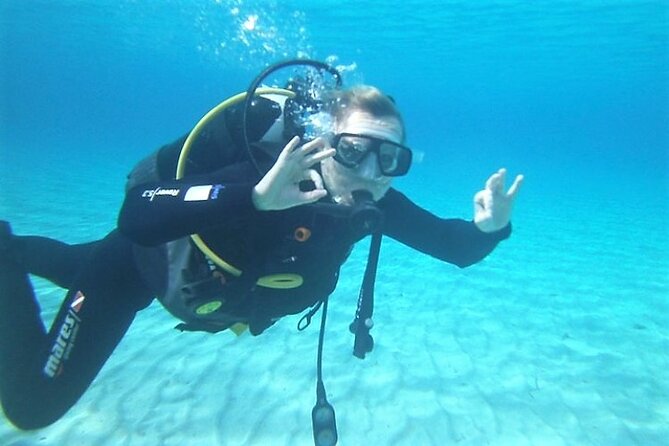
At $492.12 per person, this is not a cheap casual activity. It is a training course with a certification component, equipment, instructor time, online study, confined-water practice, and two open-water sessions.
The included PADI certification fee improves the value. You are not paying only for a guided underwater outing. You are paying for a recognized qualification with a stated depth and supervision limit.
The price makes the most sense if you want to learn a real skill and may continue with SCUBA later. If you only want a one-time underwater experience, a shorter introductory activity may cost less and require less time. On the other hand, those shorter options will not provide the same certification.
I would also factor in the value of the small group. Personal attention is important when you are learning safety procedures, and a maximum of six people is more reassuring than an open-ended group. The value is strongest for a cautious beginner who wants structured instruction in a scenic setting.
Before paying, confirm what is included beyond the stated equipment and certification fee. The supplied information does not specify meals, hotel transport, photography, or personal items. The meeting point is at Latchi Dive Centre, so you should plan your own way there unless the operator confirms another arrangement.
Meeting at Latchi Dive Centre
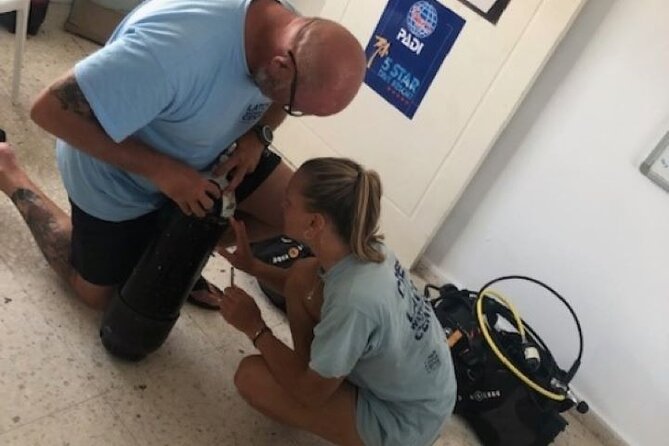
The starting point is Latchi Dive Centre on Akamantos Avenue in Polis Chrysochous, Latchi, Cyprus, postcode 8840. The course begins at 9:00 am and finishes back at the meeting point.
The centre is near public transportation, which helps if you are staying locally and do not have a car. The information does not give a transfer service from Paphos, so do not assume hotel pickup is included simply because the experience is described as being in the Paphos area.
Arrive with enough time to find the centre and complete any required preparation. A 9:00 am start leaves little room for a late arrival, especially on the first day when paperwork and instruction begin.
Because the course lasts approximately two days, check the exact schedule at booking. The day-by-day plan is clear, but the supplied details do not state the finishing time for either day. That timing could affect other reservations, meals, or transport.
Who should book this course?
This course suits you if you are a first-time SCUBA participant who wants more structure than a short try-out session. You get online study, confined-water practice, two natural-water sessions, equipment, and certification in a compact format.
It is also a good fit if you are curious but not ready to commit to a full open-water course. The 12-metre limit and professional supervision requirement are important, but they let you begin with a manageable scope.
You may want to choose another option if you need independent certification, deeper access, or a qualification that allows more flexibility. This is not the final step in SCUBA training. Think of it as a careful first rung on the ladder.
It can also work well for a parent and older child or two friends who want to learn together. Just confirm age requirements, medical conditions, and swimming expectations in advance, since those details are not provided.
Booking, weather, and cancellation advice
You receive confirmation when you book. The centre requires good weather, so poor conditions may result in a different date or a full refund. The activity also requires a minimum number of participants, and if that number is not reached, you can be offered another date or experience, or receive a full refund.
For your own plans, the key cutoff is 24 hours before the 9:00 am start. Cancel at least 24 hours ahead for a full refund. Cancellations or changes inside that window are not refunded or accepted.
That policy is worth noting if your Cyprus itinerary is tight. Keep the two course days reasonably flexible, and avoid scheduling a long transfer immediately afterward.
Final decision: a useful first qualification in Cyprus
I would book this course if you want a proper introduction to SCUBA, value patient instruction, and can accept the 12-metre supervised limit. The Akamas setting, two open-water sessions, equipment, and included PADI fee give the course real substance.
I would skip it if you are looking for independent full open-water privileges or only want a quick holiday activity. For a cautious beginner, though, the two-day format is practical, the small group size is reassuring, and the centre’s strongest qualities appear to be safety, friendly service, and confidence-building instruction.
FAQ
How long does the PADI Scuba Diver Course take?
The course takes approximately two days. Day one covers confined-water skills, and day two includes two open-water sessions.
What depth can I reach after completing the course?
You can SCUBA to a maximum depth of 12 metres, or 40 feet, when supervised by a PADI professional.
Are the two open-water sessions included?
Yes. The second day includes two open-water sessions in the waters near the Akamas Peninsula.
Is equipment provided?
Yes. The course price includes the equipment used for the included sessions.
Is the PADI certification fee included?
Yes. The listed rate includes the PADI certification fee.
Where does the course begin?
The course begins at Latchi Dive Centre on Akamantos Avenue in Polis Chrysochous, Latchi, Cyprus. It starts at 9:00 am and ends back at the same meeting point.
What happens if the weather is poor?
If poor weather causes cancellation, you will be offered a different date or a full refund. The activity may also be rescheduled or refunded if its minimum number of participants is not reached.
New dives around Cyprus
- Dive The Rock (Scuba Diving Experience in Protaras)★ 5.0 · 28 reviews
- Scuba Diving at Turtle Bay with Underwater Pictures Included★ 5.0 · 2 reviews
- Zenobia Shipwreck Scuba Diving Trip 2x Dives★ 5.0 · 4 reviews
- Scuba Diving Experience & MUSAN Dive + Free Edited Video 2xdives★ 5.0 · 34 reviews
- Private Scuba Diving Experience in Cyprus★ 5.0 · 13 reviews
- Scuba Diving Adventure at Green Bay Beach★ 5.0 · 7 reviews
- Scuba Diving Cyprus Experience Protaras and Ayia Napa & Turtles★ 4.5 · 36 reviews
- Protaras: Discover Scuba Diving For Beginners 2 Dives★ 5.0 · 4 reviews
PADI Courses & Certification, compared.
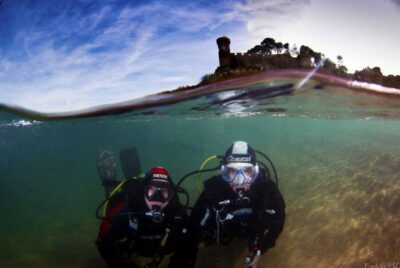
Tossa de Mar: PADI Discovery Scuba Diving in Costa Brava
Read our review →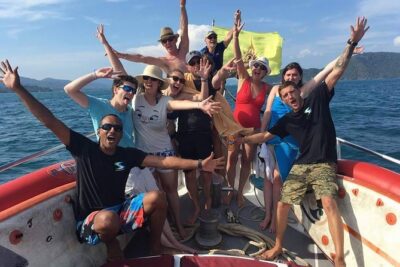
Full-Day Beginner Scuba Course with Private Tuition, Racha Yai
Read our review →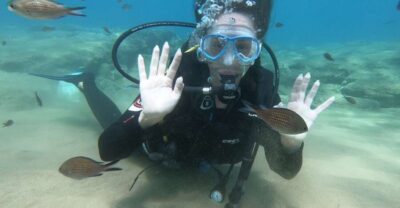
Beginner Scuba Diving Lesson with PADI Instructor
Read our review →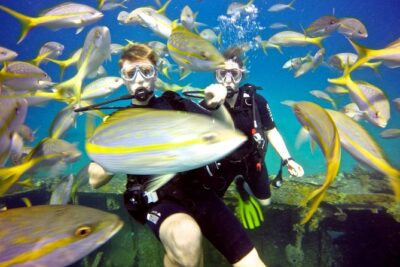
Discover Scuba Diving with No Certification in St Thomas
Read our review →
Try Dive – PADI Discover Scuba Diving in Tenerife
Read our review →
Browse the lists this tour appears in