
REVIEW · COLOMBIA
San Andres: Scuba Diving Experience with Hotel Pickup
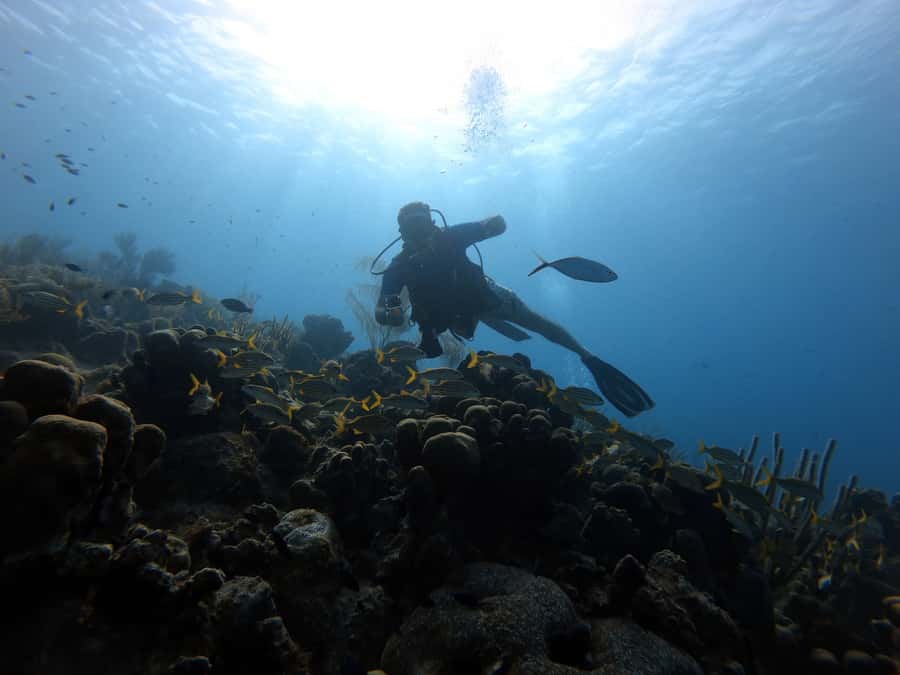
San Andrés puts the Caribbean below your feet. This three-hour scuba experience gives you a careful introduction, hotel pickup, equipment, and a 45 to 50-minute underwater outing at Big Mamá for $50 per person. I like the calm training period and the patient instructors, especially Manuel, Chris, Sebastian, and Sami, who have helped nervous first-timers feel safe. I also like the chance to see fish, coral, and an underwater collection of statues in clear water. The main consideration is communication: instruction is offered in four languages, but not every instructor speaks English fluently.
For a first underwater adventure, this is a well-priced way to try scuba without signing up for a full certification course. You reach a maximum of 12 meters, and an ADI-certified instructor stays with you. Still, you should plan around the no-flying rule after scuba and bring your own swimwear and slip socks, since those are not included.
Key points at a glance
- Big Mamá reaches 12 meters: Your first underwater outing takes place off the southwest side of San Andrés.
- Training comes before the sea: You learn equipment handling, underwater signals, and safety rules before entering the water.
- A 45 to 50-minute underwater visit: The time below the surface is long enough to settle into the breathing rhythm and look around.
- Statues join the fish and coral: The underwater museum adds a memorable human-made feature to the Caribbean setting.
- Hotel pickup covers the island: Pickup and return are included from any location on San Andrés.
- Patient instructors suit beginners: The strongest part of the experience is the close guidance, particularly for people who feel anxious or cannot swim confidently.
Why this San Andrés scuba outing works for beginners
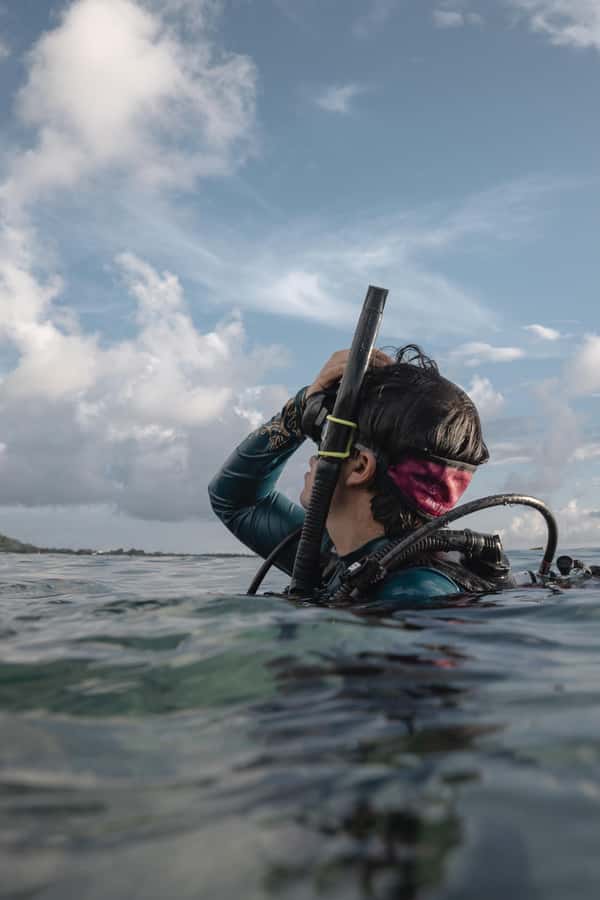
Scuba can look intimidating when you are standing on shore with a tank strapped to your back. This experience handles that first hurdle sensibly. You begin at the scuba shop with an introduction to the equipment, basic rules, and the hand signals used underwater.
Then you get practical time to handle the mask, fins, tank, and jacket before heading to the sea. That matters. I would rather spend a little extra time learning on land than try to solve a mask or breathing problem at depth.
The instructors are ADI-certified and stay with you during the underwater portion. The strongest pattern in the supplied feedback is their patience. Manuel helped several first-timers feel secure, while Sebastian reassured a participant who could not swim. Sami received praise for assisting a mother and daughter, and Chris was especially good at keeping nervous beginners relaxed.
One important point needs a little care. A participant wrote that you do not need to know how to swim, but the supplied activity information does not present a swimming requirement or a medical screening policy. If you have a medical condition, this activity is not suitable according to the operator. Ask the scuba shop directly about your own ability and health before booking rather than relying on a general promise.
A few more dives around the world worth comparing
- Great Barrier Reef Snorkeling and Diving Cruise from Cairns
★ 4.5 · 3,714 reviews - First-Time Scuba Diving in Honolulu + Free Videos
★ 5.0 · 3,123 reviews - Oahu Shark Dive
★ 5.0 · 2,903 reviews
Pickup across San Andrés keeps the morning simple
Your day begins with pickup from any place on the island, followed by a ride to the scuba shop. Hotel pickup and return are included in the $50 price, which helps the value, especially if you are staying away from the main area or do not have transport.
The full activity lasts about three hours, so allow enough room in your schedule for pickup, instruction, equipment practice, travel to the southwest coast, and the underwater session. Starting times vary, so you need to check availability for the day you want.
The transport received good marks for punctuality and friendliness. One person specifically praised the driver, while another found the pickup and return prompt. That may sound like a small detail, but it removes the usual island-day hassle of finding a meeting point and arranging your own ride.
At the scuba shop, you receive the main equipment: tank, mask, foot fins, and jacket. Bring a swimsuit and slip socks if you have them. Those items are not included, and one practical suggestion from a participant was to bring a training shirt to wear beneath the equipment. It may make the jacket more comfortable against your skin.
The land lesson covers the things you need most
The introduction is not filler before the real activity. It covers how to use the equipment, how to communicate underwater, and the basic rules of scuba. You also get time to practice before leaving for Big Mamá.
For a first outing, I consider this preparation the heart of the experience. Breathing through a regulator feels strange at first, and you need a few minutes to adjust to the mask and jacket. The practice period gives you room to settle down before the sea adds movement and unfamiliar surroundings.
Anxiety is normal. One participant described feeling anxious during training, then said the instructor used calm, reassuring communication and kept checking on the group underwater. That is the kind of support you want here. You are not expected to act like an experienced scuba student after five minutes.
Instruction is available in Spanish, English, Portuguese, and German. Still, language coverage may vary by instructor. If you are a complete beginner and need English instruction, state that clearly when booking and confirm it with the operator. Clear safety instructions matter more than a cheerful introduction.
Big Mamá offers a gentle first look at the Caribbean
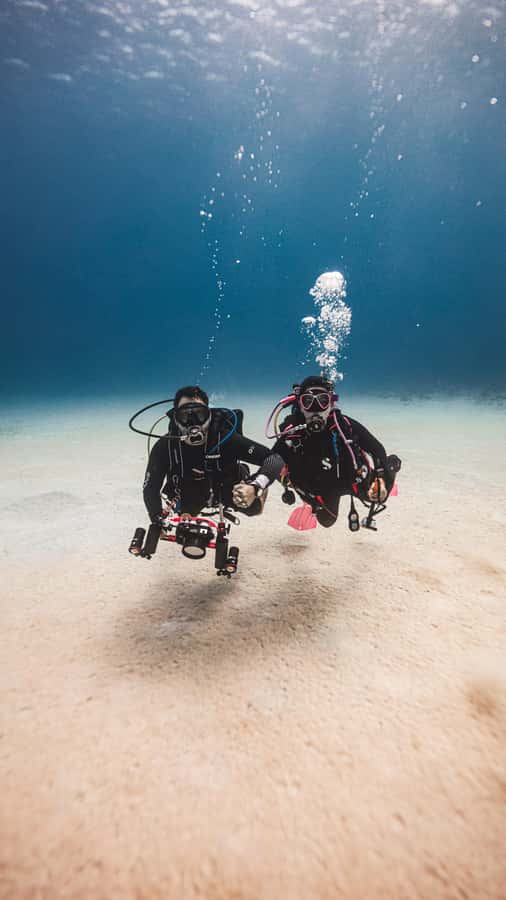
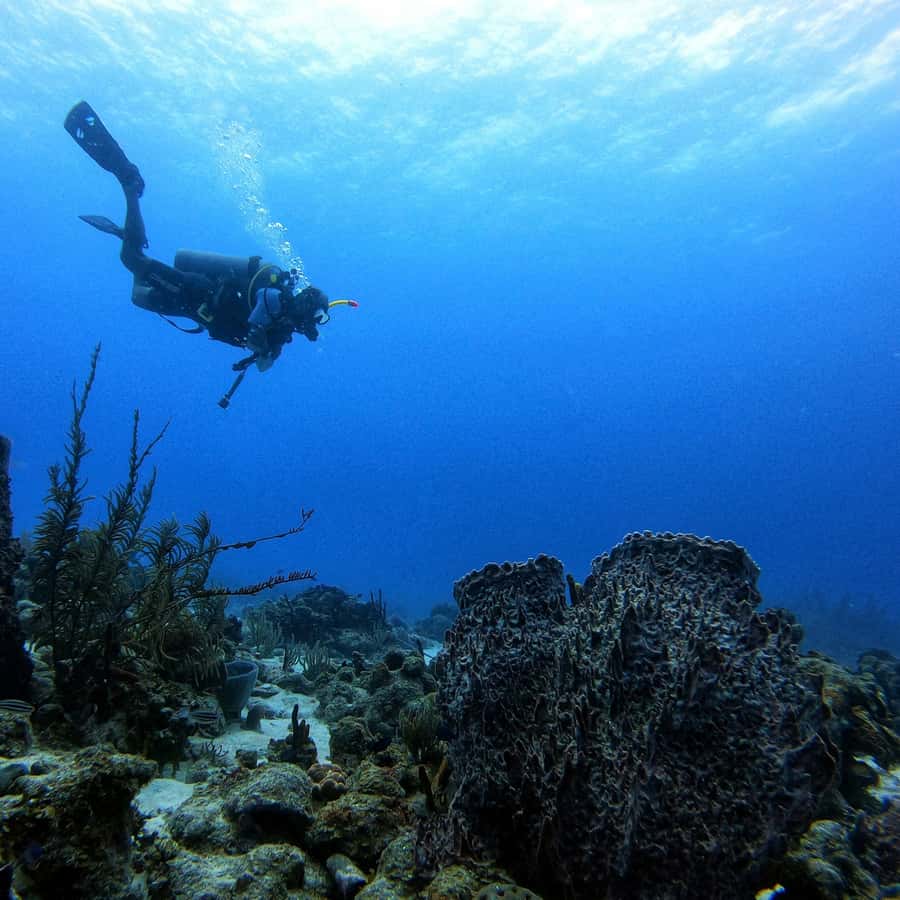
After the shop lesson, you travel to Big Mamá on the southwest side of the island. The maximum depth is 12 meters, or about 39 feet. That keeps the experience within a reasonable range for a first scuba outing while still giving you a real underwater setting rather than a shallow practice session.
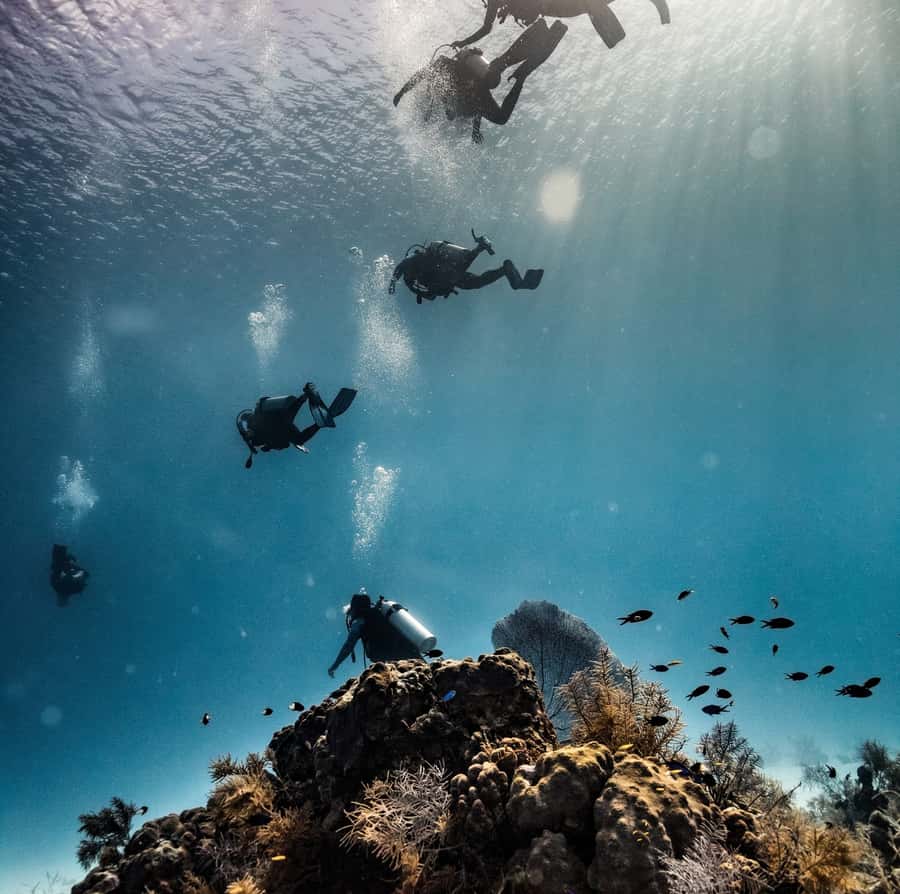
The underwater portion lasts around 45 to 50 minutes. That is a generous amount of time for a discovery experience. You may need the first part simply to get comfortable with breathing, body position, and the instructor’s signals. Once those actions feel more natural, you can pay attention to the surroundings.
The clear water is a major reason to choose this activity. You might see different fish, coral, and the statues placed below the surface. The exact wildlife and visibility can vary, but the attraction is easy to understand: you get a guided look at San Andrés from a viewpoint that snorkelling cannot quite match.
The statues add a useful bit of character. Instead of looking only at reef life, you have an underwater museum to explore with the guide. The instructor can point out the sculptures and help you notice fish and coral that you might miss while concentrating on your breathing.
Do not expect a full professional certification from this short outing. The included discovery scuba certification recognizes the introductory experience, but it is not described as an open-water certification course. If you want to continue scuba elsewhere, ask the shop what the discovery certificate covers.
Same coastline, a very different dive:
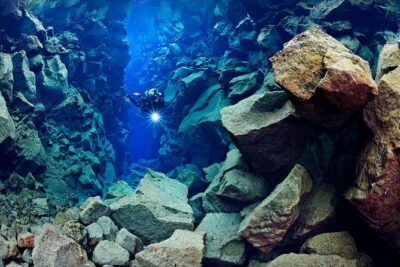
- Silfra: Diving Between Tectonic Plates – Meet on Location
★ 5.0 · 2,139 reviews - Ocean Freedom Great Barrier Reef Luxury Snorkel and Dive Cruise
★ 5.0 · 1,895 reviews - Beginner Scuba Diving with Turtles and Videos, San Juan
★ 5.0 · 1,743 reviews - Tenerife: Your First Scuba Diving Experience in Turtle Area
★ 4.7 · 1,679 reviews
What you may see beneath the surface
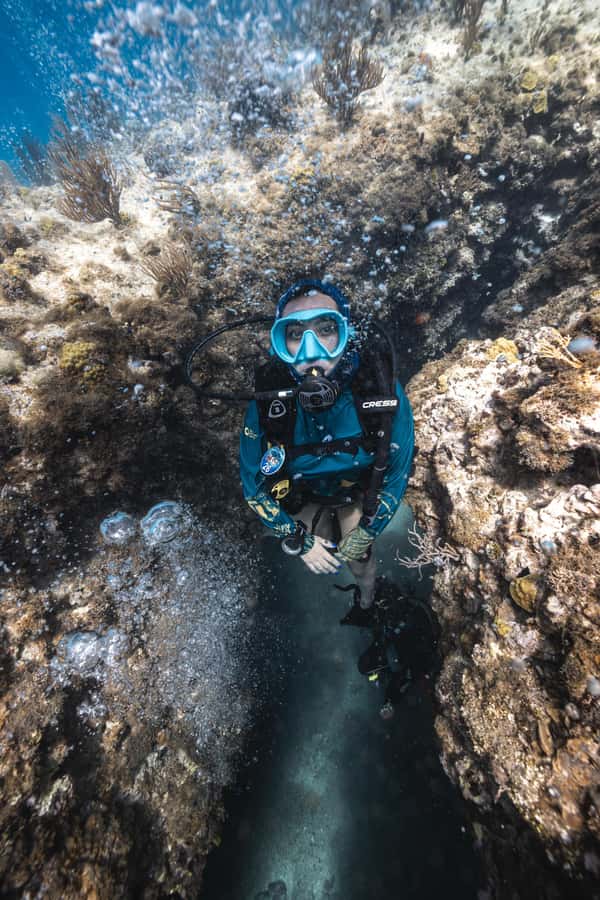
The activity highlights fish, coral, and statues rather than promising a fixed list of species. That is the right way to approach a short marine outing. Sea life is not arranged on a timetable, and visibility can affect what you notice.
You may see schools of fish moving through the clear water, coral formations, and the underwater sculptures. Several people described the wildlife as striking, and one person said the underwater setting was the part that made the experience unforgettable. The guide’s role is useful here because an instructor can direct your attention instead of leaving you to stare at open water.
The statues also give the session a simple route. You can look at the human-made art, then shift your attention to the living surroundings. For many first-time scuba participants, that combination makes the outing feel more varied than simply swimming over the seabed.
The optional photo and video service deserves a realistic note. Several participants said it was worth adding, and one person was delighted to have images to remember the first outing. Another person felt the photos showed the participant but not much fish life. I would treat the images as a pleasant extra, not a guarantee of perfect underwater wildlife photography.
How the instructors shape the experience
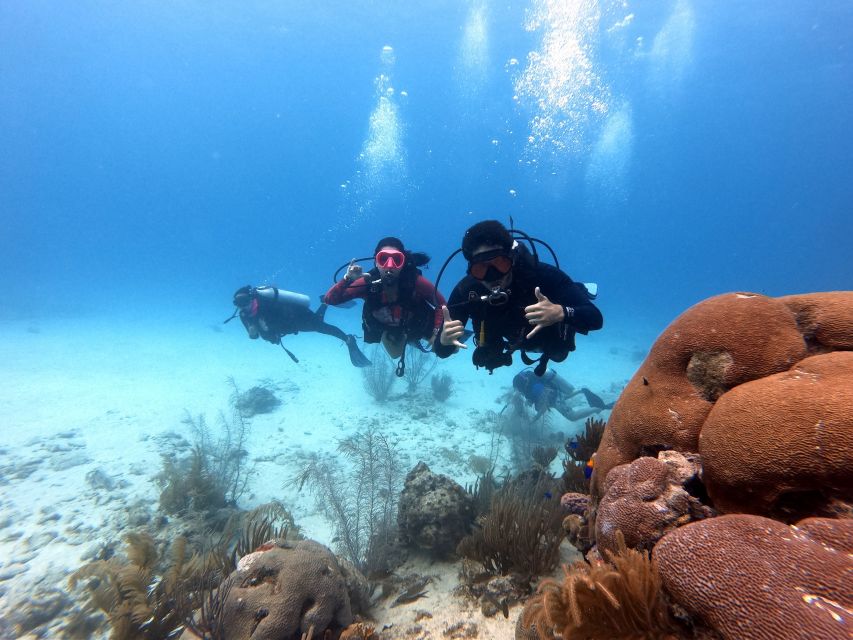
The equipment is standard, but the instructor makes the real difference. You need someone who can explain a task in plain language, watch your breathing and comfort, and react quickly if you feel tense.
The supplied feedback gives several names to look for. Manuel Angarita was praised for clear instruction and careful guidance. Chris helped nervous beginners with thorough explanations and a light sense of humor. Sebastian was described as reassuring and professional, while Sami was especially patient with a mother and daughter.
Isaac and Juanita also received strong praise for safety and clear communication. Juanita was specifically noted for speaking English, which could be helpful if language is a concern. These names cannot guarantee who will lead your session, but they show the level of care associated with the shop’s staff.
The overall score is 4.8 from 192 ratings, with repeated five-star feedback for patience, safety, organization, and beginner support. I would put those qualities ahead of the statue museum or even the wildlife. If an instructor helps you relax, you are far more likely to enjoy what you see.
The $50 price delivers solid value
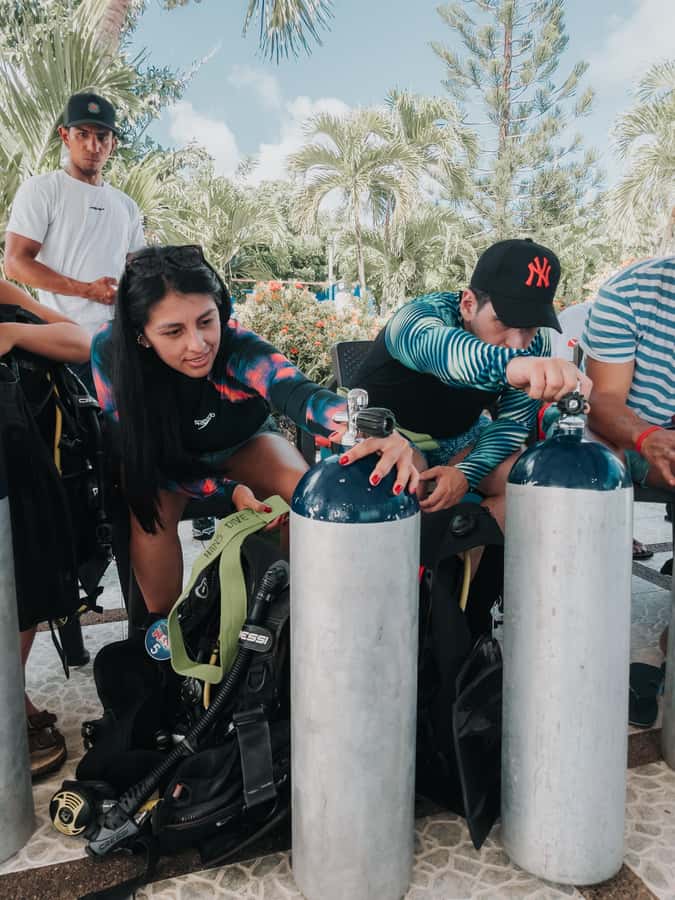
At $50 per person, the price includes hotel pickup and return, equipment, instruction, the underwater session, and a discovery scuba certificate. You are not paying only for time in the water. You are also paying for the land lesson, gear preparation, transport, and an instructor’s attention.
That is good value for a three-hour activity, especially if you do not own any equipment. The 45 to 50 minutes underwater is the strongest part of the price calculation. Many first-time visitors want to try scuba without committing to a multi-day course, and this gives you a manageable introduction.
There are a few possible extra costs or omissions to keep in mind. Swimwear and slip socks are not supplied, and photos and videos appear to be an optional add-on rather than part of the base price. Confirm the cost of any image package before you agree to it.
The free cancellation policy allows cancellation up to 24 hours before the activity for a full refund. You can also reserve and pay later, which helps if your island schedule is still changing. These policies are useful, but the bigger value question is whether you want a short introduction rather than a full scuba qualification.
Safety, health, and scheduling details to take seriously
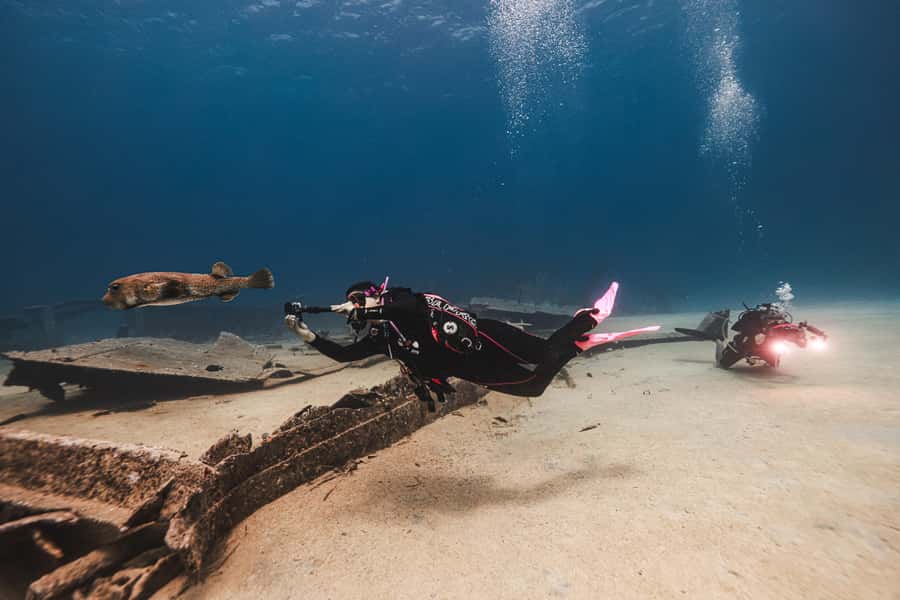
The no-flying rule is simple: do not take a plane for at least 12 hours after scuba. I would schedule this activity early enough in your trip that you have plenty of time before your flight home.
The activity is not suitable for children under 10, people with mobility impairments, wheelchair users, or people with pre-existing medical conditions. Those limits are important because the session involves equipment, water entry, and movement in a setting where an instructor’s help cannot remove every physical demand.
If you feel nervous, say so during the land lesson. You can use that time to ask questions and practice rather than trying to hide discomfort. The instructors have received repeated praise for staying close, explaining procedures clearly, and checking on participants below the surface.
This is also not the right choice if you want complete independence. The outing is built around direct supervision, which is exactly what makes it useful for beginners. Experienced scuba participants may find the 12-meter limit modest, but they can still enjoy the clear water and statues if they want an easy guided session.
Who should book this experience
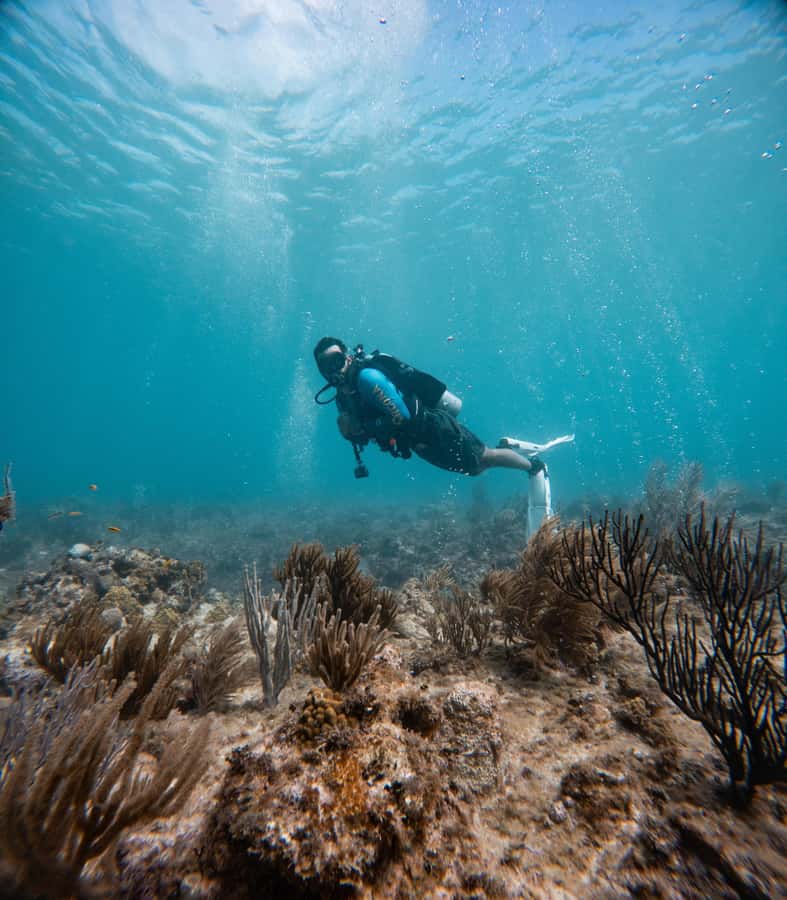
I would recommend it most strongly to a first-time scuba participant who wants a controlled introduction without signing up for a longer course. It also suits couples, families with children aged 10 and over, and anyone who wants an activity with transport included.
It is particularly useful for a nervous beginner. The training period, close instructor support, and modest maximum depth create a less intimidating start than joining a more advanced group. If English is essential, confirm the language of your assigned instructor before you go.
You should consider another activity if you have a pre-existing medical condition, mobility limitations, or a wheelchair. It may also be a poor fit if you need a formal scuba qualification rather than a discovery certificate.
Should you book the San Andrés scuba experience?
Yes, if you want an affordable first taste of scuba with a patient instructor, clear water, and something unusual to see below the surface. The combination of fish, coral, and underwater statues gives the 45 to 50-minute session more character than a basic practice outing.
Book it early in your trip, bring swimwear and slip socks, and leave at least 12 hours before flying. Ask for instruction in your preferred language, and consider the photo option if recording the experience matters to you, but do not expect every image to show abundant wildlife.
At $50, this is a sensible introduction rather than a full scuba course. The best reason to choose it is not the certificate. It is the chance to find out, with careful support, whether breathing underwater is something you want to do again.
FAQ
How long does the San Andrés scuba experience last?
The full activity lasts about three hours, including pickup, the briefing, equipment practice, transport to Big Mamá, and the underwater session.
How deep will I go?
The maximum depth is 12 meters.
How long will I spend underwater?
The scuba session lasts approximately 45 to 50 minutes.
Is hotel pickup included?
Yes. Pickup and drop-off are included from any location on San Andrés Island.
What equipment is provided?
The price includes the tank, mask, foot fins, and jacket. Swimwear and slip socks are not included.
What languages are available?
Instruction is offered in Spanish, English, Portuguese, and German. Language availability may depend on the instructor assigned to your session.
Can I fly after the activity?
You should not fly for at least 12 hours after scuba.
New dives around the world
- Zanzibar: 1 Day Blue Trip with 2 Stunning Scuba Dives★ 4.9 · 4 reviews
- Zanzibar : 3-Day PADI Open Water Scuba Diving Adventure★ 4.9 · 6 reviews
- Zanzibar 1 Day Scuba Diving Course for Beginners with Lunch★ 5.0 · 9 reviews
- Zakynthos: Scuba Diving Experience with Underwater Photos★ 4.5 · 31 reviews
- Your first introductory dive in Lanzarote with FREE photos.★ 4.7 · 16 reviews
- Oahu: Waikiki Discovery Scuba Diving for Beginners★ 4.8 · 99 reviews
- West Palm Beach: Beginner Scuba Diving Adventure with Videos★ 4.8 · 99 reviews
- Visit Cham Islands & Snorkelling & Scuba Diving★ 3.8 · 17 reviews
Scuba Diving, compared.
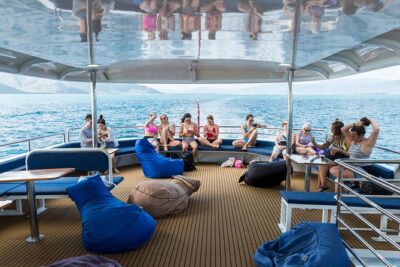
Great Barrier Reef Snorkeling and Diving Cruise from Cairns
Read our review →
First-Time Scuba Diving in Honolulu + Free Videos
Read our review →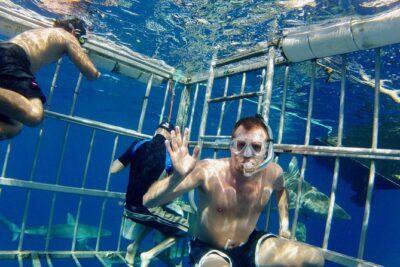
Silfra: Diving Between Tectonic Plates – Meet on Location
Read our review →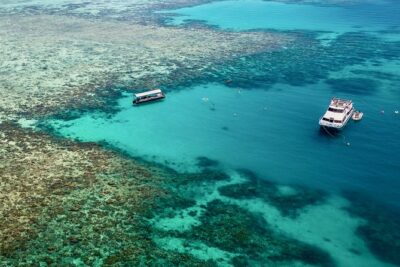
Ocean Freedom Great Barrier Reef Luxury Snorkel and Dive Cruise
Read our review →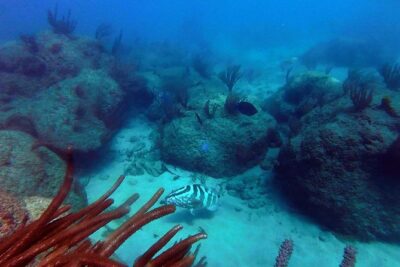
Beginner Scuba Diving with Turtles and Videos, San Juan
Read our review →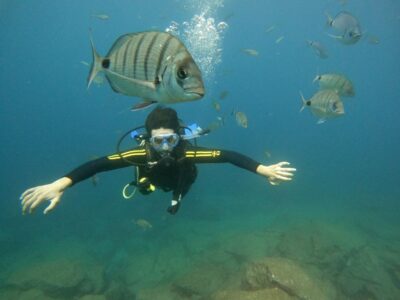
Tenerife: Your First Scuba Diving Experience in Turtle Area
Read our review →
Browse the lists this tour appears in