
REVIEW · KOH SAMUI
PADI advanced open water course
Koh Samui takes scuba training seriously. This two-day PADI Advanced Open Water course combines five boat-based adventure sessions, an instructor-led theory program, lunch, equipment, and hotel transfers. The maximum group size of four is a major plus, since you get close supervision instead of disappearing into a crowd.
I like the choice between completing the reading before arrival with a PADI e-book or handling the theory as you go. I also like the friendly, safety-focused instruction associated with the team, including Dion, Cyril, Mei Yang, Laura, Richie, and Samira. The main drawback is the fixed early start and the strict cancellation policy, so this suits you best when your Koh Samui schedule and health are both settled.
Key Points Before You Book
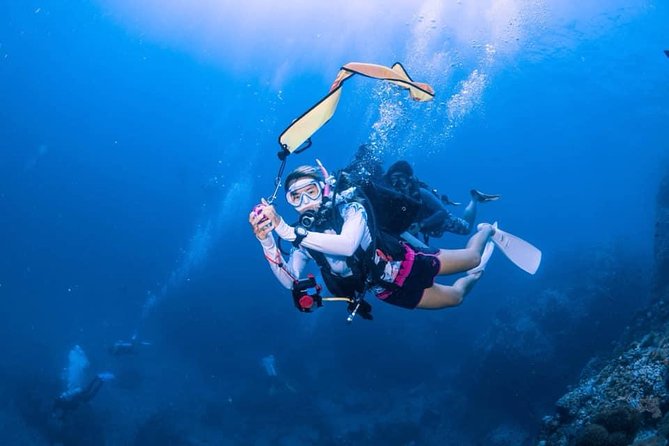
- Five different adventure sessions: You complete a required deep session, a navigation session, and three electives chosen with your instructor.
- Small groups of four maximum: This allows close correction, careful supervision, and more time to ask questions.
- Certification to 30 meters: The course extends your recreational scuba limit from the Open Water level to 30 meters, subject to PADI standards and conditions.
- Two full mornings on a boat: Hotel pickup, boat transport, lunch, drinks, equipment, and professional instruction are included.
- Sail Rock may be part of the experience: It has been praised for abundant fish and good visibility, though exact sites depend on conditions and the instructor’s plan.
- Nitrox is available as an add-on course: This is worth considering if you plan future deeper recreational sessions or a liveaboard trip.
What the Koh Samui Course Actually Teaches
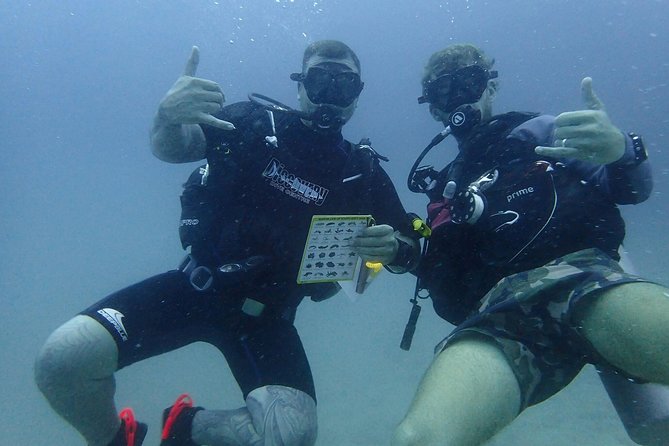
The PADI Advanced Open Water course is not mainly about sitting in a classroom. It is a practical step up from basic certification, giving you five themed underwater sessions that build control, awareness, and confidence.
Two sessions are required. The first is a deep-water session, designed to help you understand how greater depth affects your body, equipment, air use, and decision-making. The course allows certification for depths up to 30 meters, or about 100 feet, after completion.
The second required session is navigation. You work with an instructor on underwater direction-finding and planning. That may sound less exciting than visiting a famous site, but it is one of the most useful skills you can gain. Good navigation helps you stay with your group, understand where you are, and make better use of your air supply.
You then choose three additional specialties with your instructor. The available choices can depend on the operator and current program, so discuss them before the course begins. Your choice should match your interests and future plans, not just whichever title sounds most dramatic.
For every one of the five sessions, you read the related chapter in the PADI Adventures in Diving manual and complete a knowledge review. You can do this at home with the electronic PADI material, or complete it during the course with instructor support.
That flexibility is useful. If you want maximum time in the water, study before arriving. If you learn better by asking questions face to face, complete the work during the course. Either way, this is not a casual resort activity. You need an existing Open Water certification and proof of certification before participating.
More PADI Courses in Thailand
- Full-Day Beginner Scuba Course with Private Tuition, Racha Yai
★ 5.0 · 368 reviews - La Bombona Diving Koh Tao Open Water Course
★ 5.0 · 172 reviews - Padi open water diver course, become a diver in 3 days
★ 5.0 · 113 reviews
Day One: Early Pickup and the First Three Sessions
Your first morning starts early. Hotel pickup is listed at about 7:10 a.m. from selected hotels, while the published meeting time is 7:50 a.m. Since those times do not line up perfectly, confirm your exact pickup time and meeting point before the course.
An air-conditioned vehicle takes you to the boat pier. At the pier, you meet your instructor, review the planned sessions, and discuss what you need to prepare. This briefing matters. You are not simply handed equipment and sent into the water. The instructor explains the goals, checks your understanding, and talks through the skills you will use.
The boat reaches the first site at roughly 8:50 to 9:20 a.m., depending on the chosen location. The schedule can include two or three underwater sessions that day, followed by lunch on the boat. Bottled water, other beverages, coffee, and tea are included, which is helpful during a long morning in the sun and on the water.
After lunch, you continue the program or return toward Koh Samui. The boat normally arrives back between about 1:15 and 2:30 p.m. The exact timing depends on the sites and sea conditions, so do not plan a tight afternoon connection.
Once back, you review the day with your instructor. You may also work through the knowledge reviews and discuss what went well or needs improvement. This is where the small group becomes especially valuable. With no more than four participants, your instructor has a realistic chance to notice poor trim, rushed procedures, or navigation errors and correct them promptly.
That personal attention is one of the strongest reasons to choose this course. Mei Yang, in particular, has been praised for patiently helping a less confident swimmer progress through Open Water and Advanced certification. The broader team, including Cyril and Samira, has also earned praise for calm instruction and careful support.
Day Two: Navigation, Electives, and Certification
The second day follows much the same rhythm. You leave early, reach the boat, review the plan, and complete the remaining sessions. The structure feels repetitive in a good way. You already know the basic routine, so more of your attention can go to buoyancy, navigation, depth control, and the specialty skills.
Your instructor continues to guide you through the PADI requirements. The course is meant to build experience rather than test you with a single stressful final exam. You complete each adventure session, finish the associated knowledge review, and discuss the results with the instructor.
After the final sessions, you return to the shop to finish the theory portion and process your PADI certification. The course normally takes two days, though some package options may run for two to three days. Ask which schedule applies to your booking, especially if you have onward travel.
The certification allows you to plan recreational scuba trips to a maximum depth of 30 meters, within the limits of your training, experience, conditions, and local rules. It does not mean you should immediately attempt the most demanding site available. The value is having a broader skill base and more choices on future trips.
Choosing the Three Elective Adventure Sessions
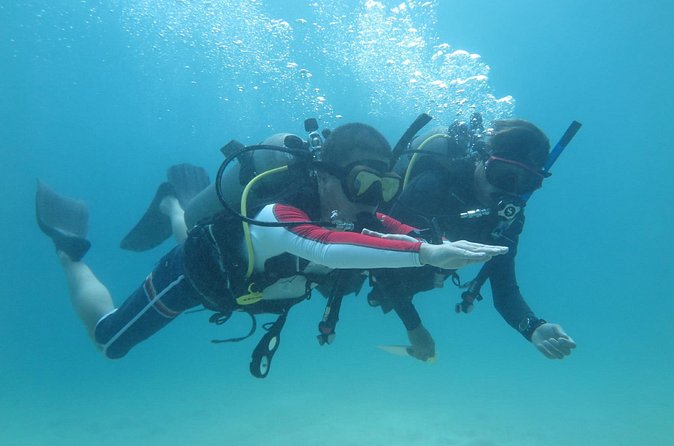
The three electives are selected after consultation with an instructor. This is a useful part of the program because your best choices depend on what you want to do next.
If you are new to boat-based scuba, you may want electives that improve comfort, buoyancy, or navigation. If you have a future liveaboard trip planned, ask which specialties will help you prepare. If photography interests you, ask if an appropriate specialty is available in the current program.
Do not choose only by name. Ask what skills you will actually practice, how much theory is required, and which sites are suitable. The instructor can also explain which options work well with local conditions.
The required deep session has obvious appeal, but it should be approached with discipline. Greater depth can increase air consumption and narcosis effects, and it reduces your available bottom time. The course is valuable because it teaches you to manage those changes, not because it turns every deep session into an adventure contest.
Navigation may seem less glamorous, but I would give it serious priority. A diver who can hold a heading, monitor position, and stay aware of the group is safer and more relaxed underwater.
More Dive Courses in Thailand:
- Become certified diver in 3 days – PADI Open Water Diver course on Koh Tao
★ 5.0 · 104 reviews - PADI Discover Scuba Diving for Beginners (Non Certified Divers)
★ 5.0 · 78 reviews - SSI | Padi Open Water Course in Phuket
★ 5.0 · 66 reviews - Ko Tao: Open Water Scuba Diving 4-Day Course
★ 4.7 · 60 reviews
Sail Rock and Koh Samui’s Underwater Sites
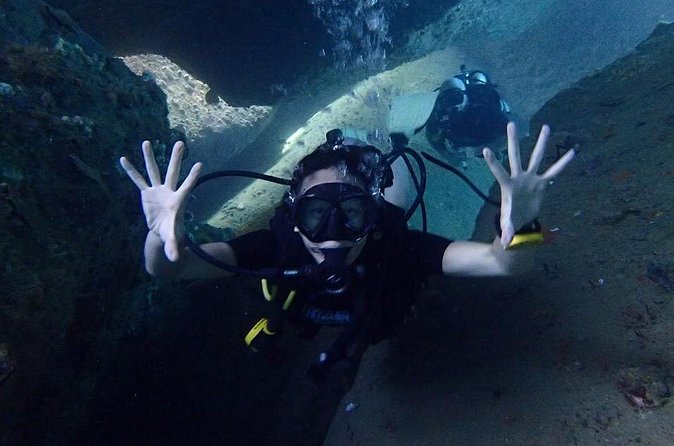
The exact site plan depends on weather, sea conditions, and the instructor’s decision. Sail Rock has received particular praise for abundant fish and good visibility, making it a memorable possibility within the local program.
Still, you should not book this course expecting one guaranteed site. Boat-based programs need flexibility. Conditions can affect visibility, currents, arrival times, and which location is appropriate for a particular training session.
That flexibility is not a weakness. The instructor’s job is to match the site to the course goals and the day’s conditions. A famous location is not automatically the right place for navigation practice or a first session at greater depth.
The boat operation has also received strong praise, with positive comments about the boats being clean, fast, and well maintained. Equipment quality matters here because an Advanced course asks you to focus on skills rather than deal with poorly adjusted or uncomfortable gear.
The Small Group Makes a Real Difference
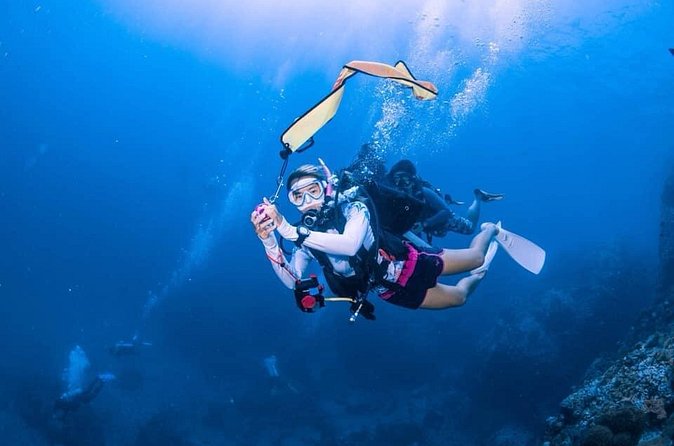
A maximum of four participants is unusually appealing for a certification course. You are more likely to receive direct feedback, and the instructor can keep track of each person’s comfort and performance.
This matters most if you are still building confidence. One person in the group has specifically been supported through the transition from weak swimming confidence to Open Water and Advanced certification. That does not mean the course is designed for people without basic ability, but it does show the value of patient instruction.
The instructors have been described as professional, attentive, and quick to correct mistakes. I would still ask questions early. Tell your instructor if you are uncomfortable with a skill, unsure about equipment, or struggling with buoyancy. A small group gives you the chance to get help before a minor problem becomes a bad session.
The atmosphere appears friendly and relaxed without losing its professional side. That balance is important. You want an instructor who can make the day enjoyable, but who will also stop and correct unsafe behavior.
What the $541.51 Price Includes
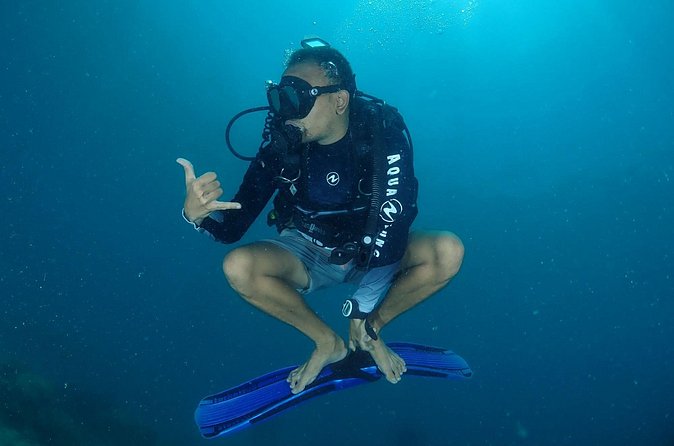
At $541.51 per person, this is not a cheap add-on to a beach holiday. It is a full certification package, and the value depends on whether you need the qualification and will use it.
The price includes:
- Five adventure sessions
- Professional instruction
- Scuba equipment
- Lunch
- Bottled water and other beverages
- Coffee and tea
- Hotel pickup and return from selected hotels
- Air-conditioned transport
- Taxes, fees, and handling charges
You are paying for more than time underwater. The package covers boat logistics, gear, instruction, theory support, food, and certification processing. If you had to arrange those separately, the total would be harder to control.
The small group also improves the value. A larger class might cost less, but it could provide less instructor time. Here, close supervision is a central part of what you are buying.
The price is easiest to justify if you already hold Open Water certification and plan to keep scuba diving. It makes less sense if you are uncertain about continuing, or if you mainly want a single casual underwater outing.
Nitrox: Worth Adding or Not?
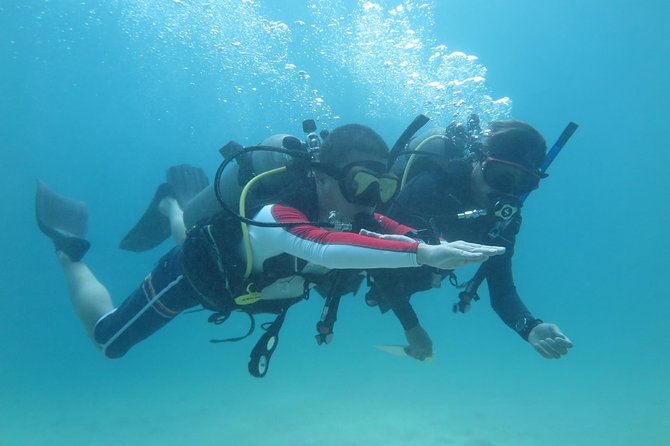
An Advanced Open Water and Enriched Air, or Nitrox, option is also offered. Nitrox can extend allowable bottom time within the limits of the particular mix and your training, making it useful for repeated recreational sessions.
It may be especially practical if you plan to use your certification on a liveaboard or expect several days of scuba activity. However, Nitrox is not a substitute for good planning. You still need to follow maximum depth limits, analyze the gas, and use the correct settings.
Ask about the extra price and exact schedule before booking. The available information confirms that the combined course is offered, but it does not specify the surcharge or whether it changes the standard two-day timetable.
Health, Timing, and Practical Limits
You need proof of an existing dive certification. Everyone also completes a health questionnaire before entering the water.
Some medical conditions, including asthma and heart problems, may prevent participation. If you have a relevant condition, consult a doctor before booking rather than waiting until the morning of the course.
Avoid scheduling a flight within 18 hours after your final underwater session. This is an important safety rule, not a minor scheduling suggestion. Give yourself enough time after the course before flying from Koh Samui.
Most people can participate, but you should be comfortable in the water and ready for two demanding mornings. Vegetarian food is available if requested at booking.
The cancellation terms are strict. The experience is non-refundable and cannot normally be changed. If poor weather forces cancellation, you are offered another date or a full refund. Because of that policy, book only when your health, flights, and island plans are reasonably firm.
Who Should Book This Koh Samui Course?
This course suits you if you already have Open Water certification and want structured practice at greater depth, better navigation, and three additional specialties.
It is a particularly good fit if you value patient instruction and small groups. The strong feedback for instructors such as Dion, Cyril, Mei Yang, Laura, Richie, and Samira suggests a team that puts attention and safety ahead of rushing people through the requirements.
It also suits you if you are planning more scuba after Koh Samui. The Advanced certification can make it easier to join future recreational trips, while the Nitrox option may help with liveaboard plans.
I would hesitate if you have only one free morning, need a guaranteed departure time, or are unsure about your medical fitness. This is a two-day commitment with early starts, boat travel, theory work, and strict booking terms.
Should You Book It?
Book this course if you want a proper next step after Open Water, not just another sightseeing activity. The best reasons are the four-person maximum, the patient instructor approach, the complete package of gear and meals, and the chance to train at sites such as Sail Rock.
Before paying, confirm your hotel pickup, the exact elective choices, whether your package lasts two or three days, and the cost of adding Nitrox. If those details fit your plans, $541.51 is a fair price for a closely supervised certification program with most major costs already covered.
FAQ
Do I need an existing scuba certification?
Yes. You must provide evidence of dive certification before taking part in this certified course.
How long does the course take?
The standard course normally takes two days. Some package options may take two to three days, depending on the program selected.
How many underwater sessions are included?
Five adventure sessions are included. One covers greater depth, one covers navigation, and you select the other three with your instructor.
How deep can I go after completing the course?
The PADI Advanced Open Water certification qualifies you to scuba to depths of up to 30 meters, or approximately 100 feet, within appropriate conditions and training limits.
Is hotel pickup included?
Yes, pickup and return are included from selected hotels. The listed start time is 7:50 a.m., while the usual hotel pickup is approximately 7:10 a.m., so confirm your exact time.
Are lunch and equipment included?
Yes. The package includes scuba gear, lunch, bottled water, beverages, coffee, and tea.
Can I study the theory before arriving?
Yes. You can study in advance with a PADI e-book, or read the manual chapters and complete the knowledge reviews during the course.
Can I take the course if I have a medical condition?
All participants complete a health questionnaire. Conditions such as asthma or heart problems may prevent participation, so consult a doctor before booking if you have a relevant medical concern.
New dives around Thailand
- Padi open water diver course (Start at Ko Kut)★ 5.0 · 45 reviews
- Freedive trip Koh Kood or Koh Rang National Park ( start at Ko Kut)★ 5.0 · 34 reviews
- Padi Advanced open Water Diver Courses (Start at Ko Kut)★ 5.0 · 23 reviews
- PADI Open Water Diver course in Koh Kood★ 5.0 · 2 reviews
- Discover Scuba Diving, try dive for beginners ( Start at Ko Kut)★ 5.0 · 60 reviews
- Bubblemaker Dive for 8 and 9 year olds in Koh Kood or Koh Rang★ 5.0 · 2 reviews
- Full Day Diving Activity in Thailand with Lunch★ 5.0 · 8 reviews
- Introductory dive for non-certified divers★ 5.0 · 24 reviews
PADI Courses & Certification, compared.
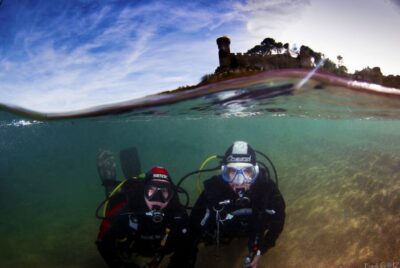
Tossa de Mar: PADI Discovery Scuba Diving in Costa Brava
Read our review →
Full-Day Beginner Scuba Course with Private Tuition, Racha Yai
Read our review →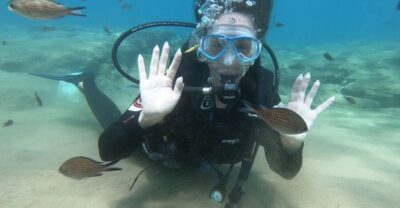
Beginner Scuba Diving Lesson with PADI Instructor
Read our review →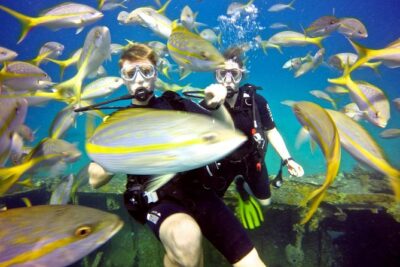
Discover Scuba Diving with No Certification in St Thomas
Read our review →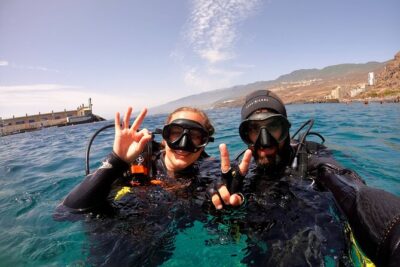
Try Dive – PADI Discover Scuba Diving in Tenerife
Read our review →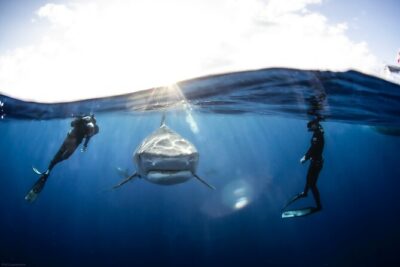
Browse the lists this tour appears in