
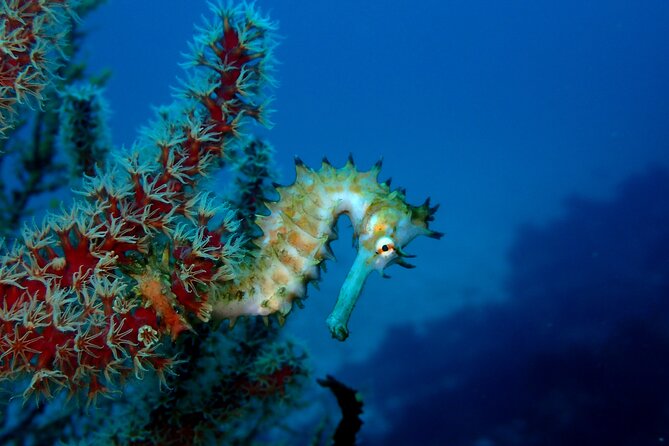
REVIEW · JAPAN
Let’s enjoy Scuba diving in Izu Peninsula for certificate Diver
Japan’s underwater world deserves more attention. This private scuba outing at Izu Oceanic Park gives certified divers two tanks, a packed lunch, and close encounters with moray eels, pufferfish, sardines, shrimp, and other local sea life. I especially like the small private format and the calm, careful guidance from Morita San, who has helped nervous and returning divers feel safe. The main catch is clear: this is not for beginners, and equipment rental costs extra.
The six-hour schedule starts at 9 a.m. in Ito, on the Izu Peninsula. You bring your certification card and log book, or arrange what you need ahead of time. Sea conditions may change the site on the day, so you should be comfortable with a little flexibility. The underwater setting is the star, but good preparation matters just as much.
Key points to know before booking
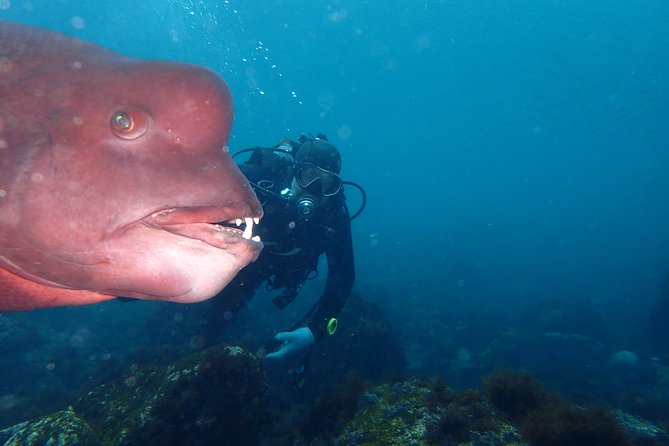
- Two tanks are included: The price covers a guide, two tanks, weights, and a weight belt.
- Izu Oceanic Park is a major local site: This is one of Japan’s best-known and longest-established scuba locations.
- Morita San earns repeated praise: His patient explanations, calm manner, and sharp eye for small creatures are major strengths.
- Equipment rental costs extra: Bring your own gear or arrange a full rental package in advance.
- Lunch is included: A packed lunch makes the long morning easier, especially after two underwater sessions.
- The plan can change with the sea: The actual point may be adjusted according to conditions.
Why Izu Peninsula makes a good scuba base
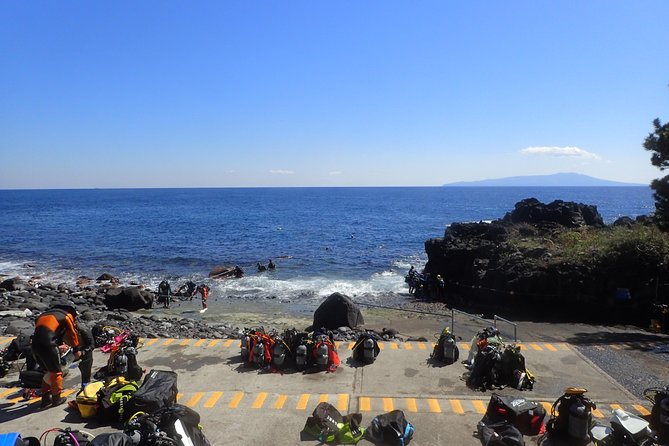
The Izu Peninsula is one of Japan’s most popular areas for ocean sports, and Izu Oceanic Park, usually shortened to IOP, is a key reason. Its reputation comes from the range of marine life found close to shore and from its long connection with Japanese scuba culture.
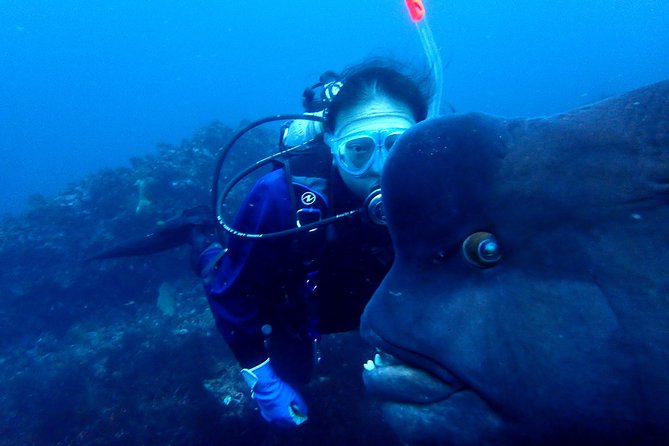
For you, that means the appeal is not simply being underwater in Japan. You get a chance to see a local coastal ecosystem that can include dragon moray eels, pufferfish, sardines, juvenile fish, shrimp, and many other species. The exact sightings are never guaranteed, but the guides are active spotters. Morita San has been praised for pointing out tiny creatures tucked into crevices, not just the larger fish that catch your eye first.
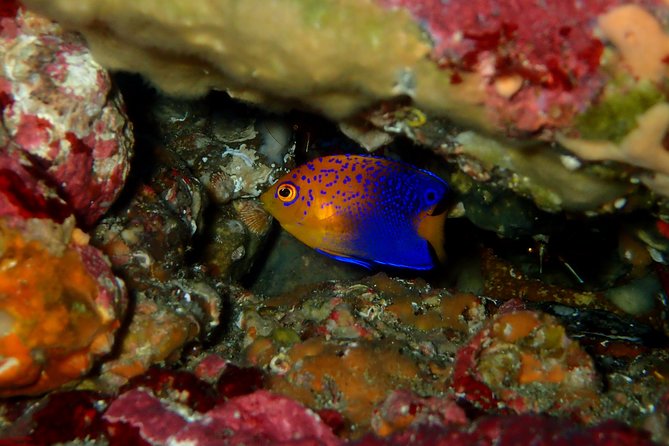
The site can be especially rewarding if you enjoy looking closely. A wall of small fish may be memorable, but so can a shrimp hiding in a crack or a young fish with unusual markings. You will get more from the session if you move slowly, stay close to your guide, and give your eyes time to adjust to the underwater details.
The broader setting is also useful for certified divers who want to add a Japanese coastal site to their log book. This is not presented as a training class or a first-ever underwater lesson. It is a guided outing for someone who already holds the needed certification and has past experience.
A few more dives around the world worth comparing
- Great Barrier Reef Snorkeling and Diving Cruise from Cairns
★ 4.5 · 3,714 reviews - First-Time Scuba Diving in Honolulu + Free Videos
★ 5.0 · 3,123 reviews - Oahu Shark Dive
★ 5.0 · 2,903 reviews
A 9 a.m. start at Izu Oceanic Park
Your morning begins at 9 a.m. at 1082-5 Yawatano, Ito, Shizuoka 413-0232. The activity ends at the same meeting point, and the location is near public transportation.
That fixed start time makes planning fairly simple, but you should allow enough time to reach the meeting point before the group gets organized. If you plan to arrive by train, ask ahead about local transfer help. One participant specifically appreciated being collected from the station, but station pickup is not clearly listed as a standard inclusion, so do not assume it is automatically provided.
Once you meet the guide, expect the session to be adjusted to your ability. That matters if you have not been underwater for a few years. One returning diver described feeling safe from the beginning because Morita San explained things clearly and stayed patient throughout the preparation.
You should bring your swimsuit, towel, sandals, certification card, and log book. Sandals are useful around a wet shore facility, while the card and log book confirm your experience and allow you to record the outing afterward.
What the two-tank plan includes
The listed package includes a guide, two tanks, weights, a weight belt, and a packed lunch. That is a useful base package for certified scuba participants, since tanks and weights are essential and can be inconvenient to arrange independently.
The important omission is the rest of the scuba equipment. A full equipment rental package costs extra, and you need to arrange it in advance. If you own your mask, fins, regulator, exposure suit, or other gear, you can bring your own equipment instead. Do not wait until the morning of the activity to sort this out. Contact the operator before arrival and make sure the requested sizes and items are available.
This arrangement suits experienced participants who already own gear. It is less convenient for someone flying into Japan with no equipment and hoping to organize everything at the last minute. The price may look substantial at $457, but its value depends heavily on what you need to rent. If you require a complete set, add that cost before comparing this option with other local scuba centers.
The included lunch is a small but practical benefit. After two tanks, having food ready means you do not need to search for a meal in wet clothes or interrupt the schedule. Do not expect a restaurant meal. This is a packed lunch, which keeps the day simple and efficient.
Underwater life: eels, shrimp, and small fish
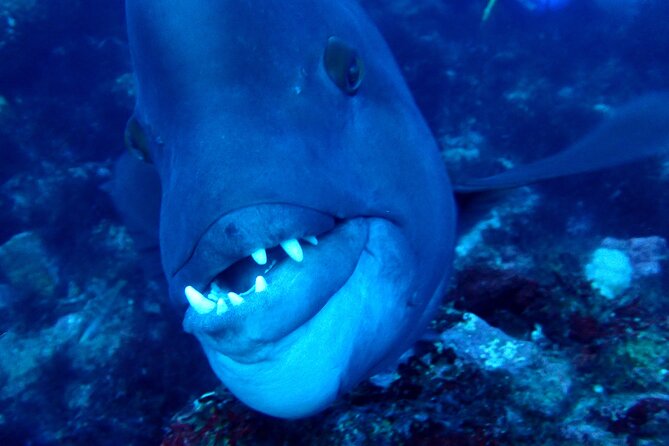
The strongest reason to book this outing is the chance to see a wide range of local sea life in one session. The marine life named for the area includes moray eels, pufferfish, sardines, shrimp, and many other fish.
The most memorable sightings can be the animals that require help to find. Moray eels may be partly hidden in cracks, and shrimp can be easy to miss without a guide who knows where to look. Morita San has been praised for identifying these creatures and directing attention toward them without rushing the group.
Two dragon moray eels were a highlight for one experienced participant. Another family group appreciated the guide’s ability to spot many different creatures and take photographs during the underwater session. These details tell you something useful about the guiding style: the outing is not simply a drop-off at the water with instructions to swim around. The guide actively helps you notice what is there.
Photography is not listed as a standard inclusion, so you should not book this expecting a dedicated photo package. Still, the guide has taken photos during some sessions. Ask before arrival if you want to know whether photographs may be possible on your date.
The fish population can also change with the season and conditions. The operator names sardines and pufferfish as possible sightings, not guaranteed attractions. That is normal for a real ocean site. If you need a fixed list of animals, an aquarium is more predictable. If you enjoy the surprise of finding something unexpected, the open-water setting is the better choice.
Same coastline, a very different dive:
- Silfra: Diving Between Tectonic Plates – Meet on Location
★ 5.0 · 2,139 reviews - Ocean Freedom Great Barrier Reef Luxury Snorkel and Dive Cruise
★ 5.0 · 1,895 reviews - Beginner Scuba Diving with Turtles and Videos, San Juan
★ 5.0 · 1,743 reviews - Tenerife: Your First Scuba Diving Experience in Turtle Area
★ 4.7 · 1,679 reviews
How the guide shapes the day
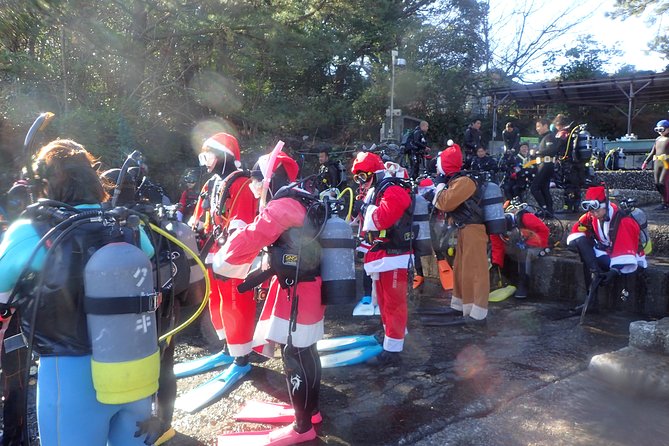
A scuba guide can make a major difference when you are returning after a long break or sharing the water with family members who have limited experience. Morita San is repeatedly described as calm, patient, and clear in his explanations.
That is particularly valuable because this is not a large group excursion. It is a private activity for your group alone. You get a more personal pace, and the guide can focus on your comfort and skill level rather than keeping up with a crowd.
A family of three, including two teenagers, completed two days with Morita San despite having little experience. The family appreciated his steady instructions and his ability to find interesting marine life. That does not make the activity suitable for complete beginners, since past scuba experience is required, but it suggests that less confident certified participants may receive close support.
English and Japanese guidance are available. If you are more comfortable discussing equipment, safety, or sea conditions in English, that option removes one possible source of stress. Still, it is wise to explain your experience honestly before the session. Tell the guide how long it has been since your last outing and whether you have any concerns.
Sea conditions can change the plan
The planned site is Izu Oceanic Park, but the actual point may change according to sea conditions. This is an important practical detail, not a minor footnote. Ocean conditions affect visibility, current, entry procedures, and overall comfort.
You should book this with a flexible attitude. If the conditions are poor, the activity may be canceled, with the choice of another date or a full refund. If the outing goes ahead, the guide may still use another nearby point that is safer or more suitable that day.
This uncertainty is part of choosing open-water scuba. You are not paying for a fixed stage set. You are paying for access to a natural site, a guide, equipment support for the listed items, and a chance to see what the sea offers on that date.
The activity requires a moderate level of physical fitness. You should be comfortable with the demands of scuba, wet conditions, and a half-day at a coastal facility. The supplied details do not describe exact entry methods, water temperature, visibility, or depth, so ask the operator directly if any of those factors are important to you.
Is $457 a fair price?
At $457, this is not a budget activity. The price makes more sense when you consider what is included: a private guide, two tanks, weights, a belt, lunch, and an outing lasting about six hours.
The private format is the biggest value point. You are not placed into a large mixed group, and the guide can adapt the pace to your certification level. That kind of attention is useful if you are rusty, traveling with family, or want help finding smaller creatures.
The value becomes less certain if you must rent every piece of scuba equipment. Rental is extra, and the total may rise quickly. Before booking, ask for the complete rental cost and confirm exactly what it covers. Compare that final amount with other certified scuba options in the Izu area.
You also need to factor in transport to Ito. The meeting point is near public transportation, but private transfers are not clearly included. If you are staying elsewhere on the peninsula, reaching the site may add time and expense.
In short, this price can be reasonable for a private, guided, two-tank session with lunch. It is harder to justify if you already have access to a cheaper group outing and do not need personal attention.
Who will enjoy this most?
I would recommend this outing to certified scuba participants who want a guided look at Izu’s marine life rather than a generic rental-shop session. It is particularly well suited to you if:
- You have previous scuba experience and hold the required card.
- You have been out of the water for a while and want a patient guide.
- You prefer a private group instead of a large shared tour.
- You enjoy searching for small animals in cracks and along the reef.
- You want English or Japanese support.
- You can arrange equipment rental in advance or bring your own.
It is not a good choice for a first-ever scuba lesson. It is also not ideal if your schedule cannot tolerate a change of site or date. The sea gets the final say here.
Practical booking advice
Contact Dive Dream before your date to confirm equipment, especially if you need a full set. Ask about station pickup if you are arriving by train, since that help has been available to at least some participants but is not clearly part of the standard package.
Bring your swimsuit, towel, sandals, certification card, and log book. Arrive ready for a full morning and early afternoon rather than expecting a quick one-hour swim.
The activity accepts mobile tickets, and confirmation is provided at booking. Cancellation is free up to 24 hours before the 9 a.m. start time. A cancellation made within 24 hours is not refundable, and late changes are not accepted. If poor weather causes cancellation, you can choose another date or receive a full refund.
Should you book this Izu scuba outing?
Book it if you are already certified, value close personal guidance, and want a real chance to find unusual marine life around one of Japan’s best-known scuba sites. Morita San’s patient manner and ability to locate eels, shrimp, and small fish add real value, especially if your confidence needs a gentle reset.
Think twice if you are a beginner, need a complete equipment package at a low total price, or require a fixed site and schedule. For the right participant, this is a focused and personal way to experience Izu’s underwater world, with lunch and two tanks making the long morning easier.
FAQ
Where does the scuba activity meet?
The meeting point is 1082-5 Yawatano, Ito, Shizuoka 413-0232, Japan. The activity finishes back at the same meeting point.
What time does the activity start?
The course starts at 9 a.m. and lasts about six hours.
Is previous scuba experience required?
Yes. Past scuba experience is required, and the session is adjusted to your skill level.
Are scuba equipment rentals included?
No. The package includes two tanks, weights, and a weight belt, but full scuba equipment rental costs extra. You may bring your own equipment or arrange rental in advance.
Is lunch included?
Yes. A packed lunch is included.
Can the activity be guided in English?
Yes. The guide can provide the experience in English or Japanese.
Can the scuba site change?
Yes. The actual point may change depending on sea conditions on the day. If poor weather causes cancellation, you can receive a full refund or choose another date.
New dives around the world
- One Tank Scuba Diving in Kauai South Shore Certified Diver Only★ 4.5 · 14 reviews
- Try Scuba Diving in Kauai From a Boat: No Experience Necessary★ 5.0 · 24 reviews
- Shore Dive with Sea Turtles @ Koloa Landing for Certified Divers★ 5.0 · 10 reviews
- Dive into Spirituality: 6 Days Trek to Gosaikunda Lake★ 4.5 · 3 reviews
- 1 Tank Discover Scuba at Koloa Landing with No Experience needed★ 5.0 · 31 reviews
- Try Scuba Diving on Kaua’i with Sea Turtles★ 5.0 · 3 reviews
- Kenting, Taiwan|Snorkeling Free underwater photography One-on-one with instructor|Taiwan Diving Snorkeling★ 5.0 · 10 reviews
- Discover Scuba Diving With Sea Turtles – Xiaoliuqiu, Taiwan★ 5.0 · 3 reviews
Scuba Diving, compared.
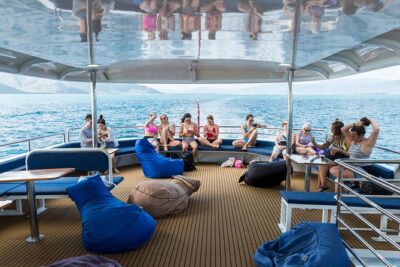
Great Barrier Reef Snorkeling and Diving Cruise from Cairns
Read our review →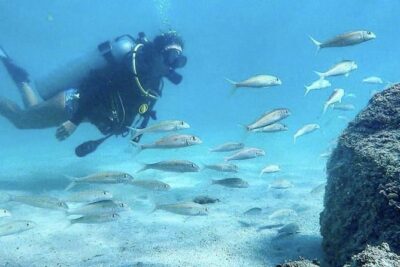
First-Time Scuba Diving in Honolulu + Free Videos
Read our review →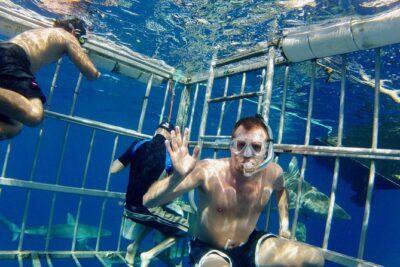
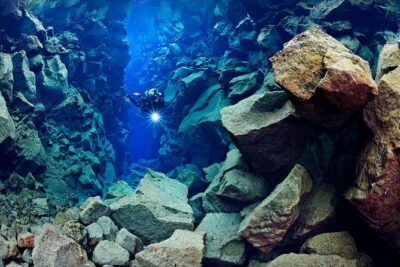
Silfra: Diving Between Tectonic Plates – Meet on Location
Read our review →
Ocean Freedom Great Barrier Reef Luxury Snorkel and Dive Cruise
Read our review →
Beginner Scuba Diving with Turtles and Videos, San Juan
Read our review →
Tenerife: Your First Scuba Diving Experience in Turtle Area
Read our review →
Browse the lists this tour appears in