
REVIEW · SPAIN
La Palma: SSI Try Scuba Program
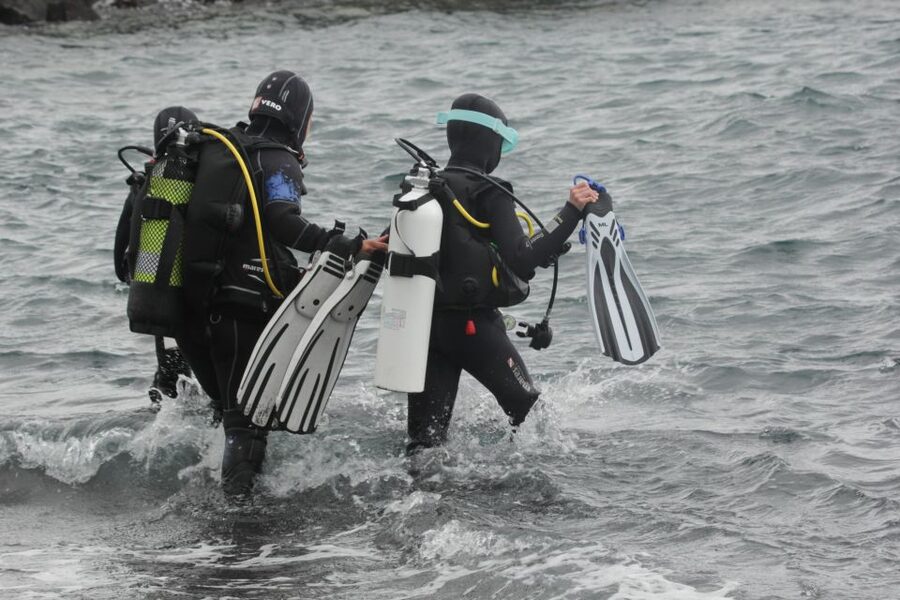
A new world starts below the surface. La Palma’s SSI Try Scuba program gives you a gentle first taste of underwater exploration, with instruction on land followed by a supervised sea session in a protected bay. I like the small groups of no more than four, and I like that the session begins in calm water, giving you time to get comfortable with breathing and basic equipment.
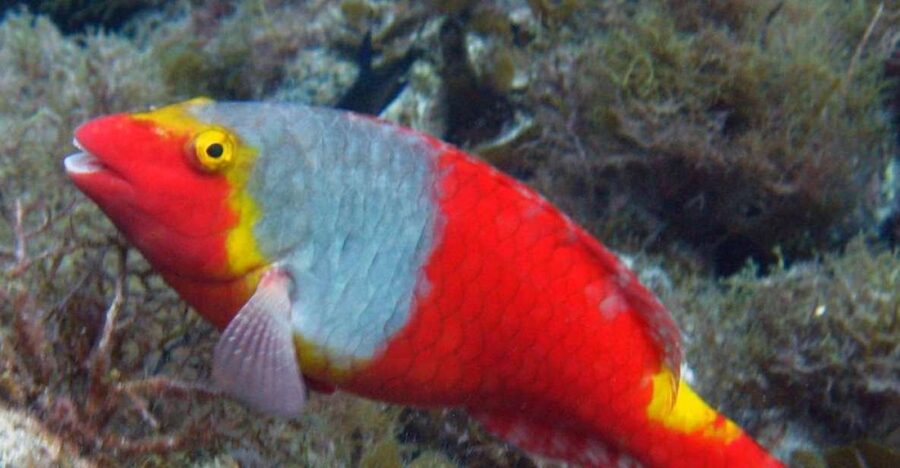
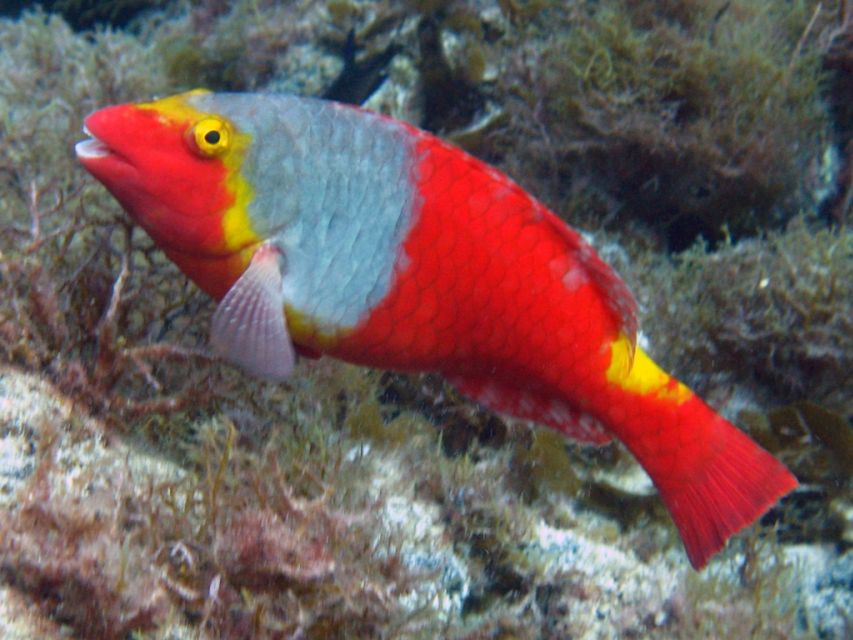
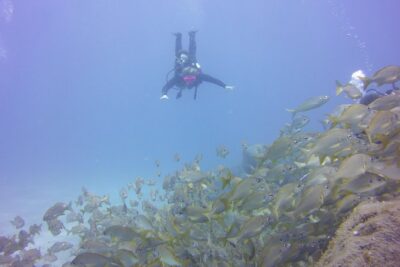
The chance to see parrotfish, wrasse, scorpion fish, starfish, trumpet fish, octopi, and other sea life makes this more than a pool lesson. The instructor also stays close and adjusts to your comfort level, which matters if you need a moment above the surface. The main drawback is practical: you must arrange your own way to the dive center or beach, and the activity is not suitable for non-swimmers or people with certain medical conditions.
Key points to know before booking
- Protected-bay setting: You begin in calm water, which helps first-timers settle into breathing through the regulator.
- Small group size: With a maximum of four participants, the instructor can give more attention to each person.
- Three-hour introduction: The program covers equipment, basic instruction, land practice, and a supervised sea session.
- Sea life to watch for: Parrotfish, wrasse, scorpion fish, starfish, trumpet fish, octopi, and moray eels may appear.
- Two meeting arrangements: The 10:00 tour meets at the dive center, while the 13:00 tour meets at the beach.
- Good value for beginners: At $88 per person, equipment, instruction, and the sea trip are included, but transport, food, and drinks are not.
A calm first step into La Palma’s underwater world
This program is designed for people who have never used scuba equipment before. You do not need a certification or previous scuba knowledge, but you do need to be comfortable in the water and able to swim.
The three-hour format gives the experience a useful rhythm. You are not rushed straight from a briefing into open water. First, you learn what the equipment does and how to use it. Then you try the gear on dry land before moving into the sea. That order can make a big difference, especially if breathing through a regulator feels strange at first.
The session takes place in a protected bay. Calm water is not just a nice setting. It gives you a quieter place to learn basic skills, adjust your mask and regulator, and get used to the sensation of being below the surface. You can concentrate on breathing and body position instead of dealing with rough water.
The first portion in the water includes a few exercises to help you feel secure. The exact exercises are not specified, but the purpose is clear: you get time to settle in before moving farther along the underwater route. This is a sensible approach for a first session, and it also allows the instructor to see how comfortable you are.
More Discover Scuba Diving in Spain
- Barcelona: PADI Discover Scuba Diving
★ 4.7 · 1,016 reviews - Mallorca: Discover Scuba Diving for Beginners
★ 4.7 · 805 reviews - Lanzarote Introductory Scuba Diving Experience
★ 5.0 · 766 reviews
What happens before you enter the sea
Your introduction begins with an explanation of the equipment and the basics of being underwater. You learn how the set works, then try it out on land. This preparation helps you understand the gear before you have to manage it in the water.
You should bring swimwear. Food and drinks are not included, so plan those around the session. Transfers are also not provided. If your booking is for 10:00, you meet at the dive center. For the 13:00 session, the meeting point is the beach. Check this detail carefully, since arriving at the wrong location would be an avoidable nuisance.
The instructor speaks German, English, or Spanish. That range is useful for an international group, particularly when instructions concern breathing, hand signals, and basic safety. If you are nervous, clear communication is one of the most important parts of the session.
Before entering the water, every participant must complete a self-evaluation about their medical condition. If an issue comes up, you may need a certificate of fitness from your doctor. This is not a formality to ignore. Scuba activity places demands on your breathing and ears, so answer the questions honestly and ask your doctor in advance if you are unsure.
Getting comfortable in the protected bay
The water session begins slowly. You first get used to the equipment and the feeling of breathing below the surface. The instructor then leads you through a couple of exercises designed to build confidence.
This gradual approach is one of the strongest features of the program. New scuba participants often need a little time to trust the equipment. A protected bay gives you that time without making the first minutes feel like a test. You can focus on simple tasks, such as staying calm, breathing steadily, and moving carefully.
The group limit of four is helpful here. An instructor working with a small group can pay closer attention to each person than an instructor managing a large crowd. That does not mean the session will be entirely private, but it should feel more personal and easier to follow.
The program is also suitable for families with children aged 10 and over, provided everyone meets the swimming and medical requirements. It is not a casual shoreline activity for young children, however. Parents should be ready for a structured lesson and should make sure each child is comfortable in the water before booking.
Meeting parrotfish, wrasse, and octopi
Once you are settled, the session moves into the underwater part of the trip. La Palma’s coastal water provides the setting for a close look at marine life, with the instructor guiding you through the area.
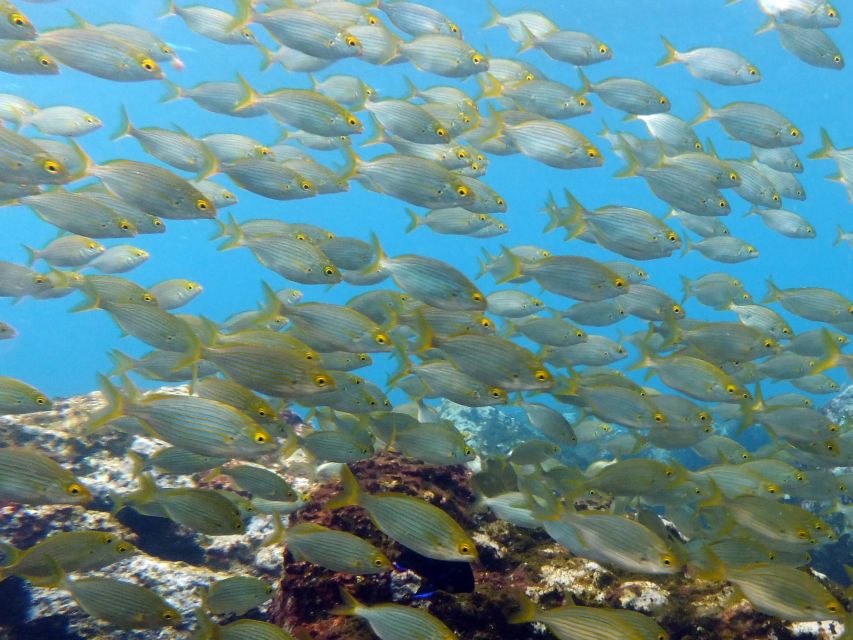
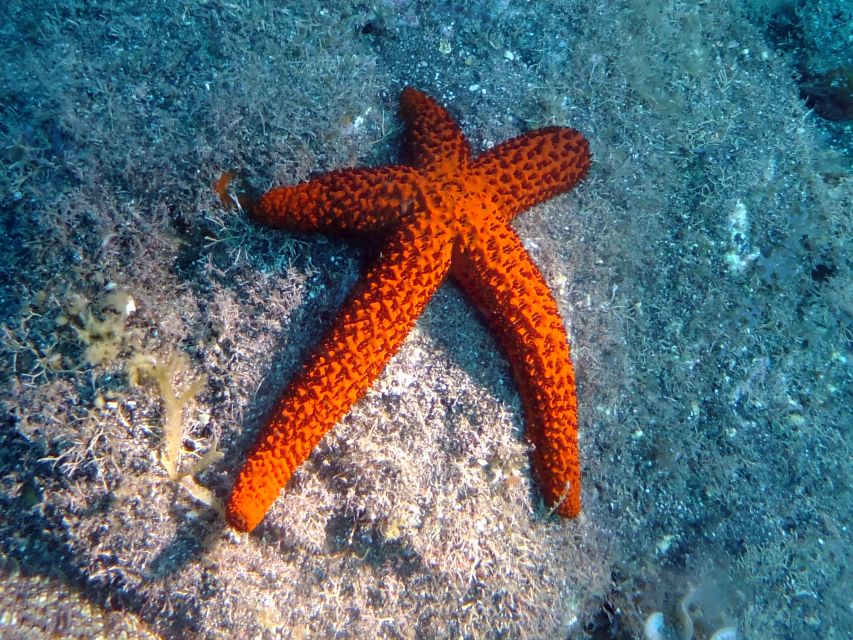
The animal list is a strong reason to choose this activity. You might see parrotfish, wrasse, scorpion fish, starfish, trumpet fish, and octopi. Moray eels were also seen during one of the reported sessions. Of course, wild animals do not follow a schedule, so no particular species can be promised. Still, the range of creatures described gives you a good idea of what makes this more interesting than simply practicing skills in a swimming pool.
Each animal offers a different kind of sighting. Parrotfish and wrasse bring movement and color. Starfish are easier to notice when you slow down and look closely. Trumpet fish have an unusual shape, while octopi can reward careful observation because they may be less obvious than the more active fish.
The instructor’s role is important here. You are not just sent into the water with equipment and told to look around. You are guided through the session and shown areas where sea life may be found. One participant described being given room to manage the session while still being taken to especially good viewing spots. That balance is ideal for a first underwater outing: enough support to stay safe, with enough freedom to enjoy the setting.
More PADI Courses in Spain
- Tossa de Mar: PADI Discovery Scuba Diving in Costa Brava
★ 4.7 · 392 reviews - Try Dive – PADI Discover Scuba Diving in Tenerife
★ 5.0 · 214 reviews - Tossa de Mar Scuba Diving PADI
★ 5.0 · 175 reviews - Ibiza: PADI Discover Scuba Diving & Snorkeling Boat Trip
★ 4.6 · 154 reviews
A three-hour format that leaves room to learn
Three hours may sound long for an introductory activity, but much of that time is used for preparation, fitting equipment, instruction, and getting comfortable. The format should feel less like a quick photo stop and more like a proper introduction to scuba.
The first stage is the land briefing. Next comes the equipment practice and the move into calm water. Then you complete basic exercises before exploring the sea life. This sequence gives the activity a clear purpose at every stage.
A longer session can also be useful if you are anxious. You have time to pause and ask for help rather than feeling pushed to keep up. One participant who was new to scuba appreciated being able to come back above the surface without pressure, and then continue when ready. That kind of patient response can shape your whole impression of the experience.
The small group matters again once you are underwater. An instructor can monitor your comfort and adjust the pace. If you are already comfortable with the equipment, you may spend more time observing fish. If you need longer with the basics, the calm bay and limited group size give you a better chance to work at your own pace.
Is $88 a fair price?
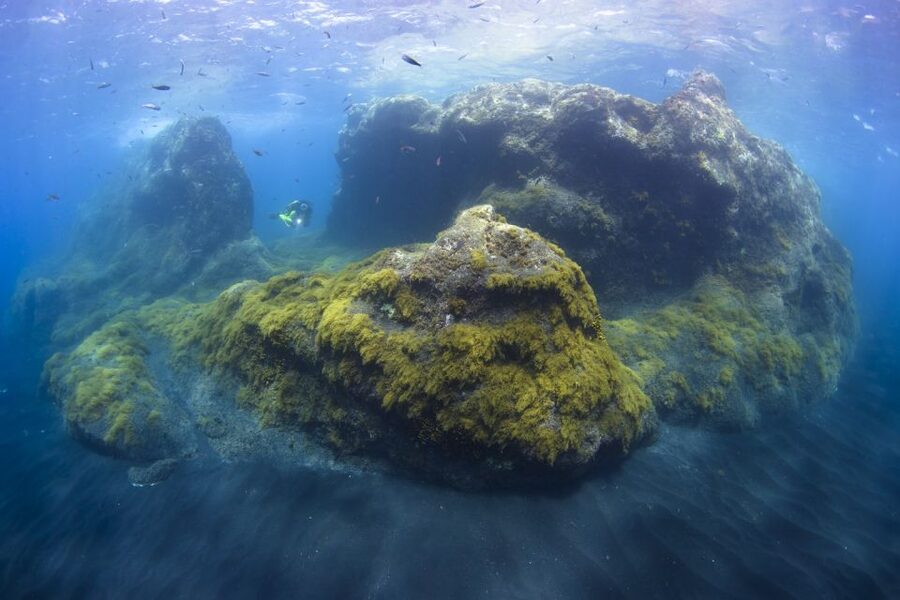
At $88 per person, this is a reasonable price for a first scuba session if you value instruction and equipment in one package. The fee includes the full set of dive equipment, the introduction, and the supervised sea trip. You are paying for access to the activity as well as the instructor’s time and guidance.
The value is strongest for someone starting from zero. Buying or arranging equipment separately would make little sense for a single introductory session, and trying to learn without trained support would be unsafe. The four-person maximum also gives the price more appeal than a large group lesson, since the instructor has fewer people to manage.
The price does not cover transport, food, or drinks. That is not unusual, but it affects your planning. You need to get yourself to the correct meeting point and bring anything you want to eat or drink before or after the session.
If your main goal is a brief swim near shore, $88 may feel high. If you want a structured introduction, full equipment, and a supervised look at La Palma’s marine life, the price is easier to justify.
Who will enjoy this most?
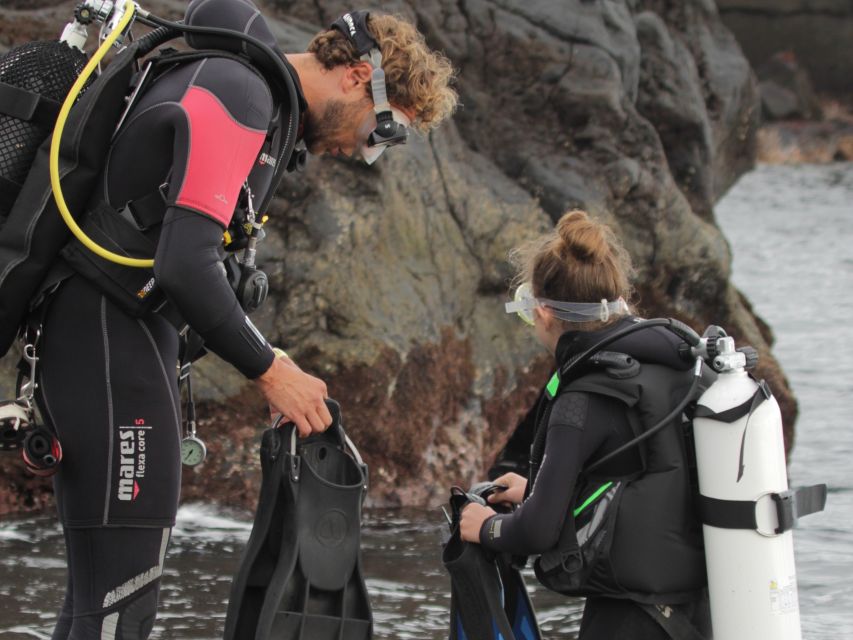
This program suits an adult or child aged 10 and over who can swim, wants to try scuba, and is willing to follow an instructor’s directions. It is especially well suited to people who want a first session without committing to a full certification course.
It also works for families, couples, or small groups of friends. The four-person limit means a family may be able to participate together, though you should confirm availability for your full party. The multilingual instruction in German, English, and Spanish makes it more accessible to international visitors.
You should think twice if you dislike wearing equipment, feel uneasy in water, or want a completely independent outing. This is a supervised introduction, not a free-form underwater excursion. The instructor sets the structure, and your comfort level determines how quickly you progress.
People with pre-existing medical conditions should not book casually. The required health self-evaluation may lead to a request for a doctor’s certificate. If you have any concern, settle that question before arrival rather than hoping it will be fine on the day.
Timing, weather, and the details that matter
The morning tour meets at the dive center at 10:00. The afternoon tour begins at the beach at 13:00. These different meeting points are worth writing down clearly. You should also allow enough time to arrive without rushing, since the activity includes an introduction before the water session.
Weather can affect the plans. If conditions are unsuitable, the local operator will contact you to rearrange the experience. That means you should keep some flexibility in your La Palma schedule, especially if this is a highlight of your trip.
Free cancellation is available up to 24 hours before the start time for a full refund. You can also reserve now and pay later, which is useful if you are still arranging the rest of your holiday. These booking terms do not remove the need to check the health requirements, but they do make it easier to hold a place while your plans take shape.
Bring swimwear and be ready for a water-based activity lasting about three hours. Since refreshments are not included, handle meals and drinks separately. Small details like these keep the day from feeling more complicated than it needs to be.
What the instructor support is really worth
A first scuba session can be exciting, but it can also bring a few nerves. The instructor’s attitude matters as much as the equipment. The feedback here points to a professional, attentive approach, with clear explanations and patience when someone needs to return above the surface.
That patience is especially valuable for beginners. You may understand the instructions on land and still feel unsure once you are breathing underwater. A calm instructor gives you space to regain control instead of treating hesitation as a problem.
At the same time, the instructor does not simply hold your hand for the whole session. You are given room to manage your own movement while being guided toward good places to observe marine life. That combination helps you build confidence without being left to figure everything out alone.
The strongest praise centers on professionalism, clear explanations, and personal attention. Those qualities are exactly what I would prioritize when choosing a first scuba activity.
Should you book the SSI Try Scuba program?
Book it if you can swim, meet the health requirements, and want a careful first look at La Palma below the surface. The protected bay, small groups, multilingual instruction, and included equipment make this a practical choice for beginners. The chance to see octopi, parrotfish, wrasse, starfish, and other local sea life adds real interest beyond the basic lesson.
Think carefully before booking if you need transport, have a medical condition that may require clearance, or feel uncomfortable in open water. Also remember that the 10:00 and 13:00 sessions use different meeting points.
For the right participant, $88 buys more than three hours on a schedule. It buys a structured introduction, patient support, and a chance to find out whether scuba is something you want to pursue further.
FAQ
Is previous scuba experience required?
No. The program is designed as an introduction, and no prior scuba knowledge is required.
What is the minimum age?
The minimum age is 10 years.
Do I need to know how to swim?
Yes. The program is not suitable for non-swimmers.
What is included in the price?
The price includes complete scuba equipment, an introduction, and a supervised sea trip with a dive instructor.
Where do I meet the group?
For the 10:00 session, meet at the dive center. For the 13:00 session, meet at the beach.
What languages does the instructor speak?
Instruction is available in German, English, and Spanish.
More First-Time Dives in Spain
- Gran Canaria: Try Scuba Diving for Beginners
★ 4.9 · 403 reviews - Fuerteventura: Introduction to Scuba Diving
★ 4.9 · 298 reviews - Try Scuba Diving with 2 Ocean Dives
★ 5.0 · 242 reviews - Menorca: Baptism Scuba Diving in Marine Reserve
★ 4.8 · 211 reviews
More Dive Courses in Spain
- Gran Canaria:Live an Adventure and Learn to Dive with Expert
★ 4.7 · 109 reviews - PADI Open Water Diver Course (OWD) – 2.5 days
★ 5.0 · 98 reviews - PADI Open Water Course in Gran Canaria
★ 5.0 · 79 reviews - Discover PADI Diving in Barcelona
★ 4.5 · 79 reviews
New dives around Spain
- Tenerife: 2 Diving Sessions for Certified Divers★ 4.2 · 7 reviews
- TRY SCUBA – Experience for beginners★ 5.0 · 2 reviews
- Lanzarote: Beginner Scuba Diving from the Beach★ 5.0 · 2 reviews
- Beginner Scuba Dive with Scubapoint Tenerife in Turtle Area★ 4.7 · 8 reviews
- Scuba Experience in Tenerife with Guide★ 5.0 · 30 reviews
- Scuba Diving in Turtle and Ray Area★ 5.0 · 7 reviews
- Try Scuba Diving Puerto Colon★ 5.0 · 2 reviews
- Scuba Night Dive on Tenerife★ 5.0 · 6 reviews
PADI Courses & Certification, compared.
Tossa de Mar: PADI Discovery Scuba Diving in Costa Brava
Read our review →
Full-Day Beginner Scuba Course with Private Tuition, Racha Yai
Read our review →
Beginner Scuba Diving Lesson with PADI Instructor
Read our review →
Discover Scuba Diving with No Certification in St Thomas
Read our review →
Try Dive – PADI Discover Scuba Diving in Tenerife
Read our review →
Browse the lists this tour appears in