
REVIEW · SPAIN
Gran Canaria: Discover Scuba Diving Beginner Program
The Atlantic is your classroom. This four-hour beginner program near Mogán gives you a gentle introduction to scuba with a theory lesson, shallow-water practice, and a first open-water session. I like the two-person group limit, which gives you far more personal attention than a large resort class. I also like that equipment, insurance, instruction, and hotel pickup are included in the $117 price. The main consideration is that sea conditions can affect visibility, and some people have found the pool or shallow-water practice too long compared with their time in the ocean.
This is a sensible choice if you want to try scuba without committing to a full certification course. The staff teach in English, German, Spanish, French, Polish, and Italian, and the program is built for beginners. Still, you should arrive with realistic expectations: this is a first lesson, not a long exploration of Gran Canaria’s underwater world.
Key points before you book
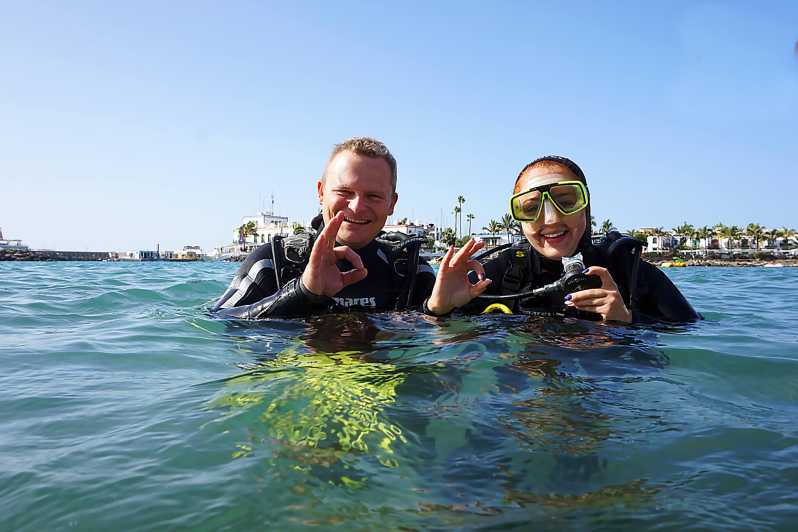
- Small groups of only two participants: You receive close supervision and have more chances to ask questions.
- A four-hour first lesson: The program combines theory, shallow-water skills, and an Atlantic session.
- Mogán’s generally calm setting: The activity takes place off the coast near white-sand beaches and warm-weather resorts.
- Hotel pickup is included on request: Confirm your exact pickup point in advance, especially if you are staying in an apartment.
- Extra costs are easy to miss: A personal mouthpiece costs €4, while underwater photos cost €34.
- Sea conditions can shape the experience: Murky water or a stay close to shore may limit what you see.
What your four hours near Mogán look like
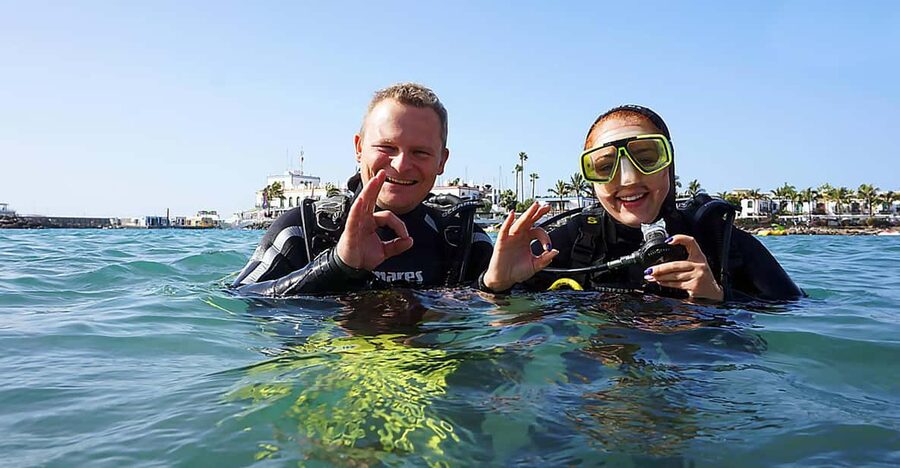
Your day begins with transport to the dive center, with the meeting time listed as 9:30 AM. Pickup is available from your hotel or accommodation at no extra charge, but you need to contact the center by email or phone to confirm the exact place. This matters if you are staying in an apartment, where a hotel lobby may not be an obvious meeting point.
The transfer can be by minivan or bus, and the journey time depends on where you are staying. Allow some patience here. One poor experience involved a long wait while another group was collected, even though the booking was for only two people. If you have a tightly packed day planned afterward, avoid scheduling anything immediately after the lesson.
At the center, the instructors begin with the basics. You learn what the equipment does, how to use it, and how to behave safely underwater. You also receive an explanation of scuba theory, which helps make the equipment feel less mysterious once you are in the water.
The session then moves into shallow water. This is where you practice basic skills in a controlled setting before heading farther from shore. For a first attempt, that pause is useful. It gives you time to adjust to breathing through the regulator, get comfortable with the mask, and understand the instructor’s signals.
I know that some beginners will find this part reassuring, while others may feel it takes too much of the four-hour program. One French participant felt the shallow-water practice lasted too long compared with the ocean time and that the session stayed close to the beach. That is a fair warning if your main goal is to spend as long as possible seeing marine life.
More Discover Scuba Diving in Spain
- Gran Canaria: Try Scuba Diving for Beginners
★ 4.9 · 403 reviews - Gran Canaria: Discover Scuba Diving – Free Transfers
★ 4.9 · 115 reviews - Discover Scuba Diving in Puerto de Mogan
★ 4.5 · 87 reviews
Learning the equipment without feeling rushed
Scuba equipment can look like a pile of straps, hoses, and unfamiliar parts when you first see it. The lesson gives you a chance to learn how everything works before you are expected to manage it underwater.
The included equipment is a real benefit at $117. You do not need to rent a mask, fins, tank, or other standard gear separately. Diving insurance and instruction are included as well, which makes the price easier to justify than a bare-bones introductory session.
There is one small extra charge worth noting. A personal mouthpiece costs €4. If you prefer to have your own mouthpiece rather than use the standard equipment, budget for it in advance. Underwater photography costs €34, so decide before the session if photographs matter to you.
The condition of the equipment may not feel uniformly new. One lower-rated experience described the wetsuits as past their best, along with problems involving a paid mouthpiece and disappointing photographs. That does not mean every participant will have the same issue, but it is a good reason to check your equipment before entering the water and confirm any paid extras clearly.
Your first Atlantic session
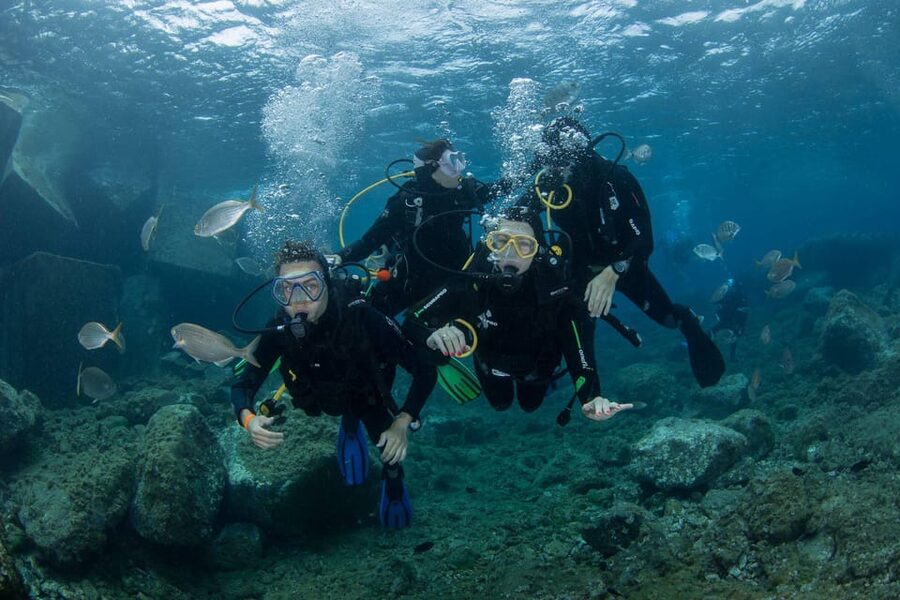
After the theory and shallow-water work, you head into the Atlantic for the open-water part of the lesson. The appeal is obvious: you are not simply practicing in a pool. You get the chance to see marine life in its natural setting and to experience the movement, sound, and scale of the sea.
The coast near Mogán offers a warm-weather setting with white-sand beaches. The instructors are there to keep you comfortable and safe, especially during this first underwater session. The small group size should help here, since the instructor can pay close attention to two participants instead of trying to manage a large class.
Keep your expectations in check. Atlantic visibility is not guaranteed, and conditions can change the character of the session. One participant found the water cloudy and saw very little. Another felt there was not enough freedom to swim farther out and that the activity remained near the beach.
That may disappoint anyone hoping for a dramatic underwater tour. It can also be the right approach for a beginner who wants a cautious first taste. Staying in shallow water and close to shore reduces the sense of being out of your depth. You will need to decide which matters more to you: maximum marine life or a carefully controlled introduction.
The strongest part of the program is the chance to observe how you respond underwater. You may discover that you love the calm rhythm of breathing through the regulator, or you may learn that scuba is not for you. Either result is useful before spending money on a longer course.
The instructors and the safety setup
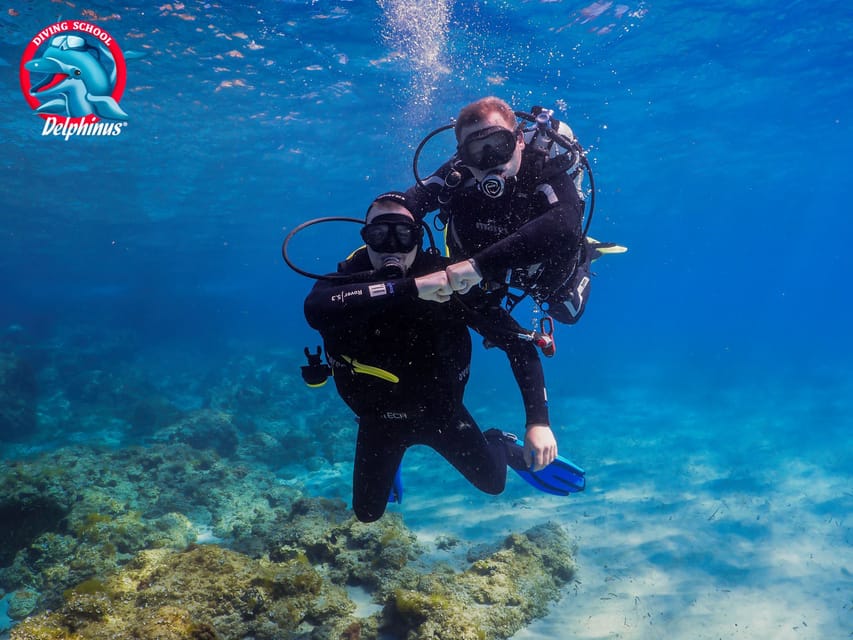
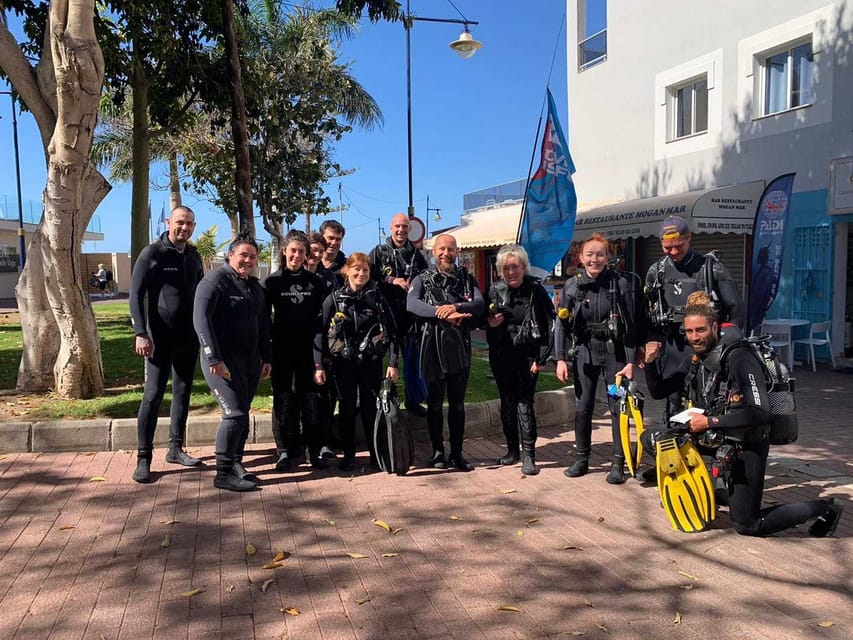
The most praised part of the experience is the staff. The positive feedback repeatedly centers on friendly instructors, clear care, and a strong feeling of safety. One parent described the boys in the group as feeling very well looked after and absolutely safe. Another participant praised the instructors and the amount to see below the surface.
That reassurance matters more than flashy scenery during a first lesson. A beginner needs time to ask basic questions without embarrassment. You also need an instructor who notices when you are nervous, helps you settle, and does not push you ahead too quickly.
The team can teach in six languages: English, German, Spanish, French, Polish, and Italian. Still, do not assume that every staff member speaks every listed language. One French participant said communication in Spanish was difficult during an otherwise friendly experience. Confirm your preferred language when you book if clear communication is especially important to you.
The two-person limit is another strong point. If the group is kept to that size, you should have more direct contact with the instructor during equipment checks, skills practice, and the ocean session. It also makes the program feel less like a mass resort activity.
More Scuba Diving for Beginners in Spain
- Scuba Diving Experience for Beginners in Gran Canaria
★ 5.0 · 561 reviews - Beginners Scuba Diving Experience in Gran Canaria
★ 5.0 · 254 reviews - Gran Canaria: Scuba Diving for Beginners
★ 4.9 · 81 reviews - Mallorca: Discover Scuba Diving for Beginners
★ 4.7 · 805 reviews
What you may see below the surface
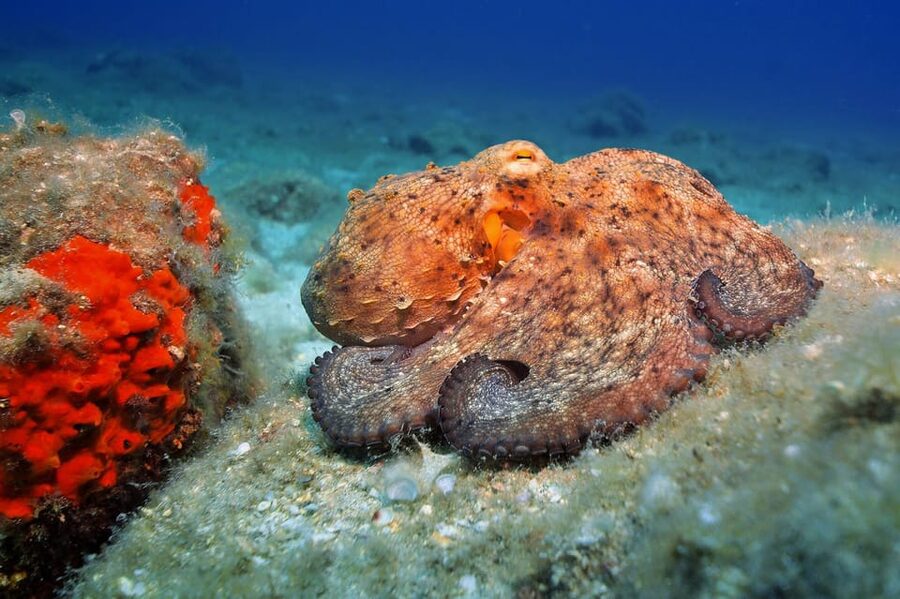
The program promises the chance to admire Atlantic marine life, but it does not guarantee a particular species or level of visibility. That distinction is important. The underwater setting can be attractive, yet cloudy water may reduce what you see.
Your experience will depend partly on conditions on the day. Clear water can make the session feel rewarding even if you remain close to shore. Murky water, by contrast, can leave you with more of a skills lesson than a wildlife encounter.
I would book this for the experience of learning how to breathe and move underwater, not for a specific animal sighting. If you approach it that way, the program offers value even when the sea is not at its clearest. If seeing lots of marine life is your main reason for booking, ask the center about current conditions before committing.
The optional photography service may seem tempting, especially if this is your first time underwater. At €34, it is not a tiny add-on, and one participant was particularly unhappy with the photo quality. I would treat the photos as optional rather than part of the core value.
Is $117 a fair price?
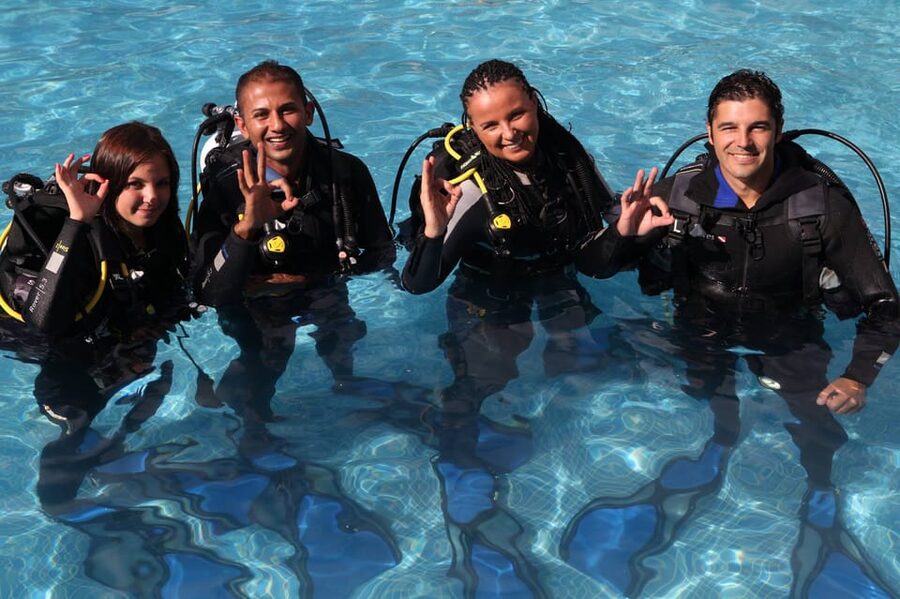
At $117 per person, this is a reasonable price for a four-hour beginner experience, mainly because the package includes several costly practical elements. Standard scuba equipment, insurance, qualified instruction, and hotel pickup are all included.
The two-person format adds value. Private instruction would usually cost more, while a large group can leave you waiting for your turn. Here, a small group should give you more time with the instructor and a better chance to correct mistakes early.
The price also includes a participant guide to keep. It explains the beginner program and can be useful if you want to continue with further training. You receive a discount on continuing education courses, so the program has a clear path beyond a single afternoon.
The value becomes less attractive if your main aim is a long ocean session. The total duration is four hours, but that includes transport, theory, gear preparation, shallow-water practice, and the open-water portion. If the water is cloudy or the class spends extra time near the shore, you may feel that the actual ocean time is short.
I would also add the €4 mouthpiece cost if you want a personal one. The €34 photo package is optional, but you should decide in advance if you are willing to pay it.
Who should book this beginner program?
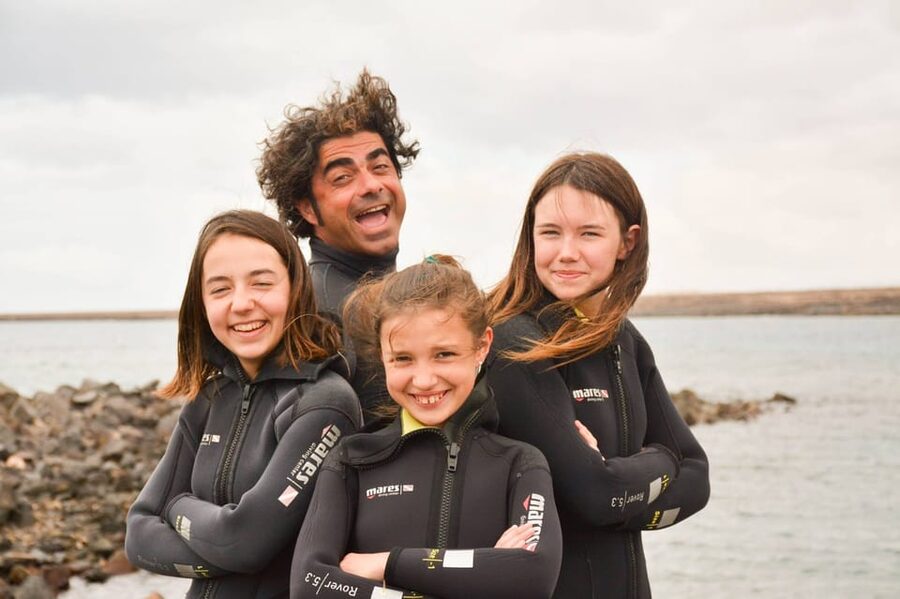
This is best for a first-timer who wants a supervised introduction rather than a full qualification. You must be at least 10 years old, and you should be fit and healthy before taking part. If you have a medical concern, ask your doctor if you are fit for scuba before arrival and bring medical certification if it is required.
Families with older children may like the small group and close supervision. The positive safety feedback is especially encouraging for parents who want their children to try scuba in a structured setting.
It also suits couples or friends who want to learn together. A two-person booking creates a more personal feel, though pickup arrangements may still involve waiting for other groups during the transfer.
I would be more cautious about recommending it to an experienced scuba enthusiast. The session is designed for beginners, and the shallow-water work may feel slow if you already know the basic skills. It is also not suitable for pregnant women.
Bring swimwear and a towel. The warm climate helps make the day comfortable, but the water can still feel different from the air, so do not assume beach weather guarantees perfect sea conditions.
Planning around the early start
The listed meeting time at the center is 9:30 AM. Since hotel pickup times depend on your accommodation, confirm the exact collection time rather than relying only on the center’s meeting time.
Give yourself a little flexibility in the morning. The bus or minivan may collect people from several locations, and one complaint involved waiting for another group. This is not a reason to reject the program, but it is a reason not to plan a timed attraction immediately afterward.
The four-hour length makes this easier to fit into a holiday. You can give the morning to the lesson and still have the rest of the day available, although transport delays or a slower group could affect your schedule.
The cancellation terms are friendly for uncertain plans: you can cancel up to 24 hours before the activity for a full refund. You can also reserve now and pay later. Check the available start time when booking, since the program is listed as valid for four hours rather than offering all-day departures.
My verdict: book it for the lesson, not a guaranteed wildlife show
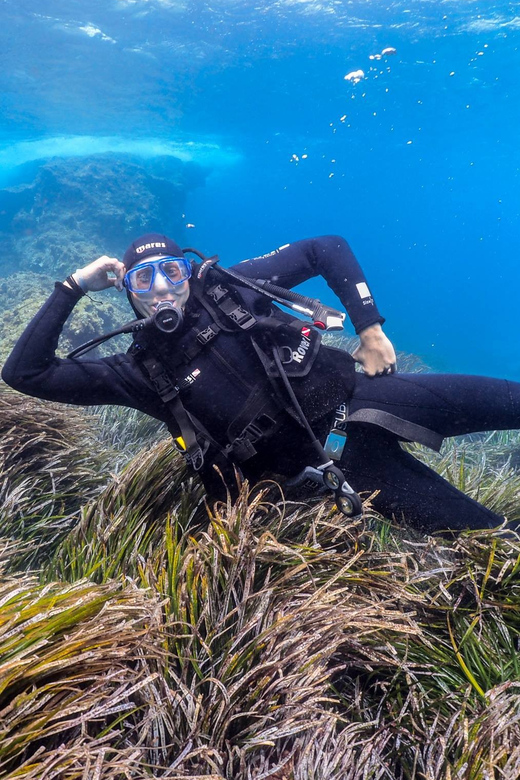
I would book this if you want a careful first taste of scuba in Gran Canaria, value close instruction, and can accept that the Atlantic may offer limited visibility. The friendly staff, two-person group, included equipment, insurance, and hotel pickup make $117 fair.
I would pause if you want a long, independent swim or a reliable underwater photography session. The ocean portion may stay close to shore, shallow-water practice can take a large share of the morning, and conditions may leave you seeing little.
For the best chance of enjoying it, confirm your pickup point, preferred teaching language, and any extra mouthpiece or photo charges before the day. Think of the experience as a safe first step toward future certification, not a grand underwater expedition. That is where this Gran Canaria program offers its clearest value.
FAQ
How long does the Gran Canaria beginner scuba program last?
The activity lasts four hours. It includes theory, shallow-water skills practice, equipment instruction, and an open-water session in the Atlantic.
What is included in the $117 price?
The price includes scuba equipment, diving insurance, instruction from a qualified team member, and hotel pickup and drop-off. You also receive a participant guide and a discount on continuing education courses.
Is hotel pickup available?
Yes. Pickup from your hotel or accommodation is available free upon request. Contact the dive center by email or phone to confirm the exact pickup location, especially if you are staying in an apartment.
What languages are available?
Instruction is available in English, German, Spanish, French, Polish, and Italian.
What is the minimum age?
You must be at least 10 years old to participate.
Are there extra charges?
A personal mouthpiece costs €4, and underwater photography costs €34. These are not included in the listed price.
More Beginner Dives in Gran Canaria
- First-Time Scuba Diving in Honolulu + Free Videos
★ 5.0 · 3,123 reviews - Beginner Scuba Diving with Turtles and Videos, San Juan
★ 5.0 · 1,743 reviews - Intro Diving 2 Stops For Beginners with Pick-up and Lunch – Hurghada
★ 5.0 · 1,146 reviews - Intro Diving Beginner and Discover Red Sea Underwater
★ 4.9 · 1,092 reviews
More First-Time Dives in Gran Canaria
- Discover Scuba diving in Gran Canaria with Hotel Pick-up
★ 5.0 · 69 reviews - Discover Scuba Dive in Gran Canaria
★ 5.0 · 69 reviews - Maspalomas: Discover Scuba Diving with Pickup
★ 5.0 · 15 reviews - Discover Scuba Diving
★ 5.0 · 1,676 reviews
New dives around Gran Canaria
- PADI Advanced Diving Course in Gran Canaria★ 5.0 · 25 reviews
- Open Water Diver Scuba Diving Course in Puerto de Mogan★ 5.0 · 27 reviews
- PADI Open Water Course in Gran Canaria★ 5.0 · 79 reviews
- 6 Diving Sites Scuba Diving Package in Gran Canaria★ 5.0 · 6 reviews
- Discover Scuba diving in Gran Canaria with Hotel Pick-up★ 5.0 · 69 reviews
- Scuba Diving Experience at Arguineguin and Puerto Rico★ 5.0 · 9 reviews
- PADI Rescue Diver Course in Gran Canaria★ 5.0 · 9 reviews
- Gran Canaria 3 days / 6 dives in Various Locations★ 5.0 · 19 reviews
Discover Scuba Diving, compared.
Cyprus: Introductory Scuba Lesson and Dive with Transfer
Read our review →
Half-Day Scuba Diving Tour – Discover Scuba Diving!
Read our review →Browse the lists this tour appears in