REVIEW · SOUTH ISLAND
Double Boat Dive with Equipment
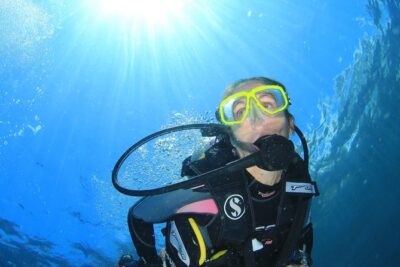
The best scenery starts below the surface. This five-hour Kaikoura outing combines two boat-based underwater sessions with views of the South Island mountains meeting the sea, giving certified divers a close look at the region’s kelp forests, rocky reefs, native fish, and smaller sea life. I like the chance to visit two separate sites in one morning or afternoon, and I like the small group limit of just four people.
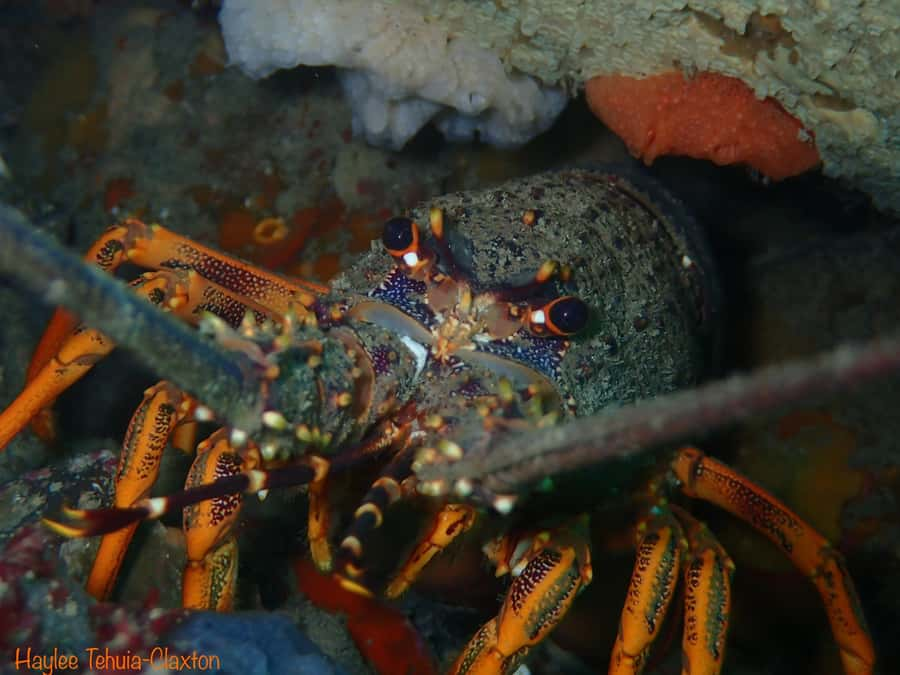
The setting is the real draw. Kaikoura’s cold water supports kelp, seaweeds, crayfish, paua, kina, octopus, blue cod, moki, wrasse, butterfish, and nudibranchs. On a lucky day, fur seals may investigate the bubbles. The main consideration is clear and simple: this is cold-water, often low-visibility diving, not a warm tropical reef holiday.
I also appreciate that equipment is included and that the trip allows time for two one-hour sessions rather than rushing through a single short outing. Still, the experience depends on weather, sea conditions, and a minimum of two participants, so you should keep your plans flexible.
Key points at a glance
- Two one-hour boat sessions: You get two separate underwater outings, with a one-hour break between them.
- Kaikoura’s cold-water marine life: Look for kelp, seaweeds, blue cod, moki, wrasse, butterfish, octopus, crayfish, paua, kina, and nudibranchs.
- Possible fur seal encounter: Your bubbles may attract curious fur seals, though wildlife sightings are never guaranteed.
- Small group of four: A maximum of four participants keeps the trip personal and limits crowding on the boat.
- Mountain and sea views: The ride out offers one of Kaikoura’s best visual contrasts, with steep mountains meeting the coast.
- Certified divers only: You need a diving certification, and the trip may be canceled if sea conditions are unsafe.
Why Kaikoura works so well for underwater exploring
Kaikoura is known for the way its mountains drop toward the Pacific. From the boat, you get a view that feels very different from the standard beach setting: rugged peaks behind you, open water ahead, and the South Island coast tying the two together.
That scenery matters because the ride is part of the experience. The boat transfer takes about 30 minutes each way in total, split into two listed sections of 10 and 20 minutes. You are not spending the whole five hours underwater, but the time on the water gives you a useful sense of place before and after the sessions.
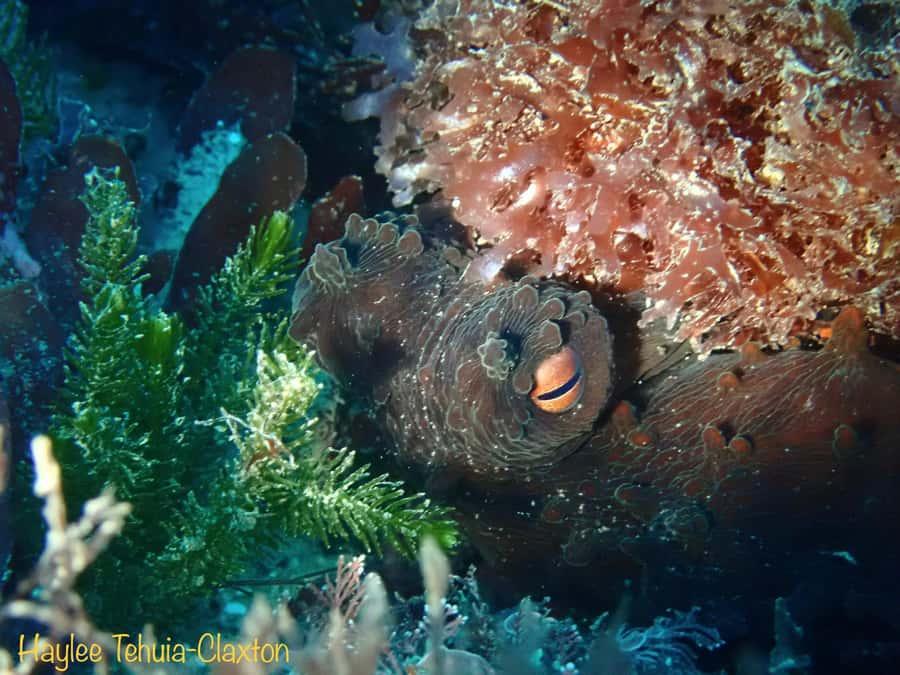
Under the surface, Kaikoura offers a distinctly New Zealand marine setting. Instead of tropical coral and warm water, you get rocky reefs covered with kelp and seaweeds in red, orange, purple, green, and brown shades. These plants create shelter for fish and small creatures, while cracks in the rocks provide places for crayfish, paua, and other marine life.
I like this kind of underwater outing because it rewards careful looking. A large animal may not appear, but the reef itself stays interesting. One moment you might notice a school of baitfish, and the next you may spot a nudibranch or an octopus tucked into the rocks.
A few more dives around the world worth comparing
- Great Barrier Reef Snorkeling and Diving Cruise from Cairns
★ 4.5 · 3,714 reviews - First-Time Scuba Diving in Honolulu + Free Videos
★ 5.0 · 3,123 reviews - Oahu Shark Dive
★ 5.0 · 2,903 reviews
Starting at 38 West End and getting ready
The trip begins at 38 West End in Kaikoura. From there, you transfer toward the boat and the selected underwater sites. The activity lasts around five hours, but the exact starting time depends on availability, so check the schedule before you build the rest of your day around it.
Because the equipment is included, you avoid the hassle of bringing a full set of rental gear yourself. The supplied details do not specify every item included, so you should confirm any personal equipment needs before setting out. If you have a preferred mask, computer, or exposure protection, ask the operator in advance rather than assuming it will be available.
You should arrive ready for a cold-water session. The water conditions are an important part of the trip, not a minor footnote. Even if the day feels mild on land, the sea can feel much colder, and low visibility can change how the experience feels compared with warm-water recreation.
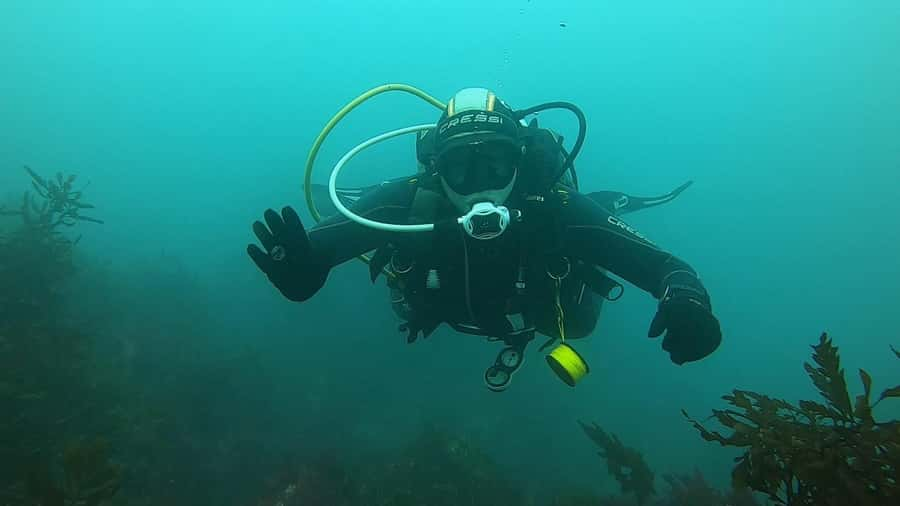
This is also a certified-only activity. If you have never completed certification, this outing is not suitable for you. The experience is designed for people who already know how to manage themselves underwater and can handle conditions that may include limited visibility.
The boat ride out: mountains meeting the sea
The first transfer takes about 10 minutes, followed by another 20-minute transfer. Together, that gives you about half an hour to reach the selected site. The route offers a fine introduction to Kaikoura’s unusual geography, with the mountains rising close to the coast.
I would treat this ride as more than simple transport. It gives you time to watch the coastline change and to get used to the open-water setting before entering the sea. It also helps explain why Kaikoura is appealing to people who want both scenery and marine life in one outing.
The boat does not follow a fixed sightseeing route in the details provided. Instead, the crew chooses the sites used for the day. That flexibility can be useful when weather and sea conditions change, although it means you cannot count on visiting a specific named reef.
First one-hour session beneath the surface
The first underwater session lasts about one hour. The selected site may feature rocky reef covered with kelp and seaweeds, creating a busy habitat for fish and invertebrates.
The plant life comes in several colors, including red, orange, purple, green, and brown. This is worth noticing because the reef’s character comes from the plants as much as from the animals. You may find fish moving through the kelp, or you may need to slow down and inspect the rocks to spot smaller creatures.
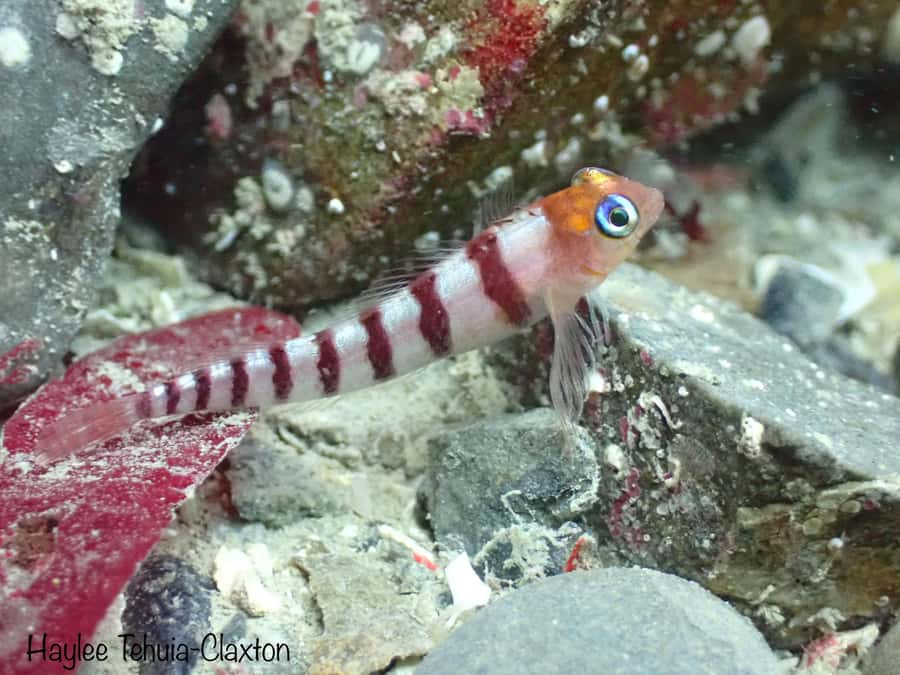
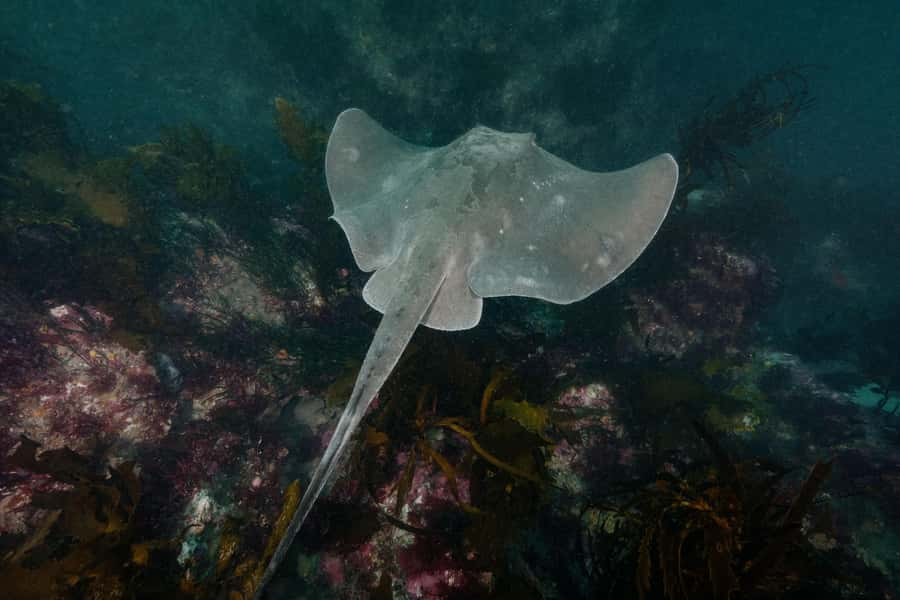
Possible sightings include moki, blue cod, wrasse, and butterfish. Octopus may also appear, though its ability to blend into rocky surroundings means you might need patience and a sharp eye. Schools of baitfish sometimes pass through, adding movement to the scene.
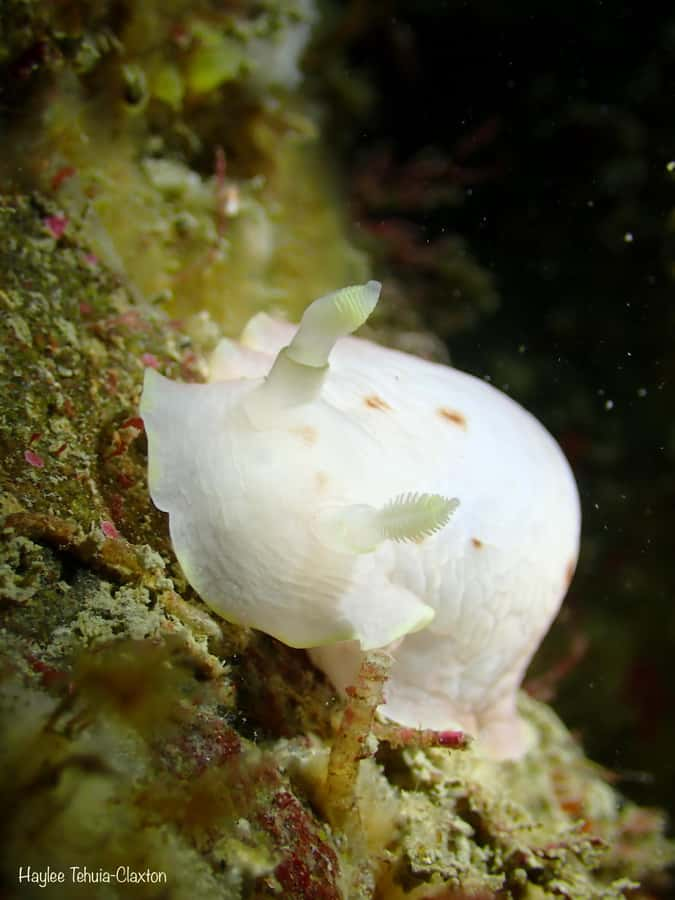
Near the bottom, you might find crayfish, paua, and kina beds. Nudibranchs provide a smaller-scale subject for anyone who enjoys close observation. These creatures are easy to miss if you hurry, so the one-hour session gives you a reasonable amount of time to explore at a calm pace.
Visibility is the main variable. The water is typically low visibility, so you should not expect long views across a reef. That can be a drawback if your idea of underwater sightseeing depends on seeing far into the distance. On the other hand, it makes close-up observation more important and gives the outing a more local, natural feel.
Same coastline, a very different dive:
- Silfra: Diving Between Tectonic Plates – Meet on Location
★ 5.0 · 2,139 reviews - Ocean Freedom Great Barrier Reef Luxury Snorkel and Dive Cruise
★ 5.0 · 1,895 reviews - Beginner Scuba Diving with Turtles and Videos, San Juan
★ 5.0 · 1,743 reviews - Tenerife: Your First Scuba Diving Experience in Turtle Area
★ 4.7 · 1,679 reviews
The one-hour surface break
After the first session, you have about an hour of break time. This pause separates the two outings and gives you time to warm up, eat if appropriate, and reset before returning to the water.
The break is especially useful in cold conditions. You are not expected to move directly from one one-hour session into another without a pause. Use the time to check your comfort, organize your equipment, and ask any questions before the second session begins.
Since the activity is weather dependent, conditions may also shape the timing and pace of the day. The supplied information does not specify the exact break facilities or refreshments, so bring whatever personal items you need for a comfortable wait, while following the operator’s instructions.
The second one-hour session
The second underwater session lasts another hour, giving you roughly two hours of total underwater time. That is the strongest value in the schedule. Instead of paying for a single brief outing, you have a second chance to see marine life, explore a different area, or spend more time examining the reef.
The exact second site is not listed, and that is probably deliberate. The operator can choose locations suited to the conditions rather than promising a fixed route. For you, this means variety is possible, but a particular animal or habitat cannot be guaranteed.
Fur seals are one of the most exciting possibilities. On fortunate occasions, your bubbles may attract their attention, and they may come close to investigate. This is a welcome surprise rather than a promised part of the trip, so book the outing for the overall reef setting rather than for a guaranteed seal encounter.
The second session can also help you settle into the conditions. The first session may be spent adjusting to the temperature and visibility. By the second, you may feel more comfortable taking your time with the rocks, kelp, and smaller creatures.
What the five-hour schedule really gives you
The full timing is roughly:
- About 30 minutes of transfers to the sites
- One hour of underwater exploring
- One hour of break time
- One hour of underwater exploring
- About 30 minutes returning to 38 West End
That accounts for about four hours, leaving roughly one hour within the five-hour duration for preparation, boarding, site changes, and the practical parts of the day. The exact flow may shift with weather and sea conditions.
I see the schedule as a good fit for someone who wants a proper half-day marine outing rather than a quick introductory session. You get time to settle in, explore twice, and enjoy the setting from the boat. The tradeoff is that the activity takes up a substantial part of your day, so avoid booking it too close to another timed excursion.
Small groups and the value of included equipment
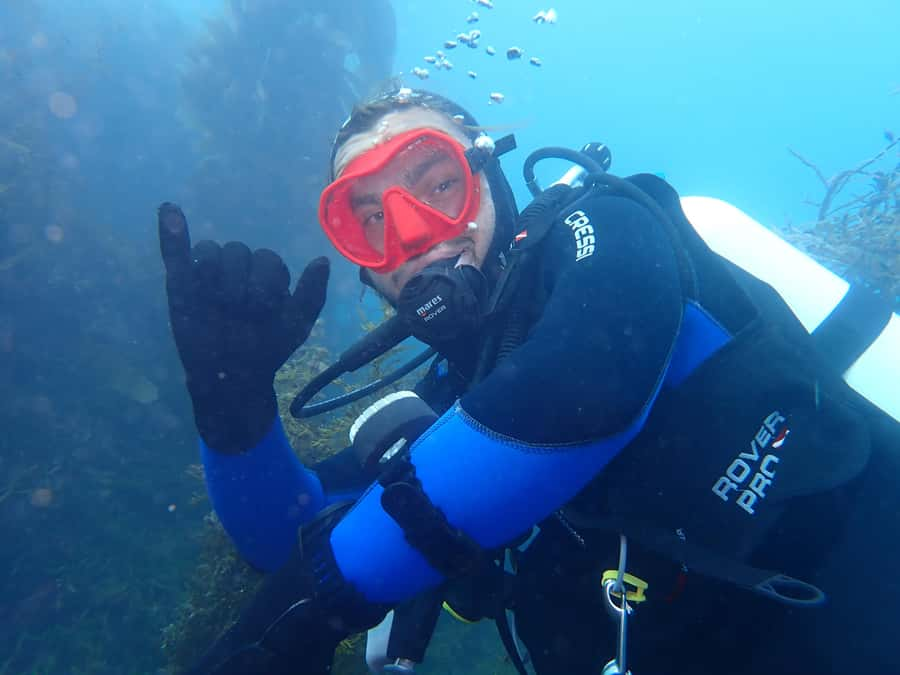
The group is limited to four participants. That is a meaningful advantage for an activity where timing, comfort, and equipment matter. A small group should make it easier to listen to the English-speaking guide, ask questions, and move through the day without the feel of a large commercial crowd.
The provider is Daves’ Diving Kaikoura, and the activity includes equipment. Since no guide names or detailed equipment list are provided, you should confirm the practical details when booking, especially if you need particular sizes or have personal gear preferences.
There is no price supplied here, so I cannot judge the exact cost against other local outings. The useful way to assess value is by looking at what you receive: a five-hour schedule, two one-hour boat sessions, included equipment, a small group, and access to a cold-water setting that is quite different from standard tropical recreation.
The value is strongest if you already hold certification and want substantial time underwater. It is weaker if you are new to the sport, uncomfortable in cold water, or mainly hoping for a guaranteed seal encounter.
Weather, sea conditions, and realistic expectations
The trip can be canceled if sea conditions are poor, and you receive a full refund if the operator cannot run it for that reason. That policy is reassuring, but weather can still disrupt your wider Kaikoura schedule, so leave room in your itinerary if this outing matters to you.
You should also accept that marine life follows its own timetable. Octopus, baitfish, nudibranchs, fish, crayfish, and fur seals are all possible, but none is guaranteed. The strongest expectation is a close look at Kaikoura’s cold-water reef habitat, not a checklist of animals.
Low visibility may be the biggest adjustment. If you usually picture underwater exploring as a wide, clear view, this may feel more demanding. If you enjoy finding small details and observing natural habitat at close range, the conditions may add to the sense of discovery.
Who should book this Kaikoura outing
I would recommend this experience to certified divers who want:
- Two substantial underwater sessions in one half-day
- A small group limited to four people
- Equipment included
- Cold-water reef habitat rather than tropical scenery
- A chance to see native fish, invertebrates, and possibly fur seals
- Mountain and sea views during the boat transfers
I would not choose it for a first-ever underwater experience. It is also a poor match if you dislike cold water or want guaranteed high visibility. The activity requires at least two people to operate, so solo planning needs a little flexibility.
Kaikoura has many other ways to see marine life, including boat trips, flights, and kayaking. Those options keep you above the water. This one is for certified divers who want to spend the better part of a half-day inside the marine environment itself.
Should you book the double boat outing?
Book it if you are certified, prepared for cold water and limited visibility, and interested in New Zealand’s own reef life rather than a tropical-style scene. The two one-hour sessions are the main reason to choose it, while the small group and included equipment make the day easier to manage.
Skip it if you need warm water, clear conditions, or a guaranteed animal sighting. For the right diver, though, this is a focused way to experience Kaikoura from below the surface, with the mountains still close behind you when you return to the boat.
FAQ
How long does the double boat outing last?
The experience lasts approximately five hours, including transfers, two one-hour underwater sessions, and a one-hour break.
Where does the activity start?
The starting location is 38 West End in Kaikoura.
How many underwater sessions are included?
The experience includes two boat-based sessions, each lasting about one hour.
Is equipment included?
Yes. The activity is described as a double boat outing with equipment included.
Do I need certification?
Yes. The activity is not suitable for divers without certification.
What marine life might I see?
Possible sightings include octopus, moki, blue cod, wrasse, butterfish, baitfish, crayfish, paua, kina, and nudibranchs. Fur seals may also approach on fortunate occasions.
Are the water conditions warm and clear?
No. You should expect cold water and typically low visibility.
Can weather cancel the trip?
Yes. The trip depends on weather and sea conditions. If poor conditions prevent the activity from operating, a full refund is provided.
What is the maximum group size?
The group is limited to four participants, and at least two people are required for the trip to operate.
New dives around the world
- Zanzibar: 1 Day Blue Trip with 2 Stunning Scuba Dives★ 4.9 · 4 reviews
- Zanzibar : 3-Day PADI Open Water Scuba Diving Adventure★ 4.9 · 6 reviews
- Zanzibar 1 Day Scuba Diving Course for Beginners with Lunch★ 5.0 · 9 reviews
- Zakynthos: Scuba Diving Experience with Underwater Photos★ 4.5 · 31 reviews
- Your first introductory dive in Lanzarote with FREE photos.★ 4.7 · 16 reviews
- Oahu: Waikiki Discovery Scuba Diving for Beginners★ 4.8 · 99 reviews
- West Palm Beach: Beginner Scuba Diving Adventure with Videos★ 4.8 · 99 reviews
- Visit Cham Islands & Snorkelling & Scuba Diving★ 3.8 · 17 reviews
Scuba Diving, compared.
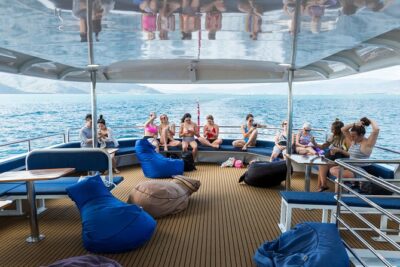
Great Barrier Reef Snorkeling and Diving Cruise from Cairns
Read our review →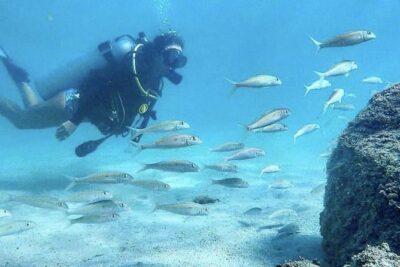
First-Time Scuba Diving in Honolulu + Free Videos
Read our review →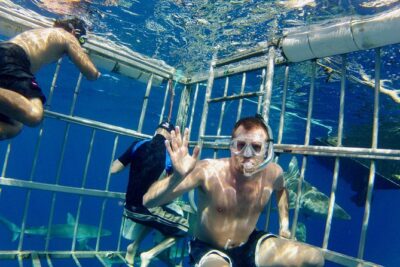
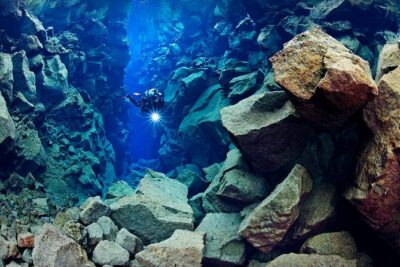
Silfra: Diving Between Tectonic Plates – Meet on Location
Read our review →
Ocean Freedom Great Barrier Reef Luxury Snorkel and Dive Cruise
Read our review →
Beginner Scuba Diving with Turtles and Videos, San Juan
Read our review →
Tenerife: Your First Scuba Diving Experience in Turtle Area
Read our review →