
REVIEW · PUERTO RICO
Discover Scuba Diving
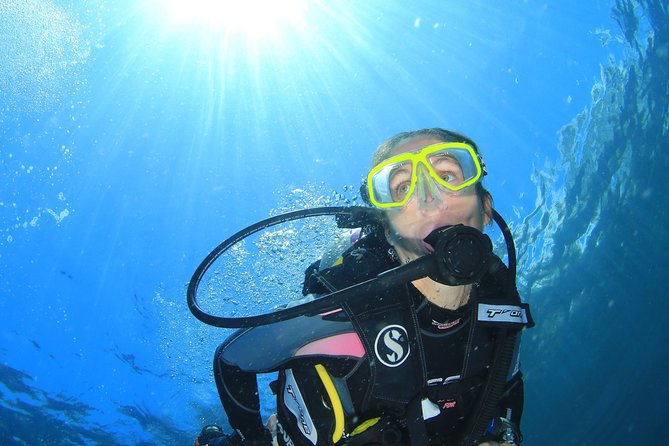
The Caribbean makes a fine classroom. This four-hour Discover Scuba experience in Rincón lets you try scuba without committing to a full certification course. I especially like the small instructor groups, usually no more than four people per instructor, and the fact that a PADI professional stays with you throughout the water session. The equipment, instruction, snorkel gear, bottled water, and taxes are included.
The main drawback is transportation. You check in at Rincon Diving & Snorkeling, then drive your own vehicle about five minutes to the beach in a caravan. At $139 per person, the price is fair for a first-time scuba lesson with a reef outing, though it is not the cheapest way to spend a morning in the water.
Key Things to Know Before You Book
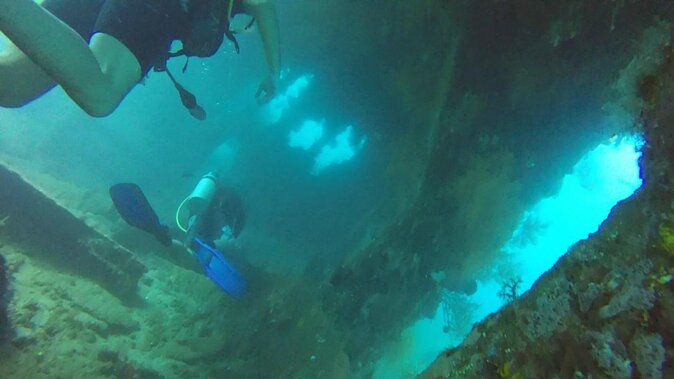
- You reach a maximum depth of 40 feet: The open-water portion stays shallow by scuba standards, which helps first-timers feel less overwhelmed.
- Small groups matter: The normal ratio is up to four participants per instructor, though the activity information also lists a maximum of three travelers, so confirm the exact group size when booking.
- The morning starts with classroom basics: Allow about 45 minutes for paperwork, a short video, equipment fitting, and instruction before entering the water.
- No boat trip is needed: You use a beach entry, with a short self-drive from the shop to the shore.
- The reef session includes real beginner skills: You practice mask clearing, regulator recovery, and sharing air before exploring the shallow reef.
- Plan around your flight: You cannot take part if you will fly within 18 hours after the activity.
What This Rincón Experience Really Is
This is a trial lesson, not a certification. You learn enough basic theory and water skills to decide if scuba suits you, then spend time with your instructor in shallow Caribbean water and on a nearby reef.
That distinction matters. You will not leave certified, and the session does not replace the PADI Open Water course. But some completed skills may count toward a later PADI Scuba Diver or Open Water Diver course. Ask your instructor exactly how that credit works before you leave.
The program is aimed at people who want more than snorkeling but are not ready to spend several days on formal training. You need to be at least 10 years old and able to swim. Children ages 10 to 14 may not all be suitable, so the center asks families to call before booking for anyone under 14.
For an adult who feels nervous about breathing underwater, the format is sensible. You begin in shallow water, stay beside a PADI instructor, and only descend as far as 12 meters, or about 39 to 40 feet. That is enough depth to see a reef from a new angle without making the outing feel like an advanced expedition.
More First-Time Dives in Puerto Rico:
- Discover Scuba Diving in San Juan: Perfect for First-Time Divers
★ 4.5 · 70 reviews - Discover Scuba Diving in San Juan
★ 5.0 · 33 reviews - Discover Scuba Diving
★ 5.0 · 1,676 reviews
Your 9:00 a.m. Check-In at Rincon Diving & Snorkeling
The morning begins at Rincon Diving & Snorkeling, located at 2207 Ave Pedro Albizu Campos, Carr 115, Rincón. The listed start time is 9:00 a.m., and confirmation arrives when you book.
First comes paperwork. You provide basic personal information and answer questions about your medical history. This is not a box-ticking exercise to rush through. Certain conditions, including some asthma and heart problems, may prevent participation, so contact the center before booking if you have any concern.
After check-in, you meet your instructor in the training area and watch a short video of about 15 minutes. The video explains the basic techniques and course plan. Your instructor then repeats the key points and answers questions.
The full check-in and preparation period takes about 45 minutes, depending on group size. That makes the 9:00 a.m. start more than a quick meet-and-go arrangement. Wear your swimsuit from the start, bring a towel, and arrive ready for paperwork and fitting.
The Equipment Lesson Comes Before the Reef
The center supplies all scuba equipment, as well as snorkel gear. Your instructor helps fit the gear, explains how it works, and gives you a briefing before you enter the water.
The practical skills are the heart of this program. You work on clearing water from your mask, recovering a regulator if it comes out of your mouth, and sharing air. These are basic scuba actions, but they can feel strange during your first few minutes underwater. A calm instructor and a small group give you room to repeat them without feeling hurried.
One past participant found the opening lesson a little fast. That is useful advice for anyone who learns by doing rather than watching. Pay close attention to the video, but speak up if a step is unclear. You should not feel embarrassed asking for another explanation or practice attempt.
The best part of this format is that the skills are not taught only on land. You use them in shallow water with your instructor close by, then move on when you are comfortable. That gradual pace can help you manage the natural unease of breathing through a regulator.
The Five-Minute Trip to the Beach
There is no boat involved. After the shop session, everyone caravans to the beach in their own transportation, a drive of roughly five minutes.
This keeps the outing simple and avoids a long ride before you have even tried the equipment. It also gives you more control over your morning. The tradeoff is that transportation from the center to the beach is not provided, and taxis in the area are limited.
If you are staying nearby, arrange your own car or confirm transport before booking. Do not assume the center will shuttle you. The meeting instructions say the activity returns to the original meeting point, while the water portion ends at the beach, so ask the staff how your group will handle the return after the session.
A few more dives around Puerto Rico worth comparing
- Beginner Scuba Diving with Turtles and Videos, San Juan
★ 5.0 · 1,743 reviews - Fajardo 2-Tank Scuba Dive for Certified Divers Only
★ 5.0 · 191 reviews - Experience Scuba Diving / NO certification Needed
★ 4.5 · 104 reviews - Discover Fajardo: 2-Tank Scuba Diving
★ 4.5 · 91 reviews
Shallow Water Practice With a PADI Instructor
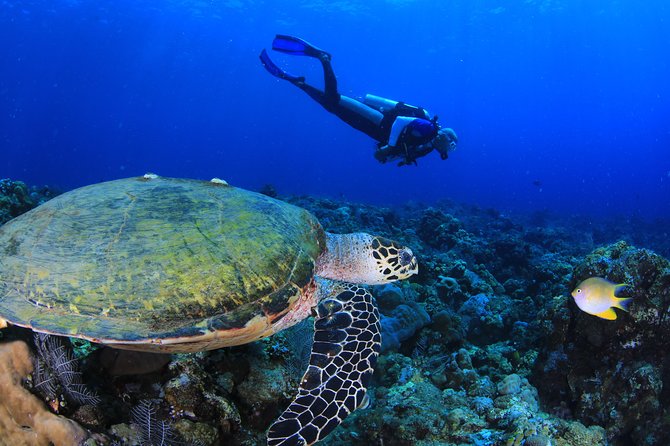
At the beach, you begin in shallow sea water. This is where the theory becomes useful. You learn how to breathe through the equipment, get comfortable with your mask and regulator, and perform the basic skills under direct supervision.
The instructor remains with you at all times. That is especially valuable if you are unsure about buoyancy, nervous about the equipment, or simply need a little time to settle down. The program is designed to be safe and fun, but you still need to stay attentive and follow directions.
The water temperature averages in the low to mid-80s Fahrenheit. Most people will not need extra thermal protection, although the center suggests wearing a T-shirt or sun shirt to reduce sun exposure and rubbing from the equipment.
Use reef-safe sunscreen before arrival. The center specifically asks you to avoid products containing oxybenzone and suggests mineral-based options such as zinc oxide. Reef-safe sunscreen is also available for purchase at the shop.
The Reef Session, Up to 40 Feet Down
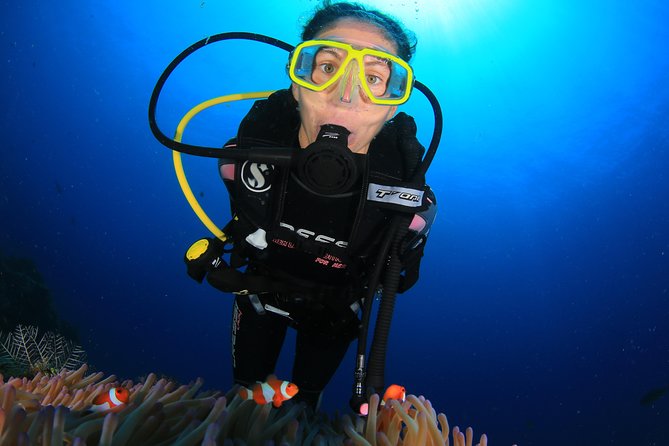
Once you have practiced the basics, you head out on an open-water session over a shallow ocean reef. The maximum depth is 12 meters, or about 40 feet.
This is where the program earns its place above a standard pool lesson. You are not only learning equipment handling. You are using those skills in the Caribbean, alongside the kind of coral reef environment that certified scuba participants visit.
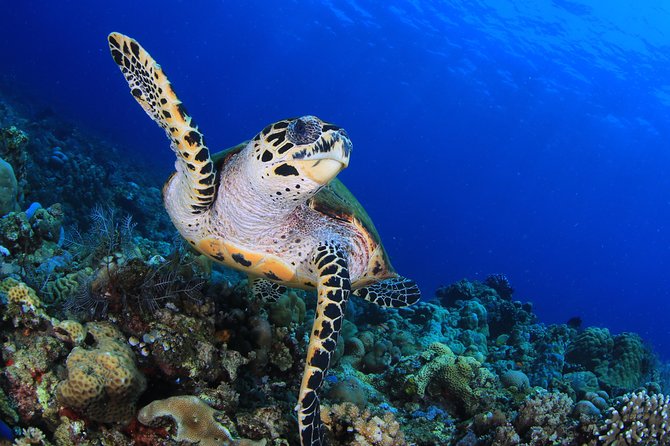
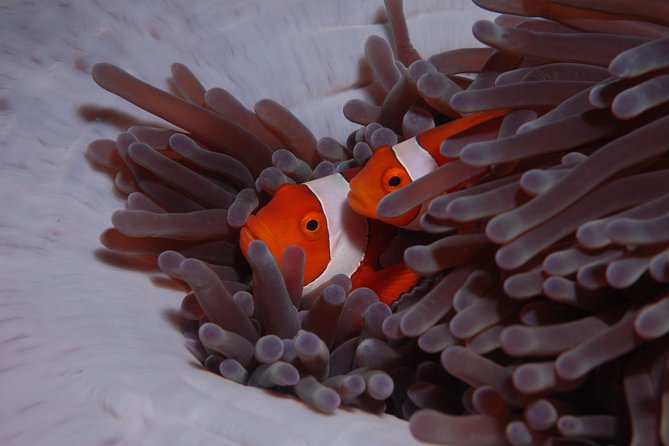
The reef scenery can be impressive. One participant described beautiful reefs and another reported seeing three sharks. Wildlife sightings are never guaranteed, but those details show the range of what you might encounter. Keep your expectations sensible: this is a beginner session, not a specialized animal-spotting trip.
Your instructor controls the pace and depth. That makes the reef outing approachable, but it also means you should not expect to wander freely or cover a large area. The goal is to experience the underwater setting while staying focused on safe breathing, body position, and communication.
If you chose a second session, the schedule includes an hour-long break, a new briefing, and a move to a different coral reef. That option gives you more time underwater and another chance to practice, but it also turns a short morning into a longer half-day commitment.
Why the Small Group Setup Helps
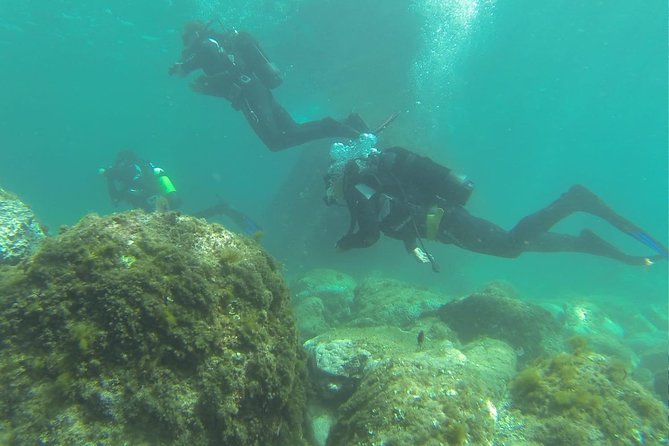
A ratio of four participants per instructor is one of the strongest reasons to choose this outing. Scuba instruction involves small adjustments that are hard to explain from a distance. A nearby instructor can spot discomfort, correct a mask problem, and slow down when someone needs more time.
The experience information also lists a maximum of three travelers, while the standard instructor ratio allows up to four participants. Since those numbers do not match perfectly, call the center if group size is important to you. The operator may have additional instructors and space, so it is worth asking about availability.
The small format may also suit couples, friends, or a parent and older child. You get the shared fun of a group activity without being lost in a large class. The minimum booking requirement is one person, so you do not need to assemble a full party to reserve.
Instruction is provided in English. A Spanish-speaking instructor may be available by request, but you need to call the center after booking to confirm that request.
Is $139 a Fair Price?
At $139 per person, this is not a budget water activity. A simple snorkeling outing will usually demand less time, less instruction, and less equipment. The question is what you want from your morning.
The price includes the PADI instructor, scuba and snorkel equipment, taxes, fees, handling charges, and water. You also receive a structured lesson, shallow-water skills practice, and a supervised reef session. For someone seriously considering certification, the chance to test scuba before paying for a full course adds real value.
The cost feels less attractive if you only want a quick look underwater or already have strong scuba experience. Certified participants will likely want a more advanced outing. First-timers, nervous swimmers who meet the requirements, and snorkelers ready for a new challenge are the best match.
Bring your own refillable water bottle if possible. The center offers filtered rainwater refills, even though bottled water is also listed among the highlights. Drink plenty of water before arrival, especially in Puerto Rico’s warm conditions.
Practical Preparation for a Better Morning
You need a swimsuit and towel. A sun shirt is a smart addition because it can help protect you from both the sun and equipment abrasion.
Bring reef-safe sunscreen and apply it before you arrive. You may bring your own snorkel or scuba gear if you have it and prefer a particular fit, but all required equipment is provided.
You should be comfortable swimming. Prior snorkeling experience is helpful, though it is not required. The program is built for beginners, but it is not a passive sightseeing trip. You must listen, manage the equipment, and take part in the water skills.
Do not schedule this activity close to a flight. You cannot participate if you will fly within 18 hours after the session, and scuba activity within 18 hours before flying is not recommended. Build that buffer into your Puerto Rico plans.
Weather can also change the schedule. The operator may cancel or reroute the outing at the last minute for weather or safety reasons. If that happens, you may be offered another date, a more accessible location, or a full refund.
Free cancellation is available if you cancel at least 24 hours before the local start time. Changes or cancellations inside that window are not refundable.
Who Will Enjoy This Most?
I would choose this for a first-time scuba participant who wants a real reef setting without signing up for a full certification course. It also fits snorkelers who are curious about going below the surface and families with older children who meet the age and swimming requirements.
It is less suitable if you dislike structured instruction, cannot swim, have a medical condition that may affect scuba participation, or need included transportation. It is also not the right choice for a certified scuba participant seeking advanced sites, long bottom time, or a boat-based outing.
The strongest part of the experience is the personal support. One participant praised instructor Claire for helping overcome fear, while another described the instructor as patient and friendly with first-timers. That kind of steady guidance can decide whether your first attempt feels exciting or stressful.
Should You Book the Rincón Discover Scuba Experience?
Book it if you want to test scuba in warm Caribbean water, value a small class, and are willing to handle your own short drive to the beach. The shallow reef, included equipment, PADI instruction, and possible credit toward future certification make $139 reasonable for a serious first try.
Think twice if you only want casual snorkeling or if your schedule cannot allow the 18-hour no-fly window. Before paying, confirm transportation, group size, Spanish-language instruction if needed, and medical eligibility.
For the right beginner, this is a friendly way to find out whether scuba belongs in your future travel plans.
FAQ
Do I need prior scuba experience?
No. The program is designed for people with no previous scuba experience. You learn basic concepts and skills before entering the open water.
What is the minimum age?
The minimum age is 10. The activity may not suit every child ages 10 to 14, so call the center before booking for anyone under 14.
Do I need to know how to swim?
Yes. Participants should be able to swim. Prior snorkeling experience is helpful but not required.
How deep will I go?
The maximum depth is 12 meters, or about 39 to 40 feet.
Is a boat used?
No. The activity takes place from the beach. You drive about five minutes from the dive center to the beach in your own transportation.
What equipment is included?
All scuba equipment and snorkel equipment are included. You may bring your own gear if you prefer a particular fit.
What should I bring?
Bring a swimsuit, towel, water bottle, reef-safe sunscreen, and a sun shirt if you want extra protection from the sun and equipment rubbing.
Is the instruction available in Spanish?
Instruction is provided in English. A Spanish-speaking instructor may be available by request, but you must call the center after booking to confirm.
Can I participate if I fly the same day?
No. You cannot participate if you will fly within 18 hours after the activity. Scuba activity within 18 hours before flying is not recommended.
What happens if bad weather cancels the activity?
The operator may offer another date, another accessible location, or a full refund if poor weather prevents the activity.
New dives around Puerto Rico
- Get SCUBA Certified at San Juan★ 5.0 · 35 reviews
- Discover Scuba Diving in San Juan: Perfect for First-Time Divers★ 4.5 · 70 reviews
- Discover Scuba Diving in San Juan★ 5.0 · 33 reviews
- Scuba Tour for Certified Divers in San Juan★ 5.0 · 31 reviews
- OCTOPUS DIVING (hookah diving) NO Experience Needed★ 4.0 · 9 reviews
- Guided Shore Diving Tour★ 5.0 · 53 reviews
- Beginner Scuba Diving Guided Tour – No Experience Required★ 4.5 · 67 reviews
- Guided Coral Reef Scuba Tour / 1 tank (Certified Divers Only)★ 4.5 · 51 reviews
Discover Scuba Diving, compared.
Cyprus: Introductory Scuba Lesson and Dive with Transfer
Read our review →
Half-Day Scuba Diving Tour – Discover Scuba Diving!
Read our review →Browse the lists this tour appears in