
REVIEW · COLOMBIA
Cartagena: PADI Open Water Diver Course with Certification
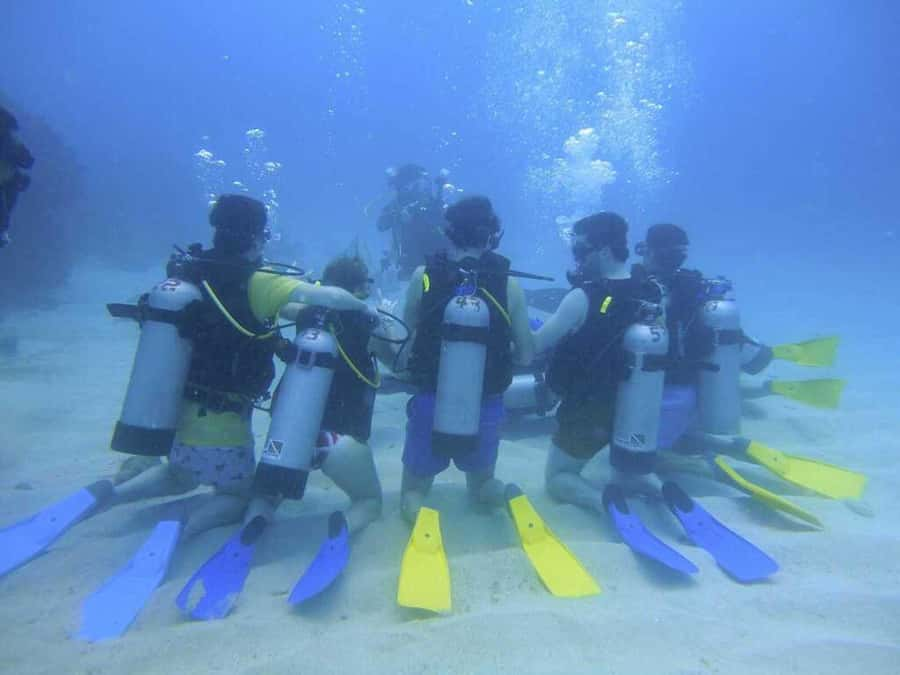
Clear waters, calm instruction, real skills. This three-day PADI course in Cartagena combines online study, pool practice, and four open-water sessions around the Barú Archipelago. I like the gradual setup, which lets you handle the equipment in a pool before heading out to sea, and I like that underwater photos and videos are included rather than sold as an afterthought. The small group, capped at eight people, is another real plus.
The main consideration is time. You must finish the online theory before practical training begins, then set aside three days for the course. The $600 price includes a lot, but meals, drinks beyond the supplied refreshments, personal costs, and transport to the meeting point are extra.
Key points to know before booking
- Pool practice comes first: You get an afternoon session in Cartagena to learn basic equipment use and essential underwater skills before going into open water.
- Four sea sessions follow: The next two mornings include two sessions each around the Barú Archipelago.
- Long underwater sessions: Each one lasts about 50 minutes, giving you time to practice instead of rushing through the basics.
- Small groups help build confidence: A maximum of eight participants allows the PADI instructor to give more personal attention.
- Photos and videos are included: You leave with underwater memories as well as a completed diving log and PADI certification.
- Plan around flight restrictions: Flying within 18 hours after diving is dangerous, so schedule this course carefully within your wider Colombia trip.
Why this Cartagena course works for first-time scuba students
Learning to use scuba equipment can feel like a lot at first. You are managing breathing, buoyancy, movement, and hand signals while taking in a new setting. Starting in a pool gives you a controlled place to get comfortable before the sea adds waves, boat movement, and open space.
I especially like this order of events. You do not begin with a boat ride and a plunge into unfamiliar water. Instead, the course builds from theory to pool skills, then to open-water practice. That progression can make a major difference if you feel nervous about breathing through a regulator or moving with a tank on your back.
The course is taught in English or Spanish. That matters because clear instructions are essential when you are learning safety procedures. A small group of no more than eight people also gives the instructor room to watch your technique and answer questions.
One instructor who has made a strong impression is Alvaro, described as a patient teacher who helped build confidence throughout the course. That kind of teaching style is valuable here. Certification is not just about checking off tasks. You need to understand what you are doing and feel comfortable enough to repeat it underwater.
More Dive Courses in the world:
- Barcelona: PADI Discover Scuba Diving
★ 4.7 · 1,016 reviews - PADI Open Water Diver Course
★ 5.0 · 626 reviews - Tossa de Mar: PADI Discovery Scuba Diving in Costa Brava
★ 4.7 · 392 reviews
Before Cartagena: finish the online theory
The course begins with a self-paced online theory component. You need to complete it before the pool and ocean sessions, so do not leave it until the last moment. Finishing early lets you arrive at the practical portion ready to work with equipment rather than still trying to absorb basic concepts.
This online stage is useful for learning the ideas behind safe scuba travel. The practical sessions then give you a chance to apply those lessons with an instructor nearby. I like that the structure separates study from physical practice, although it does mean the course starts before your first meeting in Cartagena.
Set aside quiet time for the online work. The activity information does not give a precise number of hours, so you should check the current course instructions after booking and plan around them. The important point is simple: the online portion is required, not optional preparation.
Afternoon pool training in Cartagena
Your first practical session takes place in a training pool during the afternoon. This is where you get familiar with the complete set of equipment and practice the basic techniques needed for independent scuba use.
The pool is the right place to sort out small problems. You can learn how the mask, breathing equipment, tank, and other gear feel before dealing with salt water and a boat trip. You also have a chance to practice essential skills at a slower pace.
For a first-time student, this afternoon may be the most important part of the whole experience. It gives you a chance to discover what feels awkward while you are still close to the instructor and in a controlled setting. If you need extra explanation, this is the time to ask.
The course includes all diving equipment, so you do not need to assemble a personal kit for the training. You should bring comfortable swimwear and a towel. The information provided does not list a separate equipment rental charge, which makes the $600 price easier to evaluate.
Two mornings around the Barú Archipelago
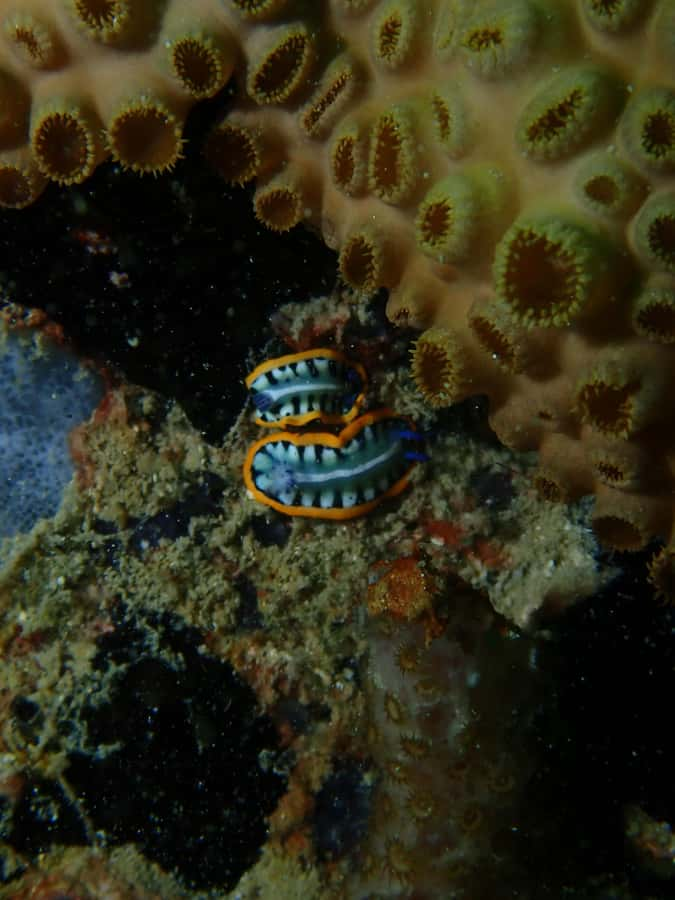
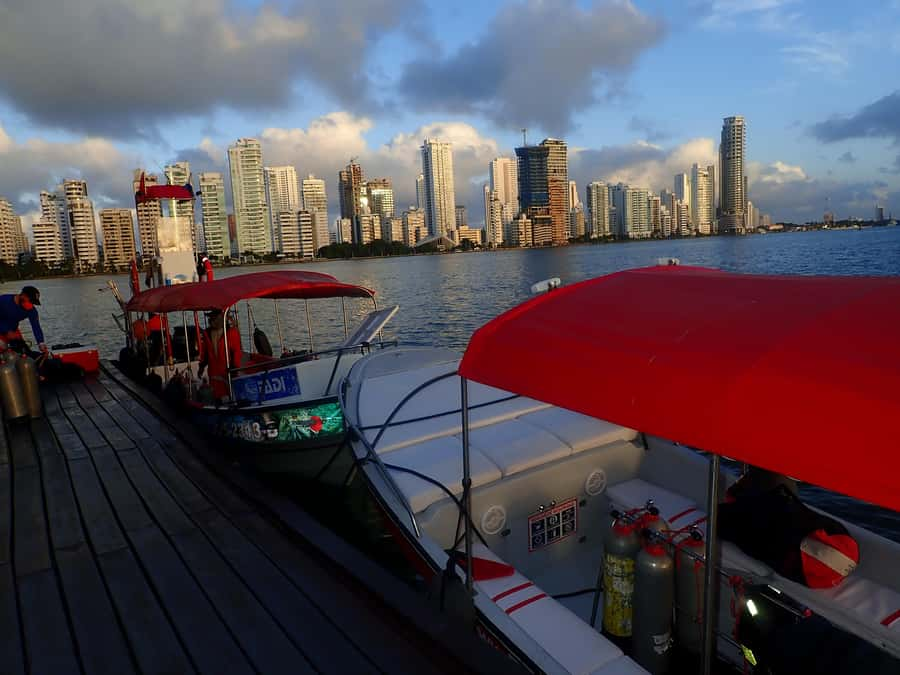
The following two mornings take you by boat to the Barú Archipelago for open-water training. Each morning includes two underwater sessions. That gives you four chances to repeat skills, improve comfort, and experience the marine setting beyond the pool.
The boat transport is included, which removes one common complication. You do not need to arrange a separate boat operator for the course. Transport to the initial meeting point in Cartagena is not included, though, so budget for that part and confirm exactly where you need to meet the group.
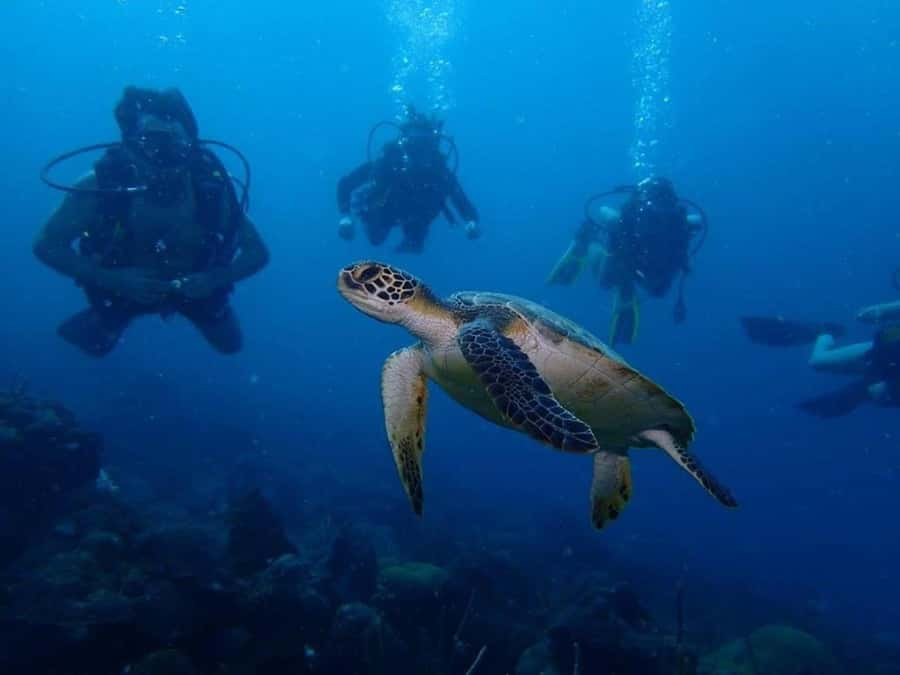
The Barú area provides the setting for the more memorable part of the course. You will see marine life and underwater scenery while working toward certification. The focus remains training, but the natural setting gives the lessons a purpose that a pool cannot match.
Each session lasts about 50 minutes. That is a generous amount of underwater time for a beginner course, provided conditions and the instructor’s plan allow the advertised schedule to run as expected. Longer sessions let you practice at a reasonable pace and spend time observing the sea instead of surfacing immediately after completing a skill.
Between sessions, tropical fruit snacks are provided. This is a small detail, but it helps during a morning on the water. Meals and other beverages are not included, so do not treat the fruit as a full breakfast or lunch replacement.
A few more dives around the world worth comparing
- Great Barrier Reef Snorkeling and Diving Cruise from Cairns
★ 4.5 · 3,714 reviews - First-Time Scuba Diving in Honolulu + Free Videos
★ 5.0 · 3,123 reviews - Oahu Shark Dive
★ 5.0 · 2,903 reviews - Silfra: Diving Between Tectonic Plates – Meet on Location
★ 5.0 · 2,139 reviews
What the four underwater sessions are really for
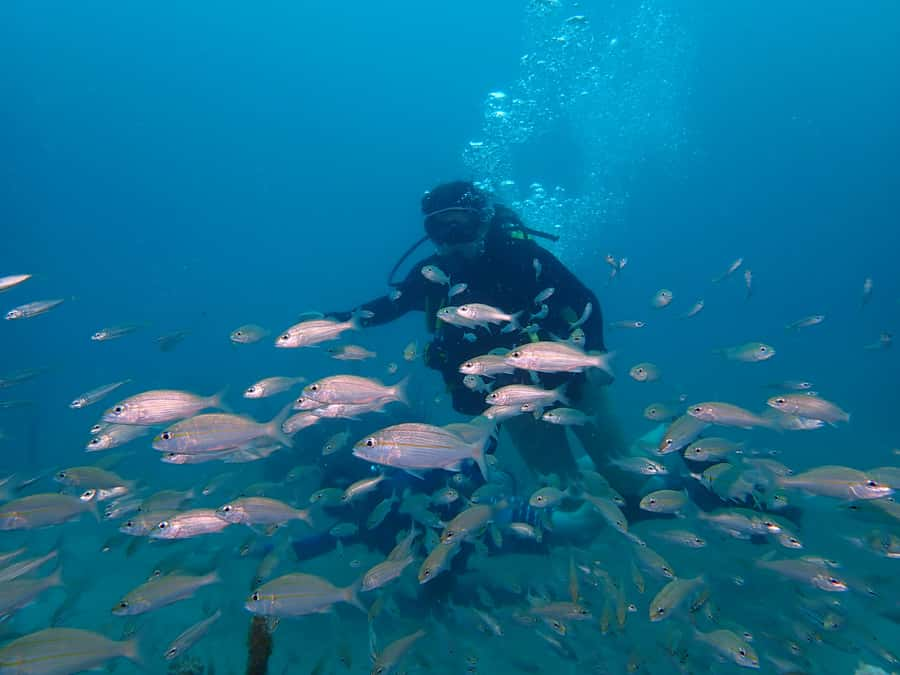
The course is designed to qualify you as a PADI Open Water Diver, not simply to give you a quick introduction to scuba. Once certified, you are qualified to go as deep as 18 meters, or 60 feet, rent equipment, and take part in advanced courses around the world.
That certification is the main value of the experience. A short introductory session might let you try scuba once, but this course gives you a recognized qualification and a foundation for future trips. You also receive a diving log, which helps you keep a record of your training and later underwater experiences.
The four sessions provide room for repetition. You may need to repeat a skill or ask for another explanation, and the schedule allows more than one chance to practice. The instructor’s role is especially important here. Alvaro’s calm, encouraging approach, as described by one participant, suggests the course is suited to people who want support rather than a rushed, hands-off lesson.
Still, certification requires active participation. You should expect to listen carefully, practice the required skills, and follow the instructor’s safety directions. The course is not a sightseeing cruise with a certificate attached. It is a real training program that happens to take place in a beautiful marine environment.
Marine life, photos, and the pleasure of looking around
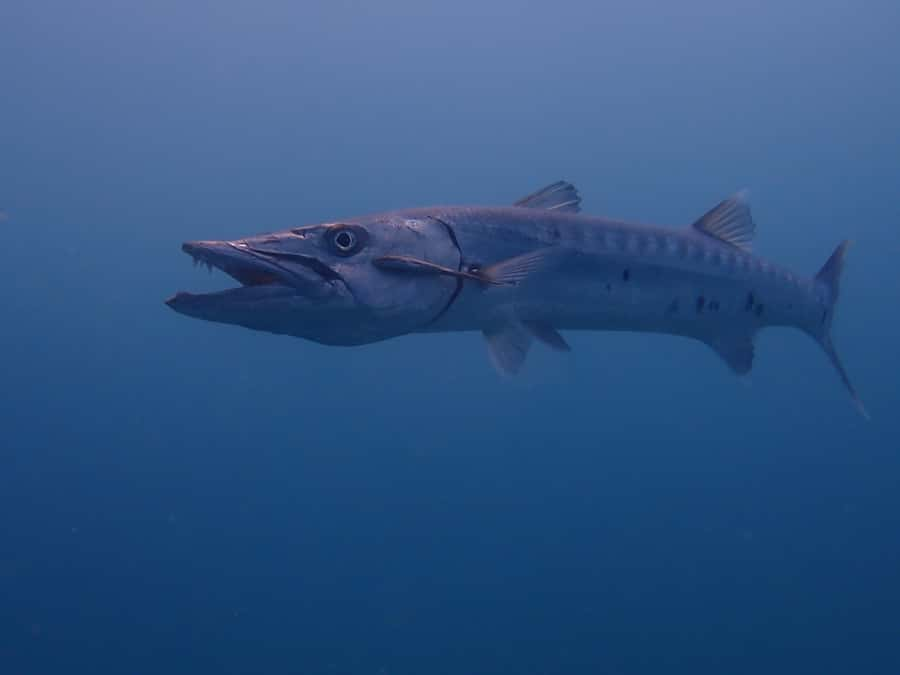
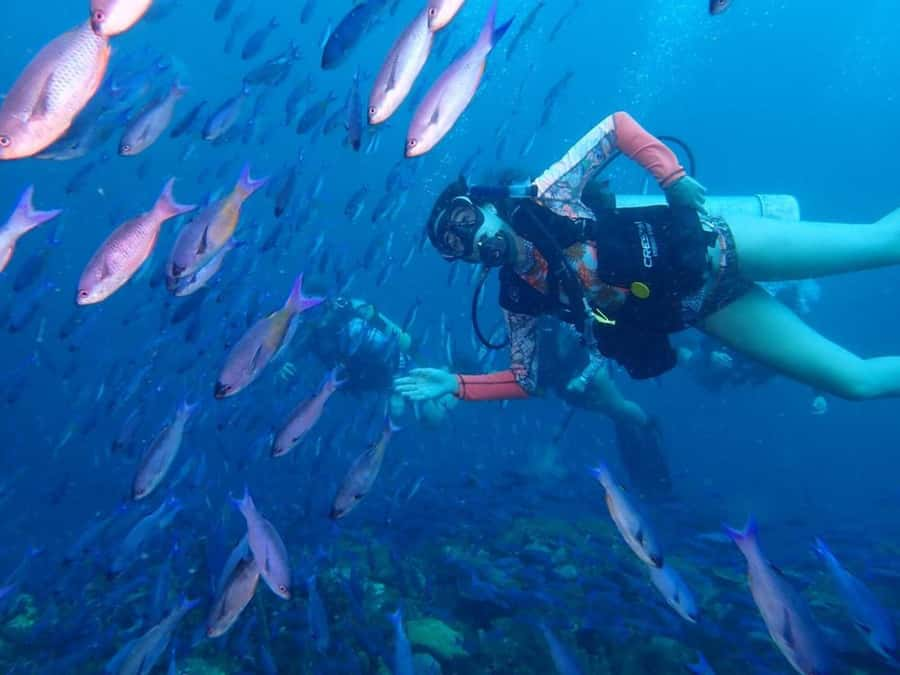
The underwater setting around Barú adds color and interest to the training. You will have time to look at marine life and underwater formations during sessions that last roughly 50 minutes. The supplied information does not identify particular species or exact sites, so you should not book this expecting a guaranteed animal encounter or a named landmark.
The included photos and videos are a welcome touch. Underwater photography can be difficult for a new scuba student, since you are already concentrating on breathing, position, and equipment. Having someone capture parts of the experience means you can keep your attention on your training and still take home a visual record.
These images also give you a better memory of the transition from pool practice to open water. You can compare your first careful equipment session with your later time around Barú. That progression is one of the most satisfying parts of a beginner course.
Keep your expectations sensible. Photos and videos are included, but the information does not specify how many files you receive, when they are delivered, or the exact shooting conditions. Underwater visibility and weather can affect the final result.
Is $600 a fair price?
At $600 per person, this is not a cheap activity. It is also more than a one-time recreational swim, because the price covers a three-day PADI training program and certification.
The package includes:
- Full scuba equipment
- Boat transportation
- A PADI instructor
- Online theory
- Four open-water sessions after pool training
- Underwater photos and videos
- Tropical fruit refreshments
- A diving log
- PADI certification
The value is strongest if you genuinely want the qualification. You are paying for instruction, equipment, boat access, training time, certification, and future use of the credential. Being able to rent equipment and join further courses worldwide gives the price lasting value beyond your Cartagena stay.
The value is weaker if you only want a quick look beneath the surface. In that case, a shorter introductory activity may better match your plans, though this particular course is aimed at people who want to become certified.
Remember the extras. Meals and most drinks are not included. Personal expenses are separate, and you must arrange your own transport to the meeting point. Those costs should not be large compared with the course fee, but they belong in your trip budget.
Who should book this course?
I would recommend it to adults and older teenagers who want a proper first qualification, not just a brief underwater encounter. The course suits you especially well if you appreciate patient instruction, want English or Spanish guidance, and prefer a small group over a crowded class.
You should also be ready to give the experience three full days of attention. The schedule has a clear rhythm: online study first, pool work in the afternoon, then two mornings at sea. It is not a good fit for a short Cartagena stop with no spare time.
The course is not suitable for children under 15, pregnant women, or people with heart problems. The supplied information does not provide a full medical questionnaire, so if you have another health concern, ask the provider before booking rather than guessing.
Flight planning needs equal care. Flying within 18 hours after scuba activity is dangerous. Leave enough time between your final underwater session and any flight, especially if Cartagena is only one stop in a larger Colombia itinerary.
Practical planning for your three days
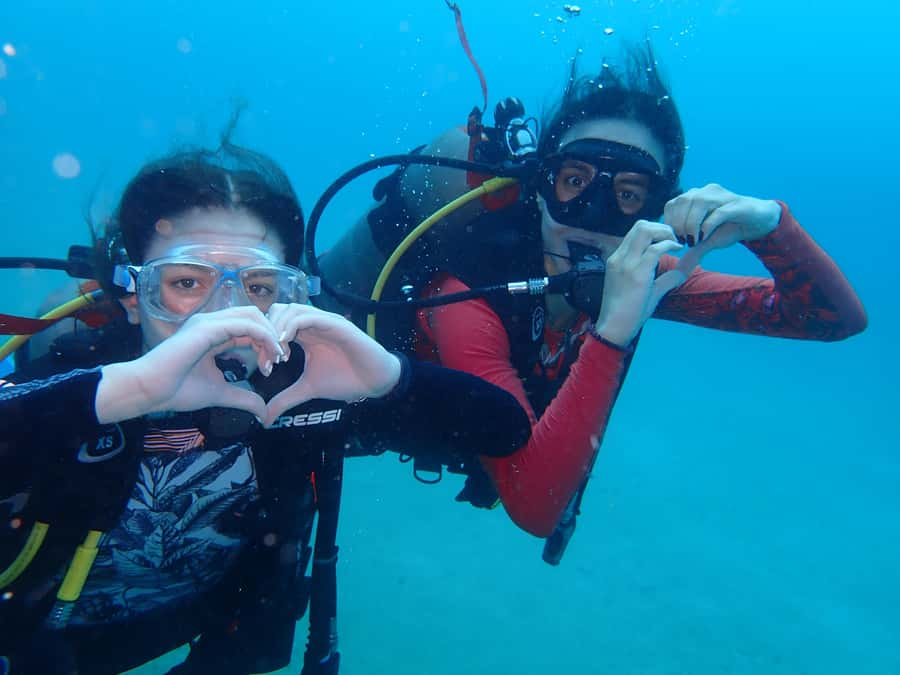
Finish the online theory before the first practical meeting. Bring comfortable swimwear and a towel, and plan for a morning on the boat followed by time in the water. Since meals are not included, ask about the day’s timing and bring or buy food as needed.
The course is offered in English and Spanish, and the group limit is eight participants. If language comfort matters to you, confirm your preferred language when arranging the booking.
The schedule’s start times can vary, so check availability for your dates. The activity lasts three days, but the exact meeting hour is not supplied here. Allow enough flexibility around the pool afternoon and both boat mornings.
Free cancellation is available up to 24 hours before the activity for a full refund. You can also reserve now and pay later, which helps if you are still arranging a longer Colombia trip. Those policies are useful, but the more important planning issue is still the 18-hour no-fly window after your final session.
My verdict on the PADI course in Cartagena
I like this course because it treats certification as a skill-building process. The pool session gives you a sensible first step, the two Barú mornings provide repeated practice, and the roughly 50-minute sessions give you time to settle into the experience.
The strongest human element is the instruction. Alvaro’s patient, confidence-building style is exactly what a beginner needs, and the small group limit supports that personal approach. Photos, videos, fruit snacks, equipment, boat transport, and certification round out a package that offers solid value for someone committed to learning.
I would book it if you want a recognized PADI qualification and can spare three days in Cartagena. I would skip it if you only want a quick recreational outing, cannot complete the online work first, or have a flight scheduled within 18 hours of the final underwater session.
FAQ
How long does the PADI course take?
The course lasts three days. It includes online theory, an afternoon pool session, and two mornings of open-water training.
Where does the pool practice take place?
The pool practice takes place in Cartagena before the ocean sessions.
Where are the open-water sessions held?
The open-water sessions take place around the Barú Archipelago.
How many underwater sessions are included?
You receive two sessions on each of the two open-water mornings, for four sessions in total.
How long does each underwater session last?
Each session lasts approximately 50 minutes.
Is scuba equipment included?
Yes. Full scuba equipment is included in the course price.
Are photos and videos included?
Yes. Underwater photographs and videos are included.
What languages are available?
Instruction is available in English and Spanish.
Can I fly soon after completing the course?
No. Flying within 18 hours after scuba activity is dangerous, so you need to plan your flight after that restriction has passed.
New dives around the world
- Villasimius: Scuba Dive in Capo Carbona without Certificate★ 4.9 · 23 reviews
- Vila Franca do Campo: Try Scuba Diving for the first time!★ 5.0 · 3 reviews
- Villasimius: Capo Carbonara First Time Dive with Instructor★ 4.9 · 50 reviews
- Villefranche-sur-Mer: Experience an introduction to scuba diving★ 5.0 · 2 reviews
- Tučepi: Adriatic Sea Diving Lessons with Guided Dive & Gear★ 4.8 · 9 reviews
- Tenerife: 2 Diving Sessions for Certified Divers★ 4.2 · 7 reviews
- Underwater Museum Musa : SCUBA DIVING FOR BEGINNERS★ 4.3 · 4 reviews
- Tulum: Dos Ojos Cenote 2 Scuba Dives with Transfer Option★ 4.5 · 13 reviews
PADI Courses & Certification, compared.
Tossa de Mar: PADI Discovery Scuba Diving in Costa Brava
Read our review →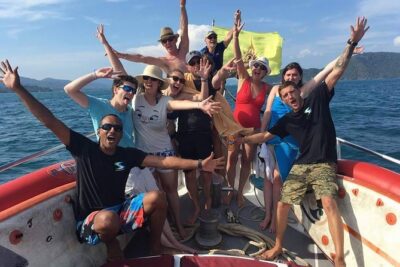
Full-Day Beginner Scuba Course with Private Tuition, Racha Yai
Read our review →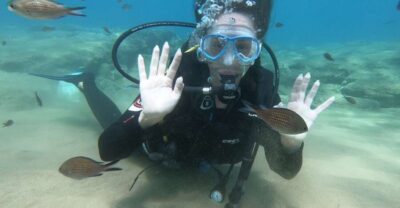
Beginner Scuba Diving Lesson with PADI Instructor
Read our review →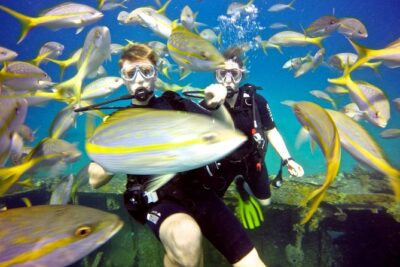
Discover Scuba Diving with No Certification in St Thomas
Read our review →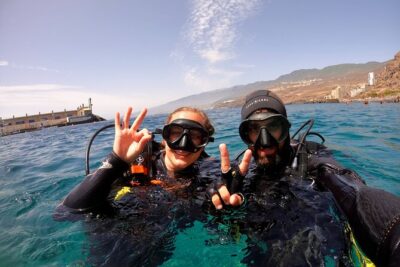
Try Dive – PADI Discover Scuba Diving in Tenerife
Read our review →
Browse the lists this tour appears in