
REVIEW · SOUTH AFRICA
Cape Town: Shark Science SCUBA Diving Experience
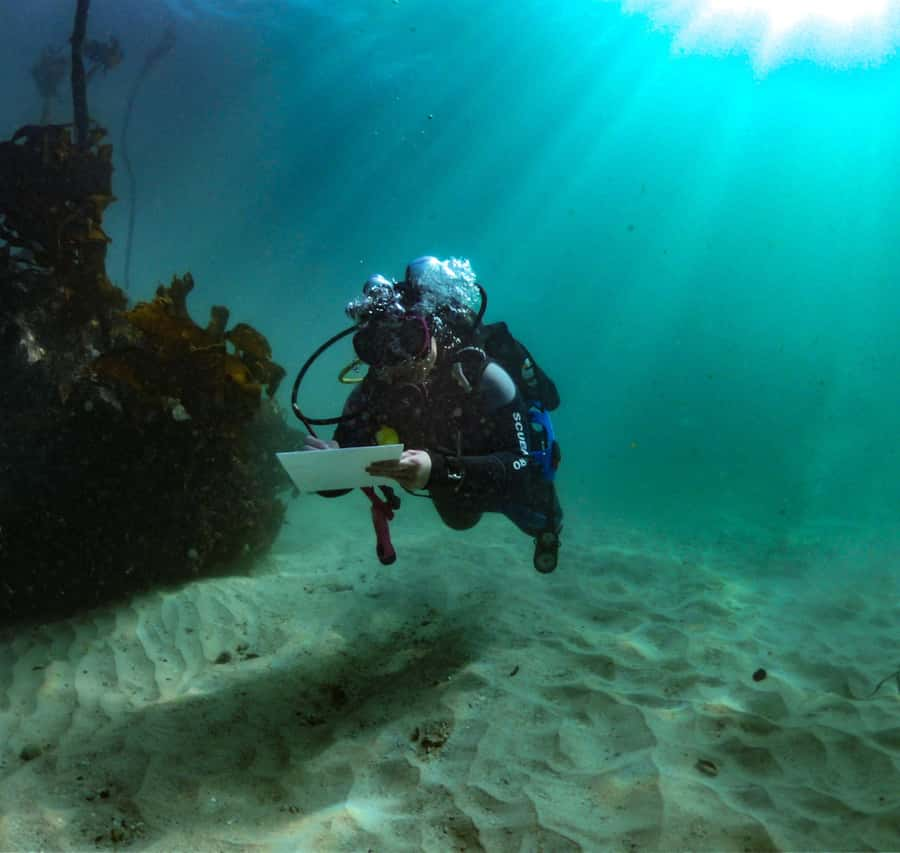
Sharks hide in the kelp. That is what makes this small-group SCUBA outing so appealing: you are not simply looking underwater, you are helping Cape RADD record marine life in False Bay. I like the chance to photograph shark markings for Fin Spotter, and I like the thoughtful science briefing before you enter the water. The main catch is that sightings are never guaranteed, and one guest reported missing promised follow-up photos afterward.
You need an open-water SCUBA qualification, solid swimming ability, and comfort with a shore entry. The activity is best for curious certified divers who want a useful morning in the Great African Sea Forest, not for anyone expecting a guaranteed close encounter with a large shark or a polished sightseeing cruise.
Five things to know before booking
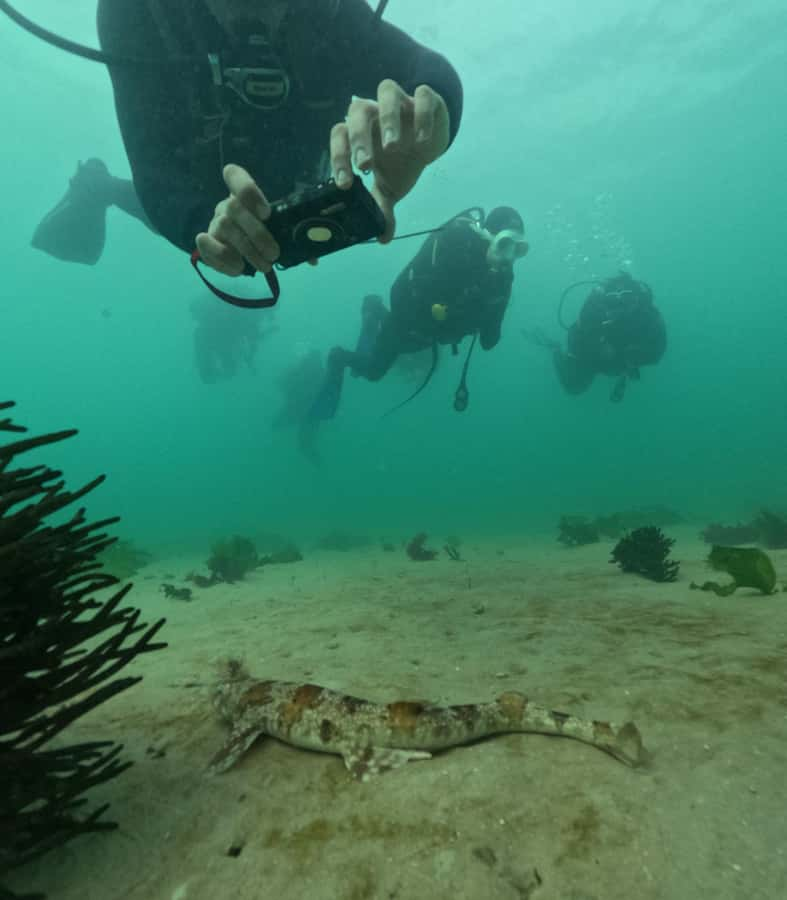
- Shark research is part of the morning: You may photograph puffadder sharks and pyjama sharks, then submit their markings to Fin Spotter.
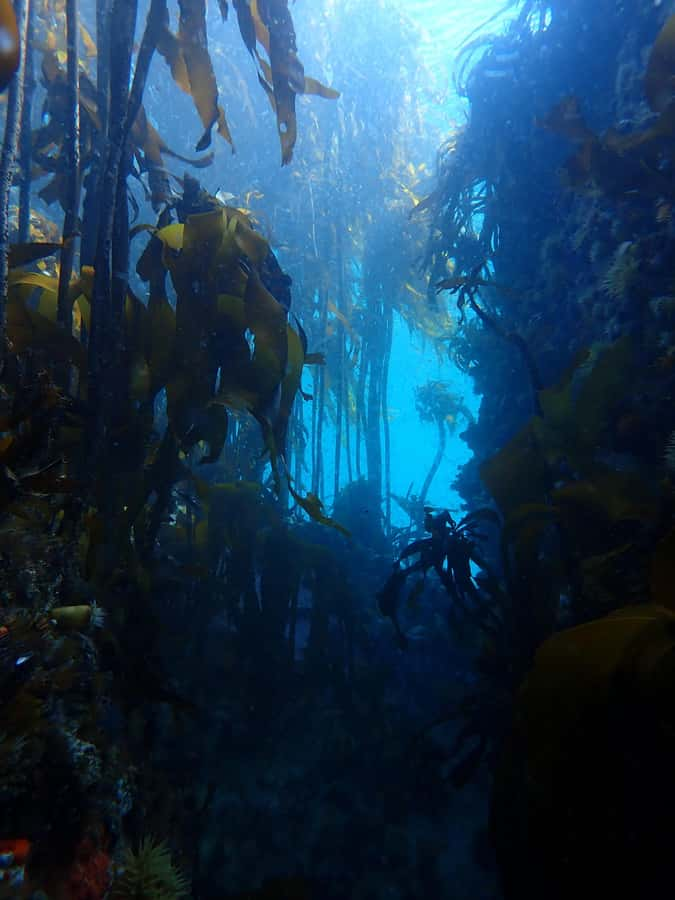
- The kelp forest is the real setting: Most of the underwater time takes place near Simon’s Town among sea bamboo kelp.
- Marine biologists lead the session: You learn how data is collected, then help record fish abundance or shark patterns.
- The group is limited to 10 people: A small group can mean more personal attention, especially when the group is smaller than expected.
- You are finished before lunch: The full outing takes about three to three and a half hours, generally from around 9:30 to 12:30 or 13:00.
What this Cape Town shark science experience really offers
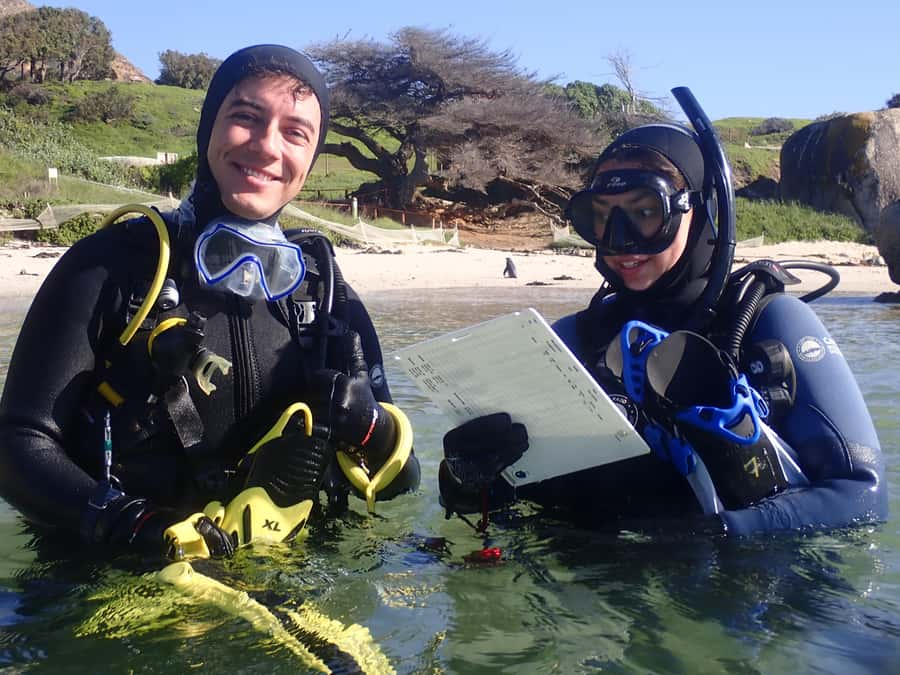
This is a working marine science outing with a tourism side, rather than a standard animal-watching trip. You meet the Cape RADD team at the Ocean HUB in Simon’s Town, receive an introduction to False Bay, and then take part in an underwater session designed around observation and data collection.
That distinction matters. You are not promised a shark encounter, a certificate, or a particular species. You are being given a chance to look carefully, record what you see, and understand why the information matters. If you enjoy asking questions and paying attention to small details, the experience has more substance than a simple swim with a camera.
The advertised price is $178 per person. That is not a budget morning, but it includes the guided SCUBA outing, marine biology instruction, the ecosystem briefing, and all diving equipment. For a certified diver who would otherwise need to rent gear and arrange a separate local guide, the price can be reasonable.
You should still check what your own dive operator or certification agency would require before booking. Your certification is not included, and the activity does not replace formal training.
More Shark Dives in South Africa
- Shark Cage Diving and Viewing with transport from Cape Town
★ 4.5 · 576 reviews - Cape Town: Gansbaai Eco-Friendly Shark Cage Diving Cruise
★ 4.6 · 326 reviews - From Hermanus: Cruise with Shark Cage Dive and Lunch
★ 4.4 · 184 reviews
Meeting at the False Bay Yacht Club
The meeting point is in the parking lot of the False Bay Yacht Club, under the Seven Seas Club building, at 117 St George’s Street. You will need to arrange your own transport to Simon’s Town. The team asks for a working email address or phone number because meeting details and any changes are sent through those contact details.
Aim to arrive ready rather than treating the meeting point as a place to buy last-minute supplies. Bring swimwear, a towel, sunscreen, drinking water, snacks, and a hat. You will have access to a heated outdoor shower after the session, which is a welcome detail on a cool Cape Town morning.
The activity is offered in English. With a maximum of 10 participants, the group should remain manageable, although the actual feel depends on how many people book that day. One person ended up with one-on-one attention from the instructor, while another group praised guide Mark for his careful equipment check and patient answers.
That buddy check is more than a nice touch. Before entering the water, you want the equipment, air supply, and partner system handled carefully. Mark’s attention to this part was one of the strongest points reported about the experience.
The 20-minute briefing: why False Bay matters
The first formal part is a safety briefing of about 20 minutes. You also receive an introduction to the unusual ecosystem of the Great African Sea Forest, with complimentary tea or coffee.
This is where the activity gains much of its value. Kelp forests can look simple at first glance, but they provide shelter and feeding areas for a wide range of marine life. Your guide sets the scene before you enter the water, explaining what you might find and what the team is trying to record.
The day’s objective centers on shark science, but the search is broader than sharks. You might look for puffadder sharks, pyjama sharks, stingrays, sea breams, octopus, and other fish. The point is not to chase animals or touch them. It is to observe them without disturbing their surroundings.
The rules are clear: no touching marine life and no touching plants. That includes the kelp itself. It is good practice in any natural setting, and it keeps the session focused on watching rather than handling.
You may also discuss two kinds of data collection. One option is photographing the individual patterns of sharks for Fin Spotter. Another is recording fish abundance on underwater data slates. The guide decides how the work fits the conditions and the group.
Entering the Simon’s Town kelp forest
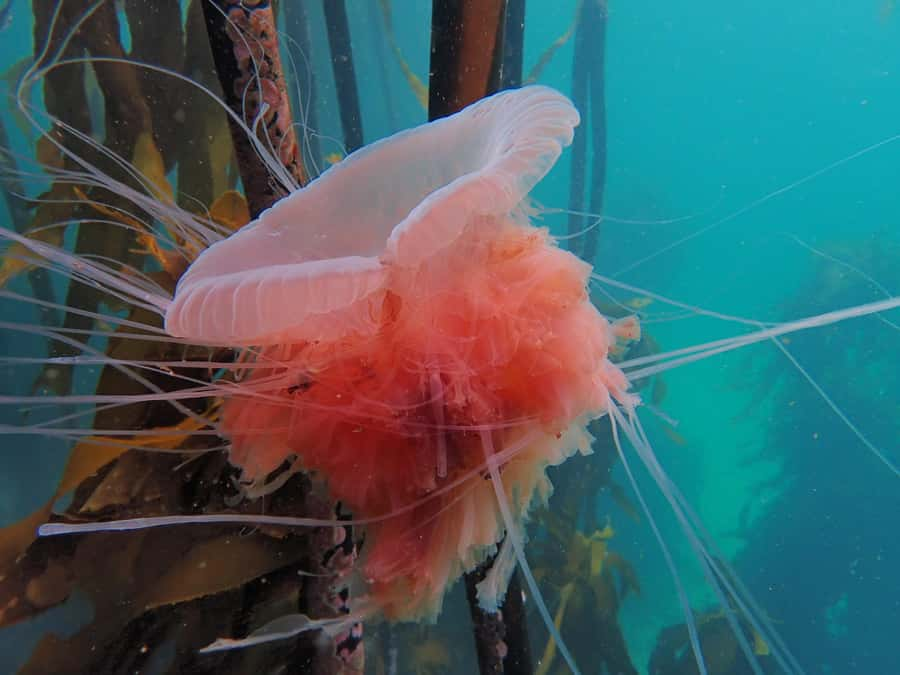
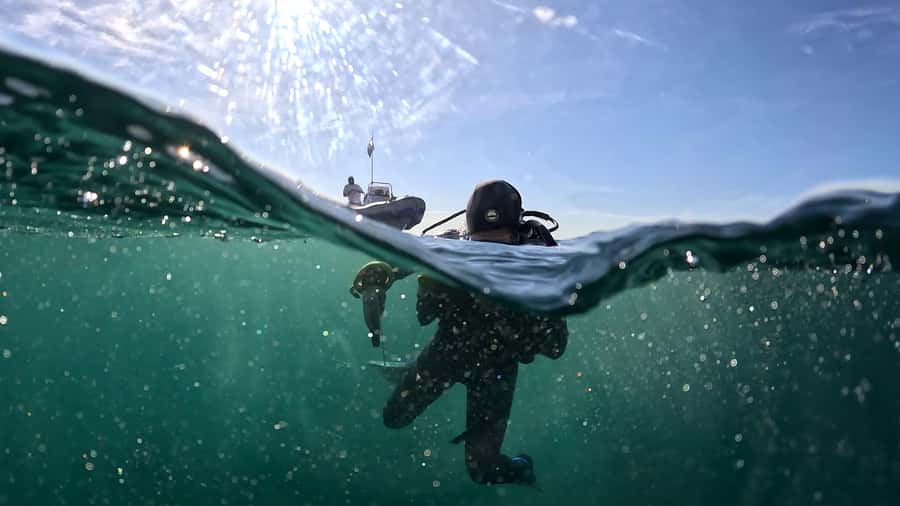
The session uses a guided shore entry, and most of the time is spent in kelp forests near Simon’s Town. The supplied schedule also describes about an hour of snorkeling, so you should expect the exact water work to include surface observation and SCUBA activity rather than a single rigid format.
A shore entry has a practical advantage: you reach the water directly from the coast and spend the morning exploring a real local site. It also means you should be prepared for the physical effort of entering and leaving through the shoreline. The activity is not suitable for non-swimmers, people with back or heart problems, wheelchair users, or children under 10.
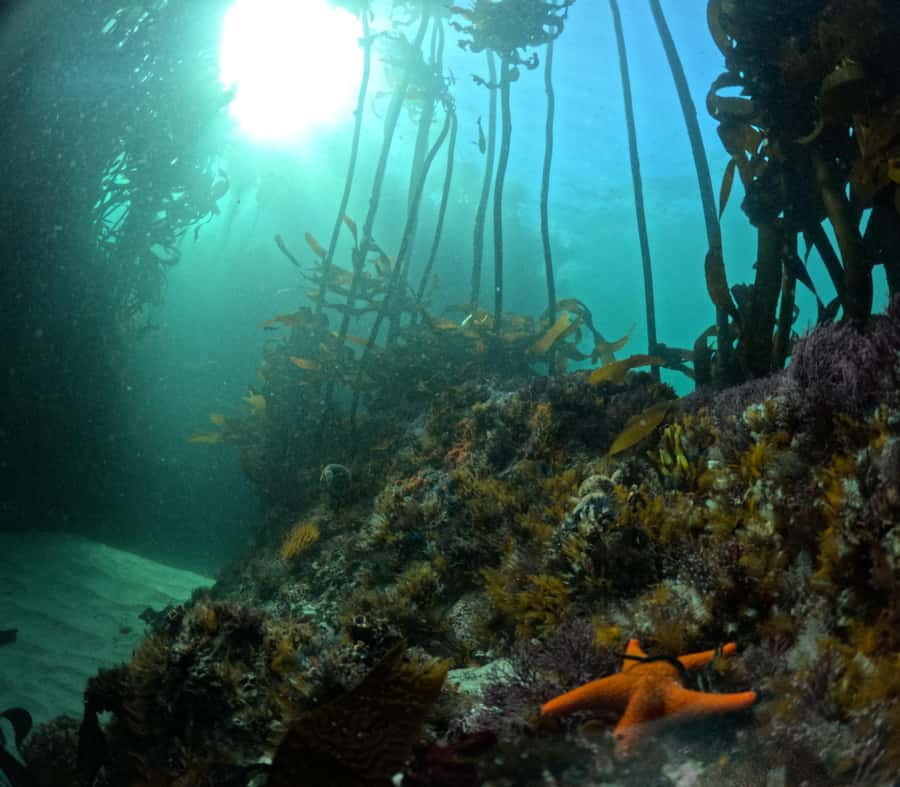
Underwater, the kelp is not just scenery. Sea bamboo moves with the water, creating a shifting environment where animals can be difficult to spot. That makes the search feel more like patient natural history than a guaranteed wildlife show.
Your guide may ask you to slow down, scan the bottom, and look for patterns rather than expecting animals to come toward you. Puffadder sharks and pyjama sharks are especially interesting because the goal is to recognize individuals from their markings. A good photograph can become useful information about population size and movement.
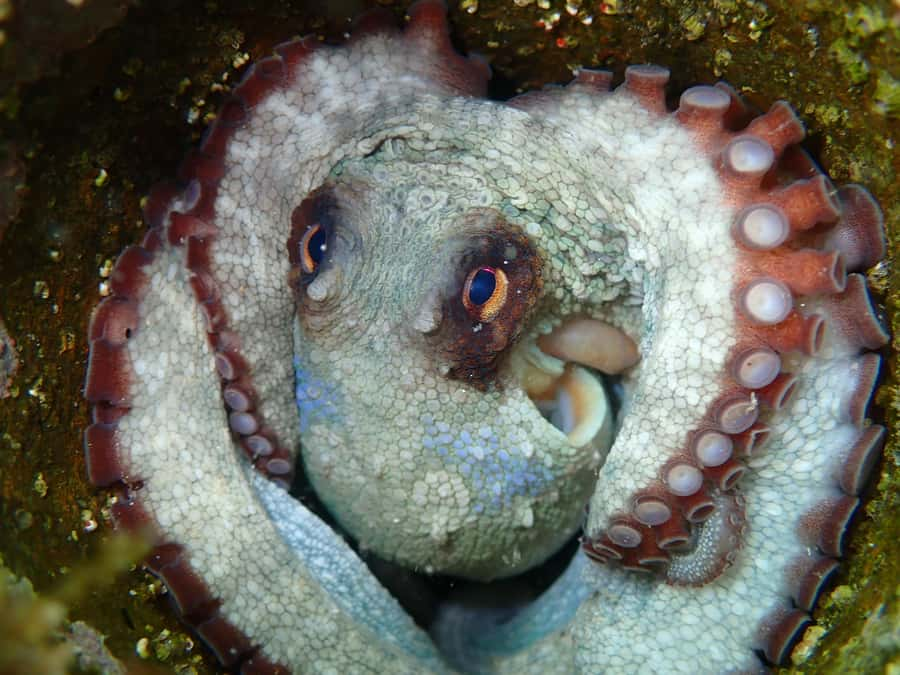
You may see rays resting near the bottom, sea bream moving through the forest, or an octopus tucked into cover. You might also have the chance to see penguins and sea otters at the chosen site. Those sightings are possibilities, not promises, so you should book for the setting and the science first.
More Shark Dives in Cape Town:
- CapeTown: Shark Cage Diving Experience with Scuba
★ 4.5 · 146 reviews - Shark Cage Diving Cape Town
★ 4.5 · 114 reviews - Cape Town: Shark Cage Dive
★ 4.7 · 46 reviews - Shark Cage Diving with transport from Cape Town
★ 5.0 · 22 reviews
Photographing sharks for Fin Spotter
The Fin Spotter work gives the shark encounter a clear purpose. Instead of taking a picture only as a souvenir, you can photograph the animal’s patterns and submit the image for identification.
That turns a short wildlife sighting into a small contribution to a wider record. The guide can explain what makes a usable image and how the data may help estimate population size and movement. You do not need to be a marine scientist, but you do need to follow instructions and avoid crowding or touching the animal.
The activity also gives you another way to participate if sharks do not appear. Fish abundance data can be collected with underwater slates. Counting and recording common species may seem less dramatic than photographing a shark, but it can be just as useful for understanding the condition of the ecosystem.
I like this flexibility. You are not left with a successful morning only if a particular shark appears. The forest itself becomes the subject, and every fish observation can add to the day’s work.
One practical point deserves attention. A previous participant was told that photos would be emailed afterward but never received them despite follow-up messages. If photographs matter to you, ask clearly before leaving how the images will be shared and what you should expect. Do not assume that a personal photo package or certificate is included.
The warm drink and data session afterward
After the water work, you return to Cape RADD headquarters, rinse off under a heated outdoor shower, and warm up with a drink. You then help log the session and enter the collected information into the database.
This final step is easy to overlook, but it helps connect the underwater activity to real conservation work. You see that the morning does not end when you climb out of the water. The observations need to be recorded properly before they can be useful.
The pace afterward may feel brisk. One participant felt rushed out and disappointed by a lack of follow-up contact. That experience is worth keeping in mind if you expect a long social debrief or a formal keepsake. The stated schedule has you finished in time for lunch, around 12:30 to 13:00, so this is built as a compact morning rather than an all-day program.
For many people, that timing is a strength. You can visit Simon’s Town, see the penguins, or continue around the Cape Peninsula afterward. Just remember that those extra activities are not part of the package and need your own planning.
The guides and the group size
The strongest personal feedback centers on the instructors. Mark was specifically praised for being caring, answering questions, and performing a buddy check of the equipment. Another guest appreciated having one-on-one attention when no one else joined the group.
Those details suggest that the experience can be particularly good when the group stays small. With a maximum of 10 people, you have a better chance of asking questions and getting help with your equipment than you would on a crowded commercial boat.
Still, a small-group promise does not mean private instruction. You should expect a shared session, and the amount of personal attention depends on the final group size and the day’s conditions. The guide has to balance safety, science tasks, and the needs of different certified divers.
The mixed feedback also points to an important booking habit: confirm what is included. The activity clearly includes equipment, instruction, and the opportunity to submit data. It does not include your SCUBA certification, lunch, transport, or a stated certificate of completion.
Is $178 a fair price?
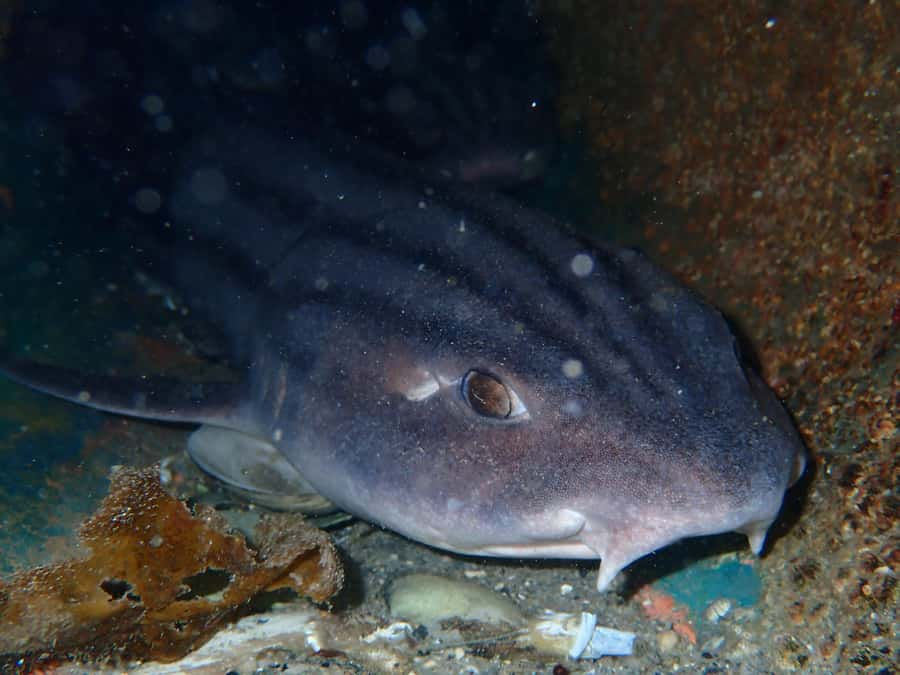
At $178, this is priced as a specialist experience rather than a casual snorkeling trip. You are paying for a marine biology-led outing, equipment, a safety briefing, access to a local kelp forest site, and participation in data collection.
The value is strongest if you already hold certification and would otherwise pay separately for equipment rental and an organized underwater trip. It is also a good fit if you care about the purpose behind the outing and want more than a wildlife photo.
The value is weaker if your only goal is to see a shark. No species is guaranteed, and the listed possibilities include fish, rays, octopus, penguins, and sea otters as well as sharks. You should also budget for getting to Simon’s Town and buying your own lunch afterward.
Flexible booking helps reduce the risk. You can cancel up to 24 hours ahead for a full refund, and the reserve-now, pay-later option lets you hold a place without paying immediately. Check the available start time for your date, since the experience is valid for one day and schedules can vary.
Who should book this morning?
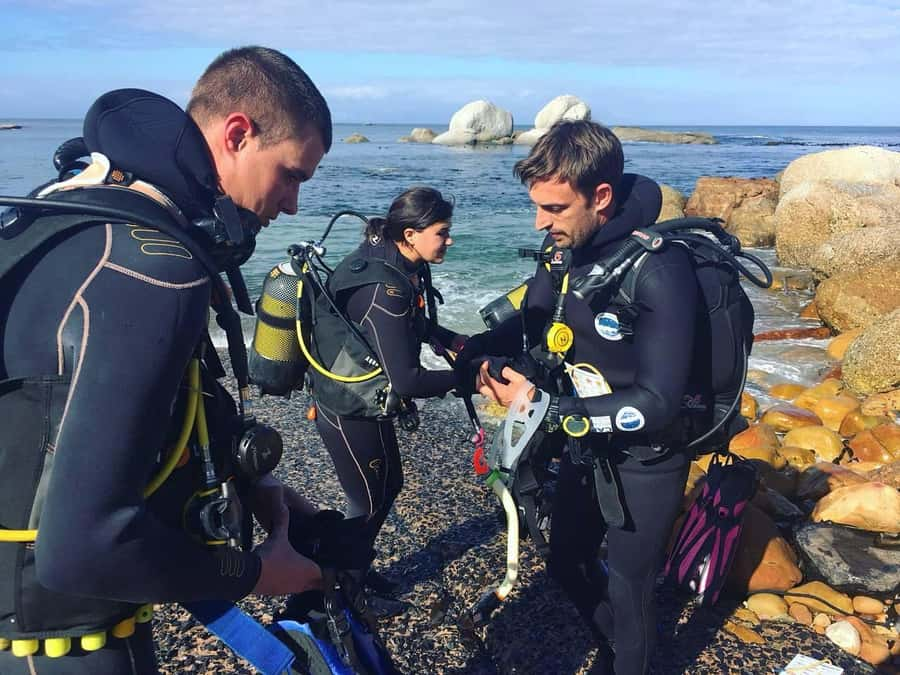
I would choose this for a certified open-water diver who enjoys wildlife, conservation, and learning how field data is gathered. It suits someone who is happy to watch patiently, follow instructions, and treat the kelp forest as a living place rather than an underwater playground.
It is also a good choice for photographers who want a meaningful subject. The Fin Spotter work gives your images a purpose, although you should confirm how photos will be delivered and not count on a certificate.
I would skip it if you are a non-swimmer, uncertified, uncomfortable with shore entries, or dealing with back or heart problems. I would also look elsewhere if you need guaranteed sharks, a long leisurely outing, or a formal certificate.
My verdict on the Cape Town shark science experience
Book it if you want a compact, thoughtful morning in False Bay with marine biologists and a real conservation task. The careful equipment check, small group limit, kelp forest setting, and chance to record shark or fish data give the experience genuine purpose.
Go in with realistic expectations. The animals may stay hidden, the schedule is fairly tight, and follow-up photos or certificates should not be assumed. For the right certified diver, though, this is a useful way to see Simon’s Town underwater and leave with more than a souvenir picture.
FAQ
Where does the experience meet?
Meet in the parking lot of the False Bay Yacht Club, under the Seven Seas Club building, at 117 St George’s Street in Simon’s Town.
How long does the experience last?
The session lasts about three to three and a half hours. You should generally finish around 12:30 to 13:00.
What time does it start?
The meeting time is about 9:30. Check the available starting time for your chosen date.
Do I need a SCUBA certification?
Yes. You must be a qualified open-water SCUBA diver. Certification is not included.
Is equipment included?
Yes. All diving gear is included in the price.
What animals might I see?
Possible sightings include puffadder sharks, pyjama sharks, stingrays, sea breams, octopus, penguins, and sea otters. Sightings are not guaranteed.
Can I contribute to marine research?
Yes. You may photograph shark patterns for Fin Spotter or record fish abundance using underwater data slates.
Is transport included?
No. You must arrange your own transport to the meeting point.
Is lunch included?
No. The activity finishes around lunchtime, but you need to arrange and pay for lunch yourself.
Can I cancel for a refund?
You can cancel up to 24 hours in advance for a full refund. The reserve-now, pay-later option is also available.
New dives around Cape Town
- Shark Cage Diving Tour from Cape Town★ 4.0 · 19 reviews
- Shark Cage Diving with transport from Cape Town★ 5.0 · 22 reviews
- Shark Cage dive in Gansbaai see Bronze & Other, sometimes Great Whites★ 5.0 · 4 reviews
- Shark Diving Full Day Guided Return Transfer to Gansbaai from Cape Town★ 4.5 · 11 reviews
- Shark Cage Diving★ 4.5 · 7 reviews
- Cape Town: Shark Cage Diving & Penguins Tour to Gansbaai with private transfers★ 4.0 · 7 reviews
- Beginner Scuba Diving Experience in Simonstown.★ 5.0 · 8 reviews
- Shark Diving★ 5.0 · 2 reviews
Shark Dives & Cage Diving, compared.
Swim with Whale Sharks in the Ningaloo Reef: 3 Island Shark Dive
Read our review →
From Hermanus or Cape Town: Shark Cage Diving Experience
Read our review →
Shark Cage Diving and Viewing with transport from Cape Town
Read our review →
Safe and Educational Shark Dive from Haleiwa: Sharks Guaranteed
Read our review →
Dive with Sharks in Hawaii: Shark Tour from Haleiwa
Read our review →Browse the lists this tour appears in