
REVIEW · SOUTH AFRICA
From Hermanus or Cape Town: Shark Cage Diving Experience
Sharks make every minute count. This Western Cape cage experience puts you close to bronze whalers, seven-gill cow sharks, seals, and possibly great whites, with a trained crew managing the action from Gansbaai. I like the strong safety focus and the chance to learn about shark protection from marine staff. I also like that breakfast, lunch, equipment, and hotel transport can all be included.
The main catch is simple: wild sharks keep their own schedule. You may see several animals close to the cage, or only brief passes. The boat can also roll in windy weather, and the water is cold even with a thick wetsuit. Still, the helpful crew, clean facilities, hot showers, and thoughtful meals make this a well-run day on the water.
Key things to know before you book
- Gansbaai is the action center: You spend the marine portion of the day off Gansbaai, a short drive from Hermanus and a longer trip from Cape Town.
- Bronze whalers are now common sightings: Recent trips have seen several bronze whaler sharks, while great white sightings are not guaranteed.
- The cage holds up to six people: Each person generally gets about 20 minutes in the cage, with time to watch from the boat too.
- The day is well catered: A continental breakfast comes before the boat, and soup, sandwiches, or a light meal are served afterward.
- Sea sickness is the main practical concern: Take recommended medication before departure, especially if you feel unwell on a moving boat.
- You do not need scuba training: Wetsuits and the required equipment are supplied, and the crew gives clear instructions.
From Cape Town or Hermanus to Gansbaai
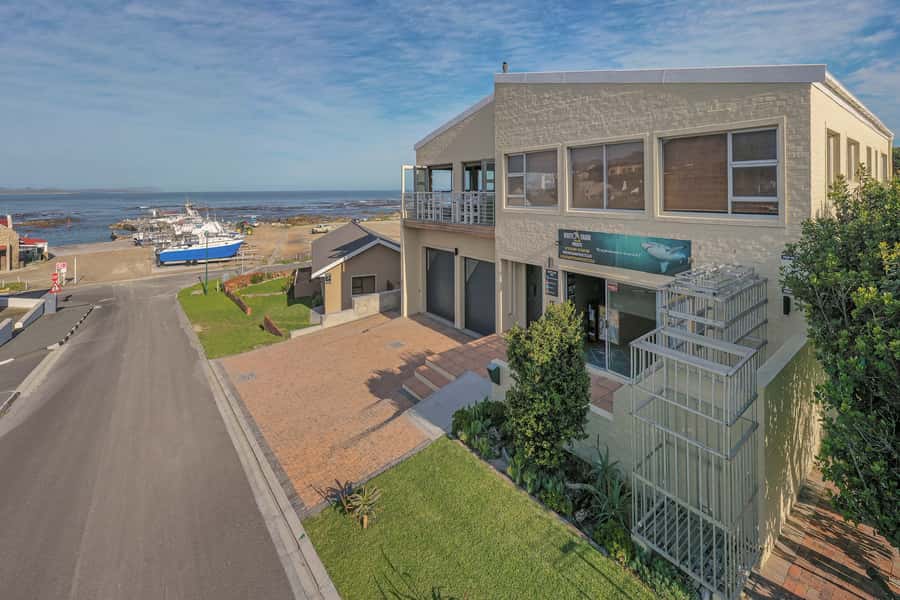
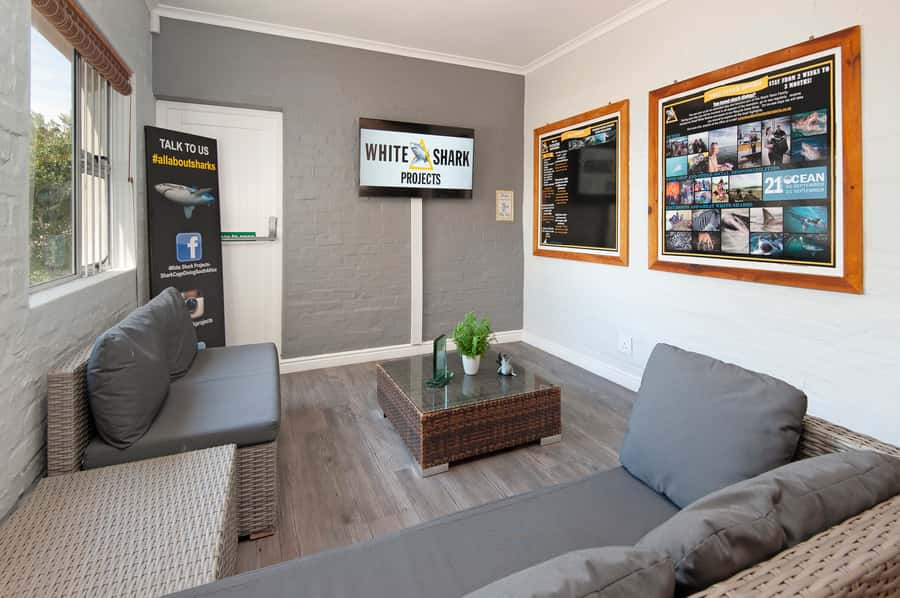
Your day begins at the White Shark Projects office in Gansbaai if you arrange your own transport. Pickup is also available from Cape Town or Hermanus, depending on the option you choose.
From Cape Town, allow about two hours of driving each way. From Hermanus, the drive is around 45 minutes. The full outing can last from 4.5 to 10 hours because pickup times, tides, weather, and shark activity affect the schedule.
This timing matters. A Cape Town pickup makes the experience possible as a day trip, but it creates a long day with several hours on the road. If you are staying in Hermanus, the shorter transfer is much easier. You can also meet the crew directly in Gansbaai, which suits anyone with a rental car or a flexible local plan.
Your exact pickup time is confirmed at 4:00 PM the day before. That late confirmation is practical rather than careless. The boat schedule depends on tides and collection routes, so do not book a tight afternoon appointment or an evening flight.
If you arrange hotel pickup, wait in your reception area. The driver comes inside, uses a licensed vehicle, and wears a branded uniform. Drivers such as Henrico and Anwar have earned praise for making the long transfer more pleasant, but the road time remains a real part of the experience.
More Shark Dives in South Africa
- Shark Cage Diving and Viewing with transport from Cape Town
★ 4.5 · 576 reviews - Cape Town: Gansbaai Eco-Friendly Shark Cage Diving Cruise
★ 4.6 · 326 reviews - Half-Day White Shark Cage Diving from Gansbaai
★ 4.5 · 310 reviews
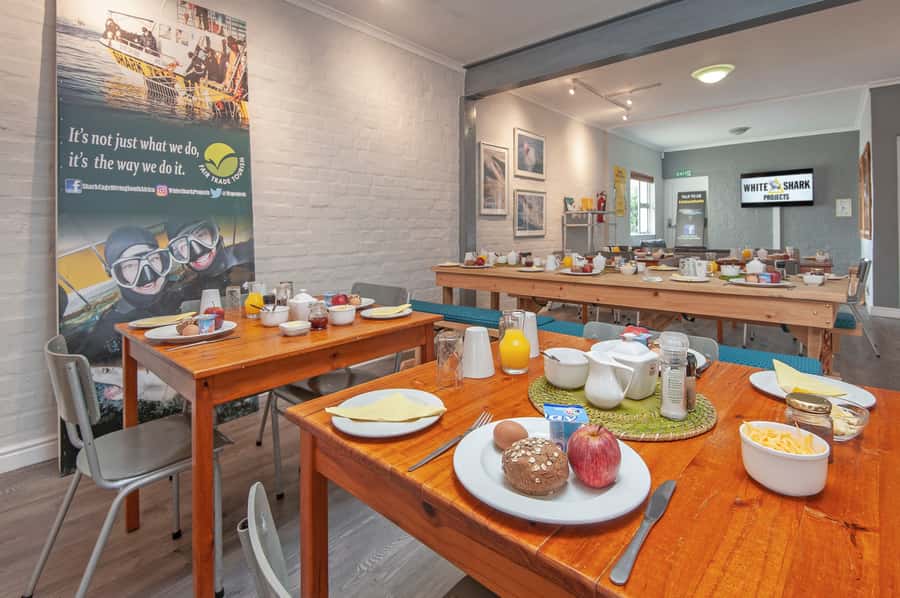
Breakfast at the lodge before the boat
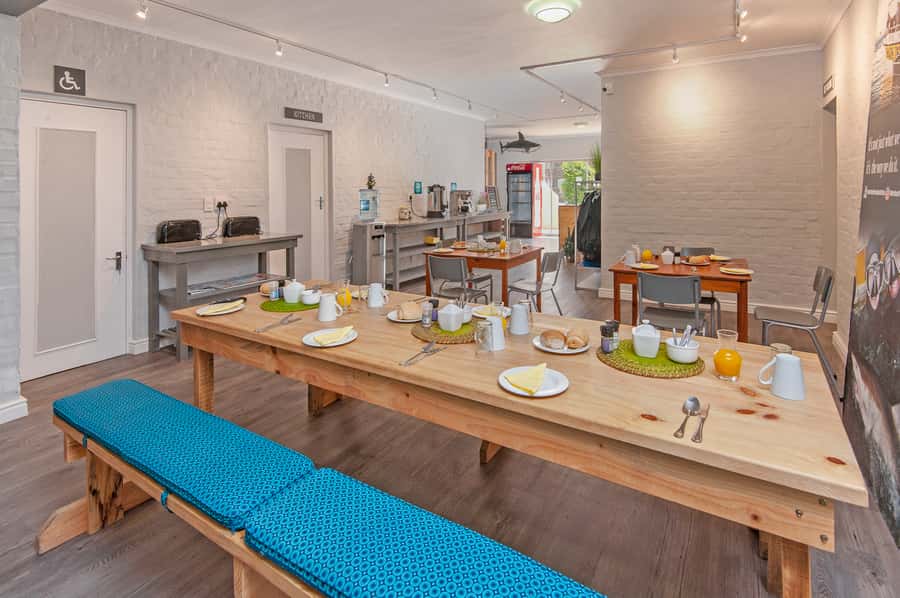
The welcome starts with a continental breakfast at the lodge. Expect freshly made muffins, quiche, yogurt, cereal, toast, cold meats, tea, and coffee.
This is more useful than it sounds. You may leave Cape Town early, and you do not want to begin a cold, windy boat trip on an empty stomach. The meal is simple rather than fancy, but it gives you time to use the facilities, meet the staff, and get settled before the safety talk.
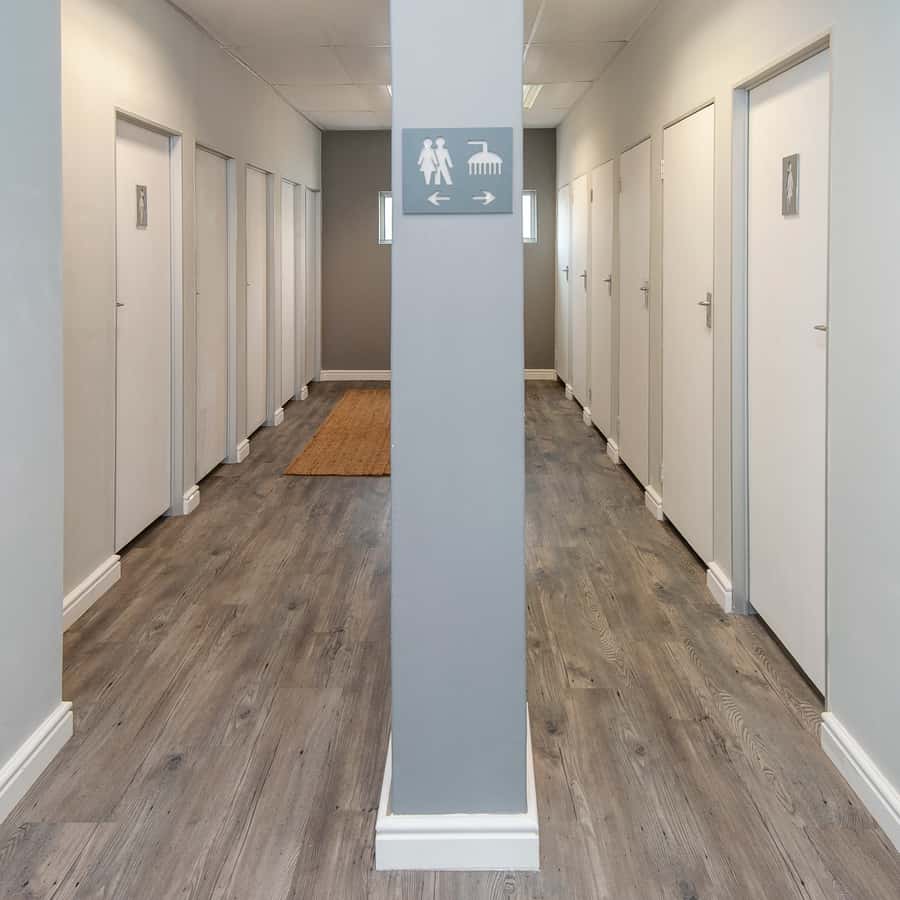
The lodge also provides practical comforts after the boat. Hot showers, towels, and warm food are available when you return. That matters because standing in cold water for even 20 minutes can leave you chilled, particularly in winter.
A clear safety talk and marine briefing
Before boarding, you receive an introduction to great white sharks and the local marine area. The crew explains how the cage works, what to do in the water, and how the boat team manages each group.
The guides speak English, Afrikaans, and Xhosa. Marine staff answer questions about the sharks, local wildlife, and conservation. Hannah has been especially praised for explaining animal behavior and responding carefully to questions, while Charlie has also been singled out for his work as a marine biologist.
I like this educational part because it gives the experience more purpose than a quick animal encounter. You are not simply waiting for a shark to appear. You learn why sightings vary, how the crew works around wild animals, and why conservation matters.
The amount of formal conservation information can vary. If that subject interests you, ask questions directly. One useful question is which species are most likely on your particular outing, since recent conditions have favored bronze whalers more often than great whites.
The short boat ride and three hours at sea
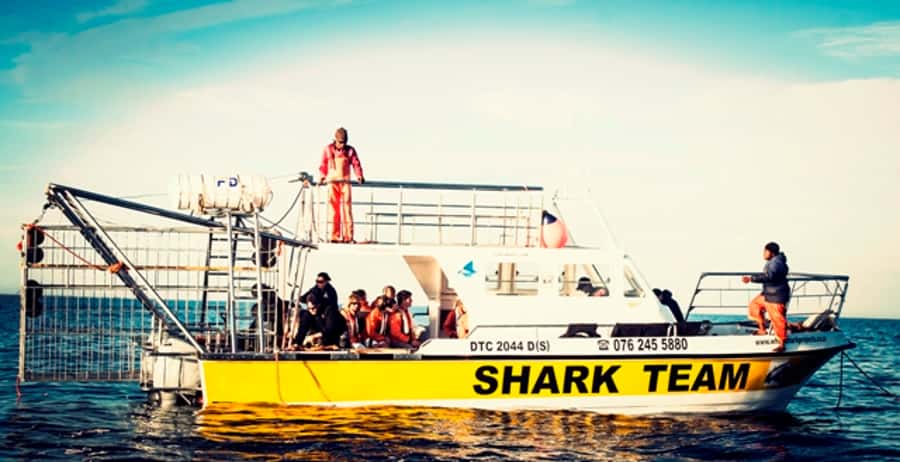
After the briefing, you take a short water transfer of about 15 minutes to the shark viewing area. The boat portion can last roughly two to four hours, with many outings spending about three hours on the water.
The boat is not a luxury yacht. It is a working vessel, and some trips carry 12 to 15 people plus crew. One person found the boat somewhat cramped, while others found it comfortable enough. If you prefer plenty of personal space, expect an active group setting rather than a quiet private charter.
The sea can be calm, but it can also be rough. A stationary boat may rock as waves pass, and that motion can feel worse than the ride itself. Seasickness tablets are strongly recommended. Take them before you need them, according to the product directions, because once nausea begins, it is harder to settle.
Bring a warm jacket for the boat even in sunny weather. The wind can make the temperature feel much lower than it does on shore. Sunglasses, sunscreen, a hat, and sensible shoes are also useful.
Same coastline, a very different dive:
- Shark Cage Diving
★ 3.5 · 221 reviews - Shark Cage Diving – Adventure Meets Conservation!
★ 5.0 · 196 reviews - From Hermanus: Cruise with Shark Cage Dive and Lunch
★ 4.4 · 184 reviews - CapeTown: Shark Cage Diving Experience with Scuba
★ 4.5 · 146 reviews
What you may see beside the cage

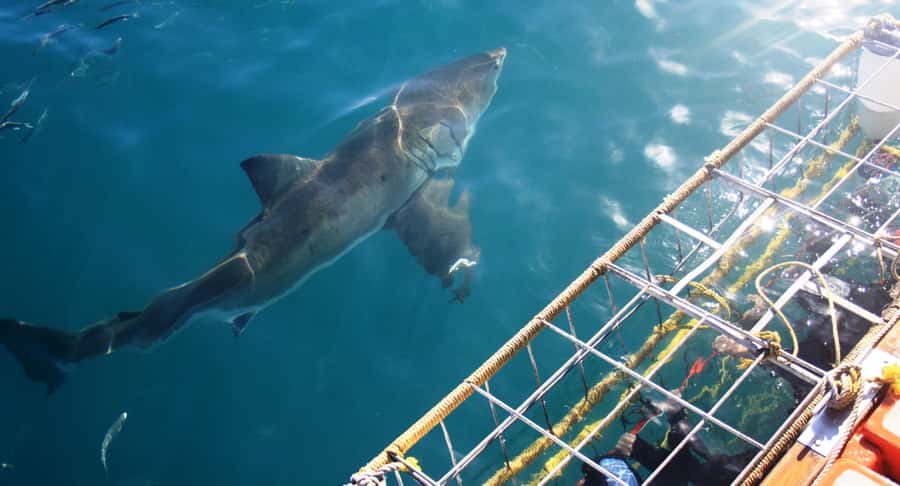
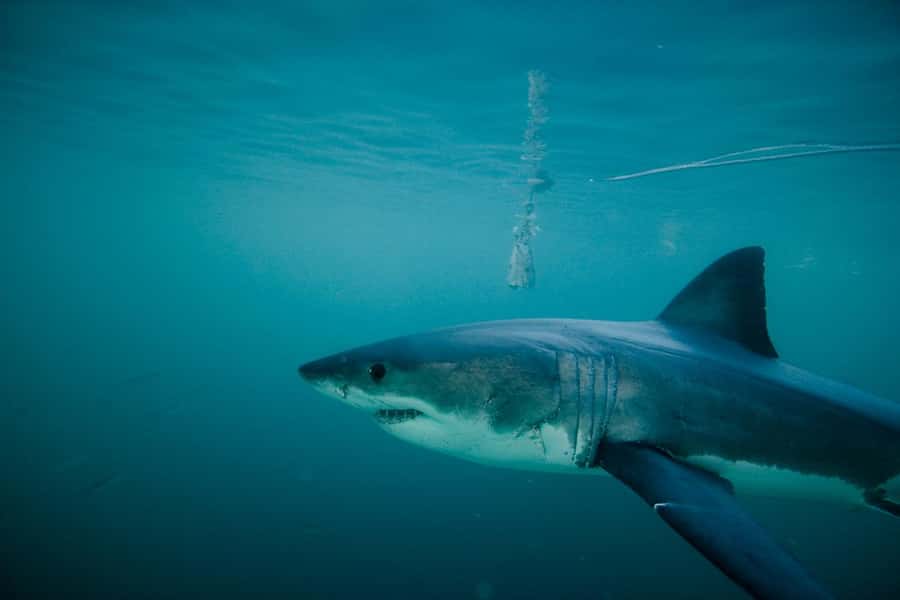
The largest draw is the chance to see sharks from the cage and from the deck. Recent outings have reported bronze whalers coming close to the cage, sometimes in groups. Other sightings have included seven-gill cow sharks, seals, sea lions, whales, and a whale with her calf in the distance.
Great white sharks are part of the conservation and educational focus, but you should not book this expecting one on demand. Recent conditions have produced more bronze whalers, and one account specifically noted that great whites are in decline. Orca activity has also affected the likelihood of finding great whites in the area.
That is not a reason to skip the trip. Bronze whalers are large, powerful sharks, and close passes can be impressive. The important point is to set the right expectation: you are booking time in a wild marine environment, not a guaranteed great white encounter.
The crew may use bait or other approved methods to bring sharks near the boat, but the supplied information does not specify the exact process. Ask during the briefing if this is important to you. The crew can also explain which species you are seeing, how they are identified, and what conservation concerns affect the area.
Inside the six-person cage
The cage takes up to six people at a time. Each person generally spends about 20 minutes inside, although the exact time can vary with the group, conditions, and number of animals present.
You do not need a scuba license or previous scuba training. The operator supplies the equipment, including 7 mm wetsuits. You enter the cage from the boat, follow the crew’s instructions, and watch for the sharks from within the protected structure.
Twenty minutes may sound short, but cold water and a moving boat change your sense of time. One experienced participant felt that 20 minutes was plenty, especially with the chance to watch from the deck before or after your turn. You can also film from the boat while another group is in the cage.
If your group is not full, you may have more room. If it is full, expect six people sharing the cage. One person wished there had been fewer people, so this is worth considering if you want a quiet photographic experience.
A phone can record the action, but keeping hold of it in cold water and while following instructions is not always easy. An optional GoPro video has been praised as a useful extra. Ask about current video arrangements before you travel, since the supplied price does not include merchandise or optional purchases.
Food, showers, and the return to shore
After the boat returns, you go back to the lodge for a light lunch. Soup, bread, sandwiches, cheese toasties, pasta, tea, coffee, or orange juice have been served on different outings.
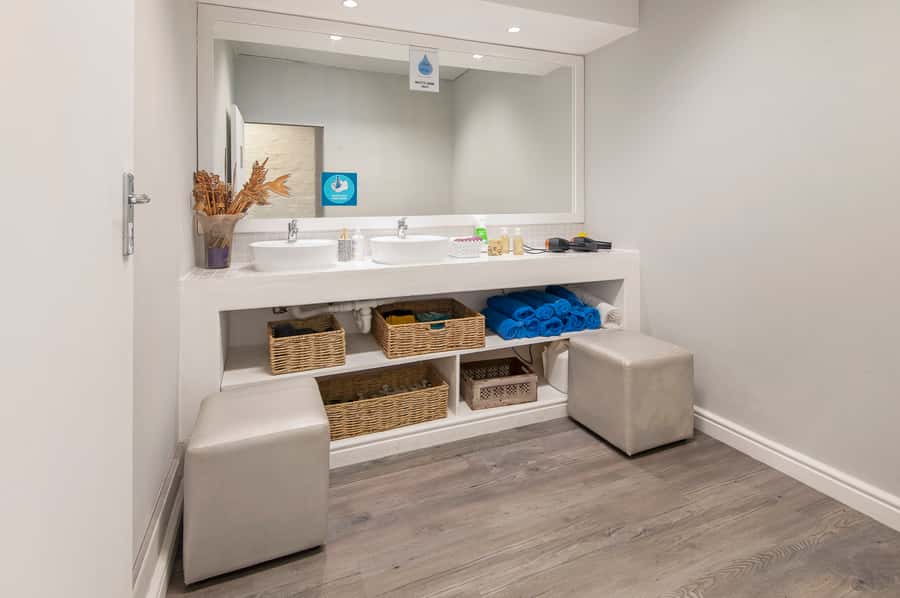
The meals are basic, but they do exactly what you need after cold water and sea air. The staff also provide towels and hot showers. These details received unusually strong praise, and I can see why. A warm shower changes the final hour of the day from a wet scramble into a comfortable recovery.
The lodge may also have souvenirs, some connected with marine conservation. Merchandise is not included, so budget separately if you want a shirt, photograph, or other memento.
You receive a certificate for taking part. It is a small touch, but it gives you something physical to keep after the salt water, wind, and shark sightings have become travel memories.
Is the $137 price good value?
At about $137 per person, the price is reasonable for a full service marine outing. It includes breakfast, lunch, the boat, guide and skipper services, wetsuit and other cage equipment, snacks, the cage session, and a certificate.
The value improves if you use hotel pickup. Cape Town transfers save you from arranging a rental car or navigating the long route to Gansbaai. The drawback is that a long transfer can make the day tiring, especially if you are already moving between cities.
You are also paying for staff, safety procedures, boat operation, equipment, food, and support on shore. This is more than a short ticket for a few minutes beside a cage. At the same time, no price can guarantee a great white sighting. If your main goal is one specific species, the value depends on whether you are happy seeing bronze whalers and other marine life instead.
I would compare this price with the cost of arranging transport, meals, wetsuit hire, and a separate boat trip. Once those pieces are added, the package is easier to justify.
The conservation question
The operator places strong attention on sharks and marine protection. You receive information about great whites, seven-gill cow sharks, and other animals, and marine staff are available to answer questions.
That educational angle is important. Sharks are often treated as movie monsters, while a supervised encounter can help you see them as wild animals with specific behavior and environmental pressures. Ask about the species you see and the conditions affecting them now.
You should also keep your expectations honest. Any activity involving wild animals raises questions about how the animals are approached and encouraged toward the boat. The supplied details confirm a safety and conservation focus, but they do not give a full account of the exact attraction method. If animal-welfare standards are central to your decision, use the briefing to ask direct questions before boarding.
Who should book this experience?
I would choose this outing if you want a structured, first-time shark encounter with transport, food, equipment, and staff support handled for you. It suits adults, older children, solo visitors, couples, and groups who want a strong half-day or full-day activity from Hermanus or Cape Town.
It is less suitable if you dislike boats, suffer badly from motion sickness, need a guaranteed great white sighting, or want a small private group. Children under six cannot go on the boat because the trip lasts three to four hours at sea. An in-house babysitting service is available for younger children at an added charge.
Bring a swimsuit, towel, warm jacket, sensible shoes, sunscreen, sunglasses, and a hat. Take seasickness medicine seriously. If you are late, tell the operator as soon as possible, but do not plan to cut the schedule close. The boat leaves according to conditions, not personal convenience.
Should you book the Gansbaai shark cage experience?
Yes, if you can accept that the sharks choose the schedule. The strongest reasons to book are the careful crew, solid facilities, informative marine staff, included meals, and the chance to see several species close to the cage.
I would book it from Hermanus if possible, since the drive is shorter. From Cape Town, I would only choose it if a long day and two hours of road travel each way fit comfortably into your plan. Go expecting bronze whalers and a memorable marine encounter, not a guaranteed great white.
The best mindset is simple: you are buying a well-organized chance to meet wild sharks safely. If the sea cooperates, you may get close passes, several animals, and a story worth carrying home. If conditions are less generous, the staff, education, and setting still make this a worthwhile day for many visitors.
FAQ
Where does the shark cage experience take place?
The boat trip takes place off Gansbaai in South Africa’s Western Cape. You can meet the crew at the White Shark Projects office in Gansbaai or select pickup from Hermanus or Cape Town.
How long does the full experience last?
The advertised duration is 4.5 to 10 hours. The time depends on your pickup location, tides, collection schedules, travel time, and conditions at sea.
How long is the boat trip?
You spend about two to four hours at sea, depending on shark activity. Many outings report roughly three hours on the water.
Do I need scuba or swimming experience?
No scuba license or previous scuba experience is required. The operator supplies the cage equipment and 7 mm wetsuits, and the crew gives safety instructions.
How long do I spend in the cage?
The cage holds up to six people at a time, and each person generally spends about 20 minutes inside. You can also watch and film from the boat while other people take their turn.
Which sharks might I see?
Possible sightings include great whites, bronze whalers, and seven-gill cow sharks. Bronze whalers have been common on recent outings, but no shark species is guaranteed.
Are meals included?
Yes. Breakfast is served before the boat, and a light lunch is provided after returning to shore. Snacks, tea, coffee, and other drinks may also be available during the day.
What should I bring?
Bring comfortable shoes, a swimsuit, towel, warm jacket, sunglasses, sunscreen, and a hat. Seasickness tablets are strongly recommended, and children under six are not permitted on the boat.
New dives around South Africa
- Shark cage diving & viewing tours in Gansbaai★ 4.5 · 47 reviews
- SHARK CAGE DIVING and VIEWING (Incl. transfers from Cape Town)★ 5.0 · 28 reviews
- SHARK CAGE DIVING and VIEWING (Self Drive)★ 4.5 · 25 reviews
- Cape Shark Diving Adventures★ 5.0 · 56 reviews
- Shark Cage Diving and Viewing with transport from Hermanus★ 4.0 · 81 reviews
- Shark Cage Diving Viewing Only★ 5.0 · 69 reviews
- Guided Shark Cage Diving with Hookah Air Supply in Gansbaai★ 4.5 · 41 reviews
- Shark Cage Diving Tour from Cape Town★ 4.0 · 19 reviews
Shark Dives & Cage Diving, compared.
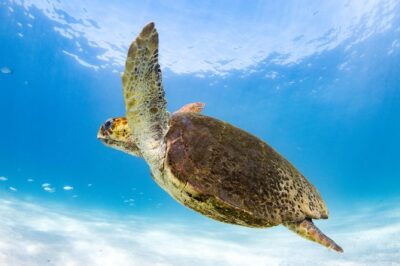
Swim with Whale Sharks in the Ningaloo Reef: 3 Island Shark Dive
Read our review →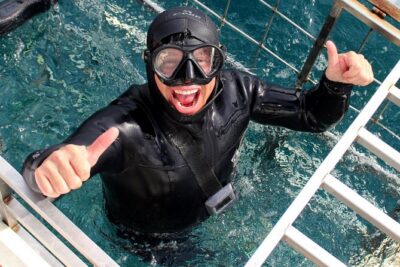
Shark Cage Diving and Viewing with transport from Cape Town
Read our review →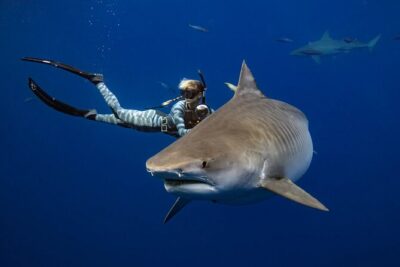
Safe and Educational Shark Dive from Haleiwa: Sharks Guaranteed
Read our review →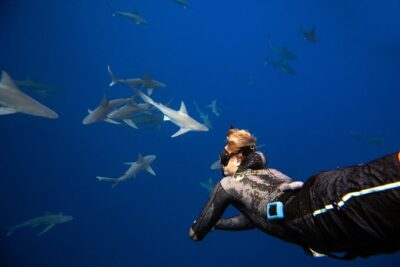
Dive with Sharks in Hawaii: Shark Tour from Haleiwa
Read our review →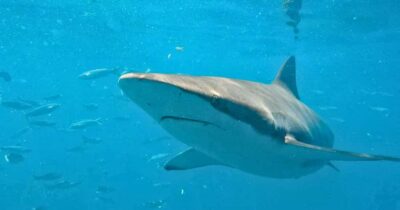
Cape Town: Gansbaai Eco-Friendly Shark Cage Diving Cruise
Read our review →Browse the lists this tour appears in