
REVIEW · INDONESIA
Bali Hai – PADI Advance Open Water Course in Menjangan
Menjangan turns training into an adventure. Bali Hai’s two-day PADI Advanced Open Water course gives you five underwater training sessions in one of Bali’s best-known marine areas, with compulsory deep-water and navigation work plus three specialty choices. I like the small maximum ratio of four students per instructor, and I like that the price includes equipment, lunch, insurance, boat transfers, course materials, and certification. The main drawback is the price: at $502.57 per person, you also need to budget for national park fees and your transport to Menjangan Dynasty Resort.
This is a sensible next step after the PADI Open Water Diver course. You do not need years of experience or an advanced background. You need an existing Open Water qualification, reasonable fitness, and enough time to complete five sessions over two days. The course is designed to build comfort and control, but the 30-meter certification limit means you should treat it as skill development, not permission to attempt difficult conditions beyond your ability.
Key points to know before booking
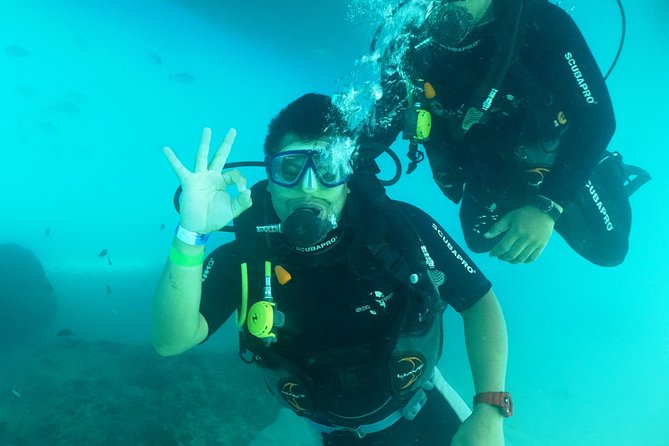
- Five sessions in two days: Deep-water work and underwater navigation are compulsory, followed by three specialty choices.
- Small teaching ratio: Bali Hai keeps the maximum student-to-instructor ratio at 4:1, which gives you more direct guidance.
- Menjangan setting: The course begins and ends at Menjangan Dynasty Resort, with boat transfers included.
- Choice of specialties: Options include underwater photography, buoyancy, fish identification, boat procedures, current work, night work, and search techniques.
- Most major course costs are covered: Equipment hire, lunch, drinking water, insurance, manual, logbook, and certification are included.
- Plan around flying: Diving within 48 hours of a flight is not recommended, and a medical questionnaire is required before training.
Starting at Menjangan Dynasty Resort at 9:00 am
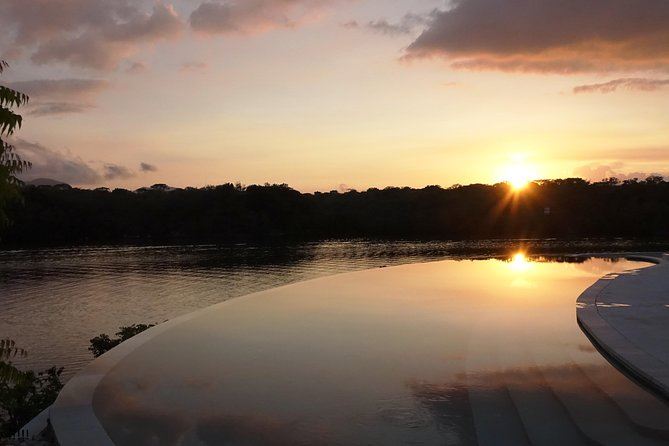
Your meeting point is Menjangan Dynasty Resort in Pejarakan, in Bali’s Buleleng Regency. The scheduled start is 9:00 am, and the activity returns to the same meeting point at the end. That simple arrangement matters because the resort is your fixed base for the course, rather than leaving you to find a second harbor, school office, or separate boat departure.
The course is sold from Ubud, but the actual meeting point is in Menjangan. You should check your road plans carefully before booking. An air-conditioned vehicle is not included, so transportation to the resort is your responsibility unless you arrange it separately. The resort is near public transportation, although the supplied details do not specify exact routes or travel times.
At the start, expect to complete a health questionnaire. This is not paperwork to rush through. Conditions such as asthma and heart problems can affect your ability to take part, so consult a doctor before booking if you have a relevant medical concern.
Bali Hai is a PADI 5 Star Dive Centre, and the course includes online or printed learning support through the PADI Adventures in Diving Manual. You also receive a Bali Hai logbook, which is useful for keeping a record of the five sessions and any new specialties you complete.
More PADI Courses in Bali
- Bali: 3-Days PADI Open Water Diving Course
★ 4.8 · 98 reviews - Padi Discover Scuba Diving In Amed Bali
★ 5.0 · 66 reviews - PADI Open Water Course
★ 5.0 · 16 reviews
What the first day is designed to teach you
The Advanced Open Water course does not simply send you back underwater for more sightseeing. Its purpose is to give you more control, better awareness, and a wider set of practical skills. You complete five sessions in total, with two required parts and three choices.
The compulsory deep-water session helps you work toward the course’s 30-meter certification limit. That is useful if you plan to continue scuba training around the world, since many sites and wrecks require more depth than the Open Water qualification allows. Still, certification to 30 meters is a maximum, not a target you should automatically pursue on every outing. Your comfort, conditions, air supply, and instructor’s advice should guide your choices.
The second required session is underwater navigation. This is one of the least glamorous skills in scuba, but it may be the most useful. Good navigation helps you stay with your group, understand where you are, and return toward the intended exit point instead of relying entirely on a guide.
The five sessions are spread over two days, but the exact order and timing of each specialty are not specified. That gives the instructor room to match the plan to conditions, equipment, and the group’s progress. Ask at the start which three choices will fit the schedule and local conditions.
Choosing your three specialties
Your three optional sessions shape the personality of the course. Choose based on what you actually want to use later, rather than selecting impressive-sounding titles.
Digital Underwater Photography
This option is for anyone who wants to make better underwater images. The value is not just taking more pictures. It encourages you to think about position, buoyancy, distance, and how your movement affects the subject and the photograph.
Remember that a camera can distract you from basic control. If your buoyancy needs work, Peak Performance Buoyancy may give you more lasting value first.
More PADI Courses in Indonesia
- Sanur Open Water Course learn diving in 3 Days – Get certified & Dive everywhere
★ 5.0 · 9 reviews - Bali: 2-Day PADI Advanced Open Water Course
★ 5.0 · 4 reviews - 2 PADI Certified Dives at Tulamben from Bali
★ 5.0 · 3 reviews - Bali Hai – PADI Advance Open Water Course in Lembongan
★ 5.0 · 2 reviews
Multi-level and Computer
This specialty focuses on planning your underwater time with a computer and changing depths during a session. It can help you understand how depth affects your profile and why careful planning matters.
It is a practical choice if you want to become more self-sufficient with your dive computer. You should still follow the instructor’s procedures closely, since the course is designed to build good habits rather than encourage you to improvise.
Peak Performance Buoyancy
This is one of the strongest choices for most newly certified Open Water participants. Better buoyancy means less effort, smoother movement, better air use, and less accidental contact with the seabed or marine life.
I would give this option serious consideration if you still feel busy underwater. A little extra control can make every future session more comfortable.
Underwater Naturalist Fish ID
This specialty adds an observation element to the course. You learn to pay closer attention to what you see and use fish identification as a way to stay engaged with the marine environment.
It suits you if the natural side of Menjangan interests you as much as the technical training. It is also a calmer choice for anyone who prefers observation over equipment-focused work.
Boat Dive
The boat session introduces procedures connected with entering and leaving the water from a boat. Since all boat transfers are included, this option lets you connect the transport part of the day with a formal training goal.
It is particularly useful if you expect to take boat-based trips in other destinations. Ask how much time the course allows for boat procedures, since the published information does not provide a step-by-step schedule.
Drift Dive
A drift session teaches you to work with moving water rather than fight it. The key lesson is staying aware of your group, position, and exit plan while the current carries you.
This is a good choice if you want experience with a different kind of underwater movement. Conditions can affect whether it is suitable on a particular day, so the instructor’s judgment matters.
Night Dive
A night session changes the way you observe the underwater world and asks you to rely more carefully on your light, team, and procedures. It is also the option most likely to affect the daily schedule, so confirm whether it can fit into your two-day plan.
Do not choose it only because it sounds exciting. Choose it if you are already comfortable enough with your basic skills to focus on the special procedures involved.
Search and Recovery
This specialty introduces methods for locating and recovering an object underwater. It adds a problem-solving element to the course and may suit you if you enjoy practical tasks.
It is more specialized than buoyancy or navigation, so think about your future goals. If you are still working on basic calm and control, choose a session that strengthens those foundations first.
Why the 4:1 ratio matters
Bali Hai advertises a maximum student-to-instructor ratio of four to one. That is one of the strongest features here. In a small group, you have a better chance of receiving direct corrections, asking questions, and getting help when a skill does not feel natural.
The overall activity can have up to 15 participants, but the course’s stated teaching ratio is the more important figure for your experience. Ask how the group will be divided before training begins. A total activity limit does not necessarily mean you will be in a group of 15 underwater.
The course is intended to leave you feeling more comfortable and prepared. That outcome depends partly on your own attitude. Tell the instructor if you are nervous, rusty, or uncertain about a task. The two-day format moves at a steady pace, and the right feedback early on can make the later sessions much easier.
What is included in the $502.57 price
At $502.57 per person, this is not a bargain course. It can still be good value if you need a complete package in Menjangan and would otherwise pay separately for equipment, certification, insurance, boat transfers, meals, and materials.
The included package covers:
- PADI Adventures in Diving Manual
- Bali Hai Diving Adventures logbook
- PADI Advanced certification card
- Full equipment rental
- Lunch and drinking water
- Full divers insurance
- All boat transfers
That list removes several costs that can surprise you at a scuba school. Equipment rental alone can make a lower headline price less attractive if it is added later. The included insurance is also important, although you should ask what its limits are if you need specific coverage details.
National park fees are not included. Extra food and drinks are also excluded, despite lunch and drinking water being part of the course package. Read that distinction as lunch and basic water are covered, while anything beyond those provisions is your responsibility.
An air-conditioned vehicle is not included either. If you are traveling from Ubud, allow time and money for getting to Menjangan Dynasty Resort. The course price covers the activity itself, not a door-to-door transfer from your accommodation.
Menjangan and the appeal of a dedicated training setting
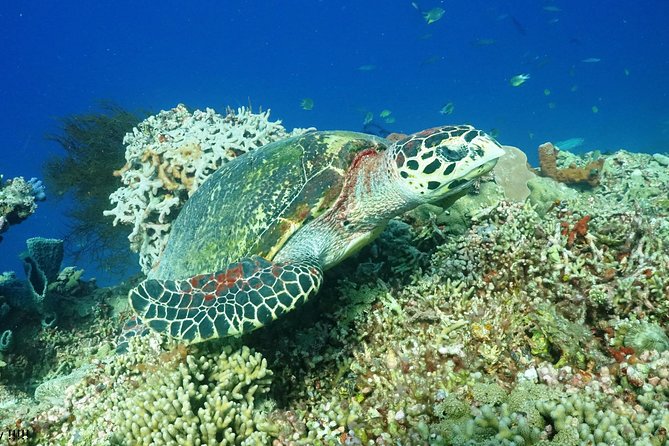
Menjangan is the main attraction here. The course places you in a dedicated marine setting rather than a classroom-only program, so the skills connect directly with real underwater conditions.
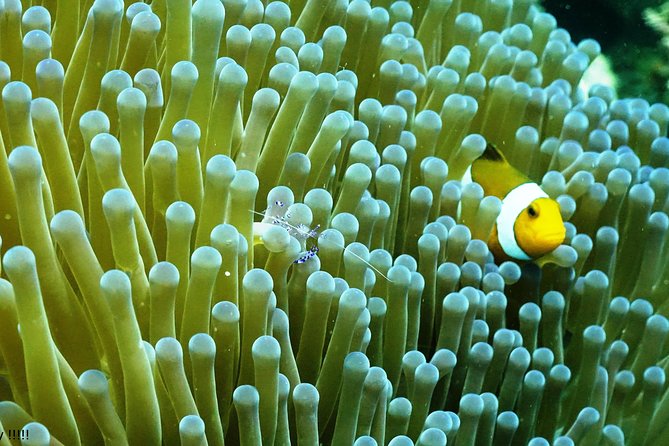
The published information does not promise particular animals, reef formations, or visibility on a specific date. That is useful to remember when comparing this with a sightseeing trip. You are booking structured training in a notable area, not a guarantee of one exact wildlife encounter.
The location also gives the course a more memorable shape. You are not merely completing exercises in a pool and collecting a card. You are working through navigation, depth, buoyancy, boat procedures, and other skills in a setting that can help the lessons make sense.
Conditions remain part of the equation. If severe weather closes the harbor, Bali Hai Cruises can reschedule the departure time without a refund. That clause is important for anyone with a tightly packed Bali itinerary. Leave some breathing room around this course instead of planning a flight or nonrefundable transfer immediately afterward.
Physical demands, safety, and certification limits
You should have a moderate level of physical fitness. The course includes boat transfers, equipment handling, and five underwater sessions over two days. The supplied information does not give exact swimming requirements, so ask the operator directly if you have concerns about stamina or mobility.
The medical questionnaire is required for every participant. Existing conditions may prevent you from taking part, and the operator specifically points to asthma and heart conditions as examples. If you are unsure, get medical advice before you pay.
The completed qualification allows you to scuba to 30 meters, or 100 feet, anywhere in the world, subject to local rules and the conditions of the operator you use. That does not mean every site, current, or weather condition will be suitable. The course improves your options, but continued practice and sensible judgment still matter.
Do not plan to fly within 48 hours after completing the course. This is a major scheduling point. If you are combining Menjangan with a short Bali trip, place the course early enough to keep the recommended gap before your departure flight.
Who will get the most from this course
This course suits you best if you have recently completed PADI Open Water or hold an equivalent certification from another agency. It is a good fit if you want more confidence, a deeper certification limit, or a chance to test several specialties before committing to future training.
It is also a strong choice if you value instruction over a large social outing. The 4:1 ratio suggests a more personal learning setup, and the course’s goal is practical skill building rather than simply spending time on a boat.
You may want a different product if you are looking for a casual one-day introduction, a sightseeing-only marine excursion, or a fully arranged trip from Ubud. This program requires certification, a health check, moderate fitness, and transport planning. It is rewarding for the right participant, but it is not a drop-in activity.
Confirmation arrives within 48 hours of booking, subject to availability. The guide may be multilingual, and a single supplement surcharge might apply in some arrangements. Ask about both points before finalizing your plans.
Should you book the Bali Hai Menjangan course?
I would recommend this course if you already hold Open Water certification and want a structured two-day step forward with strong practical coverage. The small teaching ratio, included equipment, insurance, lunch, boat transfers, and certification make the $502.57 price easier to justify than the headline figure first suggests.
Book it when you can spare the time before and after the course, especially the 48-hour no-flying window. Confirm national park fees, transport from your accommodation, specialty availability, and any single supplement before paying.
Skip it if your Bali schedule is too tight, you are not comfortable completing five sessions in two days, or you mainly want a relaxed sightseeing outing. For a prepared Open Water diver who wants better skills and a 30-meter qualification in Menjangan, this is a focused and worthwhile choice.
FAQ
Where does the course start?
The course starts at Menjangan Dynasty Resort in Pejarakan, Gerokgak, Buleleng Regency, Bali 81155, Indonesia.
What time does the course begin?
The stated start time is 9:00 am.
Where does the activity end?
The activity ends back at the meeting point, Menjangan Dynasty Resort.
How long is the course?
The PADI Advanced Open Water course lasts approximately two days.
How many underwater sessions are included?
You complete five sessions in total during the course.
Which sessions are compulsory?
Deep-water training and underwater navigation are compulsory.
What specialty sessions can I choose?
You can choose three from digital underwater photography, multi-level and computer, peak performance buoyancy, underwater naturalist fish identification, boat procedures, drift procedures, night procedures, and search and recovery.
What certification do I need before booking?
You must already be a certified PADI Open Water Diver or hold an equivalent certification from another diving agency.
Is equipment rental included?
Yes. Full equipment rental is included in the course price.
Are meals and boat transfers included?
Lunch, drinking water, and all boat transfers are included. Extra food and drinks are not included, and national park fees are charged separately.
Can I fly immediately after the course?
No. Diving within 48 hours of flying is not recommended.
What happens if severe weather closes the harbor?
In the event of force majeure or severe weather that closes the harbor, Bali Hai Cruises may reschedule the departure time without a refund.
More Dive Courses in Bali
- Barcelona: PADI Discover Scuba Diving
★ 4.7 · 1,016 reviews - PADI Open Water Diver Course
★ 5.0 · 626 reviews - Tossa de Mar: PADI Discovery Scuba Diving in Costa Brava
★ 4.7 · 392 reviews - Full-Day Beginner Scuba Course with Private Tuition, Racha Yai
★ 5.0 · 368 reviews
New dives around Bali
- All Inclusive Bali Scuba Diving at Tulamben with Lunch -Transport★ 5.0 · 4 reviews
- Fun Diving Tulamben Bali – For Certified Divers★ 5.0 · 33 reviews
- Dive at Tulamben Bali USS Liberty Ship Wreck★ 4.5 · 7 reviews
- Nusa Penida Private Diving Tour by Speedboat★ 5.0 · 2 reviews
- Bali Hai – PADI Advance Open Water Course in Lembongan★ 5.0 · 2 reviews
- Try Scuba Diving at Tulamben Shipwreck★ 5.0 · 5 reviews
- Try Dive with Manta Rays in Bali★ 5.0 · 2 reviews
- Bali Scuba Diving trip at Tulamben for Certified Diver★ 5.0 · 26 reviews
PADI Courses & Certification, compared.
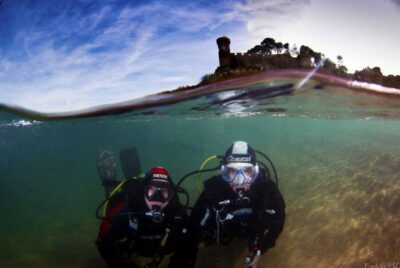
Tossa de Mar: PADI Discovery Scuba Diving in Costa Brava
Read our review →
Full-Day Beginner Scuba Course with Private Tuition, Racha Yai
Read our review →
Beginner Scuba Diving Lesson with PADI Instructor
Read our review →
Discover Scuba Diving with No Certification in St Thomas
Read our review →
Try Dive – PADI Discover Scuba Diving in Tenerife
Read our review →
Browse the lists this tour appears in