
REVIEW · SPAIN
PADI Open Water Course in 3 Days
Three days can change how you see the sea. This PADI Open Water course in Tenerife gives you a clear route from beginner to certified scuba diver, with classroom lessons, confined-water practice, and four open-water sessions. I like the flexible scheduling and the fact that the price includes equipment, insurance, instruction, and the PADI registration fee.
I also like the strong focus on safety. Instructors explain the equipment and procedures before you enter the water, then guide you through each skill at a measured pace. The main consideration is time: three days is efficient, but you will need to concentrate, study, and complete every required exercise rather than treat this as a casual holiday activity.
Key points to know before booking
- Three-day certification course: You complete the learning, skills work, exam, and four open-water sessions across three days.
- Four sea sessions: The final two days focus on open-water training and underwater exploration.
- PADI certification: Successful completion allows you to scuba dive independently to 18 meters around the world, within normal certification rules.
- Most major costs included: Equipment, insurance, instructor support, course fees, and PADI registration are covered.
- Flexible scheduling: Starting times are arranged according to availability and your wishes, so check the schedule before committing.
- Multilingual instruction: Teaching is available in Spanish, Bulgarian, English, French, German, Polish, and Russian.
What the three-day PADI course really involves
This is not simply a sightseeing trip with a tank on your back. You are signing up for entry-level scuba training that leads to an internationally recognized PADI certificate.
The course usually takes three days. The exact starting time is not fixed in the information provided, so you need to check availability for your dates. The schedule is described as flexible and arranged around your wishes, which helps if you are fitting the course into a larger Tenerife holiday.
You begin with a video lesson covering the basics of scuba. It explains the information needed for the exam and gives you the foundation for the practical work that follows. You will also receive instruction on equipment, underwater skills, and safety procedures.
That classroom stage may feel less exciting than getting into the water, but it matters. Scuba requires you to understand how the equipment works and how to respond when something feels unfamiliar. A good course does not rush this part, and the available feedback repeatedly praises the patient, careful teaching.
After the theory, you practice skills in confined water with an instructor. This gives you a controlled setting in which to get used to breathing through the regulator, handling your equipment, and completing the required exercises. You are not expected to figure everything out alone.
More PADI Courses in Spain
- Try Dive – PADI Discover Scuba Diving in Tenerife
★ 5.0 · 214 reviews - PADI Open Water Diver Course (OWD) – 2.5 days
★ 5.0 · 98 reviews - PADI Discover Scuba Diving Course in Tenerife
★ 4.8 · 64 reviews
Day one: theory, equipment, and confined-water practice
The first day sets the tone for the whole course. You watch the instructional video, receive further explanations, and prepare for the written exam. The material is practical rather than decorative: it is there to help you understand what you are doing in the water.
You should arrive ready to pay attention. Bring a towel, and allow yourself enough mental space for the course rather than planning a packed day of other activities. Food and drinks are not included, so plan for your own refreshments.
The instructor then introduces the equipment and explains the basic safety procedures. The course description does not list each item of equipment individually, but the use of equipment is included in the price. That is important because buying or renting a full set separately could otherwise add up quickly.
The confined-water session is where the theory begins to make sense. You practice with the instructor nearby, which lets you work through unfamiliar skills before tackling open water. This is also the point at which you can ask for an explanation to be repeated or slowed down.
The strongest feedback about this course centers on that teaching style. Julia from Switzerland described the instructors as friendly and attentive to individual needs, taking time to go through each step calmly. Cezar gave special praise to Marcin for being patient and professional, while Leo had Thomas teaching in the group’s own language.
That multilingual support can make a real difference. Even if you speak good English, learning safety instructions in Spanish, Bulgarian, English, French, German, Polish, or Russian may help you understand details more precisely.
Days two and three: four open-water sessions
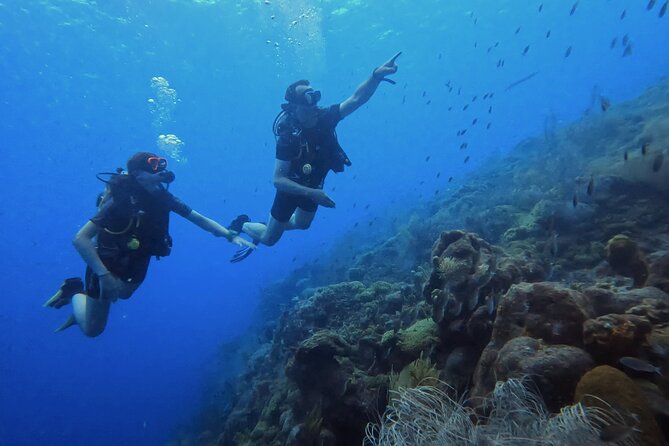
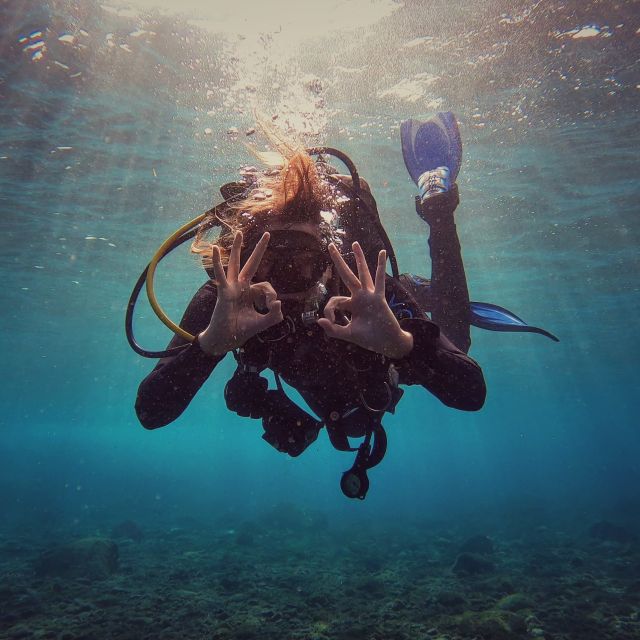
The next two days consist of four open-water sessions. You perform exercises in the sea and begin to use your new skills in a more natural setting.
This is the part most people remember. The first time you breathe and move underwater can feel strange, exciting, and slightly awkward all at once. The course gives you a structured way to enjoy that moment without losing sight of the training requirements.
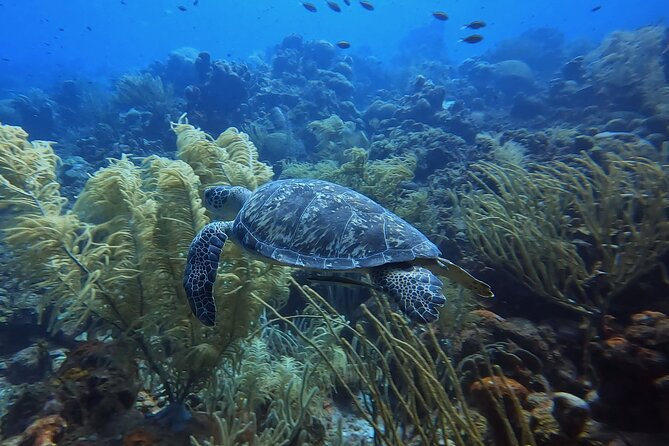
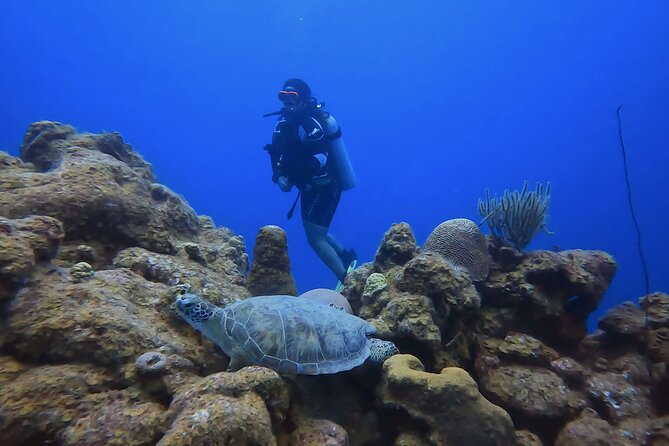
Each session includes exercises as well as time to observe the underwater world. The exact sites and marine life are not specified, so you should not book this expecting a particular reef, wreck, animal, or named bay. The value here is the chance to practice in open water while an instructor supervises you.
Four sessions across two days also give you room to improve. You are not trying one short encounter and then receiving a certificate. The repeated practice helps you become more comfortable with the equipment and the procedures.
The course description says instructors remain focused on safety while helping you have a good time. That balance is important. A beginner course should not feel reckless, but it should still leave you with the pleasure of moving freely underwater.
One customer had to stop before finishing because of an issue unrelated to the instructors. That is a useful reminder not to assume every participant will complete the course simply because it is advertised as three days. The schedule is short, and personal circumstances can affect the result.
Certification and what 18 meters means
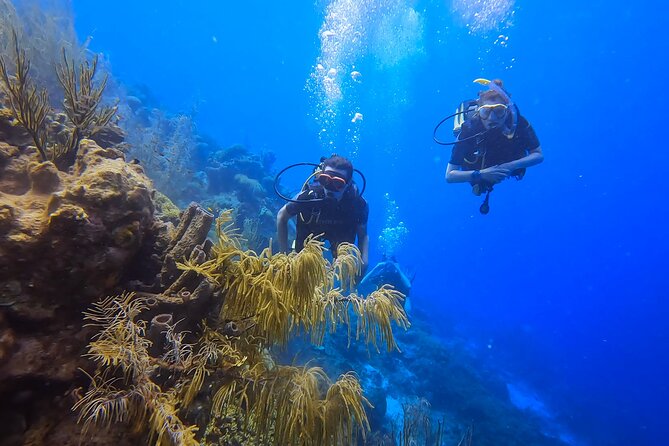
The goal is a PADI Open Water Diver certificate. After successful completion, you can scuba dive independently to a maximum depth of 18 meters around the world, subject to the normal limits of your certification and the conditions of future dives.
That does not mean you become an expert in three days. It means you gain the basic training needed to continue safely as a certified beginner. You still need to make sensible choices about conditions, equipment, companions, and your own comfort level.
I see the international PADI qualification as one of the strongest reasons to choose this course. If you think you may continue scuba diving on future holidays, a recognized certificate is far more useful than a one-time introductory session.
The course also includes the PADI registration fee. That makes the advertised price easier to judge because you are not being shown a low starting cost and then asked to add the main certification charge later.
More PADI Courses in Tenerife
- Basic Diver course for beginners with 1 dive in the Ocean
★ 5.0 · 41 reviews - Santa Cruz de Tenerife: PADI Introductory Dive
★ 4.8 · 23 reviews - PADI Open Water Diving Course Tenerife
★ 5.0 · 8 reviews - Diving course for beginners in turtle area Tenerife
★ 5.0 · 7 reviews
Is the $465 price good value?
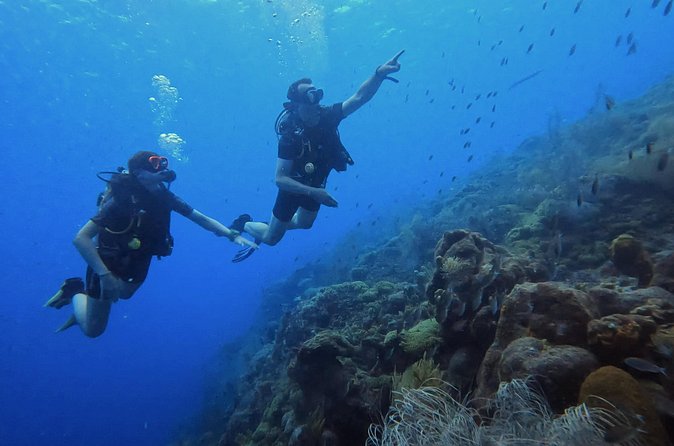
The price is $465 per person. That is a significant holiday expense, but the package includes the course, instructor, equipment, insurance, and PADI registration fee.
For someone who wants certification rather than a single underwater experience, this is a sensible bundle. You receive three days of instruction and four open-water sessions, with the major training costs covered. I would compare the price against other full certification courses, not against short introductory boat trips.
The value is particularly good if you already expect to scuba dive elsewhere. The certificate can be used internationally, so the benefit continues after you leave Tenerife.
There are extra transport costs to watch. Hotel pickup is offered in the south of Tenerife, from Callao Salvaje to El Medano, but the stated information gives different charges depending on the area. Pickup from the south is listed at 4 euros per person, while Los Gigantes and El Medano are listed at 15 euros per car, and Golf del Sur at 10 euros per car.
Because the pickup wording and charges vary by location, confirm the exact amount for your hotel before booking. Food and drinks are also excluded. These are modest practical details, but they matter when you are planning three consecutive training days.
Hotel pickup and fitting the course into your holiday
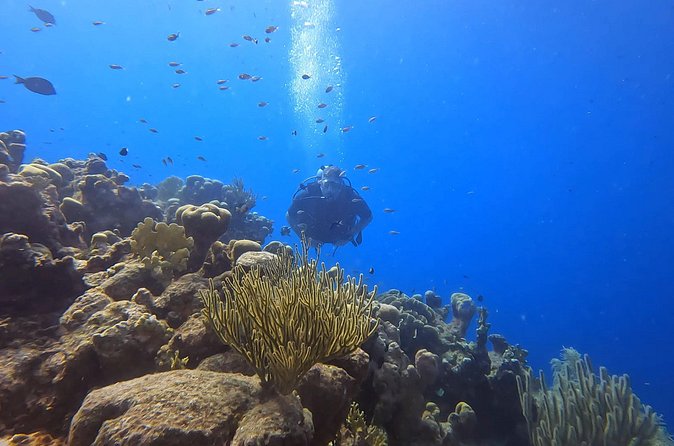
Pickup is available from your hotel reception in the stated south Tenerife area. That can save you the trouble of finding the center each morning, especially when you are carrying towels and possibly wet equipment.
The course runs for three days in a row in the normal format. You should avoid scheduling an early departure, a long excursion, or a major late-night event during the training period. The course is flexible, but you still need enough time to complete the academic work and four open-water sessions.
The minimum age is 10. Children under 10 are not accepted, so families should check the ages of all participants before booking. The information does not give a separate junior program or child-specific schedule.
Alcohol and drugs are not allowed. That is an obvious safety rule for any activity involving breathing equipment, water, and formal instruction, but it is worth stating clearly before you arrive.
The instructors are the heart of the experience
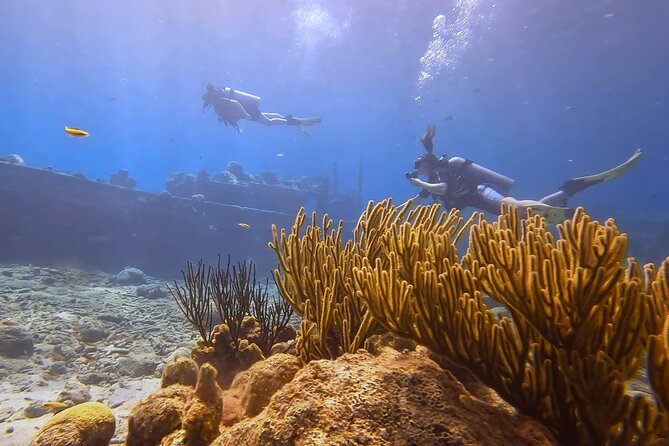
The most consistent praise is directed at the instructors. Julia’s account emphasizes calm explanations and attention to personal needs. Cezar specifically names Marcin and describes him as patient and professional. Leo names Thomas and appreciated being taught in the group’s own language.
Those details suggest a course where the quality of communication matters as much as the equipment. Beginners may need a skill demonstrated twice, a technical term explained in simpler language, or extra reassurance before entering open water. The instructor’s attitude can determine whether you relax enough to learn.
The course offers instruction in seven languages: Spanish, Bulgarian, English, French, German, Polish, and Russian. You should request your preferred language when arranging the course rather than assume it will automatically be available at every starting time.
The overall rating is 5 out of 5 from nine ratings, with positive comments describing the course as thorough, enjoyable, safe, and well organized. A few short comments provide little detail, so I would not treat the rating alone as proof that every part of the experience will suit everyone. Still, the repeated praise for teaching and safety is useful.
Who should book this course?
This course suits you if you want a recognized qualification and are willing to commit three days to learning properly. It is a good fit for first-time scuba participants who want instructors nearby and prefer a structured path rather than an informal introduction.
It also suits couples and friends who want to train together. Julia completed the qualification with her partner, and the course is designed to make the process enjoyable while still taking the safety work seriously.
It may not suit you if you only want a quick holiday activity. The video lesson, exam, confined-water exercises, and four open-water sessions require time and attention. You also need to be comfortable following instructions and completing the required skills.
The course could work well for repeat visitors to Tenerife who want to add a new skill to their trip. Since the certificate is usable worldwide, it is more than a souvenir from the Canary Islands.
Practical advice before you arrive
Bring a towel. Food and drinks are not included, so arrange your own snacks and water for the training days.
Ask about pickup charges for your exact hotel, especially if you are staying in Los Gigantes, El Medano, or Golf del Sur. The stated rates differ by area and by whether the charge is per person or per car.
Tell the provider which language you prefer. Instruction is available in Spanish, Bulgarian, English, French, German, Polish, and Russian.
Keep the three days fairly open. The schedule is flexible, but you still need to complete the full course, exam, and four open-water sessions. Do not plan a major competing activity immediately before or after each lesson.
You can cancel up to 24 hours in advance for a full refund, and reserve now while paying later. Those terms help if your Tenerife plans are not fully settled, though you should still confirm the available course dates before relying on them.
Should you book the PADI Open Water Course?
I would book this if your goal is genuine certification, not just a quick look underwater. The $465 price covers the major costs, the three-day format is efficient, and the strongest evidence points to patient instructors who take safety seriously.
I would pause if you are unsure about committing three full days or if you want a specific underwater site that has not been promised. Check the language, pickup price, starting time, and availability first.
For a beginner who wants a recognized PADI qualification in Tenerife, this is a practical choice. The course asks for concentration, but it gives you a lasting skill in return.
FAQ
How long does the PADI Open Water course take?
The course usually takes three days. The schedule is flexible, with starting times based on availability and your wishes.
How many open-water sessions are included?
Four open-water sessions are included. They take place across the second and third days of the course.
What depth can I reach after certification?
The PADI Open Water certification allows you to scuba dive independently to 18 meters, subject to the normal conditions and limits of the certification.
Is equipment included?
Yes. Equipment, the course, instructor, insurance, and the PADI registration fee are included in the price.
What languages are available?
Instruction is available in Spanish, Bulgarian, English, French, German, Polish, and Russian.
What is the minimum age?
The minimum age is 10 years old. Children under 10 cannot take this course.
Is hotel pickup included?
Pickup is offered from hotel receptions in the south of Tenerife, from Callao Salvaje to El Medano. The stated information also lists charges of 4 euros per person for the south, 15 euros per car from Los Gigantes and El Medano, and 10 euros per car from Golf del Sur. Confirm the exact charge for your hotel.
What should I bring?
Bring a towel. Food and drinks are not included, so you should arrange those yourself. Alcohol and drugs are not permitted.
More 3-Day Experiences in Tenerife
- 3-Day PADI Open Water Diving Course in Dubai
★ 5.0 · 173 reviews - Padi open water diver course, become a diver in 3 days
★ 5.0 · 113 reviews - Become certified diver in 3 days – PADI Open Water Diver course on Koh Tao
★ 5.0 · 104 reviews - Hurghada: 3-Day PADI Open Water Diving Course
★ 4.6 · 78 reviews
More Dive Courses in Tenerife
- Tenerife: PADI Open Water Diver Course
★ 5.0 · 2 reviews - Barcelona: PADI Discover Scuba Diving
★ 4.7 · 1,016 reviews - PADI Open Water Diver Course
★ 5.0 · 626 reviews - Tossa de Mar: PADI Discovery Scuba Diving in Costa Brava
★ 4.7 · 392 reviews
New dives around Tenerife
- Tenerife Scuba Diving for Certified Divers★ 4.2 · 3 reviews
- Tenerife : Snorkeling underwater with freediving Instructor★ 5.0 · 6 reviews
- Tenerife south: Scuba Dive for beginners in Adeje★ 4.9 · 54 reviews
- Tenerife: Scuba Dive & Fun, Discover the Magic of the Ocean★ 4.6 · 19 reviews
- Tenerife: Scuba Diving Experience with Instructor and Gear★ 4.9 · 95 reviews
- Tenerife: Scuba Diving Lesson and Abades Protected Area Dive★ 5.0 · 17 reviews
- Tenerife – Discover Scuba Diving Experience with Instructor★ 5.0 · 4 reviews
- Tenerife : Private Dive for Beginners from a Boat★ 5.0 · 12 reviews
PADI Courses & Certification, compared.
Tossa de Mar: PADI Discovery Scuba Diving in Costa Brava
Read our review →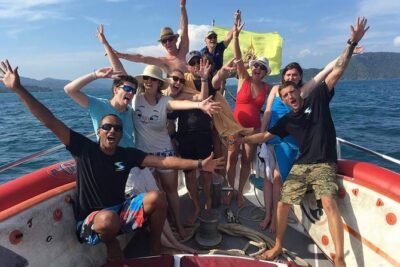
Full-Day Beginner Scuba Course with Private Tuition, Racha Yai
Read our review →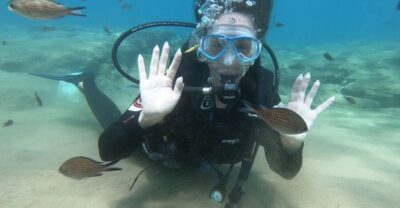
Beginner Scuba Diving Lesson with PADI Instructor
Read our review →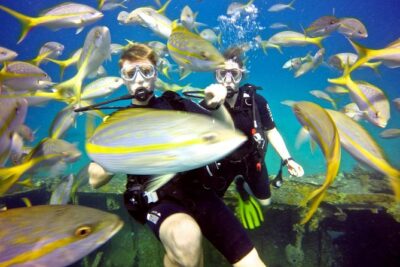
Discover Scuba Diving with No Certification in St Thomas
Read our review →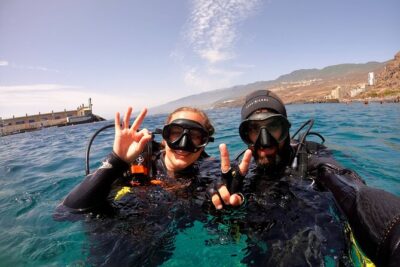
Try Dive – PADI Discover Scuba Diving in Tenerife
Read our review →
Browse the lists this tour appears in