
REVIEW · HAWAII
Maui: Eco-Friendly Conservation Scuba Dive Certified Divers
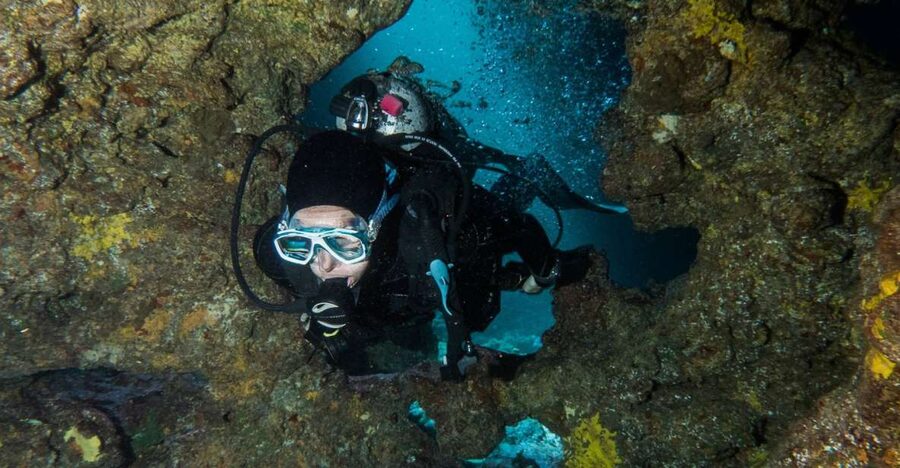
See Maui’s reefs with a purpose. This three-hour eco-friendly scuba experience combines underwater exploration with coral care, sea turtle education, fish identification, and practical ways to reduce harm to the ocean. You meet a certified instructor at the dive shop, choose the conservation topic that interests you most, and then head offshore for a focused session in a small group.
I like the personal format, with no more than four participants per instructor, and I like that the lesson is shaped around your interests rather than delivered as a fixed lecture. The chance to learn from instructors such as Ashley and Gabby is another strong point. The main consideration is simple: you must already hold an Open Water Certification, and the meeting point is provided only the day before, so this takes a little planning.
Key points to know before booking
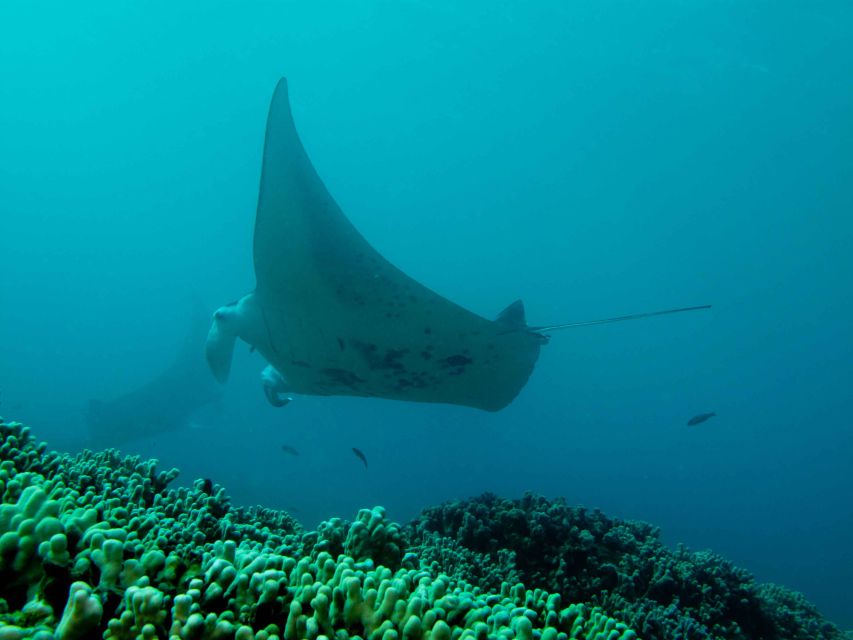
- Choose your conservation focus: Topics include coral reef ecology, reef cleanup, sea turtle education, shark education, fish identification, and buoyancy skills.
- Small groups matter: A maximum of four participants per instructor gives you more room to ask questions and receive help in the water.
- Expect an educational session: This is not just a sightseeing outing. You learn how to observe marine life and support ocean research.
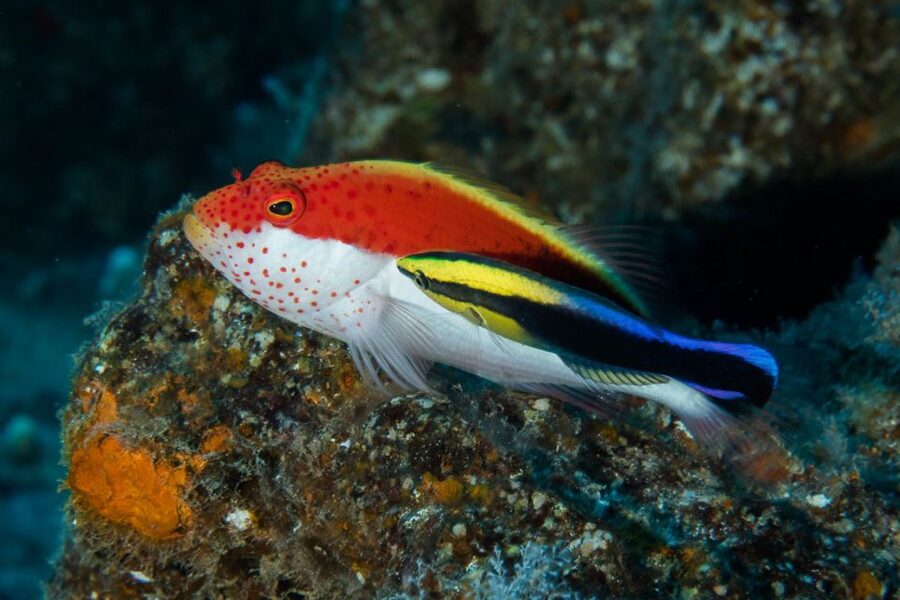
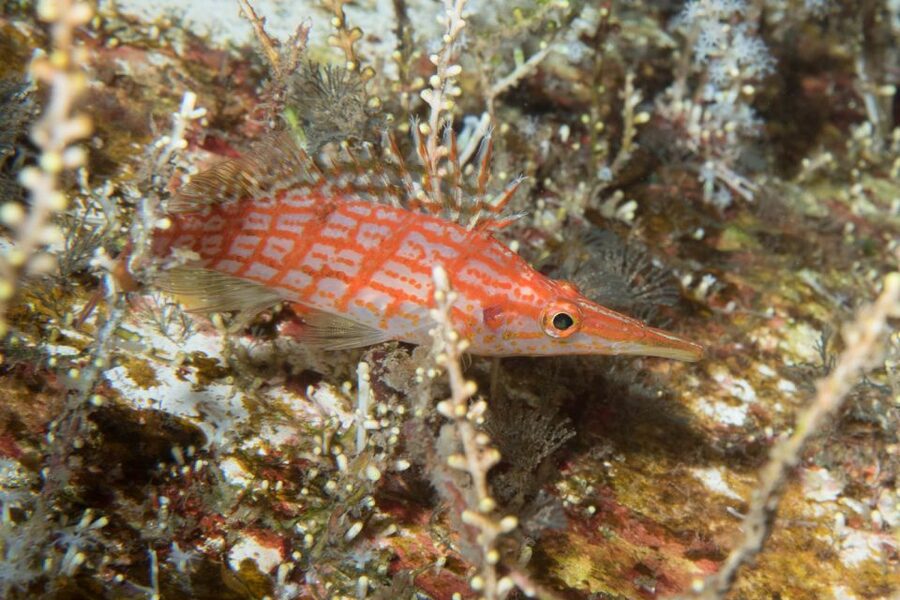
- Mala Pier can be especially active: The site has produced sightings of white tip sharks, eels, trumpet fish, fluke, turtles, and many tropical fish.
- Bring proof of certification: An Open Water Certification is required, and a waiver must be completed before the activity.
- Plan around flight restrictions: You cannot fly within 24 hours after scuba activity.
What the three-hour Maui experience is really about
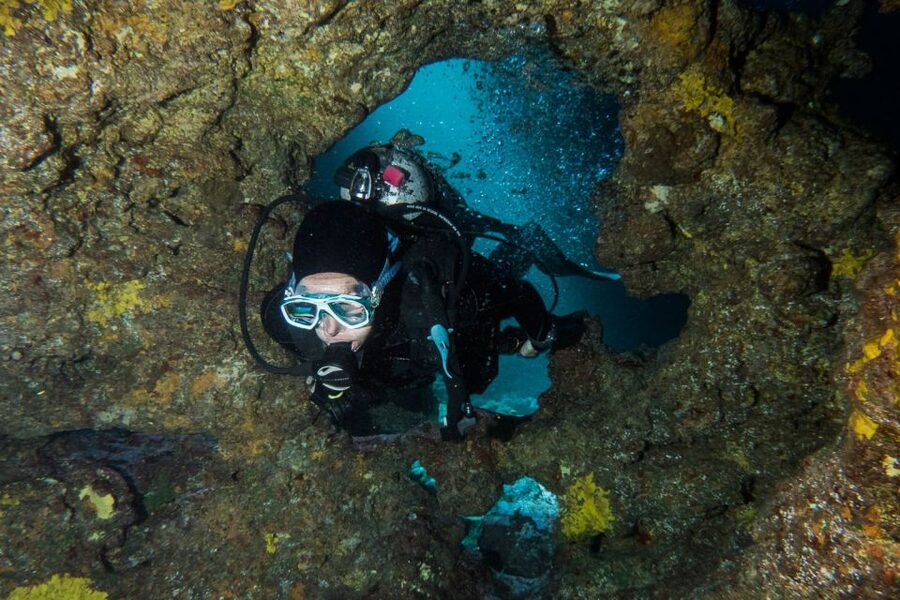
This outing is built for certified scuba participants who want more from the ocean than a quick look at colorful fish. The focus is conservation, awareness, and better habits underwater.
At the start, you meet your English-speaking instructor at the dive shop. The meeting point and guide’s name are provided the day before, so do not assume you will receive all location details at the moment of booking. Contact the local operator to confirm the time and exact place.
The first stage works like a compact workshop. You select one or more subjects from the available options. If coral reefs interest you, the instructor can explain how reef systems function and what threatens them. If sea turtles are your priority, the session can focus on turtle behavior and responsible observation. You can also work on identifying fish, learn about sharks, discuss reef cleanup, or improve buoyancy control.
That choice is valuable because certified scuba participants arrive with different needs. Someone returning to the sport after a long break may benefit from the buoyancy workshop. A confident underwater explorer may prefer fish identification or coral ecology. The small group makes it easier for the instructor to adjust the pace.
More Dives for Certified Divers in the USA
- 2 Tank Lanai Cathedral Scuba Dive Via Boat for Certified Divers
★ 5.0 · 548 reviews - Small-Group Shark and Turtle Dive for Certified Divers
★ 5.0 · 219 reviews - Maui Certified Shore Diving from Lahaina
★ 5.0 · 107 reviews
Meeting Ashley or Gabby at the shop
The instructors are a major part of the experience. Ashley guided one session that included Kahekili Beach and Mala Pier, and her strong interest in reef behavior and ecosystems helped turn the outing into more than a routine morning in the water.
Gabby also received praise for being patient with a participant who had not used scuba equipment for some time. That detail matters. Even with certification, you may feel rusty, and a calm instructor can make the first minutes much easier.
Do not read the small-group limit as a guarantee that you will receive a private lesson. The ratio is up to four participants per instructor. Still, that is a favorable setup for asking questions, getting help with equipment, and receiving pointers on body position and air control.
The instructors also help you connect what you see underwater with wider conservation work. You are encouraged to act as a citizen scientist, which means observing carefully and contributing useful information about marine life and reef conditions.
Choosing between reef ecology, turtles, sharks, and fish
The best topic depends on what you want from the morning. The choices are broad enough to suit different interests.
Coral reef ecology gives the session a natural science angle. You learn how the reef community works and why coral health affects the fish and other animals around it. This is a good choice if you want to understand the setting rather than simply identify what you see.
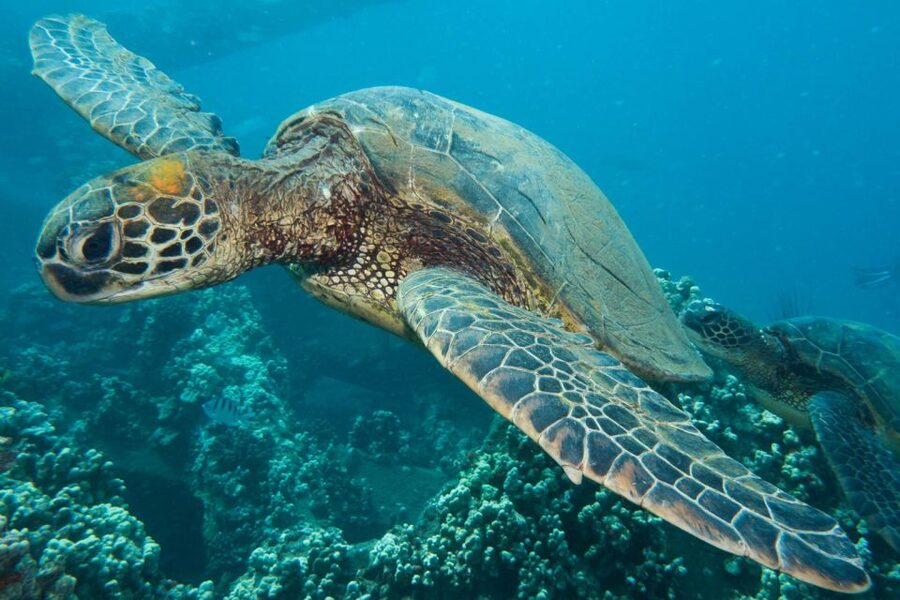
Sea turtle education is a natural fit for Maui. Turtles are among the animals you may encounter, but the value is not just spotting one. You learn how to observe them responsibly and understand their place in the reef community.
Shark education can add useful context to a subject that often gets treated as a source of fear. The experience includes shark education as an available topic, and sightings have included white tip sharks at Mala Pier.
Interactive fish identification turns the reef into a moving field guide. Instead of watching a stream of unfamiliar animals pass by, you can begin to connect names, shapes, and behavior. Hawaiian tropical fish are part of the experience, and this topic gives you a practical way to pay closer attention.
Buoyancy instruction is perhaps the most useful option for your comfort and for the reef itself. Better control helps you avoid accidental contact with coral and makes it easier to remain calm while observing wildlife. It also lets you spend less effort managing your body in the water and more time noticing what is around you.
You can choose one subject or combine topics, depending on the session. The instructor customizes the emphasis, but you should ask at the beginning if you have a particular goal.
Entering Maui’s clear water near Lahaina
After the workshop, you gear up and head to the selected offshore site. The information provided does not promise one fixed location for every booking, so your exact water entry can vary.
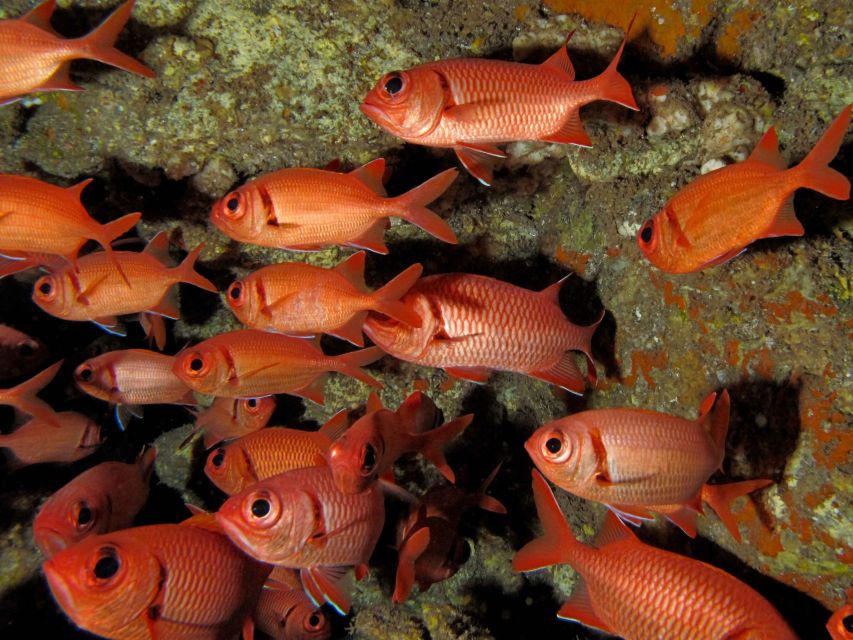
Kahekili Beach and Mala Pier have both featured in a two-session morning. Mala Pier was especially active on one outing, with white tip sharks, a family of fluke, eels, trumpet fish, turtles, and many other tropical fish. Those sightings give you an idea of the variety possible, but they are not a guarantee for every visit. Marine life follows its own schedule, quite reasonably refusing to read the brochure.
The clear blue water and coral reefs around Lahaina are the main visual draw. You may find yourself watching tropical fish in their natural setting, looking for turtles, or paying closer attention to reef structure after the ecology lesson.
The experience is strongest when you treat the underwater time as an observation session, not a checklist. You may see several kinds of wildlife, or conditions may be quieter. The instructor’s interpretation helps make either outcome worthwhile.
More Dives for Certified Divers in Maui:
- Guided Scuba Dive in Lahaina: Certified
★ 5.0 · 67 reviews - Turtle & Shark Scuba Dive in Lahaina: Certified
★ 5.0 · 60 reviews - Underwater Scooter Dive (Certified Divers Only) Makena Wailea
★ 5.0 · 10 reviews - Certified Divers! Scuba dive the Ka’anapali Coast and more!
★ 5.0 · 9 reviews
Why the conservation focus adds real value
Many ocean outings use conservation as a brief opening speech. Here, it is the organizing idea. You learn how your own behavior affects the reef, how to improve buoyancy, and how observations can support research.
That makes the experience useful beyond the three-hour schedule. If you already scuba regularly, you may leave with better habits for protecting coral. If you are returning after time away, the workshop can refresh your awareness and confidence. If you are interested in marine science, the citizen scientist element gives the session more purpose.
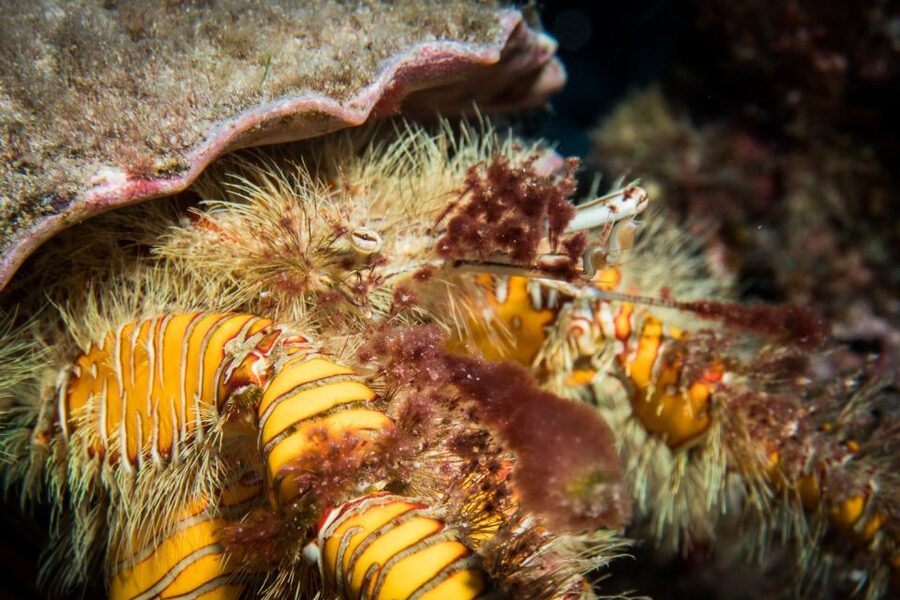
The conservation message also keeps the wildlife encounters in perspective. Turtles, sharks, and tropical fish are not props. The instructor helps you understand that the reef is a living system, and your job is to pass through it with care.
You should also expect a hands-on style rather than a formal classroom course. The available topics are practical, and the instructor can connect them to what you see in the water. That connection between explanation and observation is one of the best reasons to choose this experience.
Is $199 a fair price?
At $199 per person, this is not the cheapest way to spend a morning in Maui. The price makes more sense if you value instruction, small groups, and a conservation theme.
You are paying for a three-hour eco-dive experience with a maximum ratio of four participants to one instructor. The price includes the eco-dive experience, but hotel pickup and drop-off are not included. Since transportation is not provided, you need to handle your own way to the meeting point once the operator confirms it.
The value improves for certified participants who want feedback. A basic wildlife outing may show you the reef, but this session adds instruction in buoyancy, fish identification, reef ecology, and ocean awareness. Those skills can stay with you long after the visit.
It may feel less worthwhile if you only want a quick look at marine life and do not care about the educational portion. You also need to be comfortable arranging your own transport and working within the flight restriction after scuba activity.
Who should book this experience?
I would recommend it most strongly to:
- Certified scuba participants who care about marine conservation
- People who want a small group rather than a crowded boat format
- Returning scuba participants who would benefit from patient instruction
- Anyone interested in turtles, sharks, coral, fish, or reef behavior
- Participants who want to improve buoyancy and reduce accidental reef contact
- Visitors who prefer an educational activity with a clear environmental purpose
It is less suitable for beginners without certification. Proof of an Open Water Certification is required, so this is not an introduction to scuba. It is also not ideal if you need hotel transportation or if your schedule includes a flight within 24 hours.
The English-language format is straightforward for visitors who are comfortable learning and communicating in English. The small group can help, but the activity still requires you to follow safety instructions and complete a waiver before starting.
Planning your morning around the safety rules
Bring your diving certification. You should have proof of Open Water Certification available before the activity begins.
A waiver form must be completed before the session. The operator also requires you to avoid flying within 24 hours after scuba activity, so place this experience early enough in your Maui schedule. Do not book it for the final morning before a flight.
The experience lasts three hours, but allow extra time around the appointment for meeting the instructor, preparing equipment, and returning from the water. The exact starting time depends on availability, so check before you finalize the rest of your day.
Free cancellation is available up to 24 hours in advance for a full refund. You can also reserve now and pay later, which helps if you are still arranging your Maui schedule. These policies are useful, but they do not remove the need to confirm the meeting point and time the day before.
What I would want to know before going
I would ask the operator which conservation topics are likely to fit the day’s conditions. You can choose from several subjects, but the actual emphasis may depend on the site and the instructor.
I would also ask whether your session is planned for one underwater outing or more than one. Some past experiences have included two locations, such as Kahekili Beach and Mala Pier, but the basic description presents a three-hour eco-dive session rather than promising two separate outings for every booking.
If you have not used scuba equipment in a while, say so at the start. Gabby’s patience with a returning participant shows why that information is useful. The instructor can then give more attention to buoyancy, comfort, and basic rhythm before asking you to focus on marine life.
Finally, arrive ready to watch rather than chase. Good wildlife encounters depend on calm movement and careful observation. The less you disturb the reef, the more likely you are to notice its smaller details.
Should you book the Maui conservation scuba experience?
Book it if you are certified, care about the ocean, and want an instructor-led session with real educational content. The combination of small groups, flexible topics, reef wildlife, and conservation training gives the $199 price a reasonable purpose.
I would be especially inclined to book if you are returning to scuba after a break or want to improve buoyancy. Ashley’s reef instruction and Gabby’s patient approach show the kind of personal guidance this format can provide.
Skip it if you are not certified, need hotel pickup, or want a simple sightseeing outing with no workshop element. For the right participant, though, this is a thoughtful way to see Maui’s underwater world while learning how to leave it in better shape.
FAQ
Do I need scuba certification to participate?
Yes. Proof of an Open Water Certification is required before you take part.
How long does the experience last?
The activity lasts three hours.
How much does the experience cost?
The listed price is $199 per person.
How many people are in each group?
The group is limited to four divers per instructor.
What conservation subjects can I choose?
Options include coral reef ecology, reef cleanup, sea turtle education, shark education, interactive fish identification, and a buoyancy workshop.
Is hotel pickup included?
No. Hotel pickup and drop-off are not included.
Can I fly after the activity?
You must not fly within 24 hours after scuba activity.
What languages are available?
The instructor language is English.
New dives around Maui
- Underwater Scooter Dive (Certified Divers Only) Makena Wailea★ 5.0 · 10 reviews
- South Maui Discover Scuba Dive★ 5.0 · 46 reviews
- 3-Tank Dive Featuring the Molokini Crater★ 5.0 · 5 reviews
- Private and Personalized Scuba Diving Adventures for All Experience Levels★ 5.0 · 62 reviews
- Scuba Diving in Maui with No Experience Needed★ 5.0 · 56 reviews
- Turtle & Shark Scuba Dive in Lahaina: Certified★ 5.0 · 60 reviews
- PADI Scuba Lesson and Shore Dive in Maui★ 5.0 · 46 reviews
- Guided Scuba Dive in Lahaina: Certified★ 5.0 · 67 reviews
Dives for Certified Divers, compared.
Two-Tank Morning Dive Trip for Certified Divers
Read our review →
2 Tank Lanai Cathedral Scuba Dive Via Boat for Certified Divers
Read our review →
Wreck and Bridge Span Dive for Certified Divers
Read our review →
Two-Tank Dive for Certified Diving in St Thomas
Read our review →
Diving for Certified Divers, 2 Tanks Sosúa Bay
Read our review →
Certified Diver: 2-Tank Deep Wreck and Shallow Reef Dive Off Oahu
Read our review →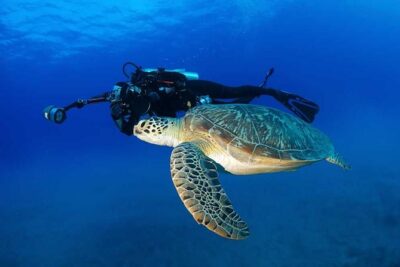
Certified Diver: 2-Tank Shallow Reef Dives off Oahu
Read our review →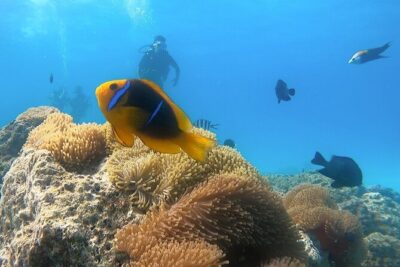
2 Dives in the morning for certified divers in Bora Bora
Read our review →Browse the lists this tour appears in