
REVIEW · MALTA
Malta, Scuba diving with instructor
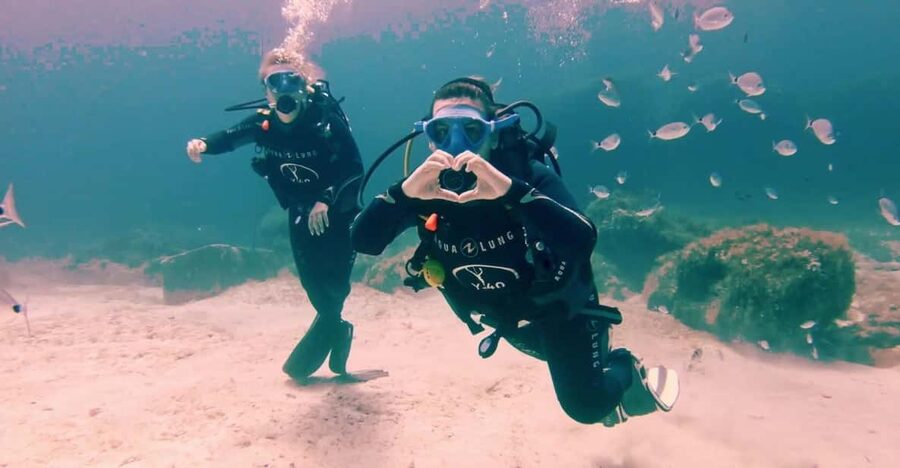
The Mediterranean looks different from below. This three-hour Malta scuba experience gives you a careful first taste of underwater life, with theory, practice, and a sea session in St. Paul’s Bay. I like the small groups of up to four and the patient, safety-minded instruction praised by participants. The drawback is that you need solid swimming skills, and you cannot fly for at least 12 hours afterward.
You meet at DiveBase Malta, next to the Seaview Hotel, then spend about 45 minutes on safety and preparation before heading into the sea for roughly an hour. I also like that the price includes equipment, insurance, learning material, and assistance, so you are not piecing together a first underwater experience from extra charges.
Key points at a glance
- A real first scuba session: You receive a theory lesson, practice at sea, and one supervised descent to a maximum depth of 12 meters.
- Small groups matter: With no more than four participants, the instructor can give close attention to nervous beginners.
- Patient instruction is a major strength: The highest praise focuses on instructors who explain clearly, offer reassurance, and help participants feel safe.
- St. Paul’s Bay is the setting: The sea session takes place from the Bugibba and St. Paul’s Bay area, starting and ending at DiveBase Malta.
- The price covers the basics: At $96 per person, you get the full kit, insurance, teaching materials, and instructor support.
- Plan around your flight: You must wait at least 12 hours after the session before flying.
What this Malta scuba experience is really like
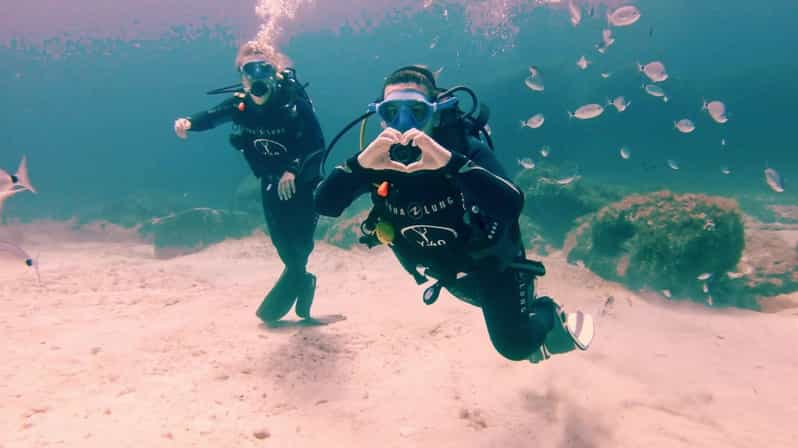
This is not a certification course. It is a guided introduction for people who want to try scuba without committing to a longer program.
The format is sensible. You first learn the basic ideas on land, then prepare for the practical work, and finally enter the sea with an instructor. That order helps you understand what the equipment does before you are asked to use it underwater.
The full activity lasts about three hours, although the actual sea time is about one hour. The remaining time covers instruction, preparation, equipment, and moving between the meeting point and the water. For a beginner, that balance is useful. You are not rushed straight from arrival into the sea.
You do not need previous scuba experience or a certification. You do need to swim confidently enough to manage yourself in the water and follow the instructor’s directions. This is important: the session is beginner-friendly, but it is not designed for non-swimmers.
A few more dives around Malta worth comparing
- Malta: First Experience Scuba Diving Lesson
★ 4.7 · 548 reviews - St Julians: Discover Scuba Diving Experience
★ 4.8 · 93 reviews - First scuba diving experience with instructor – Malta
★ 4.5 · 71 reviews
Starting at DiveBase Malta beside the Seaview Hotel
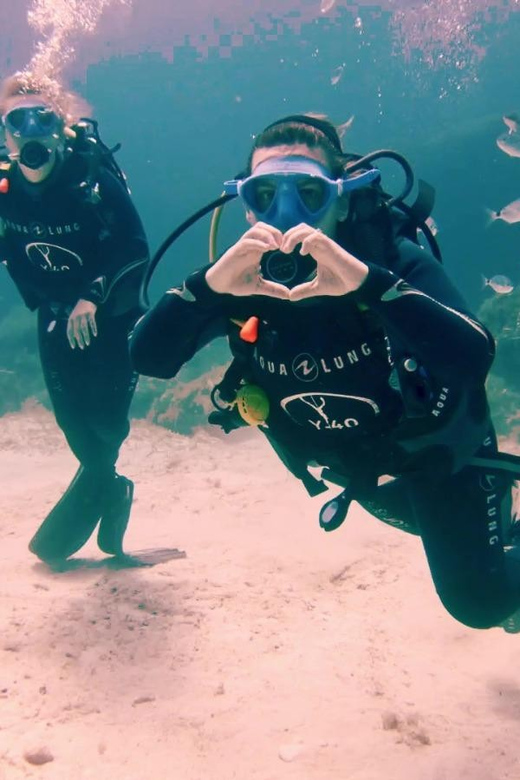
Your day begins at DiveBase Malta, next to the Seaview Hotel. The activity also finishes there, which keeps the arrangements simple. You do not need to work out a separate return point after your sea session.
The center provides the equipment and learning material. You need to bring your own swimwear and towel. Flip-flops are not included either, so pack them if you like having something easy to wear around the center or by the water.
Transportation and assistance are included in the experience. The supplied details do not specify a separate pickup from your hotel, so you should treat DiveBase Malta as the meeting point unless the operator confirms something different after booking.
This is a daily activity throughout the year, subject to availability and sea conditions. Starting times vary, so check the available slot before planning the rest of your day. The small group limit of four is especially helpful here. A first scuba session can feel intimidating, and close supervision is worth more than a large group moving through the same routine.
The 45-minute safety briefing in Bugibba
The first formal stop is in Bugibba for about 45 minutes of instruction and preparation. This is where you get the theory lesson and safety briefing.
Expect the instructor to explain the basic principles of scuba, how to use the equipment, and what you need to do during the sea session. You also have time to prepare for the practical exercises. The experience is taught in English, so you should be comfortable understanding spoken safety directions in that language.
This briefing is not filler. For a first-time participant, it is the part that turns a strange collection of tanks, hoses, masks, and fins into a workable system. Pay attention to the safety instructions, ask questions, and tell the instructor if you feel nervous or need an explanation repeated.
The strongest praise for this experience centers on the instructors’ manner. Participants specifically valued the calm explanations, patience, and reassuring approach. That matters because confidence underwater is built step by step. A rushed briefing would weaken the whole experience, while a careful one gives you a better chance to enjoy the sea session.
You should also understand the limits of the activity before entering the water. The maximum depth is 12 meters, but beginners may not reach that depth. Your learning speed, comfort, and the instructor’s judgment guide the session.
Preparing for the first sea session
After the theory lesson, you get ready for the practical part. Full equipment is included, and an instructor remains with you throughout the activity.
The session includes one exercise period at sea before the main underwater experience. This gives you a chance to get used to the equipment and the feel of breathing through it. For many beginners, this is the moment when nerves either settle or become clear. If something feels wrong, speak up early.
The experience is built around respecting your learning pace. That does not mean every participant receives unlimited time, but it does indicate a beginner-focused approach rather than a race to reach a particular depth. I like this structure for a first attempt because it leaves room to adjust to the water instead of treating everyone as if they arrived with the same confidence.
You should not touch marine life. That rule protects the animals and keeps you focused on safe movement. It also encourages a better kind of underwater encounter: observe what is around you, but leave it where it is.
Alcohol and drugs are not allowed. This is a basic safety requirement, not a minor rule to overlook before an activity involving breathing equipment and open water.
Same coastline, a very different dive:
- Two Morning Dives in Gozo for Certified Diver
★ 5.0 · 66 reviews - First Experience Scuba Diving
★ 4.5 · 52 reviews - SSI Try Scuba Diving in the sea
★ 4.8 · 43 reviews - Gozo: Discover Scuba Diving Experience for Beginners
★ 5.0 · 15 reviews
One hour in the Mediterranean at St. Paul’s Bay
The main sea session takes place at St. Paul’s Bay and lasts about one hour. The purpose is to let you experience the Mediterranean underwater while supervised by an instructor.
You may see marine life during the session, although no exact species or guaranteed sightings are provided. The appeal is the change in viewpoint. Above the surface, Malta is all limestone, sun, and coast. Below it, you begin paying attention to movement, visibility, breathing, and the shape of the seabed.
The maximum depth is 12 meters. That is enough to give a genuine sense of being underwater, but the instructor decides how far you go based on your comfort and ability. Do not treat the maximum depth as a target. For a beginner, staying calm and following instructions is more important than going deeper.
The one-hour duration also deserves a little context. You will not spend every minute actively moving. Some time may involve getting comfortable, practicing skills, adjusting equipment, and listening to guidance. That is normal and useful. The value comes from the complete introduction, not simply from counting minutes below the surface.
The sea session is the most memorable part, but it is also where you need to be honest with yourself. If you are uncomfortable in the water, have trouble equalizing, or feel anxious, tell the instructor. The supplied information emphasizes assistance and respect for your learning pace, so use that support rather than trying to hide a problem.
Why the instructor makes such a difference
A beginner activity depends heavily on the instructor. The equipment can be excellent, but a nervous person needs clear directions and steady encouragement.
The most praised qualities here are care, patience, and thorough explanations. Participants described feeling safe and well supported, and one specifically praised an instructor for being patient and helpful. No individual instructor name is provided, so you should not expect to request a particular guide.
The group size strengthens this personal approach. Four people is still a group, but it is small enough for the instructor to keep track of each participant. That is particularly valuable during the practice session, when everyone is learning at a different pace.
The English-language instruction works best for people who can follow safety information without translation. If you are unsure about a medical or equipment term, ask for clarification before entering the sea.
Is $96 a fair price?
At $96 per person, this is not the cheapest way to spend three hours in Malta. It is also not simply a boat ride or a short supervised swim.
The price includes a theory session, practice at sea, one sea session, full equipment, an instructor, learning material, insurance coverage, transportation, and assistance. For someone starting from zero, that package gives the price real weight. You do not need to rent a mask, regulator, tank, or other core gear separately.
The value is strongest if you want to try scuba but are not ready to book a full certification course. You get a genuine introduction and enough time to learn the basics, enter the sea, and decide if you want to continue.
The value is weaker if you already hold a scuba certification or have substantial experience. In that case, the 12-meter limit and introductory format may feel too restricted. This is designed for beginners, not experienced participants looking for a challenging underwater outing.
Insurance is included, which is another practical benefit. Still, insurance does not remove the need to disclose relevant medical conditions or follow the operator’s health requirements.
Health requirements and who should book
You must be able to swim. The activity is not suitable for non-swimmers, children under 10, pregnant women, people with back problems, or people with respiratory issues.
A medical evaluation may be required for conditions such as asthma, heart disease, high or low blood pressure, lung disease, or surgery within the previous 12 months. The information also states that you must not have medical conditions that create a risk during the activity.
Do not treat the medical guidance as a formality. Scuba places different demands on your body than an ordinary swim. If you are unsure about your health status, ask the provider before booking and arrange any required evaluation in advance.
Minors need parental authorization. The minimum age is 10, but a child still needs sufficient swimming ability and the physical and emotional maturity to follow instructions.
The experience suits an adult or older child who is curious, reasonably fit, comfortable in water, and willing to learn slowly. It is not a good choice for someone who wants to test their limits or avoid structured safety instruction.
Planning around your Malta itinerary
The 12-hour no-fly rule is one of the most important planning details. After the sea session, you must wait at least 12 hours before flying.
For peace of mind, schedule the activity well before your departure rather than placing it close to your flight. The exact minimum is 12 hours, but a wider gap gives you less risk of a timetable problem if the session starts late or your travel plans change.
You should also bring swimwear and a towel. The activity does not include those items. Comfortable footwear such as flip-flops may be useful, though they are not included.
Cancellation is flexible up to 24 hours before the activity for a full refund. You can also reserve now and pay later, which helps if you are still arranging your Malta schedule. Check the available starting times before committing to other plans on the same day.
Who will get the most from this experience?
I would recommend it to you if you want a structured first look at scuba rather than a casual water activity. The theory lesson, practice session, and supervised sea time create a clear path from curiosity to participation.
It is especially suitable if you value close instruction. The four-person limit and the repeated praise for patient teaching are strong reasons to choose this over a larger introductory group.
You should skip it if you cannot swim, have a relevant untreated medical concern, dislike being asked to follow detailed safety procedures, or need to fly within 12 hours. It is also not the right fit for certified scuba users seeking a more advanced session.
Should you book the St. Paul’s Bay session?
Book it if you want a careful, beginner-level introduction to scuba in Malta and can spare a full three hours, plus the post-session no-fly period. The strongest reasons are the small group, included equipment and insurance, and instructors who appear to put patience and safety ahead of speed.
At $96, the experience offers fair value for a first attempt because the price covers the major practical costs. Just arrive ready to swim, bring a towel and swimwear, disclose health concerns, and do not schedule your flight too soon afterward.
If you meet those conditions, this is a sensible way to see Malta from a completely different angle without signing up for a full certification course.
FAQ
How long does the Malta scuba experience last?
The activity lasts three hours, including the theory lesson, safety briefing, preparation, practice, and sea session.
Where does the activity start and finish?
It starts and ends at DiveBase Malta dive center, next to the Seaview Hotel.
Do I need previous scuba experience?
No. You do not need prior scuba experience or a scuba certification.
How deep will the sea session go?
The maximum depth is 12 meters. Your actual depth depends on your comfort, learning pace, and the instructor’s guidance.
Is equipment included?
Yes. Full equipment, learning material, instructor assistance, and insurance coverage are included.
Do I need to know how to swim?
Yes. Sufficient swimming skills are required, and the activity is not suitable for non-swimmers.
Can I fly after the activity?
You must wait at least 12 hours after the sea session before flying.
New dives around Malta
- Diving experience in Malta★ 5.0 · 12 reviews
- First Experience Scuba Diving★ 4.5 · 52 reviews
- 2 Scuba Fun Dives for Certified divers in St Paul’s Bay★ 5.0 · 4 reviews
- SSI Try Scuba Diving in the sea★ 4.8 · 43 reviews
- Mellieha: Introductory Diving Session in the Open Sea★ 5.0 · 3 reviews
- Malta St Pauls Bay: PADI Discover Scuba Diving Experience★ 5.0 · 4 reviews
- Malta: 2 Scuba Fun Dives for Certified divers★ 4.6 · 10 reviews
- Malta: Discover Scuba Diving in crystal clear waters★ 4.7 · 4 reviews
Scuba Diving, compared.
Great Barrier Reef Snorkeling and Diving Cruise from Cairns
Read our review →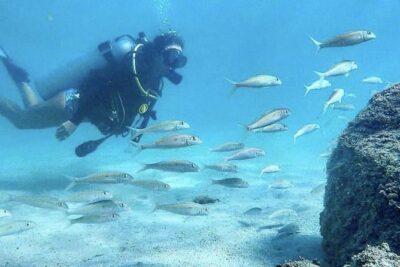
First-Time Scuba Diving in Honolulu + Free Videos
Read our review →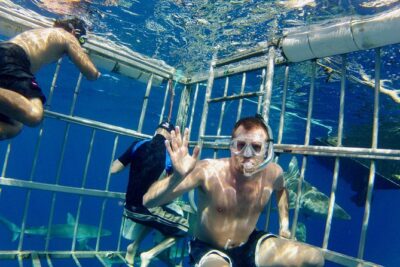
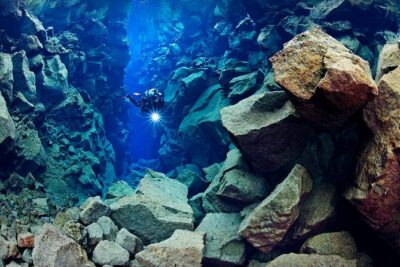
Silfra: Diving Between Tectonic Plates – Meet on Location
Read our review →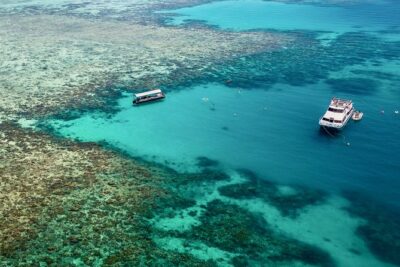
Ocean Freedom Great Barrier Reef Luxury Snorkel and Dive Cruise
Read our review →
Beginner Scuba Diving with Turtles and Videos, San Juan
Read our review →
Tenerife: Your First Scuba Diving Experience in Turtle Area
Read our review →
Browse the lists this tour appears in