
REVIEW · AUSTRALIA
Townsville or Magnetic Island: Yongala Wreck Dive Day Trip
The sea floor hides a remarkable story. The Yongala Wreck trip takes certified scuba divers from Townsville or Magnetic Island to one of Queensland’s most celebrated underwater sites, where a large sunken ship has become a shelter for dense marine life. You spend about ten hours on the water, with two underwater sessions, meals, equipment, and marine talks included.
I like the chance to see the SS Yongala, the only large structure in this part of the sea, and I like that the crew provides rental gear, food, drinks, and a proper briefing in one package. The main drawback is the long boat ride, about three hours each way, which can feel rough when the sea is unsettled. A past departure was also cancelled, so I would keep some flexibility in your schedule.
Key points to know before booking
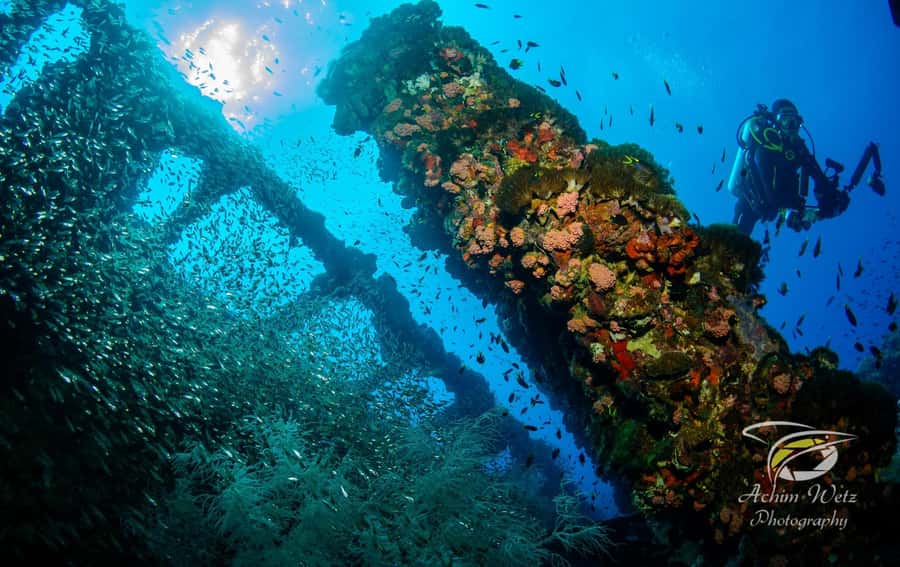
- The SS Yongala is the main event: The wreck gives marine life a large, fixed shelter in open water, creating an unusually concentrated viewing site.
- Two underwater sessions are included: You get one session before lunch and another afterward, giving you time to see more of the wreck without rushing one visit.
- The journey takes most of the day: Allow ten hours, including roughly six hours on the boat and two hours at the wreck for scuba and lunch.
- The crew receives strong praise: The crew, captain, and equipment earned particularly warm comments, including praise from visitors from Germany, France, and Spain.
- You need proper certification: This is for certified divers only, and you must bring proof of certification and your dive log.
- The price covers more than the boat ride: At $346 per person, the package includes transfers, equipment, food, drinks, mooring fees, environmental charges, and two sessions in the water.
Why the Yongala Wreck is worth the long ride
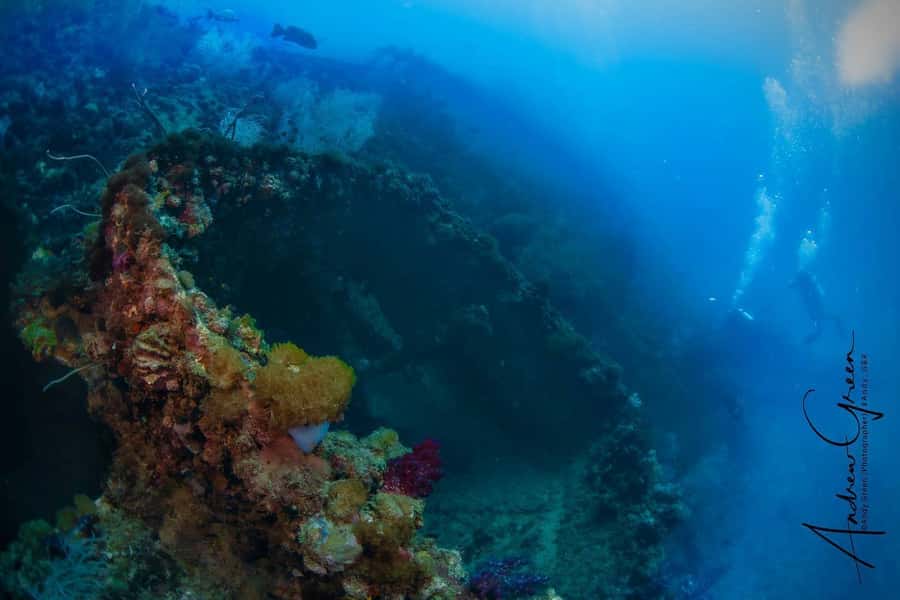
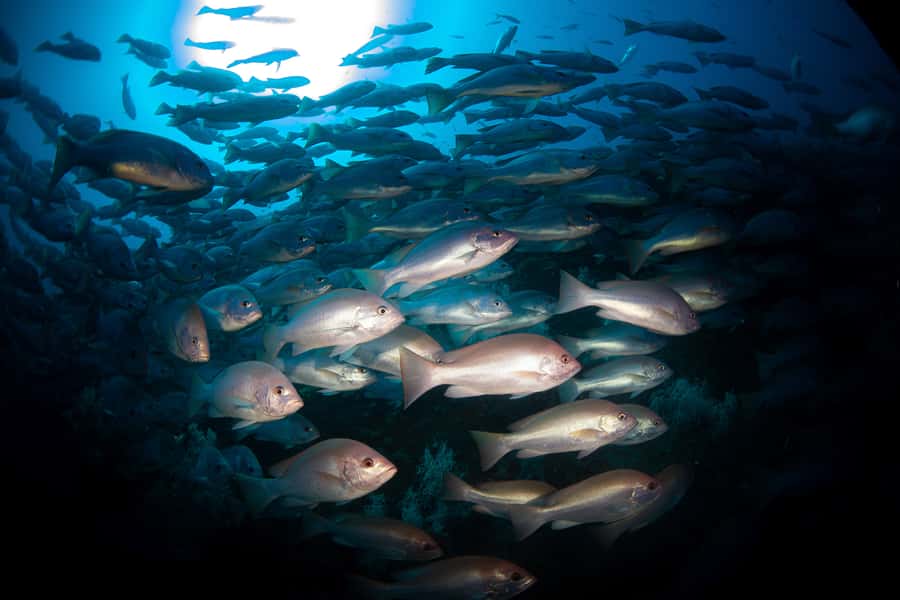
The wreck is not simply an old ship sitting on the sea floor. It is the central attraction in a broad stretch of open water, and that makes it an important place for marine life to gather. The large structure offers shelter and surfaces where sea life can live, so the viewing can feel far denser than a typical open-water site.
That concentration is the reason this location is often placed among the world’s top five scuba sites. You are not heading out to inspect a small object and then return. You are visiting a full-size underwater wreck with a story, a shape, and an active marine community around it.
The appeal is also visual. You can see how the ship has changed underwater and how nature has taken over the structure. The crew describes the wreck’s past during the surface break, adding useful context before your second session.
I would choose this trip for the wreck and its marine life, not for a quick boat outing. If your main goal is to spend a short time in the water, the travel time may seem excessive. If you want a full-day ocean outing centered on a famous wreck, the slow approach is part of the deal.
More Wreck Dives in Australia:
- Ex- HMAS Swan Wreck Double Boat Dive
★ 5.0 · 20 reviews - Sunshine Coast: Scuba Dive the Ex-HMAS Brisbane Ship Wreck
★ 4.8 · 5 reviews - Wreck and Bridge Span Dive for Certified Divers
★ 5.0 · 521 reviews
Starting from Townsville or Magnetic Island
There are two pickup points. From Townsville, pickup is at 7:00 AM at Fuel Wharf beside Breakwater Marina, at the end of Mariners Drive. From Magnetic Island, pickup is at 7:50 AM at the Nelly Bay Ferry Terminal.
These options are useful because you can base yourself in Townsville or stay on Magnetic Island without arranging a separate hotel transfer. Hotel pickup and drop-off are not included, so you need to reach one of these meeting points yourself.
The crew checks you in, confirms your gear, and handles the practical preparation before departure. You should arrive with your certification and dive log ready. This is not the place to discover that your paperwork is back at your accommodation.
The vessel has shaded and sunny areas, so you can choose your preferred spot during the outward journey. The crew serves morning tea, iced water, cordial, tea, and coffee throughout the day. The skipper also shares stories as you travel, which helps break up the long crossing.
Keep your expectations realistic. The sea can be rough, and one French participant specifically praised the crew despite unsettled conditions. If you are prone to motion sickness, the long crossing is the part of the day to plan for carefully. The supplied information does not state that medication is provided, so bring anything you normally need.
The three-hour journey to the wreck
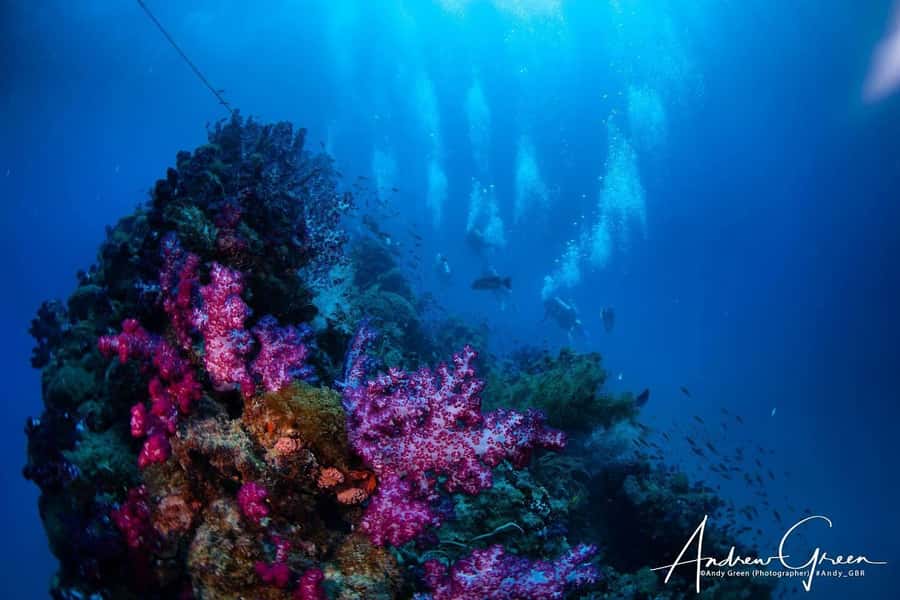
The journey to the SS Yongala takes about three hours. That is a serious portion of the ten-hour schedule, but it gives the crew time to prepare the boat and gives you a chance to settle in before the main activity.
The trip can also offer wildlife sightings. You might spot dolphins, seasonal whales, or sea snakes along the way. These sightings are not guaranteed, but they add a pleasant bonus to the crossing.
I like the fact that the boat ride is not treated as dead time. Morning tea and the skipper’s stories give the trip some shape, while the shaded seating helps on a sunny day. Still, this is a long transfer, so you should book only if you are comfortable spending much of the day on a vessel.
The return journey also takes about three hours. After the second session, the crew packs up and leaves the wreck site. You can compare notes with your dive partners and new friends on the way back, but there is no further major stop planned.
Preparing for the first underwater session
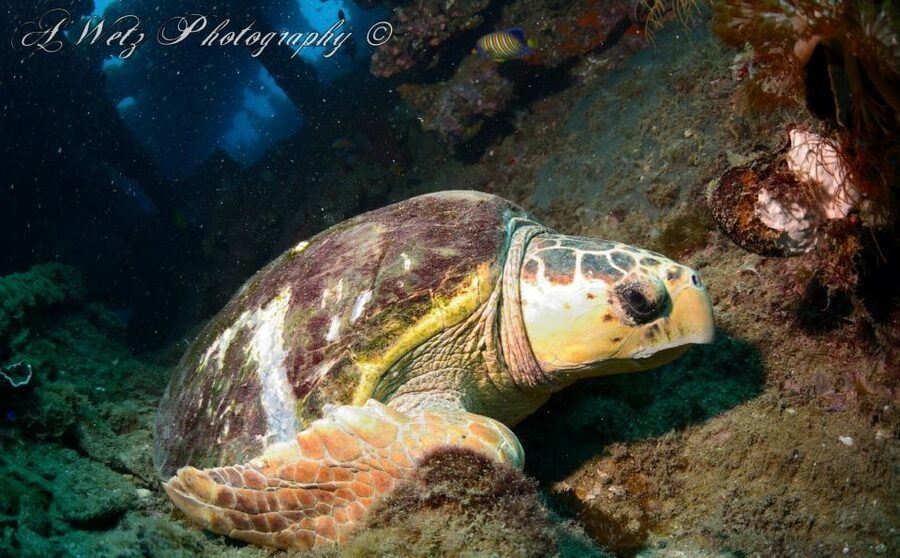
Just before reaching the wreck, the crew gives a safety briefing and explains the plan. You can stay with an existing buddy, meet a new buddy, or follow a crew-led route to see selected parts of the wreck.
This flexibility suits different levels of confidence, within the limits of the operator’s requirements. A guide is mandatory if you have logged fewer than 15 dives, and that service costs extra. If you are close to that threshold, check your log before booking and ask the supplier about the additional fee.
The equipment package includes a BCD, regulator, computer, and safety accessories. That removes the need to transport your full kit, and it is one reason the $346 price is easier to justify. You still need to bring personal basics such as swimwear, a towel, sunglasses, a sun hat, and sunscreen.
The crew’s equipment received strong praise, along with the captain and general service. That matters on a wreck trip, where reliable gear and a clear briefing are more important than flashy extras.
A few more dives around Australia worth comparing
- Cairns: Premium Snorkelling and Diving Reef Day Trip
★ 4.7 · 1,528 reviews - Cairns: Snorkelling and Diving Reef Day Trip
★ 4.7 · 81 reviews - Rottnest Island Boat Dive Day Trip including Lunch
★ 4.5 · 77 reviews - Perth: Rottnest Island Scuba Diving Day Trip-Certified Diver
★ 4.8 · 9 reviews
What makes the wreck session special
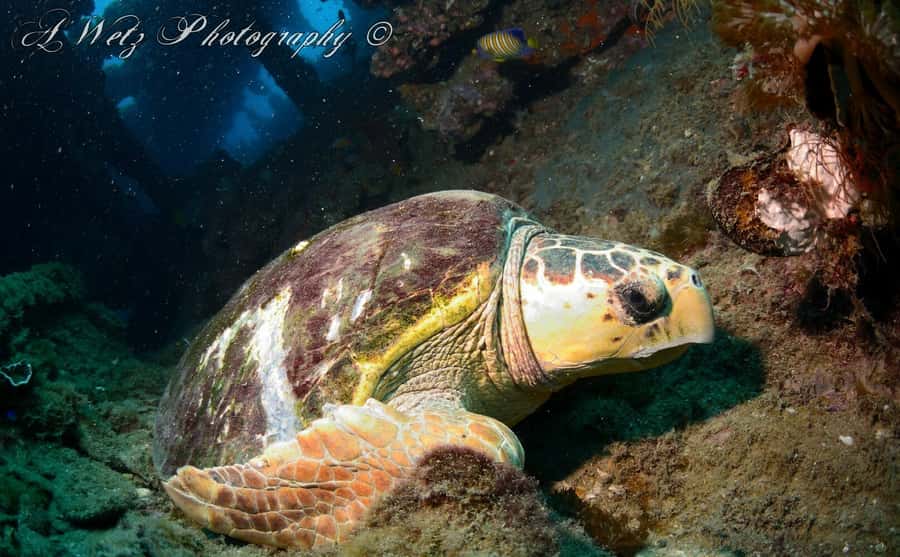
The first session lasts about an hour. The main attraction is the scale of the wreck and the amount of marine life around it. You are likely to spend your time looking at the ship itself, then noticing how much life has gathered around its surfaces and openings.
Do not treat the wreck as an exhibit to touch. The rules forbid touching marine life, animals, plants, or the wreck itself. That protects the site and keeps your hands away from surfaces that may be fragile, sharp, or unsafe.
Your route depends on the conditions, your buddy arrangement, and the crew’s briefing. The supplied information does not promise a particular animal or exact section of the ship, so I would focus on the overall setting rather than booking with a checklist of species in mind.
The wreck is the rare kind of site where the structure and the wildlife compete for your attention. One moment you are studying the ship, and the next the density of marine life becomes the most striking part of the view.
Lunch and the Yongala story
After the first session, you return to the boat for a surface break and buffet-style lunch. Lunch lasts about an hour. Tea, coffee, cordial, and iced water are available, with afternoon tea included later in the day.
The meal is practical rather than a reason to book the trip, but it saves you from carrying and organizing a full day of food. The break also gives you time to warm up, rest, and talk through what you saw before returning to the water.
The crew uses this interval for a Yongala history talk. This is a valuable touch because the ship becomes more than a scenic object once you understand its past and its place on the sea floor. The marine biology and environmental talks also help explain why the wreck supports such a concentrated community.
With one hour planned for lunch, the day is not built around rushing. You have enough time to eat and listen, though the schedule remains structured because the boat must return to shore.
The second hour in the water
The second session follows lunch. I see this as one of the strongest features of the trip. A single session can leave you trying to remember too much at once, while two visits let you settle into the site and notice different details.
You may use the second visit to focus more on the wreck’s shape, or to pay closer attention to marine life. Your choice depends on the briefing and conditions. The crew’s route suggestions can help you use the time well, particularly if you are unfamiliar with the site.
The two sessions also make the price more reasonable. You are not paying $346 for a brief look from a boat. You are paying for two planned underwater visits, transport, equipment, meals, talks, mooring fees, and environmental charges.
Still, no operator can control visibility, sea conditions, or animal sightings. The high reputation of the site does not guarantee a perfect day. A rough sea may affect comfort, and the long ride means the weather matters from the moment you leave the marina.
What the $346 price includes
At $346 per person, this is a premium day trip. Its value depends on how much of the included package you would otherwise need to arrange yourself.
The price includes:
- Transfer to and from the Yongala site
- Two underwater sessions at the wreck
- BCD, regulator, computer, and safety accessories
- Morning and afternoon tea
- Buffet-style lunch
- Iced water, cordial, tea, and coffee
- Environmental and Yongala talks
- Yongala mooring fees
- Environmental Management Charges
That is a solid bundle. Equipment rental alone can add up, and the mooring and environmental charges are already handled. The meal and drinks also make the day simpler.
The extras are important. Hotel pickup is not included. A guide is required for anyone with fewer than 15 logged dives and costs extra. Camera hire is also available for an additional charge.
For an experienced certified diver with suitable equipment needs, the package offers fair value because it combines transport, two sessions, meals, and access charges. For someone who already owns all equipment and dislikes long boat journeys, the value is less obvious.
Who should book this trip
I would recommend it to certified divers who want to visit a major wreck site and are happy to devote a full day to the outing. It suits people who appreciate marine life, wreck structure, and a crew-led approach without needing a tightly scripted sightseeing program.
It is also a good choice if you are staying on Magnetic Island or in Townsville and want one substantial ocean activity. The two pickup points make the trip practical for both bases.
You should think twice if you have logged fewer than 15 dives, unless you are comfortable paying for a guide. You should also contact the supplier before booking if you have a mobility impairment or cannot stand while wearing scuba equipment. The boat and the activity may not suit every physical need, and the supplier will assess your situation.
Children under ten are not permitted. The activity is for certified divers only, not beginners seeking an introductory lesson.
The experience is available in English and French. Wheelchair access is listed, but the actual suitability of the vessel and underwater activity must be assessed in advance. That distinction matters: access to the boat does not automatically mean you can safely take part in scuba.
Practical things to pack
Bring your sunglasses, sun hat, swimwear, towel, sunscreen, certification, and dive log. I would keep those items together in a small waterproof bag so you can reach them before boarding and during the surface break.
Do not plan to touch the wreck, plants, or animals. The rules are strict because the site is both an active marine habitat and a protected attraction.
You can cancel up to 24 hours before departure for a full refund, and you can reserve now while paying later. Those terms are useful if your Queensland plans are still shifting, though I would still leave room in your itinerary because at least one departure has been cancelled.
Should you book the Yongala Wreck trip?
Book it if you want two substantial underwater sessions at a famous wreck and value having transport, gear, meals, talks, and fees bundled together. The strongest reasons to go are the SS Yongala itself, the density of marine life, and the crew’s well-regarded equipment and service.
Skip it if three hours each way on a boat sounds tiring, or if you want a short and flexible activity. Check your certification, logged dives, mobility needs, and pickup plan before paying. For the right certified diver, this is a serious day out with a memorable centerpiece, not a casual coastal excursion.
FAQ
Where does the Yongala Wreck trip depart from?
You can meet the crew at Fuel Wharf, Breakwater Marina, at the end of Mariners Drive in Townsville, or at Nelly Bay Ferry Terminal on Magnetic Island.
What time is pickup?
Townsville pickup is at 7:00 AM. Magnetic Island pickup is at 7:50 AM. Contact the supplier after booking to confirm your pickup location.
How long does the activity last?
The full experience lasts about ten hours. The outward boat journey takes around three hours, the return takes around three hours, and the schedule includes two one-hour scuba sessions and a one-hour lunch break.
Do I need scuba certification?
Yes. This activity is for certified divers only, and you must bring your diver certification and dive log.
Is a guide included?
No. A guide is mandatory for anyone with fewer than 15 logged dives and is available for an additional charge.
What equipment is included?
The package includes a BCD, regulator, computer, and safety accessories. Camera hire is available for an additional charge.
Are meals and drinks provided?
Yes. The trip includes morning and afternoon tea, a buffet-style lunch, iced water, cordial, tea, and coffee throughout the day.
Can people with mobility impairments take part?
The supplier must assess suitability because of the vessel and the scuba activity. Contact the supplier after booking, especially if you cannot stand while wearing scuba equipment.
New dives around Australia
- Try Scuba Diving at Cook Island – Guided Ocean Dive with Turtles★ 4.5 · 6 reviews
- Gold Coast Learn to Dive – Open Water Certification Course★ 5.0 · 5 reviews
- Rottnest Island Deep Dive Day Trips★ 5.0 · 29 reviews
- Scuba Dive The Beautiful Rottnest Island for Certified divers★ 5.0 · 65 reviews
- Rottnest Island scuba dive tour★ 5.0 · 25 reviews
- Rottnest Island Boat Dive Day Trip including Lunch★ 4.5 · 77 reviews
- PADI Open Water Course★ 4.5 · 11 reviews
- Scuba Dive Ningaloo Reef★ 4.5 · 92 reviews
Wreck Diving, compared.
Wreck and Bridge Span Dive for Certified Divers
Read our review →
Bali Diving for Beginners: Tulamben Liberty Wreck
Read our review →
Certified Diver: 2-Tank Deep Wreck and Shallow Reef Dive Off Oahu
Read our review →
Waikiki 2 Tank World Class Wreck SCUBA Diving – Certified Only
Read our review →
Private First-Time Dive on Aruba’s Reef and Wreck Site
Read our review →Tulamben Diving USS Liberty Shipwreck Scuba Dive
Read our review →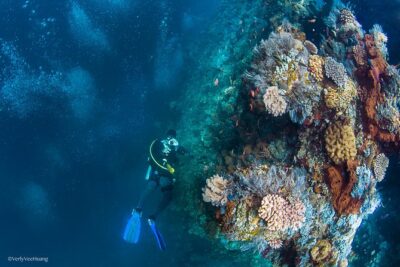
Bali Diving Day Trip-Manta Point/Tulamben Shipwreck-Fun Dive
Read our review →Browse the lists this tour appears in