
REVIEW · THE DOMINICAN REPUBLIC
La Romana: 3-Day PADI Open Water Diver Course
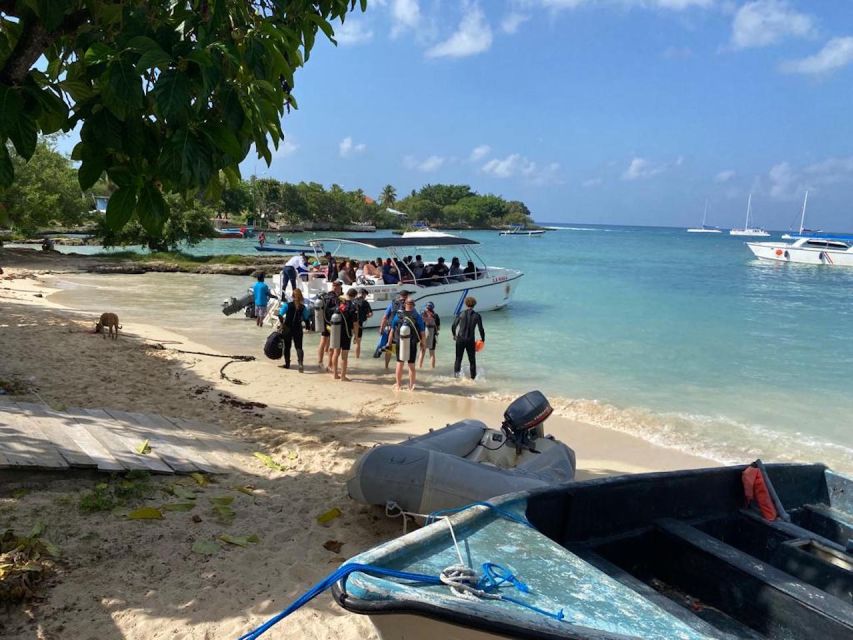
The Atlantic Princess makes learning memorable. This three-day PADI Open Water course in La Romana combines classroom work, confined-water practice, and four open-water sessions near Bayahibe. I like that you do not spend the whole course in a classroom, and I like the small group limit of six people, which gives you more direct time with your instructor.
The course includes PADI study materials and the equipment needed for training, so you do not have to assemble a full kit before arriving. The main consideration is time: three days can be enough, but the schedule may change if you need extra practice, theory, or water sessions. The three course days may also be spread out rather than run consecutively.
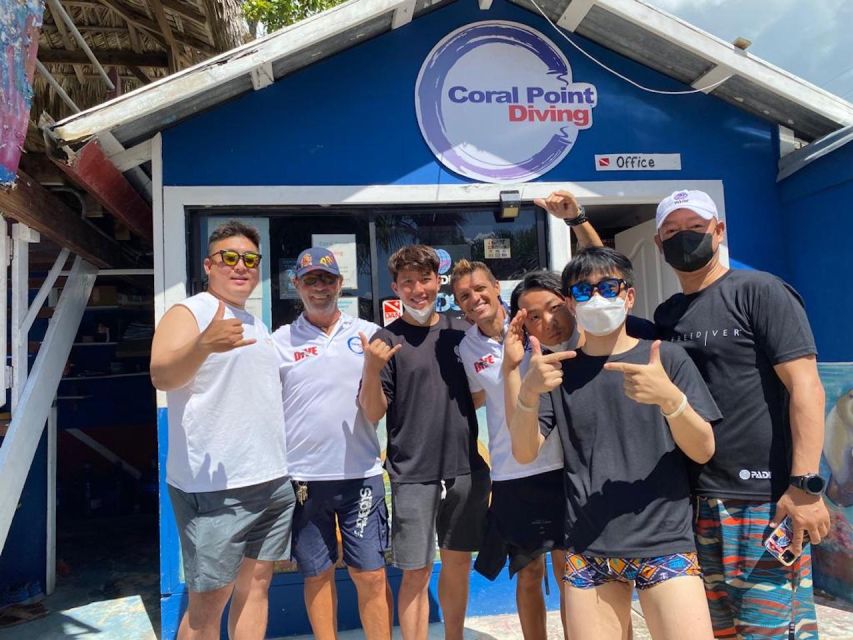
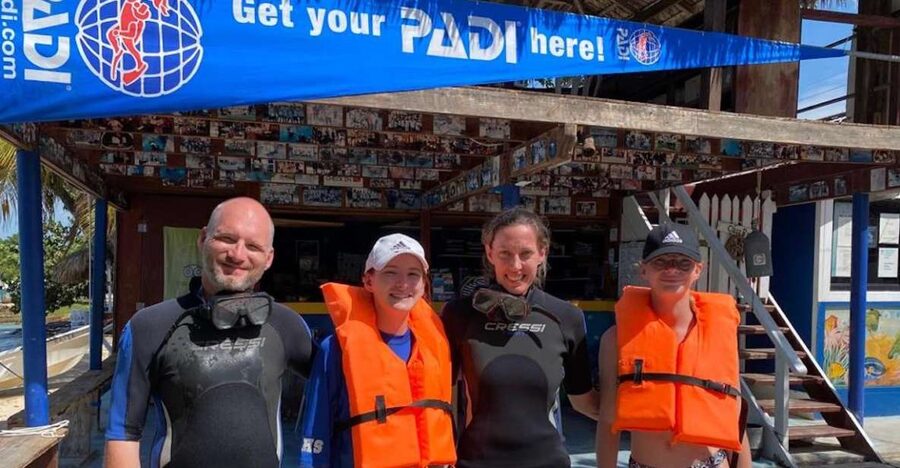
Two points deserve special mention. Instructor Mauro made a strong impression on one Italian participant, who said his teaching created real enthusiasm for the sport. A German participant also praised the school as highly professional and described the three-day course as great fun. Those comments fit the course’s strongest feature: close instruction rather than a rushed, mass-market lesson.
What Makes This Course Worth Considering
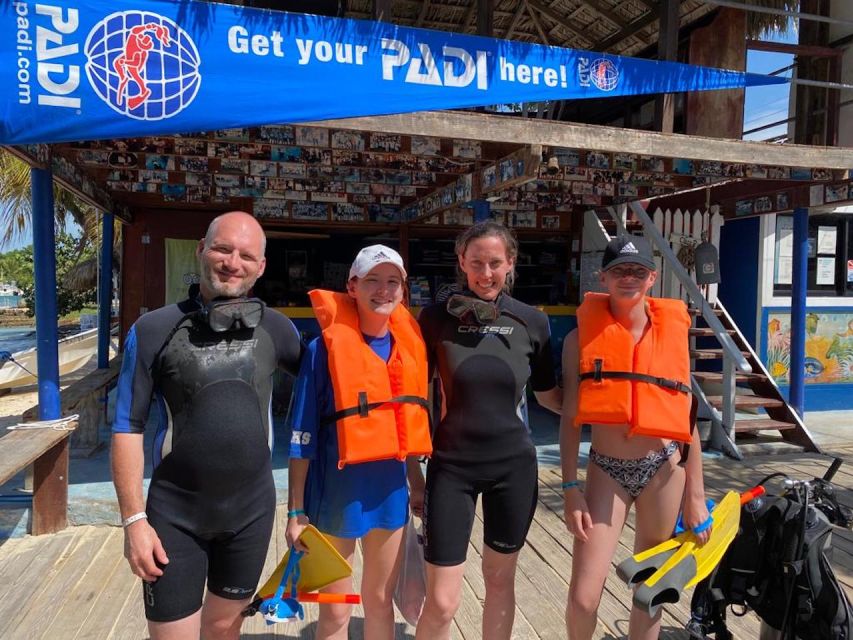
- The Atlantic Princess shipwreck: One open-water session may include this wreck near Bayahibe, adding a memorable target to the training.
- Five confined-water sessions: You practice mask, regulator, buoyancy, and safety skills before handling the deeper open-water work.
- A gradual depth increase: Day two reaches up to 12 meters, while day three reaches up to 18 meters.
- Small groups of up to six: This gives the instructor a better chance to watch each student closely.
- All main course materials and equipment included: You receive the study work and gear needed for the certification process.
- Multilingual instruction: Teaching is available in German, English, French, Italian, and Spanish.
How the Three Days Are Structured
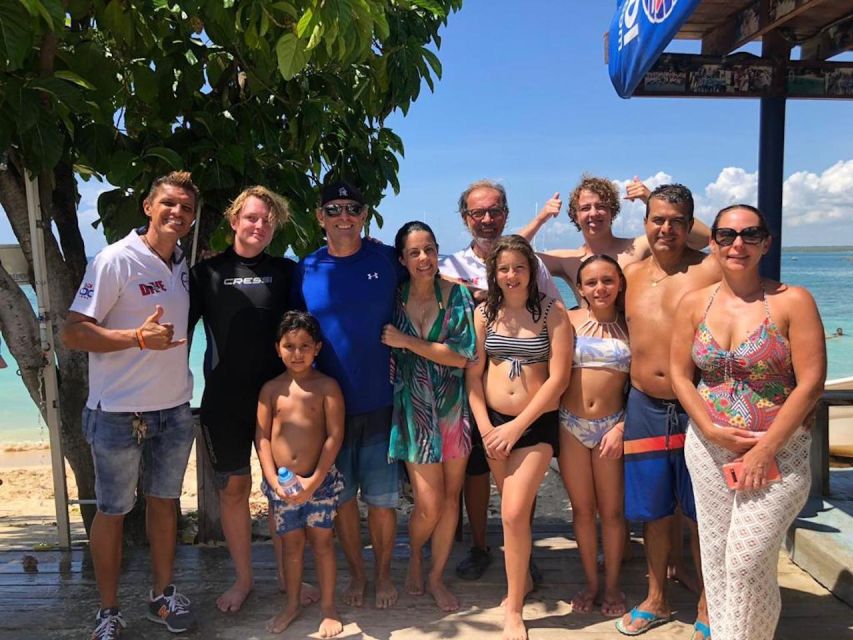
This is not a quick introductory boat outing. It is a full PADI Open Water program, with three learning modules, five areas of study, five confined-water sessions, and four open-water sessions.
That structure matters. You first learn the basic rules and equipment, then practice controlled skills in shallow or confined water, and only after that work in the sea. I prefer this gradual approach because it gives you a chance to sort out small problems before they become stressful in open water.
The course can also be adjusted. If you need more time with buoyancy, mask clearing, regulator use, or safety procedures, the instructor can add confined-water practice, theory, or sea sessions. The supplied information does not state the price of those extra sessions, so ask before booking if you think you may need additional training.
More Dive Courses in the Dominican Republic:
- PADI Open Water Diver Course in Bayahibe
★ 5.0 · 63 reviews - Punta Cana: PADI Open Water Scuba Certification (2–3 Days)
★ 5.0 · 50 reviews - Bayahibe: PADI Open Water Course by Go Dive Bayahibe
★ 5.0 · 2 reviews
Day One: Equipment, Theory, and First Water Practice
The first day begins with a short orientation. You go over the equipment used for scuba, learn what each part does, and get an introduction to the basic rules of safe underwater travel.
The theory covers five main areas of study. You learn how the equipment works, how to manage yourself in the water, how to surface safely, and how to respond to routine problems. This is not just paperwork before the fun starts. It gives you the reasons behind the procedures you will practice later.
You then enter confined water for exercises with your instructor. The skills include using your mask and regulator, handling buoyancy devices, and learning how to surface in a controlled way. These are the moments when the small group becomes useful. A beginner may need several tries to clear a mask or feel comfortable breathing through a regulator, and close supervision can make that process less intimidating.
Day one is also where you find out how your body and mind respond to the equipment. Some people take to the sensation quickly. Others need extra time to relax and control their breathing. Neither response is unusual, and the course allows for added practice when necessary.
Bring swimwear and a towel. No other personal equipment is listed as required, since the course provides the main training gear.
Day Two: First Open-Water Sessions at 12 Meters
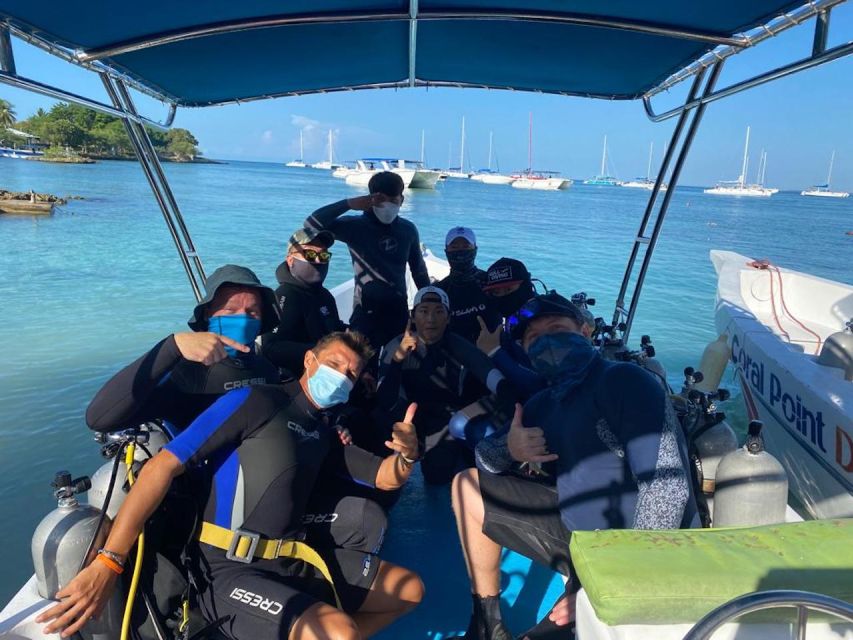
Day two moves from practice water to the sea. You complete your first and second open-water sessions from a boat, reaching a maximum depth of 12 meters.
This is the first real test of your new skills. You continue working with the mask and regulator while also getting used to buoyancy in open water. In confined water, the surroundings are controlled. At sea, you must pay attention to your position, your breathing, your equipment, and your instructor at the same time.
The planned sites include reefs with colorful fish or a shipwreck in Bayahibe. The reef option gives you a chance to see marine life while applying basic skills. The wreck option adds a sense of purpose and history to the session, though the priority remains training safely rather than sightseeing.
The Atlantic Princess shipwreck may be included during one of the open-water sessions. Since the precise site selection can change with weather and the group’s ability, you should treat the wreck as a possible highlight rather than a guaranteed stop.
The 12-meter limit is a useful middle step. You are no longer in a practice setting, but you are not yet working at the course’s full 18-meter depth. That staged progression helps you build confidence without asking you to handle everything at once.
Day Three: Greater Depth and the Final Skills
The third day includes your third and fourth open-water sessions, with a maximum depth of 18 meters.
At this point, the focus shifts toward control and planning. You continue improving buoyancy, which affects comfort, air use, and your ability to move calmly around reefs or a wreck. You also begin learning how to plan your own sessions, rather than simply following an instructor through each step.
The final two sessions are where the course starts to feel like a real qualification rather than a sample lesson. You have already worked through the basic equipment, practiced key skills, and completed two sea sessions. Day three asks you to bring those parts together.
The course ends with a graduation ceremony and presentation of your diploma. That ceremony is a small touch, but it gives the three days a clear finish. You leave with a new qualification, provided you have met the course objectives and completed the required work.
Do not read the three-day schedule as a promise that every student will progress at exactly the same pace. The instructor can add sessions if needed. That is a positive safety measure, even if it changes your plans.
A few more dives around the Dominican Republic worth comparing
- 3-Day PADI Open Water Diving Course in Dubai
★ 5.0 · 173 reviews - Padi open water diver course, become a diver in 3 days
★ 5.0 · 113 reviews - Become certified diver in 3 days – PADI Open Water Diver course on Koh Tao
★ 5.0 · 104 reviews - Hurghada: 3-Day PADI Open Water Diving Course
★ 4.6 · 78 reviews
Reefs, the Wreck, and What You Actually See
The course offers two kinds of underwater interest: natural reef sites and the Atlantic Princess shipwreck.
Reefs give beginners a gentle introduction to marine life. You may see colorful fish while practicing the skills that brought you there. The key word is may, since the exact sea conditions and site choice can change. This is a certification course first, and a sightseeing trip second.
The Atlantic Princess provides a more unusual setting. A wreck gives you something specific to look at and can make a training session more memorable. Still, you should not expect an extended wreck exploration or a separate wreck excursion. The wreck is mentioned as a possible stop on one open-water session.
That balance is important when you decide what you want. If you mainly want a relaxed half-day encounter with fish, a snorkeling trip to Catalina Island may be a better fit. If you want a recognized qualification and the chance to visit reefs or a wreck while learning, this course offers much more lasting value.
The Value of the Small Group
The group limit is six participants. That is a practical advantage for beginners, especially during equipment checks and confined-water exercises.
A smaller class can mean more chances to ask questions and more direct observation from the instructor. It also makes it easier to identify which skill needs attention. If one student is struggling with buoyancy or mask use, the instructor has a better chance of noticing and correcting the issue.
The tradeoff is that a small course may have fewer available start times than a large group program. The course lasts three days, and the exact schedule depends on availability, weather, and student progress.
Instruction is offered in German, English, French, Italian, and Spanish. If language matters to your comfort and safety, confirm your preferred language when you reserve. Clear instructions are especially important when you are learning equipment checks and emergency procedures.
Who Should Take This Course
This course suits an adult or older child who wants a real scuba qualification rather than a one-time introduction. The minimum age is 10, but the course is not suitable for children under that age.
You should have a reasonable level of fitness and be ready to take part in classroom, confined-water, and sea training. The program is not suitable for people with heart problems, pre-existing medical conditions, mobility impairments, or a low level of fitness.
The information says the program is wheelchair accessible, but it also lists mobility impairments among the conditions for which it is not suitable. That is an important point to clarify directly with the provider before booking. Accessibility at the meeting point does not necessarily mean every stage of boat and water training will work for every person.
You should also be comfortable with a course that may require extra sessions. Needing more practice is not a failure. It is better to finish with calm, reliable skills than to rush through the schedule simply to keep a holiday plan unchanged.
Timing, Weather, and Practical Planning
The three course days may not be consecutive. That can help if you have a longer stay in La Romana, but it may be inconvenient if you are visiting for only a few nights.
Weather can also change the plan. Boat sessions and sea conditions are not fully predictable, so keep some flexibility in your itinerary. I would avoid scheduling an airport transfer, long excursion, or other fixed commitment immediately after the final session.
The course offers free cancellation up to 24 hours before the start, and you can reserve now and pay later. Those terms make it easier to hold a place while your plans settle, but you should still check the current start time and availability before committing to the rest of your trip.
Pets are not allowed, although assistance dogs are permitted. Pack swimwear and a towel, and ask about any extra charges before the course begins if you think additional sessions may be needed.
How the Price Should Be Judged
No price is provided here, so I cannot say whether this is the cheapest PADI option in La Romana. I can say what you are paying for: three days of instruction, PADI coursework, equipment, five confined-water sessions, four open-water sessions, boat-based sea training, and the chance to earn the Open Water qualification.
That is a better value than a short introductory session if you already know you want to continue with scuba. The certification can serve as the foundation for future recreational trips, while a one-time experience usually ends when the boat returns.
The value is lower if you have no interest in certification or only want a quick look at reef life. In that case, a snorkeling outing may give you more free time and less classroom work.
Also remember that the course may expand if you need extra instruction. Before booking, confirm whether additional confined-water or sea sessions cost more. The stated terms allow the instructor to add them at additional cost when needed.
Final Verdict: Book It If You Want a Real Qualification
I would choose this course if you want to leave La Romana with a practical new skill, not just a pleasant morning on the water. The small group, multilingual instruction, equipment package, gradual depth limits, and possible Atlantic Princess visit give the program a strong mix of support and adventure.
The best signs are the specific praise for the school’s professional approach and for instructor Mauro’s ability to build enthusiasm. At the same time, you need three flexible days, reasonable fitness, and patience if extra training is required.
Book it if PADI certification is your goal and you can allow the schedule to shift with weather and progress. Skip it if you want a simple sightseeing outing, have a tight departure schedule, or do not meet the listed health and fitness requirements.
FAQ
How long does the PADI course take?
The course lasts three days. The days may not be consecutive, and the schedule can change based on weather, class size, and student progress.
What certification can I earn?
You can complete a PADI Open Water Diver course and receive a diploma after meeting the course objectives.
How many open-water sessions are included?
The course includes four open-water sessions. The first two take place on day two, and the third and fourth take place on day three.
How deep do the sessions go?
Day two reaches a maximum depth of 12 meters. Day three reaches a maximum depth of 18 meters.
Will I visit the Atlantic Princess shipwreck?
You may visit the Atlantic Princess shipwreck during one open-water session. Site choices can change with weather and the ability of the class.
Is equipment included?
Yes. The course provides the PADI educational materials and equipment needed for the certification course.
What languages are available?
Instruction is available in German, English, French, Italian, and Spanish.
What should I bring?
Bring swimwear and a towel.
Is the course suitable for everyone?
No. It is not suitable for children under 10, people with mobility impairments, heart problems, pre-existing medical conditions, or a low level of fitness.
New dives around the Dominican Republic
- Scuba Diving Discovery in the Crystal Water DE Bayahibe★ 5.0 · 2 reviews
- Discover Scuba Diving★ 5.0 · 30 reviews
- PADI Open Water Diver Course in Bayahibe★ 5.0 · 63 reviews
- Scuba Doo Diving Scooters in Punta Cana★ 3.5 · 16 reviews
- Punta Cana: PADI Open Water Scuba Certification (2–3 Days)★ 5.0 · 50 reviews
- Learn to Scuba Dive in Punta Cana★ 5.0 · 17 reviews
- Full-Day Catalina Island Scuba Diving Tour from La Romana★ 3.5 · 22 reviews
- Punta Cana Reef Diving Adventure Explore Underwater Wonders★ 5.0 · 2 reviews
PADI Courses & Certification, compared.
Tossa de Mar: PADI Discovery Scuba Diving in Costa Brava
Read our review →
Full-Day Beginner Scuba Course with Private Tuition, Racha Yai
Read our review →
Beginner Scuba Diving Lesson with PADI Instructor
Read our review →
Discover Scuba Diving with No Certification in St Thomas
Read our review →
Try Dive – PADI Discover Scuba Diving in Tenerife
Read our review →
Browse the lists this tour appears in