
REVIEW · THAILAND
Koh Tao: PADI Premium Open Water Diver Course
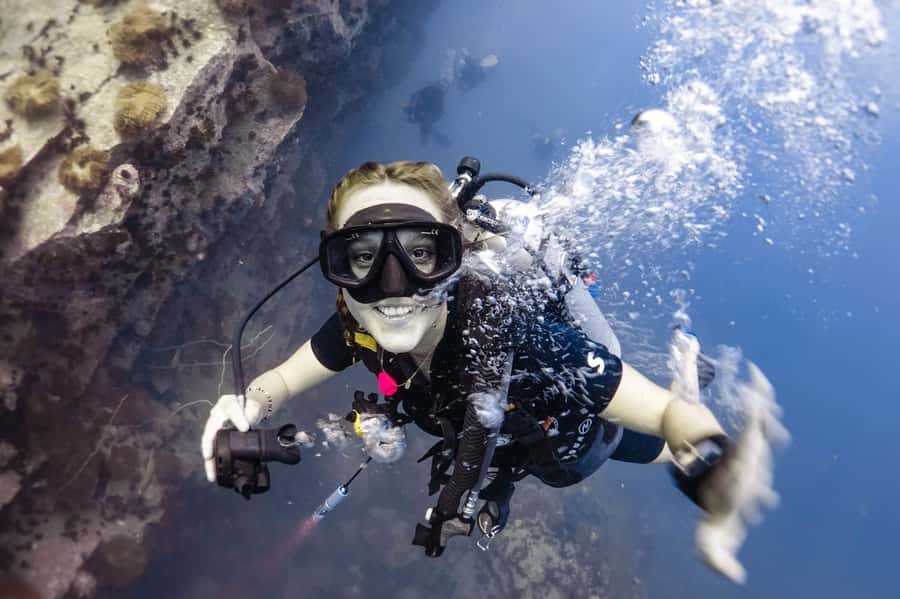
Small steps lead to a whole new world. This three-day Koh Tao course takes you from first-time beginner to PADI Open Water certified, with pool practice, classroom work, and four ocean sessions on coral reefs. I like the small groups, which give instructors time to help nervous students, and I like that the $353 price includes equipment, insurance, certification fees, a dive computer, and underwater photos and videos. The main consideration is the fixed schedule: you need to be ready for an early start, a long pool morning, and no flying for 18 hours after your final underwater session.
The course is run by Ocean Sound Dive + Yoga, opposite the 7-Eleven beneath the blue sign and PADI flags. Instructors such as Les, Nick, Irena, Ana, Dave, and others have earned repeated praise for calm, patient teaching. That matters here. Learning to breathe underwater can feel strange at first, and a steady instructor may be worth more than a cheaper course.
Key points to know before booking
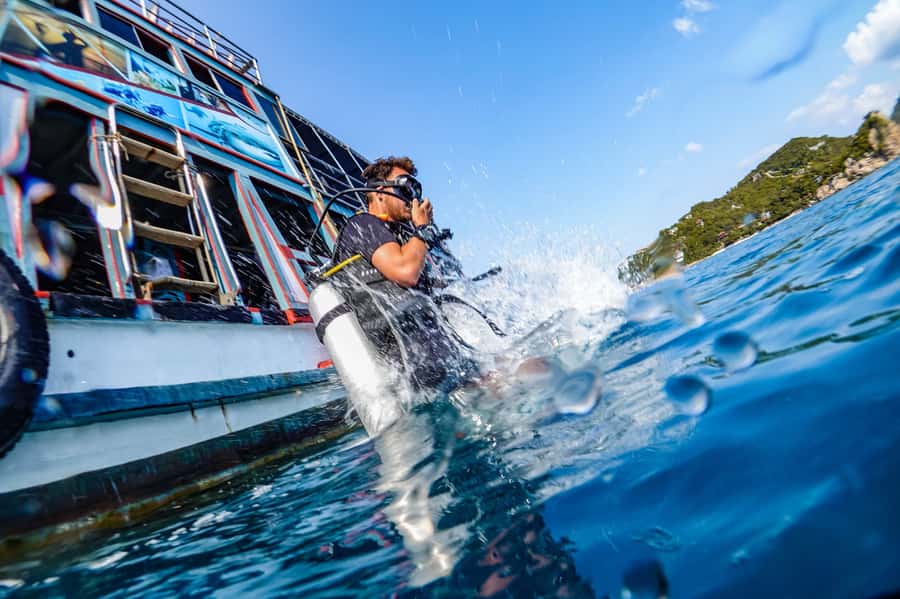
- Three days from beginner to certification: You complete online study, a pool session, classroom work, and four open-water sessions.
- Small groups help nervous beginners: Students describe personal support, patient coaching, and extra help with equipment when needed.
- Everything important is included: Equipment, dive computer, PADI materials, certification fees, insurance, and course photos and videos are covered.
- Koh Tao is the classroom: The final four sessions take place at coral reef sites known for marine life and calm learning conditions.
- Plan your flights carefully: You must wait at least 18 hours after your last underwater session before flying.
- You must already be able to swim: Swimming ability is tested during the course, and the program is not suitable for non-swimmers.
Why Koh Tao works well for a first scuba course
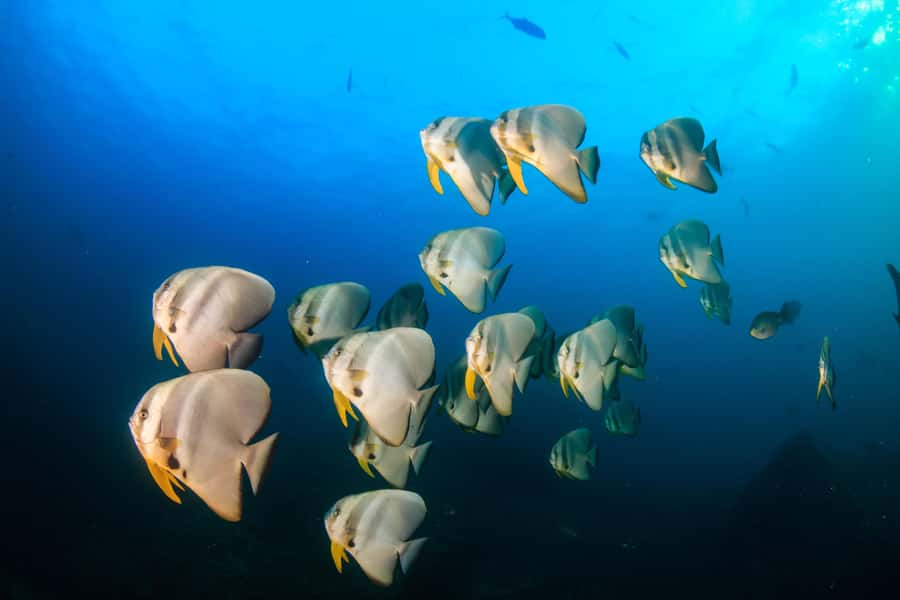
Koh Tao is a popular place to learn scuba skills because the course is built around calm, clear reef areas and a gentle progression. You do not begin by being dropped into a demanding ocean setting. First, you learn how the equipment works, then practice in a pool, and only after that move into shallow ocean water.
That order is important. You can concentrate on breathing, buoyancy, mask clearing, and other basic skills without dealing with waves or a busy reef at the same time. Once you feel more comfortable, the ocean sessions become less about managing unfamiliar gear and more about looking around.
The course leads to the PADI Open Water Diver certification, which is internationally recognized. Once certified, you can scuba to a maximum depth of 18 meters under the normal rules of the qualification. The certification is for life, although you should remember that certification does not mean you stop learning. Your confidence will grow with practice.
The marine life is part of the appeal. The course description points to coral reefs and aquatic life, while individual experiences include sightings such as a baby turtle. You should not treat any particular animal as guaranteed, but the reef setting gives you plenty to look at while you build your skills.
More PADI Courses in Thailand
- Full-Day Beginner Scuba Course with Private Tuition, Racha Yai
★ 5.0 · 368 reviews - La Bombona Diving Koh Tao Open Water Course
★ 5.0 · 172 reviews - Padi open water diver course, become a diver in 3 days
★ 5.0 · 113 reviews
The 17:30 orientation sets the tone
Your first appointment is the orientation, scheduled from 17:30 to 18:00 on the start date you select. This is not a ceremonial check-in. You complete paperwork, try on equipment, and begin the PADI online learning process.
The online theory can be completed in your own language and at a time that suits you. That is useful if English is not your strongest language, although the in-person instruction is in English. Completing as much theory as possible before the practical work should make the later sessions easier to follow.
The equipment fitting is also worth taking seriously. A mask that leaks or a suit and buoyancy gear that feel wrong can distract you throughout the course. Tell the staff about any concern early, rather than trying to be brave and hoping it improves underwater.
If you arrive on Koh Tao after 17:30, the provider says arrangements can be made. Contacting them in advance is the sensible move. The meeting point is Ocean Sound Dive + Yoga, opposite the 7-Eleven, marked by a blue sign and PADI flags.
Day one: a full morning in the pool
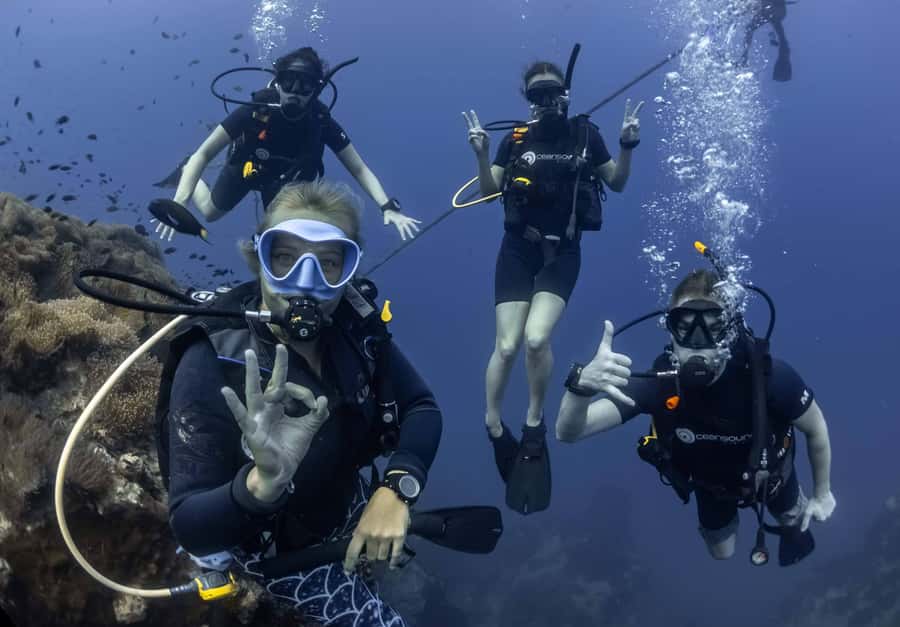
The first full day runs from 8:00 to 13:00 and takes place in the pool. Expect a serious training session, not a quick swim before breakfast.
You learn how to assemble and use the equipment, then practice the skills required for the certification. The pool lets you repeat each task in controlled conditions. If you are nervous, this is where you begin to learn that you can pause, listen, and try again.
The five-hour block may feel long. One student specifically advised arriving well-fueled and sticking with it, and that is good advice. Eat beforehand, bring a reusable water bottle, and be ready to concentrate. You should also bring swimwear and a towel.
This is where the small-group approach earns its keep. A student who feels comfortable may move through a skill quickly, while someone anxious about breathing, clearing their ears, or handling equipment may need extra time. Personal attention reduces the pressure to keep pace with the fastest person in the group.
The practical work also gives instructors a chance to assess how you respond in the water. The course requires students to be able to swim, and that ability is tested during the program. Non-swimmers cannot take part.
Day two: theory, lunch, and two shallow ocean sessions
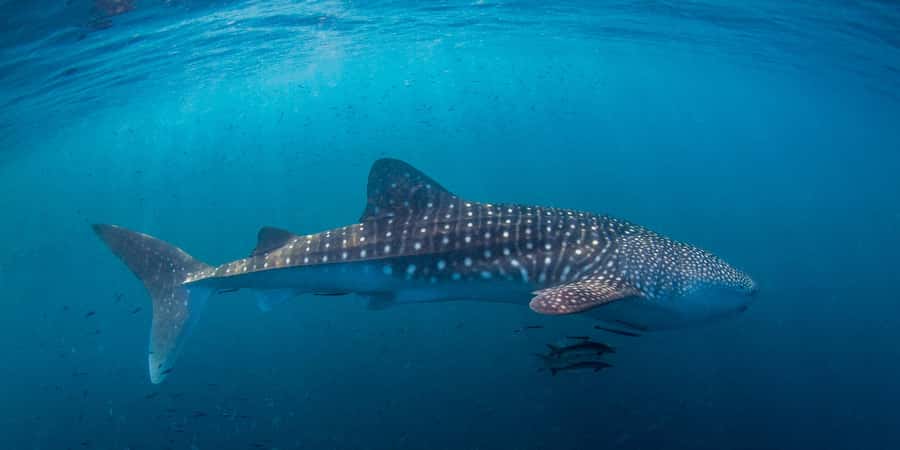
Day two begins with classroom work from 10:00 to 11:00, followed by a one-hour lunch break. The schedule then shifts to two shallow ocean sessions from 12:00 to 17:00.
The classroom period connects the online material to what you are about to do at sea. You review procedures, safety points, and the reasoning behind the skills. This can sound dry on paper, but it helps you understand what to do when conditions change or a problem occurs.
The two afternoon sessions are designed to build confidence. You are not simply sightseeing. You continue practicing, applying pool skills in the sea, and learning how the ocean feels different from a swimming pool.
Shallow water is a useful bridge. You get the sensation of salt water, reef surroundings, and natural conditions while still working in a setting intended for training. You may need time to get comfortable with ear equalization, buoyancy, and breathing. Do not rush those adjustments.
A calm instructor makes a real difference here. Les was praised for giving students time to reset during moments of panic, while Nick was praised for clear explanations and step-by-step coaching. Those details matter more than flashy sales language. Your first ocean session should feel controlled, not like a test of nerve.
More Dive Courses in Thailand:
- Become certified diver in 3 days – PADI Open Water Diver course on Koh Tao
★ 5.0 · 104 reviews - PADI Discover Scuba Diving for Beginners (Non Certified Divers)
★ 5.0 · 78 reviews - PADI Discover Scuba Dive Experience
★ 5.0 · 74 reviews - SSI | Padi Open Water Course in Phuket
★ 5.0 · 66 reviews
Day three: four certified-level sessions and reef time
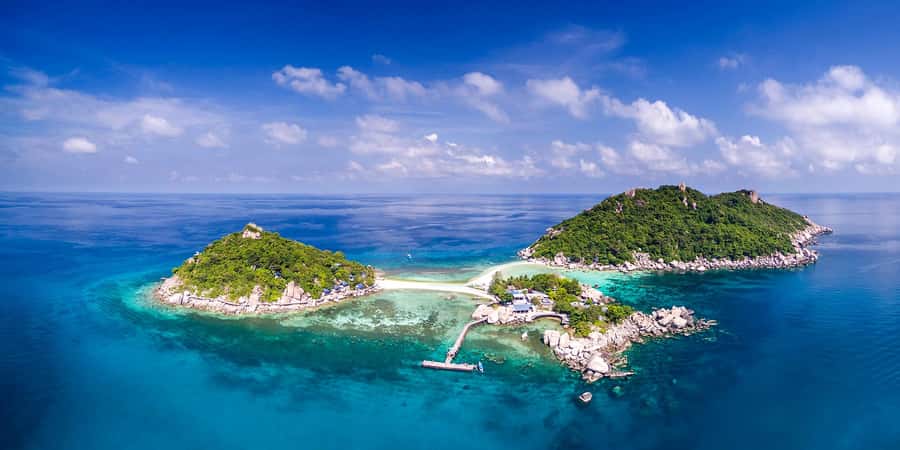
The final day starts early, from 7:40 to 12:00. You complete two more ocean sessions and explore the reefs around Koh Tao.
This is the part most people picture when they imagine learning to scuba. By now, you have handled the equipment, practiced the required skills, and spent time in the sea. The final two sessions let you use that preparation while looking at the underwater setting that brought you to Koh Tao.
The early start is practical, since morning conditions can be preferable for an organized training schedule. It also means you should plan a quiet evening before the final day. This is not the moment for a late night.
The reef setting adds real pleasure to the training. You may see schools of fish, coral, and other aquatic life, with a baby turtle among the memorable sightings reported during the course. The photos and videos included with the course can preserve those first underwater moments, especially if you are too busy concentrating to take in everything yourself.
Keep your expectations sensible. Marine life is not scripted, and visibility or sightings can vary. The main purpose of these sessions is to complete your training safely. The reef is a wonderful bonus, not a guaranteed wildlife show.
What the $353 price really covers
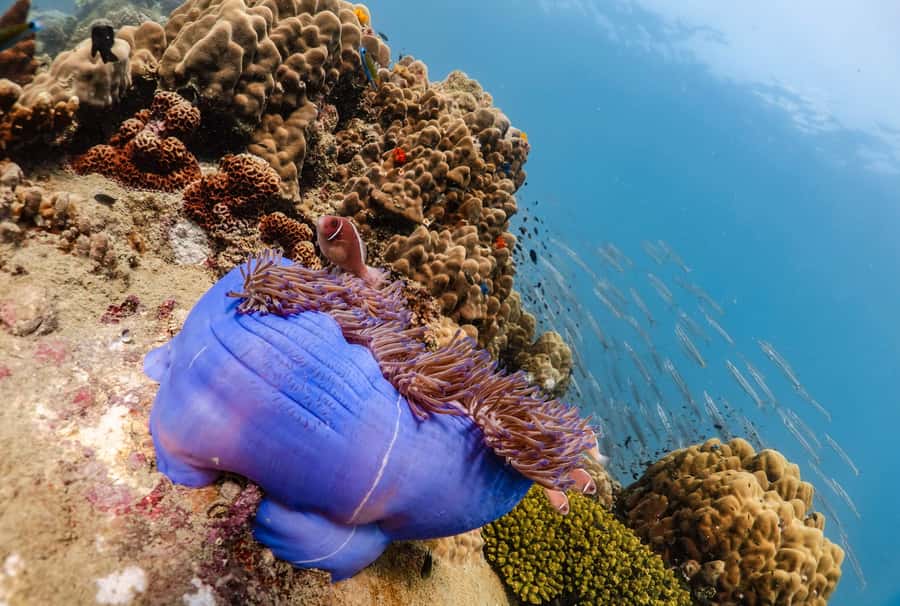
At $353 per person, this is not the cheapest way to spend three days on Koh Tao. It is also not just a guided swim with rented equipment. You are paying for a full beginner qualification with instruction and practical training.
The price includes:
- PADI Open Water certification
- PADI learning materials in your own language
- All equipment
- Dive computer rental
- One pool session
- Four open-water sessions
- Diving insurance
- Instructor guidance
- Photos and videos from the course
That package makes the price easier to assess. Certification fees alone can add to the cost of a beginner program, and equipment rental, insurance, and media are often separate concerns. Here, those elements are bundled together.
The strongest value is the teaching time. You receive a full pool morning, classroom instruction, two ocean sessions on day two, and two more on day three. You also get the benefit of a small group, which can be especially valuable if you are anxious or need repeated explanations.
Hotel pickup is not included. You need to reach the meeting point yourself, or arrange pickup separately. Since the course takes place over several scheduled blocks, staying somewhere with easy access to the meeting point will make the experience simpler.
The instructors are the main reason to choose this course
Equipment and certification are important, but the instructor shapes your experience. The strongest pattern in the feedback is patience, calm support, and close attention to safety.
Ana was praised for helping a small group of four feel safe and supported. Irena was described as especially good at helping beginners relax in the water. Dave was praised for patient instruction, while Les received repeated recognition for staying calm when students felt nervous.
Nick also earned praise for building skills step by step and handling a moment of panic without making the student feel embarrassed. That is a useful sign for any beginner. Panic can happen even to confident people when breathing underwater feels unfamiliar. A good instructor does not treat it as failure.
Students with physical concerns may also appreciate the practical help. One student with back problems received extra assistance with equipment. That does not mean every medical condition is automatically acceptable, but it does show why you should discuss your needs before arrival.
The course is conducted in English. If you are not comfortable receiving safety instructions in English, ask the provider about your situation before booking. Clear communication is part of safe scuba training.
The course is friendly to beginners, but not effortless
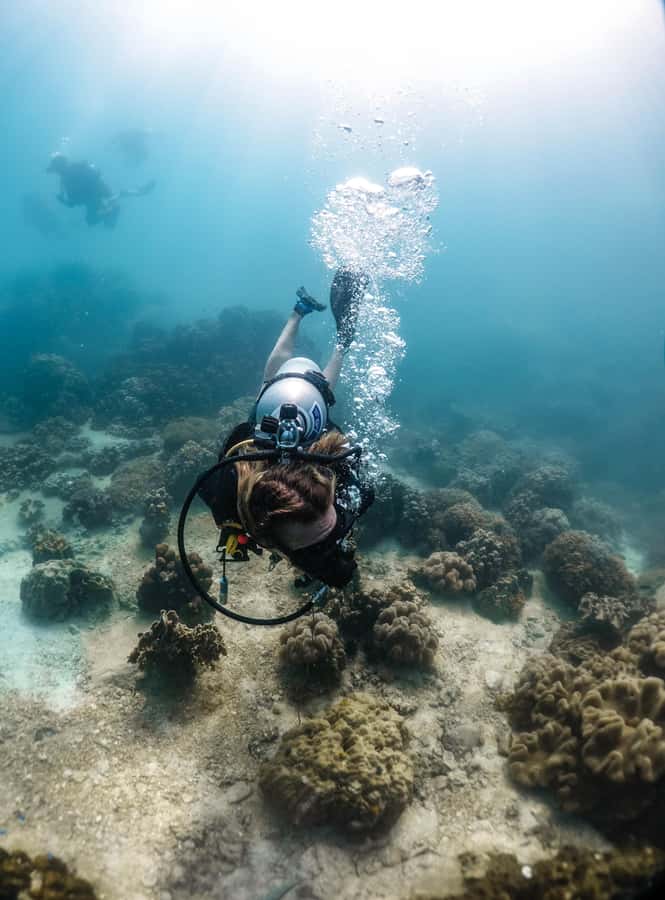
You do not need previous scuba experience. The structure is specifically designed to take you from the basics to certification.
Still, beginner-friendly does not mean easy. You must study, attend the scheduled sessions, learn equipment procedures, complete the required water skills, and stay focused. The pool session is long, and the final morning begins early.
You should also be honest about health. The provider asks people with chronic conditions such as asthma or blood pressure problems to make contact for more information. You may be able to participate with medical clearance, but that decision needs to be handled before the course rather than at the pool.
Pregnant women and children under 10 cannot take part. Non-swimmers are also excluded. Bring swimwear, a towel, and a reusable water bottle, and allow enough time for each scheduled session.
Most important, do not schedule a flight on the day you finish. You need to wait 18 hours after scuba activity before flying. This rule can affect your Koh Tao departure, ferry plans, or onward journey, so build the waiting period into your itinerary.
Who should book this Koh Tao course?
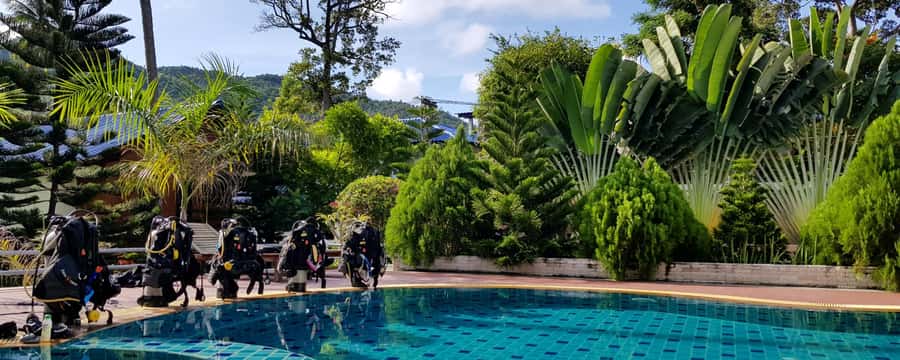
I would recommend it to a first-time scuba student who wants a recognized qualification rather than a single trial session. It suits someone who can commit three days, swim, follow instructions, and accept that training comes before sightseeing.
It is a particularly good match for nervous beginners. The small groups and patient instructors give you room to build confidence, and the pool session lets you practice before heading into the sea. The experience may also suit you if you want photos and videos without arranging a separate photographer.
You should think twice if you dislike structured schedules or want a relaxed, one-hour activity. The course has fixed blocks and a real study component. You also need to protect the 18-hour no-fly period after completion.
The English instruction is another practical consideration. You can complete the PADI materials in your own language, but the on-site teaching is in English. Make sure you can understand safety directions clearly.
Should you book it?
Book this course if you want a full PADI qualification, patient instruction, and a package that includes the major costs. The $353 fee is reasonable for three days of training, equipment, insurance, certification, a dive computer, and underwater media, especially with small groups.
I would choose it over a bargain course if you are nervous, have never used scuba gear, or want close attention from your instructor. Contact Ocean Sound before booking if you have a health condition, need help with equipment, or may arrive after the 17:30 orientation.
Skip it if you cannot swim, are pregnant, are under 10, or cannot leave 18 hours between your final session and a flight. For everyone else, this is a well-organized way to turn a Koh Tao beach stop into a lasting qualification and a first look at the world below the surface.
FAQ
How long does the PADI Open Water course take?
The course lasts three days, with approximately two and a half days devoted to pool and ocean training.
What time does the course begin?
The start date begins with orientation from 17:30 to 18:00. The provider can make arrangements if you arrive later, but you should contact them in advance.
Where is the meeting point?
Meet at Ocean Sound Dive + Yoga, opposite the 7-Eleven. Look for the blue sign and PADI flags.
Is previous scuba experience required?
No. The course is designed for complete beginners and includes an orientation, pool training, classroom work, and four ocean sessions.
What certification do I receive?
You receive the PADI Open Water Diver certification, an internationally recognized qualification that allows you to scuba to 18 meters under the normal rules of the certification.
Is equipment included?
Yes. The course includes all equipment, equipment instruction, and dive computer rental.
Are certification fees included?
Yes. PADI certification fees and PADI materials are included in the course price.
Are photos and videos included?
Yes. The course includes underwater photos and videos from your training sessions.
Can I fly after finishing the course?
You cannot fly on the day you finish. You must wait at least 18 hours after scuba activity before flying.
What should I bring?
Bring swimwear, a towel, and a reusable water bottle. You must also already be able to swim, since swimming ability is tested during the course.
New dives around Thailand
- PADI Discover Scuba Diving at Sail Rock From Koh Phangan (Beginners)★ 5.0 · 34 reviews
- PADI Open Water Diver Course in Koh Phangan★ 5.0 · 31 reviews
- Learn to scuba dive with professional instructors – 3 days★ 5.0 · 5 reviews
- Discover SCUBA Diving★ 5.0 · 23 reviews
- Fun Diving Safari Day Trip From Koh Lanta – Certified Divers★ 5.0 · 17 reviews
- Scuba Diving at Sail Rock From Koh Phangan Certified Divers Only★ 5.0 · 21 reviews
- Learn to dive in 2 days Scuba Diver course★ 5.0 · 5 reviews
- Koh Chang Freedive Trip ( Start at Koh Chang)★ 5.0 · 5 reviews
PADI Courses & Certification, compared.
Tossa de Mar: PADI Discovery Scuba Diving in Costa Brava
Read our review →
Full-Day Beginner Scuba Course with Private Tuition, Racha Yai
Read our review →
Beginner Scuba Diving Lesson with PADI Instructor
Read our review →
Discover Scuba Diving with No Certification in St Thomas
Read our review →
Try Dive – PADI Discover Scuba Diving in Tenerife
Read our review →
Browse the lists this tour appears in