
REVIEW · JAPAN
Deep Dive: Osaka Food Markets from Local to Luxurious!
Osaka eats with confidence. I like this tour because it moves beyond the city’s famous food center and shows you several very different sides of its food culture, from an upscale department-store market to local shopping streets and Korean Town. I also like the small group, limited to eight people, which gives you room to ask questions without shouting over a crowd.
The main thing to consider is cost at the stalls. The $59 price covers your guide, but not food, drinks, samples, or souvenirs. You will need to bring extra yen if you want to taste along the way, and comfortable shoes are essential for four hours of walking.
Five useful things to know before you book
- You visit more than Kuromon Ichiba: The route also includes Tenma, Tenjinbashisuji, Tsuruhashi, Namba, and a department-store food market.
- Food purchases are separate: Snacks, meals, refreshments, and samples are not included in the tour price.
- The group is small: With a maximum of eight people, the guide can respond to individual questions and explain unfamiliar foods.
- You see local and Korean food culture: Tsuruhashi adds a Japanese-infused Korean neighborhood to the market experience.
- The tour ends around Namba: You finish near one of Osaka’s main shopping and dining districts, with Sennichimae Doguyasuji on the way.
- Several languages are available: Tours are offered in English, Spanish, and French.
Why Osaka’s Food Markets Are Worth Your Morning
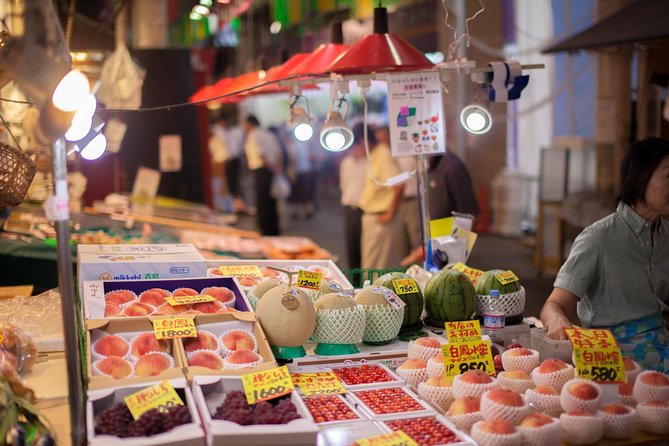
Osaka has a reputation for eating well, but this experience gives that idea some useful shape. You are not simply led to one famous market, handed a skewer, and sent on your way. The route compares different ways food is sold and enjoyed in the city.
You see polished retail food halls, covered market streets, neighborhood shops, fish and meat sellers, produce stalls, and stores aimed at restaurant professionals. That variety matters. It helps you understand that Japanese food culture is not only about finished dishes. It is also about selection, presentation, seasonality, tools, ingredients, and the daily shopping habits of local people.
The four-hour length allows time for explanation at several stops, but it also means you should arrive ready to keep moving. The published schedule gives about 25 minutes at each listed stop. Some of those locations are large areas rather than one shop, so the guide’s choices and explanations will shape your experience.
The route begins at the McDonald’s directly in front of Tenma Station. That is a practical meeting point, but give yourself enough time to find the correct station exit and storefront. Osaka has several major railway areas, and starting calmly is better than racing in with an empty stomach and a confused map.
A few more dives around the world worth comparing
- Exciting Hanoi Street Food tour | Deep-dive in Hanoi Culture and Cuisine
★ 5.0 · 2 reviews - PRIVATE Istanbul Food Tour – 10 Tastings including Raki & Padi
★ 5.0 · 75 reviews
Takashimaya Shows Osaka’s Polished Food Side
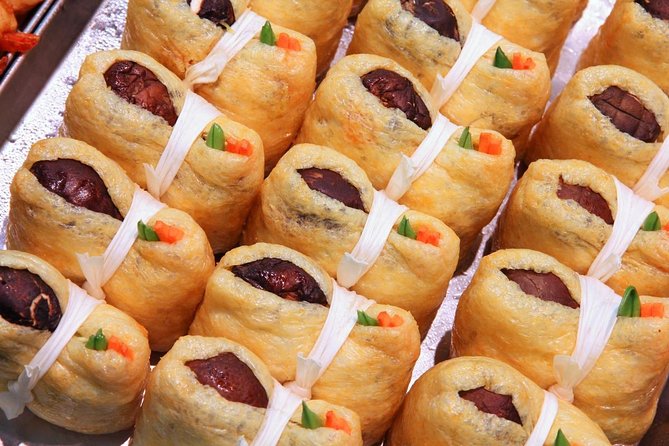
The first food stop is the Takashimaya Osaka Store in Namba, specifically the area around the TUMI store. The visit is listed as a 25-minute guided stop, so expect a focused introduction rather than a long shopping session.
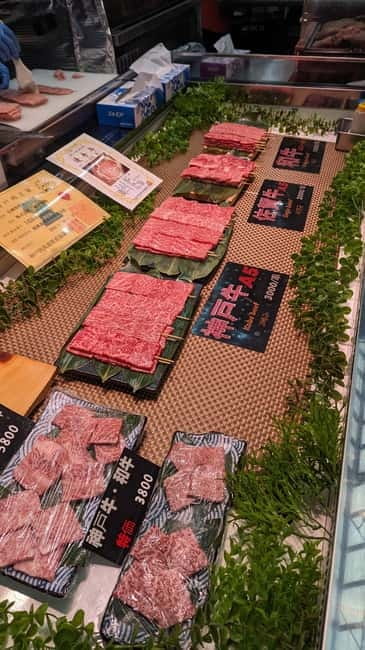
An upscale department-store food marketplace gives you a useful contrast with street markets. Here, food is presented with care, and the setting feels more controlled and refined. You may see carefully arranged meats, seafood, produce, prepared foods, and gift-ready items. The tour description highlights meats, fish, and produce, so this stop helps establish the range of ingredients used in Osaka cooking.
I like having this early in the route because it gives you a reference point. Later, when you see more informal stalls and neighborhood sellers, you can compare the two styles. The department store may appeal to you if you enjoy presentation, packaging, and premium ingredients. It may feel less exciting if you are looking mainly for cheap street food or generous tastings.
Remember that food purchases are your responsibility. The guide can explain what you are looking at, but the price of any item you choose is extra.
Tenma and Pulala Tenma Bring You Closer to Daily Shopping
Pulala Tenma, also known as the Tenma Ichiba Market Building, is one of the route’s more local stops. It is a good place to watch the ordinary business of buying food, rather than seeing only the Osaka sights most visitors already know.
The market building focuses on staples and fresh goods. You might find meat, seafood, vegetables, and other items used in everyday cooking. The value here is not just tasting something new. It is seeing how food is selected, displayed, and sold for people who shop regularly.
This stop also fits the meeting point well. Since you begin at Tenma Station, you start in an area connected to the city’s working food life rather than at a landmark chosen only for sightseeing. Your guide can explain unfamiliar ingredients and answer questions about customs or cooking uses.
The 25-minute timing keeps the experience moving, but it limits how long you can browse. If you like lingering at every stall, taking detailed photographs, or shopping for gifts, you may wish the schedule were slower. The benefit is that you get a broad look at several parts of Osaka instead of spending the entire morning in one market.
Tenjinbashisuji Gives the Route a Long Local Stroll
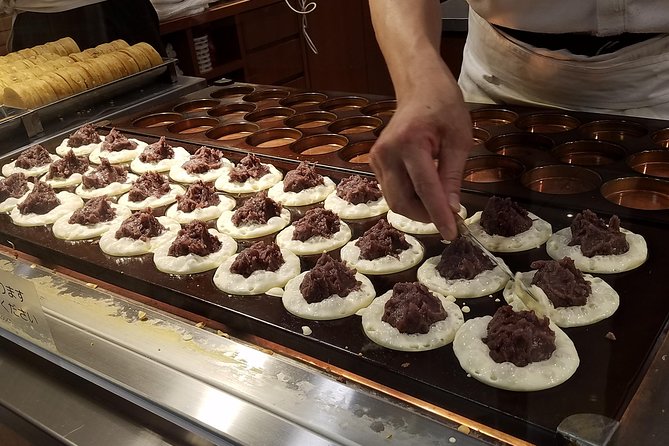
Tenjinbashisuji Shopping Street adds another layer to the food story. It is one of the named stops and receives about 25 minutes of guided walking. This is not presented as a single enclosed market, so the experience here is more about the character of a shopping street and the food businesses found along it.
A shopping street can show you how food fits into daily errands. You may pass stores selling ingredients, prepared foods, snacks, and household goods. The point is less about one must-buy dish and more about seeing a neighborhood where shopping, eating, and ordinary life share the same pavement.
I appreciate this kind of stop because it gives the tour a human scale. Famous markets can become a parade of photo opportunities, while a local shopping street shows how residents actually use the area. At the same time, the tour does not promise specific tastings at every location. Keep your expectations centered on explanation and discovery, not an all-you-can-eat meal.
Same coastline, a very different dive:
- Great Barrier Reef Snorkeling and Diving Cruise from Cairns
★ 4.5 · 3,714 reviews - First-Time Scuba Diving in Honolulu + Free Videos
★ 5.0 · 3,123 reviews - Oahu Shark Dive
★ 5.0 · 2,903 reviews - Silfra: Diving Between Tectonic Plates – Meet on Location
★ 5.0 · 2,139 reviews
Tsuruhashi Adds Osaka’s Korean Connection
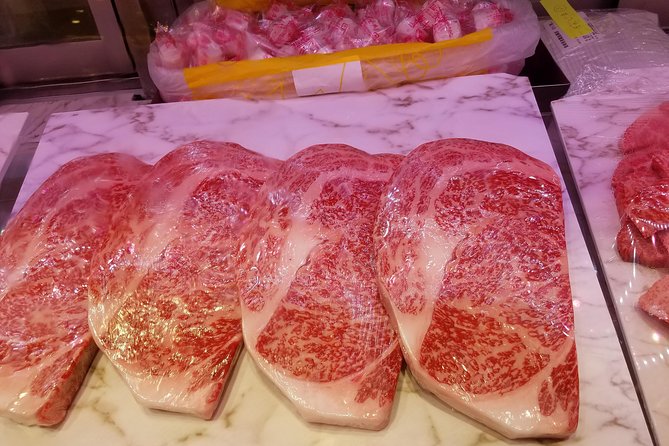
Tsuruhashi is one of the most distinctive stops on the route. The experience describes it as a Japanese-infused Korea Town that few tourists visit. That makes it especially useful if you want to see a side of Osaka outside the standard Namba and Dotonbori circuit.
Here, the food culture is shaped by both Japanese and Korean influences. You can expect the guide to point out how the neighborhood’s shops and food traditions reflect that connection. The guide may also explain customs and local life, depending on your questions and the pace of the group.
One helpful detail comes from the guide experience itself. Ferdinand, a French guide living in Japan, has been praised for explaining Japanese and Korean markets, local history, customs, and his own life in Japan. His background may give this stop an appealing outside-and-inside perspective: someone who knows the local setting but can also understand which details may be unfamiliar to an international visitor.
Tsuruhashi is a strong reason to choose this tour over a basic market walk. It adds cultural context, not only more stalls. If you have a particular interest in Korean food or neighborhood history, ask questions early so the guide can tailor the conversation where possible.
Kuromon Ichiba Is the Tour’s Famous Food Stop
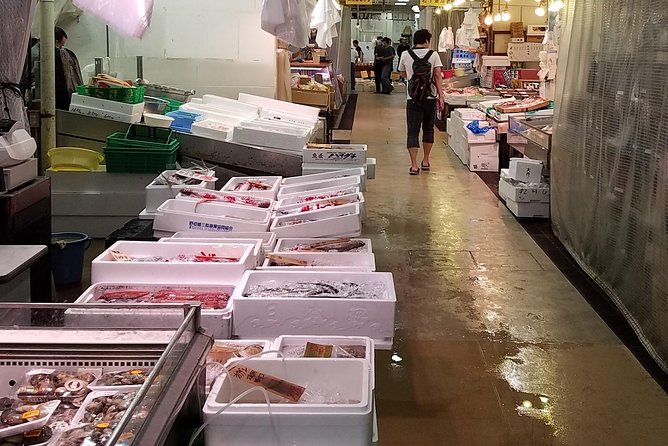
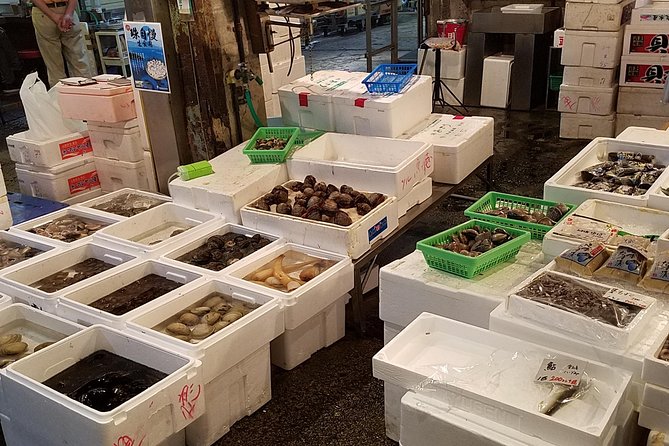
Kuromon Ichiba Market is the best-known market on the route. It is where raw and cooked foods compete for your attention, with seafood, meat, produce, and ready-to-eat items forming a lively food corridor.
This is probably the stop where you will be most tempted to spend money. The market is designed for browsing and eating, but the tour price does not include samples or refreshments. Bring cash or a payment method suitable for the stalls, and decide before arriving how much you want to spend. It is easy to turn a $59 tour into a much more expensive morning one snack at a time.
A guide is useful here because the choices can be overwhelming. You may see ingredients you do not recognize, dishes you cannot easily identify, or foods that look familiar but are prepared differently. With a small group, you can ask what something is, how it is eaten, and whether it is better suited to eating immediately or taking away.
The drawback is timing. Twenty-five minutes goes quickly in a market of this size. You will probably need to choose between stopping for a bite, taking photographs, and following every explanation. If Kuromon is your main reason for booking, consider treating the tour as an introduction and returning later on your own.
Doguyasuji Explains the Tools Behind Osaka’s Food
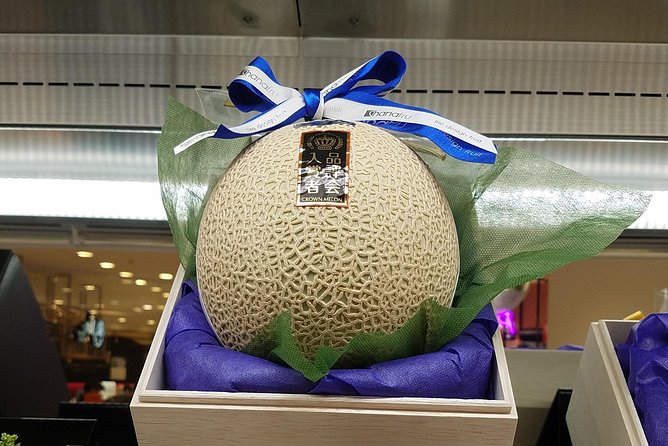
Sennichimae Doguyasuji Shotengai gives the tour a welcome change of pace. This shopping street is associated with restaurant supplies and kitchen goods, so it adds the practical side of food culture to a route otherwise focused mainly on ingredients and eating.
You may see tools, dishes, cookware, and other items used by restaurants and home cooks. This stop helps explain why Osaka’s food culture includes more than what appears on a plate. The equipment, serving pieces, and kitchen habits all affect how food is prepared and presented.
For food lovers who also enjoy cooking, this could be one of the most rewarding stops. It offers a chance to look at Japanese kitchen culture without needing to commit to a full shopping trip. For someone interested only in tasting, it may feel less exciting than Kuromon Ichiba or Tsuruhashi.
As with the other stops, the scheduled time is short. If you spot something you want to buy, you may not have long to compare options. Keep purchases modest unless you are comfortable carrying items for the rest of the tour.
Namba Makes a Convenient Finish
The experience finishes in Namba, after the route passes through the markets and shopping streets. That is useful because Namba is already a major area for dining, shopping, and further sightseeing.
You can continue your day from there without needing to return to Tenma. It also gives you a chance to make your own food choices after the guided portion ends. If you have not bought much during the tour, Namba is a practical place to find your next meal.
The route’s geography is worth noting. The listed stops include Tenma, Tsuruhashi, Kuromon Ichiba, Doguyasuji, and Namba, so you will not be walking in one compact circle. Transportation during the tour costs an additional 330 yen per adult. That is a small extra charge compared with the tour price, but you should include it in your budget.
What the $59 Price Really Covers
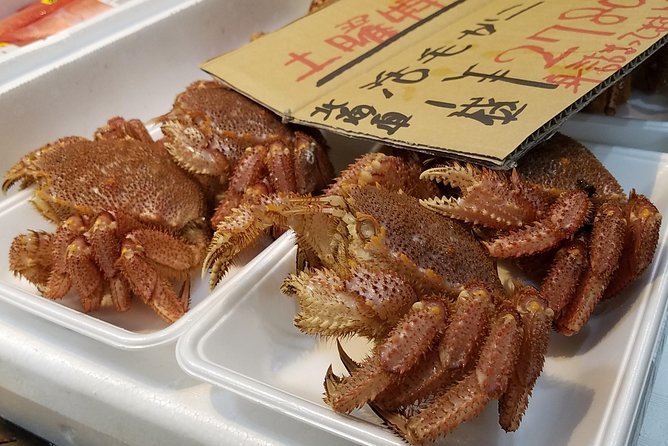
At $59 per person, this is not a cheap way to buy lunch. The price covers a four-hour guided experience with a native or near-native speaker of your chosen language, but it does not cover the food itself.
I see the value in the guide’s interpretation. You are paying to connect several parts of Osaka, understand what you are seeing, and ask questions as you go. The small group, with no more than eight participants, also makes the price easier to justify than a large group walk where you may hear little and wait often.
The value is weaker if you want a fixed meal, included tastings, or guaranteed portions of specific foods. You may spend very little on snacks, or you may spend quite a bit. The choice is yours, which is convenient for different appetites but less predictable for budgeting.
Who Will Enjoy This Four-Hour Walk
I would recommend this experience to you if you want food culture with explanation rather than only a list of dishes. It suits first-time visitors who need help understanding markets, as well as repeat visitors who want to see Tenma, Tsuruhashi, and other areas beyond the most obvious tourist routes.
It is also a good fit for curious eaters who are happy to make their own purchasing decisions. You can sample what appeals to you, skip what does not, and ask about ingredients along the way.
You may want a different experience if you dislike walking, prefer a seated meal, or want all food included in the price. Comfortable shoes are not a minor suggestion here. The route covers several locations, and the four-hour schedule includes repeated walking and public transportation.
Tours are available in English, Spanish, and French. The group size is limited to eight, which is a strong advantage for questions and conversation. Free cancellation is available up to 24 hours before the experience, and you can reserve without paying immediately if you need flexibility.
Should You Book This Osaka Market Tour?
Book it if you want to compare Osaka’s food worlds in one morning: polished department-store goods, local markets, a long shopping street, Korean-influenced Tsuruhashi, famous Kuromon Ichiba, and restaurant-supply shops near Namba.
I especially like the mix of stops and the chance to ask a guide about customs, ingredients, and daily life. Ferdinand’s background as a French resident of Japan adds a personal angle, particularly if you want history and cultural explanation along with food.
Skip it if you are seeking a full meal, included tastings, or a slow visit to one market. For everyone else, bring comfortable shoes, extra money for snacks, and a healthy appetite. This is a practical way to see why Osaka’s food identity is built not around one dish, but around the places where people buy, prepare, sell, and eat it.
FAQ
Where does the tour meet?
The meeting point is the McDonald’s directly in front of Tenma Station.
How long does the experience last?
The tour lasts four hours.
How much does the tour cost?
The listed price is $59 per person.
Is transportation included?
Transportation during the tour is not included. An additional charge of 330 yen per adult applies.
Are food samples included?
No. Samples, food items, refreshments, and souvenirs are not included.
Who pays for snacks during the tour?
Each participant is responsible for purchasing their own snacks and other food.
What languages are available?
The tour is offered in English, Spanish, and French.
How large is the group?
The experience is limited to eight participants.
What should I wear?
Comfortable shoes are recommended because the experience includes walking between several locations.
Can I cancel for a full refund?
Yes. You can cancel up to 24 hours in advance for a full refund.
New dives around the world
- One Tank Scuba Diving in Kauai South Shore Certified Diver Only★ 4.5 · 14 reviews
- Try Scuba Diving in Kauai From a Boat: No Experience Necessary★ 5.0 · 24 reviews
- Shore Dive with Sea Turtles @ Koloa Landing for Certified Divers★ 5.0 · 10 reviews
- Dive into Spirituality: 6 Days Trek to Gosaikunda Lake★ 4.5 · 3 reviews
- 1 Tank Discover Scuba at Koloa Landing with No Experience needed★ 5.0 · 31 reviews
- Try Scuba Diving on Kaua’i with Sea Turtles★ 5.0 · 3 reviews
- Kenting, Taiwan|Snorkeling Free underwater photography One-on-one with instructor|Taiwan Diving Snorkeling★ 5.0 · 10 reviews
- Discover Scuba Diving With Sea Turtles – Xiaoliuqiu, Taiwan★ 5.0 · 3 reviews
Scuba Diving, compared.

Great Barrier Reef Snorkeling and Diving Cruise from Cairns
Read our review →
First-Time Scuba Diving in Honolulu + Free Videos
Read our review →
Silfra: Diving Between Tectonic Plates – Meet on Location
Read our review →
Ocean Freedom Great Barrier Reef Luxury Snorkel and Dive Cruise
Read our review →
Beginner Scuba Diving with Turtles and Videos, San Juan
Read our review →
Tenerife: Your First Scuba Diving Experience in Turtle Area
Read our review →
Browse the lists this tour appears in