
REVIEW · OAHU
DISCOVER Scuba Diving Experience in Honolulu
See Hawaii from below the surface. This three-hour scuba experience gives you a careful introduction to reef life, with a one-on-one skills session before you head out with a PADI Professional. I like the personal coaching and the chance to see turtles, eels, rays, octopuses, and colorful reef fish from below. I also like that equipment, snacks, and light refreshments are included.
The main consideration is that this is a boat outing, not a calm beach lesson. Wind can affect visibility, and one person became seasick during a recent trip. You must be able to swim, clear a medical questionnaire, and avoid flying for 24 hours afterward.
Four things to know before booking
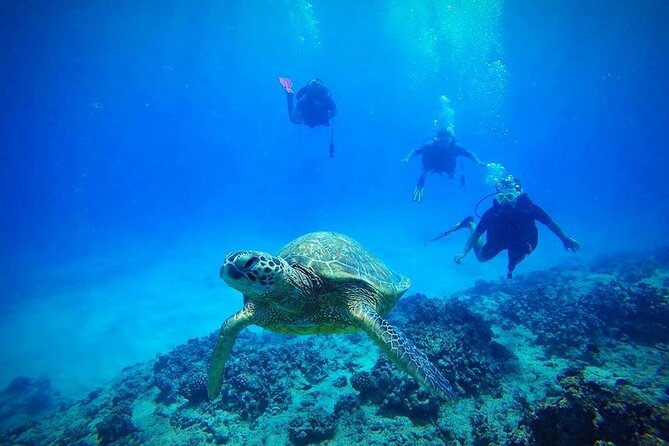
- The first underwater lesson is one-on-one: You practice basic hand signals, equipment use, and key safety skills with a PADI Professional.
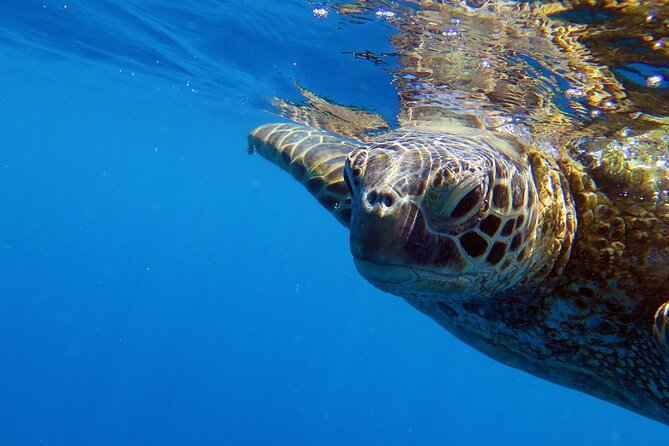
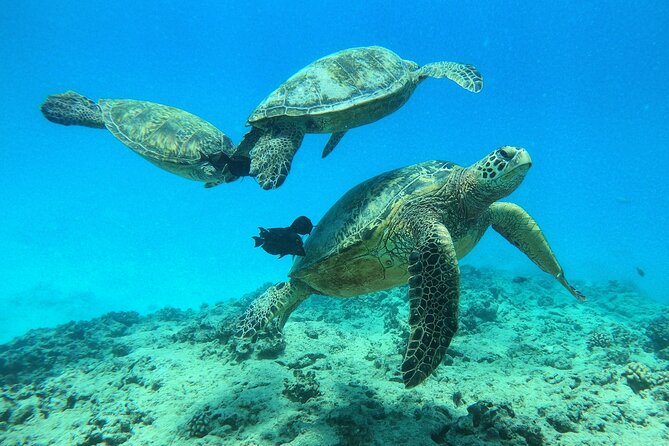
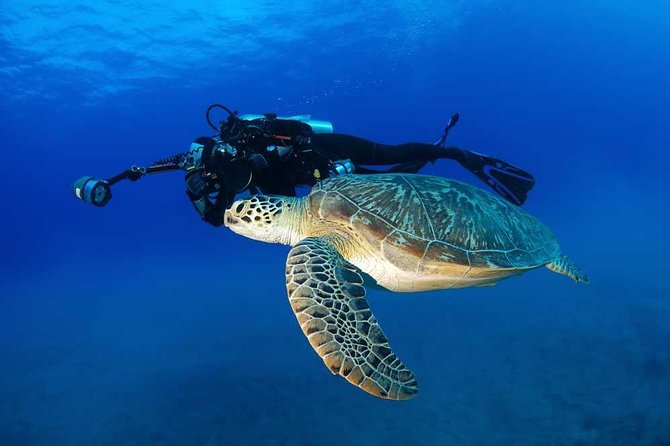
- Turtle Canyon is often an early highlight: The site near Waikiki has produced close views of Hawaiian green sea turtles, known locally as honu.
- You may reach about 30 to 40 feet: The exact site depends on sea conditions, but the main reef outing is deeper and longer than the practice session.
- The crew has earned strong praise for patience: Guides including Jeff, Jared, Justin, Ami, Nacho, Lindsay, Colton, and Kacee have been singled out for calm instruction and personal attention.
- The price covers more than a basic lesson: At $141.10 per person, you receive gear rental, instruction, a guided reef tour, snacks, and refreshments, but parking costs extra.
- Plan carefully around health and flights: You need medical clearance, and you should not fly within 24 hours of the activity.
Why this Honolulu scuba experience works for beginners
This is not a certification course. It is a chance to find out if scuba suits you before spending the time and money on formal certification.
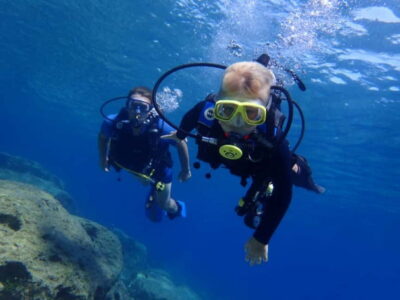
That makes the format useful. You are not simply handed a mask and sent into the water. A PADI Professional works with you individually, explains the equipment, reviews underwater hand signals, and practices basic skills under direct supervision. For a first-time participant, that personal start can make the difference between enjoying the water and spending the whole outing trying to calm your nerves.
I especially like the way the experience separates practice from the main reef tour. You first learn and test the basics, then take part in a longer guided outing if you are comfortable and ready. This gives you a clear chance to decide if you want to continue.
The approach has worked well for children and older beginners, too. The minimum age is 10, although 10 and 11 year olds pay an additional fee. One parent described a successful first outing with a 15 year old, while another praised the instructors for being patient with a daughter who struggled at first.
You still need to be an able swimmer. This is not a passive sightseeing cruise. You will be wearing scuba equipment, communicating underwater, and managing your breathing while moving around a reef.
More Discover Scuba Diving in the USA
- First Time Introductory Scuba Dive
★ 5.0 · 17 reviews - Discover Scuba Diving in Hawaii – Non certified divers!
★ 5.0 · 3 reviews - Kauai’s Ultimate Discover Scuba Dive – OCEAN EXPERIENCE (1 Tank Dive)
★ 5.0 · 186 reviews
Meeting at Kewalo Basin Harbor
You meet at Dive Oahu, at Kewalo Basin Harbor, 1085 Ala Moana Boulevard, Suite 109, Honolulu. The activity returns to the same point, which keeps the day simple if you are staying around Waikiki or Ala Moana.
The harbor is near public transportation, but parking is not included. I would arrive with enough time to park or make your way from your hotel. Check-in is required 30 minutes before departure, and that extra time matters because the crew needs to confirm your information, prepare equipment, and review the medical requirements.
The experience accepts mobile tickets, and confirmation is sent by email. Use a valid email address when booking, then read the confirmation carefully. It contains important details about the medical questionnaire and the day’s arrangements.
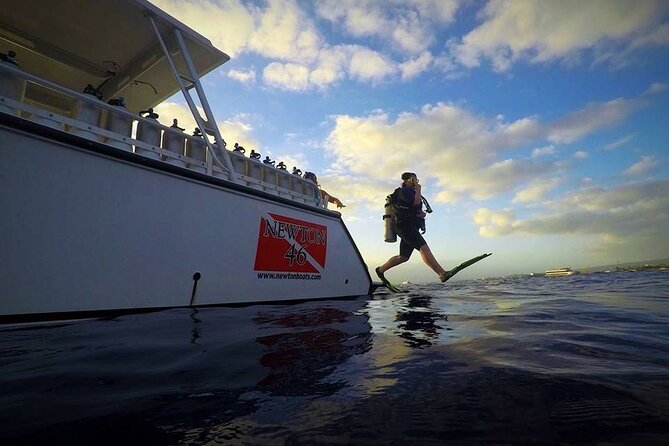
The boat can carry up to 21 participants. That is not an intimate private charter, but the one-on-one skills session helps beginners receive personal attention even when the overall group is larger.
A private guide is available as an add-on. That may suit couples or families who want more individual attention, though the standard format already includes direct instruction during the initial skills portion.
What happens during the first water session
After the crew explains the equipment and basic rules, each introductory participant works individually with an instructor. The practice portion has been described as roughly 15 minutes per person, although the exact timing can change with group size and conditions.
You learn the basic underwater signals and practice three main skills. The goal is not to make you an expert in a few minutes. It is to help you manage the equipment, respond to your guide, and feel comfortable enough to continue safely.
Some people use this first session as a short practice outing. Others are able to continue for several minutes while the guide checks their comfort and control. The instructor decides how to proceed based on your ability and confidence.
The one-on-one format is one of the strongest parts of the experience. Guides such as Jeff, Jared, Justin, Ami, and Lindsay have been praised for explaining things clearly and allowing beginners to work at their own pace. If you feel anxious, tell your instructor early. The staff can only help if they know what you are feeling.
The other participants wait on the boat while each new diver has an individual session. That means there can be some waiting before everyone is ready, but it also means the instructor is not trying to teach several beginners at once underwater.
Turtle Canyon and the first look at reef life
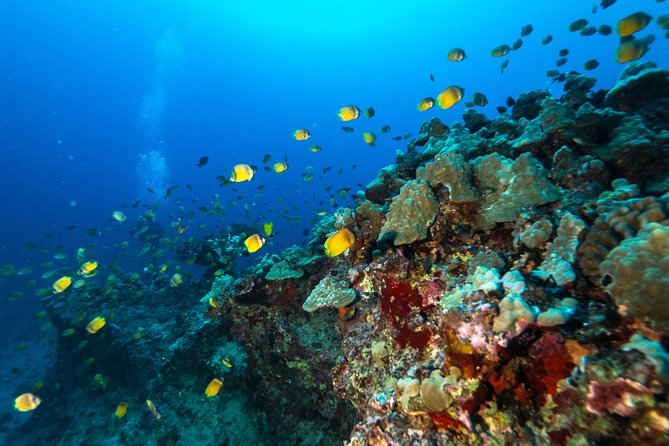
The boat ride to the first location takes about 10 minutes, according to one detailed account. The site commonly called Turtle Canyon sits near Waikiki and is known for Hawaiian green sea turtles.
This may be the most memorable part of the outing for many first-timers. The turtles are often the star of the show, and several participants have seen one or more during the early session. One person described watching a honu pass overhead at about 30 feet, while another counted nine turtles.
Still, wildlife is never guaranteed. Ocean conditions, visibility, and animal behavior change from day to day. You might see turtles almost immediately, or you may spend more time looking among the reef fish and other sea life.
The first site also serves a practical purpose. You are still getting used to breathing through a regulator and moving with fins. A shorter session in a well-known reef area gives you time to settle in before the longer guided outing.
The water can be beautiful and clear, but wind may reduce visibility. If you are prone to motion sickness, the boat ride and surface conditions deserve serious thought. One detailed account noted choppy movement and seasickness aboard the boat. The crew was patient and allowed the affected person to decide whether to return to the water.
More First-Time Dives in Oahu:
- Discover Scuba Diving
★ 5.0 · 1,676 reviews - Barcelona: PADI Discover Scuba Diving
★ 4.7 · 1,016 reviews - Discover Diving in Curacao
★ 5.0 · 886 reviews - Mallorca: Discover Scuba Diving for Beginners
★ 4.7 · 805 reviews
The second reef outing at 30 to 40 feet
Once the introductory participants have completed their basic skills, the boat moves to a second reef site. The location varies with conditions and may include a shallow reef area or a site referred to as Mario Land.
This is the main underwater tour. The group may reach roughly 30 to 40 feet, with some outings lasting around 20 to 33 minutes underwater. Certified participants and introductory participants may be in the water at the same time, but the beginner group remains under direct supervision.
Here is where the experience offers more than a snorkel trip. From the surface, you can see plenty around Oahu, but scuba lets you remain beside the reef instead of looking down from above. You may find turtles, eels, rays, octopuses, puffer fish, reef fish, caverns, and other marine life.
The exact animals vary. One outing produced an octopus and two types of eel. Another included a shark and a pod of dolphins, though those sightings are lucky extras rather than promises. You should book this for the underwater access, not for a specific animal checklist.
The guide helps point out sea life and keeps the group together. The best staff members do more than lead the way. They watch your breathing, comfort, position, and reactions. That careful support is particularly useful when you are still thinking about every part of the equipment.
Instruction and crew support
The crew has received especially strong praise for patience and calm instruction. Jeff helped a teenager complete a first scuba outing without trouble. Justin was singled out for guiding a nervous beginner in a relaxed, encouraging way. Jared has been praised for teaching hand signals and underwater maneuvers clearly.
Other guides named during recent outings include Nacho, Ami, Lindsay, Colton, Kacee, Heather, Kyle, Rachel, Miranda, Lexi, and Aunie. Staff assignments change, so you should not book expecting one particular guide. The important point is the consistent role: a PADI Professional leads the guided experience, and the boat crew assists with equipment and general support.
The crew also helps after you return to the boat. Snacks, drinks, and a hose for rinsing off are provided, and the boat has a bathroom. These are modest details, but they matter after spending time in cool ocean water with heavy gear.
Photography may be available for an additional fee. Introductory participants are not allowed to bring their own camera for safety reasons. That rule may disappoint anyone hoping to film the whole outing, but it keeps your hands and attention on the equipment and instructions.
Is $141.10 a fair price?
At $141.10 per person, the cost is reasonable if you want a real introduction rather than a brief resort-pool demonstration.
Your fee includes premier gear rental, the PADI-led instruction, the guided reef tour, snacks, and refreshments. You are also paying for boat access to reefs that are more difficult to reach from shore. If you already own equipment, the included rental is less valuable to you, but most first-time participants will appreciate not having to arrange anything separately.
The value is strongest for someone deciding whether to pursue certification. A formal certification course requires more time, study, and expense. This experience lets you test the breathing, equipment, and underwater communication first.
It is less attractive if you only want a quick swim with turtles. Snorkeling can be simpler, cheaper, and easier for a person who dislikes boats or does not want to complete a medical form. The reason to pay for this outing is the feeling of being down at reef level, not merely the chance to spot a turtle.
Who should book, and who should think twice
I would recommend this experience to:
- First-time scuba participants who can swim confidently
- Couples who want to try the sport together
- Families with children age 10 or older
- Certified divers who want a guided reef outing
- Anyone considering future certification
- Visitors who want more underwater time than a normal snorkel trip provides
I would think twice if you are very uncomfortable in open water, easily seasick, or unable to meet the medical requirements. A beach-based lesson may be a better first step for someone who feels anxious in moving water.
You must provide your weight and date of birth. You also must clear the medical questionnaire or provide a physician’s note. If you fail the medical release inside the cancellation period, the payment may not be refunded.
Do not schedule this close to a flight. The instructions say you must not fly within 24 hours of the activity. Build that buffer into your Oahu plans rather than trying to squeeze the outing into your final morning.
Practical booking advice for your Oahu schedule
Book ahead if your dates are fixed. This experience is often reserved about 21 days in advance, and the maximum group size is 21 people.
The weather matters. If poor conditions cancel the outing, you should be offered another date or a full refund. If the minimum number of participants is not met, the provider likewise offers another date, another experience, or a refund.
The cancellation information supplied for this experience contains two different cutoffs. The main cancellation terms say you can cancel at least 24 hours before the start time for a full refund, while the additional notes cite a 48-hour provider policy. I would confirm the exact deadline directly with Dive Oahu before booking, especially if your plans might change.
Bring a swimsuit, but stick to the equipment guidance from the crew. You will receive the scuba gear, so there is no need to arrange a rental package elsewhere. Give yourself time after the outing to dry off and change, particularly if you have a dinner reservation.
Should you book this Honolulu experience?
Yes, if you want a supportive first taste of scuba and you are comfortable swimming from a boat. The individual instruction, direct supervision, reef access, and strong record of friendly guides make this a sensible introduction.
I would choose it over a standard snorkel trip if your goal is to spend time beside the reef and learn whether scuba feels right for you. I would choose snorkeling or a beach lesson instead if you are worried about seasickness, open-water conditions, or the medical requirements.
For most suitable beginners, the price buys a useful test run rather than a one-off thrill. You may see turtles, eels, octopuses, rays, or colorful fish, but the real value is learning to move safely underwater with a trained guide beside you.
FAQ
Where does the scuba experience start?
It starts at Dive Oahu at Kewalo Basin Harbor, 1085 Ala Moana Boulevard, Suite 109, Honolulu, Hawaii 96813. The activity ends at the same meeting point.
How long does the experience last?
The experience lasts approximately three hours, including the instruction, boat travel, practice session, and guided reef outing.
Is scuba equipment included?
Yes. Premier gear rental is included in the price, along with snacks and light refreshments.
Do I need scuba certification?
No. This is an introductory experience for non-certified participants. A PADI Professional teaches basic safety guidelines and skills under direct supervision.
What is the minimum age?
The minimum age is 10. Children who are 10 or 11 years old require an additional fee.
Can I fly after the activity?
You must not fly within 24 hours of scuba activity. Plan your schedule so you have a full 24-hour buffer before flying.
What happens if bad weather cancels the outing?
If poor weather causes cancellation, you will be offered a different date or a full refund. If the minimum number of participants is not met, you will be offered another date, another experience, or a full refund.
New dives around Oahu
- Two Tank Wreck and Drift Dive in Oahu★ 4.5 · 7 reviews
- Small Group Shallow Reef Dive in Oahu★ 5.0 · 9 reviews
- SCUBA Dive at Electric Beach with Photos -No Certification Needed★ 5.0 · 28 reviews
- 2 Tank Private SCUBA Party Diving Charter from Waikiki Hawaii★ 4.5 · 34 reviews
- Shark Dive Private Charter No Cage★ 5.0 · 3 reviews
- Discover Scuba Diving in Hawaii – Non certified divers!★ 5.0 · 3 reviews
- Oahu Shark Dive Educational Tour (No cage)★ 5.0 · 85 reviews
- Private Shark Dive, Oahu, Hawaii (6 Guest)★ 5.0 · 21 reviews
Discover Scuba Diving, compared.
Cyprus: Introductory Scuba Lesson and Dive with Transfer
Read our review →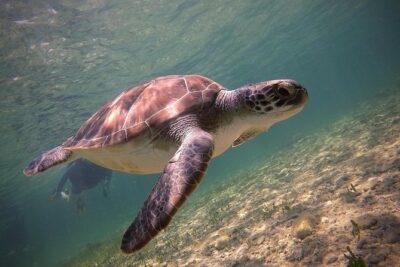
Half-Day Scuba Diving Tour – Discover Scuba Diving!
Read our review →Browse the lists this tour appears in