
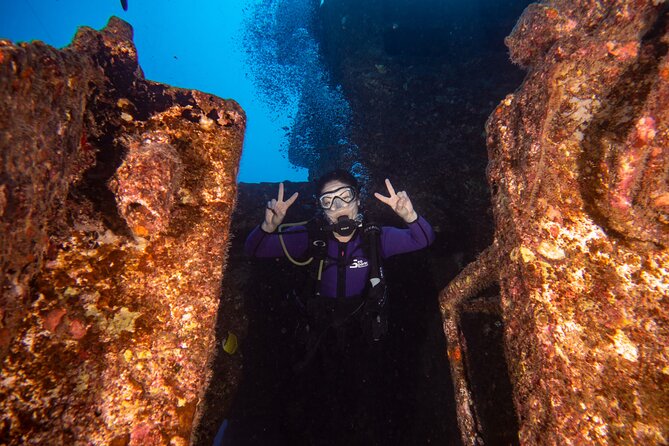
REVIEW · OAHU
Small-Group Deep Dive in Oahu with Shipwreck and Reef
Oahu rewards experienced underwater explorers. This three-and-a-half-hour outing pairs a 100-foot shipwreck with a shallower reef, giving you two very different views of the island’s coast. I like the chance to see pelagic fish, turtles, sharks, and other marine life, and I like that a professional guide accompanies every trip. The main catch is simple: this is not for beginners, and the operator’s cancellation and communication record deserves some care before you book.
The schedule begins at 7:45 a.m. and returns to the same meeting point. You bring your own equipment or rent what you need, while the price includes snacks, drinks, fuel costs, and the environmental reef charge. At $209 per person, the value depends on how much you appreciate a small group and access to deeper sites rather than a basic coastal outing.
Key points to know before you book
- The first descent reaches about 100 feet: The shipwreck sits well offshore, where larger open-water species may pass.
- The second site is usually 40 to 60 feet deep: Expect a reef setting after the more demanding wreck visit.
- You need serious experience: You must hold advanced certification or have at least 25 logged underwater outings.
- Every trip includes a professional underwater leader: The guide helps match the site to the group’s ability and interests.
- You can bring or rent equipment: That gives you flexibility, though rental arrangements should be confirmed before arrival.
- The group can reach up to 16 people: It is smaller than a large boat excursion, but not necessarily an intimate private charter.
Why the shipwreck makes this Oahu outing different
Many coastal underwater trips stay relatively close to shore and focus on easy access. This one usually begins with a descent to a shipwreck at about 100 feet, which changes the character of the morning. The extra distance from land can bring more pelagic fish, turtles, and sharks into view.
That does not guarantee a shark sighting or any particular animal. Marine life is never a timetable. Still, the location gives you a better chance of seeing open-water species than a very shallow nearshore site. If your main goal is a more adventurous setting and the possibility of larger animals, this first stop is the reason to consider the trip.
The wreck also asks more from you. A 100-foot descent requires comfort with depth, buoyancy control, air management, and changing conditions. You should not choose this outing simply because a shipwreck sounds exciting. The operator requires advanced certification or 25 logged outings, and that rule is sensible.
I would also check your personal limits before booking. A deeper site can be rewarding for a confident certified participant, but it is not the place to test new skills or discover that you are uneasy in open water. You need enough experience to stay calm, manage your equipment, and keep pace with the group.
More Reef Diving in Oahu
- Certified Diver: 2-Tank Deep Wreck and Shallow Reef Dive Off Oahu
★ 5.0 · 331 reviews - Incredibly Fun Coral Reef Giant Sea Turtles 4hour Boat Scuba Tour
★ 4.5 · 300 reviews - Certified Diver: 2-Tank Shallow Reef Dives off Oahu
★ 5.0 · 278 reviews
The 40 to 60 foot reef offers a calmer second act
The second site usually shifts to a reef between 40 and 60 feet deep. That range is more manageable than the wreck depth, though it still requires proper certification and comfort underwater. The reef gives the morning a useful change of pace: after the deeper, more adventurous first stop, you get a shallower setting for fish watching and exploration.
The exact reef is not fixed. The crew chooses based on conditions and what the group hopes to see. That flexibility is one of the tour’s better features. An experienced group may be guided to a more adventurous area, while a group with different interests can help shape the plan around marine life or site conditions.
You should think of this as a guided charter rather than a rigid sightseeing ride. The stated plan is a shipwreck followed by a reef, but the crew has room to select the best available locations. That may appeal to experienced participants who care more about current conditions than checking off one named site.
The tradeoff is that you cannot treat the exact locations as guaranteed. The ocean, weather, and group ability all matter. If you need a fixed schedule with specific landmarks, this may feel loose. If you prefer a crew that can adjust the plan, it is a useful advantage.
Marine life is a possibility, not a promise
The biggest draw is the chance to encounter dolphins, whales, sea turtles, fish, and possibly sharks. The offshore wreck location is especially promising for pelagic species, since it sits farther from shore than many easy coastal sites.
Still, you should book for the quality of the setting, not a checklist of animals. A whale may pass through, or you may see turtles and schools of fish instead. The operator can take you to productive areas, but no guide can control wildlife.
The combination of wreck and reef helps because the two habitats offer different possibilities. The wreck may attract open-water fish and larger animals. The reef offers a more structured environment, where you can spend time looking closely at fish and other smaller forms of life.
I like that the trip does not oversell the experience as a guaranteed wildlife show. The wording points to opportunities, which is the honest way to describe ocean encounters. Bring patience and realistic expectations, and the outing will make more sense.
A guide accompanies every trip
A professional guide or instructor accompanies each outing. For an experienced participant, that does not mean you need someone holding your hand. It means you have a crew member helping with site choice, group planning, and the practical details of a deeper morning.
The operator says the crew can adapt the sites to the interests and ability of the group. That matters here because the group’s experience affects how adventurous the crew can be. A confident, seasoned group may have more options than a mixed group that needs a conservative plan.
The maximum group size is 16 people. That is small enough to feel more personal than a large excursion boat, though it is not a private trip. Your experience may depend on how many people actually book that day and how closely their skills match your own.
One important note comes from a reported booking problem. A solo participant said the trip was canceled the day before because only one person had booked, and communication became difficult when a replacement date conflicted with a flight. The complaint also described a charge that appeared to remain active while the refund question was sent back to the booking platform.
That is one account, not proof that every departure will have a problem. Still, I would not ignore it. If you are booking around a flight, expensive equipment transport, or a tight vacation schedule, contact the operator before committing to related plans. Save all messages and confirm the departure shortly before the outing.
More Reef Diving in the USA
- Certified Divers: Best 2-Tank Wrecks & Reef Boat Dive All Inclusive From Waikiki
★ 5.0 · 41 reviews - Certified Scuba Diving Along Two Shallow Reef Sites
★ 5.0 · 36 reviews - Oahu: Wreck & Reef Scuba Dive for Certified Divers
★ 4.8 · 17 reviews - Oahu: Shallow Reef Scuba Dive for Certified Divers
★ 5.0 · 11 reviews
The $209 price: fair for the right kind of diver
At $209 per person, this is not a cheap way to spend a morning in Oahu. The price makes more sense if you already have the required experience and want access to a deeper wreck plus a reef in one outing.
The fee includes the environmental management charge, fuel surcharge, beverages, snacks, and a professional guide. Those inclusions remove several common add-on costs. You still need to account for equipment rental if you do not bring your own, and hotel transportation is not included.
The value is strongest for someone who wants a focused charter rather than a general ocean cruise. You are paying for the boat trip to offshore sites, professional supervision, and the ability to choose sites according to conditions and group ability. If you only want a relaxed introduction to Oahu’s underwater world, this is the wrong place to spend your money.
Group discounts may lower the per-person cost for larger bookings. The operator also offers a mobile ticket, which is handy when you are moving around the island with a phone rather than carrying printed documents. Those are small conveniences, but they help keep the morning simple.
I would compare the total cost with any other certified-visitor outings you are considering. Add equipment rental, transportation to the meeting point, and any extra lodging caused by flight timing. The headline price is only part of the real budget.
What your morning looks like from 7:45 a.m.
You meet at 74VV+4X Honolulu, Hawaii, at 7:45 a.m. The activity ends back at that same meeting point, so you are responsible for reaching the departure location and arranging your return. The area is near public transportation, but hotel pickup and drop-off are not provided.
The morning lasts about three hours and 30 minutes. That includes the boat transfer, the two underwater sessions, and the time needed to move between sites. You should avoid scheduling a tight appointment immediately afterward, since ocean conditions and operational details can affect the finish time.
The first stop is normally the shipwreck. At around 100 feet, it is the more demanding portion of the morning and the main reason advanced certification or 25 logged outings are required. The location may offer pelagic fish, turtles, sharks, and other marine life, but conditions determine what you actually see.
The second stop is generally a reef at 40 to 60 feet. The crew chooses the site according to conditions and the group’s experience. Afterward, you return to the meeting point with drinks and snacks available during the outing.
That simple schedule leaves little wasted time. You are not spending the morning on a long list of unrelated stops. The focus stays on two underwater locations, one deeper and one shallower.
Equipment, health rules, and physical demands
You can bring your own equipment or rent it. If you are traveling with personal gear, confirm the rental and transport details in advance rather than assuming every item will be available on the day. The supplied information does not specify the rental price or exactly which pieces of equipment are offered.
All participants must complete a health questionnaire before entering the water. Medical conditions such as asthma and heart problems may prevent participation, so you should speak with a doctor if you have any concern. The operator also lists a moderate physical fitness requirement.
The timing around flights matters. You should not take part within 18 hours of flying. This is especially important if you are leaving Oahu on a red-eye or early flight. A reported booking issue involved a proposed reschedule that would have placed the participant too close to a flight, a situation that could create a real safety concern.
Plan the outing early enough in your vacation to leave a proper gap before your flight home. That gives you a buffer for both safety and scheduling. It also protects you from the stress of trying to force a last-day ocean activity into a crowded travel plan.
The minimum age is 14. Service animals are allowed, though the information provided does not explain how a service animal could be accommodated aboard the vessel. Ask the operator directly if that detail affects your plans.
Weather, cancellations, and communication
The outing requires good weather. If poor weather forces a cancellation, you are offered another date or a full refund. That policy is reasonable for an ocean activity, since rough conditions can affect safety and visibility.
You can cancel for a full refund up to 24 hours before the 7:45 a.m. start. Changes or cancellations inside that 24-hour window are not accepted for a refund. The cut-off uses local Hawaii time, so check the clock carefully if you are booking from another time zone.
The main practical concern is communication if the operator changes the plan. Because one reported customer had trouble getting answers after a cancellation, I would keep the company’s contact information handy and confirm the departure before you arrange flights, rental cars, or costly equipment transport.
This is not a reason to reject the outing automatically. It is a reason to plan with a little more breathing room. Good weather can also change quickly, so keep a backup morning available if this is an important part of your Oahu visit.
Who should book this Oahu charter?
I would recommend it to a certified participant who:
- Has advanced certification or at least 25 logged underwater outings
- Feels comfortable at around 100 feet
- Wants a shipwreck and reef in the same morning
- Enjoys wildlife encounters without a guarantee of specific animals
- Appreciates a crew that can adjust sites to conditions
- Can reach the meeting point independently
- Has enough time before any flight
I would skip it if you are new to the sport, uncertain about deep water, or hoping for a casual family boat ride. The minimum age is 14, but age alone does not replace the required certification or experience.
It may also be a poor fit if your Oahu schedule is rigid. The tour depends on weather, and a reported cancellation raised concerns about how smoothly changes are handled. Build in time and confirm the plan.
Should you book it?
Book this outing if you are an experienced certified participant who wants more than a shallow coastal visit. The 100-foot shipwreck, the 40 to 60-foot reef, flexible site selection, and chance to encounter larger marine life make it a focused and potentially rewarding morning.
At $209, it offers fair value when you use the guide, two sites, included snacks and drinks, fuel charge, and reef fee. It is less attractive if you need hotel transport, must rent a large amount of equipment, or have only one narrow window before a flight.
My advice is to confirm the departure directly, leave at least 18 hours before flying, and treat the wildlife as a bonus rather than a promise. For the right certified participant, this is one of Oahu’s more demanding and interesting underwater options.
FAQ
What certification do I need?
You must have advanced certification or at least 25 logged underwater outings.
How deep is the first site?
The first site is usually a shipwreck at about 100 feet.
How deep is the second site?
The second site is usually a reef between 40 and 60 feet deep.
What time does the activity start?
The meeting time is 7:45 a.m.
Is hotel transportation included?
No. Hotel pickup and drop-off are not included. You meet at 74VV+4X Honolulu, Hawaii, and return to that same meeting point.
Can I fly soon after the activity?
You should not take part within 18 hours of flying. The operator also requires a health questionnaire, and some medical conditions may prevent participation.
More Reef Dives in Oahu
- Small Group Shallow Reef Dive in Oahu
★ 5.0 · 9 reviews - Great Barrier Reef Snorkeling and Diving Cruise from Cairns
★ 4.5 · 3,714 reviews - Ocean Freedom Great Barrier Reef Luxury Snorkel and Dive Cruise
★ 5.0 · 1,895 reviews - Cairns: Premium Snorkelling and Diving Reef Day Trip
★ 4.7 · 1,528 reviews
More Wreck Dives in Oahu
- Waikiki 2 Tank World Class Wreck SCUBA Diving – Certified Only
★ 4.5 · 205 reviews - Two Tank Wreck and Drift Dive in Oahu
★ 4.5 · 7 reviews - Wreck and Bridge Span Dive for Certified Divers
★ 5.0 · 521 reviews - Private Diving at Zenobia Wreck in Larnaka
★ 5.0 · 369 reviews
New dives around Oahu
- Two Tank Wreck and Drift Dive in Oahu★ 4.5 · 7 reviews
- Small Group Shallow Reef Dive in Oahu★ 5.0 · 9 reviews
- SCUBA Dive at Electric Beach with Photos -No Certification Needed★ 5.0 · 28 reviews
- 2 Tank Private SCUBA Party Diving Charter from Waikiki Hawaii★ 4.5 · 34 reviews
- Shark Dive Private Charter No Cage★ 5.0 · 3 reviews
- Discover Scuba Diving in Hawaii – Non certified divers!★ 5.0 · 3 reviews
- Oahu Shark Dive Educational Tour (No cage)★ 5.0 · 85 reviews
- Private Shark Dive, Oahu, Hawaii (6 Guest)★ 5.0 · 21 reviews
Wreck Diving, compared.
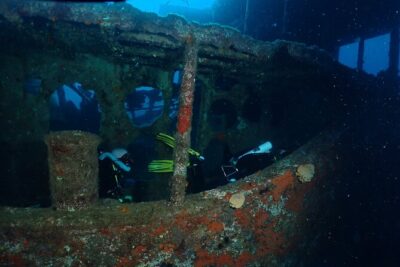
Wreck and Bridge Span Dive for Certified Divers
Read our review →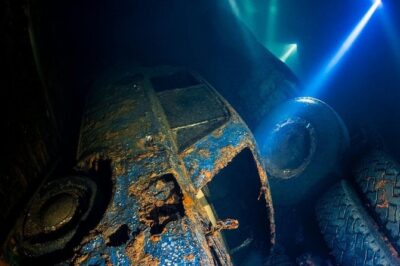
Bali Diving for Beginners: Tulamben Liberty Wreck
Read our review →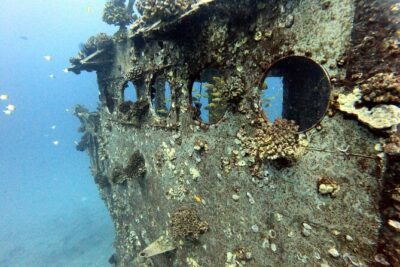
Certified Diver: 2-Tank Deep Wreck and Shallow Reef Dive Off Oahu
Read our review →
Waikiki 2 Tank World Class Wreck SCUBA Diving – Certified Only
Read our review →
Private First-Time Dive on Aruba’s Reef and Wreck Site
Read our review →Tulamben Diving USS Liberty Shipwreck Scuba Dive
Read our review →
Bali Diving Day Trip-Manta Point/Tulamben Shipwreck-Fun Dive
Read our review →Browse the lists this tour appears in