
REVIEW · MAUI
Certified Divers! Scuba dive the Ka’anapali Coast and more!
The best Maui memories can happen close to shore. This two-hour certified scuba session explores the Ka’anapali Coast from Kahekili Beach Park, with a small group capped at six people and experienced guides who know where small reef creatures hide. I like the small-group format, and I like that equipment and government fees are included in the $169 price. The main catch is physical: you must carry heavy gear and manage an ocean entry from shore.
Aloha Maui Diving gets especially high marks for clear briefings, well-maintained equipment, and friendly professionals such as Sarah Sisco and Deborah. The experience can suit confident certified divers very well, but it is not a gentle resort-pool introduction. If you are rusty, nervous in open water, or concerned about carrying at least 40 to 50 pounds, think carefully before booking.
Key points to know before you book
- Kahekili Beach Park is the base: You enter and leave the water from shore at 65 Kai Ala Drive in Lahaina.
- The group is limited to six: That gives the guide more room to watch each diver and adjust the outing to the group.
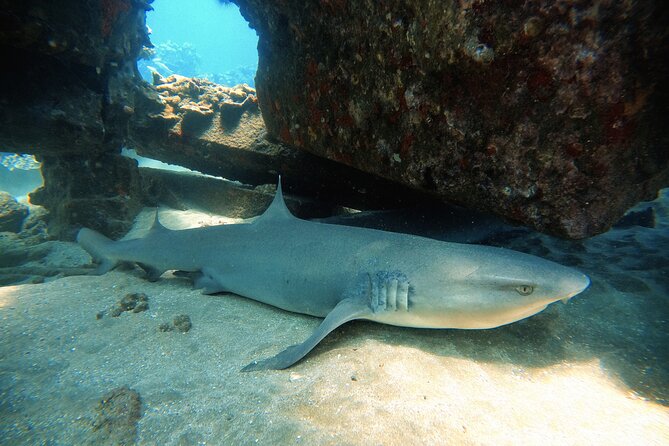
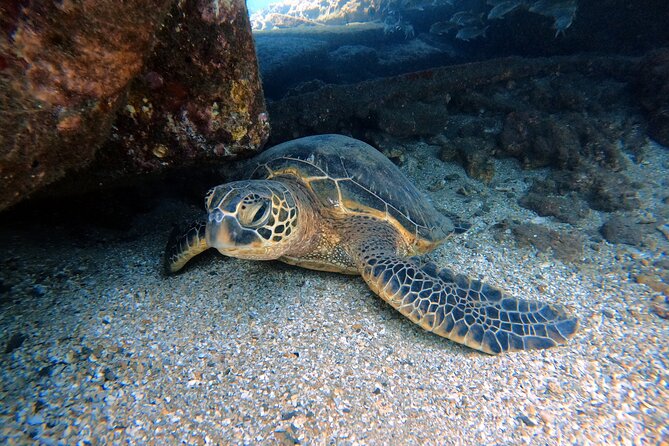
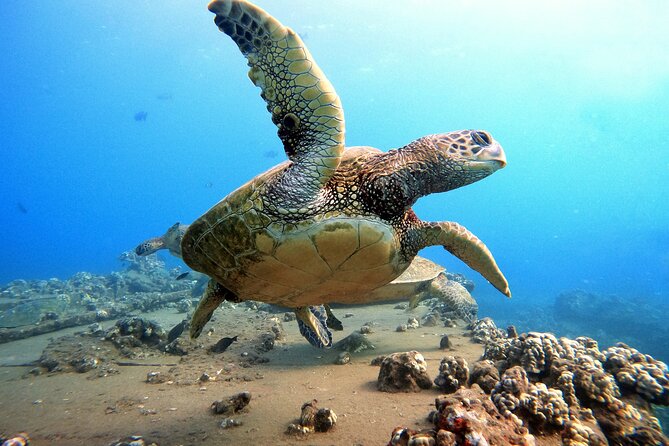
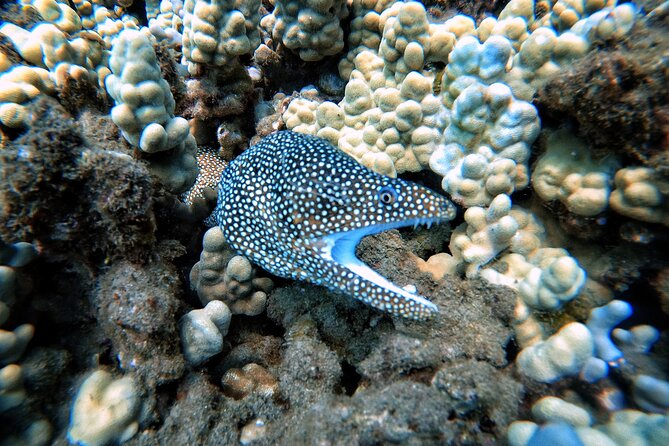
- The marine life list is excellent: Green turtles, octopus, moray eels, white tip reef sharks, spotted eagle rays, frogfish, nudibranchs, reef fish, and seasonal whale song may appear.
- You need current certification proof: If you have not been underwater in the past two years, a refresher is strongly recommended.
- Physical strength matters: The information gives a 40-pound minimum for entering and exiting the water, while the general requirement says you must carry at least 50 pounds. Confirm this point before arrival.
- Plan your post-session day carefully: You must remain below 1,000 feet for 18 hours afterward, ruling out Haleakala, some upcountry visits, helicopter tours, ziplining, and other high-elevation activities.
What this two-hour Maui shore session is really like
This is a compact underwater outing for certified scuba participants, not a boat-based trip to a distant site. You meet at Kahekili Beach Park, receive your equipment and pre-session instructions, then prepare for an entry from the beach or ramp area before exploring the local reef.
The two-hour estimate includes the practical work around the water, so do not assume you will spend the full period underwater. You will need time to check equipment, hear the safety briefing, put on your kit, and make the shore entry. That shorter format is useful if you want to fit scuba into a busy Maui schedule, but it may feel brief if you are hoping for a full morning with several underwater sessions.
The best part of shore scuba is access. You are not dependent on a boat ride, a boat schedule, or a long trip to an offshore site. You also get a close look at a reef that local guides know well. The tradeoff is that you must handle the hardest physical part yourself: getting in and out of the ocean with your equipment.
Aloha Maui Diving keeps the group to no more than six people. That number matters. A guide can pay closer attention to air use, buoyancy, comfort, and spacing than on a large commercial outing. It also gives you a better chance to ask questions before entering the water.
More Dives for Certified Divers in the USA
- 2 Tank Lanai Cathedral Scuba Dive Via Boat for Certified Divers
★ 5.0 · 548 reviews - Small-Group Shark and Turtle Dive for Certified Divers
★ 5.0 · 219 reviews - Maui Certified Shore Diving from Lahaina
★ 5.0 · 107 reviews
Starting at Kahekili Beach Park in Lahaina
Your meeting point is Kahekili Beach Park at 65 Kai Ala Drive in Lahaina. The activity ends at the same location, and private transportation is not included. The park is near public transportation, but you are responsible for getting yourself there with enough time to prepare.
This meeting point places the outing on Maui’s west side, close to the Ka’anapali area. It is practical for anyone staying nearby, but a long drive from another part of the island can make an early appointment less appealing. Check your route and parking plan before booking, especially if you are staying outside West Maui.
The beach setting shapes the whole experience. You will not simply step off a boat into deep water. You must walk or move through the entry zone while wearing or handling your gear, then settle into the water before heading toward the reef.
That is why the physical requirement deserves more attention than it usually gets in a tour description. One note says shore entry and exit require handling at least 40 pounds. Another says all divers must be able to carry a minimum of 50 pounds. Since the two figures differ, ask Aloha Maui Diving which standard applies to your date and equipment setup.
Preparing with Sarah, Deborah, and the Aloha Maui team
The strongest part of this operation is its personal approach. Sarah Sisco is repeatedly praised for calm instruction, positive energy, and careful leadership. She has guided people with very different experience levels, including newer certified participants, highly experienced scuba instructors, and people returning to the sport after many years away.
That range is useful for you. A good guide should not rush a confident participant, but should also notice when someone needs a slower pace or clearer instructions. Sarah’s reputation for patient briefings and spotting creatures that other people miss is a real advantage on a reef where small animals can be easy to overlook.
Deborah is also involved in arranging outings and supporting the operation. She is described as kind, patient, professional, and organized. Brian has also led underwater sessions with the company. The overall impression is of a small local team rather than a large desk-based operation.
You must speak fluent English because the professionals are not guaranteed to offer instruction in another language. That is important for safety, not just convenience. You need to understand the pre-session briefing, entry directions, hand signals, and any change in plans.
Proof of certification is required. Bring your card or accepted certification documentation. The company works with Avelo, SSI, and PADI programs, according to the available information, so ask ahead if you have a less common certification agency or an unusual equipment need.
Equipment, briefings, and the shore entry
Scuba equipment is included, as are government fees. That improves the price, especially if you are visiting Maui without your own full kit. Private transportation is not included, and there is no indication that personal extras such as photos or special rental items are part of the $169 fee.
The equipment and briefing receive strong praise. The operation is described as organized, safety-conscious, and clear about what to expect. One especially practical detail came from a participant who accidentally left regulators behind and was supplied with a quality spare set. That is not a reason to forget your own equipment, but it suggests the team is prepared for ordinary travel mistakes.
Your shore entry is the part to respect. Even a calm ocean can feel demanding when you are carrying a tank, wearing exposure protection, and moving over uneven ground. You must be in good physical health and have a moderate fitness level. If you have concerns, the instructions say to consult your physician before the session.
Do not book this as a way to test if you can handle scuba. If you become unsafe or uncomfortable in the ocean and choose not to continue, you may not complete the activity and no refund will be issued. That policy makes sense from an operator’s point of view, but it means you should be honest about your comfort before paying.
More Dives for Certified Divers in Maui:
- Guided Scuba Dive in Lahaina: Certified
★ 5.0 · 67 reviews - Turtle & Shark Scuba Dive in Lahaina: Certified
★ 5.0 · 60 reviews - Underwater Scooter Dive (Certified Divers Only) Makena Wailea
★ 5.0 · 10 reviews - Maui: Eco-Friendly Conservation Scuba Dive Certified Divers
★ 5.0 · 2 reviews
What you may see along the Ka’anapali Coast reef
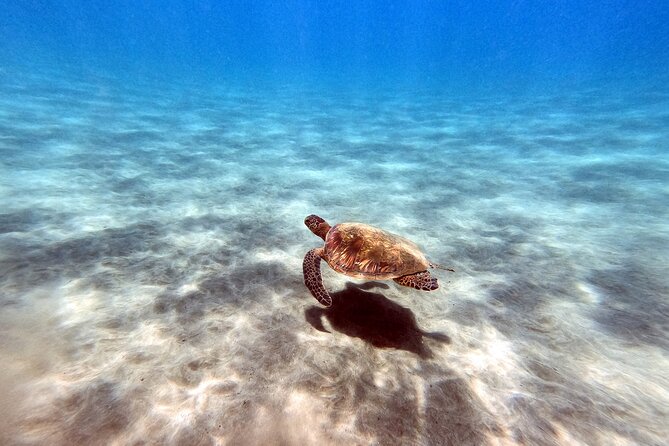
The reef is the main reason to choose this experience. Possible sightings include Hawaiian green turtles, octopus, white tip reef sharks, moray eels, spotted eagle rays, frogfish, nudibranchs, and many reef fish. Whale song may be heard when whales are in season.
That list includes both large animals and tiny subjects. A turtle or ray can make the outing memorable at once, while frogfish and nudibranchs reward slow observation. You will get more from the session if you control your buoyancy, move gently, and let the guide point out shapes and motion you might otherwise miss.
The reef is also a reminder that wildlife sightings are never guaranteed. The experience promises access to a reef and a chance to encounter these animals, not a fixed animal show. You may see a turtle and miss the sharks, or spend the session finding small creatures in coral cracks.
A particularly appealing possibility is the spotted eagle ray. One outing found schools of them along with a leaf scorpionfish and other tropical fish. That kind of encounter shows why a local guide adds value. A guide who knows the site can search in the right places instead of simply leading you along a route.
The description also refers to colorful coral and fish, but you should keep your expectations sensible. Reef conditions, visibility, weather, recent ocean activity, and your own air supply all affect what you see. The guide’s job is to help you enjoy the conditions available that day, not promise a specific animal.
Why shore scuba can be better than a boat trip
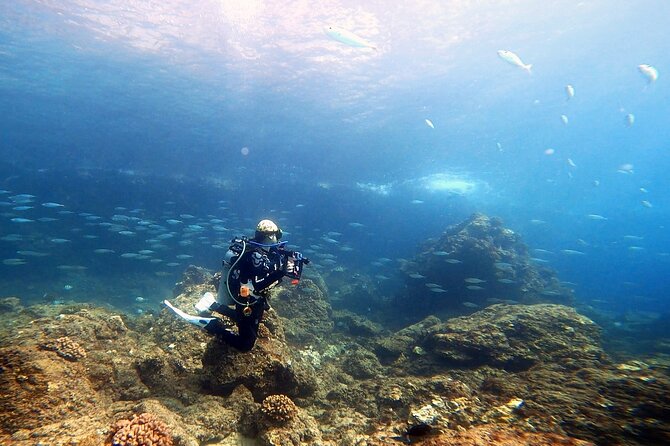
A boat trip usually gives you access to offshore sites and avoids carrying equipment across a beach. This outing offers a different kind of value. You spend less time in transit and more of your limited vacation schedule near the water.
At $169 per person, the price includes the scuba kit and government fees. For a certified participant who needs rental equipment, that is a reasonable package for a small-group session. You are paying not only for time in the water, but also for the guide’s site knowledge, safety management, equipment support, and the convenience of a West Maui meeting point.
Still, compare the format with your goals. If you want two long boat-based sessions, this is not that product. If you want a focused local reef outing and dislike spending part of your morning on a vessel, the price makes more sense.
The maximum of six also supports the value. A cheaper large-group trip might leave you with less personal attention. Here, the smaller group can be especially helpful if your certification is older or you need to rebuild confidence.
Who should book, and who should choose another activity
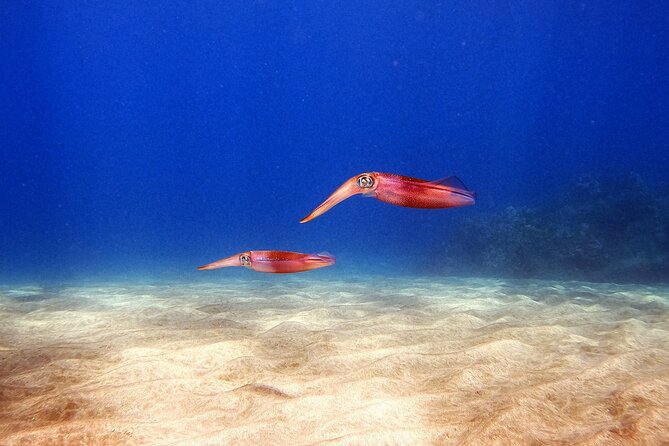
I would recommend this to a certified participant who is comfortable in open water, physically able to handle shore gear, and interested in wildlife rather than a polished resort experience. It is also a good match for people who appreciate careful briefings and a guide who takes time to search for small creatures.
The outing can work for an experienced scuba participant too. One person completed seven sessions with the company and praised the organization, guide support, and site choices. Another experienced Avelo participant enjoyed finding small animals at the Old Airport site and working on better buoyancy and longer bottom time.
It may also suit someone returning to scuba after a long break, but only if that person takes the refresher recommendation seriously. A certification card does not automatically mean you are ready for a shore entry in unfamiliar water after years away.
I would not choose this if you are uneasy about the sea, unable to carry the required load, or hoping for a no-effort introduction. You also need to communicate comfortably in English and accept that an early exit caused by discomfort may not qualify for a refund.
Plan the rest of your Maui day around the 18-hour rule
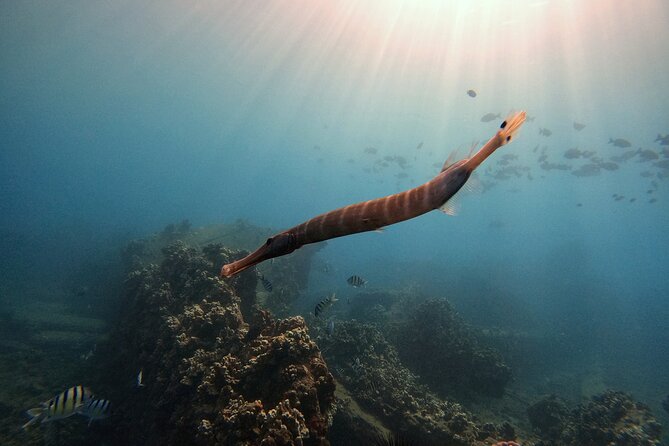
The post-session restriction is easy to overlook. After scuba, you must stay below 1,000 feet for 18 hours. That rules out Mt. Haleakala, certain hikes, helicopter tours, paragliding, ziplining, and upcountry towns such as Kula and Makawao during that window.
Build your schedule around this rule rather than trying to squeeze in a high-elevation attraction afterward. Beach time, low-elevation sightseeing, and a relaxed meal are more suitable choices. If Haleakala is a major part of your Maui plan, schedule it before the scuba session or leave enough time afterward.
This is also why a two-hour outing may affect more than two hours of your itinerary. The actual activity is short, but your transportation, preparation, recovery, and altitude planning require a larger block of the day.
Booking, weather, and cancellation details
The experience is commonly reserved about 13 days ahead, so booking roughly two weeks early is sensible if your Maui schedule is fixed. Confirmation arrives at booking, and the mobile ticket makes it easy to keep the details on your phone.
You can cancel for a full refund up to 24 hours before the local start time. Changes or cancellations inside that 24-hour window are not accepted for a refund. Bad weather can also stop the outing, in which case you are offered another date or a full refund.
The activity requires a minimum number of participants. If that minimum is not reached and the company cancels, you can choose another date or experience, or receive a full refund. Keep that possibility in mind when planning a tightly packed itinerary.
Is Aloha Maui Diving worth booking?
Yes, if you are a certified scuba participant who wants a small, locally guided reef session and can manage the shore entry. The strongest reasons to book are the six-person maximum, included equipment, careful briefings, and guides such as Sarah Sisco, whose patience and sharp eye for marine life earn special praise.
I would hesitate only if your fitness or water confidence is uncertain. Clarify the 40-pound versus 50-pound equipment requirement, bring certification proof, and take the two-year refresher advice seriously. If those conditions fit you, $169 is a fair price for a focused West Maui underwater outing with a real chance of seeing turtles, rays, octopus, and small reef creatures.
FAQ
Where does the scuba session begin and end?
It begins at Kahekili Beach Park, 65 Kai Ala Drive, Lahaina, Hawaii 96761. The activity ends back at the same meeting point.
How long does the experience last?
The estimated duration is about two hours. This includes preparation, safety instructions, equipment handling, the shore entry, and the underwater portion.
Is scuba equipment included?
Yes. Scuba equipment and government fees are included in the price. Private transportation is not included.
Do I need to be certified?
Yes. Participants must bring proof of scuba certification. A refresher is strongly recommended if you have not been underwater within the past two years.
How fit do I need to be?
You should have a moderate fitness level and be in good physical health. The information says shore entry and exit require handling at least 40 pounds, while the general requirement says you must carry at least 50 pounds. Confirm the exact requirement with the operator before booking.
Can I visit Haleakala after the session?
No. You must remain below 1,000 feet for 18 hours after the scuba session. That includes avoiding Haleakala, certain hikes, Kula, Makawao, helicopter tours, paragliding, and ziplining during that period.
New dives around Maui
- Underwater Scooter Dive (Certified Divers Only) Makena Wailea★ 5.0 · 10 reviews
- South Maui Discover Scuba Dive★ 5.0 · 46 reviews
- Scuba Diving in Maui with No Experience Needed★ 5.0 · 56 reviews
- 3-Tank Dive Featuring the Molokini Crater★ 5.0 · 5 reviews
- Private and Personalized Scuba Diving Adventures for All Experience Levels★ 5.0 · 62 reviews
- PADI Scuba Lesson and Shore Dive in Maui★ 5.0 · 46 reviews
- Guided Scuba Dive in Lahaina: Certified★ 5.0 · 67 reviews
- Turtle & Shark Scuba Dive in Lahaina: Certified★ 5.0 · 60 reviews
Dives for Certified Divers, compared.
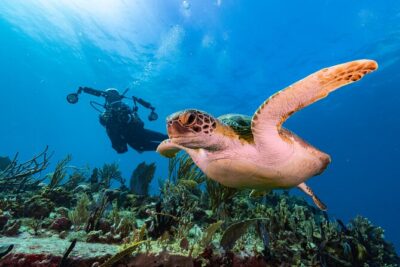
Two-Tank Morning Dive Trip for Certified Divers
Read our review →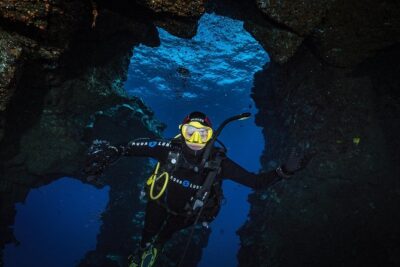
2 Tank Lanai Cathedral Scuba Dive Via Boat for Certified Divers
Read our review →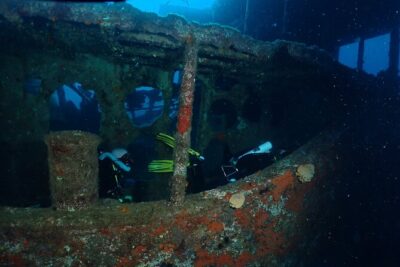
Wreck and Bridge Span Dive for Certified Divers
Read our review →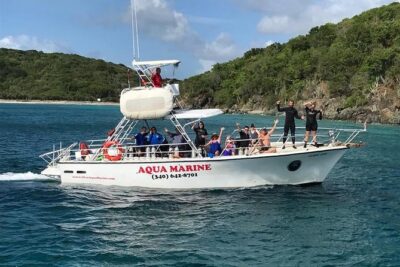
Two-Tank Dive for Certified Diving in St Thomas
Read our review →
Diving for Certified Divers, 2 Tanks Sosúa Bay
Read our review →
Certified Diver: 2-Tank Deep Wreck and Shallow Reef Dive Off Oahu
Read our review →
Certified Diver: 2-Tank Shallow Reef Dives off Oahu
Read our review →
2 Dives in the morning for certified divers in Bora Bora
Read our review →Browse the lists this tour appears in