
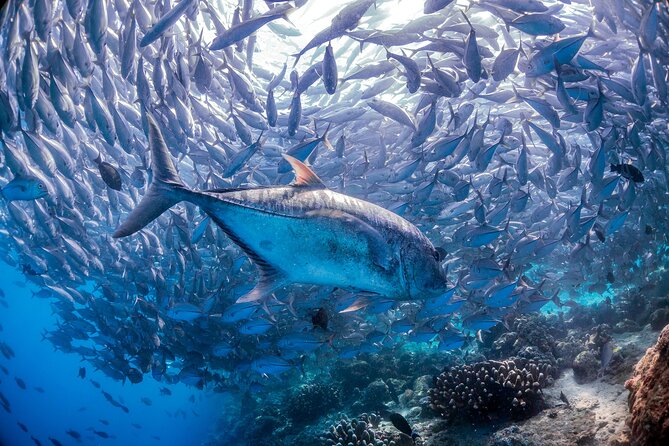
REVIEW · KOTA KINABALU
(3 Days) PADI Open Water Diver Course Kota Kinabalu
Three days can change how you see the sea. This PADI Open Water course gives you a clear path from classroom basics to four supervised underwater sessions near Sapi Island and the Tunku Abdul Rahman Marine Park. I like that the course supplies scuba gear, bottled water, and fresh lunch, so you can focus on learning rather than arranging the practical details.
I also like the small instructor groups, with one instructor teaching no more than four students. The main consideration is the strict cancellation policy: after booking, you cannot receive a refund or change the reservation unless poor weather forces the operator to cancel.
Key points to know before booking
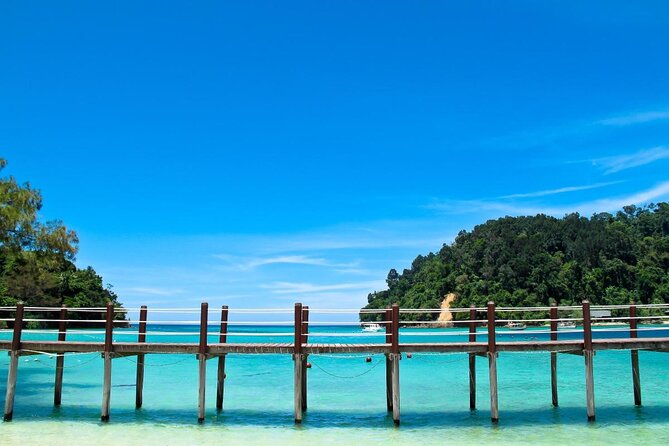
- Three-day PADI course: Study theory on day one, complete two practical sessions on day two, and finish with two more sessions plus the final exam on day three.
- Small teaching groups: Each instructor handles a maximum of four students, giving you a better chance to ask questions and repeat skills.
- Sapi Island access: The training area is about 15 minutes by boat from the city-center jetty, keeping travel time fairly short.
- Everything practical is covered: Scuba equipment, bottled water, lunch, fees, and taxes are included in the listed price.
- A real certification at the finish: Complete all four sessions and pass the exam, then you become a PADI Open Water Diver.
- Plan around the weather: The course needs suitable conditions, and the cancellation terms are firm if you change your mind.
What the three-day course is really like
This is not a casual sightseeing trip with a quick swim added on. It is a proper entry-level scuba qualification, so you should expect lessons, practice, safety work, and an exam. The reward is a certification that gives you a recognized starting point for future scuba activities.
The course begins at Go Aquatic, located at Lot G30 on the ground floor of Wisma Sabah, along Jalan Haji Saman in central Kota Kinabalu. That central location is useful if you are staying in the city and want a meeting point you can reach by public transport. The activity begins at 10:00 am and returns to the same meeting point at the end.
The full program is spread over three days. That spacing matters. You are not being asked to absorb the rules, equipment handling, underwater skills, and final test in one exhausting burst. You get time to process the first lesson before putting it into practice.
More Dive Courses in Malaysia:
- Learn to Dive | RAID Open Water 20 Diver Course | Kota Kinabalu
★ 5.0 · 79 reviews - PADI Advanced Open Water Course Kota Kinabalu
★ 5.0 · 13 reviews - Barcelona: PADI Discover Scuba Diving
★ 4.7 · 1,016 reviews
Day one: classroom work from 10:00 am to 3:45 pm
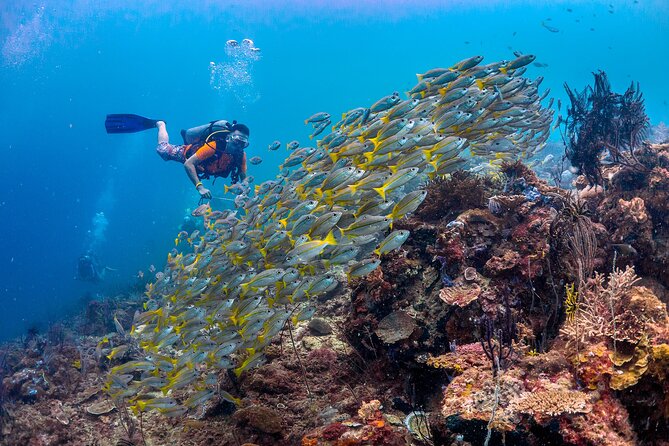
Your first day takes place in the training room, from 10:00 am until 3:45 pm. This is the least glamorous part of the course, but it is where safe scuba habits begin.
You will work through the theory needed for the PADI Open Water qualification. The supplied information does not list every classroom topic, so you should expect a structured training session rather than a free morning followed by a short briefing. The long classroom block prepares you for the practical work on the next two days.
I would treat this day seriously. Pay close attention, take notes if that helps, and ask questions whenever a rule or procedure is unclear. The course is taught in English, and a previous participant specifically praised the English-speaking instructor for being patient and careful about connecting the book material with the actual skills.
Lunch is included each day. On the classroom day, that gives you one less meal to arrange during a long training schedule. The lunch is described as an à la carte meal at an island restaurant, cooked and served fresh, although the exact location of lunch on each day is not specified.
Day two: first practical sessions near Sapi Island
Day two moves from theory to hands-on training. You will travel by boat from the city-center jetty toward the Sapi Island area, which is about 15 minutes away. That short boat ride helps keep the practical schedule focused on learning instead of spending half the day getting to the training site.
The first practical work takes place in confined water near the beach. This is an important step for a first-time student. You can learn how the equipment feels, practice basic skills, and build confidence in a controlled setting before completing your first two Open Water sessions.
Your instructor will guide you through Open Water 1 and Open Water 2. The course description does not provide a minute-by-minute schedule, so the exact length of each session may depend on the group, sea conditions, and how quickly everyone completes the required skills.
The maximum ratio of four students to one instructor is one of the strongest features here. A smaller group should make it easier to get direct corrections and repeat a skill if you need more time. It also gives you a better chance to speak up before a small problem becomes a source of stress.
You will use the provided scuba equipment, so you do not need to arrange tanks, regulators, or other core gear separately. The details of equipment brands and personal sizing are not supplied, so you should ask the operator about fit and any equipment concerns when you confirm your booking.
Bottled drinking water is provided on the boat. The listed allowance is one 500-milliliter bottle, so I would not assume that this covers all your hydration needs for a full day in the sun. You may want to clarify whether additional water is available or bring an appropriate refill option if permitted.
Day three: final two sessions and the exam
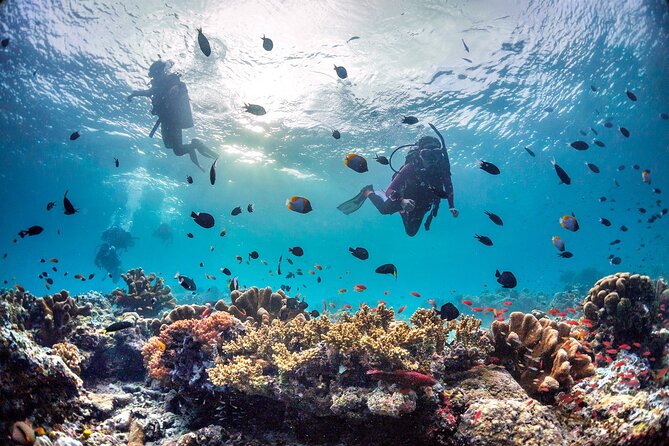
The third day completes the practical requirement. You will take part in Open Water 3 and Open Water 4, then sit the final exam.
This structure is helpful because you finish with four practical sessions rather than a single short introduction. The course is designed to give you repeated practice with the basic skills and procedures introduced in the classroom and on day two.
You should arrive ready to concentrate. By this stage, you will have spent two days learning new material and handling equipment, so tiredness is worth considering. The included lunch helps, but the course is still an active qualification rather than a relaxed island outing.
After all four sessions are complete, you take the final exam. If you pass and meet the course requirements, the instructor certifies you as a new PADI Open Water Diver. The physical license or PADI Diver ID is expected to arrive after a few days, according to the supplied course information.
One participant completed the qualification in three days while a younger brother became sick and could not take part. The participant praised the instructor’s patience, English communication, and attention to practicing the textbook skills safely. That is useful feedback for anyone who feels nervous about learning in a second language or needs an instructor who will not rush the process.
A few more dives around Malaysia worth comparing
- 3-Day PADI Open Water Diving Course in Dubai
★ 5.0 · 173 reviews - Padi open water diver course, become a diver in 3 days
★ 5.0 · 113 reviews - Become certified diver in 3 days – PADI Open Water Diver course on Koh Tao
★ 5.0 · 104 reviews - Hurghada: 3-Day PADI Open Water Diving Course
★ 4.6 · 78 reviews
Sapi Island and the Tunku Abdul Rahman Marine Park
Sapi Island is the main practical setting named for the course. Its location near Kota Kinabalu makes it a practical choice for new students. You get an island setting without committing to a remote, multi-day expedition.
The course also places you within the Tunku Abdul Rahman Marine Park, a group of islands close to Kota Kinabalu. The experience information does not promise particular animals, coral formations, or visibility on a given day, so you should avoid booking it for one specific underwater sight. Conditions can change, and the main purpose is certification training.
That is not a weakness, but it is an important distinction. If you want a relaxed marine-park outing with no classroom work, this is the wrong product. If you want a structured qualification in a convenient setting, the location makes good sense.
The nearby island setting also gives the course a more authentic feel than a purely indoor training program. You are learning in the sea environment where the qualification matters. At the same time, the first practical work begins in confined water near the beach, which gives you a gentler transition from classroom theory to open-water conditions.
Jesselton Point is listed as one of the stops and serves as the city-side access point for the boat operation. The meeting point itself is at Go Aquatic in Wisma Sabah, and the activity ends back there. Do not confuse the training center with the island setting: you begin in central Kota Kinabalu, then travel out for the practical portions.
What the $437.93 price includes
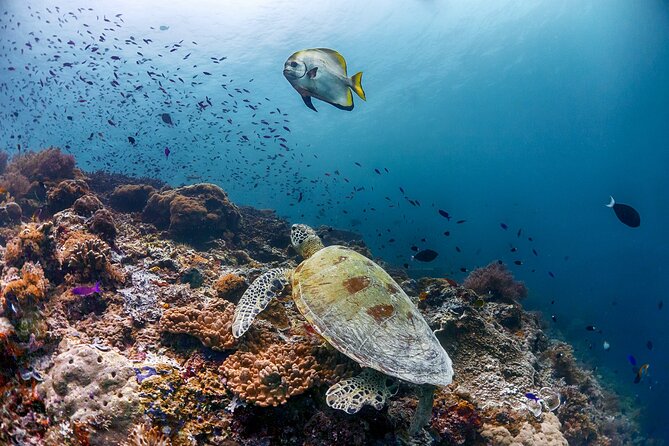
At $437.93 per person, this is not a cheap day trip. It is a three-day professional training course, and the price should be judged against what you would otherwise need to arrange separately.
The package includes:
- Scuba equipment
- Lunch each day
- Bottled drinking water on the boat
- All fees and taxes
- Instruction and the PADI certification process, provided you complete the requirements and pass the exam
The equipment is a major part of the value. Buying or renting scuba equipment separately would add cost and create another task before the course begins. Lunch also saves you from finding food during a tightly scheduled training day.
Still, check the fine print for anything not listed. Hotel pickup and drop-off are not included. Accommodation is not included. A dry towel is not included. You need to get yourself to the Wisma Sabah meeting point and make your own arrangements for the rest of your stay.
The price makes the most sense if you want the certification itself. If you only want to see the marine park once, a standard snorkeling or introductory scuba outing may be a better match. Here, you are paying for formal instruction, repeated practical sessions, equipment use, and the chance to earn a PADI license.
Group size, instruction, and comfort
The tour allows up to 16 participants in total, but the more useful number is the instructor ratio. One instructor teaches a maximum of four students. That does not guarantee a private lesson, but it is a relatively small training group for a shared course.
For a beginner, this can make a real difference. You may have enough time to ask for a demonstration, repeat a task, or explain what feels uncomfortable. The previous participant’s praise for the instructor’s patience reinforces the value of that format.
The course is not recommended for children under 10. The supplied information says most people can participate, but it does not provide a detailed medical, swimming, or fitness checklist. If you have a health concern, ask Go Aquatic directly before paying.
The course is conducted in English. That should be fine if you can follow safety instructions and classroom material in English. If you are uncertain, contact the operator before booking rather than hoping language will not matter once you are in the water.
Timing, transport, and what to bring
The meeting time is 10:00 am at Go Aquatic, Lot G30, Ground Floor, Wisma Sabah, Jalan Haji Saman, Pusat Bandar Kota Kinabalu. The location is near public transportation, which is helpful because hotel transfers are not included.
The first day runs until about 3:45 pm. The practical days do not have full start and finish times in the supplied information, so keep those days flexible. Do not schedule an airport transfer, long-distance bus, or important appointment immediately after the course unless Go Aquatic confirms the timing.
The operator supplies scuba equipment, lunch, and bottled water. You should still plan your personal items carefully. A dry towel is not included, so bring one. You also need to arrange your own transport to the meeting point and your own accommodation in Kota Kinabalu.
The course is weather dependent. If poor conditions force a cancellation, you will be offered a different date or a full refund. Your own cancellation is different: the booking is non-refundable and cannot be changed for any reason. That makes travel insurance or a firm itinerary especially important if your Kota Kinabalu plans are uncertain.
Who will get the most from this course
I would recommend this course to a first-time scuba student who wants a recognized qualification and has three consecutive days available. It suits someone who values instruction, supplied equipment, and a small teaching ratio more than a quick recreational outing.
It is also a good fit if you are staying in central Kota Kinabalu and want to avoid a long transfer to a remote training base. The 15-minute boat trip from the city-center jetty to the Sapi Island area keeps the setting accessible.
You may want to reconsider if you dislike classroom study, cannot commit to all three days, or want complete control over your schedule. The non-refundable terms also make this a poor choice for a highly uncertain itinerary.
A younger participant may not be eligible, since the course is not recommended for anyone under 10. If you have medical concerns or limited English, confirm suitability before booking.
Should you book the Kota Kinabalu PADI course?
Book it if you want a genuine three-day PADI qualification, not just a few hours in the water. The strongest reasons are the maximum four-to-one instructor ratio, included equipment and meals, short access to Sapi Island, and the patient English instruction described by a successful participant.
Skip it if you only want a relaxed marine-park excursion or if your plans could change. The $437.93 price is reasonable for a full certification package, but it is too high for someone who does not intend to complete the course. If you can commit to the schedule and accept the firm cancellation rules, this is a practical way to begin scuba training near Kota Kinabalu.
FAQ
How long does the PADI Open Water course take?
The course takes three days. Day one includes classroom theory from 10:00 am to 3:45 pm. Day two includes Open Water 1 and Open Water 2, and day three includes Open Water 3, Open Water 4, and the final exam.
Where does the course begin?
You meet at Go Aquatic, Lot G30, Ground Floor, Wisma Sabah, Jalan Haji Saman, Pusat Bandar Kota Kinabalu, Sabah.
What time does the course start?
The listed start time is 10:00 am.
Where does the practical training take place?
The practical training begins in confined water near the beach in the Sapi Island area. The area is about 15 minutes from the city-center jetty by boat.
Is scuba equipment included?
Yes. Use of scuba equipment is included in the price.
Is lunch included?
Yes. Lunch is provided each day as an à la carte meal at an island restaurant. It is described as freshly cooked and freshly served.
Is hotel pickup included?
No. Hotel pickup and drop-off are not included. You need to make your own way to the Go Aquatic meeting point.
What happens if bad weather cancels the course?
If poor weather causes the operator to cancel, you will be offered another date or a full refund. The experience itself is non-refundable if you cancel or request an amendment.
New dives around Malaysia
- PADI Advanced Open Water Course Kota Kinabalu★ 5.0 · 13 reviews
- Join us for a RAID Try Dive in Kota Kinabalu★ 5.0 · 27 reviews
- (2 Dives) Discover Scuba Diving Kota Kinabalu★ 5.0 · 9 reviews
- Semporna: Mabul and Kapalai Trip in Snorkel or Dive & Lunch★ 4.2 · 12 reviews
- Semporna: Bohey 3 Islands Hike, Snorkel/Dive Tour with Lunch★ 4.3 · 50 reviews
- Semporna: Explore 3 Islands Tour Snorkel or Dive & Lunch★ 4.4 · 44 reviews
- RAID Try-Dive in Kota Kinabalu, Sabah★ 5.0 · 8 reviews
- Enjoy 3 Fun Dives in Kota Kinabalu | Certified Divers★ 3.7 · 7 reviews
PADI Courses & Certification, compared.
Tossa de Mar: PADI Discovery Scuba Diving in Costa Brava
Read our review →
Full-Day Beginner Scuba Course with Private Tuition, Racha Yai
Read our review →
Beginner Scuba Diving Lesson with PADI Instructor
Read our review →
Discover Scuba Diving with No Certification in St Thomas
Read our review →
Try Dive – PADI Discover Scuba Diving in Tenerife
Read our review →
Browse the lists this tour appears in