
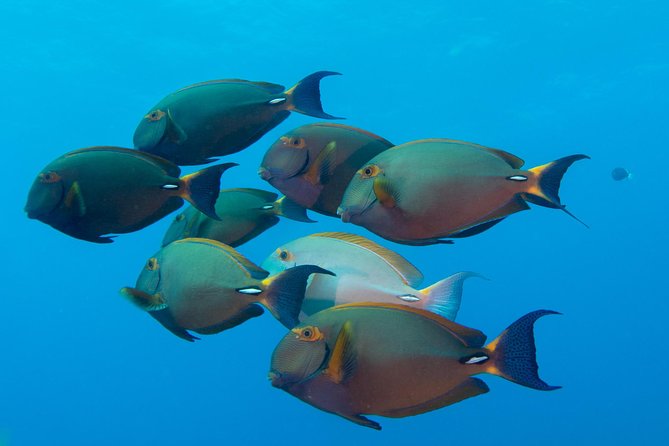
REVIEW · KAUAI
Kauai’s Ultimate Discover Scuba Dive – OCEAN EXPERIENCE (1 Tank Dive)
Scuba can change your Kauai day. This beginner-friendly ocean experience gives you a real introduction to scuba, not just a quick swim with equipment. I like the four-person maximum, which allows close attention, and the calm, patient teaching praised for instructors such as Ally, Alessandra, Logan, Zack, and Benji. The chance to see turtles, morays, octopus, trumpetfish, and schools of tropical fish adds real appeal.
The main consideration is that this is a shore-based introduction, and ocean conditions can feel demanding for a first attempt. You must swim comfortably in open water, equalize your ears, complete a medical questionnaire, and be ready for the session to take longer than the actual underwater time.
Key points to know before you book
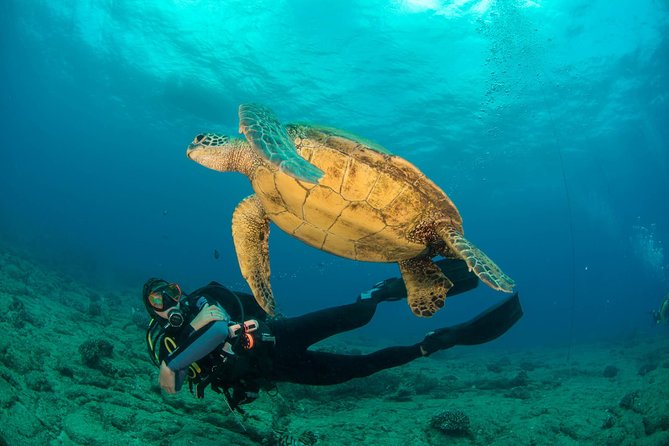
- Beginner training included: You learn the basic rules, safety procedures, and four practical scuba skills before going farther from shore.
- Small group size: No more than four people participate, with direct supervision from a PADI professional.
- Maximum depth of 40 feet: This is a supervised introductory experience, not a certification course.
- Koloa Landing setting: The meeting point is in Poipu, and the water may become deep quickly, with waves or current affecting comfort.
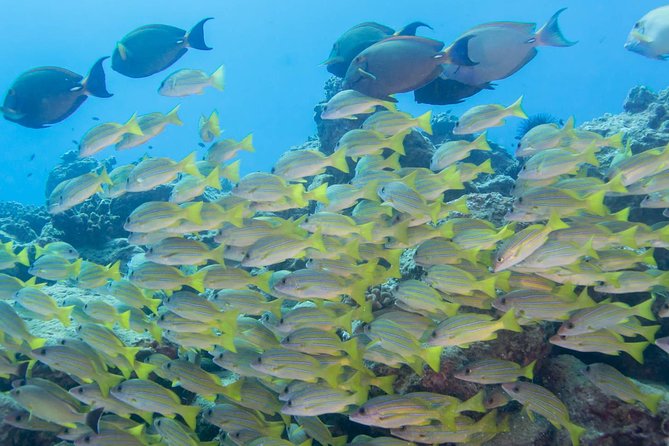
- Wildlife can be excellent: Sea turtles, eels, octopus, trumpetfish, schools of fish, and occasional dolphins have been seen.
- Plan around air travel: You cannot fly within 18 hours after the session.
What this Kauai scuba experience really offers
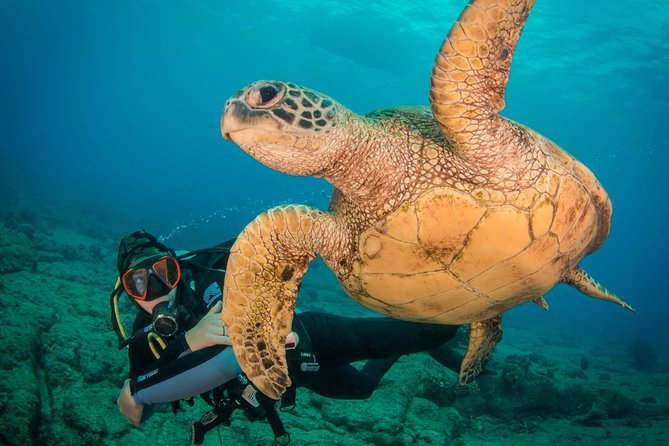
This is a PADI Discover Scuba Diving program for people without certification, or for certified people who want a gentle return after years away. At $186.13 per person, it is not a cheap beach activity, but the price includes equipment, instruction, bottled water, snacks, and a marine ecology and fish identification briefing.
I see the value in the instruction rather than simply the time underwater. You are not handed a mask and tank and sent into the Pacific. You first learn how to use the equipment, how to breathe through the regulator, and how to respond to basic underwater situations. That structure matters, especially when your first instinct may be to stand up, remove the mask, or rush back to shore.
The total appointment takes about two and a half to three hours. That includes preparation, the safety talk, equipment fitting, skill practice, and the ocean portion. For a first-time participant, the underwater section may last only 20 to 30 minutes, though some people can remain down for roughly 40 minutes depending on air use and the rest of the group.
More Discover Scuba Diving in the USA
- 1 Tank Discover Scuba at Koloa Landing with No Experience needed
★ 5.0 · 31 reviews - Try Scuba Diving in Kauai From a Boat: No Experience Necessary
★ 5.0 · 24 reviews - Try Scuba Diving on Kaua’i with Sea Turtles
★ 5.0 · 3 reviews
Arriving at Koloa Landing in Poipu
You meet at Koloa Landing, Poipu, Hawaii. The activity ends at the same point, and the location is near public transportation. You should arrive prepared for a hands-on morning or afternoon rather than a polished boat excursion with a long ride to a reef.
The setting matters. This is a shore entry, and the water can deepen quickly. One person found that intimidating, while another felt the waves and current made the first minutes harder than expected. If you have never used scuba equipment, walking into the ocean with a tank on your back can feel like a bigger step than the brochure suggests.
That does not make the site unsuitable. It means you should be honest about your comfort in open water. If you are a confident swimmer who can listen closely and stay calm, the setting can work well. If you are uneasy around waves, have trouble floating, or dislike having water over your face, snorkeling from a protected beach may be a better choice.
The group limit of four is one of the strongest features. A small group gives the instructor a better chance to watch your breathing, buoyancy, ear comfort, and hand signals. Still, the experience depends on the needs of everyone present. One account described frustration when a participant stopped after entering the water and the whole group returned to shore. Ask the reservations team how the group is handled if one person cannot continue.
The orientation builds confidence before the ocean session
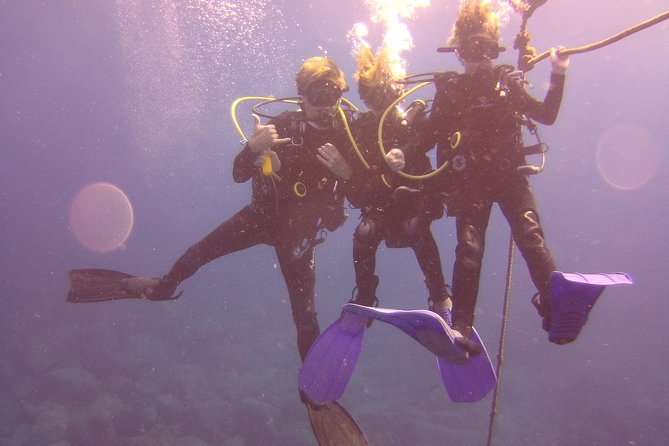
Your first formal step is a detailed briefing on safe scuba practice. The PADI instructor explains the fundamental rules and guidelines, then helps you get familiar with the mask, fins, regulator, tank, and other equipment.
The four basic skills are practiced in shallow water. The purpose is not to test athletic ability. It is to show you how the equipment works and to give the instructor a chance to make sure you can respond safely before proceeding.
This is where the experience can feel slow, but that is a good thing. First-time scuba participants often need time to get used to breathing through the regulator. You may also need several attempts to clear your ears as you descend. One participant could not equalize and had to return to shore, while the instructor calmly helped with the gear and then continued with the rest of the family.
I would not rush this part. If you feel nervous, tell the instructor early. Logan was praised for allowing a nervous participant to hold his arm at the bottom until confidence improved. That sort of patient support can turn a frightening start into a memorable first underwater experience.
At the same time, the preparation may not suit everyone. One family felt that more practice would have helped before entering the ocean. You may prefer extra time breathing through the regulator in very shallow water, and it is sensible to request that if you need it.
Entering the water and managing the first minutes
Once you complete the skills satisfactorily, you may continue under direct supervision. The maximum depth is 40 feet, which is plenty for a first scuba experience. You are not expected to navigate independently, plan a route, or manage a complicated underwater task.
The early minutes are usually about settling into a steady rhythm. Keep your breathing slow, follow the instructor’s signals, and tell the guide if your ears hurt or if the equipment feels wrong. Equalizing is especially important. Never force it, and never assume discomfort will disappear if you descend farther.
The shoreline entry can be the hardest part for some people. Waves, current, and the quick change in depth may make you feel less stable than you expected. A person who has not used scuba equipment before may also spend a large share of the session adjusting to the regulator and buoyancy.
That is why the length of the underwater portion varies. Your tank air, comfort, skill level, and the group’s pace all matter. Someone using air quickly may finish earlier than someone who stays relaxed. The stated two and a half to three hours refers to the whole experience, not three hours below the surface.
More Two-Tank Boat Dives in the USA
- Kauai’s Ultimate South Shore 2 Tank Dive (Certified Divers Only)
★ 5.0 · 190 reviews - Kauai’s Ultimate Scooter Adventure 2 Tank Dive (Advance Certified Divers Only)
★ 5.0 · 26 reviews - Private Niihau Scuba Charter with 2 or 3 Tank Dive Option
★ 5.0 · 3 reviews - 2 Tank Lanai Cathedral Scuba Dive Via Boat for Certified Divers
★ 5.0 · 548 reviews
The marine life makes the effort worthwhile
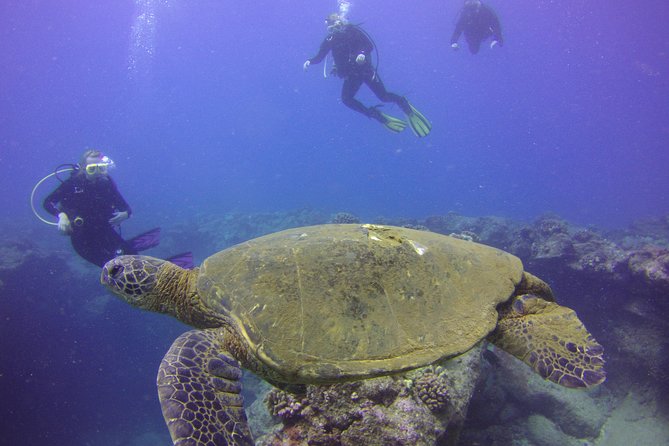
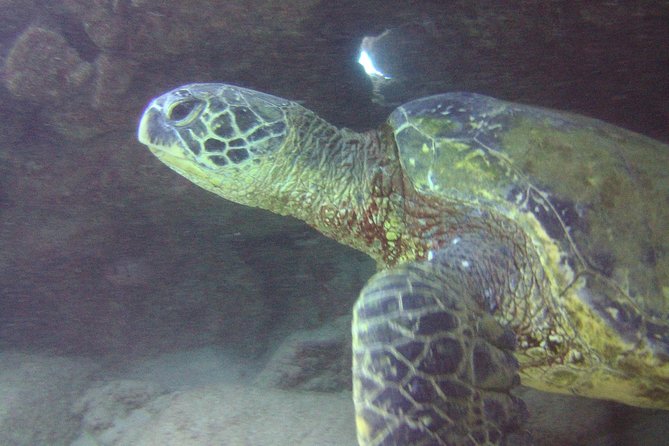
Kauai’s waters can reward you quickly once you relax. Sightings reported during this experience include green sea turtles, morays, octopus, trumpetfish, schools of fish, and many smaller tropical species. Dolphins have also passed nearby, though that is a fortunate encounter rather than something you should expect.
Sea turtles are the most consistent highlight. Several participants described seeing multiple turtles, and one turtle came close enough to study a person before moving away. You should give wildlife plenty of space and let the instructor point out animals rather than chasing them.
The fish identification briefing adds useful context. Instead of simply looking at a blur of color, you get help noticing body shapes, behavior, and the difference between common species. That makes the session more than a mechanical lesson in breathing underwater.
Still, keep your expectations sensible. This is not a boat trip to a distant reef with guaranteed clear water or a huge variety of coral. One person expected a more dramatic offshore setting and felt the shore site did not match the images they had seen. Another found good wildlife but said the diversity was better elsewhere.
The honest description is simple: you may see a satisfying mix of Kauai marine life close to shore, but visibility, conditions, and wildlife are variable.
The instructors are the real strength
The strongest part of this experience is the teaching. Ally was praised for being patient, fun, and encouraging. Alessandra helped nervous first-timers feel comfortable. Logan stayed calm when a participant became anxious and offered an arm for support. Zack, Benji, Claire, Dominic, Micah, Avery, Drew, Nathan, Carleigh, and others were also praised for clear instruction and a relaxed manner.
Those details matter because a first scuba session is as much about trust as technique. You want an instructor who watches the whole group, explains a skill in plain language, and does not make you feel embarrassed if you need another attempt.
The small group helps, but it does not guarantee equal attention every second. One person felt that a single instructor struggled to keep track of four inexperienced participants. If your group includes several first-timers, expect the pace to reflect the least comfortable person.
The staff also works with people returning after many years. A group with old PADI certifications received help sorting out their status and completing a refresher session. That makes this suitable not only for complete beginners, but also for people who once had training and want a supervised return.
Who should book this experience
I would consider it a good match for you if:
- You can swim and feel comfortable in open ocean water.
- You want a first scuba experience without committing to a full certification course.
- You are willing to spend time learning skills before seeing marine life.
- You appreciate close supervision and a small group.
- You are comfortable with a shore entry rather than a boat ride.
- You can schedule at least 18 hours before your next flight.
It is less suitable if you cannot swim, dislike open water, or expect a long underwater excursion. It may also be a poor fit if you have a tight travel schedule and cannot allow extra time for medical approval or a slower group pace.
Every participant must complete a medical questionnaire. Certain answers or medications may require clearance from a doctor, and the medical review can prevent you from participating. Complete the form as soon as possible, not the day before. Some people have needed medical approval for conditions such as migraine history, and a late discovery can leave too little time to arrange it.
You must also weigh under 300 pounds to participate. The activity requires a moderate level of physical fitness.
Is $186.13 a fair price?
At first glance, $186.13 is a lot for a roughly three-hour activity. The value improves when you count the equipment rental, professional instruction, supervised skill work, fish briefing, water, and snack. You are paying for a controlled introduction, not just access to the ocean.
The price feels strongest when the session works as intended: a calm instructor, a small group, cooperative conditions, and enough comfort to reach the wildlife. It feels weaker if you spend most of the time on shore or cannot equalize. That is not necessarily a failure of the staff, but it is a risk you should understand before booking.
The 94 percent recommendation rate and 4.8 rating indicate strong overall satisfaction, with safety and instructor patience receiving the most consistent praise. The less favorable experiences focus on site expectations, ocean comfort, group management, and medical paperwork.
Cancellation terms are strict close to departure. You can receive a full refund if you cancel at least 24 hours ahead, but cancellations or changes within 24 hours are not refunded. Poor weather or failure to reach the minimum number of participants can lead to another date or a full refund.
Plan your day around safety, not speed
Do not schedule this immediately before a flight. The operator requires at least 18 hours between the session and flying. That rule can disrupt a short Kauai visit, so place the activity early enough in your itinerary.
Allow the full three-hour window. You may need extra time for forms, equipment, ear equalization, or a nervous partner. Bring patience rather than a packed schedule.
The included snack and bottled water are small touches, but they help after handling equipment and spending time in the ocean. You should also pay attention during the ecology briefing. Knowing what you are looking at makes the underwater portion more rewarding.
Should you book it?
Book this experience if you want a carefully supervised first taste of scuba and you meet the swimming, medical, and scheduling requirements. The instructors appear to be the star of the program, and the small groups give you a fair chance to receive personal help. Sea turtles and other marine life can make the effort special.
I would skip it if you want a guaranteed offshore reef, a long underwater session, or a very calm entry with no current. In that case, look for a boat-based program or stick with snorkeling. For the right person, though, Koloa Landing offers a practical and memorable introduction, with enough structure to help you decide if full certification belongs in your future.
FAQ
Where does the experience begin?
It begins at Koloa Landing, Poipu, HI 96756, USA.
Where does the activity end?
The experience ends back at the meeting point at Koloa Landing.
How long does the full experience take?
The complete process takes approximately two and a half to three hours, from arrival through departure.
Is this suitable for people without scuba certification?
Yes. First-time participants follow the PADI Discover Scuba Diving program, which teaches basic safety rules and four scuba skills before the ocean session.
How deep can participants go?
Participants may reach a maximum depth of 40 feet under the direct supervision of a PADI instructor.
How many people can join one session?
The maximum group size is four participants.
Do I need to know how to swim?
Yes. Participants must be able to swim and feel comfortable in the open ocean.
Is scuba equipment provided?
Yes. Scuba equipment is included in the price.
Can I fly after the experience?
You must wait at least 18 hours after the session before flying.
What happens if weather cancels the activity?
If poor weather causes cancellation, you will be offered another date or a full refund. If the minimum number of participants is not reached, you will also be offered another date, another experience, or a full refund.
More First-Time Dives in Kauai
- Discover Scuba Diving
★ 5.0 · 1,676 reviews - Barcelona: PADI Discover Scuba Diving
★ 4.7 · 1,016 reviews - Discover Diving in Curacao
★ 5.0 · 886 reviews - Mallorca: Discover Scuba Diving for Beginners
★ 4.7 · 805 reviews
More Two-Tank Boat Dives in Kauai
- Two-Tank Morning Dive Trip for Certified Divers
★ 5.0 · 602 reviews - Two-Tank Dive for Certified Diving in St Thomas
★ 5.0 · 456 reviews - Certified Diver: 2-Tank Deep Wreck and Shallow Reef Dive Off Oahu
★ 5.0 · 331 reviews - Certified Diver: 2-Tank Shallow Reef Dives off Oahu
★ 5.0 · 278 reviews
New dives around Kauai
- Scuba Dive at Ni’ihau (Forbidden island)★ 5.0 · 36 reviews
- Kauai Scuba Diving for Beginners★ 5.0 · 36 reviews
- Private Niihau Scuba Charter with 2 or 3 Tank Dive Option★ 5.0 · 3 reviews
- 2 Tanks Scuba Dive Kaua’i from a Boat★ 5.0 · 16 reviews
- Kauai’s Ultimate Scooter Adventure 2 Tank Dive (Advance Certified Divers Only)★ 5.0 · 26 reviews
- Premium Afternoon Scuba Charter for All Certified Diver Levels★ 5.0 · 24 reviews
- One Tank Scuba Diving in Kauai South Shore Certified Diver Only★ 4.5 · 14 reviews
- Try Scuba Diving in Kauai From a Boat: No Experience Necessary★ 5.0 · 24 reviews
Two-Tank Boat Dives, compared.
Two-Tank Morning Dive Trip for Certified Divers
Read our review →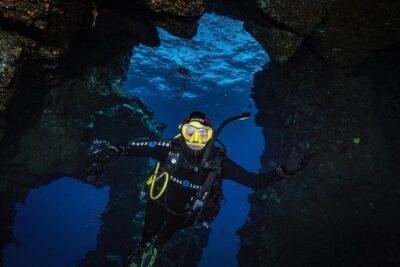
2 Tank Lanai Cathedral Scuba Dive Via Boat for Certified Divers
Read our review →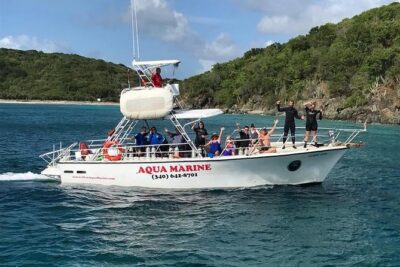
Two-Tank Dive for Certified Diving in St Thomas
Read our review →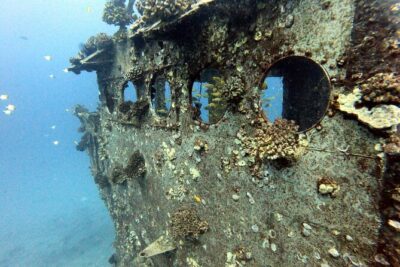
Certified Diver: 2-Tank Deep Wreck and Shallow Reef Dive Off Oahu
Read our review →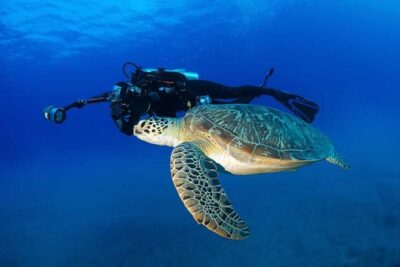
Certified Diver: 2-Tank Shallow Reef Dives off Oahu
Read our review →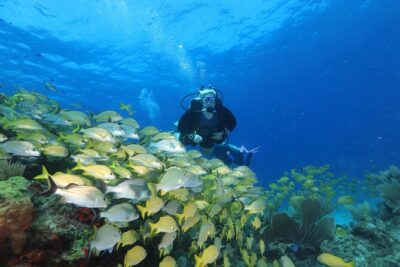
Two Tanks Scuba Diving for Beginners in Cancun
Read our review →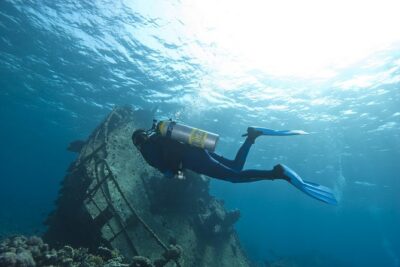
Aruba 2-Tank Dive Excursion for Certified Divers
Read our review →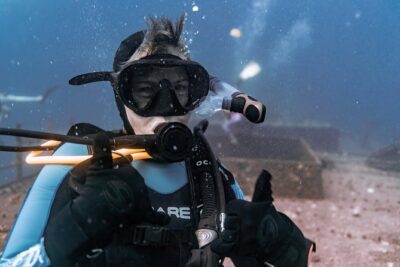
Waikiki 2 Tank World Class Wreck SCUBA Diving – Certified Only
Read our review →Browse the lists this tour appears in