
REVIEW · BONAIRE
Magical Bioluminescent Night Dive
The sea can glitter after sunset. Bonaire’s bioluminescent night swim pairs a short science talk with a carefully timed underwater outing, giving certified divers a rare look at living light in the water. I like the guide’s close attention to current research, and I like that the experience seeks out more than the familiar ostracod flashes. The main catch is that the glow can vary, and one outing found it less dramatic than hoped.
This is a small-group experience, capped at 16 people, with an approximately two-and-a-half-hour schedule. I also like the clear setup: the air tank and underwater light are supplied, while full scuba equipment costs an extra 35 euros per person. Moon timing may matter, so ask about the lunar cycle before you book.
Key points to know before booking
- The experience is for certified divers only: You need scuba certification to participate.
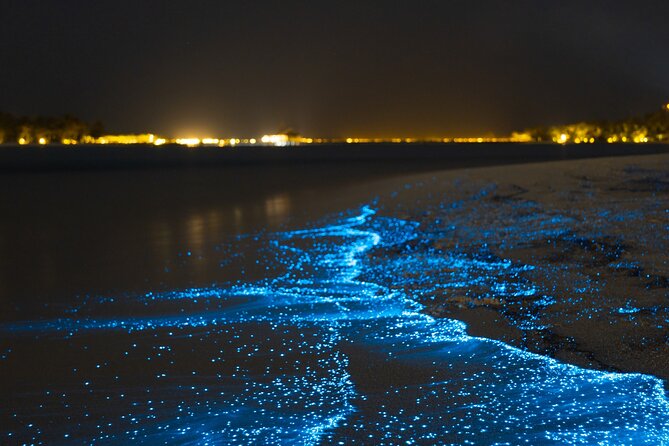
- The glowing effect depends on conditions: One outing found the light subtle, while another described being surrounded by it for an extended time.
- Timing is part of the magic: The group leaves at the right moment after the briefing, rather than simply entering the water whenever convenient.
- The guide follows active research: You get more than a night swim, with a presentation about how bioluminescence works.
- The group stays small: A maximum of 16 people helps keep the briefing and water time manageable.
- The base price is not the final equipment price: At $83.99 per person, the outing includes a tank and light, but scuba equipment adds 35 euros per person.
Why Bonaire’s nighttime water feels different
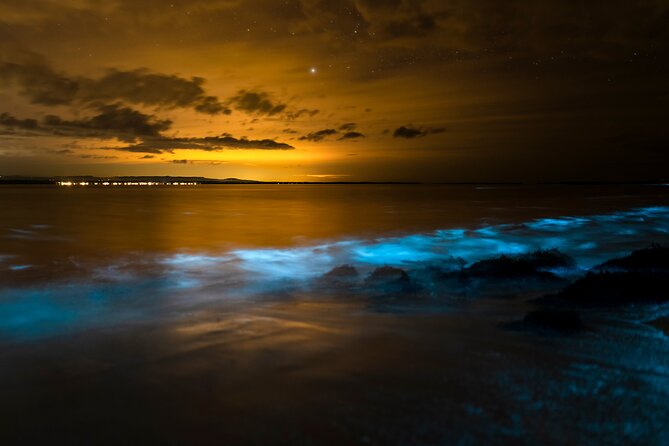
In daylight, you can see where you are going. At night, you rely on a light and your senses. Then, at the right moment, tiny points of living light may flash around you when the water moves. That change in scale is what makes this experience feel so unusual.
Bioluminescence is light produced by living organisms. The presentation helps put the nighttime spectacle into context before you enter the water. That matters because the glowing effect is easy to misunderstand. It is not a fixed underwater light show, and there is no guarantee that every night will look equally bright.
The guide follows ongoing research closely and explains the subject with real enthusiasm. For you, that means the briefing is not just a safety formality. It gives you a better idea of what to watch for and why the water may respond to your movement.
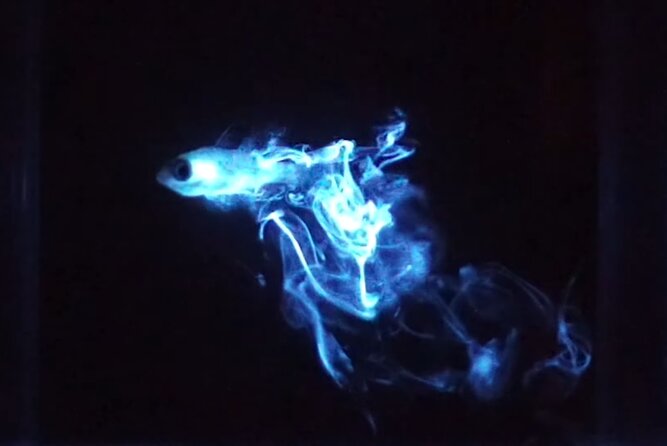
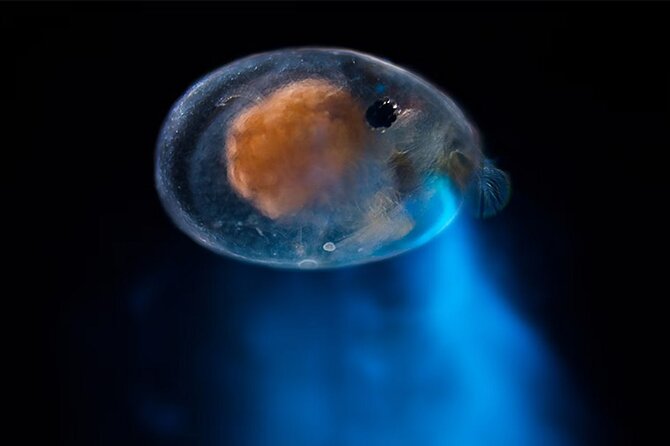
The experience also promises more than ostracod bioluminescence. Ostracods are tiny marine creatures that can produce brief flashes, but the guide looks for additional forms of glowing life. That broader focus gives this outing more substance than a simple attempt to spot one type of organism.
More Night Dives in the world:
- Certified Diver: 2-Tank Night Dive
★ 5.0 · 61 reviews - One Tank Manta Night Dive and Snorkel
★ 5.0 · 56 reviews - Scuba Diving Kata Beach Night Dive for Certified Divers
★ 4.5 · 14 reviews
6:30 p.m. at Amazing Bonaire
The scheduled start time is 6:30 p.m. at Amazing Bonaire, located at 168 Kaya Gob. N. Debrot in Kralendijk. The activity returns to this same meeting point at the end.
Pickup is offered, but the provided details do not specify the pickup area, timing, or vehicle arrangements. Confirm those points when booking if you are staying away from Kralendijk. Otherwise, plan around the stated meeting address.
The start time is important because darkness and marine conditions help determine when the group enters the water. This is not an activity you can treat like a casual daytime appointment. Arriving on time gives you room to handle the briefing, equipment, and final preparations without rushing.
The total duration is about two hours and 30 minutes. That includes the presentation, safety briefing, equipment preparation, and time in the water. You should not read the full duration as two and a half hours underwater. The schedule includes all parts of the experience.
The opening presentation sets the mood
The evening begins with a short presentation about bioluminescence. You learn about the natural phenomenon before trying to see it for yourself.
That order works well. Without context, a flash in the water could be easy to miss or dismiss as a trick of your light. With a basic explanation first, you know what the guide is looking for and why the timing matters.
I would pay attention to the science portion, especially if you are bringing children or friends who are curious about marine life. The outing is designed for certified divers, but it also has an educational side that gives the night purpose beyond novelty.
The presentation may also help set fair expectations. Bioluminescence is not guaranteed to look like a glowing blue river every time. Conditions can change, and the effect may range from subtle sparks to a much stronger display.
Gear preparation and the safety briefing
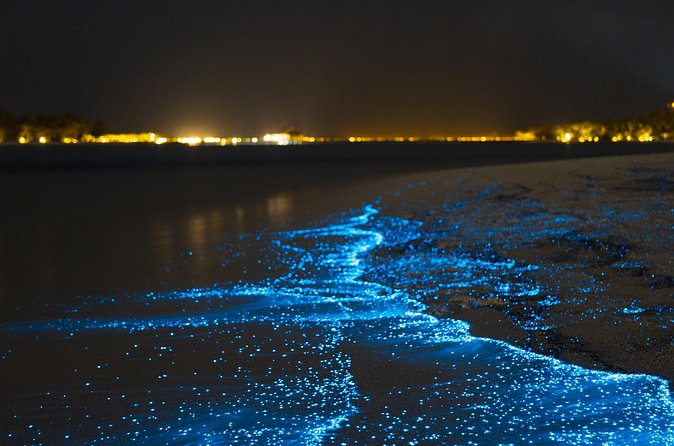
After the presentation, you receive the underwater briefing and assemble the equipment. The guide then prepares the group for the water.
A divelight and air tank are included. Full scuba equipment is not included and costs an additional 35 euros per person. Check exactly what that equipment charge covers before you arrive, particularly if you are not bringing your own kit.
The briefing is especially valuable at night. Your light becomes a key part of communication and orientation, and the guide needs to make sure everyone understands the plan before entering the water. One guest specifically felt comfortable with Jim during the nighttime outing, a useful sign for anyone who wants calm, attentive supervision in low visibility.
The maximum group size is 16 people. That is not an intimate private outing, but it is still limited enough for the guide to manage a shared briefing and keep the group together. If you prefer a one-on-one experience, this is not advertised as private.
A few more dives around the world worth comparing
- 2 Days & 1 Night – 2 Dives in Lembongan/Penida (for certified divers)
★ 5.0 · 76 reviews - 3 Night Ningaloo Reef Snorkel and Dive Getaway from Coral Bay
★ 5.0 · 74 reviews - Aruba Guided Night Dive Adventure: Shallow Reefs or Shipwrecks
★ 5.0 · 12 reviews - Cairns: Pro Dive Great Barrier Reef 3 Day/2 Night Dive Trip
★ 4.5 · 12 reviews
Entering the water at the right moment
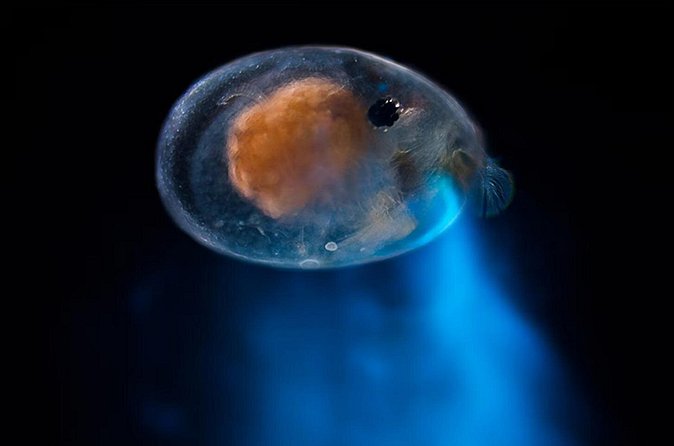
The group does not simply head out as soon as the gear is ready. The guide waits for the right time, then leads the group into the water.
That timing is central to the experience. The point is not just to swim after sunset. It is to enter when darkness and conditions offer the best chance of seeing the glowing organisms. The precise timing also gives the outing a sense of anticipation without turning it into a staged show.
Once you are in the water, the guide looks for more than one type of bioluminescence. Movement may trigger flashes, but the intensity can vary. You might see small points of light, or you might find yourself surrounded by glowing activity for a longer stretch.
This is where the experience becomes difficult to describe in ordinary sightseeing terms. The effect is brief, natural, and dependent on conditions. You cannot photograph the moment with the same ease as a sunset. Your attention belongs in the water.
How strong is the glow?
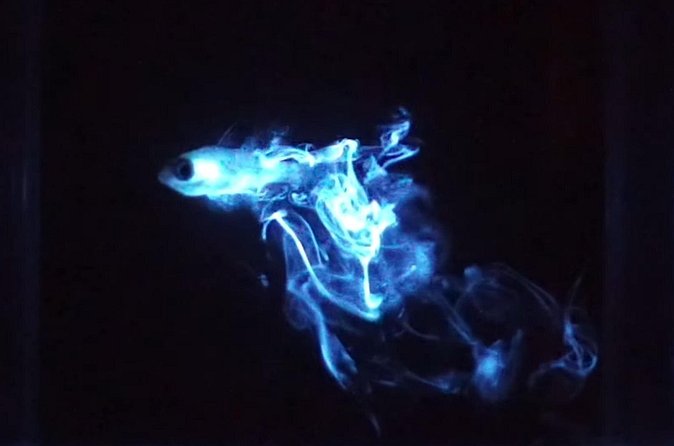
The honest answer is: it varies. One outing found the bioluminescence somewhat underwhelming but still considered it worthwhile and would book again. The same account suggested that timing the experience with the moon cycle could make a difference.
Another account described being surrounded by bioluminescence for an extended period. Those two descriptions are not necessarily in conflict. Natural light levels, water conditions, timing, and the phase of the moon can all affect how clearly you see the organisms.
Ask the operator about the moon before you reserve a date. The provided information does not promise a specific lunar phase, so you should not assume every departure will offer the brightest possible conditions.
I would book this for the chance to see a rare natural event, not for a guaranteed light spectacle. That distinction matters. If you need a predictable, high-impact show, this outing may leave you disappointed. If you enjoy nature that changes from night to night, the uncertainty is part of the appeal.
What the $83.99 price really includes
The listed price is $83.99 per person. For that amount, you receive the guided experience, an air tank, an underwater light, bottled water, and soda or pop.
The tank and light are important inclusions. You are not being charged simply for access to the shoreline and a short explanation. The guide, timing, science presentation, and safety planning are also part of what you are paying for.
However, the 35 euro equipment charge changes the final calculation. If you need the provided scuba equipment, add that amount before comparing this outing with other Bonaire activities. If you bring your own equipment, the base price is easier to assess.
I see the best value for certified divers who already enjoy nighttime underwater activities and want something unusual. The price is less compelling if you are uncertain about night conditions, bioluminescence, or scuba in general. The experience has a specific audience, and the value depends on your interest in that subject.
Group discounts are offered, though the available details do not state the discount amount or minimum group size. Ask for the exact terms if several people in your party plan to attend.
Who will enjoy this most?
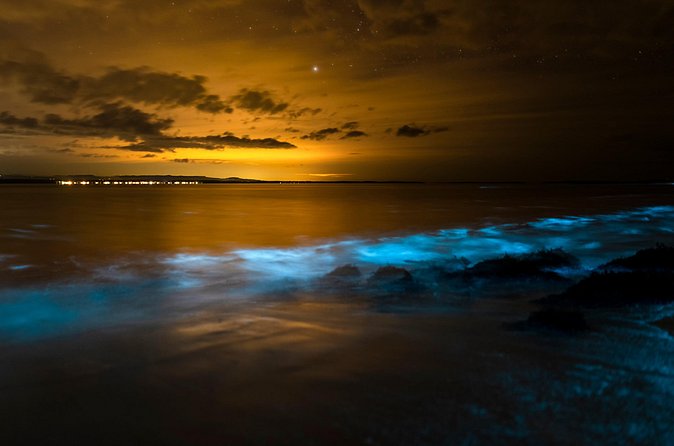
This is best for certified divers who are comfortable following a guide in dark water. You should also be open to a natural event that may be subtle on one night and dramatic on another.
It suits you if you enjoy marine science, unusual nighttime activities, and small moments that are hard to reproduce. The presentation gives the outing more depth, while the actual time in the water supplies the emotional payoff.
It may not suit you if you are not scuba certified. The experience is explicitly limited to certified divers, and there is no indication that a non-diving version is available.
It may also be a poor choice for anyone who wants a guaranteed visual display. The underwater light is included, but it is used to help you see and move safely. It does not create the bioluminescence itself.
Practical details that affect your night
Confirmation arrives when you book. Service animals are allowed, and most people can participate, although scuba certification remains the key requirement.
The activity depends on good weather. If poor weather forces cancellation, you are offered another date or a full refund. This is useful protection for an outdoor activity, but keep some flexibility in your Bonaire schedule if the bioluminescent outing is a priority.
You can cancel for a full refund up to 24 hours before the start time. Cancellations or changes made less than 24 hours ahead are not accepted for a refund. The cutoff uses local time, so check your watch and booking details carefully.
The small-group limit of 16 people helps keep the operation organized. Still, the actual feel of the outing may depend on how many people book your date. The available information does not promise a smaller group, so contact Amazing Bonaire if group size is a major concern.
How to get more from the experience
First, ask about the moon cycle. This is the most useful tip available for improving your odds of seeing strong bioluminescence.
Second, arrive ready for the full schedule, not just the time in the water. The presentation and briefing are part of the experience, and rushing through them would weaken both your preparation and your understanding of what you are seeing.
Third, clarify equipment costs before the evening begins. The base rate includes the tank and light, but not scuba equipment. A quick question at booking avoids an unpleasant surprise.
Fourth, treat Jim’s calm guidance as a model for what you need from a nighttime guide. The strongest personal feedback centered on feeling comfortable in the water with him. That matters more after sunset than flashy narration or a crowded itinerary.
Finally, keep your expectations flexible. You may see only a modest amount of glowing life, or you may find the water lighting up around you. Both outcomes are possible from the information available, and neither is fully under your control.
Should you book the Magical Bioluminescent Night Dive?
Book it if you are a certified diver who wants a rare, science-based nighttime experience and can accept changing natural conditions. The guide’s research focus, the search for more than ostracods, and the possibility of strong bioluminescence make this more interesting than a standard nighttime swim.
Think twice if you need guaranteed brightness, dislike scuba after dark, or are watching every euro. The $83.99 price is reasonable for the guided experience and included tank and light, but the extra 35 euros for scuba equipment should be part of your budget.
My advice is simple: ask about the moon phase, confirm the equipment fee, and leave room in your schedule for weather changes. If the conditions line up, this can be one of Bonaire’s most unusual natural experiences. If they do not, the science and careful guidance still give the evening value, but the glowing effect may be modest.
FAQ
Is this experience suitable for non-certified divers?
No. The experience is only for certified divers.
What time does the activity start?
The scheduled start time is 6:30 p.m.
Where does the activity begin?
It begins at Amazing Bonaire, 168 Kaya Gob. N. Debrot, Kralendijk, Caribbean Netherlands.
Where does the activity end?
The activity ends back at the meeting point.
What is included in the price?
The experience includes soda or pop, bottled water, a divelight, and an air tank.
Is scuba equipment included?
No. Use of scuba equipment costs an additional 35 euros per person.
What happens if bad weather cancels the activity?
You are offered another date or a full refund if poor weather causes cancellation.
New dives around the world
- One Tank Scuba Diving in Kauai South Shore Certified Diver Only★ 4.5 · 14 reviews
- Try Scuba Diving in Kauai From a Boat: No Experience Necessary★ 5.0 · 24 reviews
- Shore Dive with Sea Turtles @ Koloa Landing for Certified Divers★ 5.0 · 10 reviews
- Dive into Spirituality: 6 Days Trek to Gosaikunda Lake★ 4.5 · 3 reviews
- 1 Tank Discover Scuba at Koloa Landing with No Experience needed★ 5.0 · 31 reviews
- Try Scuba Diving on Kaua’i with Sea Turtles★ 5.0 · 3 reviews
- Discover Scuba Diving With Sea Turtles – Xiaoliuqiu, Taiwan★ 5.0 · 3 reviews
- Kenting, Taiwan|Snorkeling Free underwater photography One-on-one with instructor|Taiwan Diving Snorkeling★ 5.0 · 10 reviews
Night Dives, compared.
Scuba Diving Kata Beach Night Dive for Certified Divers
Read our review →
Cairns: Pro Dive Great Barrier Reef 3 Day/2 Night Dive Trip
Read our review →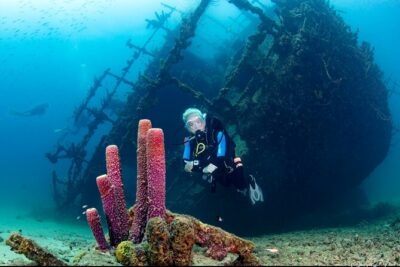
Aruba Guided Night Dive Adventure: Shallow Reefs or Shipwrecks
Read our review →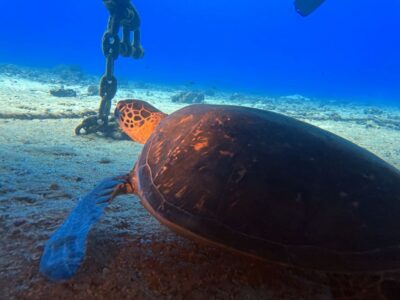
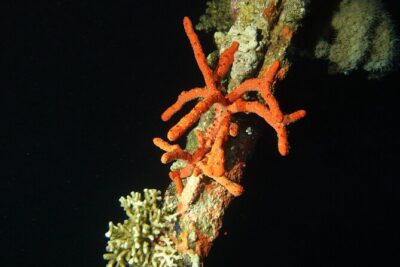
2 Hour Private Night Diving in the Red Sea of Aqaba
Read our review →
Aruba 1-Tank guided UV Night Dive for certified divers with rental equipment
Read our review →Browse the lists this tour appears in