REVIEW · BERMUDA
Hartley Helmet Diving in Bermuda
Bermuda gets wonderfully strange underwater. Hartley’s helmet walk lets you stroll along the sandy sea floor in 11 to 14 feet of water while breathing normally, without learning scuba skills or balancing a snorkel in your mouth. I like the calm, almost dreamlike feeling of walking beside coral and tropical fish, and I like the personal touch provided by Greg Hartley, his son Ben, and their small family operation. The main drawback is time: your 30 to 40 minutes underwater may be separated by long waits while other groups take their turn.
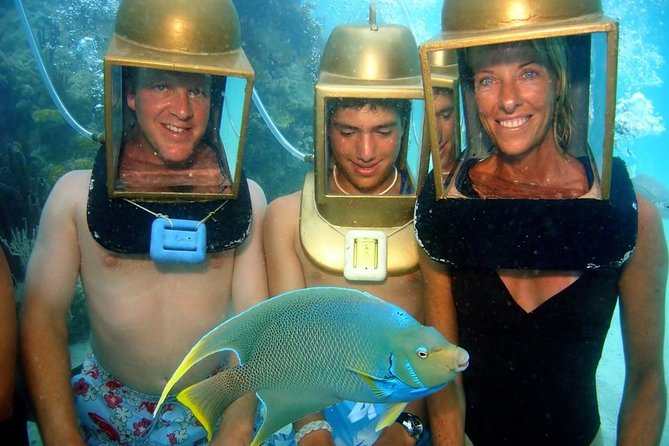
This is also a remarkably approachable way to see reef life. The helmet rests over your head, air flows normally, and a guide leads you by a grab bar. You can meet trained fish such as George the blue-striped grunt and Herb the red-speckled hind, though the close contact with animals will not appeal to everyone. The surface portion can also feel more like a lesson than a carefree boat outing, depending on the guide’s presentation.
The Details That Matter Most
- You walk on the bottom in 11 to 14 feet of water: Expect more kneeling and careful walking than a long free-form stroll.
- The helmet lets you breathe normally: You do not need to swim, tread water, or manage a mouthpiece.
- Greg Hartley guides the underwater visit: Wooden signs and hand signals help you understand what you are seeing because voices do not carry through the helmets.
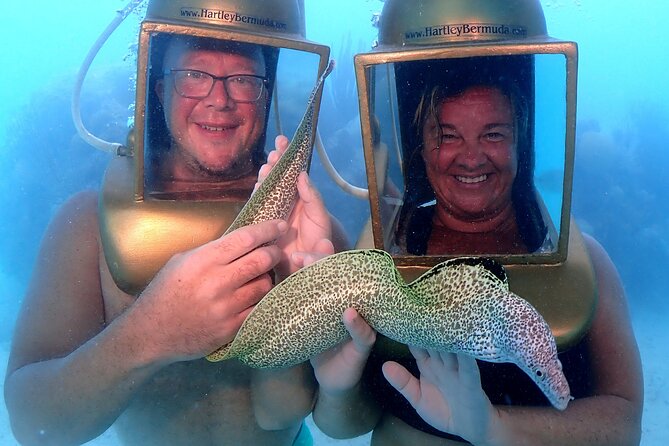
- The fish come remarkably close: Snapper, hogfish, squirrelfish, angelfish, eels, shrimp, and other reef life may appear around the group.
- The full outing lasts about three and a half hours: The actual sea-floor visit lasts only 30 to 40 minutes, with boat travel, instructions, and waiting time included.
- The price is $150 per person: Equipment is included, but photos and a short video cost extra, and hotel transport is not provided.
What Happens at 2 N Arm in Dockyard
You meet at 2 N Arm in Dockyard, a useful location if you arrive by cruise ship or can reach the area by public transport. The activity returns to the same meeting point, so you do not need to arrange a separate pickup after the boat ride.
Allow roughly three to four hours from start to finish. That estimate matters because the underwater portion is short compared with the whole outing. You will spend time getting organized, receiving instructions, traveling to the reef, waiting for other groups, and changing afterward.
The boat has a bathroom, changing room, storage area, shade, and a sundeck. Bring a swimsuit and towel. You can leave clothes and personal items in the available storage area, but I would still keep valuables to a minimum.
The boat description needs a little caution. The experience information describes a glass-bottom boat, while one detailed account says the vessel was not glass-bottom. The safe assumption is that you are booking the helmet walk, not a separate glass-bottom sightseeing cruise. If seeing through the hull matters to you, confirm the boat setup before paying.
A few more dives around the world worth comparing
- Great Barrier Reef Snorkeling and Diving Cruise from Cairns
★ 4.5 · 3,714 reviews - First-Time Scuba Diving in Honolulu + Free Videos
★ 5.0 · 3,123 reviews - Oahu Shark Dive
★ 5.0 · 2,903 reviews
The Short Ride Out to the Reef
The trip out gives the crew time to explain the equipment and the sea life you may encounter. Greg Hartley is the central personality, and the family-run feel is part of the charm. His son Ben and another crew member help with practical matters, making the process feel supported rather than rushed.
The boat can carry up to 21 people. That does not mean you all enter the water together. The underwater portion is usually handled in separate groups, which explains the waiting that some people find frustrating.
You may spend an hour or more watching other groups take their turn. This can be pleasant if you enjoy chatting, asking questions, or sitting in the shade. It can feel inefficient if you expected three full hours of activity.
Pack a little patience and use the waiting time to take in the view from the deck. The boat carries Bermuda water, cold and room-temperature drinks, and Nature Valley granola bars. It is not a full meal, so eat beforehand if you tend to get hungry on boat trips.
Getting Ready for the Helmet Walk
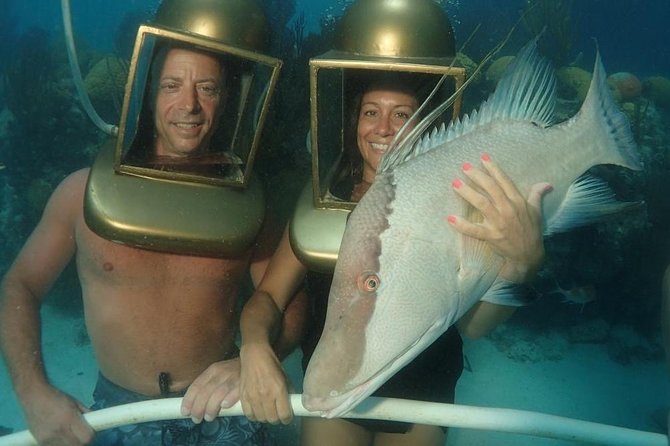
The gear is supplied, including the special helmet and any required equipment. Wetsuits are provided when the water is below 80 degrees Fahrenheit, along with hot chocolate. That seasonal touch is useful because the underwater portion involves slow movement rather than vigorous swimming, so you may feel cooler than expected.
The helmet is the key to the whole activity. It allows you to breathe as usual while your head stays inside a clear air space. You do not need to learn scuba breathing, clear a mask, or keep a snorkel above the surface.
That simplicity makes the experience suitable for people who cannot swim well and for those who find snorkeling awkward. A person weighing 280 pounds reported having no trouble with the activity, and non-swimmers have taken part successfully. Still, you must complete a health questionnaire, and some conditions, including asthma and heart problems, may require approval from your doctor.
The minimum age is five. Children should be comfortable following instructions and wearing the helmet. The crew provides guidance, but this is not a water-play area where children can wander freely.
Walking Beside the Coral
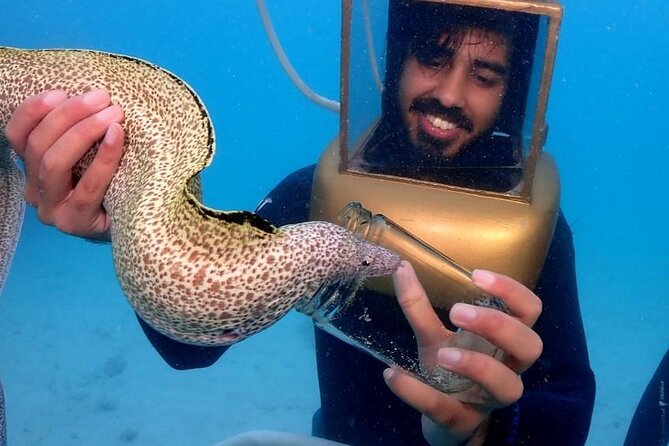
Once your helmet is in place, you climb down a ladder from the boat and reach the sandy bottom. The water is shallow by scuba standards, at about 11 to 14 feet, but you are still fully underwater.
You hold a seven-foot, one-inch PVC grab bar while the guide moves the group along. The wording traipsing around makes the activity sound more athletic than it is. In practice, expect slow steps, kneeling, and pauses while the guide points out fish and coral.
That slow pace is a benefit. You have time to look closely instead of rushing past reef life. You may see snapper, hogfish, squirrelfish, angelfish, parrotfish, shrimp, eels, and different coral forms. The exact sightings vary, but the fish are accustomed to the boat and guide, so some come close enough to inspect.
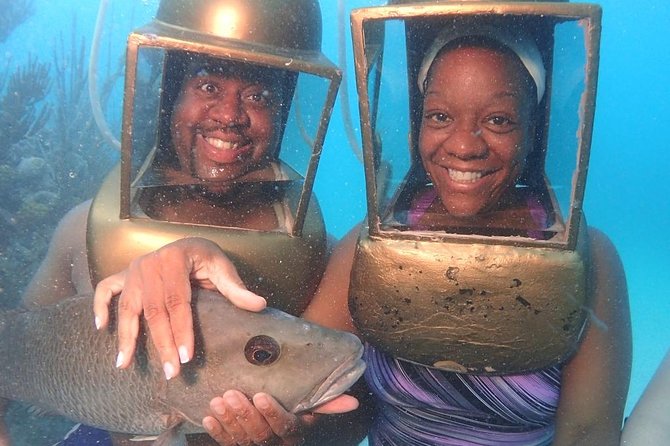
The attraction here is proximity. Snorkeling gives you a broad view from above, while this helmet walk places your face near the reef itself. You can look at the coral from the side, watch fish move around the group, and sometimes touch or gently caress trained fish under the guide’s direction.
The animal interaction is also the part most likely to divide opinion. Some people find it magical to meet named fish such as George, the blue-striped grunt, Herb, the red-speckled hind, and Donald, a snapper that eagerly takes food. Others may prefer a more hands-off approach to wildlife. If animal handling concerns you, ask the crew what contact is planned and choose simply to observe.
Same coastline, a very different dive:
- Silfra: Diving Between Tectonic Plates – Meet on Location
★ 5.0 · 2,139 reviews - Ocean Freedom Great Barrier Reef Luxury Snorkel and Dive Cruise
★ 5.0 · 1,895 reviews - Beginner Scuba Diving with Turtles and Videos, San Juan
★ 5.0 · 1,743 reviews - Tenerife: Your First Scuba Diving Experience in Turtle Area
★ 4.7 · 1,679 reviews
Communicating Without Sound
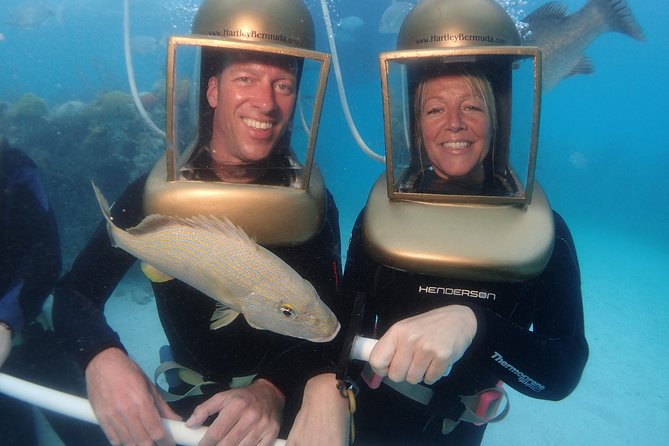
You cannot hold a normal conversation through the helmets. The guide uses hand signals and wooden signs to identify fish, coral, and other sights.
This works well once you understand the system, but it changes the mood. You are not independently roaming over a large area. You are part of a guided route, holding the bar and following the person who knows where the fish gather.
Some people want exactly that structure. It keeps the group together and helps nervous participants feel secure. Others may wish for more freedom to explore the nearby reef. If you prefer independent underwater movement, snorkeling may suit you better.
The guide’s underwater manner receives strong praise for patience and calm instruction. That is important when a helmet feels unfamiliar during the first few minutes. The equipment is designed to make breathing easy, but you still need time to relax and trust the setup.
Photos, Video, and the Extra Cost
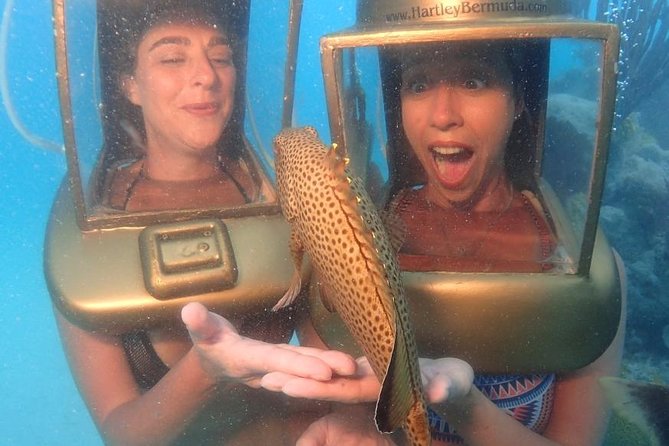
Underwater photographs and a short video are available for an additional charge. The quoted information gives two versions of the price, about $20 per person plus $10 for a thumb drive, or approximately $25 per person. Ask for the current price before the trip.
The extra purchase can be worthwhile here because the best part of the activity is difficult to describe afterward. A group received roughly 50 photos and video clips, and the camera work also brought the guide close to the fish during the underwater session.
You may bring an underwater camera or GoPro, which gives you another option. A personal camera is useful for people who want full control of their images, but remember that the guide’s position and timing can produce shots you cannot easily capture while holding the bar.
If you do not buy the official photos, you may spend some of the underwater time watching the camera work for people who did. That is not a major issue, but it can make the group feel less evenly attended.
The Teaching Style and the Family Feel
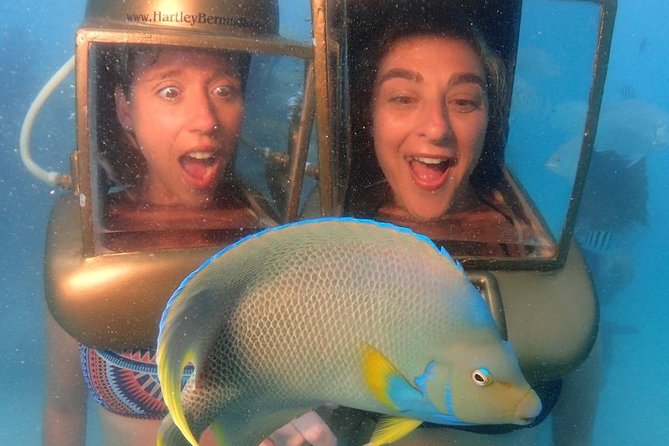
The Hartley operation has been family-run since 1947, and the long experience shows most clearly in the safety routine and the fish handling. The crew explains what to expect, helps people into position, and keeps the group moving at a manageable pace.
Greg Hartley is an unusual character, with a strong personal style. Many people enjoy his humor and his detailed talks about marine life. Others may find the above-water commentary too opinionated or too far from the subject. If you want a polished, scripted cruise narration, this may feel informal.
I would book this for the hands-on teaching rather than for a quiet luxury boat ride. You will learn the names and behavior of reef fish, get close to coral, and have a guide pointing out details you could easily miss alone.
The educational side is especially useful for children and first-time underwater visitors. It turns a simple novelty into a lesson about reef life. The best moments come when the explanation stays focused on the sea.
Is $150 a Fair Price?
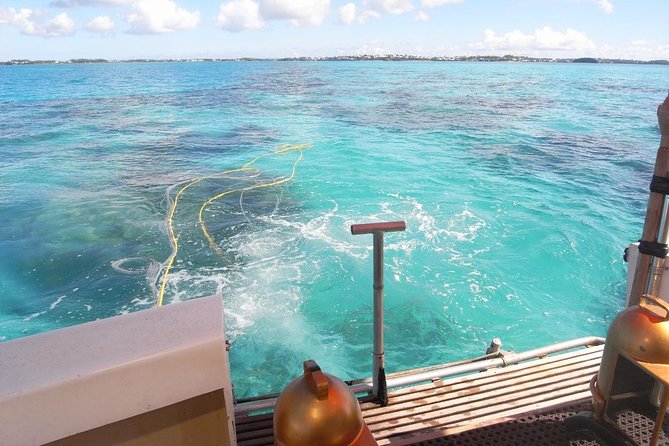
At $150 per person, this is not a cheap way to spend a morning or afternoon in Bermuda. You are paying for a specialized helmet system, boat transport to the reef, crew support, equipment, and a guided underwater visit that most people cannot arrange on their own.
The value depends on what you compare it with. If you already snorkel comfortably, you may get more total water time from a standard snorkeling trip. If you cannot swim, dislike snorkels, or want to stand on the ocean floor, the helmet makes an activity that might otherwise be out of reach.
Remember that the headline price does not include hotel pickup, and photos or video cost extra. Cruise-ship visitors should allow enough time to return to the Dockyard meeting point before the ship’s departure. The tour is close to the cruise area, but you remain responsible for getting there and back.
The free cancellation policy allows a full refund if you cancel at least 24 hours before the start time. Late cancellations are not refunded. Poor weather can cancel the outing, in which case you are offered another date or a full refund. The same applies if the minimum number of participants is not reached, although one cancellation account shows why it is sensible to confirm the status of a lightly booked departure.
Who Will Like This Most?
I would recommend this to you if:
- You cannot swim well but want to see reef life up close.
- Snorkeling makes you uncomfortable.
- You want a memorable family activity with a minimum age of five.
- You enjoy guided nature talks and personal instruction.
- You are happy to spend time on a boat between small underwater groups.
- You like unusual activities more than standard beach time.
I would think twice if you want a long, independent underwater session. The 30 to 40 minutes on the bottom is the heart of the activity, but the full outing includes waiting. I would also look elsewhere if you dislike close contact with trained fish or prefer wildlife viewing without feeding and touching.
Should You Book Hartley’s Helmet Walk?
Yes, if you want Bermuda’s underwater world without learning scuba or becoming a strong swimmer. The easy breathing, shallow water, calm pace, and attentive family crew make this one of the more accessible ways to see coral and fish at close range.
Book it with realistic expectations. You are not getting several hours underwater, and you may wait while other groups take their turns. You may also find the captain’s presentation colorful rather than polished. For me, those tradeoffs are acceptable because the underwater visit is genuinely unusual, the fish come close, and the helmet removes the biggest barrier to seeing the reef.
Choose an earlier departure if your schedule allows, confirm the current photo price, bring a towel, and leave room in your day. If walking the sea floor beside friendly reef fish sounds more appealing than simply floating above them, $150 can buy a memorable piece of Bermuda.
FAQ
Where does the Hartley helmet walk start and finish?
It starts at 2 N Arm in Dockyard, Bermuda, and returns to the same meeting point.
How long does the full activity last?
The full outing takes about three to four hours, with an average duration of approximately three and a half hours.
How long do I spend underwater?
The underwater portion lasts about 30 to 40 minutes.
How deep is the water?
The activity takes place in approximately 11 to 14 feet of water on a sandy bottom.
Do I need to know how to swim or scuba?
The helmet allows you to breathe normally underwater, and the activity is designed as an easier alternative to snorkeling or scuba. Most people can participate, but everyone must complete a health questionnaire.
What equipment is provided?
All equipment is provided. Wetsuits are available when the water is below 80 degrees Fahrenheit. You should bring a bathing suit and towel.
What is the minimum age?
The minimum age is five years old.
Are photos and video included?
No. Underwater photos and a short video are optional extras. The quoted information lists prices of about $20 per person plus a $10 thumb-drive charge, or approximately $25 per person, so confirm the current cost.
Is hotel pickup included?
No. You must arrange your own way to and from the meeting point.
New dives around the world
- Zanzibar: 1 Day Blue Trip with 2 Stunning Scuba Dives★ 4.9 · 4 reviews
- Zanzibar : 3-Day PADI Open Water Scuba Diving Adventure★ 4.9 · 6 reviews
- Zanzibar 1 Day Scuba Diving Course for Beginners with Lunch★ 5.0 · 9 reviews
- Zakynthos: Scuba Diving Experience with Underwater Photos★ 4.5 · 31 reviews
- Your first introductory dive in Lanzarote with FREE photos.★ 4.7 · 16 reviews
- West Palm Beach: Beginner Scuba Diving Adventure with Videos★ 4.8 · 99 reviews
- Oahu: Waikiki Discovery Scuba Diving for Beginners★ 4.8 · 99 reviews
- Visit Cham Islands & Snorkelling & Scuba Diving★ 3.8 · 17 reviews
Scuba Diving, compared.
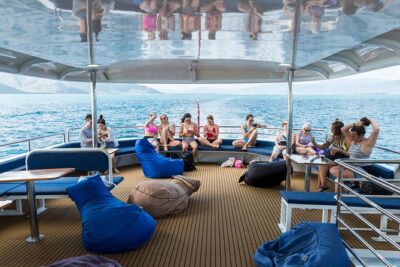
Great Barrier Reef Snorkeling and Diving Cruise from Cairns
Read our review →
First-Time Scuba Diving in Honolulu + Free Videos
Read our review →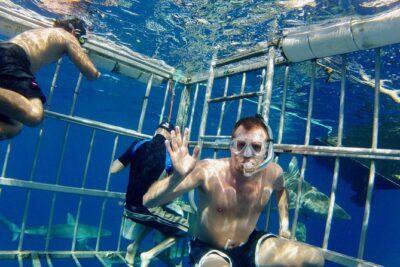
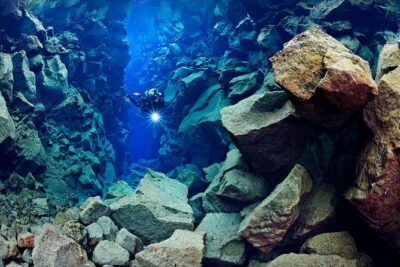
Silfra: Diving Between Tectonic Plates – Meet on Location
Read our review →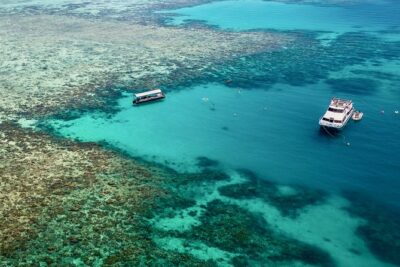
Ocean Freedom Great Barrier Reef Luxury Snorkel and Dive Cruise
Read our review →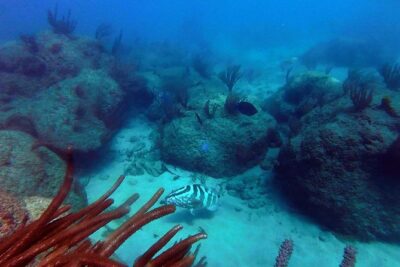
Beginner Scuba Diving with Turtles and Videos, San Juan
Read our review →
Tenerife: Your First Scuba Diving Experience in Turtle Area
Read our review →