
REVIEW · BARCELONA
Discover PADI Diving in Barcelona
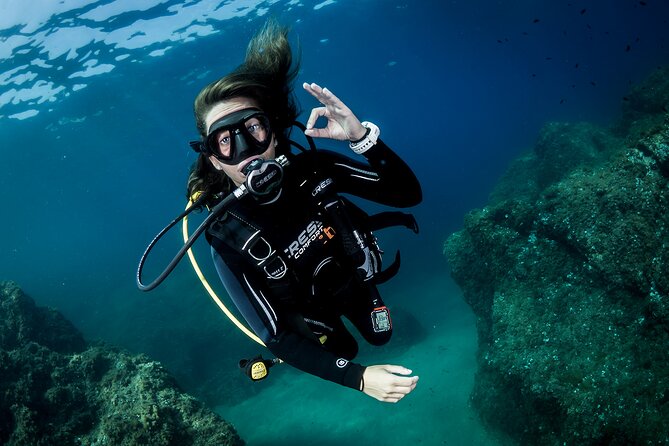
Barcelona has an underwater side. This beginner scuba session gives you a controlled way to try it, with patient instruction, a small group, and about 30 to 40 minutes in the water. I like the calm teaching style praised by guests, especially instructors such as Pau, Julia, Alex, Hugo, and David. I also like that underwater videos are included. The main catch is that this is a protected nearshore area, not a grand open-sea expedition, so marine life and visibility can vary.
You meet at the iDive Barcelona Diving School on Passeig Marítim del Bogatell, close to public transportation. The two-hour activity is built for people with no previous experience, and the maximum group size is six. That makes a real difference when you are trying to breathe through a regulator, control your buoyancy, and remember underwater hand signals all at once.
Expect a safety-first experience rather than a sightseeing cruise. Some people see fish, sea cucumbers, whelks, vegetation, or even an octopus. Others find the water cloudy or see little. The instructors may also hold or guide you if you cannot stay comfortably underwater, which can feel firm but is meant to keep the group safe.
Key points to know before booking
- A genuine first-time session: The first hour covers equipment, breathing, safety, and hand signals before you enter the water.
- Small groups of up to six: You get closer supervision than on a large introductory outing.
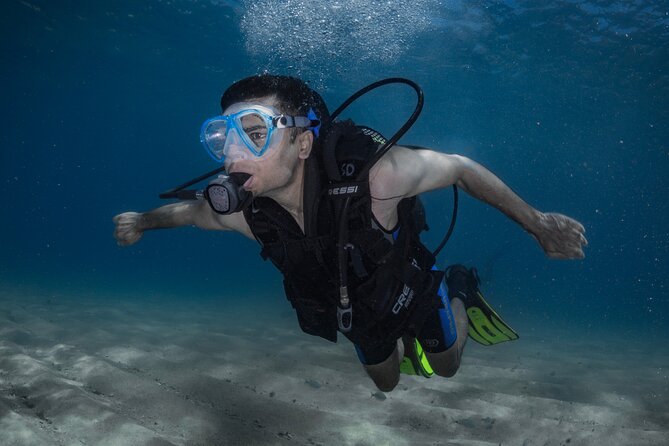
- Around 30 to 40 minutes underwater: The session is short enough for beginners, but long enough to get past the first nervous moments.
- A protected area near Bogatell Beach: You are not sent into busy boat traffic, but the setting can feel more like a sheltered training zone than open sea.
- Videos are included: The team records underwater footage when conditions and safety allow, giving you a keepsake without bringing your own camera.
- Plan around your flight: You cannot fly until at least 12 hours after the activity.
What happens during the two-hour Barcelona session
The schedule is simple, but each stage matters. You should arrive 15 minutes before the stated start time. Late arrivals are not admitted, and there is no refund or rescheduling for missing the start, so build in extra time for reaching the waterfront.
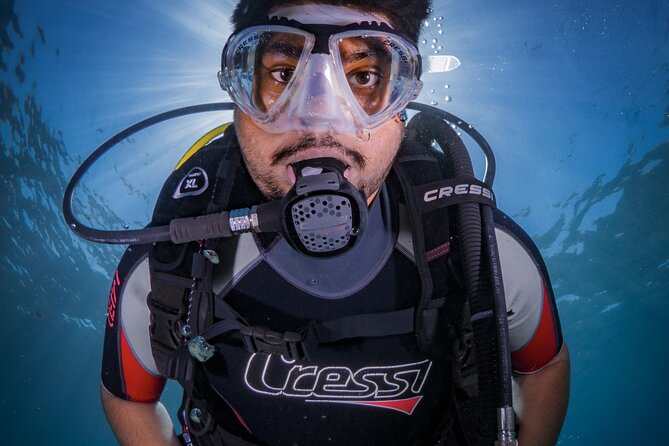
The first hour is preparation. You learn how the mask, regulator, buoyancy vest, and other equipment work. The instructors also explain how to communicate underwater with hand signals. This is not filler. Once your head is below the surface, ordinary speech disappears, so knowing how to signal that you are comfortable, need help, or want to rise is essential.
The instructors are praised for keeping this explanation clear and calm. Pau is singled out for making a first attempt feel safe, while Alex is described as patient and collected. Paul and Hugo are also praised for explaining the equipment, checking in often, and giving beginners time to get oriented.
After the briefing, you suit up and enter the water with an instructor. Getting ready takes some time, so do not expect to arrive and be underwater within minutes. Bring swimwear and a towel. Equipment is supplied, and there is a changing area. The post-activity shower has been described as cool, so do not expect a warm spa rinse.
More PADI Courses in Spain
- Barcelona: PADI Discover Scuba Diving
★ 4.7 · 1,016 reviews - Tossa de Mar: PADI Discovery Scuba Diving in Costa Brava
★ 4.7 · 392 reviews - Try Dive – PADI Discover Scuba Diving in Tenerife
★ 5.0 · 214 reviews
The sheltered water area near Bogatell Beach
The session takes place in a private protected area connected to the sea. This is one of the activity’s biggest strengths for a first attempt. There is no boat traffic in the immediate area, and surface staff keep watch while you are below. If you become anxious, have trouble controlling your buoyancy, or need to return upward, the setting is designed to make that process safer.
The tradeoff is scenery. A few people have found the area too enclosed, comparing it to a pond or a closed pool. That criticism is fair if you arrive expecting Barcelona’s offshore waters and a long route through open Mediterranean scenery. You are following a controlled circuit at shallow depth, reported in one account as around three meters.
For a new scuba participant, this is exactly why the location works. You can focus on breathing and body position without worrying about boats passing overhead. The instructors can stay close, and you can return to the surface without a long journey. I would treat the protected area as a training choice, not as a flaw hidden in the small print.
What you might see below the surface
Marine life is not guaranteed. Conditions change with weather, water movement, and visibility. One outing after rain produced cloudy water but still included fish, sea cucumbers, and whelks. Other accounts describe schools of fish, vegetation, and an octopus close to the group.
That range of experiences is important when deciding how to value the session. The real product is learning to function underwater with an instructor, not a guaranteed wildlife show. If you see plenty of life, it is a welcome bonus. If you see very little, the session can still be worthwhile if your goal is to gain confidence and decide if formal certification appeals to you.
Visibility has been particularly variable. Some people found the water clear enough to enjoy fish and plants. Others saw little and felt disappointed. Weather can affect the water, and the instructors cannot control how much marine life is present on a particular day.
The location also keeps the activity at a beginner-friendly depth. That limits what you can explore, but it reduces the pressure on someone who has never used scuba equipment. One experienced participant found the setting too modest, while another beginner appreciated the chance to build confidence before seeking certification. Your expectations matter greatly here.
The instructors make the biggest difference
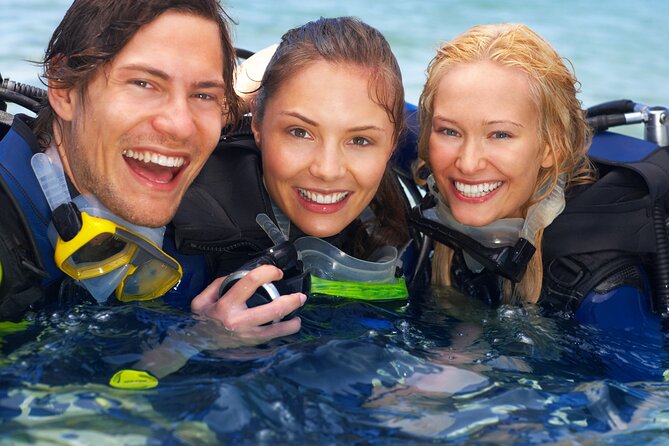
The strongest reason to book is the teaching. People repeatedly praise the staff for patience, kindness, humor, and close attention. Julia is described as especially supportive, stopping or slowing the session when needed. Hugo is praised for giving a nervous beginner time to adjust and for pointing out interesting things underwater.
Several instructors are mentioned by name, including Pau, Paul, Julia, Alex, Hugo, David, Christian, Lucas, and Oscar. The experience appears to rely on a team approach rather than one fixed guide, so the instructor assigned to you may vary. Some staff can communicate in several languages, which can help if you are nervous about understanding the briefing.
The small maximum group of six matters here. Underwater, beginners often need more help with breathing, balance, or clearing a mask than they expect. A close instructor can make small corrections early, before panic grows. You should also understand the other side: the instructor may take hold of your buoyancy vest or guide your body if you are not staying safely below the surface.
That can feel uncomfortable if you expected complete independence. One account described a firm interaction when a participant wanted to rise quickly. The operator’s explanation was that the instructor was controlling the ascent and protecting the less experienced member of the group. I would follow the guide’s instructions closely and ask questions during the briefing if you are concerned about being physically guided.
More Dive Courses in Spain:
- Tossa de Mar Scuba Diving PADI
★ 5.0 · 175 reviews - Ibiza: PADI Discover Scuba Diving & Snorkeling Boat Trip
★ 4.6 · 154 reviews - Gran Canaria:Live an Adventure and Learn to Dive with Expert
★ 4.7 · 109 reviews - PADI Open Water Diver Course (OWD) – 2.5 days
★ 5.0 · 98 reviews
Safety comes before photographs
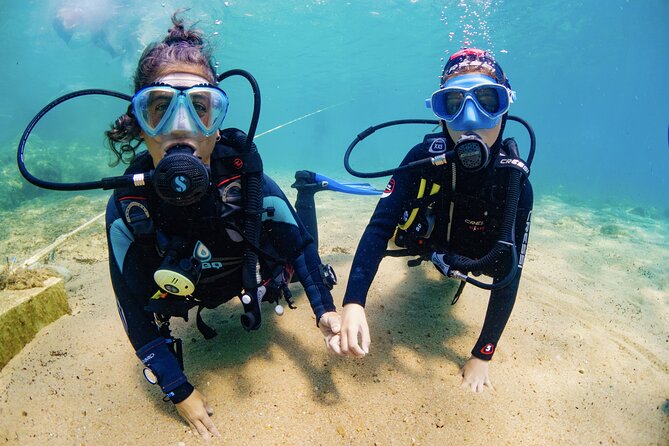
The underwater video is a nice extra, but it comes second to safety. The staff record footage when they can, and the activity price includes souvenir videos. You do not need to bring a waterproof camera.
Still, footage is not guaranteed to be perfect. One person received only a very short, unusable clip when the camera malfunctioned. Another person said photos were taken but never received. These appear to be exceptions rather than the intended service, but you should book for the experience itself, not for a polished personal film.
The same rule applies while you are underwater. If the instructor needs to stabilize you, correct your buoyancy, or end the session because you are cold, the camera will not be the priority. That is especially important for children, who can become cold quickly. One family’s session was ended when a child began shivering, even though the activity had not reached its planned length.
Who will get the best value from the $83.27 price
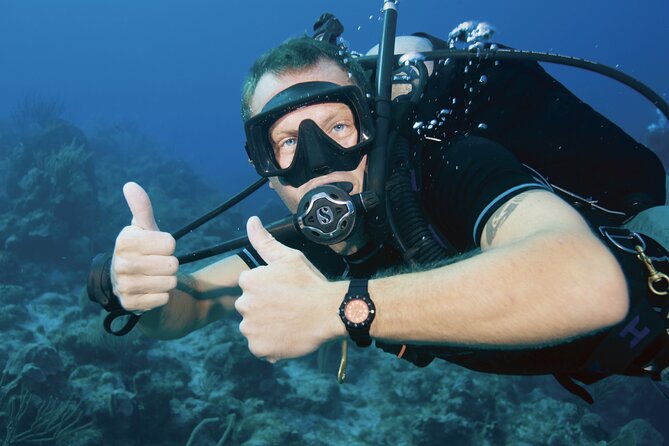
At $83.27 per person, this is a reasonable price for a first scuba experience if you value instruction, equipment, a small group, and the chance to try the activity without committing to a full certification course. You are paying for a guided introduction, not a full PADI qualification.
The strongest value comes from the personal supervision. A group of six or fewer gives you more attention than a mass-market beach activity. Equipment is supplied, and the video adds some practical value. The two-hour format also fits neatly into a Barcelona itinerary, provided you leave enough time before and after the activity.
The value is weaker if your main goal is dramatic marine life or a long open-water route. A protected shallow area can feel limited, especially for someone already certified or experienced. Visibility may be poor, and the underwater route may take only about half an hour after the briefing and equipment setup.
I would consider the price fair for a nervous beginner who wants a safe first taste. I would be less enthusiastic for an experienced scuba participant seeking new sites, depth, or extensive underwater scenery.
Health rules and timing around flights
You will complete a form confirming that you are fit for the activity. The experience is not recommended for people with respiratory or ear conditions, or for people taking prescription medicines. If any of those points apply to you, check with a medical professional before booking rather than relying on a casual assumption that the session is shallow.
The 12-hour flight rule is easy to overlook. You must wait at least 12 hours after the activity before flying. Do not schedule this on the final morning of your trip if you have an afternoon departure. It works better earlier in your Barcelona stay, with enough time afterward for the required interval.
The cancellation terms are friendly if your plans change early. You can receive a full refund by cancelling at least 24 hours before the start time. Changes or cancellations inside that window are not accepted, and arriving late does not qualify for a refund.
Getting to the meeting point
The meeting point is Passeig Marítim del Bogatell, 3574, in the Sant Martí district. The area is near public transportation, but the school is reached through a gate by the beach. If you arrive at the correct waterfront area and find the gate closed, staff will open it.
Allow extra time to find the entrance. The strict arrival rule is the practical issue here. You need to be present 15 minutes before the activity, not walking up at the advertised start time with paperwork still to complete.
The activity finishes back at the same meeting point. That makes it easy to continue along the waterfront afterward, although the supplied details do not specify a particular onward route or attraction.
Tips for a calmer first attempt
- Arrive early enough to find the beach gate and complete the paperwork without rushing.
- Bring swimwear and a towel. Equipment is supplied, and the changing area is available.
- Listen carefully to the hand-signal lesson. Underwater communication is simple, but only if you remember it.
- Expect an instructor to stay close and possibly hold your equipment if you cannot maintain a safe position.
- Keep your expectations focused on learning, not on guaranteed animals or perfect visibility.
- Schedule no flight for at least 12 hours afterward.
- If you are prone to cold, tell the staff before entering the water, especially if you are booking for a child.
- Treat the video as a bonus. Conditions, equipment, and safety may affect what you receive.
Should you book this Barcelona scuba session?
Book it if you have never used scuba equipment, want a carefully supervised first attempt, and like the idea of learning in a protected area. The small group, supportive instructors, supplied equipment, and possible underwater video make it a practical introduction. It also suits a solo person, a couple, or a small family group looking for something different from Barcelona’s usual streets and museums.
Skip it if you are an experienced scuba participant expecting open-water exploration, great depth, or guaranteed sea life. You may find the sheltered route too limited. Also skip it, or seek medical advice first, if you have respiratory or ear problems, take prescription medicine, or cannot leave 12 hours before a flight.
For the right person, this is less about conquering the Mediterranean and more about discovering how it feels to breathe below the surface. That is a modest promise, but for a first attempt, it is the useful one.
FAQ
Where does the activity begin?
It begins at Passeig Marítim del Bogatell, 3574, Sant Martí, 08019 Barcelona, Spain.
Where does the activity finish?
It finishes back at the original meeting point.
How long does the activity last?
The full activity lasts about two hours. Around one hour is used for the explanation and preparation, followed by approximately 30 to 40 minutes underwater.
Is this suitable for someone who has never used scuba equipment?
Yes. The activity is specifically designed for complete beginners and includes instruction on the equipment, safety, and underwater hand signals.
How many people are in each group?
The maximum group size is six people.
Is equipment provided?
Yes. The activity includes the equipment needed for the session. You should bring swimwear and a towel.
Are underwater videos included?
Yes. The team aims to make underwater videos as a souvenir. The footage depends on safety, conditions, and camera operation.
Can I fly after the activity?
You should not fly until at least 12 hours after the activity.
Is the activity recommended for people with respiratory or ear diseases?
No. It is not recommended for people with respiratory or ear diseases, or for people taking prescription medicines.
What happens if I arrive late?
You must arrive 15 minutes before the start time. Anyone arriving after the start time will not be admitted, and late arrival does not qualify for a refund or rescheduling.
Can I cancel for a full refund?
Yes, if you cancel at least 24 hours before the scheduled start time. Cancellations or changes made less than 24 hours before the activity are not accepted.
New dives around Spain
- Tenerife: 2 Diving Sessions for Certified Divers★ 4.2 · 7 reviews
- TRY SCUBA – Experience for beginners★ 5.0 · 2 reviews
- Lanzarote: Beginner Scuba Diving from the Beach★ 5.0 · 2 reviews
- Beginner Scuba Dive with Scubapoint Tenerife in Turtle Area★ 4.7 · 8 reviews
- Scuba Experience in Tenerife with Guide★ 5.0 · 30 reviews
- Scuba Diving in Turtle and Ray Area★ 5.0 · 7 reviews
- Try Scuba Diving Puerto Colon★ 5.0 · 2 reviews
- Scuba Night Dive on Tenerife★ 5.0 · 6 reviews
PADI Courses & Certification, compared.
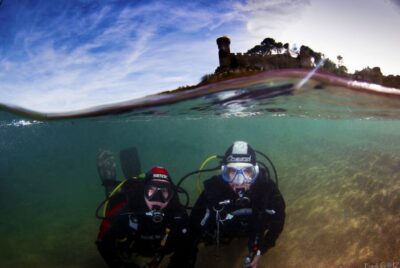
Tossa de Mar: PADI Discovery Scuba Diving in Costa Brava
Read our review →
Full-Day Beginner Scuba Course with Private Tuition, Racha Yai
Read our review →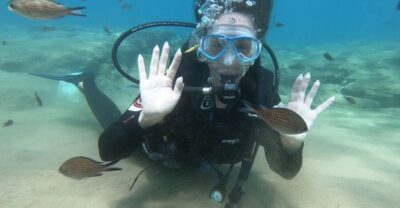
Beginner Scuba Diving Lesson with PADI Instructor
Read our review →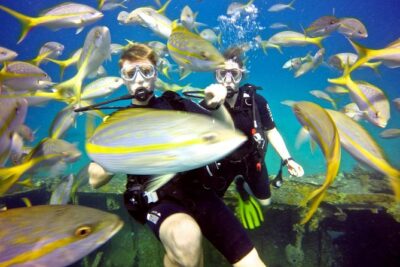
Discover Scuba Diving with No Certification in St Thomas
Read our review →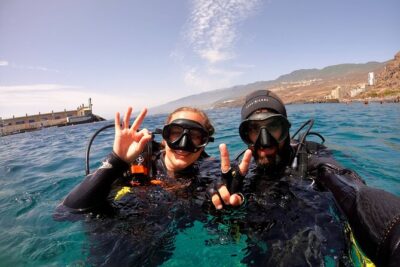
Try Dive – PADI Discover Scuba Diving in Tenerife
Read our review →
Browse the lists this tour appears in