
REVIEW · SPAIN
Tenerife : Diving License international in one day
Start beneath the waves. This four-hour course in Abades gives beginners two beach-based scuba sessions, a private group of no more than two people, and a first CMAS Scuba Diver license. I like the personal instruction from Natalie and Andre, and I like that the course mixes dry practice on the sand with immediate practice in the water. The main point to consider is that this is an entry-level license, not full independent certification: you may go to a maximum of 12 meters under supervision.
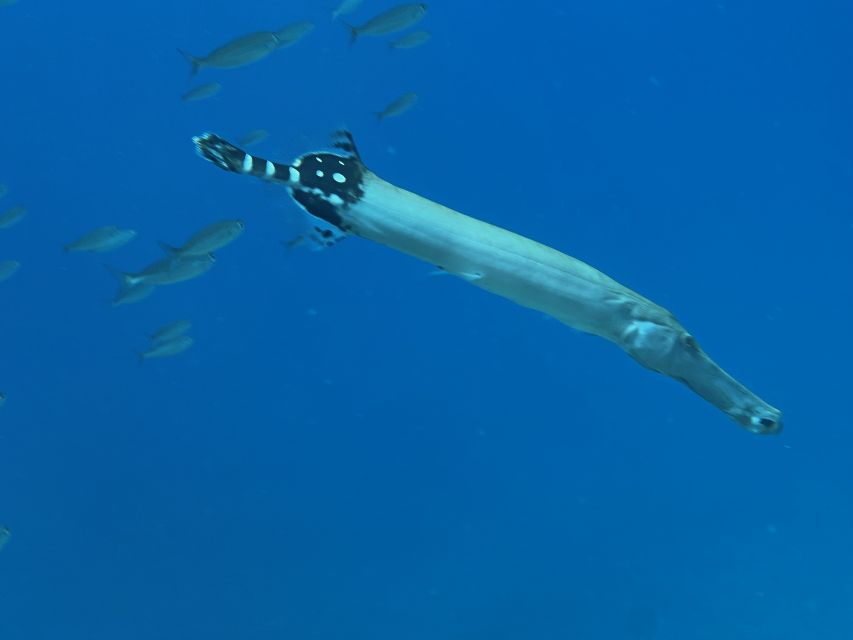
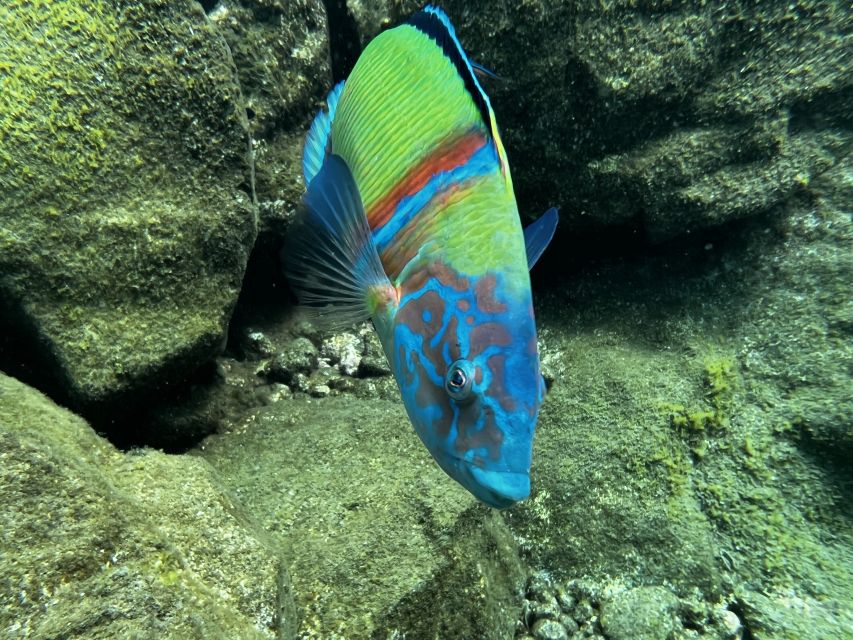
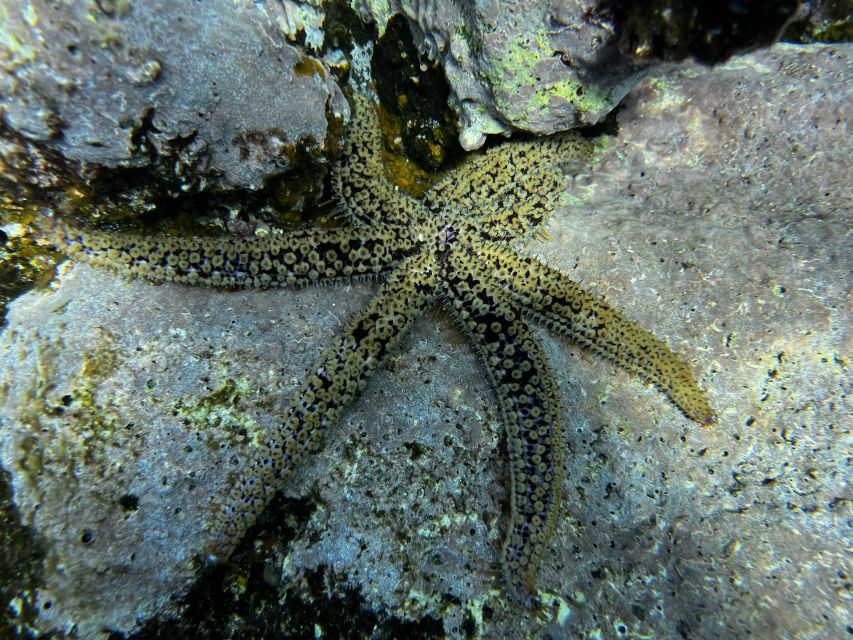
The setting also helps. You learn beside the beach rather than spending the day on a boat, and the underwater sights can include fish, starfish, reefs, and sea turtles. The course includes equipment, insurance, and photos, which makes the $259 price easier to justify, though you should confirm transport arrangements before booking.
Key Points at a Glance
- Four-hour beginner course: Learn basic scuba skills, complete two underwater sessions, and work toward your first international license in one day.
- Private instruction for one or two people: The small format gives you more time to ask questions and repeat skills if needed.
- Beach-based training in Abades: Practice on the sand and enter the water directly, without a boat transfer.
- CMAS Scuba Diver certification: The license allows scuba activities worldwide, with a maximum depth of 12 meters under supervision.
- Photos, insurance, and equipment included: You do not need to arrange your own tank, wetsuit, weights, or underwater camera.
- Sea turtles are possible, not promised: There is a good chance of seeing one, but wildlife sightings depend on nature.
What This One-Day Course Really Offers
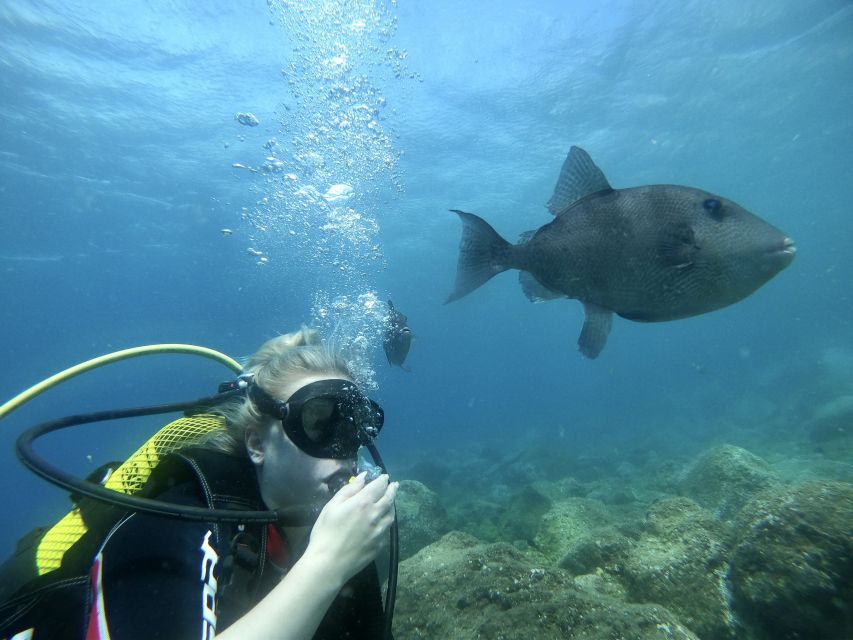
This experience is designed for someone starting from zero. You do not need previous scuba experience, but you do need to swim adequately, be in good health, and manage the practical exercises without major difficulty.
The course is not simply a short tryout followed by a certificate. You learn how to handle the main pieces of scuba equipment, including the air tank and lead weights. You also work through safety topics, pressure equalization, buoyancy, underwater movement, and safe resurfacing.
That matters because many first-time scuba activities give you a brief introduction but stop short of formal certification. Here, the aim is to give you a recognized starting qualification. You finish with a CMAS Scuba Diver license if you complete the practical work successfully.
The qualification is limited. You can use it internationally, arrange tank fills, rent equipment, and join suitable scuba activities, but you are limited to 12 meters and must remain under supervision. Think of it as a first step into scuba, not a license for independent underwater exploration.
A few more dives around Tenerife worth comparing
- Cairns: Premium Snorkelling and Diving Reef Day Trip
★ 4.7 · 1,528 reviews - Ko Tao: Try Scuba Diving 1-Day Experience
★ 4.8 · 452 reviews - Hurghada Diving Adventure one Day with two Dives Boat Trip
★ 5.0 · 238 reviews
Starting on the Sand at Abades
The day begins with instruction on the beach. This is a useful arrangement for beginners because you can focus on the equipment without also dealing with a boat ride, open-water boarding, or a crowded group.
The dry exercises cover the basic handling of your gear. You learn how the tank and weights work, how to prepare the equipment, and what each part is for. It may not sound exciting, but this is where much of your comfort comes from. If you know how your equipment works before entering the water, the first underwater session feels less confusing.
The instructors also explain safety. You learn how to equalize pressure, move correctly underwater, balance your body, hover, and return safely to the surface. Nature care is part of the teaching too, including how to avoid harming the underwater environment.
I particularly like the small-group limit of two people. For a first scuba lesson, a private setting can make a real difference. You can ask basic questions without feeling rushed, and the instructor can watch your technique closely. If you are nervous, that personal attention may be more valuable than a lower-cost group lesson.
The course is offered in Spanish, German, and English. Reviews describe Natalie and Andre as friendly, clear, and good at easing small fears. One German-speaking participant specifically praised the explanations and the way the instructors helped build confidence. That is important here, since a calm instructor matters as much as an attractive reef when you are learning to breathe underwater.
The First Water Session
After the land practice, you take what you have learned directly into the water. The course uses the beach, so the transition from theory to practice is straightforward. You do not need to remember a long list of boat procedures before handling your first underwater skills.
The first session is about turning instructions into physical habits. You practice breathing with the regulator, controlling your position, equalizing pressure, and using your equipment correctly. The course also teaches you how to move without damaging the sea floor or nearby marine life.
Buoyancy is one of the most useful skills you will learn. Good buoyancy helps you stay comfortable, conserve air, and avoid bumping into the reef. It also makes the experience better for the fish and other creatures around you. The course specifically includes balancing, hovering, and orientation underwater, so you are not simply being led around while doing nothing.
You should expect to concentrate. Four hours sounds short, but learning equipment, safety rules, underwater movement, and practical skills in one day is a full session. If you are unable to complete a practical exercise, the license cannot be issued. That condition is worth taking seriously before you book.
The Second Underwater Session and Marine Life
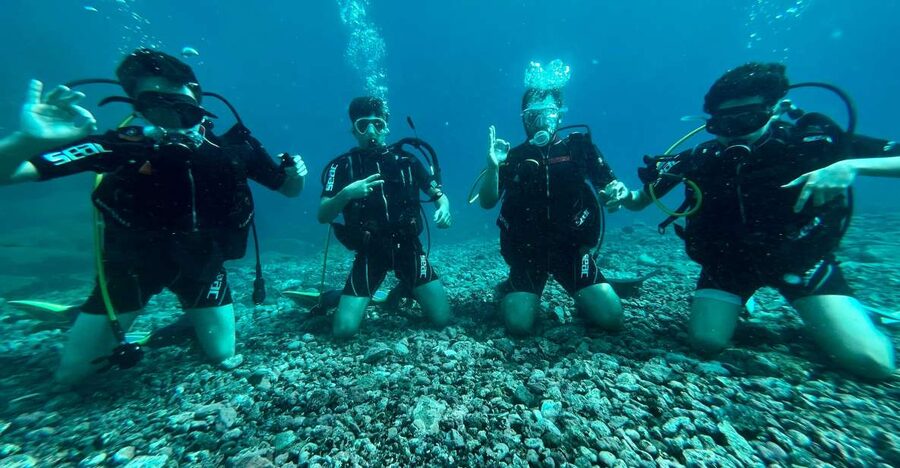
The course includes two underwater sessions. The second gives you time to use the basic skills with more confidence and experience the underwater setting more naturally.
The marine life listed for the area includes fish, starfish, reefs, and turtles. A sea turtle encounter is possible, and the chance of a photo with one is mentioned as a special possibility. It is not guaranteed, so you should book this for the training and the underwater experience, not for a promised wildlife encounter.
One animal has become part of the local character of the experience: Lola. A participant mentioned possibly seeing Lola and described the sighting as pure luck rather than something the instructors can arrange. That gives you the right expectation. If Lola or another turtle appears, it will be a memorable bonus. If not, you still have a course built around learning useful skills.
The beach access is another advantage. You spend less time getting to the water and more time working on the activity itself. It also keeps the day simple for people who are trying scuba for the first time. The tradeoff is that beach entry may not offer the same sense of adventure as a boat trip, and the course does not promise a particular reef or animal sighting.
Same coastline, a very different dive:
- Tenerife: Your First Scuba Diving Experience in Turtle Area
★ 4.7 · 1,679 reviews - Tenerife: Beginner’s Dive at a Spot with Turtle Sightings
★ 4.7 · 627 reviews - Tenerife First Time Scuba Dive – Turtle Habitat, Small Groups
★ 4.5 · 456 reviews - Tenerife: Beginner Scuba Dive Experience
★ 4.8 · 238 reviews
What You Learn Before Certification
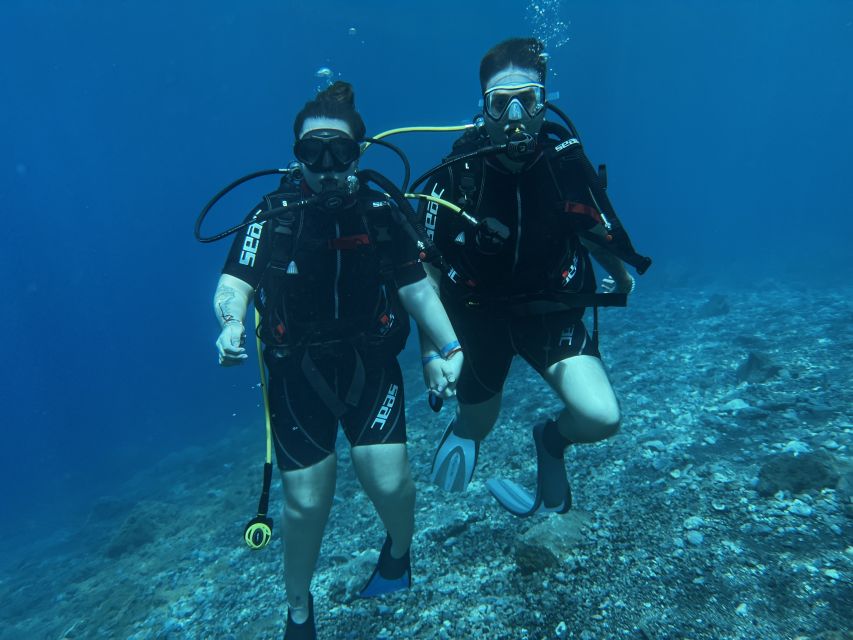
The practical and safety topics are broad for a one-day beginner course. You work through:
- How to handle the air tank, weights, wetsuit, and other equipment
- How to equalize pressure in your ears
- How to breathe and move correctly underwater
- How to balance, hover, and stay oriented
- How to resurface safely
- How to care for and look after your equipment
- How to protect marine life while underwater
- Safety rules connected with scuba activities
The instructor also checks whether you can manage the required practical exercises. This is not a certificate handed out simply because you attended. You must complete the course properly to receive the license.
That standard is a good thing, even if it creates a little pressure. A scuba license has meaning only if you can perform the basic skills safely. If you have serious concerns about your ears, lungs, heart, swimming ability, or general health, do not treat this as a casual activity.
Glasses must be removed for underwater activities. If you need vision correction, the provided information does not explain what alternatives are available, so ask the provider before booking.
The CMAS License and Its Limits
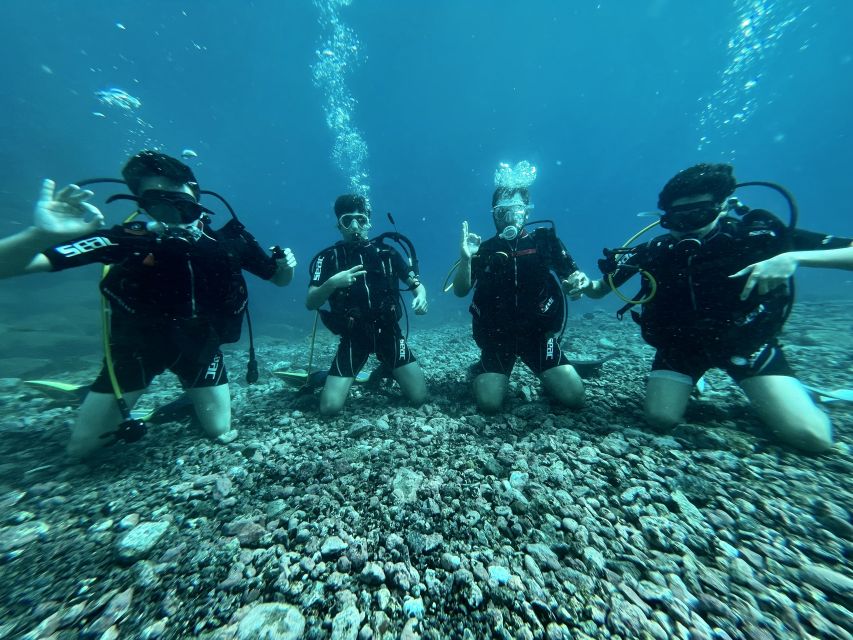
The qualification is described as an internationally recognized CMAS Scuba Diver license. It allows you to take part in scuba activities around the world, rent diving equipment, and arrange tank fills.
The key restriction is depth and supervision. You can go to a maximum of 12 meters, or about 40 feet, and you must be supervised. This makes the qualification useful for continuing your training or joining suitable guided activities, but it is not the same as full open-water certification for independent scuba.
I would choose this course if you want a first official qualification during a Tenerife holiday and prefer personal attention. I would not choose it if your main goal is to scuba independently at greater depths immediately after the course. In that case, ask the provider which further training you need.
The one-day format is convenient, but convenience comes with a fast pace. You learn and qualify in roughly four hours. Someone who needs more time to repeat a skill may find a longer course more comfortable.
Equipment, Photos, and Insurance Included
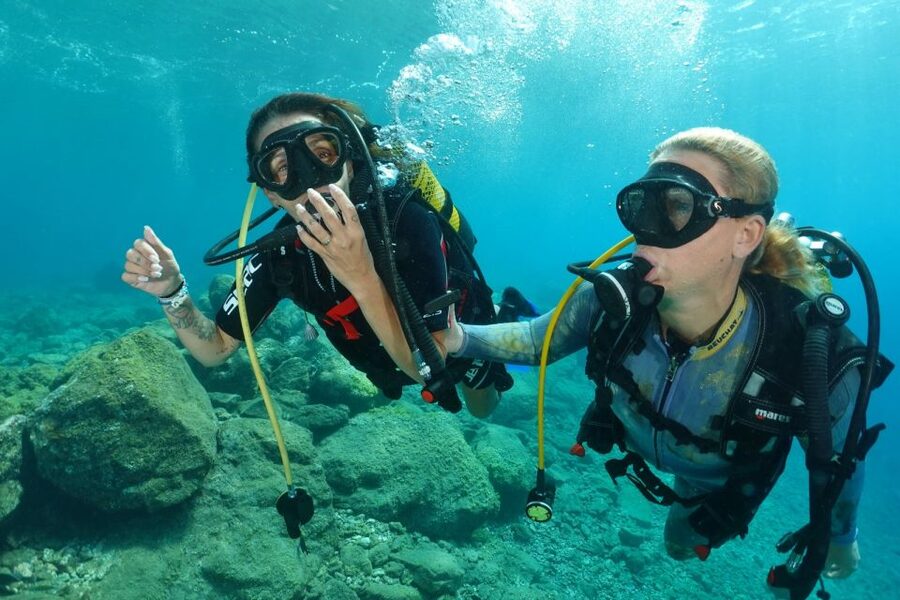
The price includes the full diving kit, wetsuit, air tank, weights, license fee, diving accident insurance, and underwater photos. That is a strong package for a beginner, since you do not need to rent the main equipment separately or pay an additional certification charge.
The photographs add value too. Underwater photos are not guaranteed to show every part of the experience in perfect conditions, but they give you a record of your first certified scuba session. The photos can also be useful if you see a turtle or other marine life.
Insurance is another practical inclusion. Scuba has real safety requirements, so having diving accident insurance included removes one task from your preparation. You should still provide accurate health information and follow the instructor’s advice.
Bring swimwear and a towel. You do not need to organize your own wetsuit or tank, but you should arrive prepared to get wet and spend time on the beach.
The $259 Price: Is It Good Value?
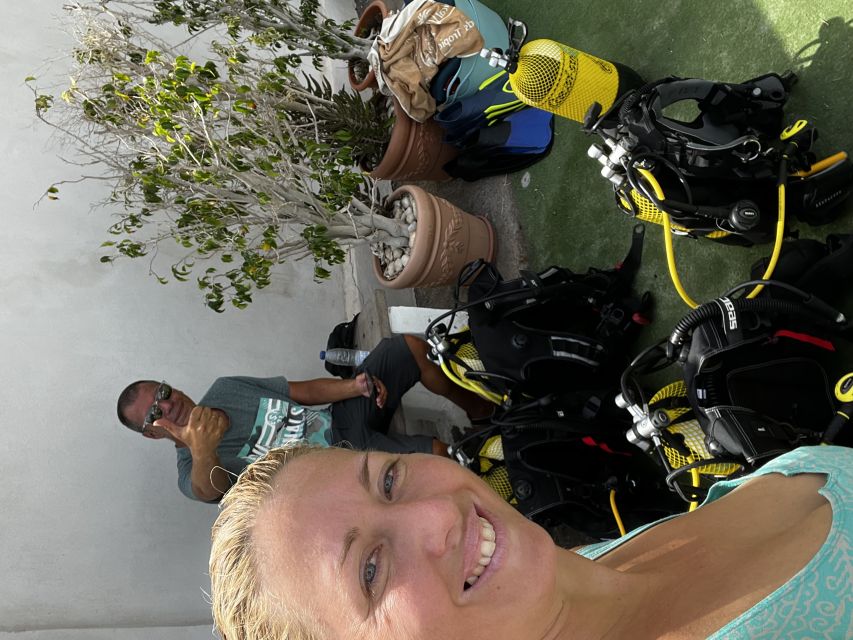
At $259 per person, this is not the cheapest way to see the water around Tenerife. The price becomes more reasonable when you count what is included: private instruction for one or two people, two underwater sessions, the certification fee, complete equipment, accident insurance, and photos.
The small group is the main value point. A private lesson costs more than a large group activity, but the instructor can focus on your breathing, buoyancy, and comfort. For someone nervous about the first underwater session, that attention may be worth the extra money.
The license also gives the experience a longer life than a simple introductory session. You are paying for a first qualification, not only for a few minutes beneath the surface. Still, remember the limits: 12 meters and supervision. If you only want a one-time underwater look, a shorter introductory activity may cost less.
Transport needs clarification. The information says transport cannot be offered, while the booking details also ask for your hotel name to organize pickup. Contact the provider before paying if pickup matters to you. Do not assume that hotel transport is included.
Who Should Book This Course?
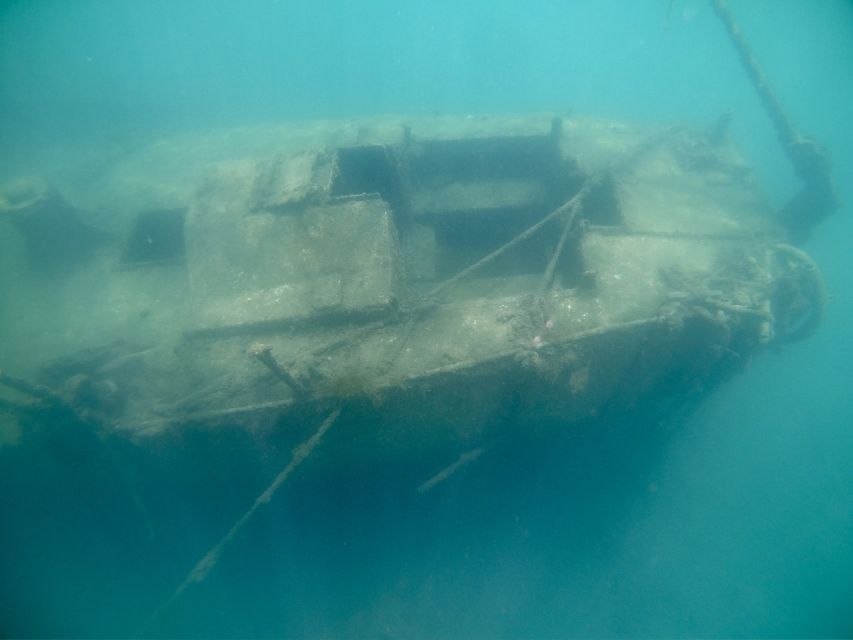
This course suits you if:
- You are at least 10 years old
- You can swim adequately
- You are in good health
- You want a first scuba qualification
- You prefer private or very small-group instruction
- You are comfortable completing practical exercises in one day
- You want equipment, insurance, and photos included
It may not suit you if you are a non-swimmer, pregnant, or have heart, lung, or ear problems. Children under 10 cannot take part.
The course could work well for a parent and child aged 10 or older, especially since a 10-year-old participant reportedly enjoyed it greatly. Still, the child must meet the same swimming and practical requirements. The private group format may also be easier for a young beginner than a large class.
Timing, Flights, and Planning Tips
The activity lasts about four hours, with starting times subject to availability. Leave enough room in your day for changing, travel, and possible delays, especially if you have a cruise departure or another fixed appointment.
You must not fly for 12 hours after scuba. This is one of the most important planning details. If you are leaving Tenerife by air on the same day or the next morning, schedule the course early enough to respect that waiting period.
Free cancellation is available up to 24 hours before the activity, and you can reserve now and pay later. These options help if your plans are still changing, but they do not remove the need to check the health rules, transport details, and flight timing.
Should You Book the Abades Scuba Course?
Book it if you want a personal, beach-based introduction that can lead to an international CMAS license in one day. The strongest reasons are the private two-person format, supportive instruction from Natalie and Andre, included equipment and insurance, and the chance to see Tenerife’s marine life without a boat trip.
Think twice if you want independent scuba rights, greater depth, or a relaxed multi-day learning pace. This is a fast beginner course with a clear 12-meter supervision limit, and you must pass the practical work to receive the license.
For a first step, the package offers solid value. Go for the training first, the photos second, and the possibility of meeting Lola as a lucky extra.
FAQ
How long does the Tenerife scuba license course last?
The course lasts about four hours and includes theory, practical training, and two underwater sessions.
Do I need previous scuba experience?
No. Previous scuba experience is not required.
What is the minimum age?
You must be at least 10 years old to take the Scuba Diver course.
Do I need to know how to swim?
Yes. You must be able to swim adequately, and non-swimmers cannot participate.
What depth does the license allow?
The license allows you to scuba to a maximum depth of 12 meters, or 40 feet, under supervision.
Is the equipment included?
Yes. Full scuba equipment, a wetsuit, an air tank, and lead weights are included.
Are underwater photos and insurance included?
Yes. Underwater photos and diving accident insurance are included in the price.
Can I fly after the course?
You must wait 12 hours after scuba before flying.
What should I bring?
Bring swimwear and a towel. Glasses must be removed for underwater activities.
Is hotel pickup available?
The activity information asks for your hotel name to organize pickup, but it also says transport cannot be offered. Confirm the current transport arrangement directly before booking.
New dives around Tenerife
- Tenerife: 2 Diving Sessions for Certified Divers★ 4.2 · 7 reviews
- Beginner Scuba Dive with Scubapoint Tenerife in Turtle Area★ 4.7 · 8 reviews
- Scuba Experience in Tenerife with Guide★ 5.0 · 30 reviews
- Try Scuba Diving Puerto Colon★ 5.0 · 2 reviews
- Scuba Diving in Turtle and Ray Area★ 5.0 · 7 reviews
- Scuba Night Dive on Tenerife★ 5.0 · 6 reviews
- First Dive Experience in Tenerife★ 4.5 · 69 reviews
- Scuba Adventure – 2 Guided Dives from Our Boat in Tenerife★ 5.0 · 12 reviews
Scuba Diving, compared.
Great Barrier Reef Snorkeling and Diving Cruise from Cairns
Read our review →
First-Time Scuba Diving in Honolulu + Free Videos
Read our review →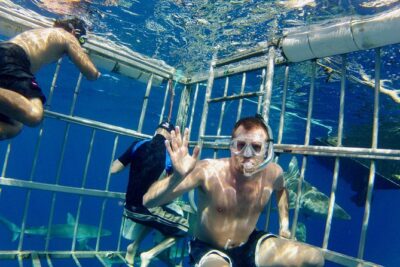
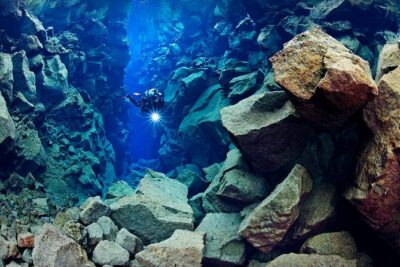
Silfra: Diving Between Tectonic Plates – Meet on Location
Read our review →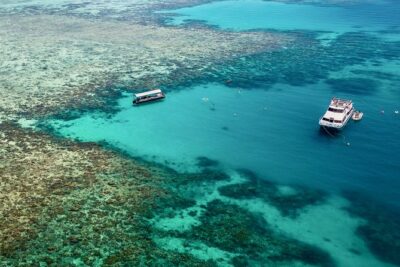
Ocean Freedom Great Barrier Reef Luxury Snorkel and Dive Cruise
Read our review →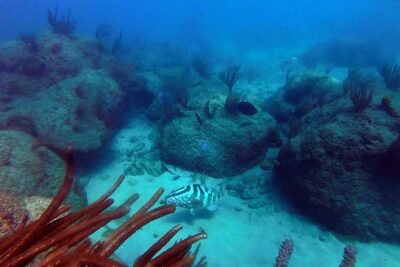
Beginner Scuba Diving with Turtles and Videos, San Juan
Read our review →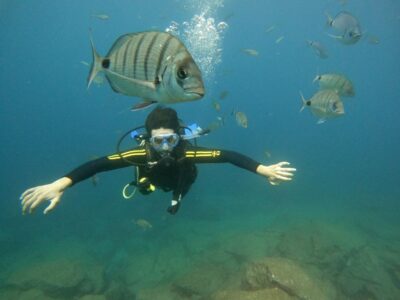
Tenerife: Your First Scuba Diving Experience in Turtle Area
Read our review →
Browse the lists this tour appears in