
REVIEW · MALAYSIA
Penang Cooking Class:Dive into Malaysian Cuisine with PenangChiak
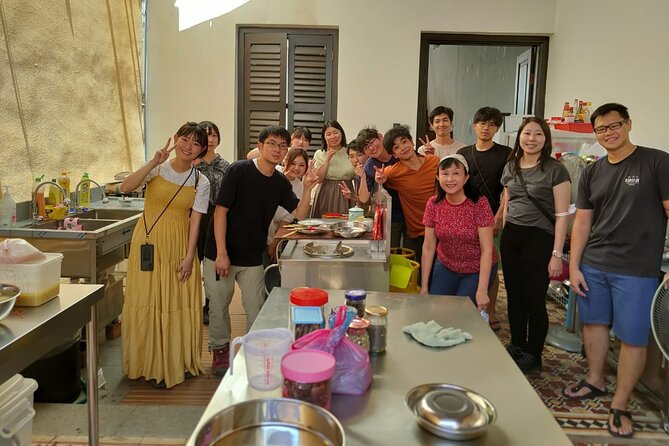
Come hungry, leave with recipes. Penang Chiak’s cooking class combines a lively morning visit to Chowrasta Market with hands-on instruction in Malaysian food. I especially like the chance to shop for ingredients stall by stall, then cook with them soon after. I also like the personal teaching style of Amy, Mok, Santi, Jenny, and Simon, who explain not only what goes into a dish, but why it matters. The main consideration is timing: the morning session begins at 8:00 AM, and the market visit plus cooking can run longer than the advertised four hours.
This is not just a meal demonstration. You taste breakfast at the market, learn how spices are handled, and prepare several dishes such as Char Kway Teow, Kueh Pie Tee, Choon Piah, or Masala Chicken, depending on the class you book. The private format is a real advantage, though the cooking room can be warm around the burners, and finding it inside the shopping center may be tricky without help.
Key points at a glance
- Chowrasta Market comes first: See fresh produce, fish, spices, handmade wrappers, local sweets, and breakfast stalls with a guide.
- The 8:00 AM class includes breakfast: White coffee, street food, and market tastings make this the fullest version of the experience.
- Several cuisine styles are available: Classes may focus on Nyonya, Chinese Malaysian, Malay, or Indian cooking.
- You cook several dishes: Depending on the booking, you may prepare Char Kway Teow, spring rolls, Lor Bak, roti, rendang chicken, rice cakes, or other local specialties.
- The class is private: Only your group participates, allowing the instructor to adjust spice levels and answer plenty of questions.
- Pickup may be arranged: The stated meeting point is Pasar Chowrasta Market, though pickup has been organized for some groups.
Why this class is more than a recipe lesson
Penang is famous for food that reflects several communities living side by side. Chinese, Malay, Indian, and Peranakan traditions have shaped the island’s cooking, and Penang Chiak uses that mix as the backbone of the class.
You are not simply handed ingredients and told to copy a chef. The experience connects the food to the market, family cooking, spice blends, and local customs. That makes a difference when you return home. You learn why a paste is pounded, when an ingredient goes into the pan, and how to judge the cooking by smell, texture, and color.
The exact menu depends on the class you select. One session might focus on Nyonya dishes, while another centers on Indian food. The advertised examples include Kueh Pie Tee, Char Kway Teow, Choon Piah, and Masala Chicken. Other class menus have included spring rolls, Lor Bak pork sausages, roti, rendang chicken, steamed pandan rice cake, chrysanthemum tea, and Indian dishes with chai.
That variety is useful, but you should check the selected menu before booking if you have your heart set on one particular dish.
Other dives people pair with this one in Malaysia:
- Leisure Diving | Fun Dives | 3 Dives in TARP, Kota Kinabalu
★ 5.0 · 94 reviews - Learn to Dive | RAID Open Water 20 Diver Course | Kota Kinabalu
★ 5.0 · 79 reviews - Semporna: Bohey 3 Islands Hike, Snorkel/Dive Tour with Lunch
★ 4.3 · 50 reviews
Starting at Chowrasta Market at 8:00 AM
The morning begins at Pasar Chowrasta Market, at Lot 124 on Jalan Penang in George Town. This is the most distinctive part of the experience because you see the ingredients in their everyday setting before using them in class.
Mok and other members of the team guide you through the market, explaining seasonal fruit, herbs, spices, seafood, pastries, and local snacks. You might see mangosteen, longan, mango, jicama, and freshly shaved coconut milk. The tour can also include the fish section, spice stalls, colorful kueh, and a place where spring roll wrappers are made by hand.
This is the kind of market visit that helps you understand Penang food at street level. You see what local shoppers buy, how merchants prepare ingredients, and how spice pastes are adjusted. The guide can explain the differences between ingredients used in Chinese, Nyonya, Malay, and Indian cooking.
The market is active in the morning, with vendors calling out prices and customers choosing food for the day. It is not a silent museum walk, so expect noise, movement, and plenty to look at. Wear comfortable shoes and keep your belongings close in the usual busy-market way.
If you do not normally eat early, this is worth planning around. The morning option includes breakfast and tastings, and the food comes before the cooking class. You will have more fun if you arrive ready to eat rather than treating breakfast as an optional extra.
Breakfast with white coffee and local snacks
The breakfast portion gives you a quick introduction to Penang’s hawker culture. Specific dishes vary, but the experience can include Penang white coffee, stir-fried rice noodles, crispy peanut crepes, and other morning foods.
This is one reason I prefer the morning class to an afternoon booking when your schedule allows. You get a market walk, breakfast, and the cooking lesson in one continuous experience. The food also gives you a reference point for the dishes you later prepare.
The breakfast is described as light, but the full morning can be generous. You may also taste local sweets or fruit at the market. Do not plan a large hotel breakfast first. The class team specifically advises arriving hungry.
Moving from the market to the kitchen
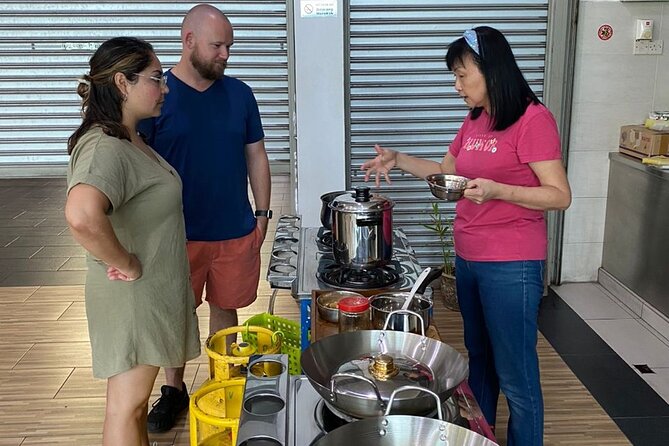
After the market and breakfast, you head to the cooking space for the practical lesson. The kitchen is inside a shopping center, and one useful detail is that it may be difficult to locate on your own. Mok or another team member can meet you outside and show you where to go.
The cooking area has space for bags, toilets, filtered drinking water, and hand-washing facilities. It is described as clean and well maintained. Fans are provided, but the room can still feel warm when several burners are running. Loose, light clothing is sensible.
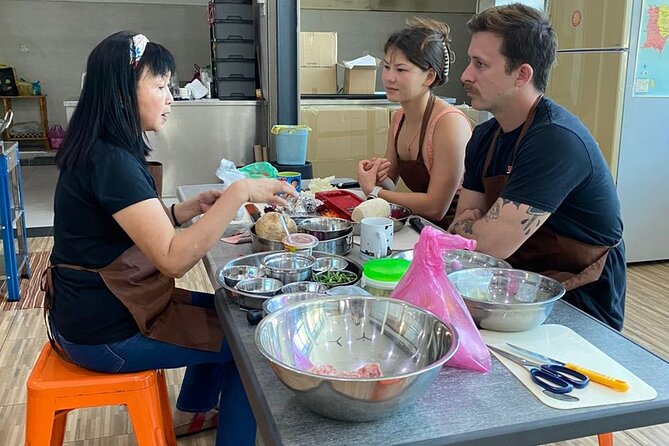
The private setup makes the lesson more flexible than a large group class. If you cannot tolerate much chili, the recipes can be adjusted. If you already cook often, you can ask about technique and ingredient substitutions. If your knife skills are modest, the instructor can slow down and guide you through the steps.
That personal attention is particularly helpful for solo participants. One person has taken the class alone and received a great deal of hands-on instruction. At the other end, family groups can take turns preparing different parts of the meal.
A few more dives around Malaysia worth comparing
- Semporna: Explore 3 Islands Tour Snorkel or Dive & Lunch
★ 4.4 · 44 reviews - RAID Try-Dive Experience in Kota Kinabalu
★ 5.0 · 43 reviews - Kota Kinabalu Leisure Scuba Diving Trip (3 Dives)
★ 5.0 · 41 reviews - Join us for a RAID Try Dive in Kota Kinabalu
★ 5.0 · 27 reviews
What you may cook in four to five hours
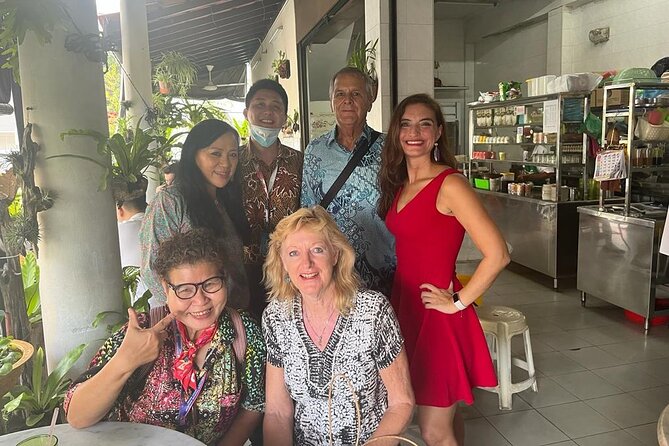
The class is practical rather than decorative. You prepare several dishes, then sit down to eat what you have made. Recipes are provided for taking home, which adds real value if you plan to repeat the meal.
Char Kway Teow and Penang street food
Char Kway Teow is one of Penang’s best-known noodle dishes. In a Chinese hawker version, it may include shrimp, sausage, egg, and pork lard. Malay versions use different ingredients because Malay cooking follows halal rules.
This distinction is explained as part of the local food culture. It is not just a question of taste. Religious practice and community traditions shape the ingredients in the pan.
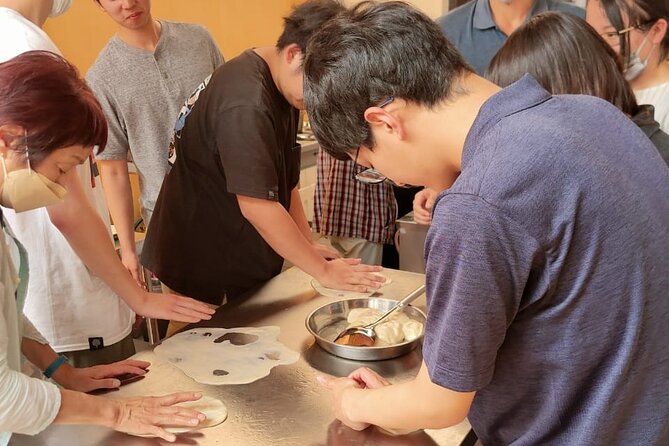
Other possible street-food dishes include Kueh Pie Tee, Choon Piah, spring rolls, and Lor Bak. These recipes give you useful practice with wrappers, fillings, frying, and seasoning. You may also learn to make a pandan rice cake or another dessert.
Nyonya and Peranakan cooking
The Nyonya class draws on family recipes and the Peranakan food tradition of Penang. Amy teaches dishes connected to her family, while Mok explains the cultural background and ingredients.
Expect instruction in spice handling, preparation, and the balance of sweet, salty, sour, and hot flavors. Nyonya food can share names or methods with Malay cooking but still taste quite different. The class explains those differences rather than presenting Malaysian food as one single style.
Indian Malaysian cooking
Jenny leads Indian cooking sessions, sometimes with her daughter Rachel. The morning can include a market walk, local breakfast, discussion of nutmeg and other ingredients, and a visit to a spice stall where blends can be mixed to suit your taste.
The cooking lesson includes practical advice beyond the listed recipes. You may learn how to slice cabbage properly, handle spices, and build a meal with chai or a dessert. This is a good choice if you want Indian food rather than Chinese or Nyonya dishes.
Malay dishes and spice technique
Masala Chicken, rendang chicken, roti, and other Malay-style dishes may appear in selected sessions. The central lesson is how to handle spice pastes without burning them and how to release their aroma through the cooking process.
That information is valuable because many home cooks follow a recipe but miss the visual and aromatic cues. The instructors explain what to watch for as the mixture changes in the pan.
The teaching style and the people behind it
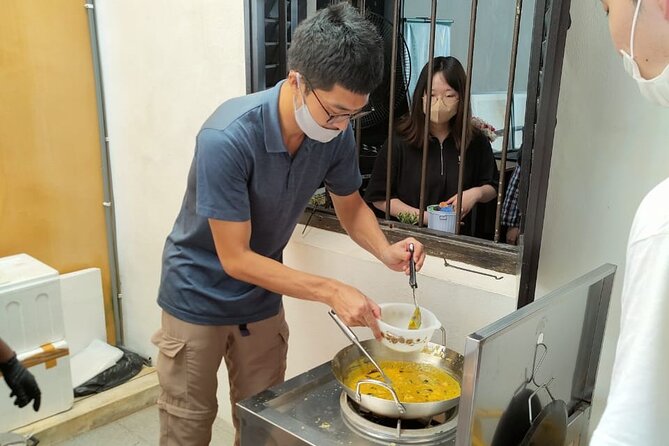
The class is run by a small team that includes Amy, Mok, Simon, Santi, Jenny, Rachel, and other assistants. Roles vary by date and cuisine, so you may not meet every person named here.
Amy is associated with Nyonya and Chinese Malaysian cooking. She teaches step by step and encourages participants to take turns with the preparation. Jenny focuses on Indian food and offers patient, detailed guidance, even for people who rarely cook.
Mok often leads the market tour and adds context about Penang’s food traditions. Simon helps with arrangements and has met groups at the cruise port or helped organize transport. Some groups have also received photos and videos during the experience.
The tone is friendly and family-like. That can be a strength if you want conversation and cultural explanation, not just a polished demonstration. It may feel less efficient if you prefer a tightly timed professional kitchen class with printed instructions at every station.
One useful piece of feedback is that a long session can sometimes feel more like a lesson than a relaxed cooking party. The class team has acknowledged the need to keep the pace comfortable. Expect plenty of explanation, and tell the instructor if you prefer more hands-on cooking and less talk.
Is the $116 price good value?
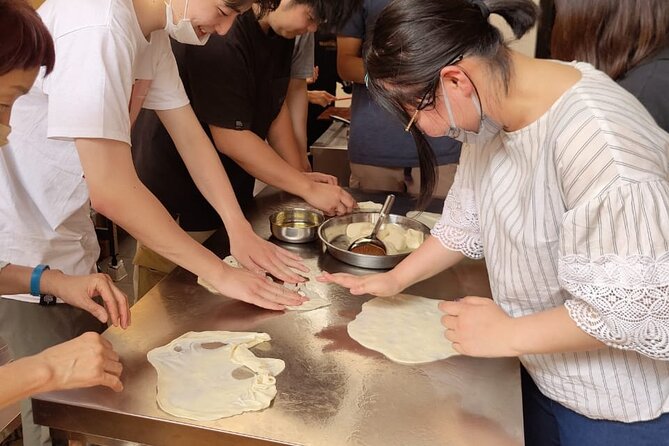
At $116, this is not the cheapest way to eat in Penang. You can enjoy a large hawker meal for a small fraction of that price.
The comparison changes when you count what is included. The fee covers the market tour for the 8:00 AM class, breakfast, all cooking ingredients, kitchen utensils, instruction, and the meal you prepare. You also receive recipes to use at home. For a private experience with several hours of personal instruction, the price is reasonable, especially for two or more people who want to share the lesson.
It is best value for you if you care about food culture and expect to cook again. If you only want to sample Penang dishes, a food walk may offer more tasting and less preparation for less money.
A souvenir is not included and is subject to availability. Pickup is offered, but the listed meeting point is Chowrasta Market, so confirm transport arrangements before the day.
Who should book this Penang experience?
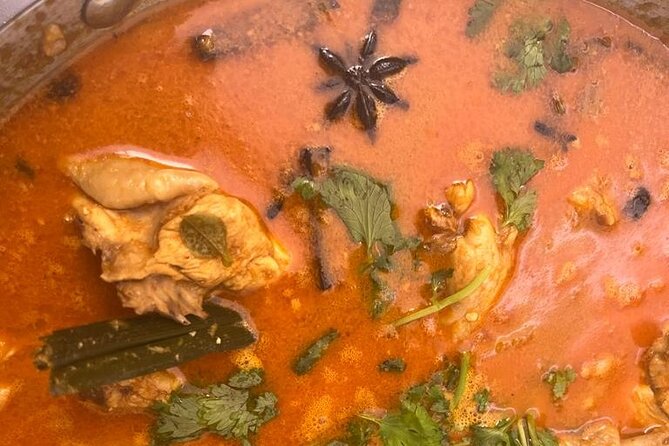
I would recommend it to people who want a practical connection to Penang’s food. It suits couples, families, solo cooks, and small private groups. It also works well for visitors who have already eaten plenty of hawker food and now want to understand how it is made.
The morning class is particularly good for first-time visitors because the market introduces the city’s ingredients and daily food habits before the kitchen work begins. Families can split tasks, and children who enjoy food preparation may find the market and hands-on cooking more interesting than a standard sightseeing stop.
You should think twice if you dislike early starts, warm kitchens, strong spices, or long explanations. The class is also not ideal if you need a guaranteed menu unless you confirm the cuisine and dishes in advance.
Free cancellation is available up to 24 hours before the start time. Changes or cancellations inside that window are not accepted for a refund, and the activity requires a minimum number of participants.
Should you book Penang Chiak?
Book it if you want to carry a piece of Penang home in the form of recipes, spice knowledge, and a better sense of how the island eats. The market tour is the strongest reason to choose the morning session, while the private format gives the cooking lesson a personal feel.
Choose the cuisine carefully, arrive hungry, wear light clothing, and allow at least four to five hours. If those details suit you, the $116 price buys much more than lunch. It gives you a market education, a cooking lesson, and several dishes you can try again in your own kitchen.
FAQ
Where does the cooking class begin?
The stated meeting point is Pasar Chowrasta Market, Lot 124, Jalan Penang, George Town, Penang, Malaysia.
What time does the morning class start?
The morning class starts at 8:00 AM. The market tour and breakfast are included only with the morning class.
How long does the experience last?
The experience takes approximately four hours, while the class description allows four to five hours.
Is breakfast included?
Breakfast is included with the morning class. The morning food tour may include local foods such as white coffee and street-food specialties.
What dishes will I prepare?
Possible dishes include Kueh Pie Tee, Char Kway Teow, Choon Piah, Masala Chicken, spring rolls, Lor Bak, roti, rendang chicken, and pandan rice cake. The exact menu depends on the class you book.
Are ingredients and cooking equipment provided?
Yes. All ingredients and kitchen utensils are provided.
Is this a private activity?
Yes. Only your group participates in the private tour or class.
Can I cancel for a full refund?
Yes, if you cancel at least 24 hours before the experience start time. Cancellations made less than 24 hours before the start are not refunded.
New dives around Malaysia
- TRY SCUBA (non diver)★ 5.0 · 21 reviews
- 1 Day Diving Experience in Semporna★ 5.0 · 2 reviews
- 3 Semporna Islands Tour with Snorkel or Diving Experience★ 5.0 · 3 reviews
- Semporna Hike Bohey 3 Island Snorkel Dive Tour and Lunch★ 3.5 · 3 reviews
- Malaysia: Dive into Fun at Splash Out Langkawi Water Theme Park★ 3.0 · 5 reviews
- PADI Advanced Open Water Course Kota Kinabalu★ 5.0 · 13 reviews
- (3 Days) PADI Open Water Diver Course Kota Kinabalu★ 5.0 · 23 reviews
- Join us for a RAID Try Dive in Kota Kinabalu★ 5.0 · 27 reviews
Scuba Diving, compared.

Great Barrier Reef Snorkeling and Diving Cruise from Cairns
Read our review →
First-Time Scuba Diving in Honolulu + Free Videos
Read our review →

Silfra: Diving Between Tectonic Plates – Meet on Location
Read our review →
Ocean Freedom Great Barrier Reef Luxury Snorkel and Dive Cruise
Read our review →
Beginner Scuba Diving with Turtles and Videos, San Juan
Read our review →
Tenerife: Your First Scuba Diving Experience in Turtle Area
Read our review →
Browse the lists this tour appears in