
REVIEW · THAILAND
Padi Freediver, learn how to freedive and get your first license (at Koh Chang)
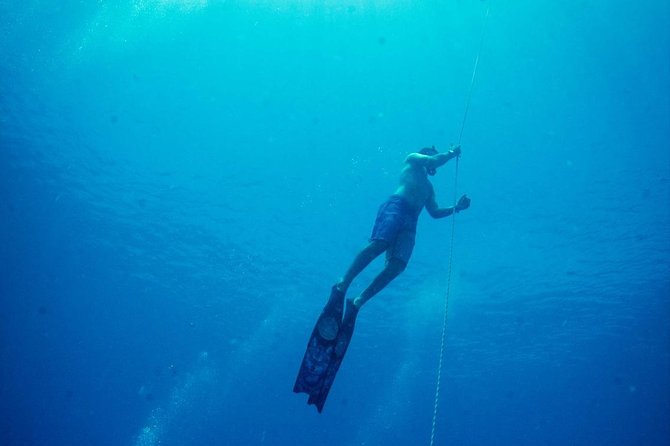
Your breath becomes your only engine. This two-day PADI Freediver course in Koh Chang combines land lessons, pool practice, and open-water training at two coral reef stops. I like the small group of five or fewer, which gives the instructor room to watch each student closely, and I like that lunch, drinks, snacks, gear, and hotel transfers are included.
The course is also praised for calm, safety-minded teaching. Instructors including Joe Pawsey, Markus, Charles, Pierre, Adam, and Chen have helped beginners manage fear and gain confidence. The main drawback is the fixed two-day schedule: you need reasonable weather, a full day for the boat trip, and enough comfort in the water to complete the required practice.
You should also budget THB200 for the national park entrance fee. Pickup is offered only from hotels on Koh Chang’s west coast, so you may need to reach the BB Divers center in Bang Bao yourself if you stay elsewhere.
Key points before you book
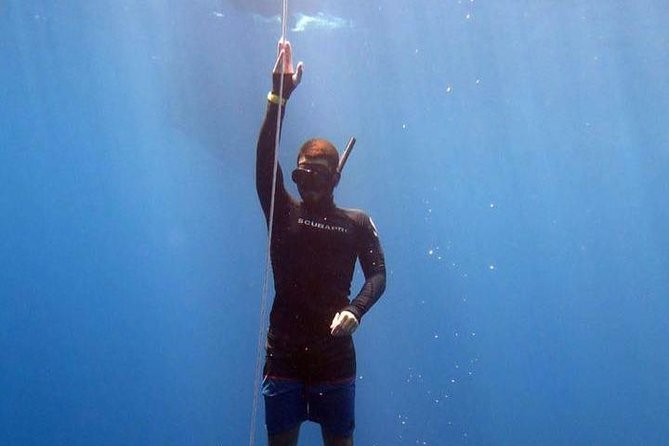
- Maximum of five people: A very small class allows for close supervision and a quieter learning pace.
- Land, pool, and sea training: You build skills in stages rather than being sent straight into open water.
- Two reef stops on day two: The boat provides a full day for repeated training and underwater practice.
- Meals and equipment included: Lunch, light refreshments, drinks, and freediving gear are part of the package.
- Friendly, patient instructors: Charles, Pierre, Markus, Adam, Joe Pawsey, and others are praised for safety and reassurance.
- West coast pickup only: Hotel transfers are convenient, but not every Koh Chang accommodation qualifies.
What this Koh Chang course actually teaches
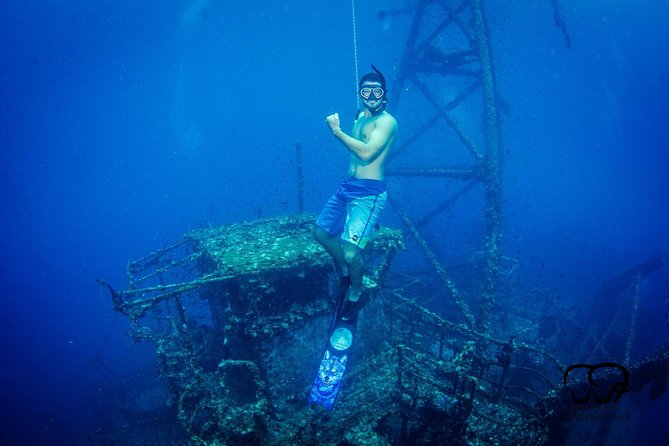
Freediving is not simply swimming underwater while holding your breath. You learn to control breathing, stay relaxed, move efficiently, and manage the mental pressure that comes with being below the surface.
The first day begins at 8:00 am at BB Divers, the PADI five-star dive center in Bang Bao. The training starts on land, where you work through breathing techniques and the basic theory behind breath-hold practice. This matters because relaxation is a skill here, not just a personality trait. A tense swimmer uses air faster and has a harder time staying calm.
You then move into the pool. The pool is the right place to learn the mechanics without waves, boat movement, or changing conditions. It gives you a controlled setting for practicing body position, breathing routines, and short underwater efforts before you work in the sea.
That progression is one of the strongest parts of the course. You are not expected to master everything in open water. Instead, each stage gives you a chance to understand the next one.
The PADI online manual is included, so you can study the course material as part of the preparation. The supplied information does not specify how much pre-course reading is required, but you should expect theory to be part of the learning rather than treating the two days as a sightseeing trip with a little swimming added.
More PADI Courses in Thailand
- Full-Day Beginner Scuba Course with Private Tuition, Racha Yai
★ 5.0 · 368 reviews - La Bombona Diving Koh Tao Open Water Course
★ 5.0 · 172 reviews - Padi open water diver course, become a diver in 3 days
★ 5.0 · 113 reviews
Day one in Bang Bao: calm practice before the boat
Day one lasts about four hours. It is shorter than the second day, but it carries much of the technical foundation.
Your first task is learning breathing techniques on land. This can feel simple at first, yet it is central to safe freediving. You need to learn how to prepare for a breath hold without creating unnecessary tension. The instructor can also explain how to approach the water, what signals to use, and how to remain composed.
Pool practice follows. The controlled setting lets you focus on technique instead of worrying about waves or visibility. If you are new to breath-hold swimming, this is where the course can begin to feel manageable.
The teaching style is a strong reason to consider this program. Charles is described as funny, patient, and good at helping a nervous student feel safe. Pierre is praised for patience and enthusiasm, while Markus is described as methodical, calm, and focused on safety. Those qualities matter more than a flashy personality when you are learning a sport built around relaxation.
The group limit of five is useful here. You are not lost in a large class, and the instructor can notice when you are rushing, holding tension, or need another explanation. A small class does not guarantee a private lesson, but it gives you a better chance of receiving direct feedback.
The day ends back at the center. Since it lasts around four hours, you have less time pressure than on the boat day. Still, do not assume the short schedule means little work. New breath-hold skills can be tiring, especially when you are concentrating hard on calm breathing and body control.
Day two: two reef stops from the boat
The second day is the main sea-training day and lasts about eight hours. You join a boat trip from Bang Bao and visit two coral reef locations for practice.
This is where the course shifts from controlled exercises to the conditions you actually came to Koh Chang to experience. Boat movement, open water, and the reef setting add a new layer of focus. The exact depths and marine conditions are not specified, so you should not book this expecting a guaranteed wildlife encounter or a particular underwater route.
The two-stop format gives the day a useful rhythm. You train at one location, return to the boat, rest, eat, and then continue at another site. That break is important. Freediving depends on calm preparation, and a rushed schedule would work against the very skills you are trying to learn.
A buffet lunch is served on the boat, and lunch is included. Drinks and light refreshments are also provided. This makes the price easier to assess because you are not paying for the course and then adding a full day of food and equipment costs on top.
The boat crew has also been praised for good organization, and Steve is specifically noted for keeping the group at ease. That is useful on a long day when students may have different comfort levels. Some people arrive eager to test their limits, while others are still working through fear. Good supervision helps keep both types of student focused on safe progress.
The reef stops are for training first. You may have time to enjoy the setting, but this is not simply a sightseeing cruise. You should expect instruction, preparation, breath-hold practice, recovery periods, and repeated attention to safety.
Why the instructors matter so much
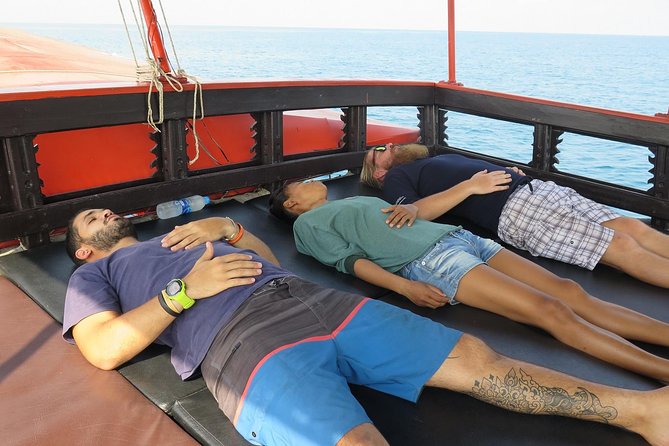
The most encouraging pattern in the feedback is the praise for the teaching team. Several students began with little or no freediving experience, and some had genuine fears about entering the sea or staying underwater.
Charles is singled out for helping one nervous student feel confident. Pierre receives repeated praise for patience, calm instruction, and building confidence in the pool before sea practice. Adam is described as encouraging, while Chen helped provide thorough theory alongside Pierre.
Joe Pawsey is also praised for making the course fun while keeping the days well planned. Markus is described as a no-nonsense instructor who still created a relaxed atmosphere. These descriptions point to an important benefit: the course seems able to support both nervous beginners and students who want a more focused technical lesson.
You should still ask questions if you are unsure about any exercise. A two-day course can teach the basic skills and lead to a first PADI license, but it cannot replace regular practice. One useful point from the feedback is that freediving may feel harder at first than scuba. That surprises some beginners because scuba lets you breathe normally underwater.
The instructors can help you achieve longer breath holds and greater depth than you may expect, but you should treat those early gains as the start of your training. Do not measure success only by how far down you go. Calm technique, safe recovery, and good judgment are more valuable than chasing a number.
More Dive Courses in Thailand:
- Become certified diver in 3 days – PADI Open Water Diver course on Koh Tao
★ 5.0 · 104 reviews - PADI Discover Scuba Diving for Beginners (Non Certified Divers)
★ 5.0 · 78 reviews - PADI Discover Scuba Dive Experience
★ 5.0 · 74 reviews - SSI | Padi Open Water Course in Phuket
★ 5.0 · 66 reviews
Group size, comfort, and the pace of learning
The maximum group size is five. That is small enough to make the course feel personal, while shared instruction helps keep the cost below that of a private program.
A small group can also make the experience less intimidating. You have a few other people around you, but you are not one face in a crowded class. The group will still have mixed abilities, so the pace may not match your own perfectly. A confident swimmer may want to progress quickly, while a beginner may need more time to relax.
The course is intended for most people who can participate in the activity, but the supplied information does not give detailed medical requirements or age rules. If you have a health concern, ask BB Divers before booking rather than guessing.
Service animals are allowed, and the center is near public transportation. Those details may help with planning, but the actual water-training portion is the main focus. This is not a general Koh Chang day tour with a little activity attached.
What the price includes at $389.96
At $389.96 per person, this is a serious purchase, but the package includes more than instruction alone. You receive the PADI online manual, equipment use, a professional guide, hotel pickup and return from the west coast, drinks, light refreshments, and two lunches.
The boat day is where the inclusions add up. A separate boat trip, reef access, lunch, drinks, and equipment can quickly make a lower-looking course price less useful if those items are added later. Here, much of the practical cost is bundled into one booking.
The small group also improves the value. You are not paying for a huge class with limited contact time. Five people is still a shared experience, but it is a reasonable compromise between a private instructor and a budget group lesson.
The national park entrance fee is not included. It costs THB200 per person, so add that to your planning budget. You should also check the pickup area carefully. Transfers cover hotels on Koh Chang’s west coast only, and the meeting point is BB Divers at 16/2 Moo 1, Koh Chang Tai, Trat 23170.
The course ends back at the meeting point. If you are staying outside the transfer zone, make sure you understand how you will reach Bang Bao for the 8:00 am start and return afterward.
Weather, cancellation, and practical planning
Sea conditions affect the second day, so the course is subject to favorable weather. If poor weather forces a cancellation, you are offered an alternative date.
You can cancel for a full refund if you do so at least 24 hours before the local start time. A cancellation inside that 24-hour window is not refunded, and late changes are not accepted. That policy makes it wise to avoid booking the course at the very end of a short Koh Chang stay.
Pack your schedule with some flexibility. If weather changes the boat day, you need room to move the course without losing the chance to complete the sea training. The provided information does not promise a particular reef condition, visibility level, or depth, so keep your expectations practical.
The start time is early, and the second day lasts about eight hours. You should be comfortable giving the activity most of your day. Lunch and drinks are included, but you may still want to bring any personal items you need for a full day around the water.
Who should choose this PADI Freediver course?
This course suits a first-time freediver who wants a structured path to a PADI license rather than a one-hour tryout. It is especially useful if you like the idea of learning in stages, beginning with theory and land practice, moving to a pool, and then working in the sea.
It also suits anyone who feels nervous about breath-hold swimming. The strongest teaching comments focus on patience, safety, calm instruction, and helping students overcome fear. That makes the human side of the course as important as the reef locations.
You may prefer another option if you want a relaxed boat outing with little instruction. The second day is a full training day, not simply a scenic cruise. You may also want more time if you already have advanced freediving skills, since this is designed around the first license.
Should you book it?
I would book this course if you want a serious introduction to freediving in Koh Chang and value patient instruction over a large, low-cost class. The maximum of five people, pool preparation, two reef stops, included equipment, meals, and west coast pickup make the $389.96 price easier to justify.
Before booking, confirm your hotel location, set aside THB200 for the national park fee, and leave room in your schedule for weather changes. If you are willing to spend two focused days learning safe technique, this offers a clear route from first breath-hold exercises to supervised open-water practice and a first PADI Freediver license.
FAQ
How long does the PADI Freediver course last?
The course takes approximately two days. Day one lasts about four hours, while day two lasts about eight hours.
Where does the course begin?
The meeting point is BB Divers, a PADI five-star dive center in Bang Bao at 16/2 Moo 1, Koh Chang Tai, Trat 23170, Thailand. The scheduled start time is 8:00 am.
Is hotel pickup available?
Yes. Hotel pickup and drop-off are included for hotels on the west coast of Koh Chang only.
What is included in the price?
The price includes the PADI online manual, equipment use, a professional guide, hotel transfers from the eligible area, drinks, light refreshments, and two lunches.
Is the national park entrance fee included?
No. The national park entrance fee is THB200 per person and must be paid separately.
What happens if the weather is poor?
The course depends on favorable weather. If poor conditions cause a cancellation, you are offered the option of choosing another date.
More Freediving Trips in Thailand
- Krabi: Freediving and Snorkeling at Yawasam and Talu Island
★ 3.9 · 38 reviews - Freedive trip Koh Kood or Koh Rang National Park ( start at Ko Kut)
★ 5.0 · 34 reviews - Freediving in Phuket – SSI – AIDA – Molchanovs – PADI
★ 5.0 · 26 reviews - Discover Freediving in Koh Lanta, Thailand
★ 5.0 · 14 reviews
New dives around Thailand
- PADI Discover Scuba Diving at Sail Rock From Koh Phangan (Beginners)★ 5.0 · 34 reviews
- Learn to scuba dive with professional instructors – 3 days★ 5.0 · 5 reviews
- Discover SCUBA Diving★ 5.0 · 23 reviews
- PADI Open Water Diver Course in Koh Phangan★ 5.0 · 31 reviews
- Fun Diving Safari Day Trip From Koh Lanta – Certified Divers★ 5.0 · 17 reviews
- Scuba Diving at Sail Rock From Koh Phangan Certified Divers Only★ 5.0 · 21 reviews
- Learn to dive in 2 days Scuba Diver course★ 5.0 · 5 reviews
- Koh Chang Freedive Trip ( Start at Koh Chang)★ 5.0 · 5 reviews
Freediving, compared.
Snorkeling and Freediving Trip around Nusa Penida
Read our review →
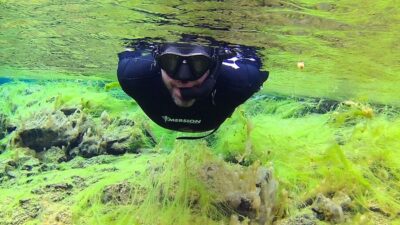
Thingvellir: Silfra Freedive Adevnture with a Guide
Read our review →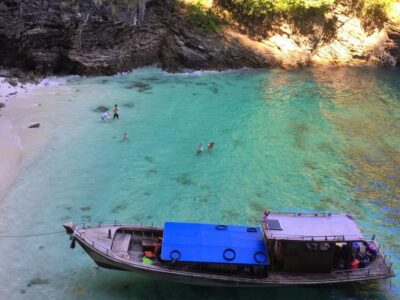
Krabi: Freediving and Snorkeling at Yawasam and Talu Island
Read our review →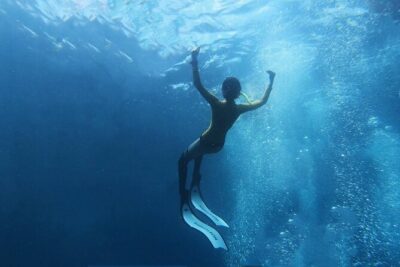
Freedive trip Koh Kood or Koh Rang National Park ( start at Ko Kut)
Read our review →
Freediving in Phuket – SSI – AIDA – Molchanovs – PADI
Read our review →
Panglao: Napaling Reef and Sardines Freediving Experience
Read our review →Browse the lists this tour appears in