
REVIEW · DUBAI
Dubai Traditional Tour- Deep Dive into Arabian Culture & Heritage
Old Dubai rewards curious walkers. This four-hour private tour links Al Seef, Al Fahidi, the textile and gold souks, and a traditional abra ride into one useful introduction to Dubai’s past. I especially like the private format, which keeps the outing focused on your group, and the way the abra crossing connects the historic neighborhoods instead of treating them as separate photo stops.
The $62 per-person price is reasonable for a private, air-conditioned vehicle, bottled water, a licensed guide, and the included Creek crossing. The main consideration is timing: a good part of the four hours goes toward pickup, drop-off, and driving, while the old neighborhoods require walking in the heat. If you want grand modern Dubai sights, this is not the right tour. If you want context for how a fishing, pearling, and trading settlement became a global city, it makes sense.
The guide can make a major difference here. Sachin receives especially strong praise for his care and dedication, and that personal service matters in places where a little explanation turns a row of shops or a wind tower into part of a larger story. This is also a useful choice for Dubai residents who want a fresh family outing without committing to a full-day excursion.
At a glance
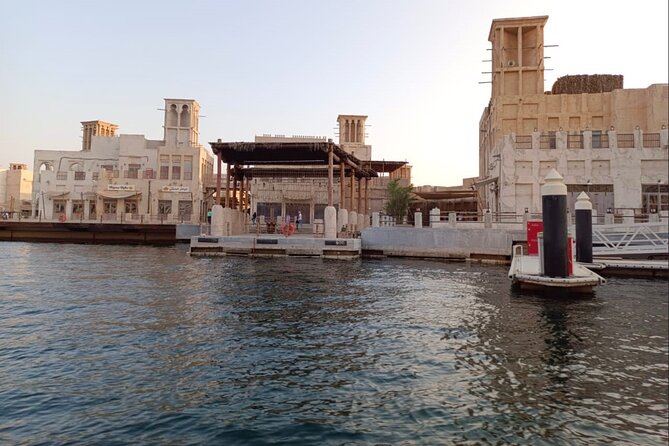
- Al Seef begins the story beside Dubai Creek, pairing old-style Emirati design with shops, cafés, and galleries.
- Al Fahidi Historical Neighbourhood is the strongest history stop, with narrow lanes and traditional wind towers.
- The Textile Souk and Gold Souk provide hands-on market time, though shopping is optional.
- A short abra ride is included, giving you a direct connection to the waterway that helped Dubai grow.
- The private tour suits families and small groups, with only your party taking part.
- The four-hour schedule includes transport time, so expect a concise introduction rather than a slow, full-day exploration.
Why Old Dubai still matters
Dubai’s skyline can make the city seem young, but its story reaches back to the early 18th century. The settlement began as a small coastal community tied to fishing, pearling, trade, and the Creek. The Al Maktoum dynasty established its rule in the 1830s, and Dubai’s location along the Persian Gulf helped it become an important trading point.
Oil arrived in the 1960s and changed the city at remarkable speed. Yet the older neighborhoods were not erased completely. Al Fahidi, the Creek, the souks, and the traditional boats still show how people lived and traded before towers and highways took over the view.
I find this context useful because the tour is not simply a collection of old-looking buildings. Each stop points to a different part of Dubai’s development: waterfront trade at Al Seef, domestic architecture in Al Fahidi, commerce in the souks, and transport on the Creek. You get a clearer sense of how the city moved from local trade to international business.
A few more dives around Dubai worth comparing
- Snorkel & Dive the Reef: Sustainable, Scientific & Cultural Tour
★ 4.5 · 841 reviews
Al Seef: an easy opening along the Creek
The tour starts at Souk Al Seef, a waterfront promenade designed around traditional Emirati architectural ideas. Its lanes are lined with shops, cafés, and galleries, and the setting gives you an easy first look at the Creek.
I like beginning here because it eases you into the older side of Dubai. You can walk, take in the waterfront, and get comfortable with the atmosphere before reaching the narrower lanes of Al Fahidi. The buildings are meant to recall an earlier Dubai, but modern comforts remain close at hand.
That is also the limitation. Al Seef is a modern attraction with a heritage theme, not an untouched old quarter. You should see it as an introduction and a pleasant walk, not as the most authentic stop of the morning. The real architectural character comes later in Al Fahidi.
The listed visit lasts about 45 minutes. That is enough time for a walk and a few photographs, but not enough for a long café stop or serious shopping. Since the tour begins at 8:00 am, the early start can help you get through this first section before the day becomes more tiring.
Al Fahidi: wind towers, lanes, and older homes
Al Fahidi Historical Neighbourhood, also called Bastakiya, is the tour’s best stop for traditional architecture. Its narrow lanes and restored buildings show how homes were arranged before air-conditioning transformed life in the Gulf.
Look up at the wind towers. These structures helped channel air into the rooms below, offering relief from desert heat through a simple architectural idea. The buildings also reveal how practical design and local materials shaped daily life.
You will walk through the neighborhood rather than enter every museum or attraction. That distinction matters. The one-hour visit gives your guide time to explain the area, point out architectural features, and discuss early settlers, but it is not a museum admission package.
I would give this part your full attention. Al Seef presents an attractive version of old Dubai, while Al Fahidi gives you a better sense of how people actually organized homes and streets. Art galleries and museums appear along the way, but the tour information does not promise entry into each one, so think of this as a guided walk through the district.
The walk is described as relaxed, with no stated health restrictions, but you should still have moderate physical fitness. Narrow lanes, standing, and walking between stops are part of the experience. Comfortable shoes and protection from the sun are sensible choices, even though the tour includes an air-conditioned vehicle.
The Textile Souk and the rhythm of shopping
The souk portion shifts the focus from architecture to trade. At the Textile Souk, you will find fabrics, garments, and traditional clothing, with displays ranging from silk to handwoven pashminas.
This is the place to browse rather than rush. The tour allows about 30 minutes for the textile and spice market section, so the time is short if you want to compare many stalls. Shopping is not required, and you do not need to buy anything to enjoy the colors and activity.
Haggling may be part of the experience if you decide to shop. I would ask the guide for help if you are unsure how to begin, especially if you have not shopped in a Gulf souk before. Keep your expectations practical: this is a quick introduction, not a dedicated shopping trip with time for detailed price comparisons.
The schedule refers to the spice and textile areas together, while the stop is labeled Textile Souk. You can expect the sensory change that makes these markets memorable: fabrics, dried foods, herbs, and spices competing for attention in a compact area. If you are buying gifts, this may be the most useful stop, but make sure you leave enough time for the rest of the tour.
Same coastline, a very different dive:
- Discover Scuba Diving in Dubai
★ 4.6 · 494 reviews - From Dubai: Fujairah Half-Day Scuba Dive and Snorkeling
★ 4.7 · 186 reviews - 3-Day PADI Open Water Diving Course in Dubai
★ 5.0 · 173 reviews - Discover Scuba Diving in Dubai
★ 5.0 · 116 reviews
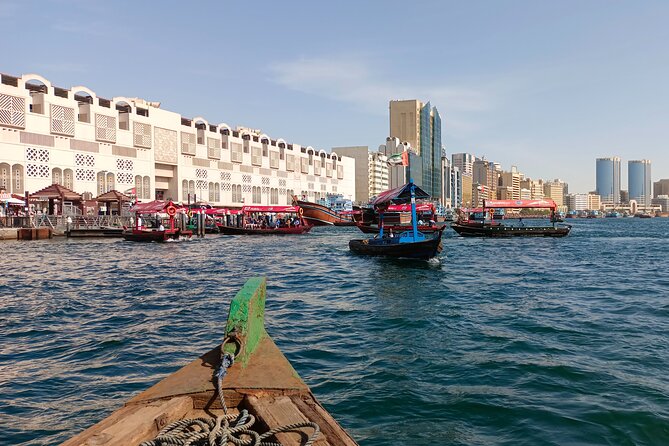
The 15-minute abra ride across Dubai Creek
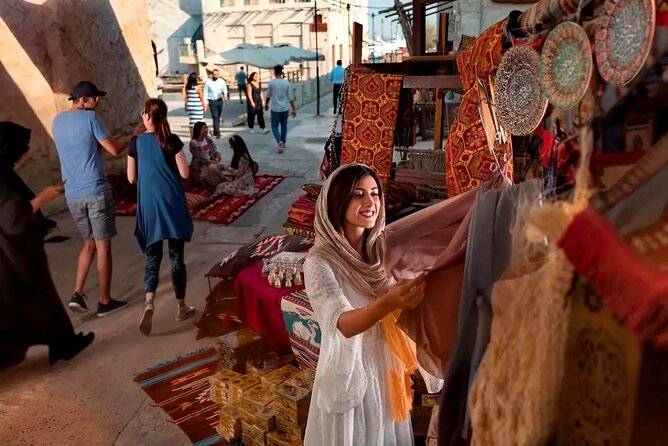
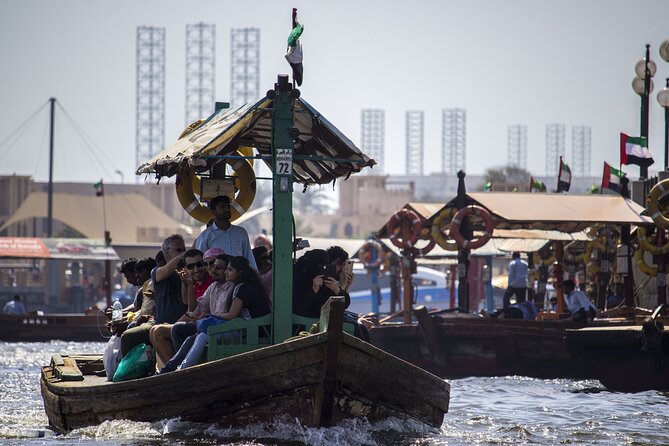
The traditional abra ride is the clearest link between Dubai’s past and present. These wooden boats cross Dubai Creek, the waterway that served as a working route for trade and local transport.
The ride lasts about 15 minutes, so it is brief. Still, it changes your view of the city. From the water, the old districts, boat traffic, and newer skyline come together in a single scene. The breeze also gives you a welcome break after walking through the souks.
The ride is included in the price, which is important because it is one of the tour’s most distinctive elements. You are not merely looking at a traditional boat from the shore. You are using one to cross the Creek, even if only for a short time.
Do not expect a long cruise or a narrated boat journey. The value comes from the crossing itself and from understanding why the Creek mattered. It was part of the city’s working life long before Dubai became known for luxury towers and large-scale development.
The Gold Souk: craftsmanship and commercial spectacle
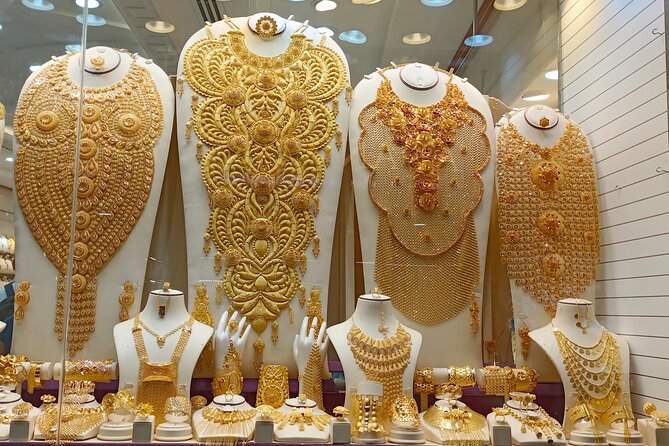
The final major stop is the Gold Souk, one of Dubai’s best-known market areas. Shop windows display gold jewelry, gemstones, and detailed designs in quantities that can feel almost theatrical.
You can browse without buying. That makes the stop worthwhile even if you have no interest in jewelry, since the displays reveal the scale and style of Dubai’s retail culture. If you are considering a purchase, take your time, ask questions, and remember that the tour schedule allows about an hour for this part of the outing and associated travel.
The Gold Souk is more commercial than Al Fahidi, and that contrast is useful. Dubai’s heritage is not only about old homes and boats. Trade remains central to the city’s identity, and the Gold Souk shows how that trading tradition now appears in a polished retail setting.
An hour can feel generous if you are only looking, but it is helpful if someone in your group wants to shop. The tour does not include personal purchases, and food or coffee is also not included. Budget separately for anything you decide to buy.
What the four-hour schedule really gives you
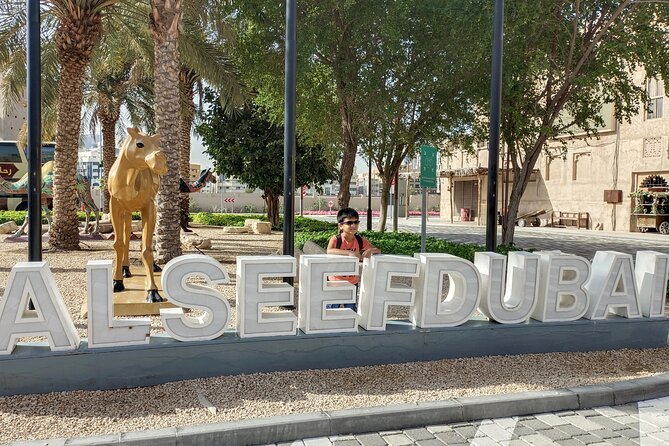
The tour lasts approximately four hours, but the listed stops add up to about three and a half hours. The remaining time is assigned to travel from pickup through drop-off. That makes the schedule realistic for a private outing across several parts of Dubai, but it also means you should not expect four full hours on foot in the historic districts.
Pickup is offered, and the stated start time is 8:00 am. The exact pickup details should be confirmed when you book. An air-conditioned vehicle is included, which matters in Dubai, especially when you are moving between outdoor walking sections.
This structure works best if you want a broad introduction. You will see several important areas without arranging taxis, finding the Creek crossing yourself, or working out the order of the stops. The trade-off is less time in each location than you would have on a self-guided day.
The tour requires at least two people to operate and is private, so only your group participates. That is a strong advantage for families, couples, or friends who want to ask questions, pause for photographs, or move at their own pace within the available schedule.
The guide can shape the whole morning
A heritage tour depends heavily on explanation. Without a guide, Al Fahidi’s wind towers can look attractive but random, and the Creek can seem like simple scenery. With a good guide, the stops connect to settlement, trade, climate, and modern change.
Sachin is praised for being highly dedicated and for providing especially attentive service. That is the sort of guide you want on a private tour, where the experience can respond to your interests instead of following a fixed large-group script.
The operator is Culture Explorer Tours, and the guide is licensed or certified. The information does not promise a specific guide for every departure, so if you particularly want Sachin, ask about availability before booking.
The strongest benefit of private guiding is not simply convenience. It is the chance to ask direct questions about architecture, souk customs, the Creek, or Dubai’s transformation. If you have children, the guide can also help keep the history connected to things they can see and touch.
Is $62 per person good value?
At $62 per person, the tour offers solid value if you want transport and a guide bundled into a short private outing. The price includes an air-conditioned vehicle, bottled water, applicable taxes, the abra ride, and a licensed or certified guide.
The private format is the main reason the price makes sense. You are not paying only for entry to attractions, since most stops have no admission charge. You are paying for the route, driving, organization, interpretation, and the convenience of having your own group.
The value is weaker if you are already comfortable using public transportation and exploring souks independently. Al Fahidi, Al Seef, and the markets can be visited without a packaged tour, and the itinerary does not include paid museum admissions or a meal.
For a first morning in Dubai, though, the arrangement is efficient. You get several historic areas, a Creek crossing, and a guide without spending a full day. Remember that coffee, tea, personal expenses, purchases, and tips are extra.
Who should book this experience?
I would recommend it to first-time visitors who want to understand Dubai beyond its modern skyline. It is also a good fit for families, since the route mixes walking, boats, markets, and changing scenery instead of relying on a long lecture.
Dubai residents may find it useful too. One particularly strong point is its ability to present familiar parts of the city from a cultural angle, making it suitable for a family outing even if you already know the main neighborhoods.
The tour is less suitable for serious shoppers, since the souk time is shared across several locations. It also may not satisfy anyone looking for extensive museum visits, a long food tasting, or a full-day study of local history.
You should also consider your walking comfort. The tour is relaxed, but it still includes outdoor lanes, markets, and standing. Moderate physical fitness is advised, and the early start does not remove the need for comfortable footwear.
Should you book the Dubai Traditional Tour?
Book it if you want a compact, private introduction to Old Dubai with a guide, an included abra crossing, and door-to-door transport. The best parts are Al Fahidi’s wind-towered lanes, the Creek ride, and the personal attention that a private format can provide.
Skip it if you prefer to explore slowly on your own, spend hours shopping, or focus mainly on modern Dubai. The tour covers a lot in four hours, but its purpose is orientation rather than exhaustive sightseeing.
For most first-time visitors, I would choose it early in a Dubai stay. It gives you useful context before you tackle the city’s larger attractions, and it shows why the Creek, trade, and practical desert architecture still matter beneath the modern skyline.
FAQ
What is included in the Dubai Traditional Tour?
The tour includes an air-conditioned vehicle, bottled water, applicable taxes, the Dubai Creek abra ride, and an in-person guide who is licensed or certified.
How long does the tour last?
The experience lasts approximately four hours. The remaining time beyond the scheduled stops is used for travel from pickup through drop-off.
What time does the tour start?
The stated start time is 8:00 am.
Is the tour private?
Yes. Only your group participates, and a minimum of two people is required for the tour to operate.
Is the abra ride included?
Yes. The traditional abra ride across Dubai Creek is included in the tour price and lasts about 15 minutes.
Can I cancel for a full refund?
Yes. You can cancel at least 24 hours before the experience start time for a full refund. Changes or cancellations made less than 24 hours before the start time are not accepted for a refund.
New dives around Dubai
- Scuba Diving Activity in Dubai with Hotel Pickup★ 4.5 · 2 reviews
- 2 Dives for Certified Divers in Fujairah with lunch & transfer★ 5.0 · 15 reviews
- Scuba Diving at Jumeirah Dubai with Private Transfers★ 3.5 · 3 reviews
- Pleasure Scuba Diving in Fujairah for Certified Diver★ 5.0 · 14 reviews
- Scuba Diving in Fujairah with Private Transfers★ 5.0 · 2 reviews
- Scuba dive with sharing transfers★ 5.0 · 3 reviews
- Dubai Lost Chambers Dive Discovery★ 5.0 · 32 reviews
- Try Scuba Diving & snorkeling with BBQ lunch & Transfer★ 5.0 · 19 reviews
Scuba Diving, compared.

Great Barrier Reef Snorkeling and Diving Cruise from Cairns
Read our review →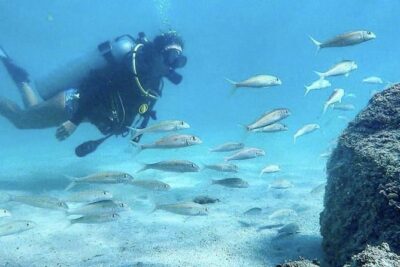
First-Time Scuba Diving in Honolulu + Free Videos
Read our review →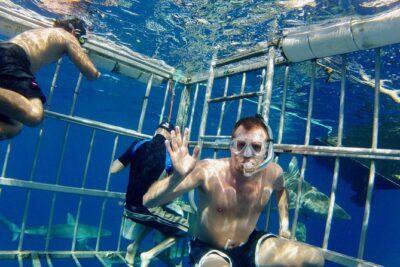

Silfra: Diving Between Tectonic Plates – Meet on Location
Read our review →
Ocean Freedom Great Barrier Reef Luxury Snorkel and Dive Cruise
Read our review →
Beginner Scuba Diving with Turtles and Videos, San Juan
Read our review →
Tenerife: Your First Scuba Diving Experience in Turtle Area
Read our review →
Browse the lists this tour appears in