
REVIEW · SPAIN
Dive In and Discover: Flamenco in an Interactive Journey
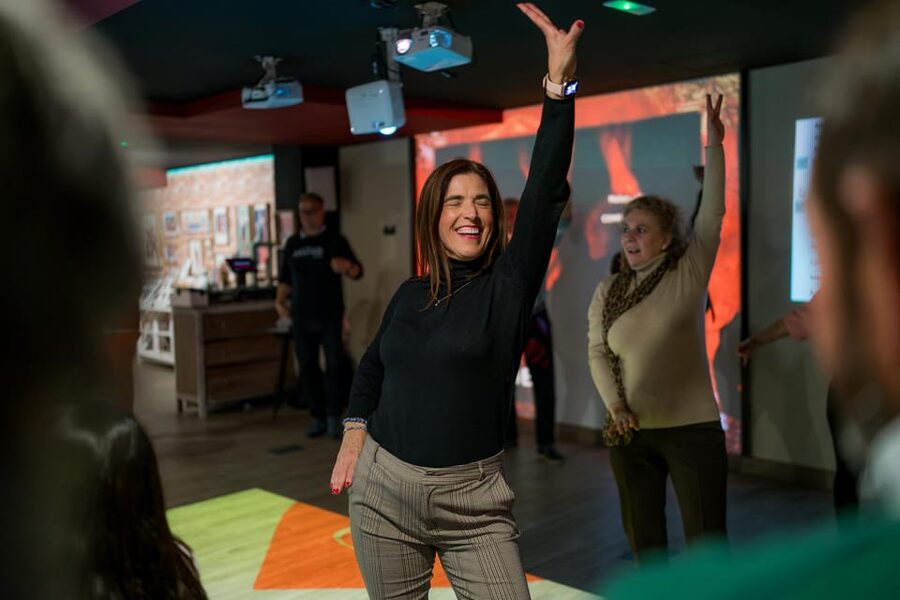
Flamenco makes more sense when you join in. This one-hour experience in central Málaga uses five interactive screens to explain flamenco singing, dance, guitar, rhythm, and feeling in a way that is easy to follow. I like the hands-on format, and I like that the guide adjusts the session to the people in the room. You are not parked in a chair watching a performance. You clap, sing, move, and take a small part in the story.
The central location also makes this easy to fit into a day in Málaga, especially if you plan to attend the 6:00 PM tablao show afterward. The main caution is consistency: one person found the group too large and the session closer to 40 minutes than an hour. That means the small-group promise matters, so check the current schedule and group size before paying.
Key points to know before you book
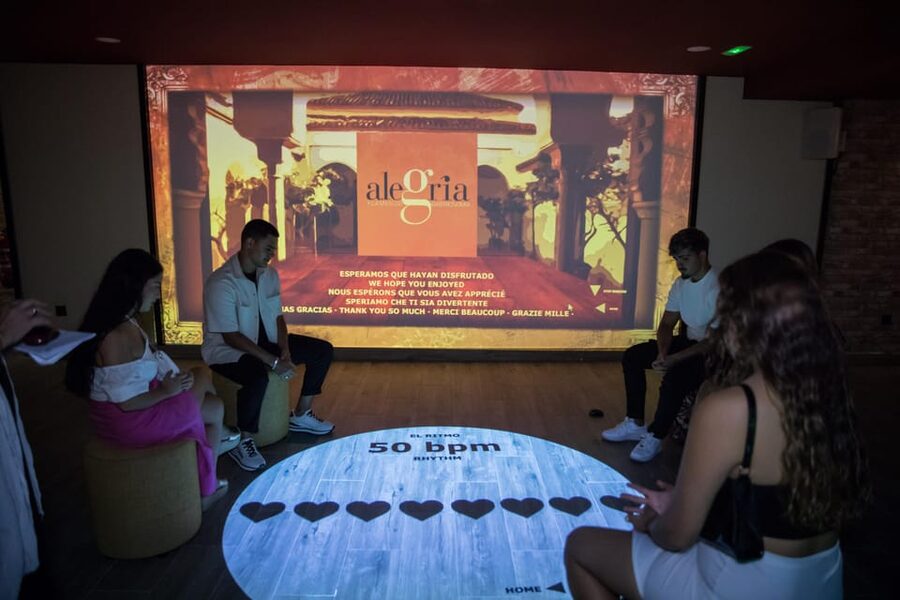
- Five interactive screens explain the art form: You use modern displays to explore flamenco singing, dancing, guitar, rhythm, and emotion.
- You become part of the lesson: Expect to clap, sing, and try dance steps instead of simply watching a demonstration.
- Juan and Catarina receive special praise: Juan created a fun, musical atmosphere, while Catarina was described as patient and passionate.
- The session is designed for mixed ability levels: Beginners can take part without prior training, and the guide can adjust the activity to the group.
- The timing works well with an evening show: The experience is scheduled to finish around 5:00 PM, leaving time before the 6:00 PM tablao performance.
- The price is reasonable for a private-feeling activity: Adults are listed at €20 and children at €15, with small groups intended to keep the experience personal.
Starting in central Málaga
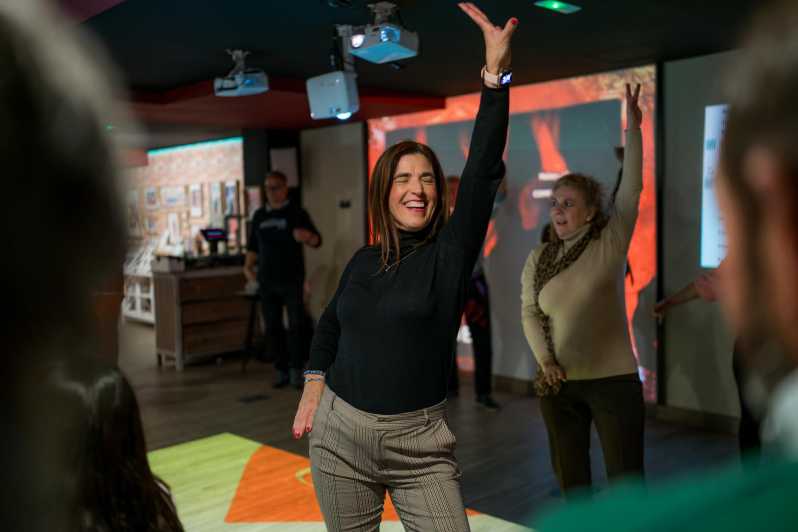
The experience takes place in the heart of downtown Málaga, a useful location if you are already exploring the historic center. You do not need to build a separate day around it. Instead, you can place this hour between sightseeing, lunch, museum time, or an evening flamenco show.
The setting is designed for all ages and does not assume that you know anything about flamenco. That matters because flamenco can look mysterious from the outside. A performance may seem to run on instinct, but the art has clear building blocks: rhythm, footwork, hand movements, singing, guitar, and emotional expression. This session gives you a way to see how those pieces fit together.
I would treat the activity as an introduction rather than a full flamenco class. You get a guided look at the form and try several elements yourself, but one hour is not enough to develop polished technique. That is not a weakness if you want context before seeing a show. It is simply useful to know what you are booking.
The tour is available in Spanish and English. The bilingual format makes it suitable for mixed-language families, couples, and small groups, provided you select or confirm the language you need.
A few more dives around Spain worth comparing
- Tenerife: Your First Scuba Diving Experience in Turtle Area
★ 4.7 · 1,679 reviews - Barcelona: PADI Discover Scuba Diving
★ 4.7 · 1,016 reviews - Mallorca: Discover Scuba Diving for Beginners
★ 4.7 · 805 reviews
The first screen: meeting flamenco on its own terms
The interactive screens provide the backbone of the session. Rather than relying only on a spoken lecture, the guide uses visuals and activities to introduce flamenco in small pieces. This helps you connect what you hear with what you see and do.
The focus is not just on flamenco as a dance. You learn about the relationship between singing, guitar, and movement, which is important because flamenco is a shared performance rather than a solo act with decoration added around it. The singer, guitarist, and dancer respond to one another through rhythm and mood.
The narrative also explains why flamenco creates such a strong emotional response. The supplied details do not specify every historical topic covered, so I would not expect a full academic account of Andalusian culture. What you do get is a practical explanation of how flamenco communicates feeling through sound, posture, rhythm, and gesture.
That approach suits families and first-time visitors. Children can follow an image or activity more easily than a long talk, while adults get enough structure to watch a later performance with sharper eyes and ears.
Learning the rhythm with your hands
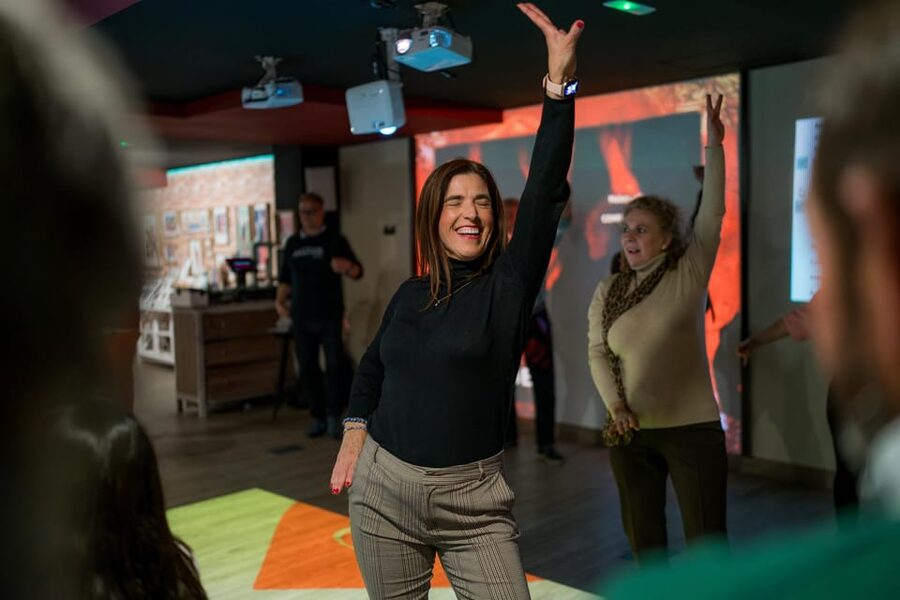
Clapping is one of the most useful parts of an introductory flamenco session because it puts rhythm directly in your hands. You are not merely told that rhythm matters. You get a chance to feel the pattern and discover how quickly a simple clap can become confusing.
This is also where the tone of the guide matters. Juan was praised for creating a fun atmosphere and helping the group connect with the musical flow. Catarina was praised for patience, kindness, and her clear passion for flamenco. Those qualities are especially valuable when the group includes people who are not naturally musical.
You do not need to arrive with dance experience or a good sense of rhythm. One especially appealing detail is that the session welcomes people who describe themselves as having two left feet. The point is participation, not a perfect performance. A good guide keeps the activity light while still showing that the rhythm has structure.
I would expect some gentle embarrassment, particularly if you are shy about singing or clapping in front of others. That is part of the charm, but it is worth knowing before you book. This is not a quiet museum visit. You are encouraged to make sound and movement.
Trying basic flamenco movement
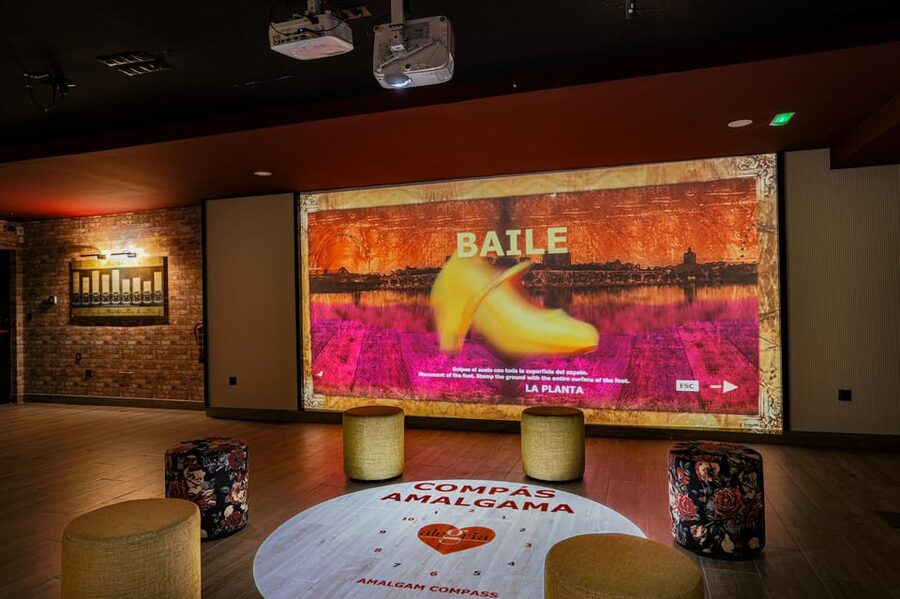
The dance portion introduces fundamental steps and gestures rather than attempting a full choreography. You may try a few movements, learn how the body responds to the rhythm, and see how posture changes the feeling of a phrase.
This gives you a better sense of why flamenco dance is not simply fast footwork. The hands, arms, shoulders, stance, and facial expression all help carry the mood. Even a short activity can make a later stage performance easier to read.
The guide adjusts the material according to the group. A family with children may receive a different pace from a group of adults who already know flamenco. The experience is also suited to people who have seen performances before but want to understand the basic mechanics.
Do not expect a professional-level workshop. The value is in gaining a starting point and having enough experience to recognize the effort behind the finished performance. If you are looking for serious dance training, this one-hour format will be too brief.
Same coastline, a very different dive:
- Lanzarote Introductory Scuba Diving Experience
★ 5.0 · 766 reviews - Tenerife: Beginner’s Dive at a Spot with Turtle Sightings
★ 4.7 · 627 reviews - Scuba Diving Experience for Beginners in Gran Canaria
★ 5.0 · 561 reviews - Tenerife First Time Scuba Dive – Turtle Habitat, Small Groups
★ 4.5 · 456 reviews
Understanding singing and guitar
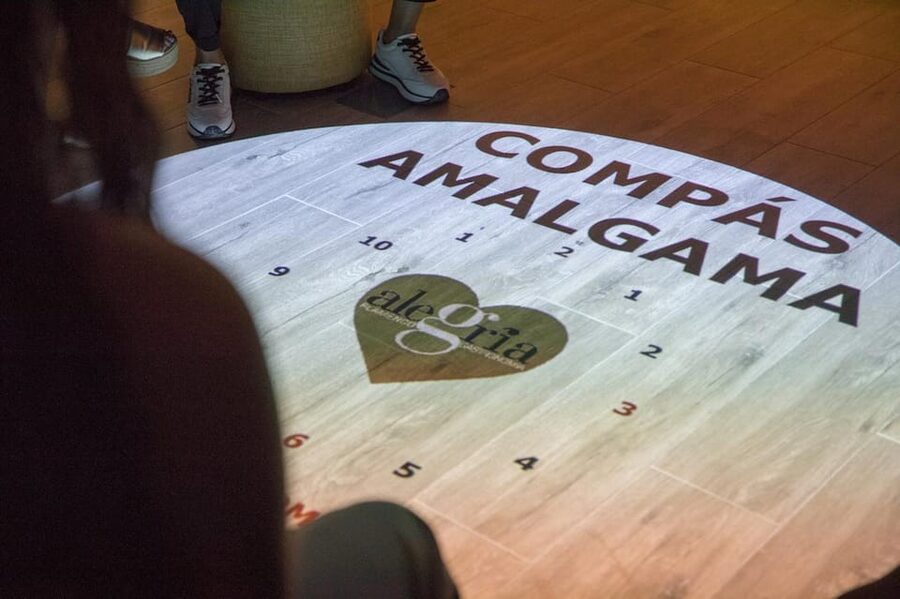
The session also covers the vocal and guitar sides of flamenco. That balance is important because visitors often focus on the dancer and miss the conversation between the performers.
The guide explains the basics in an accessible way, then uses the interactive material to support the explanation. The exact order can change depending on the audience, since the experience is designed to adapt rather than follow a rigid script.
You may sing along or experiment with the sound of flamenco yourself. The activity is not presented as a concert, so do not book it expecting a long professional performance. It is closer to a guided introduction in which you learn by taking part.
For me, this is where the experience has the most practical value. Afterward, you are more likely to notice the guitarist’s role, the singer’s phrasing, and the way a dancer reacts to changes in rhythm. A performance that once seemed like a blur of emotion becomes easier to follow.
The guide makes the difference
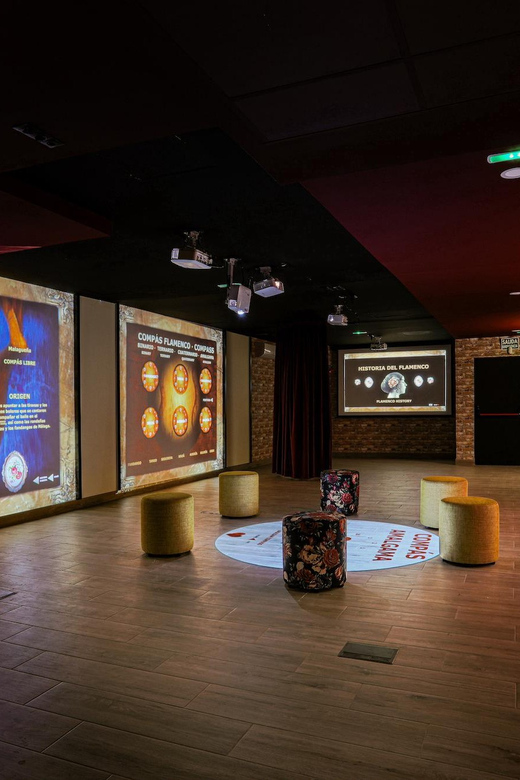
Technology provides the structure, but the guide determines the mood. A screen can demonstrate a rhythm or show an image, but it cannot replace a person who notices when a group is lost, nervous, or ready for more.
Juan is associated with an upbeat, musical session, while Catarina is especially suited to people who need encouragement and patience. Their styles may differ, but both examples point to the same practical benefit: the instructor is not simply pressing buttons and repeating information.
The group format also appears to vary. Some sessions may feel almost private when only a few people book. One person described a one-to-one experience, and another group of three found itself in what felt like a private lesson. That can be excellent value if you want personal attention.
At the same time, one person found the group too large and the session too short. I would take that criticism seriously because intimacy is part of the advertised appeal. If a large party has booked the same slot, the amount of individual participation may change. Ask about the expected group size if that matters to you.
Why the one-hour format works, and where it falls short
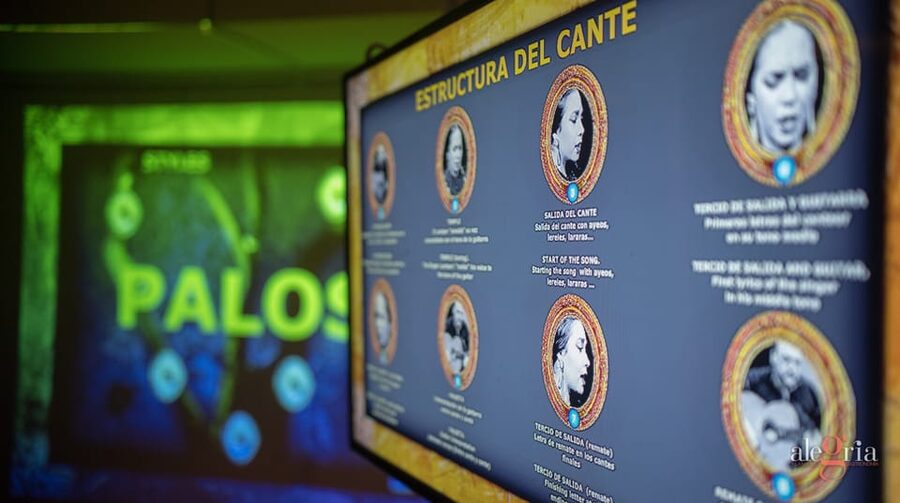
An hour is a sensible length for a first meeting with flamenco. It is long enough to cover the main elements and let you participate, but short enough to fit around Málaga sightseeing.
The format works especially well for families. Children can move between explanation and activity, and adults do not have to commit to a long class. It also suits couples and friends who want something more active than a standard cultural talk.
The limitation is that flamenco has a lot to explain. You will not cover every regional style, musical form, or historical influence in sixty minutes. The session offers a clear doorway, not the whole building.
There is also a reported difference between the planned length and one actual visit, which lasted about 40 minutes. Because of that, I would leave a little extra time rather than scheduling another activity immediately afterward. The stated finish around 5:00 PM works well before a 6:00 PM tablao show, but confirm the exact start and finish when you book.
Pairing the activity with a 6:00 PM show
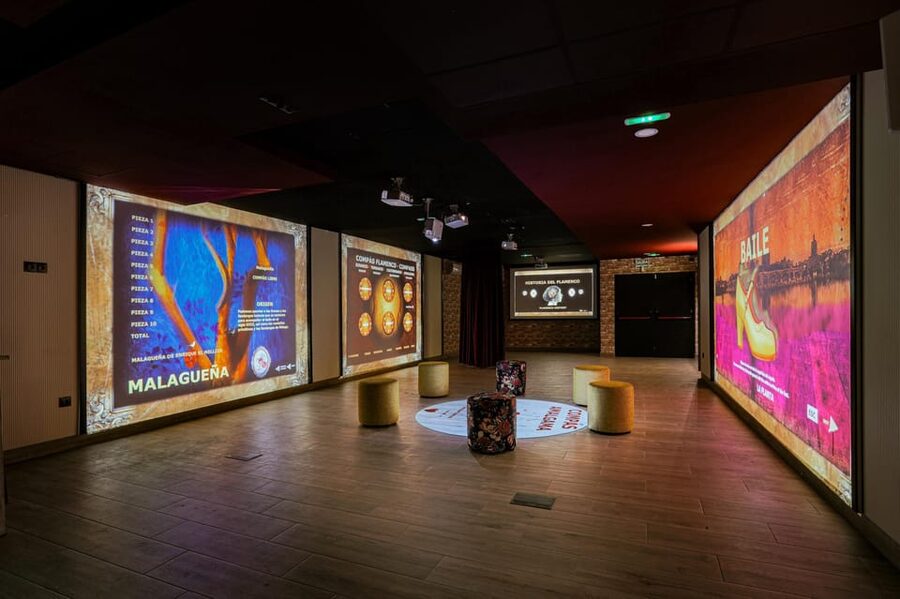
The most natural plan is to take the interactive session first and attend a performance afterward. The schedule is designed to finish around 5:00 PM, giving you time before a 6:00 PM show at the tablao.
That order improves both experiences. You first learn what to listen for, then watch professionals use the same ingredients at a much higher level. You may notice the clapping patterns, the role of the guitar, or the way the dancer creates tension without constant movement.
The two activities are not presented as one combined ticket, so check what is included in your own booking. The interactive session is an introduction, while the tablao show is the performance component. Together, they create a fuller evening than either one alone.
If you are not attending the show, the activity still works as a compact cultural stop. Its central Málaga location makes it easy to combine with other plans.
Price and overall value
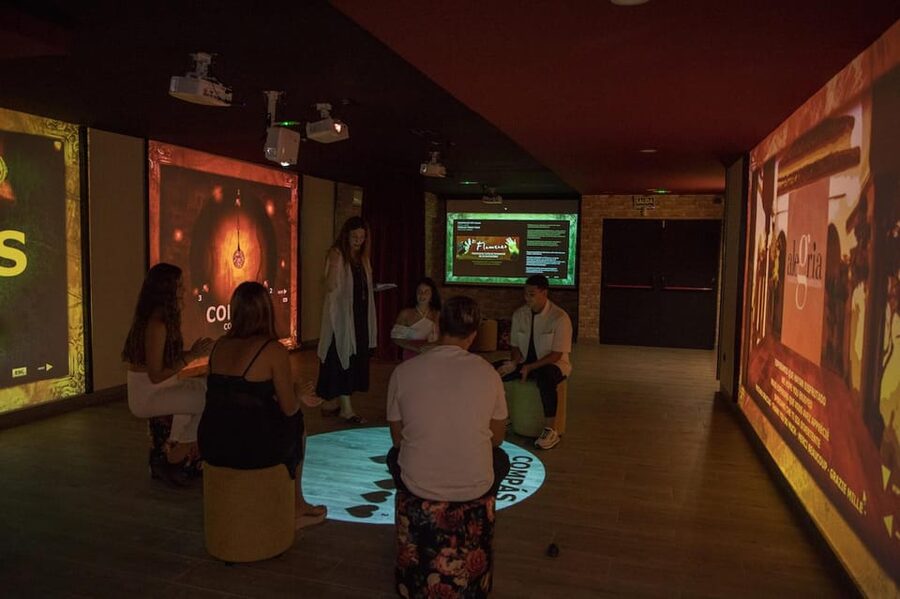
The detailed pricing is listed as €20 for adults and €15 for children. The summary also shows a price of $21 for a group up to one person, so you should check the current booking page and currency before confirming. The adult and child rates are the clearest detailed figures provided.
For that price, you are paying for more than screen access. You receive a guided activity, a bilingual option, active participation, and a small-group format intended to provide personal attention. If you are able to join a very small session, the value improves considerably because the guide can respond to your pace.
The price is less attractive if you want a full performance or a serious dance lesson. You would be paying for an introduction, not an evening show and not a multi-session course. I see it as good value for families, first-time visitors, and anyone already planning a tablao performance.
Free cancellation is available up to 24 hours before the activity for a full refund, and you can reserve now and pay later. The activity is wheelchair accessible. Those details make it easier to fit into a changing Málaga itinerary.
Who will enjoy this most
I would recommend this experience to:
- Families looking for a cultural activity that keeps children involved
- First-time flamenco spectators who want basic context before a show
- Couples and friends who prefer participation to passive sightseeing
- People who want a short, central activity in Málaga
- Visitors who are curious about singing, guitar, and rhythm as well as dance
- Small groups that value direct contact with the guide
It may not suit you if you want an uninterrupted professional performance, a long history lecture, or advanced dance instruction. It also may disappoint if your session is larger than expected or ends earlier than the advertised hour.
The activity is friendly to beginners, and you do not need to arrive with rhythm or dance skills. You only need to be willing to try. That willingness matters more than coordination.
Should you book this Málaga flamenco experience?
Book it if you want to understand flamenco by taking part in it. The five screens give the hour a clear structure, while the guide adds warmth, correction, and encouragement. The strongest elements are the active clapping and dance exercises, the attention given to beginners, and the chance to follow the session with a 6:00 PM show.
Before you pay, confirm the current price, language, group size, and exact duration. That small check addresses the one clear weakness reported about a crowded, shortened session. With a small group and a good guide such as Juan or Catarina, this is a lively and affordable way to begin listening to flamenco with new ears.
FAQ
Where does the flamenco experience take place?
It takes place in central Málaga, in Andalusia, Spain.
How long does the experience last?
The stated duration is one hour, although the exact starting time depends on availability.
What languages are offered?
The experience is offered in Spanish and English.
Is the activity suitable for children?
Yes. It is designed for all ages and audiences, and children have a listed price of €15.
What is included in the activity?
The experience includes interactive screens, a guide, singing, dancing, clapping, and an introduction to flamenco culture.
Do I need previous flamenco experience?
No. The activity adjusts to your level and is suitable for beginners as well as people already familiar with flamenco.
How much does it cost?
The detailed price is €20 for adults and €15 for children. The supplied summary also shows $21 for a group up to one person, so check the current booking currency and price before confirming.
Is the experience wheelchair accessible?
Yes, the activity is wheelchair accessible.
Can I cancel for a full refund?
Yes. You can cancel up to 24 hours in advance for a full refund.
Can I attend a flamenco show afterward?
Yes. The experience is expected to finish around 5:00 PM, making it possible to attend the 6:00 PM show at the tablao.
New dives around Spain
- Your first introductory dive in Lanzarote with FREE photos.★ 4.7 · 16 reviews
- Tenerife: 2 Diving Sessions for Certified Divers★ 4.2 · 7 reviews
- TRY SCUBA – Experience for beginners★ 5.0 · 2 reviews
- Lanzarote: Beginner Scuba Diving from the Beach★ 5.0 · 2 reviews
- Beginner Scuba Dive with Scubapoint Tenerife in Turtle Area★ 4.7 · 8 reviews
- Scuba Experience in Tenerife with Guide★ 5.0 · 30 reviews
- Try Scuba Diving Puerto Colon★ 5.0 · 2 reviews
- Scuba Diving in Turtle and Ray Area★ 5.0 · 7 reviews
Scuba Diving, compared.

Great Barrier Reef Snorkeling and Diving Cruise from Cairns
Read our review →
First-Time Scuba Diving in Honolulu + Free Videos
Read our review →

Silfra: Diving Between Tectonic Plates – Meet on Location
Read our review →
Ocean Freedom Great Barrier Reef Luxury Snorkel and Dive Cruise
Read our review →
Beginner Scuba Diving with Turtles and Videos, San Juan
Read our review →
Tenerife: Your First Scuba Diving Experience in Turtle Area
Read our review →
Browse the lists this tour appears in