
REVIEW · MEXICO
Costa Maya: Two Tank Fun Dive for Certified Divers
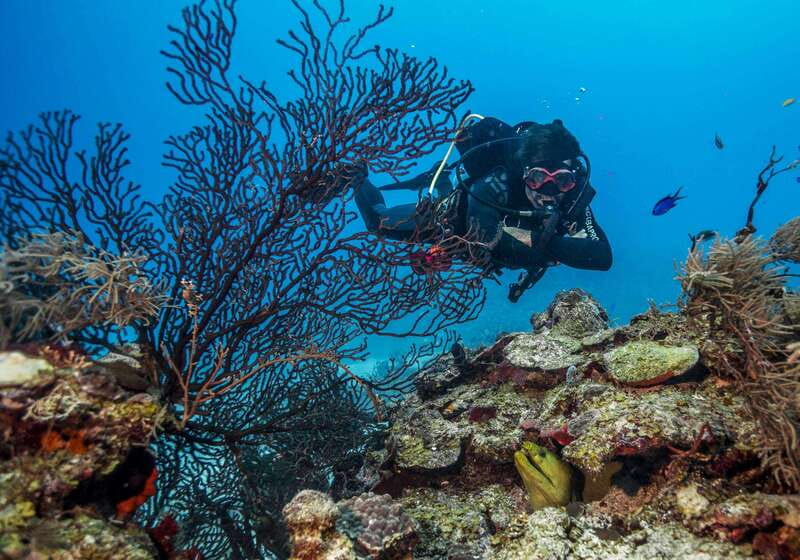
The best reef day starts with simple logistics. This four-hour Costa Maya scuba outing pairs small groups of no more than five divers per guide with short boat rides to the Mahahual reef, where turtles, rays, moray eels, lobsters, and Caribbean fish may appear among the coral. I like the way the staff match sites to experience levels, and I like that full scuba equipment is included without a rental surcharge.
The main drawback is that the advertised cost is not the final cost. At $105 per person, you still need to pay for a taxi and the Mexican Caribbean Park fee, and the stated park charge appears as both $3 and $5 in the trip information. I would confirm that fee before setting out, especially if you are watching every dollar on a cruise day.
Key points to know before you book
- The reef is only 10 to 15 minutes from shore: Short boat rides mean more time underwater and less time bouncing around offshore.
- Guides keep groups small: The maximum ratio is one guide for five divers, with private guide service available for an extra $30 per diver.
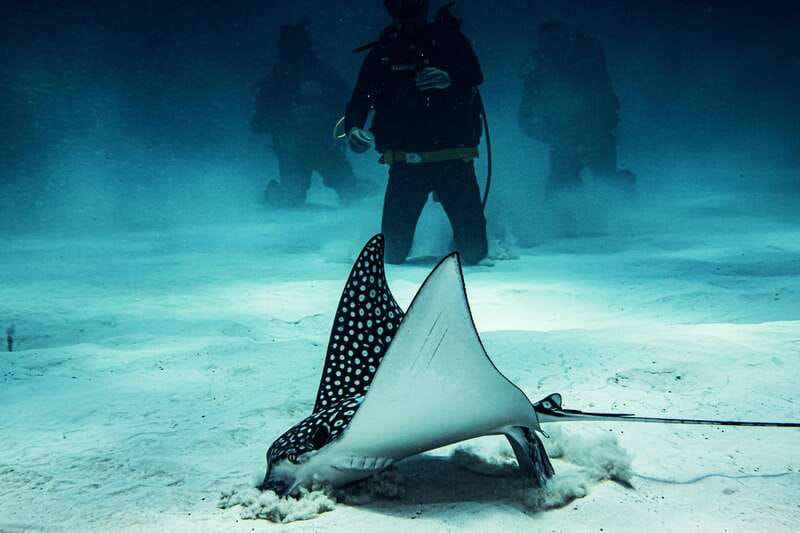
- The marine life list is impressive: Four turtle species, rays, nurse sharks, moray eels, barracudas, groupers, lobsters, and more than 500 fish species live in the wider reef area.
- The surface break happens at Blue Kay: You return to shore between sessions for fresh water, coffee, fruit, and a rest on the beach.
- The trip uses full scuba equipment: The one notable exception is a dive computer, which is not included.
- Cruise timing needs care: Confirm local port time with your ship, since some ships keep ship time instead of matching Costa Maya time.
Why the Mahahual reef makes this trip worthwhile
Mahahual sits along the Mexican Caribbean coast in Quintana Roo, near Costa Maya’s cruise port. The reef here supports more than 65 kinds of stony coral, about 350 mollusc species, and more than 500 fish species. That does not guarantee a particular animal on your two sessions, but it explains why the area offers more than a quick swim over a bare patch of seabed.
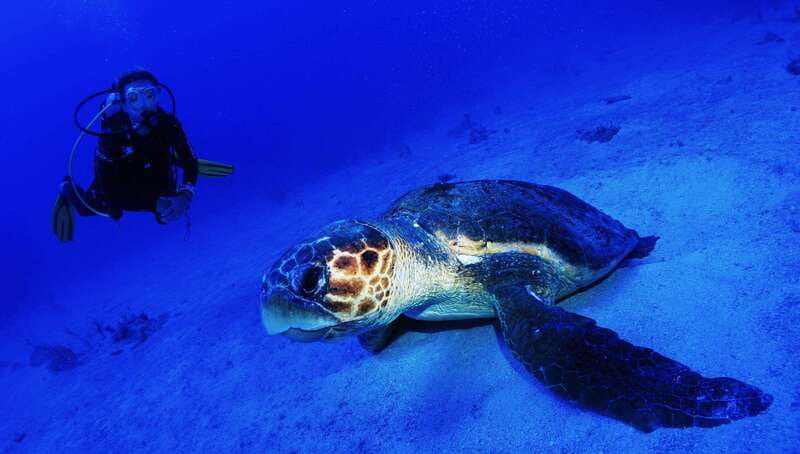
The reef also provides shelter for protected and endangered animals. Green, hawksbill, loggerhead, and leatherback turtles are found in the region. Caribbean manatees, Morelet’s crocodiles, elkhorn coral, and black coral are also part of the local natural setting, though you should treat those as possible regional sightings rather than promised encounters.
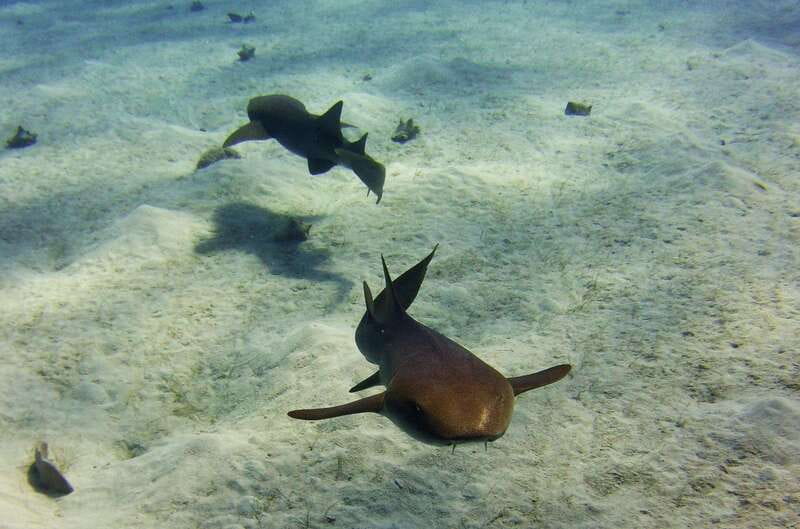
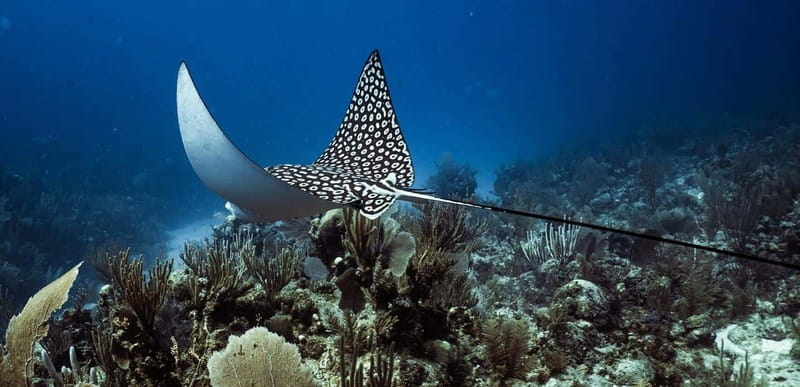
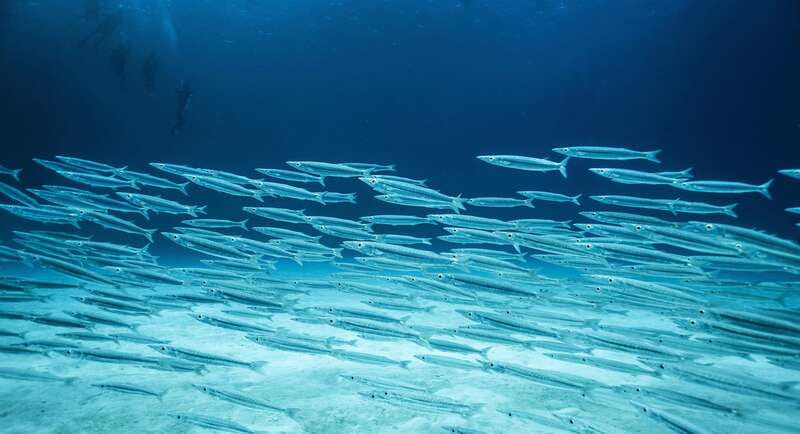
For a typical outing, the more realistic list includes tropical fish, moray eels, rays, lobsters, barracudas, groupers, nurse sharks, and turtles. Angelfish, butterflyfish, parrotfish, wrasses, damselfish, surgeonfish, and other reef fish may gather in schools or slip between coral formations.
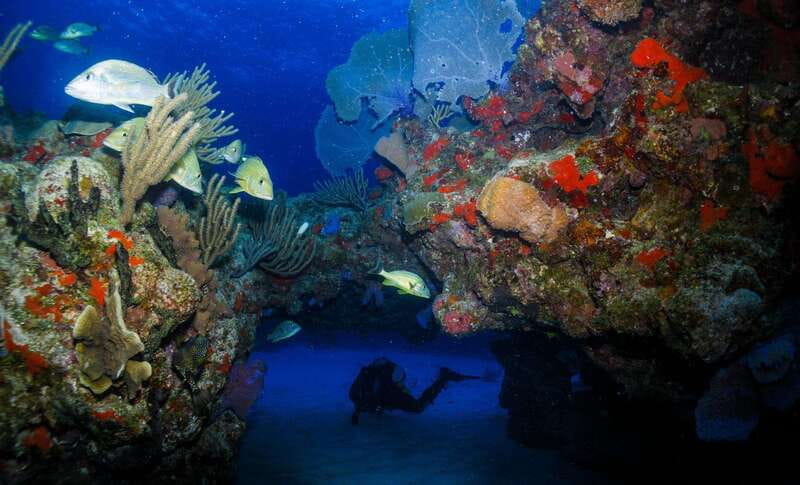
I especially like the range of possible underwater settings. The operator uses five different site types across three depth bands. Most sessions fall between 45 and 90 feet, with visibility usually averaging about 90 feet. Conditions are described as friendly, but the harbor master can stop departures if the sea is unsafe.
More Dives for Certified Divers in Mexico
- 2 dives in Cenote Dos ojos Certified Divers
★ 5.0 · 227 reviews - Private Dive Boat for Certified Divers – Cabo San Lucas
★ 5.0 · 210 reviews - 2 Tank Dive – Certified Divers (Santa Maria Bay & Chileno Bay)
★ 5.0 · 162 reviews
Getting from the cruise pier to Blue Kay
You do not meet the staff at the cruise terminal itself. After leaving the cruise ship terminal gates, take a taxi to Mar Adentro Diving, located inside the Blue Kay Ecocabañas property. The ride takes about five minutes and costs $4 per person, although a solo passenger pays double the stated fare.
Ask the driver to take you to the Blue Kay parking area, in front of reception. From there, walk toward the sea. The scuba center is on the right, close to the restaurant, roughly 90 feet from reception.
This short transfer is simple, but it matters on a cruise day. Allow enough time to leave the ship, pass through the terminal, find the taxi, and complete check-in. The operator also warns that cruise ships do not always use local time. Some ships change their clocks to match port time, while others keep the time zone of the departure port. Check with Guest Services before leaving the ship, then compare that information with your booked start time.
Check-in, paperwork, and equipment
At the center, you fill out the required paperwork and check the equipment. The staff then carry the equipment down to the beach. You inspect the gear there, and a briefing follows before the group boards the boat.
The package includes full scuba equipment, but not a dive computer. If you normally use a computer, bring your own if allowed and practical. If you rely on one for depth, air, or time tracking, ask the operator before departure how the trip is handled without a provided unit.
You need to bring proof of scuba certification. This is not a beginner lesson, and uncertified participants cannot join. The trip is also not suitable for children under 10, pregnant women, people with high blood pressure, or people with pre-existing medical conditions.
The staff speak English and Spanish. Their role is not just to lead the group through the water. They also help with equipment and can adjust the plan to match the training level represented in the group. That is useful if your certification is current but your experience is mixed, or if you prefer a calmer pace.
The first 50-minute underwater session
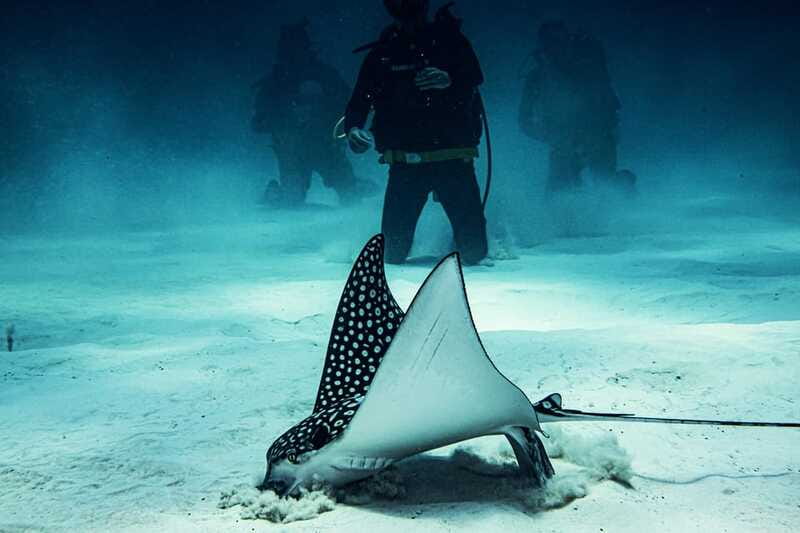
The boat ride to the site takes about 10 minutes. That short run is one of the trip’s practical strengths. You are not spending most of the morning traveling to an offshore location, and the boat returns to the same beach area between sessions.
The first underwater session lasts about 50 minutes. Exact depth and site selection depend on the group’s training and conditions. The operator describes most sites as falling between 45 and 90 feet, so you should be comfortable with the depth appropriate to your certification and recent experience.
This is the time to watch the coral closely rather than race after large animals. Small reef fish may move in groups, while moray eels can hide in crevices. Lobsters, rays, and crabs may be easier to spot when you slow down and scan the coral rather than simply looking ahead.
Turtles and nurse sharks are possible, but no wildlife encounter is guaranteed. The sensible approach is to enjoy the full reef community instead of treating one animal as the measure of a successful session. Good visibility helps, and the usual average is about 90 feet, though visibility can change with conditions.
More Two-Tank Boat Dives in Mexico
- Two Tanks Scuba Diving for Beginners in Cancun
★ 5.0 · 233 reviews - 2 Tank Morning Dive: Scuba Diving in Cozumel
★ 5.0 · 148 reviews - Two tanks local diving for certified divers, SCUBA gear included
★ 5.0 · 122 reviews - 2 Tank Dive (for certified divers)
★ 5.0 · 120 reviews
The beach interval at Blue Kay
After the first session, the boat returns to shore for a surface interval. The published schedule lists a 25-minute break, while the operating description says the interval is around 40 minutes. That difference may reflect the day’s timing, but I would ask the staff for the expected schedule when you arrive.
The break takes place at Blue Kay, described as one of the area’s best beaches. Fresh water, coffee, and a fruit snack are included. This is a useful pause, not wasted time. You can hydrate, warm up, check your equipment, and let the staff prepare for the second site.
The beach club itself is not included. You get the beach break, but extras at the club are separate. Keep that distinction in mind if you expect a full resort-style beach package.
The interval also makes this outing easier than a back-to-back boat trip. You return to land, have access to refreshments, and get a chance to speak with the guide about how the first session felt. If you need a change in pace or have a concern about the equipment, this is the right time to say so.
The second 50-minute session
The boat ride out takes about 10 minutes again. The second session lasts about 50 minutes, giving you roughly 100 minutes of total underwater time if conditions and air consumption allow.
A second site can offer a different type of reef setting from the first. The provider has five underwater site types available, and the guide chooses according to training levels and conditions. You may see similar species again, but the extra time increases your chances of noticing animals tucked into coral or catching fish activity that you missed earlier.
The maximum guide ratio of one to five is a meaningful safety and comfort feature. It gives the guide a better chance of keeping track of the group and responding to individual needs. It does not mean the guide can provide one-on-one instruction to everyone, so you should still be a self-sufficient certified scuba participant.
If you dislike adjusting your pace to a group, you can pay $30 extra per diver for a private guide. The boat and site remain shared, so this is not a fully private charter. It simply gives you a private guide within the common outing.
What the $105 price really includes
The $105 price is reasonable for a four-hour coastal scuba trip when you value the equipment, boat transport, two sessions, guide service, refreshments, and beach interval. Full gear is included, which saves you from a separate rental bill. The small guide ratio also adds value, especially for divers who prefer support without booking a full private trip.
Still, the actual budget is higher than $105. You need to add the taxi from the cruise terminal, approximately $4 per person, or double that fare for a solo passenger. You also need to pay the Mexican Caribbean Park entry fee.
There is an inconsistency in the supplied information: one section lists the park fee as $5, while another says $3 per day. Because fees can change, confirm the current amount with Mar Adentro Diving before your trip. This is a small charge, but it is better to carry the correct amount than discover a surprise at check-in.
The beach club is not part of the price, either. Coffee, fresh water, and fruit are included, but do not assume that food, drinks beyond those items, or club services are covered.
Conditions, safety, and useful preparation
The outing runs in rain unless the harbor master decides that sea conditions are unsafe. A cloudy day does not automatically cancel the trip, so bring practical sun and weather protection for the boat and shore time.
Use only reef-friendly sunscreen, applied 20 minutes before the boat ride. Do not drink alcohol before scuba activity. These rules are basic, but they matter in a warm coastal setting where it is easy to treat the morning like a casual beach outing.
Bring your certification card or accepted proof of certification. Check the equipment carefully, including fit and condition, and ask about the missing dive computer before you leave the beach. You should also tell the guide what support you need rather than staying quiet to avoid slowing the group.
The operator can select sites based on participant training. That makes the trip suitable for a range of certified scuba participants, but your own comfort still matters. If you are newly certified, have not been in the water recently, or feel uneasy about the stated depth range, explain that during check-in.
Who will enjoy this Costa Maya outing most
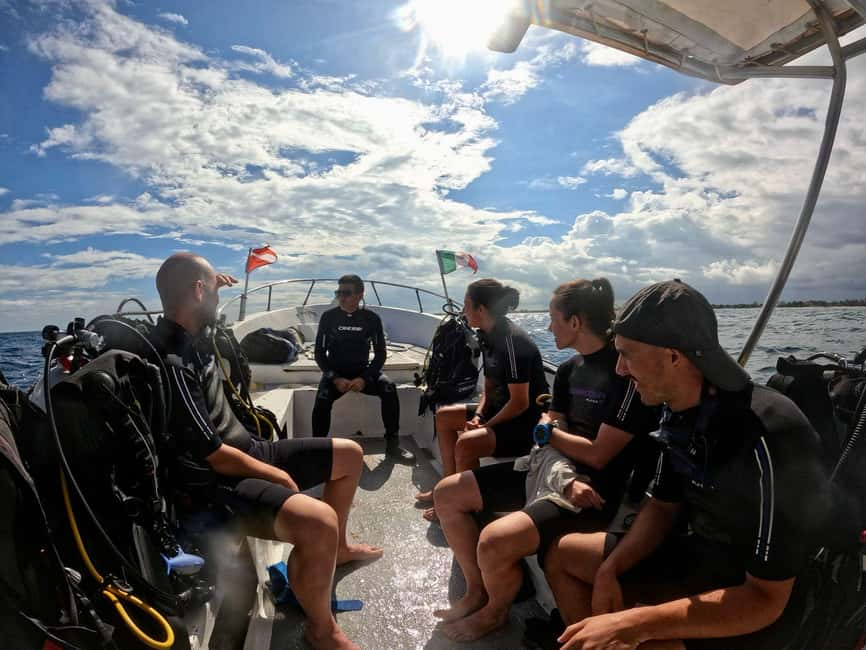
I would choose this trip if you want two proper scuba sessions without spending most of the day on transport. It is especially well suited to certified cruise passengers who value a small group, included gear, short boat rides, and a guide who adjusts site choice to the group.
It also suits divers who want a friendly, practical operation rather than a luxury package. The setting is a working reef and beach facility, not an all-inclusive resort day. You get the essentials, plus a pleasant shore interval, but you should budget for the taxi, park fee, and any personal purchases.
You may want the private guide option if you dislike peer pressure or have a stronger preference for pace. At $30 extra per diver, it is a modest upgrade, though the boat and site remain shared.
I would skip this outing if you are not certified, have a medical issue listed in the restrictions, or want a fully private boat. I would also avoid booking it without checking your ship’s port time and return deadline. The four-hour duration is manageable, but cruise passengers should leave a sensible margin for the ride back to the terminal.
Should you book the Mahahual reef trip?
Book it if your priority is solid underwater time with sensible logistics. The $105 base price covers the costly parts of a two-session outing, including the boat, guide, and equipment, while the reef offers a real chance to see turtles, rays, reef fish, and larger Caribbean species.
Before paying, confirm the start time, the current park fee, the surface interval length, and your ship’s local time. Bring certification proof, use reef-friendly sunscreen, and remember that the dive computer, taxi, park entry, and beach club extras are not included.
The simple verdict is favorable. This is a practical choice for certified divers who want a well-supported half-day on the Mahahual reef, with enough structure to feel organized and enough flexibility to keep the experience comfortable.
FAQ
How long does the Costa Maya scuba experience last?
The activity lasts four hours. The schedule includes two 50-minute scuba sessions, boat rides of about 10 minutes each way, and a beach interval between sessions.
Is scuba equipment included?
Yes. Full scuba gear is included, but a dive computer is not provided.
How far is the reef from shore?
The boat ride to the dive sites takes about 10 minutes. The general operating information describes boat trips from the jetty as taking 10 to 15 minutes.
What certification do I need?
You must bring proof of scuba certification. The experience is not available to uncertified divers.
How large are the groups?
The maximum guide ratio is one divemaster or instructor for five divers. A private guide can be requested for an additional $30 per diver, but the boat and site remain shared.
What extra costs should I expect?
The taxi from outside the cruise terminal to the dive center costs about $4 per person, with solo passengers paying double the stated fare. The Mexican Caribbean Park fee is also extra, and the supplied information lists it inconsistently as $3 or $5, so confirm the current amount before arrival.
More Fun Dives in Mexico
- Fun Dive Machine in Playa del Carmen or Cozumel-For Certificates
★ 5.0 · 43 reviews - Fun dives Cozumel south marine park
★ 5.0 · 5 reviews - 5 Fun Dives in Nusa Lembongan (for certified divers) – Swim with a Mola Mola
★ 5.0 · 205 reviews - Two fun dives morning trip (Certified Divers only)
★ 5.0 · 170 reviews
New dives around Mexico
- Underwater Museum Musa : SCUBA DIVING FOR BEGINNERS★ 4.3 · 4 reviews
- Tulum : Dos Ojos cenote 2 scuba dives (certified divers)★ 5.0 · 3 reviews
- Tulum: Dos Ojos Cenote 2 Scuba Dives with Transfer Option★ 4.5 · 13 reviews
- Tulum : Scuba in 2 cenotes including a deep one Pit Dos Ojos★ 4.9 · 8 reviews
- Tulum: Discover Scuba Diving in Cenotes★ 5.0 · 12 reviews
- Tulum cenote diving. The ultimate experience in scuba★ 4.0 · 10 reviews
- Tulum Diving (Reef) 2 Tanks★ 5.0 · 41 reviews
- Discovery Scuba Diving★ 5.0 · 82 reviews
Two-Tank Boat Dives, compared.
Two-Tank Morning Dive Trip for Certified Divers
Read our review →
2 Tank Lanai Cathedral Scuba Dive Via Boat for Certified Divers
Read our review →
Two-Tank Dive for Certified Diving in St Thomas
Read our review →
Certified Diver: 2-Tank Deep Wreck and Shallow Reef Dive Off Oahu
Read our review →
Certified Diver: 2-Tank Shallow Reef Dives off Oahu
Read our review →
Two Tanks Scuba Diving for Beginners in Cancun
Read our review →
Aruba 2-Tank Dive Excursion for Certified Divers
Read our review →
Waikiki 2 Tank World Class Wreck SCUBA Diving – Certified Only
Read our review →Browse the lists this tour appears in