
REVIEW · THE PHILIPPINES
Beginner Freediving Course (with Bonus Session)
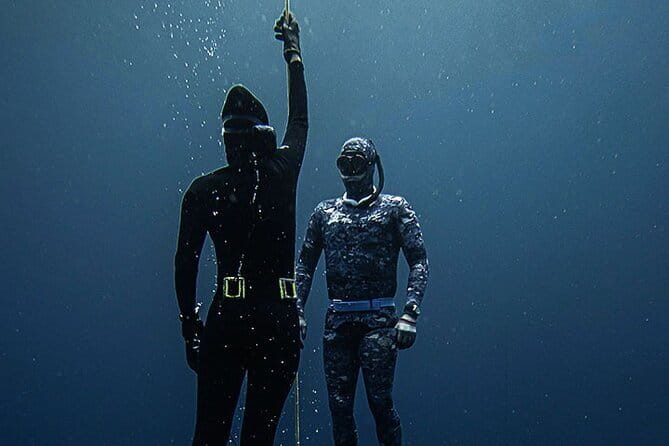
Breathing becomes your best piece of equipment. This three-day beginner course in Panglao teaches SSI Level 1 freediving through classroom lessons, pool practice, and open-water sessions at Napaling Reef. I like the small maximum of four people, which gives your instructor room to watch your form and answer questions. I also like that equipment, photos, videos, fees, and certification are included.
The main caution is the price: at $416.70 per person, this is not a casual half-day water activity. You are paying for structured training over roughly two and a half days, not only a scenic swim. You should also confirm the exact certification track at booking, since the academy offers SSI, AIDA, and Molchanovs courses.
What makes this Panglao course worth your time
- A maximum of four people: Small classes allow close attention during breathing drills, safety work, and underwater practice.
- A full beginner program: You cover relaxation, breath-hold skills, pressure concerns, and safety before heading into open water.
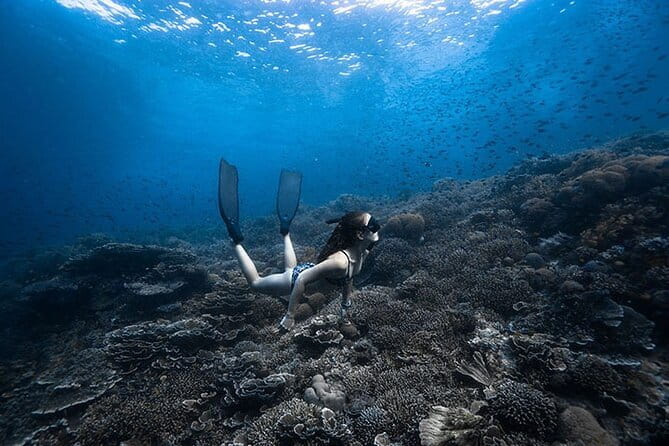
- Practice at Napaling Reef: The reef session gives your new skills a real setting, rather than ending with pool exercises.
- Equipment and media included: Snorkeling equipment, unedited photos and videos, taxes, and other fees are part of the package.
- A certificate at completion: Finish the course requirements and you receive certification through your selected agency.
- Pickup is offered: Hotel, airport, or port pickup on Panglao Island is included, although the stated meeting point is the academy.
Why freediving in Panglao feels different
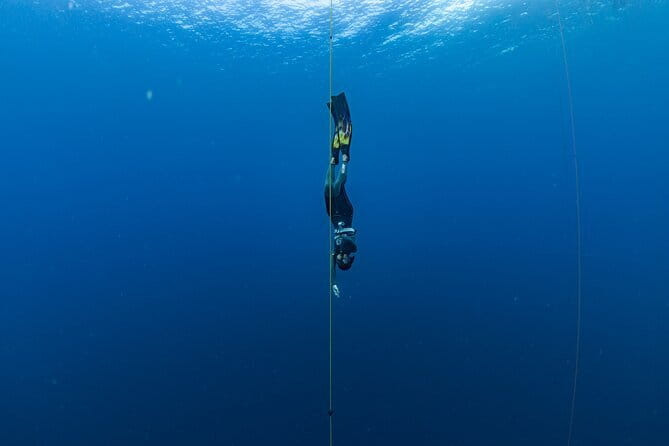
Freediving removes the tank, regulator, and much of the gear that can make ordinary underwater activities feel busy. Your attention turns to breathing, body position, calm movement, and listening to your own limits. That simplicity can feel liberating, but it also demands discipline.
This is not a quick lesson followed by an unsupported swim. The course introduces the basic safety rules first, then builds toward pool and open-water work. You learn how to prepare your breath, relax underwater, manage pressure, and return safely. The target depth is up to 20 meters, or about 65.5 feet, but that figure should be understood as a course limit and skill goal, not a depth you must force on your first attempt.
I like that the program treats calmness as a real skill. Beginners often assume that holding their breath is mainly about willpower. In practice, tension wastes air and makes the water feel harder. The emphasis on relaxation gives you a more sensible starting point.
The academy works with AIDA, SSI, and Molchanovs. The package description centers on SSI Level 1, while the academy also describes AIDA 2 and Molchanovs Wave 1 as beginner options. Ask which agency your booking covers, especially if you plan to continue training elsewhere and want your certificate to fit a particular progression system.
More Beginner Dives in the Philippines:
- Scuba Diving in Boracay: SSI Basic Diver for Beginners
★ 5.0 · 20 reviews - Scuba Diving in Boracay: SSI Basic Diver for Beginners
★ 5.0 · 10 reviews - Bohol: Discover Scuba Diving – No Experience Needed
★ 5.0 · 4 reviews
Day one: classroom work and the basics
The first stage takes place at Freedive Academy Panglao on Napaling Drive. Expect an introduction to the sport, equipment, breathing, breath-hold technique, relaxation, and pressure-related concerns. Safety is not a side note here. It is the foundation of every later session.
You should pay close attention to the section on pressure. Going lower changes how your ears and body feel, and you need to understand equalization before attempting greater depth. The course is useful because it gives you a framework for recognizing what feels normal and what means you should stop.
The classroom portion also helps explain why the sport cannot be judged by a single breath-hold attempt. You learn preparation and recovery, not just how long you can stay underwater. That distinction matters. A person with strong swimming ability still needs proper freediving habits.
The academy is also the practical base for the course. It is open daily from 8:00 AM to 5:00 PM during the stated operating period. Since the program runs across several days, bring enough time for the lessons and practice rather than planning tightly timed sightseeing around them.
Pool sessions: building calm before open water
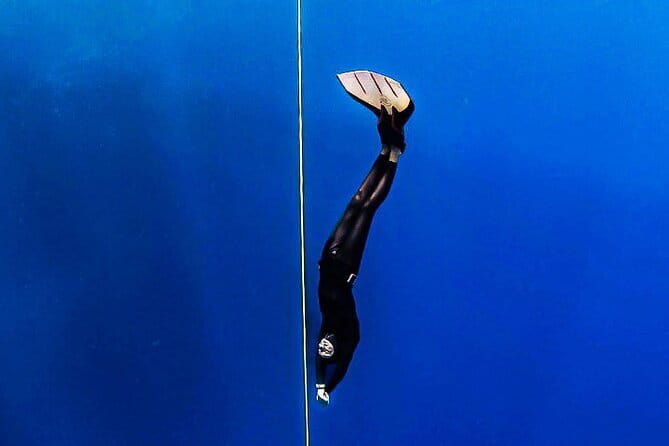
Pool work gives you a controlled place to practice. You can focus on breathing, relaxation, movement, and comfort without the added concerns of reef conditions or changing depth. This is where an attentive instructor matters most.
The small group limit is a real advantage. With no more than four participants, your instructor can watch how you prepare, how you move, and how you respond underwater. The strongest praise for the academy centers on patient, safety-focused instruction. Teo is singled out for putting safety first and giving calm guidance. Jomari is praised for being patient, helpful, and encouraging. Ramar is also described as clear, supportive, and careful.
Those individual qualities are important for a beginner course. You do not want an instructor pushing everyone at the same pace. You want someone who can tell the difference between healthy nerves and a genuine need to pause.
The program also has a friendly, informal side. Feedback highlights staff members including Ven, Edwin, Rea, Scott, Vincent, and others for creating a supportive community. That does not replace formal instruction, but it can make a first attempt less intimidating.
One practical point: the included equipment is described as snorkeling equipment. The course itself may use additional freediving gear as part of the academy’s instruction, but the supplied details do not spell out every item. Ask what is provided, what you should bring, and whether any personal equipment affects the final price.
Napaling Reef: taking your skills into the sea
The open-water portion takes place at Napaling Reef, listed as the second stop in the program. This is the moment when classroom ideas and pool habits meet the sea. You may notice that breathing, relaxation, and equalization feel different once you are in open water.
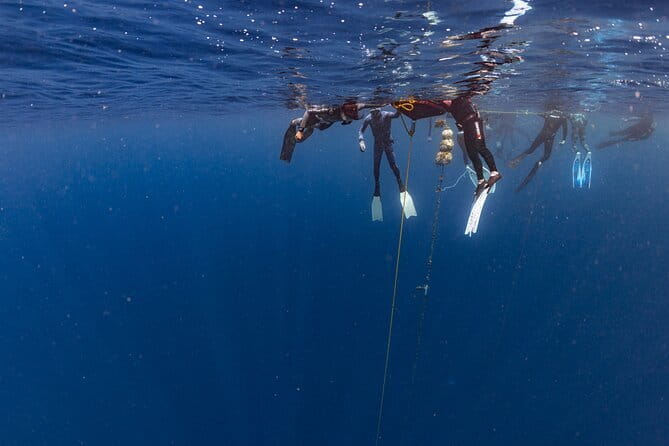
Napaling is also known for its underwater views and sardine encounters, which gives the course a scenic reward beyond the certificate. The setting is a strong part of the appeal. You are not learning in an anonymous training pool and going home without seeing Panglao’s marine life.
Still, the reef session is a training session first. It is not simply a sightseeing trip. Your instructor’s job is to help you apply safe technique and manage your depth, not rush you toward the deepest possible point. The open-water setting can bring more distractions and more pressure, so the earlier lessons matter.
Several people have praised the academy’s snorkeling guidance at the reef, including the care shown by Teo, Ven, Edwin, and Rashid. The feedback also includes a particularly useful point for mixed-age groups: two parents over 60 were able to enjoy a snorkeling outing with professional support. That does not mean every person should attempt the full freediving course without checking their own readiness, but it does show that the staff can work patiently with different comfort levels during water activities.
The package includes unedited photos and videos. That is a nice extra because you can keep a record of your first proper underwater sessions without arranging a separate photographer. Do not expect a polished production. Unedited media is best understood as an informal record of your day.
More Freediving Trips in the Philippines:
- Discovery Freediving Program
★ 5.0 · 37 reviews - Panglao: Napaling Reef and Sardines Freediving Experience
★ 4.9 · 16 reviews - Discover Freediving in Boracay
★ 4.9 · 7 reviews - Discover Freediving One Amazing Day
★ 4.5 · 4 reviews
What $416.70 really buys you
At $416.70 per person, the cost looks high beside a standard snorkeling trip. The comparison is not quite fair. A typical snorkel outing may last a few hours, while this course uses about two and a half days to teach a formal skill set and issue a certificate.
Your price includes small-group instruction, course sessions, equipment listed in the package, photos and videos, all fees and taxes, and certification upon completion. Panglao Island hotel, airport, or port pickup is also included according to the course details. That combination makes the price easier to justify if you genuinely want to learn freediving rather than simply see the reef.
The value is strongest for someone who plans to continue. After the course, you have a foundation in safety, breath preparation, relaxation, and pressure management. If you only want one afternoon in the water, the cost and time commitment will feel excessive.
Lunch is not included. It can be ordered a day ahead for about 250 Philippine pesos. That is a small extra cost, but plan for it because a full training day is not the time to search for food between sessions.
The course is listed with a bonus session in its title, but the supplied schedule does not explain its exact timing or content. Ask the academy how that bonus session fits into your selected dates. It may be especially useful to know if you are arranging flights or other island plans.
Pickup, meeting point, and the daily rhythm
The stated start and end point is Freedive Academy Panglao, Napaling Drive 1, Panglao, Bohol, postal code 6339. The activity ends back at the meeting point. At the same time, hotel, airport, or port pickup on Panglao Island is advertised as included.
Because those two details appear together, confirm your pickup instructions after booking. You should know whether the driver collects you at your accommodation each morning or whether you need to reach the academy for the first session.
The activity operates Monday through Sunday from 8:00 AM to 5:00 PM during the listed date range. That is a broad operating window, not a promise that every class occupies the entire period. Your exact start time and daily schedule should be confirmed with the academy.
A mobile ticket is provided, and confirmation is received at booking. Keep the confirmation easy to access on your phone, particularly if you are coordinating pickup.
The maximum group size is four. This is one of the most useful practical details in the entire package. A small class can make the training feel more personal, though the exact instructor assigned to you may vary. Names praised in feedback include Teo, Jomari, Ramar, Ven, Edwin, Rea, Scott, Vincent, and Rashid.
Who should book this course?
I would choose this for a water-sports fan who wants a real introduction to freediving, not a quick photo stop. It suits someone willing to spend several days learning slowly, practicing in a pool, and following safety instructions before attempting greater depth.
It is also a good fit if you value personal instruction. Four people is a far better setting for correcting breathing and movement than a large group. The academy’s reputation for patient, encouraging staff adds to the appeal for nervous beginners.
You should think twice if your schedule allows only one free day. The course lasts about two and a half days, and the training requires attention. It may also be the wrong choice if your main goal is simply snorkeling with sardines. The reef and marine life are attractive extras, but the central product is instruction.
Families can consider the academy for water activities, as the staff has supported older participants and non-swimmers during snorkeling outings. However, the supplied information does not state a minimum age, medical requirement, or formal swimming requirement for this specific course. Ask before booking if any member of your group has health concerns, limited water confidence, or special needs.
The academy allows service animals and is near public transportation. Most people can participate, according to the provided information, but that general statement should not replace a direct check with the provider if your circumstances are unusual.
My verdict on the Panglao beginner course
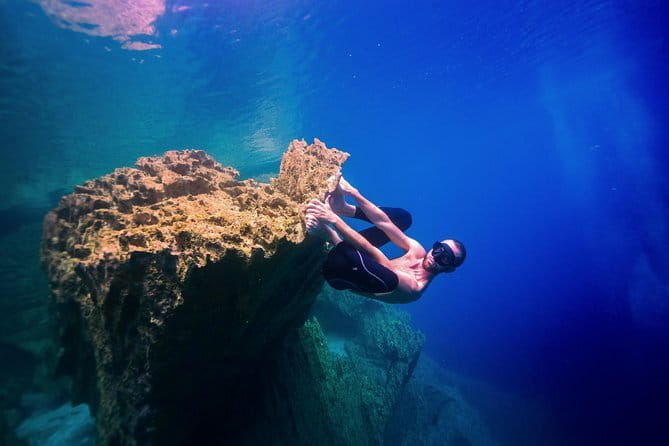
I like the balance of structured learning and real sea practice. The academy gives you classroom preparation, pool training, and an open-water session at Napaling Reef, with a small group and a certificate at the end. The strongest selling point is not the reef alone. It is the patient, safety-minded instruction from people such as Teo, Jomari, and Ramar.
The price is fair only if you want a proper beginner qualification and plan to use the skills again. For a simple holiday swim, it is too costly and too long. For someone ready to learn how to move underwater with less equipment and more control, it offers a focused introduction in a scenic part of Bohol.
Free cancellation is available up to 24 hours before the start time for a full refund. Changes or cancellations made inside that 24-hour window are not accepted for a refund, so check your schedule before committing.
FAQ
How long does the beginner freediving course last?
The course lasts about two and a half days, described as a three-day beginner program. The exact daily schedule should be confirmed with Freedive Academy Panglao.
What depth can I learn to reach?
The beginner course teaches skills for depths of up to 20 meters, or about 65.5 feet. You should progress according to your training and comfort rather than treat that depth as a requirement.
What certification does the course provide?
The course description focuses on SSI Level 1 freediving and says a certificate is provided upon completion. The academy also offers AIDA and Molchanovs programs, so confirm the agency connected to your booking.
Is equipment included?
Snorkeling equipment is included. The package also includes all fees and taxes, but the supplied information does not list every piece of freediving equipment, so ask the academy for the full equipment details.
Is lunch included?
No. Lunch is not included, but it can be ordered one day in advance for about 250 Philippine pesos.
Where does the course start and finish?
The stated meeting point is Freedive Academy Panglao at Napaling Drive 1, Panglao, Bohol. The activity ends back at the meeting point. Hotel, airport, or port pickup on Panglao Island is also listed as included.
Can I cancel for a full refund?
Yes. You can cancel at least 24 hours before the experience start time for a full refund. Cancellations or changes made less than 24 hours before the start time are not accepted for a refund.
New dives around the Philippines
- WaterColors – PADI Scuba Diver Certification in Boracay★ 5.0 · 12 reviews
- Discover Freediving One Amazing Day★ 4.5 · 4 reviews
- Discovery Freediving Program★ 5.0 · 37 reviews
- WaterColors – Kids’ Discover Scuba Diving in Boracay for 10 years old and up★ 4.0 · 3 reviews
- Boracay PADI Discover Scuba Diving★ 5.0 · 9 reviews
- DiveGurus -Scuba Diving for Kids(Ages 6-11yrs)★ 5.0 · 5 reviews
- 2-Day Private Boracay PADI Open Water Diver Course★ 5.0 · 3 reviews
- Boracay Island Hopping + Hot Kawa + Parasailing + Helmet Diving★ 3.0 · 10 reviews
Freediving, compared.
Snorkeling and Freediving Trip around Nusa Penida
Read our review →
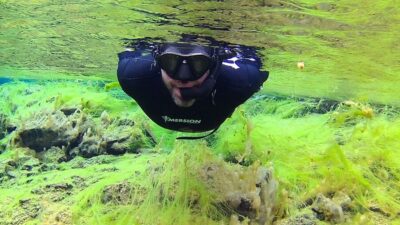
Thingvellir: Silfra Freedive Adevnture with a Guide
Read our review →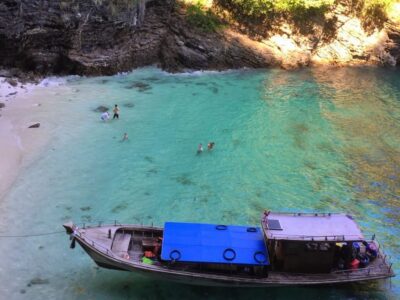
Krabi: Freediving and Snorkeling at Yawasam and Talu Island
Read our review →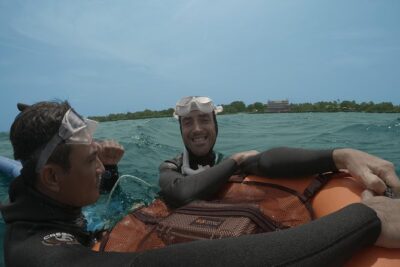
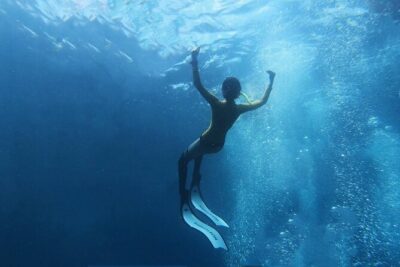
Freedive trip Koh Kood or Koh Rang National Park ( start at Ko Kut)
Read our review →
Browse the lists this tour appears in