
REVIEW · HAWAII
Kailua-Kona: Night Manta Snorkel or Dive
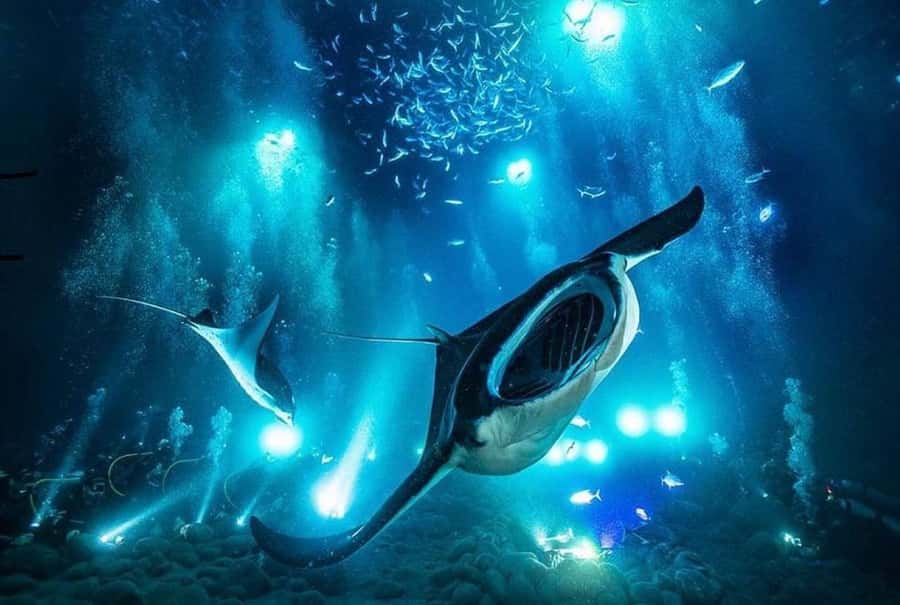
The ocean comes alive after dark. This Kailua-Kona manta experience brings you into a sheltered bay where powerful lights gather plankton and attract graceful manta rays. I like the calm water and the unusual viewing setup: scuba participants sit on the sandy bottom while snorkelers float above them. The mantas then glide through the light, sometimes only a short distance away, turning and rolling as they feed.
I also like that the trip lasts only two hours, making it easy to fit into a Kona holiday. The crew received strong praise for being capable, friendly, and fun, with a 4.6 rating overall. The main caution is that this is not a good choice for non-swimmers, people with back problems, or anyone prone to seasickness. One scheduled outing was canceled on the same day, so flexibility is wise.
Key points to know before you book
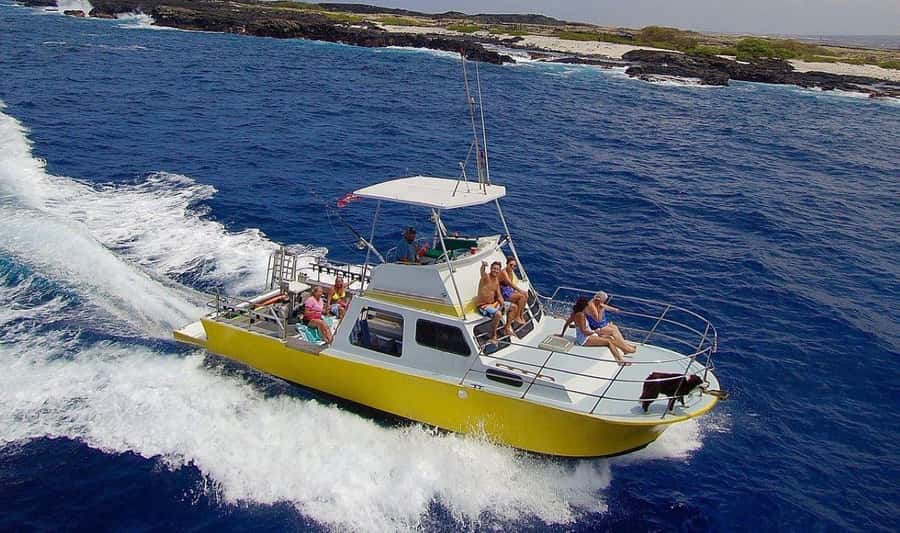
- Manta rays feed beneath boat lights: Plankton gathers in the glow, bringing the rays right into the viewing area.
- Snorkelers float above scuba participants: You can watch the action from the surface without going to the bottom.
- The bay is sheltered and about 30 feet deep: Calm water makes the setting easier to manage than open-ocean conditions.
- Mantas can reach 15 feet across: These large animals move with surprising grace as they make repeated feeding turns.
- The $129 price includes basic snorkel equipment: Scuba equipment costs an extra $40 if you choose the scuba option.
- The experience lasts two hours: Bring swimwear, dry clothes, a towel, water, snacks, and biodegradable sunscreen.
Why Kona’s night manta encounter is so unusual
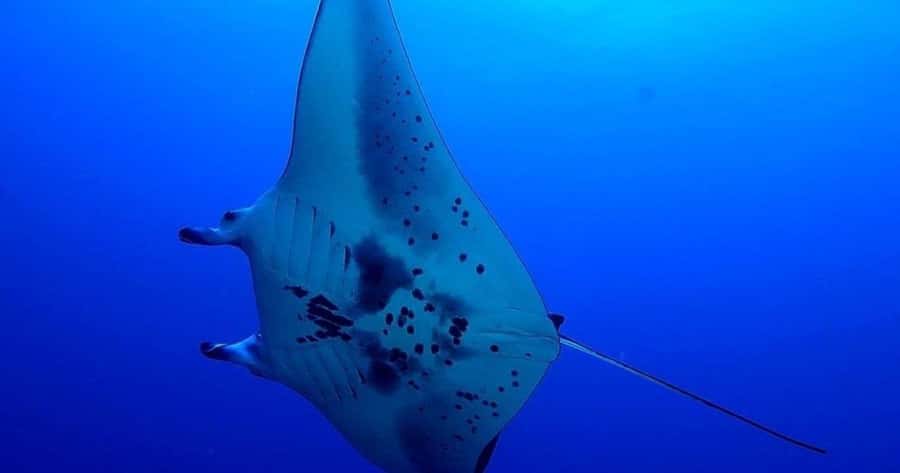
Kailua-Kona is known for its evening manta activity, and the reason is simple. Bright underwater lights draw plankton into one concentrated area. Manta rays follow the food, creating a nightly feeding scene that feels very different from a standard daytime snorkel.
You are not simply hoping to spot a ray in the distance. The setup is designed around observation. Boats anchor near a sandy area, and the group gathers around the lights. The rays make repeated flips and turns as they scoop up plankton. Their movements are graceful, but the feeding is also active and close enough to hold your attention from the first pass.
The local mantas can reach wingspans of about 15 feet and weigh more than 1,000 pounds. That size sounds intimidating until you see how gently they move. They are there for plankton, not for interaction with people, and the rules are clear: do not touch marine life or plants.
That no-touch rule matters. It protects the animals and keeps the encounter focused on watching natural behavior. Your best experience comes from staying calm, keeping your hands to yourself, and allowing the rays to move through the light on their own terms.
More Manta Ray Dives in the USA:
- One Tank Manta Night Dive and Snorkel
★ 5.0 · 56 reviews - 5 Fun Dives in Nusa Lembongan (for certified divers) – Swim with a Mola Mola
★ 5.0 · 205 reviews - Scuba Diving in Nusa Penida – Manta Point
★ 5.0 · 198 reviews
The sheltered bay and the 30-foot sandy bottom
The setting is one of the experience’s strongest points. The bay is described as calm and sheltered, with the boats anchoring over a sandy area that drops to roughly 30 feet. That depth gives scuba participants a place to settle below while keeping the rays visible to people at the surface.
For you, the sandy bottom has practical value. It provides a clear viewing area rather than a confusing reef full of competing sights. The lights become the center of attention, and the manta rays pass through that illuminated space. Snorkelers can float above the scuba group and watch from a higher angle.
The water may still feel like open water, and conditions can change. The sheltered location does not remove every challenge. If you are not a confident swimmer, this is not the right activity. People prone to seasickness should also think carefully before booking, since the trip takes place on a boat at night.
The two-hour length is useful. It is long enough to allow time on the water without consuming an entire evening. It also means you should arrive prepared rather than assuming you can solve every small problem once the boat leaves.
What the evening experience is like
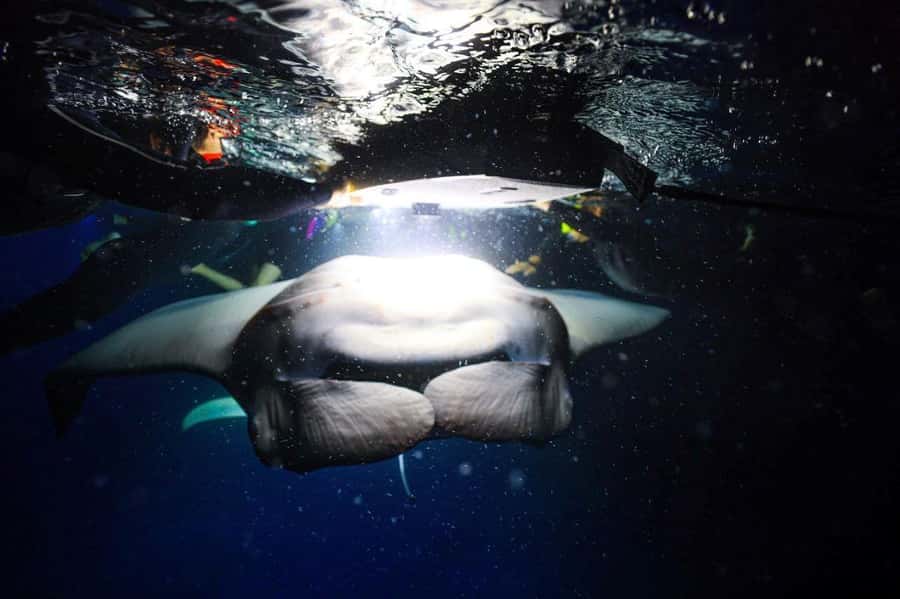
The experience centers on the boat ride and the time spent around the lights. Exact departure times vary, so you need to check availability for your date. Pickup is not included, which means you are responsible for reaching the departure point.
Once at the activity, snorkeling equipment is included. Scuba participants need to rent their equipment on site for an additional $40. The supplied details do not specify group size, departure location, or the exact amount of time spent in the water, so you should confirm those points before booking if they affect your plans.
The boat anchors near the sandy area, and the group takes its position. Snorkelers remain at the surface, while scuba participants sit on the bottom. From there, the lights draw plankton upward and the mantas arrive to feed.
This arrangement gives both options a clear purpose. Snorkeling keeps you at the surface with an overhead view, while scuba places you closer to the sandy viewing area. You do not need scuba equipment to appreciate the spectacle. For many people, floating above the activity may be the simpler and less demanding choice.
The crew and captain are an important part of the evening. One highly positive account specifically praised the captain and crew for being capable, kind, and able to keep the outing fun. That is useful information for a night activity, since calm instructions and a good attitude matter when people are getting comfortable in the water.
Watching the mantas feed under the lights
The best part is the feeding pattern. Mantas do not simply appear and hover. They make continuous flips as they collect plankton, turning their broad bodies through the light. You can watch the same animal approach, curve through the viewing area, and move away before another takes its place.
The light creates a stage, but the rays are not performing for you. That distinction makes the encounter feel more authentic. The animals come for food, and you are allowed to witness the routine without touching or chasing them.
The size of the mantas changes the whole mood. A 15-foot wingspan can fill your field of view, especially when the animal turns above or beside you. Yet the movement is quiet and controlled. The contrast between their size and their gentle motion is what makes the sight so memorable.
You should bring a waterproof camera if you have one. The provided information does not promise professional photographs, so your own camera is the safer way to record the evening. Use it without letting photography distract you from the animals. A short feeding pass can be over quickly.
Snorkelers may find the surface position especially rewarding. You can look down into the light and watch the rays move below, while scuba participants see them from nearer the bottom. The two viewpoints are different, but both keep the manta activity at the center.
More Snorkelling Trips in the USA:
- Manatee Snorkel Tour from American Pro Diving Center
★ 5.0 · 265 reviews - VIP Aloha Nui Snorkel Adventure w/ optional SCUBA from Lahaina
★ 5.0 · 136 reviews - Snorkel Or Dive The Amazing Rainbow River Florida
★ 5.0 · 116 reviews - Two Tank Morning Reef Dive and Snorkel
★ 5.0 · 54 reviews
Snorkeling or scuba: which option fits you?
The snorkeling choice is the easier recommendation for most people. Equipment is included, you remain at the surface, and you can watch the rays from above. It is still a water activity, so you need to be comfortable swimming and floating. This is not a ride where you stay dry.
Choose the scuba option if you already want the experience of being underwater at the sandy viewing area and are prepared for the added equipment cost. Scuba gear is not included, and the stated rental price is $40. The supplied information does not explain certification requirements or training arrangements, so ask the provider before selecting this option.
I would not choose this activity for someone with back problems. Getting on and off a boat, remaining in the water, or handling equipment can be uncomfortable. The same applies to anyone who does not swim confidently.
Seasickness is another serious consideration. The bay is sheltered, but the boat still moves, and the outing takes place after dark. If you are prone to motion sickness, think about how much of your vacation you want to risk on a nighttime boat trip. The activity itself is compelling, but it is not a good fit for every body.
What to pack for a comfortable evening
The packing list is short, but each item earns its place:
- Swimwear
- A change of clothes
- Towel
- Water
- Snacks
- Waterproof camera
- Biodegradable sunscreen
Towels are not included, so bring your own. The activity does provide light snacks and some non-alcoholic drinks, but bringing extra water and food is sensible if you have dietary needs or simply get hungry after swimming.
A change of clothes makes the return easier, especially if you have other plans afterward. Biodegradable sunscreen is requested because ordinary sunscreen can harm marine life and water quality. Apply it before entering the water and follow the no-touch rule once you are in the bay.
Do not bring the expectation that you can handle every need onboard. Pickup is not included, towels are not included, and scuba equipment costs extra. The $129 price covers the core experience and snorkeling gear, but not every convenience.
Is $129 a fair price?
At $129 per person, this is not a casual, bargain-priced swim. Still, the value is reasonable if seeing manta rays is high on your Kona list. The price covers the two-hour experience, snorkeling gear, light snacks, and some non-alcoholic drinks. You are paying for access to a specific nighttime feeding area, not just general time on the water.
The price makes more sense if you choose the included snorkeling option. Scuba participants should add the $40 equipment rental to their budget. You may also have local transportation costs because pickup is not included.
I would compare the activity with your priorities rather than looking only at the number. If you want a quiet beach evening, this is not good value. If you want a close look at large manta rays in a natural feeding setting, it could be one of the more distinctive activities of your stay.
The shorter two-hour format adds value for people with busy schedules. You do not have to give up an entire day, and the activity can fit beside other Kona plans. The tradeoff is that the experience depends on sea conditions and animal activity, so you are paying for the opportunity to see the spectacle, not a guaranteed private encounter.
Cancellation, scheduling, and the risk of a change
You can cancel up to 24 hours before the activity for a full refund. The reserve-now, pay-later option also helps keep your schedule flexible, since you do not pay at the time of booking.
That flexibility is worth using. One booking was canceled on the same day as the scheduled outing, which caused understandable frustration. The supplied details do not explain the reason, but the incident is a reminder not to place this activity on the final night of your trip if seeing the mantas is a top priority.
Check the starting time for your date and leave enough room around it. Since pickup is not included, plan your route to the departure point in advance. You should also confirm the departure location and any scuba requirements before committing to the scuba option.
The overall rating is 4.6, with strong praise for the crew and captain. That positive impression matters, but the cancellation experience shows why a little schedule padding is sensible.
Who should book this experience?
I would recommend it to a confident swimmer who wants a wildlife encounter rather than a basic sightseeing cruise. It suits you especially well if you are curious about marine life, comfortable in the water, and excited by the idea of being near very large animals without touching them.
Snorkelers who prefer to stay near the surface are likely to find the setup approachable. The sheltered bay and calm water help, and the surface position gives you a clear view of the feeding area. You still need to be comfortable in the ocean at night.
The activity is less suitable for non-swimmers, people with back problems, and anyone who often gets seasick. It is also not ideal for someone who needs a guaranteed schedule with no chance of a cancellation.
Families and groups should consider each person separately. The information provided does not give a minimum age, so confirm age rules before booking for children. A child who cannot swim confidently should not participate simply because the manta rays sound exciting.
Should you book the Kona night manta experience?
Book it if you want one of Kailua-Kona’s most unusual wildlife encounters and can handle a nighttime boat outing. The calm bay, concentrated lights, sandy viewing area, and repeated manta feeding turns create a focused experience that feels far more special than a routine snorkel.
Choose snorkeling for the simplest option, and budget another $40 if you need scuba gear. Bring your own towel, water, snacks, and dry clothes, and leave room in your schedule in case the operator has to change plans.
I would place this near the top of a Kona itinerary, but not on the last available evening. For a confident swimmer who respects the animals and accepts a little uncertainty, $129 is a fair price for two hours with some of the ocean’s most impressive creatures.
FAQ
How much does the Kailua-Kona manta experience cost?
The listed price is $129 per person. Scuba equipment costs an additional $40 if you select the scuba option.
How long does the experience last?
The activity lasts two hours.
Is snorkeling equipment included?
Yes. Snorkeling gear is included in the price.
Are scuba equipment and towels provided?
Scuba equipment is not included, but it can be rented on site for $40. Towels are also not included, so bring your own.
What should I bring?
Bring swimwear, a change of clothes, a towel, snacks, water, a waterproof camera, and biodegradable sunscreen.
Who should not take part?
The activity is not suitable for people with back problems, non-swimmers, or people prone to seasickness.
Can I cancel for a refund?
Yes. You can cancel up to 24 hours in advance for a full refund.
More Evening Experiences in the USA
- Certified Diver: 2-Tank Night Dive
★ 5.0 · 61 reviews - Oahu Night Dive: Adventure for Certified Divers
★ 3.6 · 6 reviews - 2 Days & 1 Night – 2 Dives in Lembongan/Penida (for certified divers)
★ 5.0 · 76 reviews - 3 Night Ningaloo Reef Snorkel and Dive Getaway from Coral Bay
★ 5.0 · 74 reviews
New dives around the USA
- Shore Dive with Sea Turtles @ Koloa Landing for Certified Divers★ 5.0 · 10 reviews
- One Tank Scuba Diving in Kauai South Shore Certified Diver Only★ 4.5 · 14 reviews
- Try Scuba Diving in Kauai From a Boat: No Experience Necessary★ 5.0 · 24 reviews
- 1 Tank Discover Scuba at Koloa Landing with No Experience needed★ 5.0 · 31 reviews
- Try Scuba Diving on Kaua’i with Sea Turtles★ 5.0 · 3 reviews
- Two Tank Morning Reef Dive and Snorkel★ 5.0 · 54 reviews
- Two Tank Morning Scuba Dive★ 5.0 · 3 reviews
- 2 Tank Shore Dive at Sea Turtle Cove★ 4.5 · 19 reviews
Manta Ray & Mola Dives, compared.
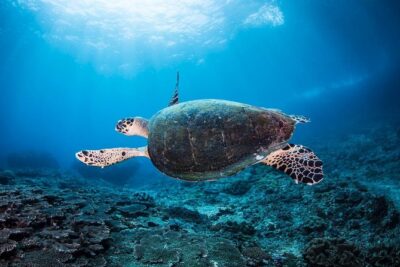
5 Fun Dives in Nusa Lembongan (for certified divers) – Swim with a Mola Mola
Read our review →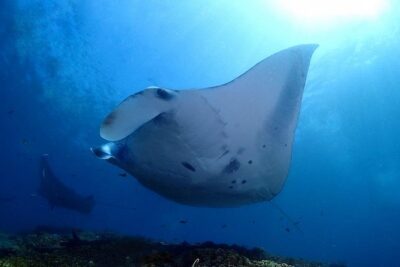
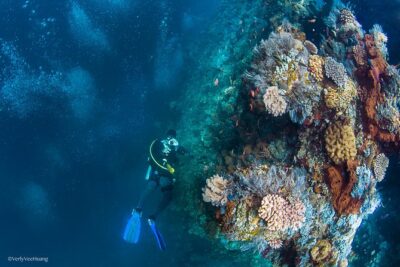
Bali Diving Day Trip-Manta Point/Tulamben Shipwreck-Fun Dive
Read our review →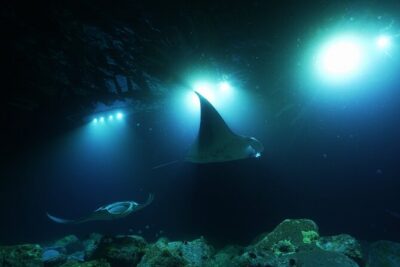
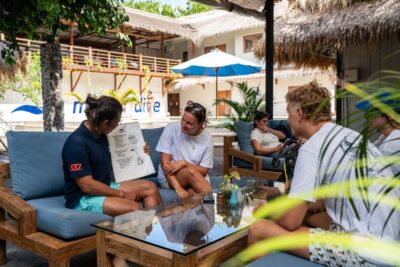
Manta Dive Gili Trawangan: Discover Scuba Diving
Read our review →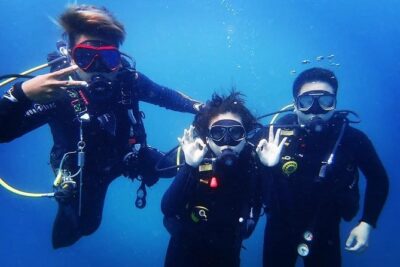
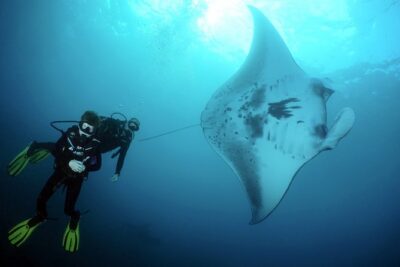
Scuba Diving Nusa Penida Manta Point 3 dives for certified divers
Read our review →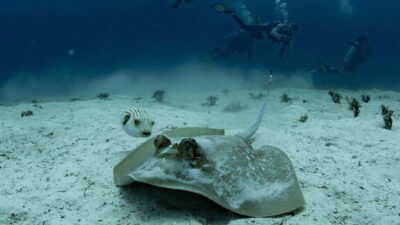
El Nido: Discover Scuba Diving with Manta Rays in Sibaltan
Read our review →Browse the lists this tour appears in