
REVIEW · NORTH ISLAND
Guided Shore Dive Tour for Certified Divers
Goat Island rewards curious scuba divers. This four-hour shore tour takes you into New Zealand’s first marine reserve, where kelp forests, rocky reefs, crayfish, stingrays, and large snapper create a lively underwater outing for certified divers. I like the small group of up to six people, which should make it easier to stay close to the guide and ask questions. I also like that the full equipment package is included, from wetsuit and hood to tank and regulator.
The main thing to consider is that this is not a casual introduction to scuba. You need recognized certification, proof of certification, and a logged scuba outing within the past 18 months. The trip also depends on weather, and you drive yourself the 3 kilometers from the dive center to the marine reserve.
Key points to know before booking
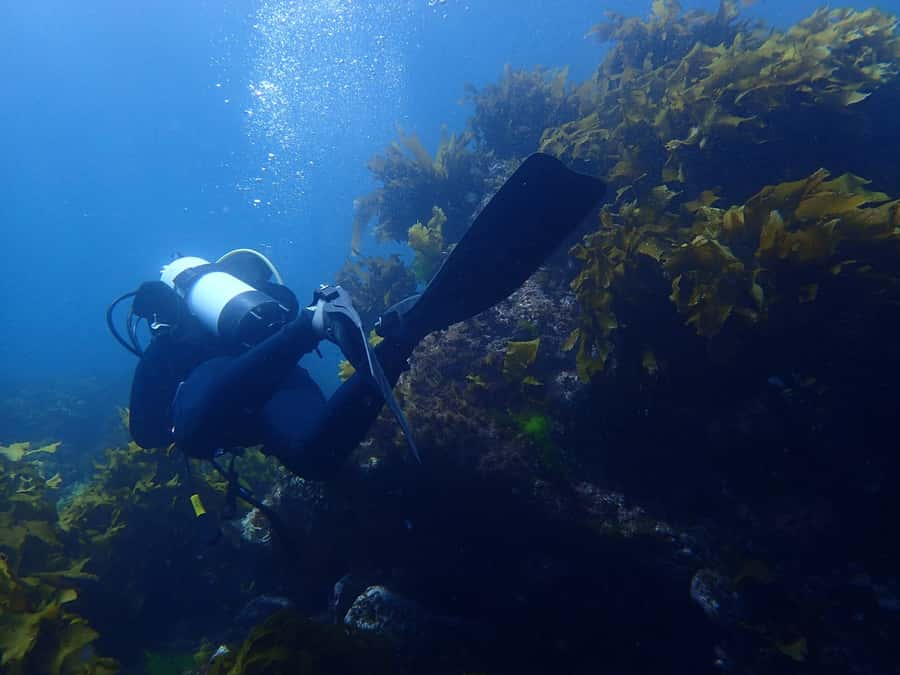
- Goat Island Marine Reserve: Explore New Zealand’s first marine reserve, with protected sea life and varied underwater habitats.
- Small guided group: A maximum of six participants allows for closer supervision and a more personal outing.
- Full equipment supplied: Wetsuits, hoods, masks, fins, buoyancy equipment, regulators, and tanks are included.
- Six possible viewing areas: The route may include ABC Bay, Shag Rock, Waterfall Reef, the caves, Yellow Sponge Garden, and Eagle Ray Flats.
- Certified divers only: You must be at least 16, hold certification from a recognized agency, and have gone scuba diving within the last 18 months.
- Four hours at $134: The price covers the guide and equipment, but not food, drinks, towels, or transport in your own vehicle.
Why Goat Island is a special place to scuba
Goat Island Marine Reserve, off New Zealand’s North Island, offers a clear reason to choose a guided outing instead of simply hiring gear and entering the water alone. The reserve protects a busy marine environment where fish and invertebrates can be seen close to shore.
The protected setting is especially useful for visitors who want to understand New Zealand’s coastal sea life rather than simply swim past it. Your instructor explains the reserve’s background, identifies the creatures you encounter, and helps you stay comfortable and safe.
I like that the trip focuses on several types of habitat. You are not limited to one sandy patch or one rocky wall. Depending on conditions and the route chosen, you may move through kelp, cliffs, crevices, caves, sandy flats, and current-fed areas.
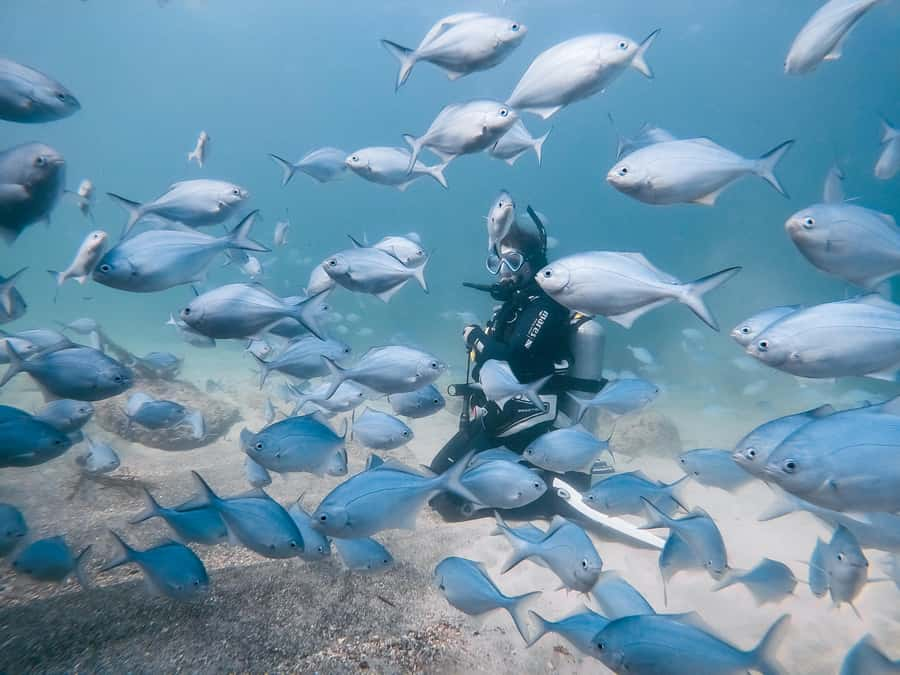
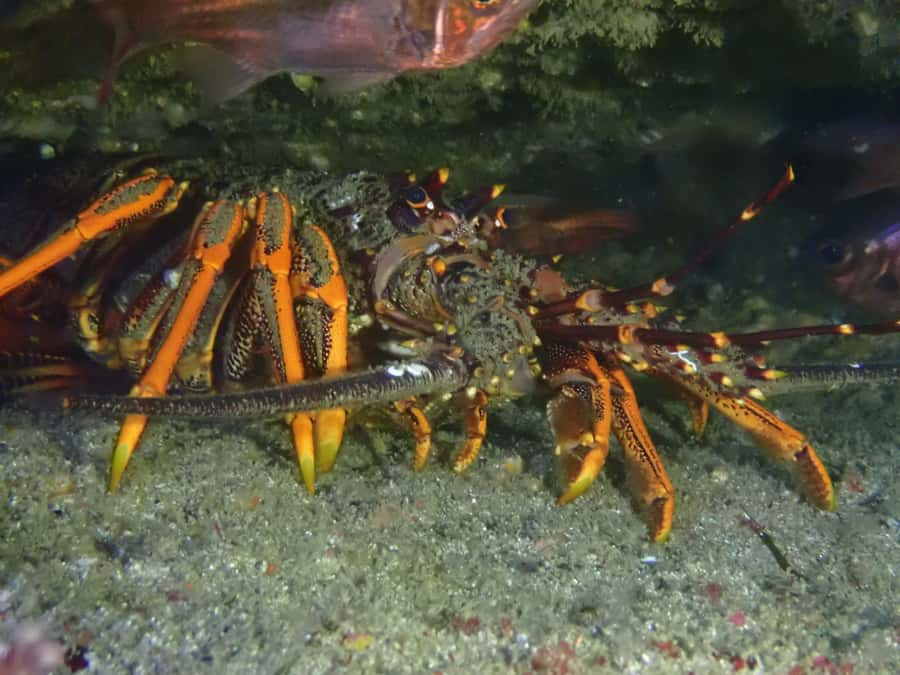
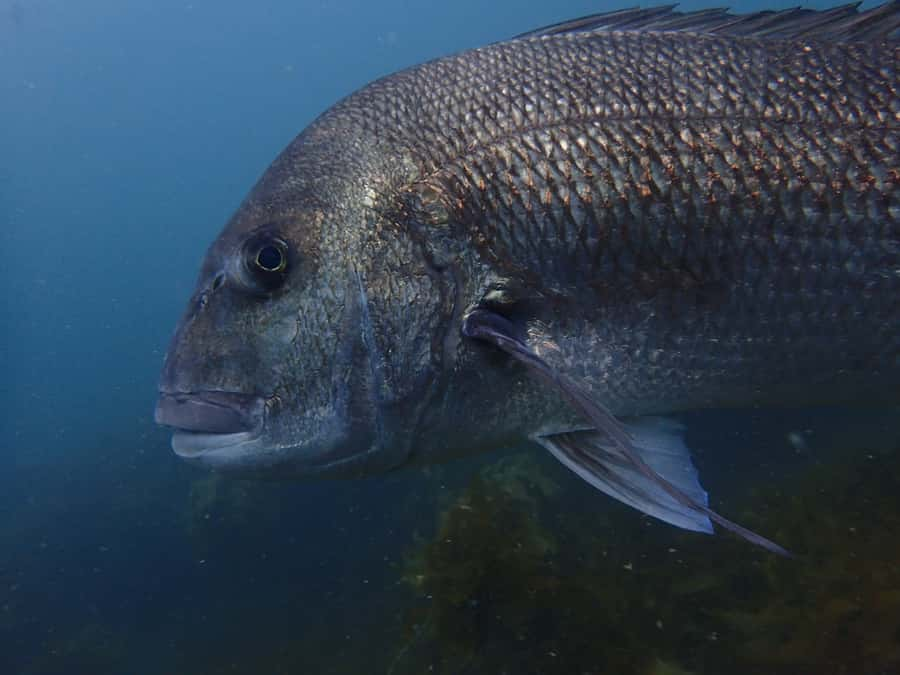
The marine life list is impressive without promising sightings that cannot be guaranteed. Large snapper, red moki, goatfish, triplefins, parore, kahawai, sweep, silver drummers, and trevally may all appear. Crayfish, octopuses, stingrays, and eagle rays are also possible.
Dolphins, seals, and orcas are mentioned as lucky sightings, so treat them as an unexpected bonus rather than part of the standard plan. The fish and invertebrates are the dependable reason to book.
More Shore Dives in the world:
- South Maui Shore Dive
★ 5.0 · 147 reviews - Guided Shore Dive for Certified Divers with Scubaçao (2 tank)
★ 5.0 · 128 reviews - Introduction Shore Dive with Scubaçao (1 dive)
★ 5.0 · 108 reviews
Starting at the Goat Island Dive and Snorkel Centre
You begin at the Goat Island Dive and Snorkel Centre at your scheduled start time. This is where the staff fit you with the supplied equipment.
The gear package is broad. It includes a 7.5-millimeter or 3-millimeter wetsuit, plus vests and hoods, mask, snorkel, fins with booties, a buoyancy control device, regulator, and tank. Equipment is washed after each use, which is a practical detail for anyone who prefers not to bring a full kit on a New Zealand trip.
The choice of wetsuit thickness should depend on the conditions and the fit you receive. You may want to allow enough time for a careful fitting, since an uncomfortable suit can affect your whole outing. Bring swimwear to wear underneath and bring your own towel. Towels are not supplied.
You also need to bring proof of certification and your dive log. The accepted agencies include SSI, PADI, NAUI, BSAC, SDI, and CMAS, with at least Scuba Diver or Open Water certification required. Do not leave your certification card in your accommodation. Without proof, you may not be allowed to take part.
After the fitting, you use your own vehicle to travel 3 kilometers to Goat Island Marine Reserve. The operator does not provide that short transfer, so plan for the change between the equipment center and the shore meeting point.
The safety briefing and shore entry
At the reserve, you meet the instructor who guides the tour. Before entering the water, you receive a full safety briefing and an introduction to the marine life you are likely to see.
This part matters. Shore-based scuba has its own practical concerns, including getting equipment into the water, moving over the entry area, and staying together once you are below the surface. The guide’s role is not only to point out fish. The guide also watches the group, checks comfort, and helps you manage the conditions.
The group limit of six is a real advantage here. A smaller party should reduce the chance of feeling lost in a crowd and gives the instructor a better chance to keep track of everyone. It also suits divers who prefer a quieter, more focused outing.
You should arrive ready to listen and follow instructions. Alcohol and drugs are not allowed, and you must not touch marine life. That rule protects both you and the animals, particularly delicate creatures such as anemones, sponges, and nudibranchs.
ABC Bay, Shag Rock, and Waterfall Reef
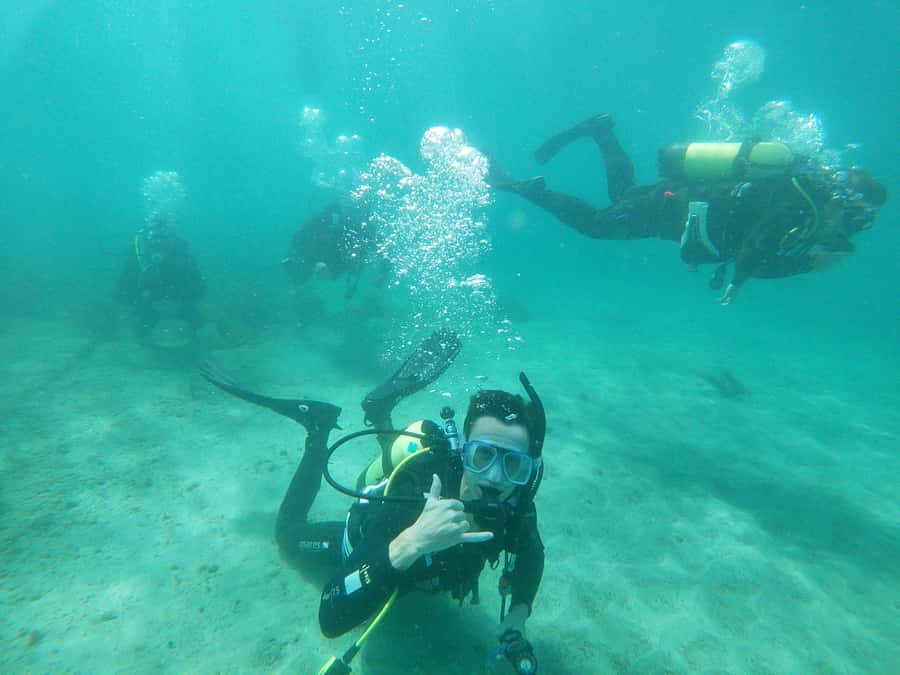
One possible area is ABC Bay, where you may see stingrays and blue maomao around kelp forests and cliff sides. This sounds like a good introduction to the reserve’s variety because it combines open water, rocky edges, plant life, and fish activity.
Stingrays are a highlight, but sightings cannot be guaranteed. Keep your movements calm and give animals room. The instruction not to touch marine life is especially important around rays and other bottom-dwelling species.
Shag Rock is a large isolated rock surrounded by kelp. Fish gather around it, making this one of the more appealing points on the route. A lone rock creates structure in the water, and structure often gives marine life places to shelter and feed.
Waterfall Reef lies on the southern side of the channel. This area is described as a good place for schools of fish and crayfish. If you enjoy watching group behavior, this may be one of the most rewarding sections. Schools can make the water feel busy, while crayfish give you a reason to slow down and inspect the rocks.
The exact sequence depends on conditions and the guide’s judgment. That flexibility is sensible in a marine reserve, where visibility, currents, and weather can change.
More Dives for Certified Divers in the world:
- Two-Tank Morning Dive Trip for Certified Divers
★ 5.0 · 602 reviews - 2 Tank Lanai Cathedral Scuba Dive Via Boat for Certified Divers
★ 5.0 · 548 reviews - Wreck and Bridge Span Dive for Certified Divers
★ 5.0 · 521 reviews - Two-Tank Dive for Certified Diving in St Thomas
★ 5.0 · 456 reviews
Caves and Yellow Sponge Garden for careful observers
The caves appeal most to people who enjoy small details. Anemones, nudibranchs, and sponges live here, making the area particularly suitable for anyone who likes macro subjects and invertebrates.
You will get more from this section if you resist the urge to rush. Nudibranchs can be small, and the colors and textures of sponges reward close observation. The guide’s local knowledge is useful because a trained eye may notice creatures you would swim past.
Yellow Sponge Garden takes you through large crevices covered with kelp. These gaps can hide crayfish, bigeye, and tiny triplefins. It is a good reminder that the reserve is not just about large fish. Some of the best moments may come from stopping beside a crack in the rock and finding a small animal tucked inside.
The drawback is that the most delicate sights may be difficult for new or out-of-practice divers to spot. You need reasonable buoyancy control and patience. Since the tour is for certified divers with a recent scuba outing, the operator expects you to manage your equipment and position in the water.
Eagle Ray Flats and the larger fish
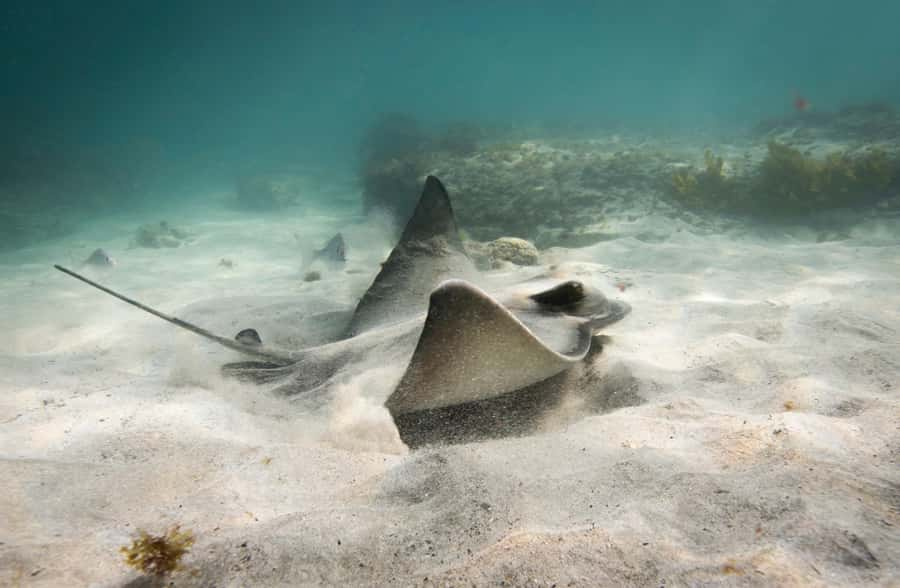
Eagle Ray Flats offers a different setting, with rays resting on the sand and schools of fish feeding in the current. Snapper are known for cruising through the area, and they may approach with the curious behavior associated with protected fish.
This is likely to be the most immediately exciting part for people who prefer larger animals and open views. Eagle rays resting on sand are easy to appreciate, while schools of fish create movement around you. The current can also bring feeding activity, though it means you should pay close attention to the guide’s instructions.
The reserve is known for large snapper, red moki, goatfish, triplefins, parore, kahawai, sweep, silver drummers, and trevally. The list gives you a useful idea of the outing’s character: expect temperate New Zealand sea life, not a tropical reef aquarium.
The occasional chance of dolphins, seals, or orcas adds excitement, but I would not choose this tour mainly for those animals. The operator is being realistic by presenting them as lucky sightings. Your reliable reward is the protected marine setting and the variety of fish and invertebrates.
What $134 includes and what it does not
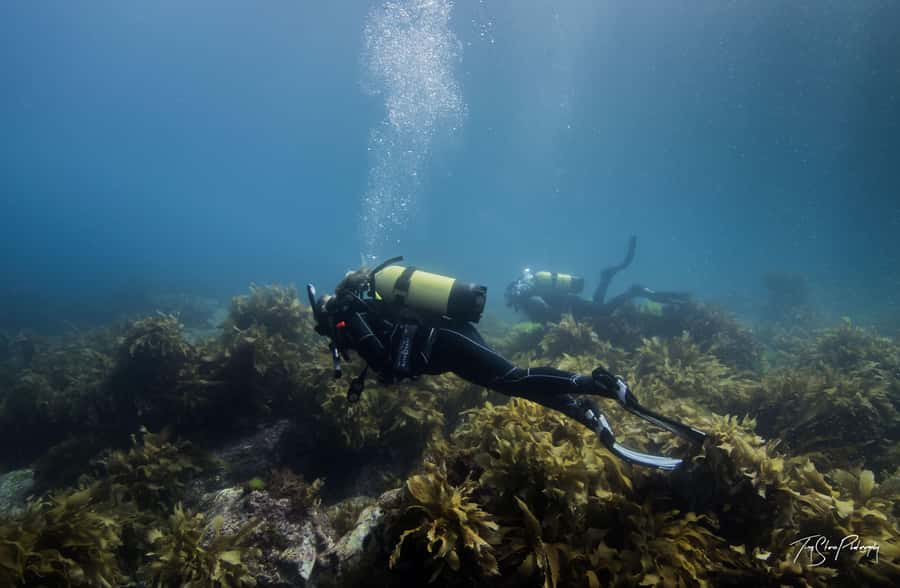
At $134 per person, the tour offers fair value for a four-hour guided outing if you need equipment. You are paying for a professional instructor, local marine knowledge, a small group, and a full set of scuba equipment. Renting all that separately could make the package convenient, especially for visitors who do not want to carry a full kit around New Zealand.
The price is less attractive if you already have a complete setup and would prefer to explore independently. The main added value then comes from the guide, safety support, and knowledge of the Leigh Coast and local marine reserves.
Remember to budget for the items not included. Food and drinks are your responsibility, and you need to bring a towel. You also drive yourself the 3 kilometers to the reserve, so the experience does not include a dedicated transfer from the center.
The four-hour duration should leave room for equipment fitting, travel to the reserve, briefing, and time in the water. Do not read four hours as four hours below the surface. The practical stages are part of any properly run scuba outing.
Who will get the most from this outing
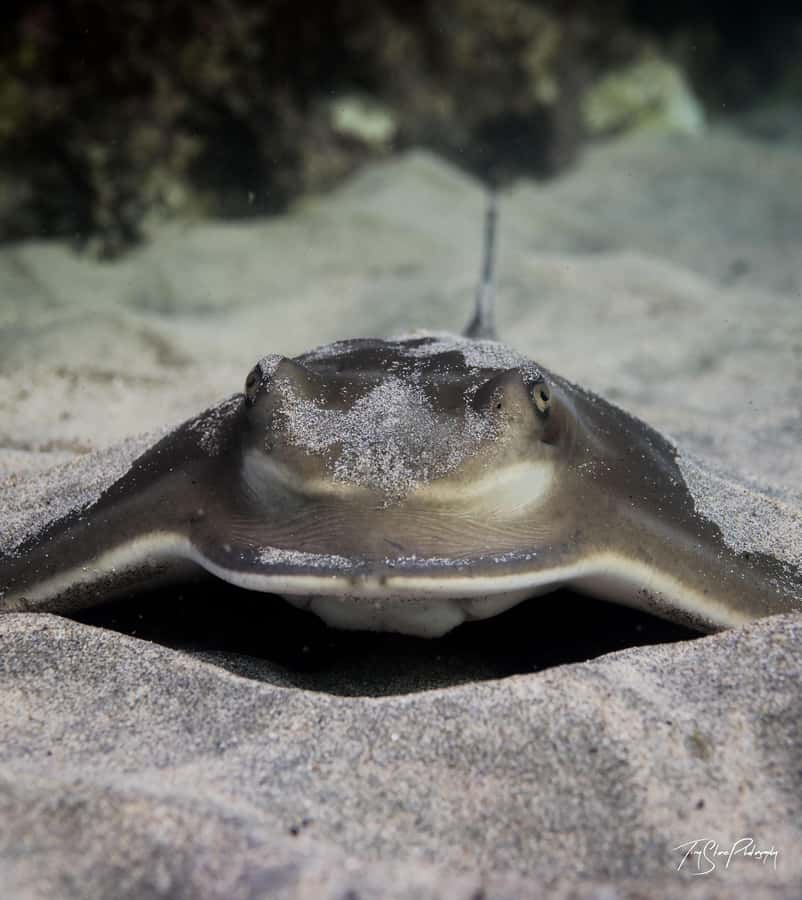
I would recommend this tour to certified divers who want a guided introduction to Goat Island Marine Reserve and do not have their own equipment. It is also a strong choice for divers who value a small group and want help identifying local species.
The tour suits people who have recent scuba experience and are comfortable following a guide from shore. It may be particularly good for underwater photographers and macro fans, although no photography equipment or special photography service is included. The caves, sponge-covered crevices, anemones, nudibranchs, and small triplefins offer plenty to look for.
It is not suitable for children under 16, uncertified participants, people without experience, or anyone with a pre-existing medical condition. The supplied information does not give medical screening details, so anyone with a medical concern should resolve that before booking.
You also need at least two people for the tour to operate. If you are booking alone, check that the minimum is met before building your day around it.
Weather, timing, and practical preparation
Conditions in the region change regularly, and the activity is weather dependent. If the operator cancels because of weather, you receive a full refund. That policy is reassuring, but you should still keep some flexibility in your North Island plans.
I would avoid placing an important flight, long-distance drive, or fixed evening booking immediately afterward. The tour lasts four hours, and weather decisions or equipment fitting can affect the day’s rhythm.
Bring swimwear, a towel, water, certification, and your dive log. Food and drinks are not provided, so carry what you need for before or after the outing. Alcohol and drugs are prohibited.
The tour is conducted in English. That is worth noting if you need detailed safety instructions in another language. Ask questions during the briefing, especially if you have not used the supplied equipment before.
Free cancellation is available up to 24 hours before the scheduled start, and you can reserve the spot and pay later. Those terms help if the weather forecast is uncertain, though they do not remove the need to meet the certification and recent-experience rules.
Final verdict: should you book the Goat Island tour?
Book it if you are at least 16, properly certified, recently active in scuba, and want a guided look at one of New Zealand’s best-known protected marine areas. The combination of a six-person limit, full gear, local instruction, and varied underwater sites gives the $134 price solid value.
I would skip it if you are hoping for a beginner lesson, do not have recent scuba experience, or want a guaranteed encounter with dolphins, seals, or orcas. The real appeal is more dependable and more authentic: kelp, rocky reefs, fish, crayfish, rays, and the chance to understand a protected New Zealand marine environment with a professional beside you.
FAQ
Do I need scuba certification for this tour?
Yes. You need certification from a recognized agency such as SSI, PADI, NAUI, BSAC, SDI, or CMAS. The minimum level is Scuba Diver or Open Water, and you must bring proof.
How recently must I have gone scuba diving?
You must have been scuba diving within the past 18 months. Bring your dive log as evidence of your recent experience.
What equipment is included?
The tour provides a 7.5-millimeter or 3-millimeter wetsuit, vest and hood options, mask, snorkel, fins with booties, buoyancy control device, regulator, and tank.
How many people are in the group?
The group is limited to six participants. At least two people are required for the tour to operate.
Do I need to drive to Goat Island Marine Reserve?
Yes. You first meet at the Goat Island Dive and Snorkel Centre for equipment fitting, then drive your own vehicle 3 kilometers to the marine reserve.
What happens if the weather cancels the tour?
The activity depends on weather conditions. If the operator cancels because of weather, you receive a full refund.
New dives around the world
- Villasimius: Scuba Dive in Capo Carbona without Certificate★ 4.9 · 23 reviews
- Vila Franca do Campo: Try Scuba Diving for the first time!★ 5.0 · 3 reviews
- Villasimius: Capo Carbonara First Time Dive with Instructor★ 4.9 · 50 reviews
- Villefranche-sur-Mer: Experience an introduction to scuba diving★ 5.0 · 2 reviews
- Underwater Museum Musa : SCUBA DIVING FOR BEGINNERS★ 4.3 · 4 reviews
- Tučepi: Adriatic Sea Diving Lessons with Guided Dive & Gear★ 4.8 · 9 reviews
- Tenerife: 2 Diving Sessions for Certified Divers★ 4.2 · 7 reviews
- Tulum : Dos Ojos cenote 2 scuba dives (certified divers)★ 5.0 · 3 reviews
Shore Dives, compared.
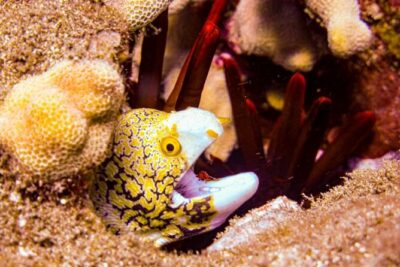
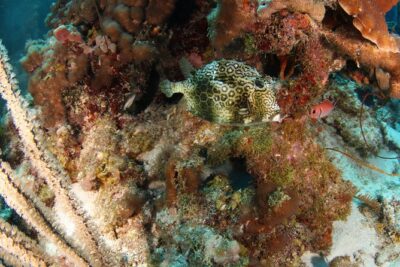
Guided Shore Dive for Certified Divers with Scubaçao (2 tank)
Read our review →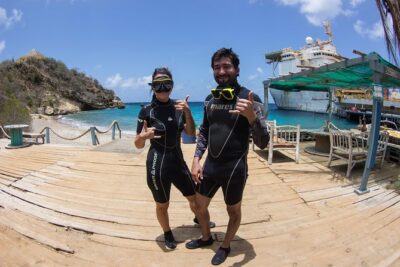
Introduction Shore Dive with Scubaçao (1 dive)
Read our review →
Kata Beach Diving for Beginners Pool Training and 1 Beach Dive
Read our review →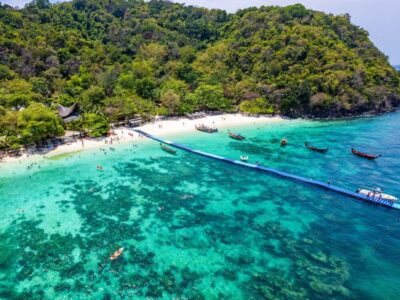
Phuket: Racha Island and Coral Islands + Scuba Beach Dive
Read our review →
Small Group Guided Shore Dives in St. Andrews State Park, Florida
Read our review →
Guided Shore Dive for Certified Divers with Scubaçao (1 tank)
Read our review →Browse the lists this tour appears in